Zhu Ye Shi Gao Tang – Decoction for Oral Ulcerations and Toothache Due to Stomach Heat
Zhu Ye Shi Gao Tang (竹葉石膏湯, Lophatheri and Gypsum Decoction) is a classical prescription in Traditional Chinese Medicine (TCM). It clears Heat, generates fluids, tonifies Qi, and harmonizes the Stomach Qi. Originally recorded in the Shang Han Lun, it is widely applied in conditions of Heat injuring the fluids after prolonged febrile disease, and is particularly effective in treating oral ulcerations, stomatitis, and toothache caused by Stomach Fire.
Main Ingredients
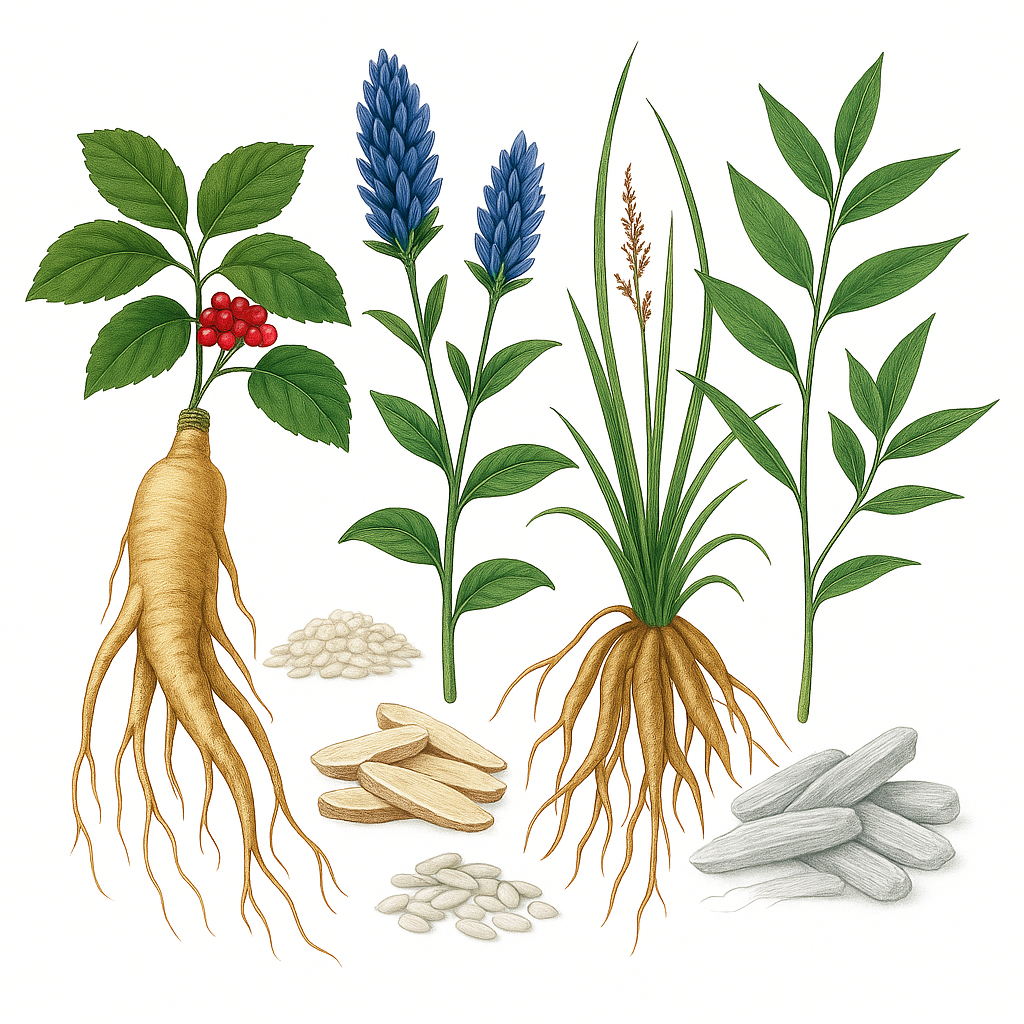
- Dan Zhu Ye (Herba Lophatheri, 8 g)
- Clears Heat, eliminates irritability, promotes urination, resolves Damp-Heat.
- Especially effective for Heart–Stomach Heat with symptoms such as thirst, scanty yellow urine, dry painful mouth, and oral ulcerations.
- Combined with Shi Gao, it enhances the Heat-clearing action at the Qi level and in the Stomach, thereby relieving burning sensation, restlessness, and insomnia.
- Shi Gao (Gypsum Fibrosum, 10 g)
- Clears Qi-level Heat, drains Fire, relieves thirst.
- Reduces burning pain in the oral cavity, swollen gums, and toothache due to exuberant Stomach Fire.
- Ren Shen (Radix Ginseng, 10 g)
- Greatly tonifies Yuan Qi, generates fluids.
- Restores vitality, accelerates healing of oral ulcerations.
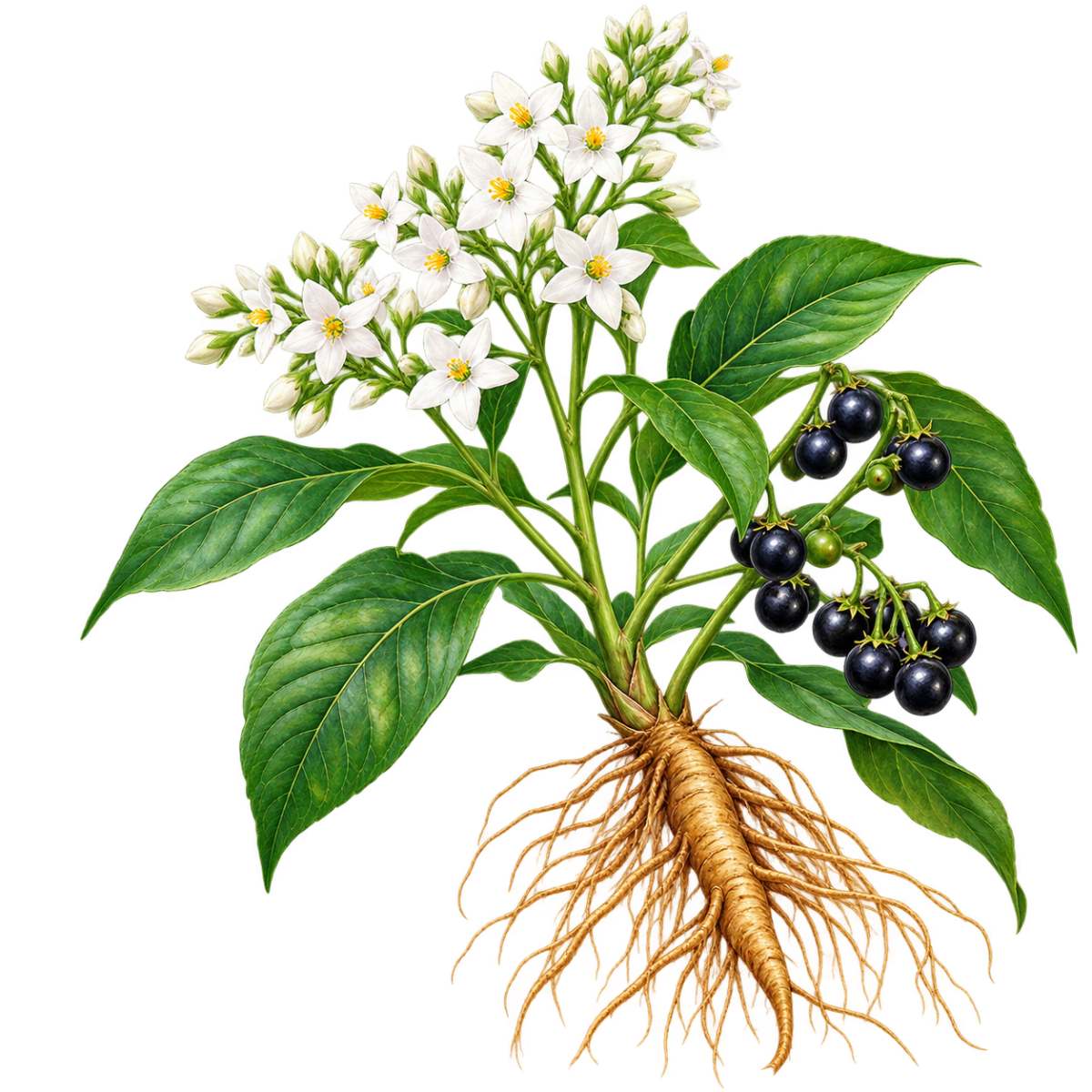
- Mai Men Dong (Radix Ophiopogonis, 12 g)
- Nourishes Yin, generates fluids, clears the Heart.
- Moistens oral mucosa, alleviates dryness, thirst, and burning sensations.
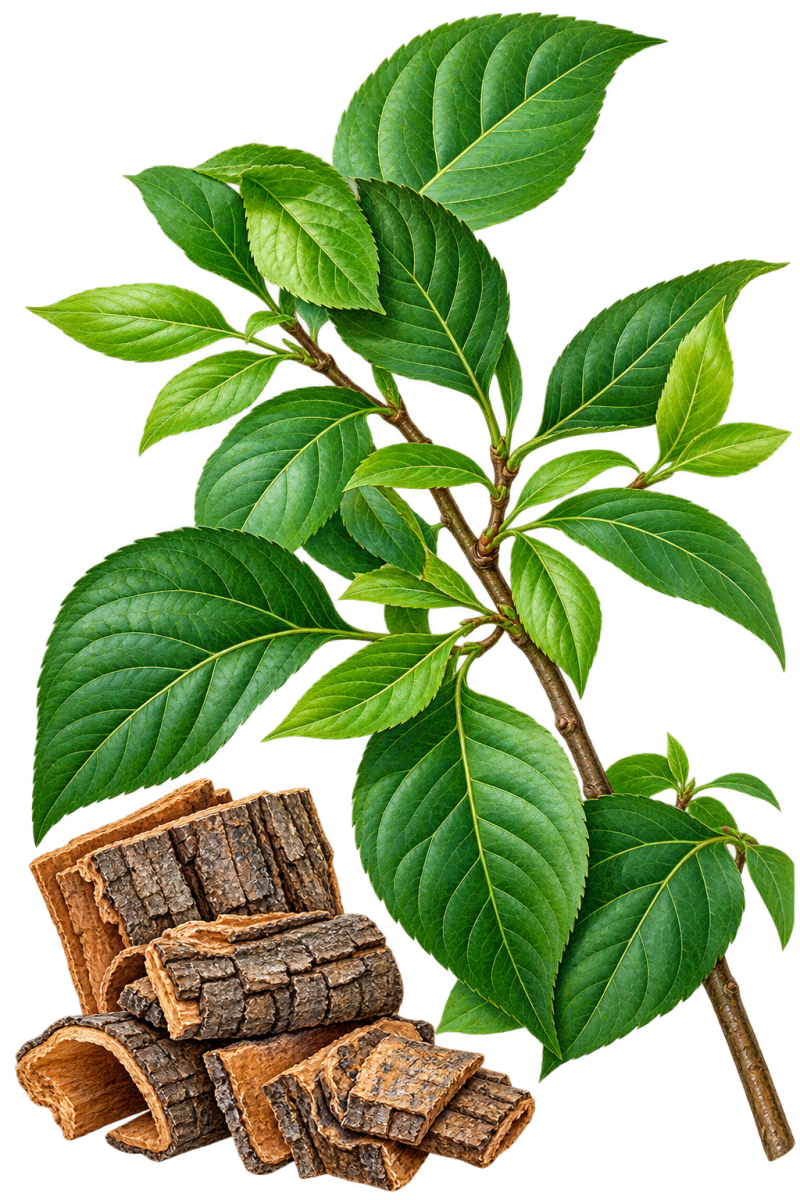
- Zhi Ban Xia (Rhizoma Pinelliae Preparatum, 2 g)
- Transforms Phlegm, directs rebellious Qi downward, stops vomiting.
- Harmonizes the Stomach, reduces halitosis caused by Phlegm-Heat.
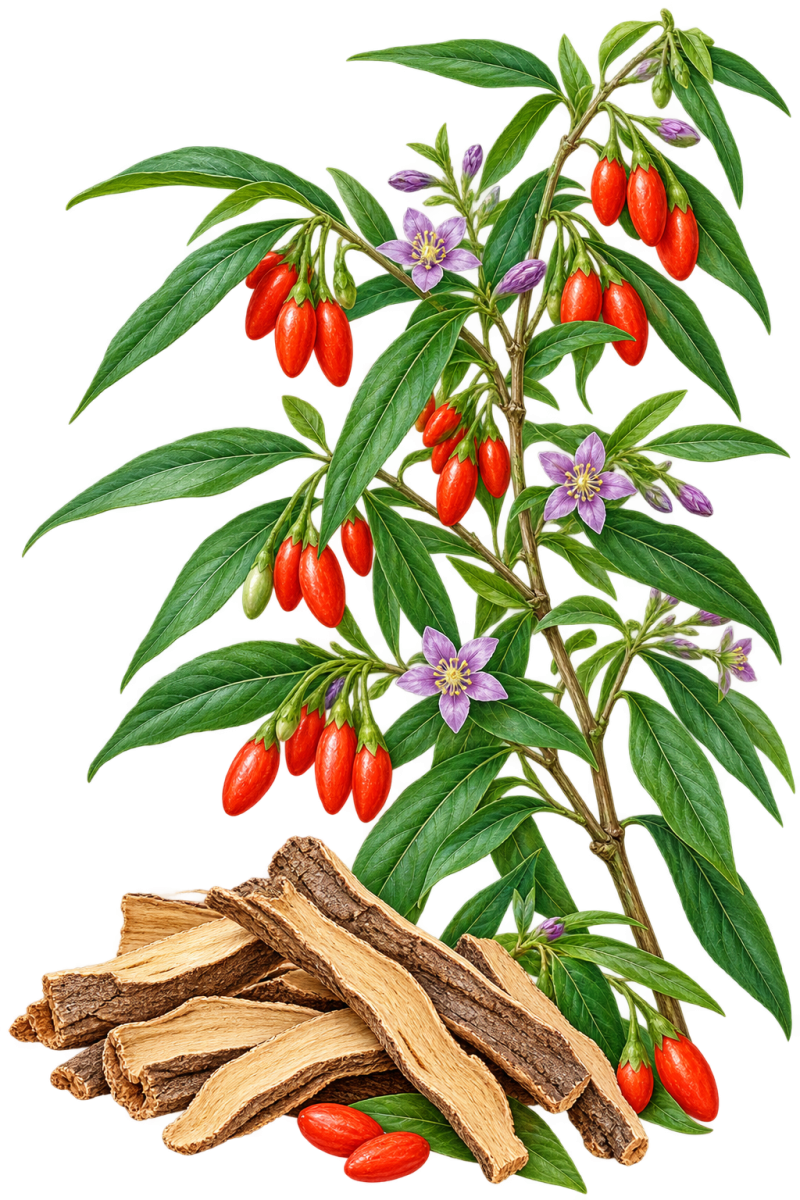
- Zhi Gan Cao (Radix Glycyrrhizae Preparata, 6 g)
- Tonifies Qi, clears Heat, detoxifies, harmonizes other herbs.
- Reduces gingival inflammation, soothes oral ulcerations, alleviates tooth pain.
- Geng Mi (Oryzae Semen, nonglutinous rice, 6 g)
- Strengthens Qi, harmonizes the Middle Jiao, generates fluids, moderates the cold nature of Shi Gao.
- Makes the prescription more gentle and well-tolerated.
Actions
- Clears Heat, drains Fire, detoxifies.
- Generates fluids, nourishes Yin, relieves thirst.
- Tonifies Qi, strengthens the Spleen and Stomach.
- Reduces pain, soothes oral ulcerations and gingival swelling.
Clinical Indications
- Oral ulcerations, stomatitis, glossitis due to Stomach Heat.
- Toothache with red, swollen, painful gums.
- Dry mouth, excessive thirst, dark-yellow urine, irritability, mild insomnia.
Contraindications
- High fever with intact Zheng Qi (no depletion of fluids or Qi).
- Spleen–Stomach deficiency cold, chronic diarrhea.
- Damp-Heat syndrome with greasy yellow tongue coating.
Dosage & Course of Treatment
- Typically prescribed for 1–2 weeks, or until symptoms improve.
Conclusion
Zhu Ye Shi Gao Tang is a comprehensive classical prescription, with Dan Zhu Ye as the chief herb to clear Heat, eliminate irritability, and promote urination. Combined with Shi Gao, Mai Men Dong, Ren Shen, Zhi Ban Xia, Zhi Gan Cao, and Geng Mi, it provides synergistic actions of clearing Heat, generating fluids, tonifying Qi, detoxifying, and relieving pain. It is particularly effective in supporting the treatment of oral ulcerations, stomatitis, and toothache due to exuberant Stomach Fire, while also promoting recovery and preventing recurrence.
Dietary Recommendations
- During the treatment of oral ulcerations, patients should consume soft, cooling, and easy-to-digest foods such as congee, soups, boiled vegetables, and water-rich fruits (watermelon, pear, apple).
- Avoid spicy, greasy, fried, sour, or sweet foods, as well as alcohol and tobacco, since these can aggravate Heat in the Stomach and worsen ulcerations.
- Drink plenty of water; supplementing with foods rich in Vitamin C and zinc may accelerate wound healing.
Additional Care
- Rinse the mouth three times daily with mild saline solution (preferably Himalayan pink salt).
- Alternatively, rinse with water containing a few drops of Roman Chamomile essential oil, or with a decoction of Chrysanthemum flowers (the traditional large-flowered variety is preferred).
See More
Collapse