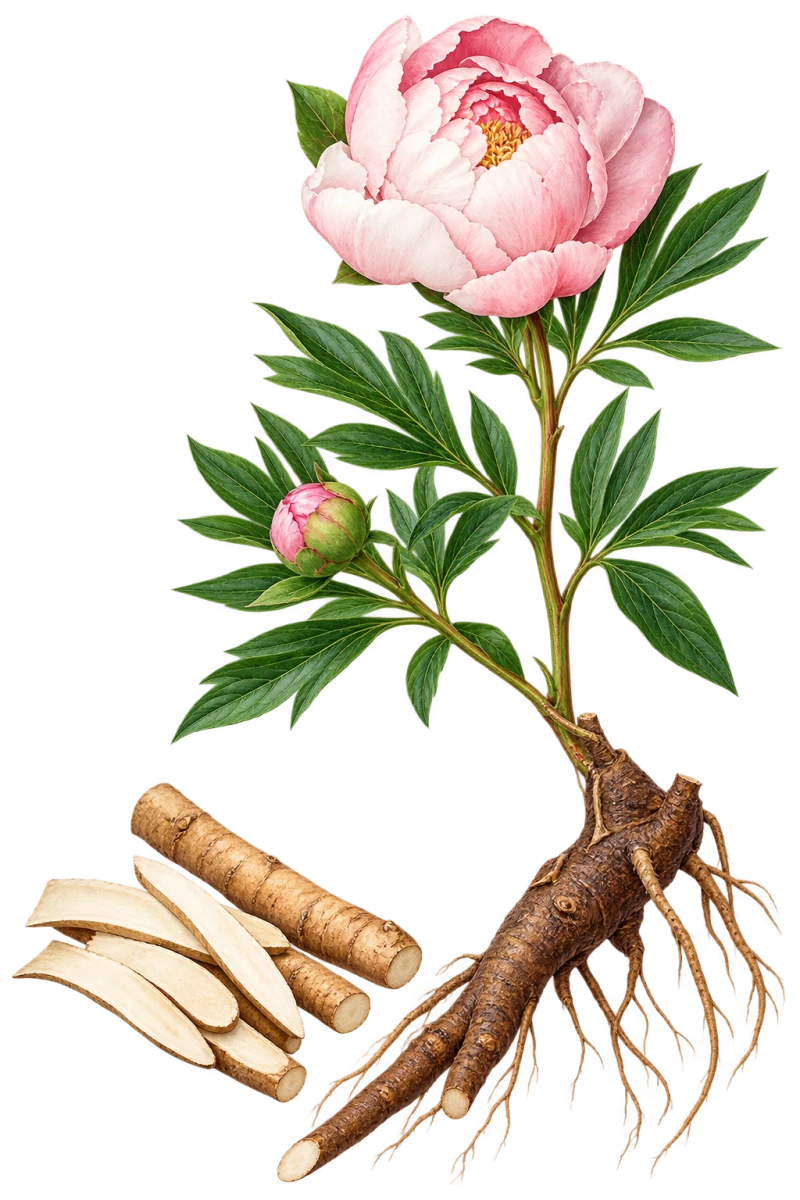
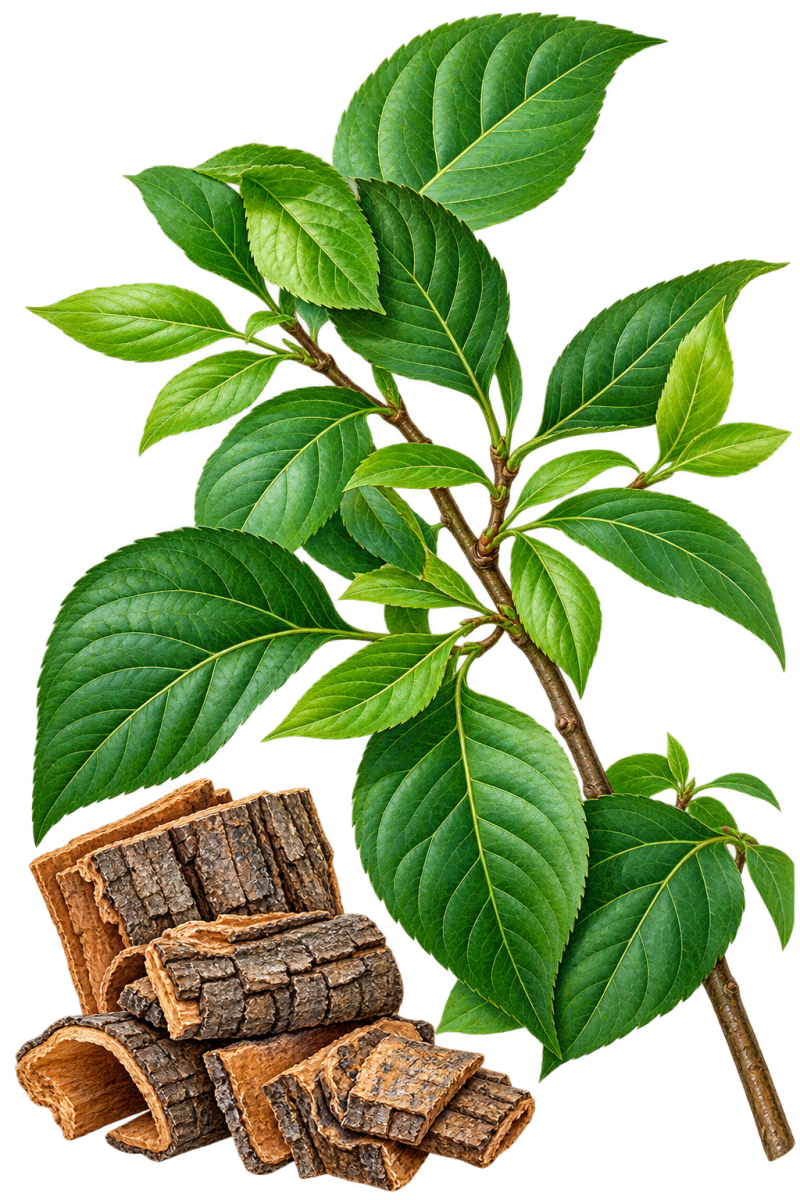
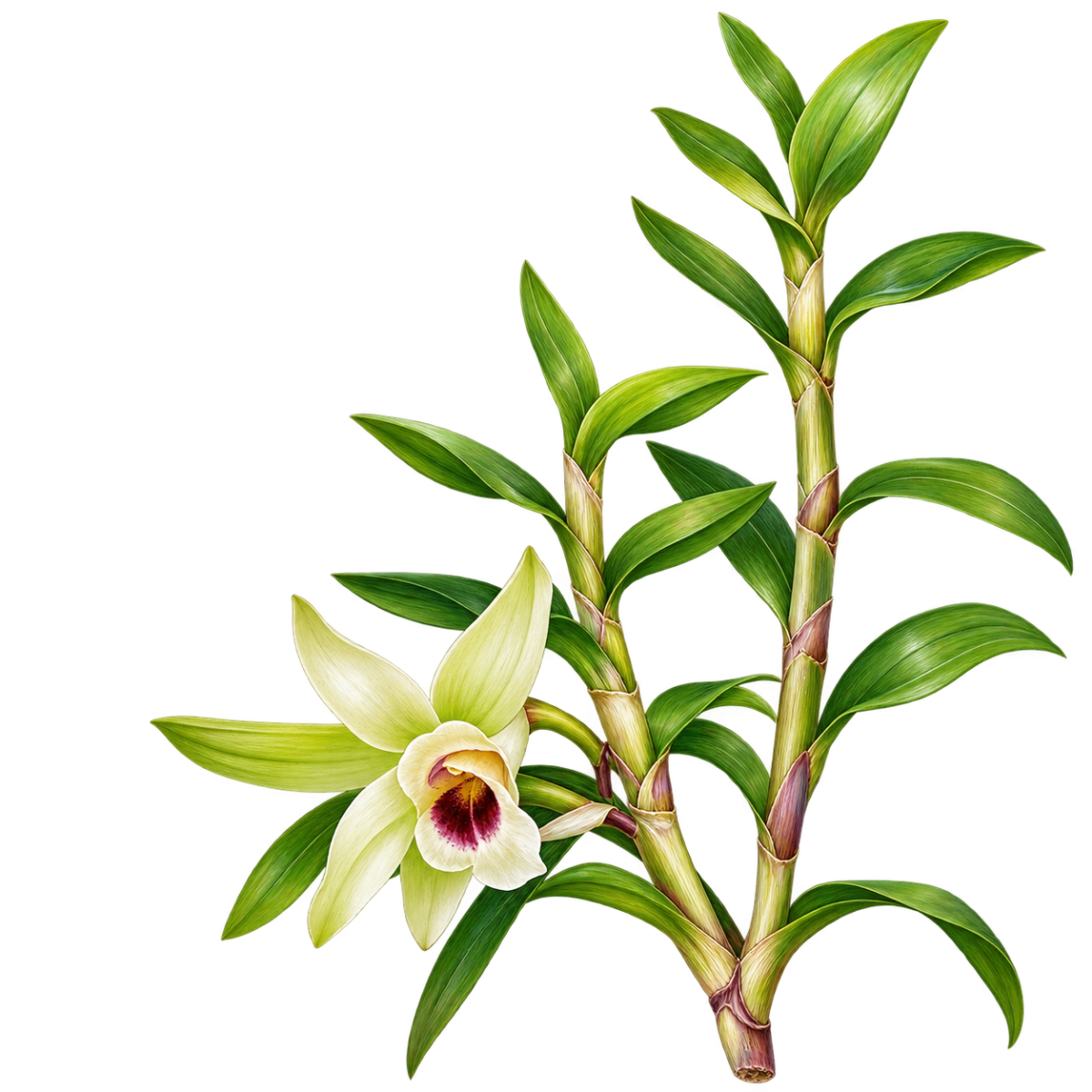
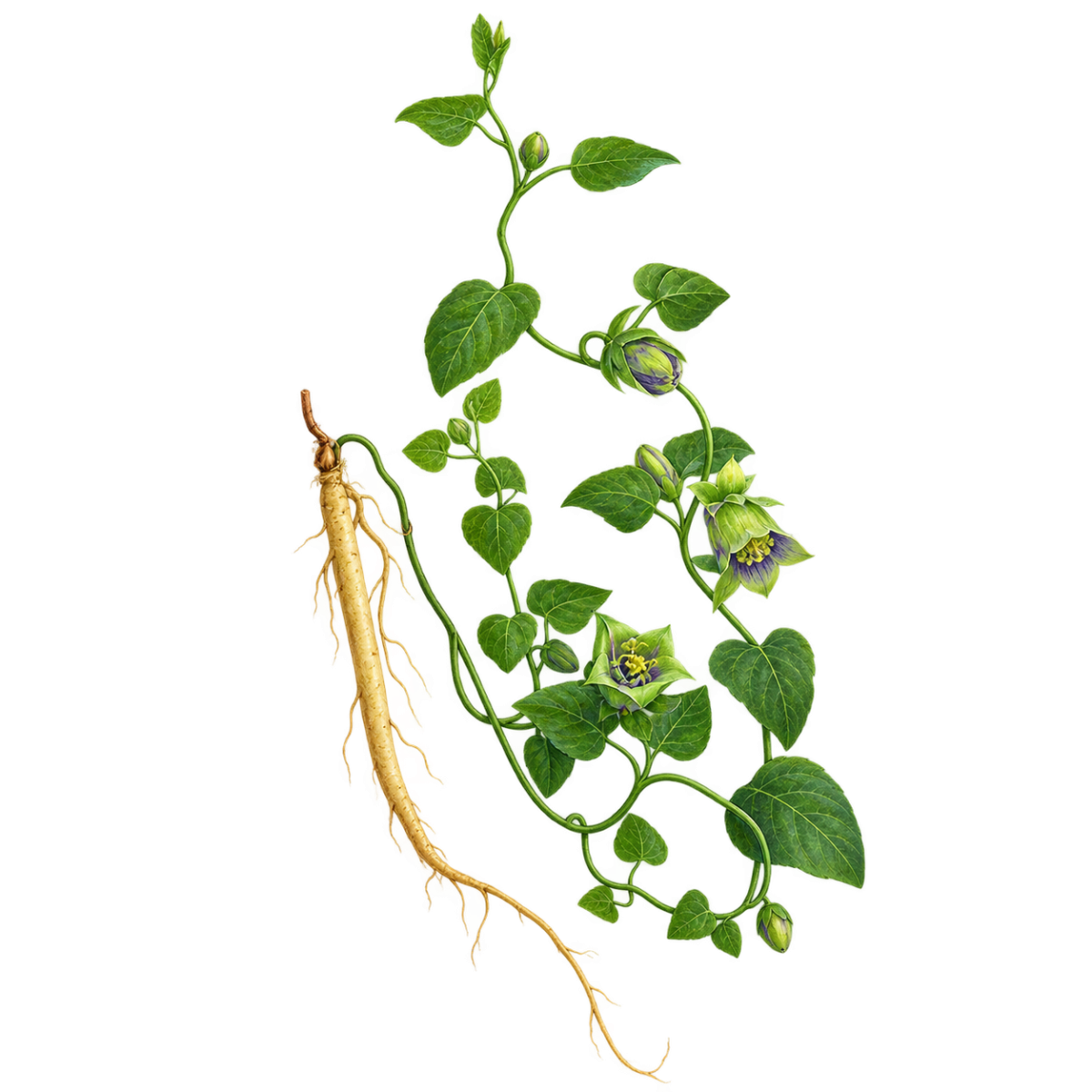
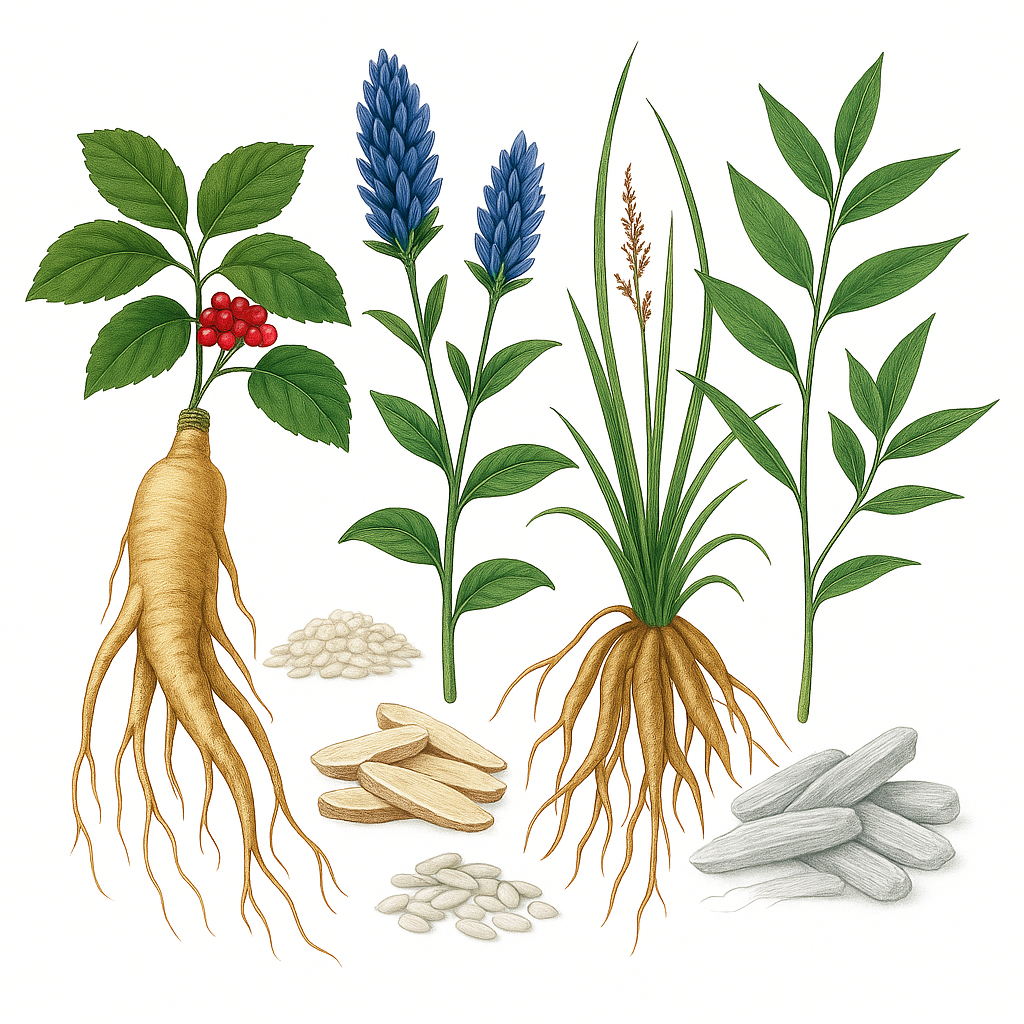
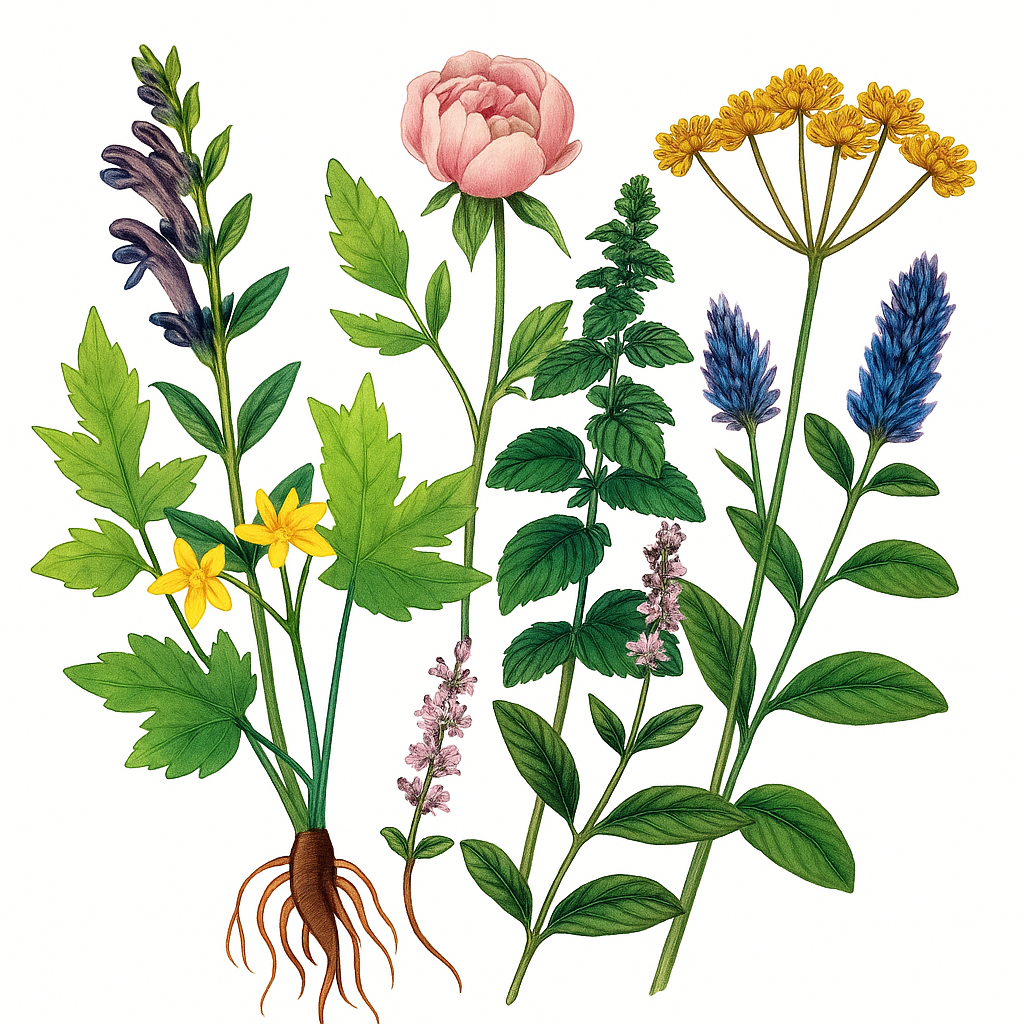
White Peony Root (Bai Shao) is a key TCM herb that nourishes the blood, preserves yin, soothes the Liver, relieves pain, and regulates menstruation. Rich in glycosides like paeoniflorin, it offers anti-inflammatory, hepatoprotective, calming, and circulatory benefits.
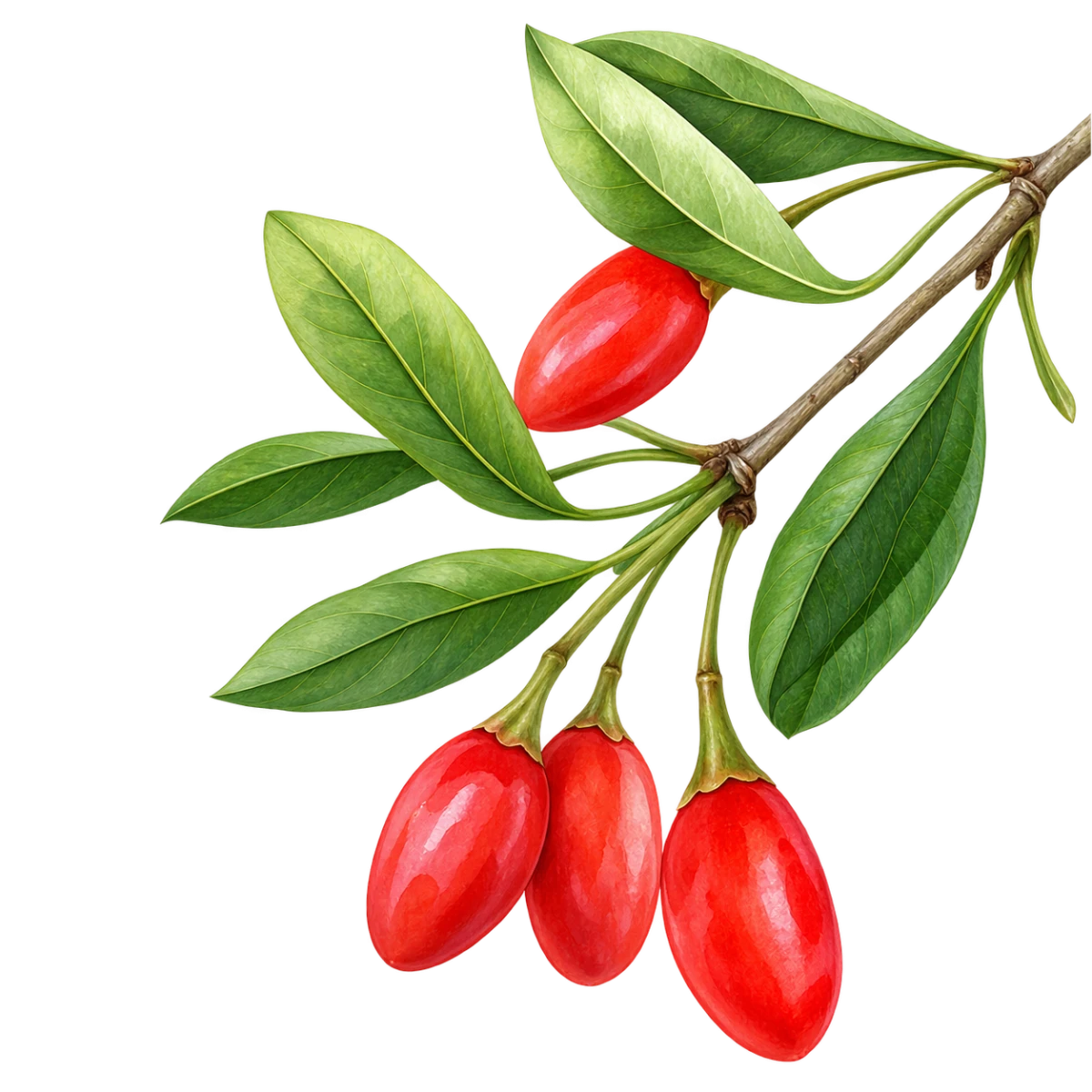
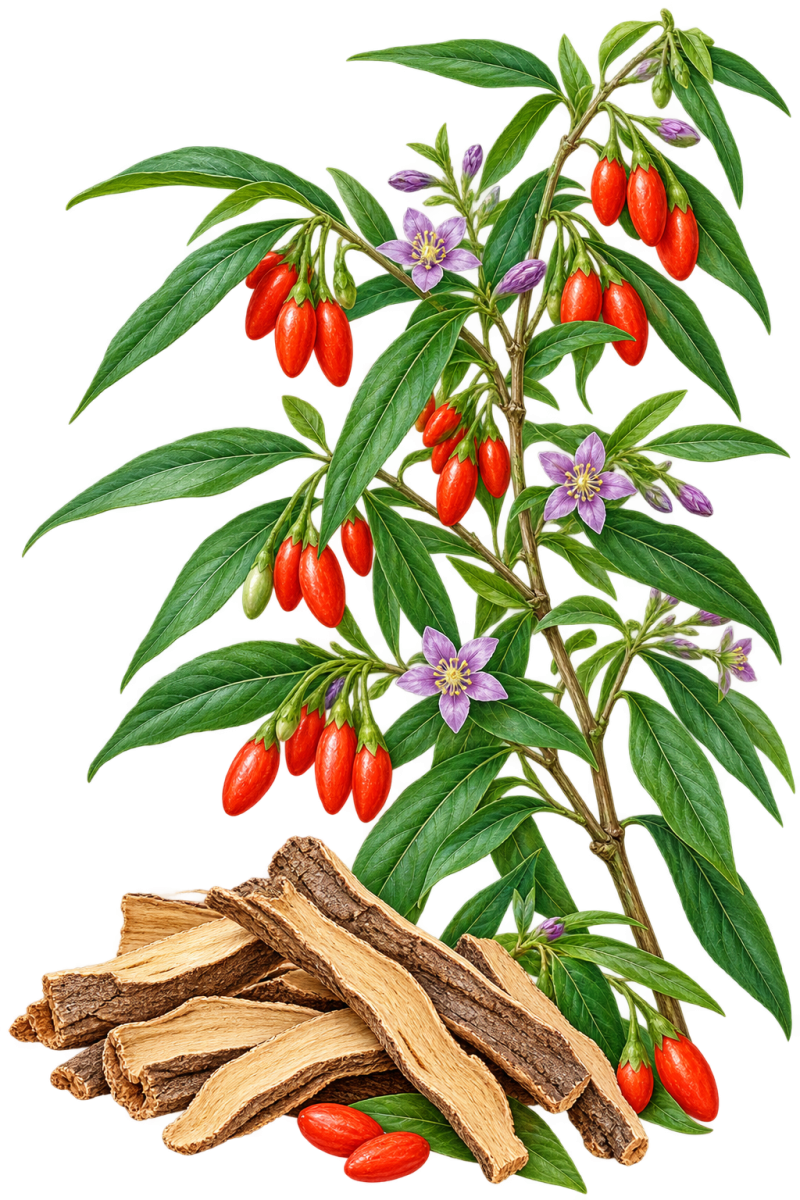
Gou Qi Zi (Goji Berry) – a classic TCM tonic that nourishes Liver and Kidney, enriches Blood, enhances immunity, and delays aging with abundant bioactive compounds.
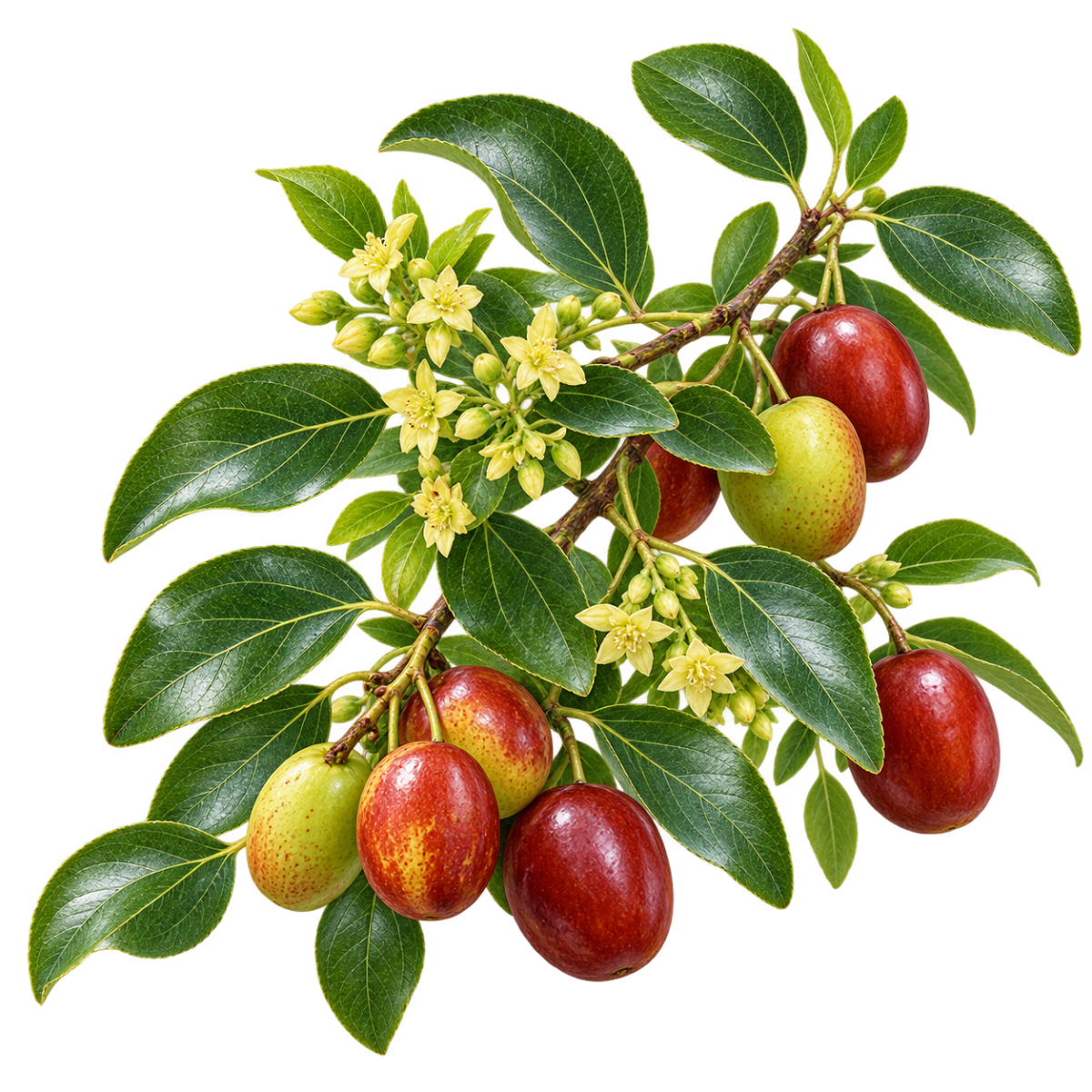
Da Zao (Chinese Date, Ziziphus jujuba) – a traditional herb that tonifies Qi, strengthens the Spleen, nourishes Blood, and calms the mind. Known for liver protection, muscle enhancement, harmonizing Qi and Blood, treating insomnia, fatigue, ulcers, cough, and digestive disorders. Learn its therapeutic uses, chemical composition, and safe applications
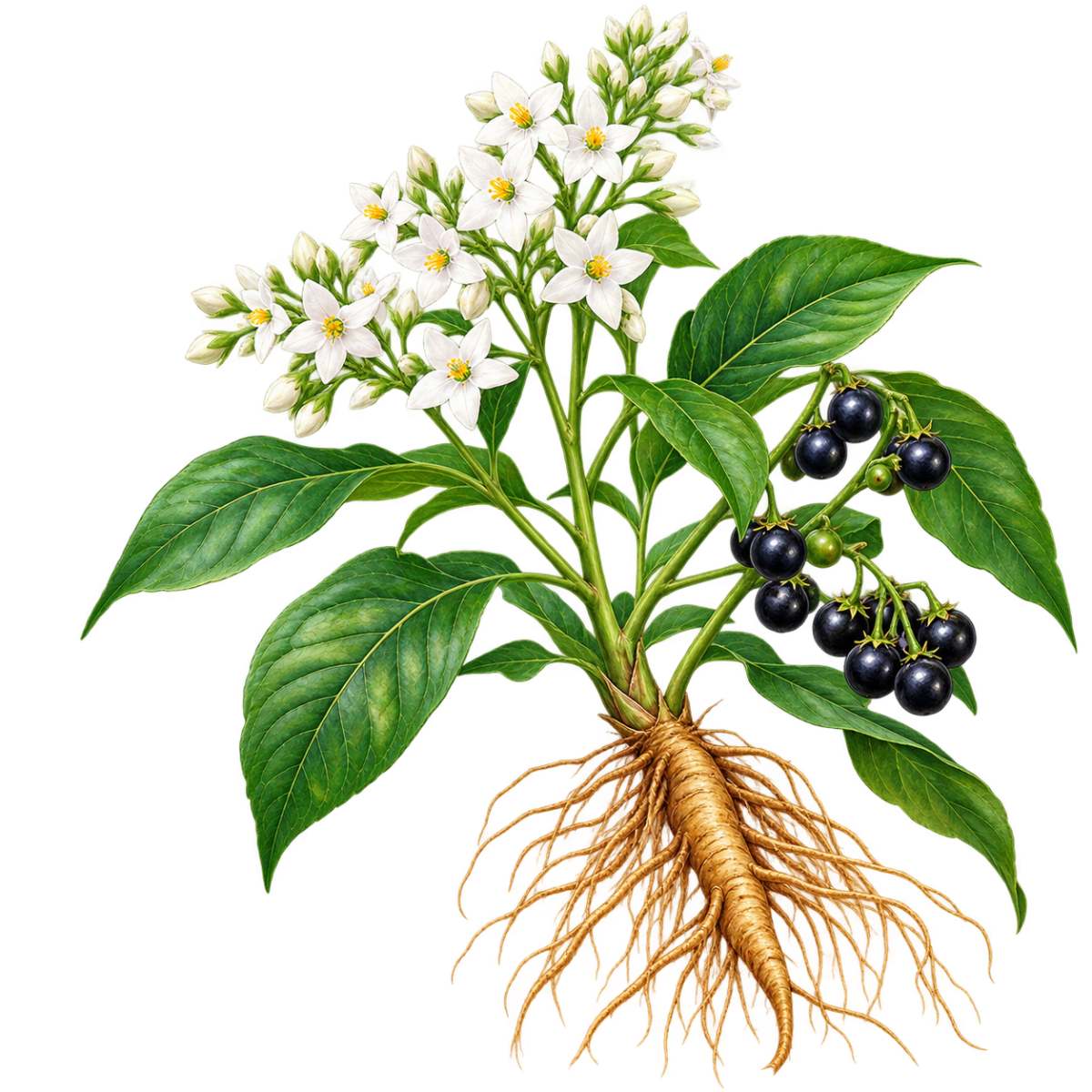
Nu Zhen Zi (Ligustri Lucidi Fructus), known as Glossy Privet Fruit, is a classic Yin-tonifying herb in Traditional Chinese Medicine, renowned for nourishing the Liver and Kidney, strengthening bones and tendons, brightening the eyes, and supporting overall anti-aging. Derived from the ripe dried fruit of Ligustrum lucidum, this herb has been widely used for centuries in formulas that replenish Essence (Jing), improve lumbar and knee weakness, reduce tinnitus, relieve dizziness, and address premature graying or hair loss caused by Liver–Kidney Yin deficiency. Modern research highlights the herb’s rich content of oleanolic acid, flavonoids, triterpenoids, saponins, and potent antioxidants, offering strong evidence for its hepatoprotective, hypoglycemic, and lipid-lowering effects. Nu Zhen Zi has been shown to enhance immune function, increase leukocyte counts after chemotherapy, reduce neuroinflammation, and protect neural tissues—making it a promising ingredient for supporting neurological health, memory, and cognitive resilience. Additionally, it exhibits potential benefits in vitiligo treatment by promoting melanocyte proliferation and migration. With its bitter-sweet and cooling properties, entering the Liver and Kidney meridians, Nu Zhen Zi is suitable for individuals with Yin deficiency, internal heat, menopausal symptoms, dry eyes, fatigue, and chronic weakness of the lower back and knees. This herb is an ideal choice for modern wellness formulations aimed at nourishing Kidney Yin, protecting the liver, improving vision, restoring vitality, and enhancing overall longevity in a holistic TCM approach.
Xiang Fu (Cyperi Rhizoma, Nutgrass Rhizome) is one of the most essential herbs in Traditional Chinese Medicine for regulating Qi, especially Liver Qi constraint, a core pathological mechanism behind many modern disorders such as menstrual irregularities, dysmenorrhea, functional digestive discomfort, stress-related headaches, and emotional tension. In classical TCM theory, Xiang Fu belongs to the category of Qi-regulating herbs, entering the Liver and San Jiao channels. Its primary function is to restore the free flow of Qi, harmonizing the Liver–Spleen–Stomach axis and alleviating pain, distension, and functional disharmony caused by Qi stagnation. Clinically, Xiang Fu is best known for gynecological applications, including irregular menstruation, premenstrual syndrome, breast distension, and abdominal pain associated with constrained Liver Qi. It is also widely used for epigastric fullness, poor appetite, nausea, and stress-induced digestive disorders, where emotional factors impair normal Qi movement. Appropriate candidates for Xiang Fu are individuals presenting signs of Liver Qi stagnation: emotional irritability, chest or hypochondriac tightness, cyclic pain, stress-related insomnia, and tension-type headaches (especially vertex headaches). Important cautions: Xiang Fu should be used carefully or avoided in cases of Qi deficiency without stagnation, Yin deficiency with Blood Heat, excessive uterine bleeding due to deficiency, and during pregnancy, unless prescribed by a qualified TCM practitioner. For optimal results, Xiang Fu should be selected and combined based on pattern differentiation, not used symptomatically without a clear TCM diagnosis