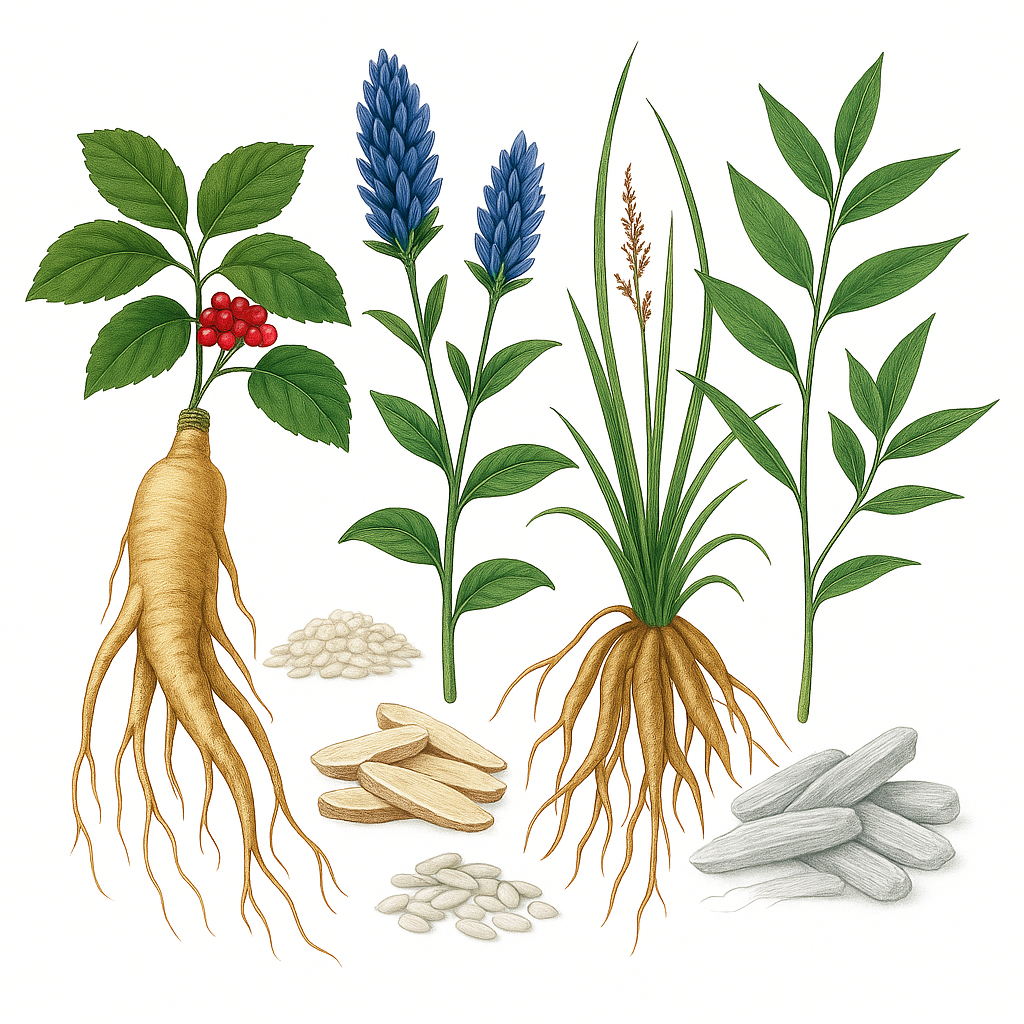
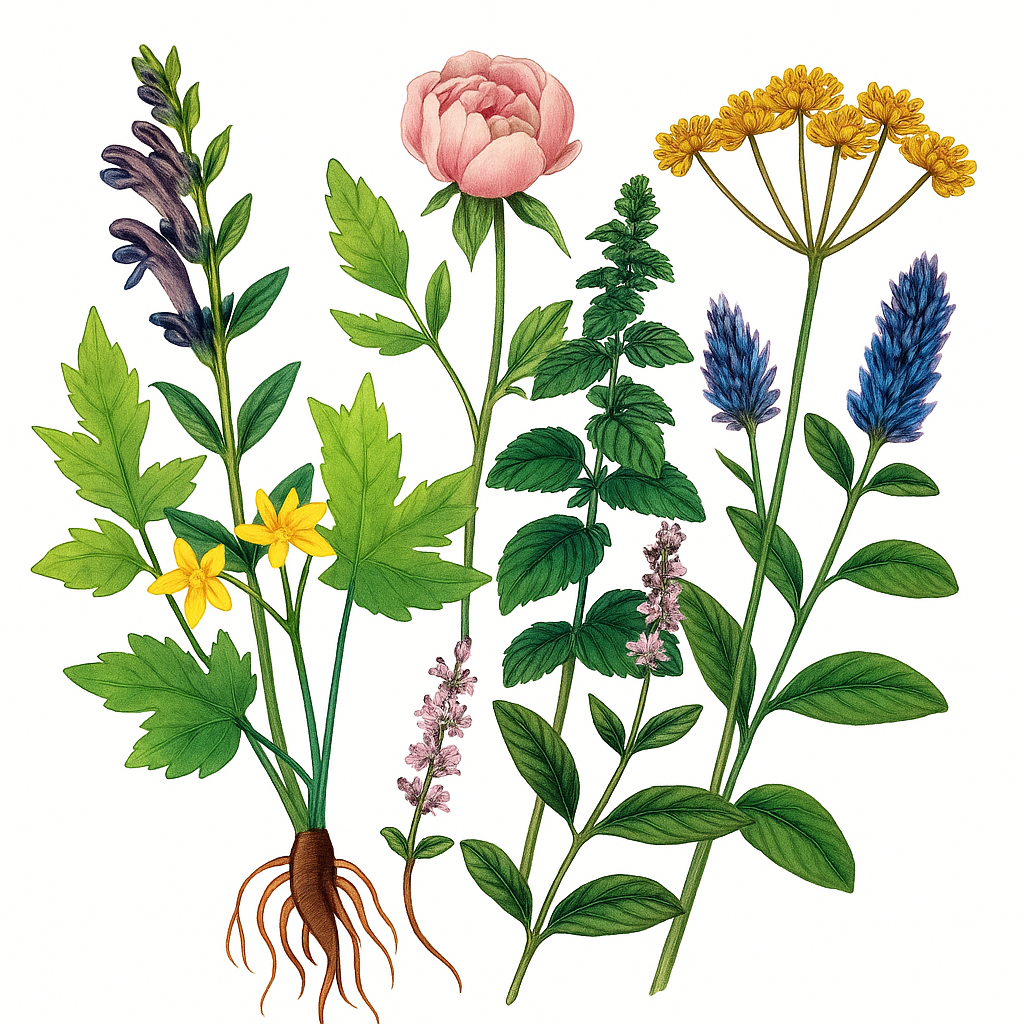
Bo He (Menthae Haplocalycis Herba), commonly known as Field Mint, is a classical herb in Traditional Chinese Medicine known for its pungent, cooling nature and its actions on the Lung, Liver, and Gallbladder meridians. Widely used in Wind-Heat exterior syndromes, it helps clear Heat from the head and face, relieve headaches, soothe sore throat, open the nasal passages, promote sweating, and support natural fever reduction. Beyond respiratory benefits, Bo He also improves digestion by relaxing smooth muscles, reducing gastrointestinal spasms, relieving bloating, nausea, and supporting bile secretion. Modern studies highlight its antibacterial, antiviral, and antifungal properties. The herb also soothes Liver Qi stagnation, reduces stress, brightens the eyes, enhances mental clarity, and boosts alertness. Rich in menthol, its essential oil provides cooling analgesia, reduces neuropathic and muscular pain, and improves scalp microcirculation, supporting hair growth. Despite its many benefits, Bo He is contraindicated for individuals with Qi Deficiency, Yang Deficiency Cold (Xu Han), spontaneous sweating, hyperactive Liver Yang, and should not be used topically for infants due to the risk of respiratory suppression. This article presents a complete overview of Bo He's therapeutic actions, properties, chemical constituents, dosage, and safety considerations based on both TCM principles and modern research.
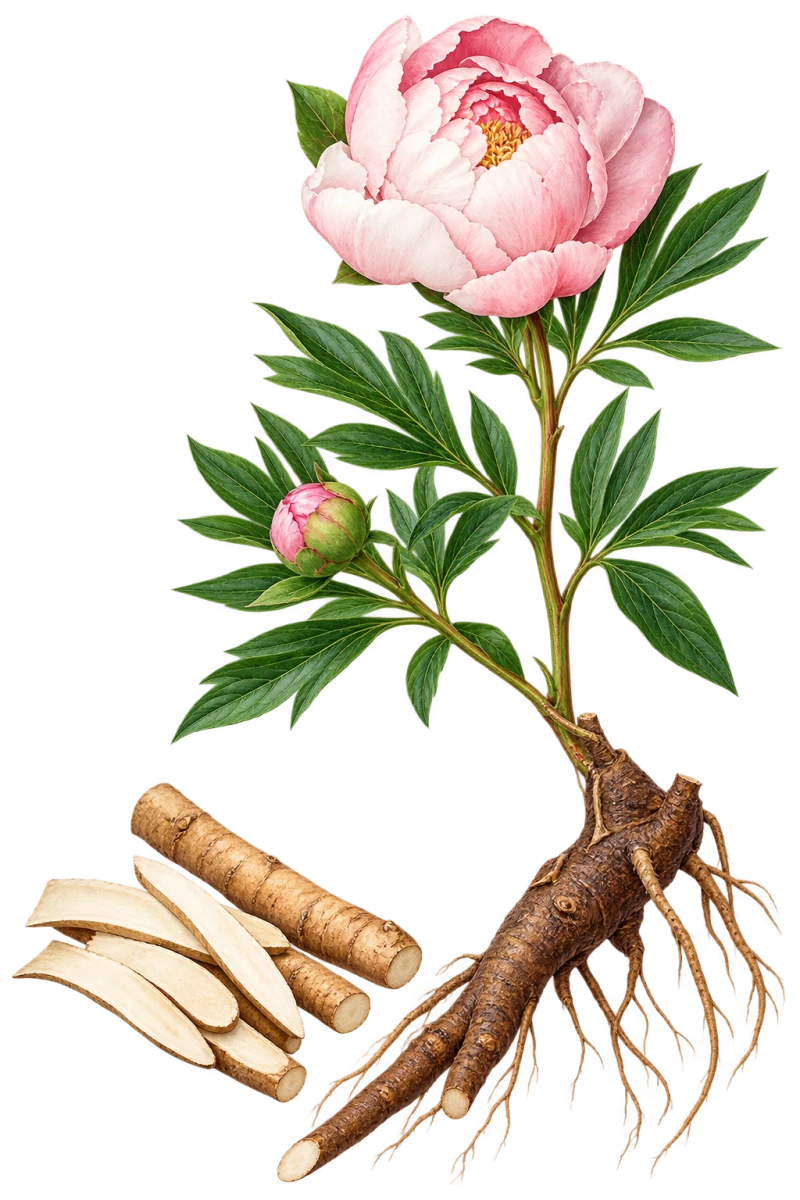
White Peony Root (Bai Shao) is a key TCM herb that nourishes the blood, preserves yin, soothes the Liver, relieves pain, and regulates menstruation. Rich in glycosides like paeoniflorin, it offers anti-inflammatory, hepatoprotective, calming, and circulatory benefits.
Xiang Fu (Cyperi Rhizoma, Nutgrass Rhizome) is one of the most essential herbs in Traditional Chinese Medicine for regulating Qi, especially Liver Qi constraint, a core pathological mechanism behind many modern disorders such as menstrual irregularities, dysmenorrhea, functional digestive discomfort, stress-related headaches, and emotional tension. In classical TCM theory, Xiang Fu belongs to the category of Qi-regulating herbs, entering the Liver and San Jiao channels. Its primary function is to restore the free flow of Qi, harmonizing the Liver–Spleen–Stomach axis and alleviating pain, distension, and functional disharmony caused by Qi stagnation. Clinically, Xiang Fu is best known for gynecological applications, including irregular menstruation, premenstrual syndrome, breast distension, and abdominal pain associated with constrained Liver Qi. It is also widely used for epigastric fullness, poor appetite, nausea, and stress-induced digestive disorders, where emotional factors impair normal Qi movement. Appropriate candidates for Xiang Fu are individuals presenting signs of Liver Qi stagnation: emotional irritability, chest or hypochondriac tightness, cyclic pain, stress-related insomnia, and tension-type headaches (especially vertex headaches). Important cautions: Xiang Fu should be used carefully or avoided in cases of Qi deficiency without stagnation, Yin deficiency with Blood Heat, excessive uterine bleeding due to deficiency, and during pregnancy, unless prescribed by a qualified TCM practitioner. For optimal results, Xiang Fu should be selected and combined based on pattern differentiation, not used symptomatically without a clear TCM diagnosis
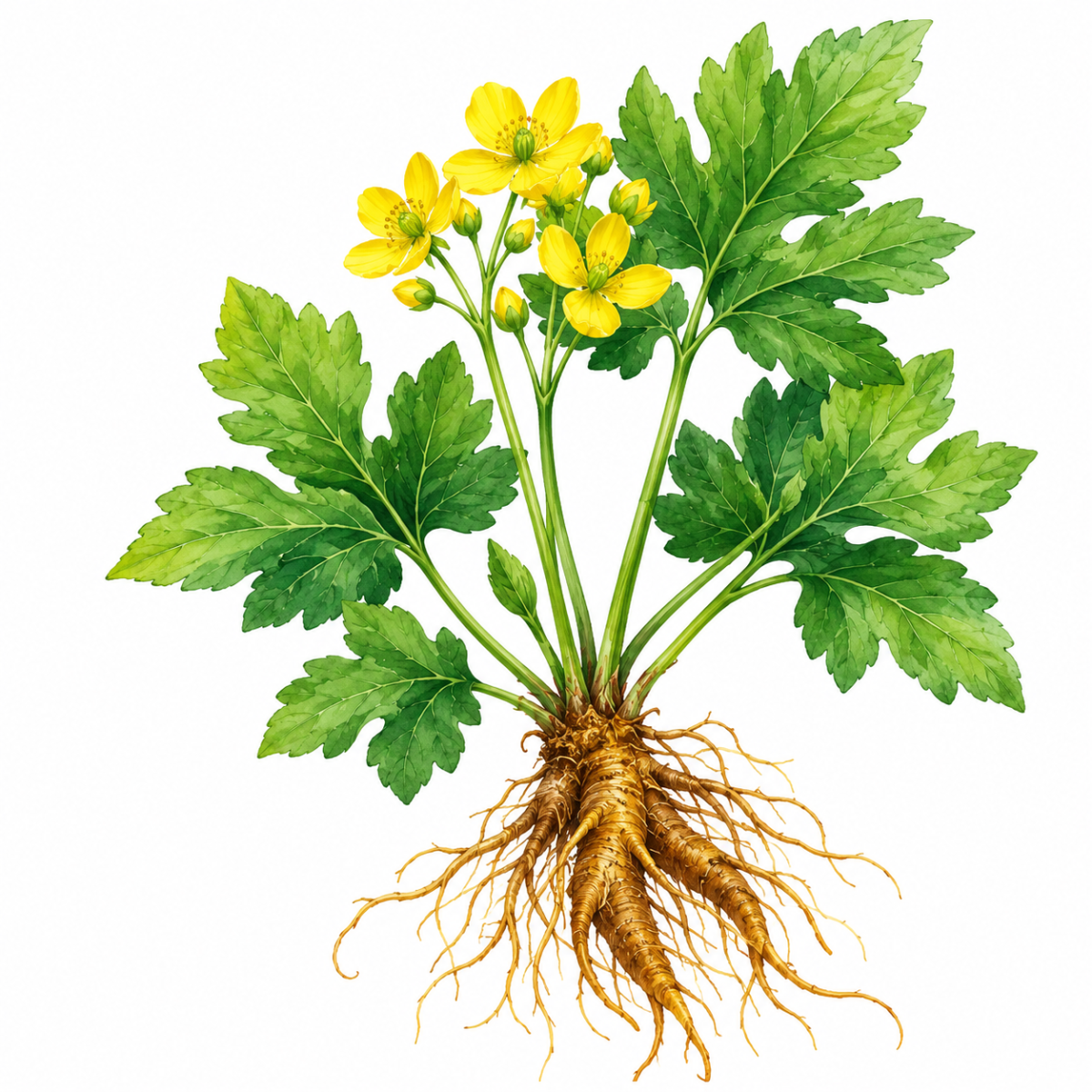
Hoang Lien is a valued herb in Traditional Medicine, well known for its intensely bitter taste, strongly cold nature, and its traditional functions of clearing heat, eliminating dampness, resolving toxicity, and draining fire. In traditional herbal practice, Hoang Lien is commonly used in patterns related to damp-heat, excessive Heart fire, heat toxins, dysentery, diarrhea associated with intestinal inflammation, internal heat, Stomach and Spleen heat, bitter taste in the mouth, epigastric fullness, nausea, vomiting, and certain damp-heat jaundice conditions. In addition, this herb is also recognized for supporting concerns involving the eyes, skin, oral cavity, sore throat, ulcerative lesions, urticaria, eczema, fungal skin conditions, and exudative skin problems. One of the most notable compounds in Hoang Lien is berberine, together with several other alkaloids, making this herb highly relevant in searches related to heat-clearing herbs, digestive support, detoxifying traditional remedies, and classical herbal applications. However, because Hoang Lien is strongly cold in nature, it should be used with appropriate dosage, suitable body constitution, and caution in cases of Spleen-Stomach deficiency cold, yin deficiency, pregnancy, newborns, or people taking concurrent medications. If you are researching Hoang Lien benefits, traditional uses of Hoang Lien, and important precautions before use, this is an herb that should be understood carefully and applied with proper professional guidance.