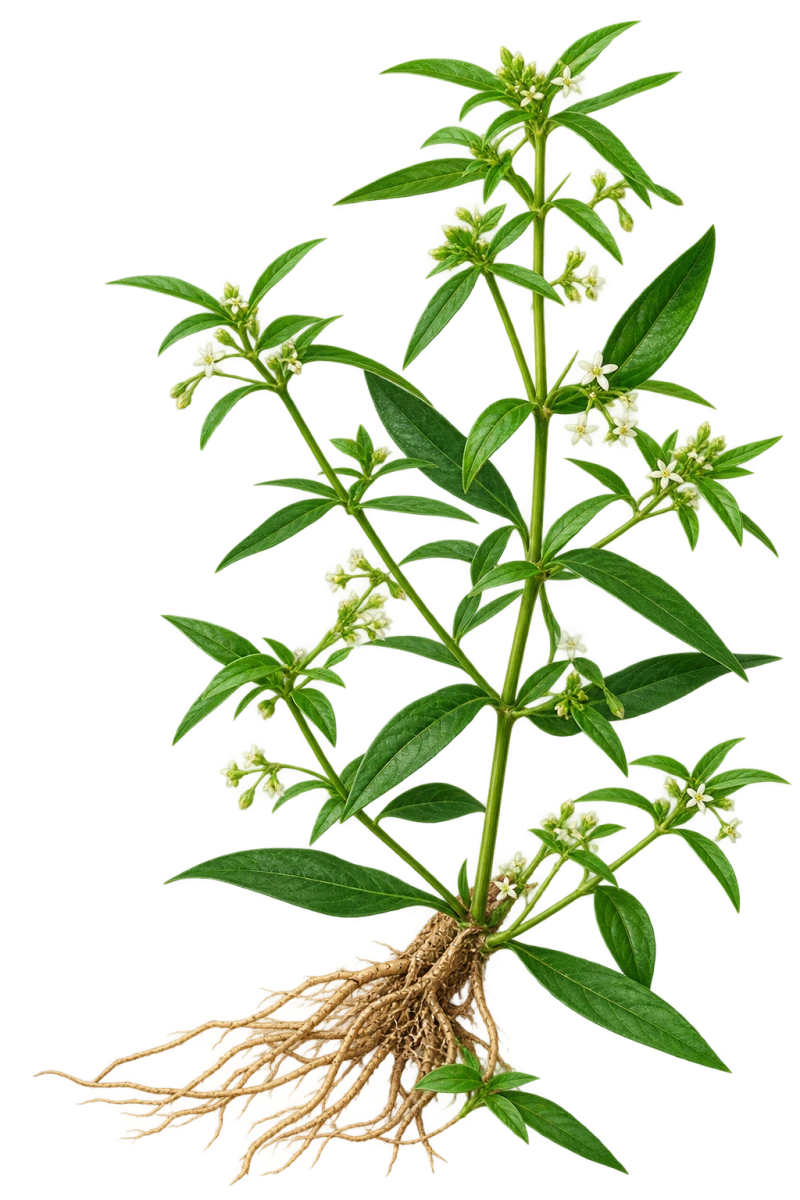
Bai Hua She She Cao (Hedyotis diffusa) is a widely used herbal medicine in Traditional Chinese Medicine, valued for its strong heat-clearing, detoxifying, damp-draining, and nodule-dispelling properties. It is commonly prescribed for inflammatory conditions, including lung-heat cough, pneumonia, sore throat, tonsillitis, and various hepatobiliary disorders such as hepatitis, jaundice, hepatosplenomegaly, and early-stage cirrhosis. The herb also promotes diuresis, reduces urinary tract inflammation, alleviates hydrocele, and supports the treatment of hemorrhoids, dysentery, enteritis, and digestive problems caused by damp-heat. Modern studies have demonstrated notable antibacterial, antiviral, antioxidant, hepatoprotective, and renoprotective activities, as well as inhibitory effects on abnormal cell proliferation—making it a valuable adjunctive therapy in the early management of cancers such as gastric, colorectal, hepatic, and pulmonary tumors. Externally, the herb is applied to treat abscesses, skin ulcers, scabies, and acne. Its rich chemical composition—including iridoid glycosides, flavonoids, anthraquinones, phenolic acids, triterpenoids, and immunomodulatory polysaccharides—contributes to its diverse therapeutic benefits. When used at appropriate dosages and under professional guidance, Bai Hua She She Cao provides broad-spectrum support for detoxification, immune regulation, and systemic health, making it an essential herb in both traditional prescriptions and modern functional applications.
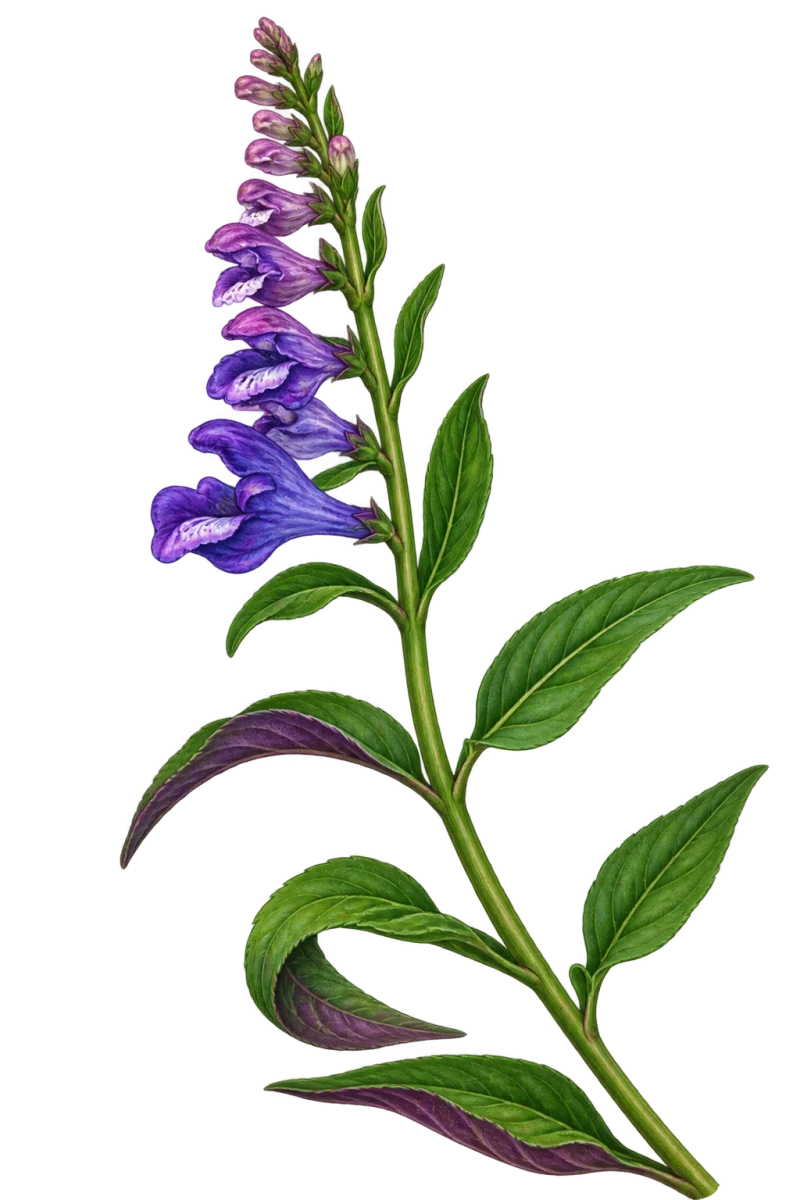
Scutellariae Barbatae Herba (Scutellaria barbata D. Don), commonly known as Barbat Skullcap, is a highly valued medicinal herb in Traditional Chinese Medicine, widely used for clearing heat, detoxifying fire-toxicity, reducing inflammation, and supporting anticancer therapy. Belonging to the Lamiaceae family, this slightly bitter and cooling herb enters the Liver, Lung, and Kidney meridians, making it effective for managing infections, toxic heat syndromes, edema, and immune-related conditions. Modern pharmacological studies highlight its rich profile of flavonoids and diterpenoids—including scutellarin, baicalein, wogonin, and scutebarbatine A–D—known for their antioxidant, anti-inflammatory, hepatoprotective, and antitumor properties. Clinically, Scutellaria barbata is applied in the management of hepatitis, cirrhosis with ascites, appendicitis, intestinal abscess, pulmonary abscess, cellulitis, boils, edema, and various conditions of the respiratory and urinary systems associated with damp-heat and toxic stagnation. Fresh herb may also be used externally for infected wounds, painful swellings, and insect bites. With its broad spectrum of therapeutic actions and evidence-supported bioactive compounds, Barbat Skullcap stands as an essential herb in natural healthcare, offering powerful support for chronic disease prevention and integrative oncology within the framework of Traditional Chinese Medicine.
Hu Zhang (Giant Knotweed Rhizome, Cốt khí củ) is the dried rhizome of Reynoutria japonica (syn. Polygonum cuspidatum), a member of the Polygonaceae family. In Traditional Chinese Medicine (TCM), it is valued for its multiple actions: invigorating blood, removing stasis, clearing heat, detoxifying, draining dampness, promoting urination, resolving phlegm, and calming the mind. It is traditionally prescribed for arthralgia, rheumatism, traumatic injuries, hepatitis, jaundice, cough with phlegm due to Lung heat, pharyngitis, skin infections, burns, hemorrhoids, dysentery, and urinary tract inflammation. Modern pharmacological studies reveal that Hu Zhang contains potent bioactive compounds such as resveratrol, polydatin, emodin, quercetin, physcion, and chrysophanol. These contribute to its anti-inflammatory, antioxidant, hepatoprotective, hypoglycemic, hypolipidemic, antibacterial, and antiviral properties. According to the Chinese Pharmacopoeia and WHO monographs, emodin and polydatin are recognized as the official quality markers for standardization. With both ancient wisdom and modern evidence, Hu Zhang (Reynoutria japonica) is considered a promising medicinal herb for the supportive treatment of hepatitis, metabolic disorders, inflammatory joint disease, and chronic oxidative conditions. Its scientific validation continues to expand globally, making Japanese Knotweed Rhizome not only a revered TCM herb but also a subject of modern biomedical interest in the prevention and management of inflammatory and degenerative diseases.
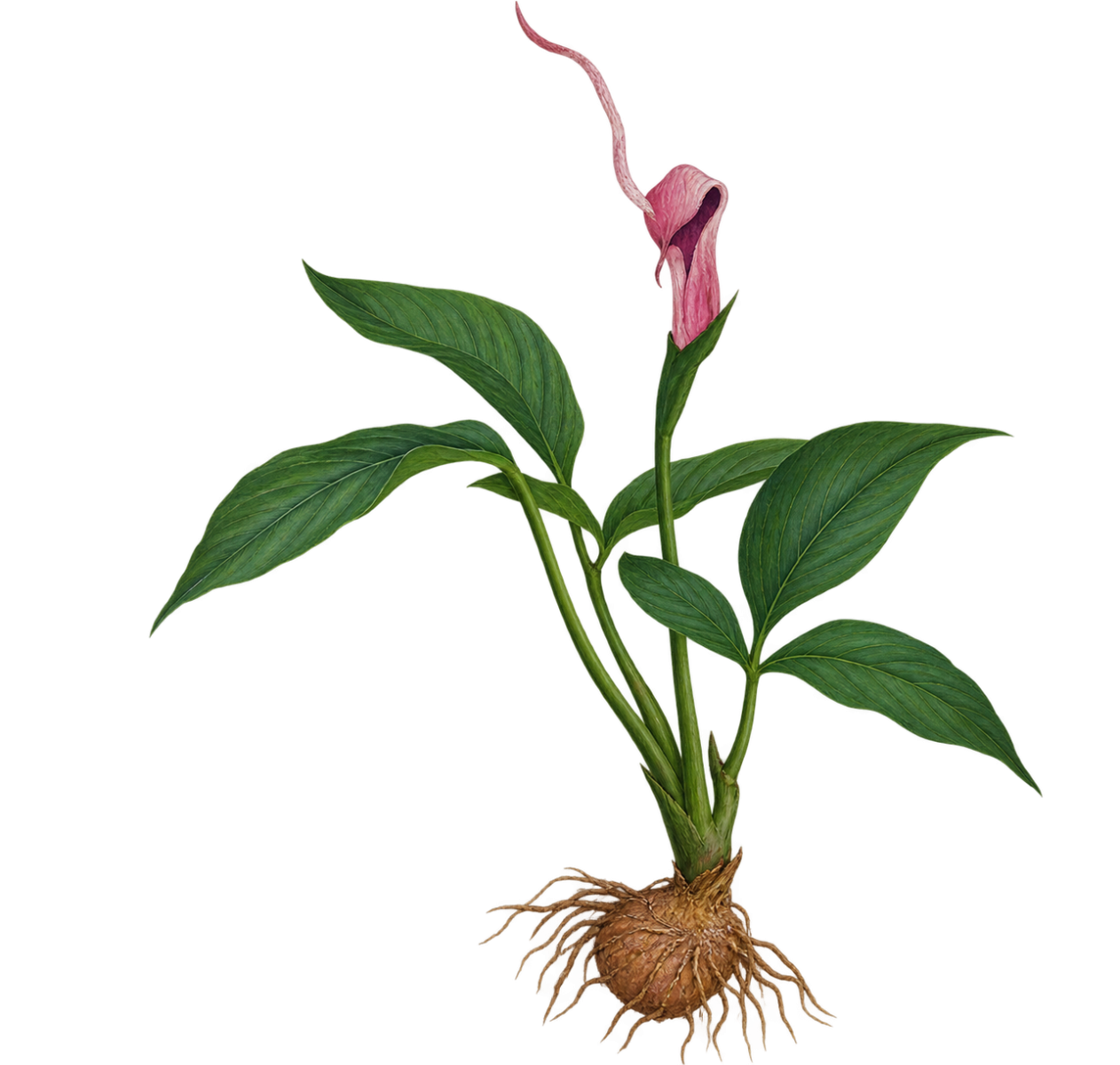
Pinellia Tuber is a traditional medicinal herb used to resolve phlegm, redirect rebellious qi downward, stop vomiting, and disperse nodules. It is commonly prescribed for treating excessive phlegm cough, nausea, chest fullness, and dizziness caused by phlegm retention, while also helping reduce inflammation and swelling.
Imperatae Rhizoma, commonly known as Lalang Grass Rhizome or Cogon Grass Root (Imperata cylindrica), is a traditional herbal remedy highly valued in Asian medicine for its cooling, detoxifying, and diuretic effects. In Traditional Chinese Medicine, it is renowned for its ability to clear heat, cool the blood, stop bleeding, and promote urination, making it particularly effective for urinary heat syndromes such as painful urination, urinary tract infections, hematuria, and edema. Its strong hemostatic and blood-cooling properties also support conditions like nosebleeds, hematemesis, hemoptysis, and excessive menstrual bleeding caused by heat in the blood. With a naturally sweet flavor and cold nature, Imperatae Rhizoma helps ease nausea, reduce gastric heat, and relieve vomiting, especially when triggered by alcohol or stomach fire. It is traditionally used to relieve thirst, lower fever, cool the stomach, and drain damp-heat from the liver and gallbladder, making it beneficial for jaundice, swelling, or heat-related disorders. Modern studies reveal that the rhizome contains valuable compounds such as triterpenoids, flavonoids, saponins, vitamins, and essential minerals, providing anti-inflammatory, antioxidant, antimicrobial, and kidney-protective benefits. These findings support its longstanding use for detoxification, urinary health, and liver support. With its combined traditional wisdom and scientifically supported bioactivity, Imperatae Rhizoma remains a versatile and reliable herbal medicine for individuals seeking natural heat-clearing, detoxifying, and diuretic therapies to enhance overall well-being.
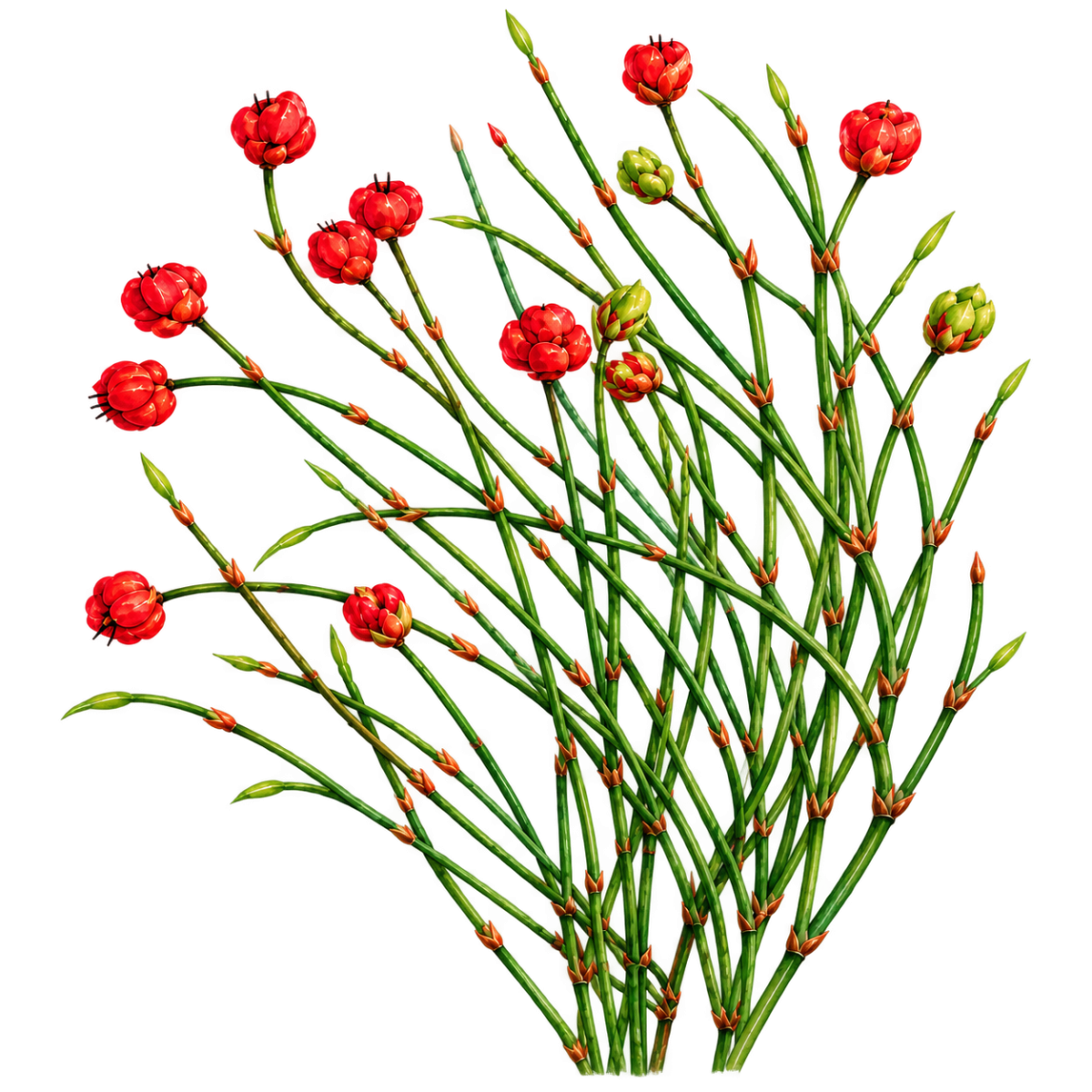
Ma Huang (Ephedra) is a well-known traditional herbal medicine recognized in East Asian medicine for its acrid, bitter, and warm properties. It is widely described in classical herbal texts for its ability to induce sweating, release the exterior, disseminate Lung qi, calm wheezing, relieve cough, and promote urination to reduce edema. Traditionally, Ma Huang is used in herbal formulas that support relief of wind-cold conditions, nasal congestion, cough, asthma, bronchitis, allergic rhinitis, and certain patterns of urinary difficulty or swelling. In addition, traditional literature also associates this herb with support for wind-damp pain, numbness, and selected dermatological conditions. With key compounds such as ephedrine and pseudoephedrine, Ma Huang remains a notable herb in both traditional practice and modern pharmacological interest. If you are searching for what Ma Huang is, the benefits of Ma Huang, how Ma Huang is used in traditional medicine, and the important precautions surrounding this herb, this is a medicinal material that should be understood carefully, used appropriately, and approached with proper professional guidance.