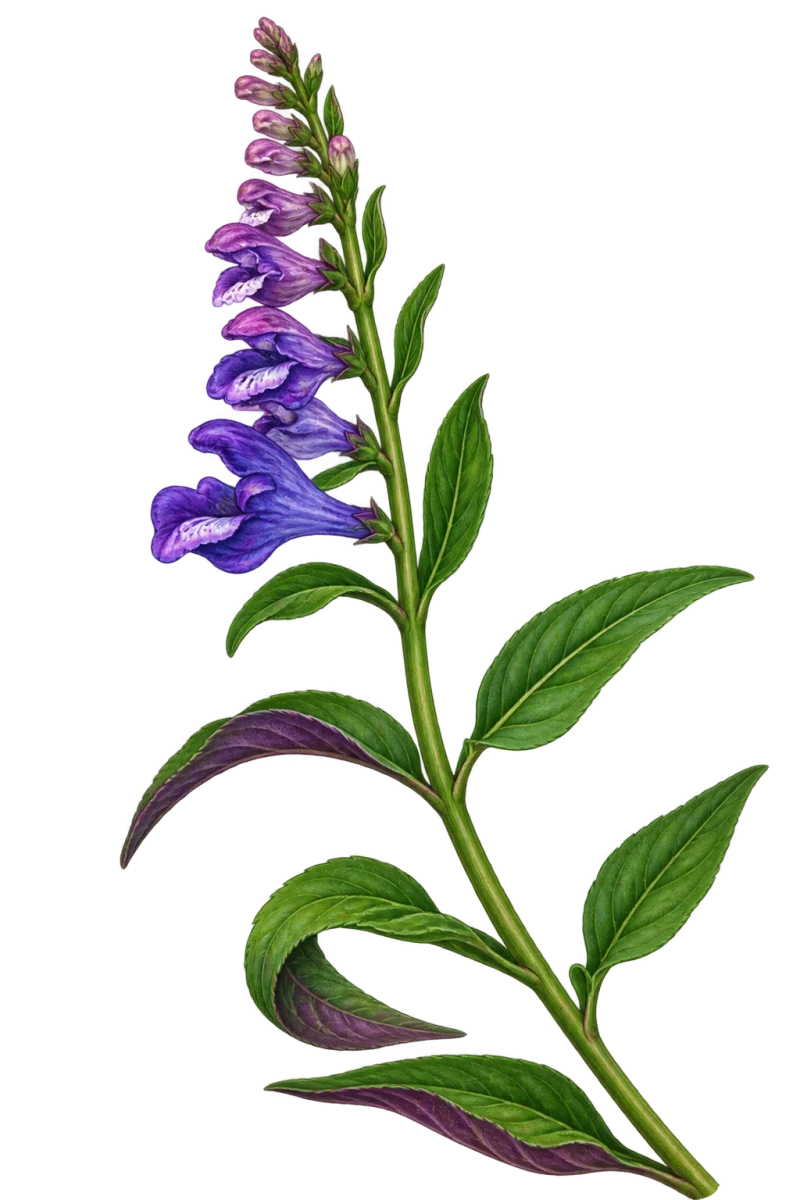
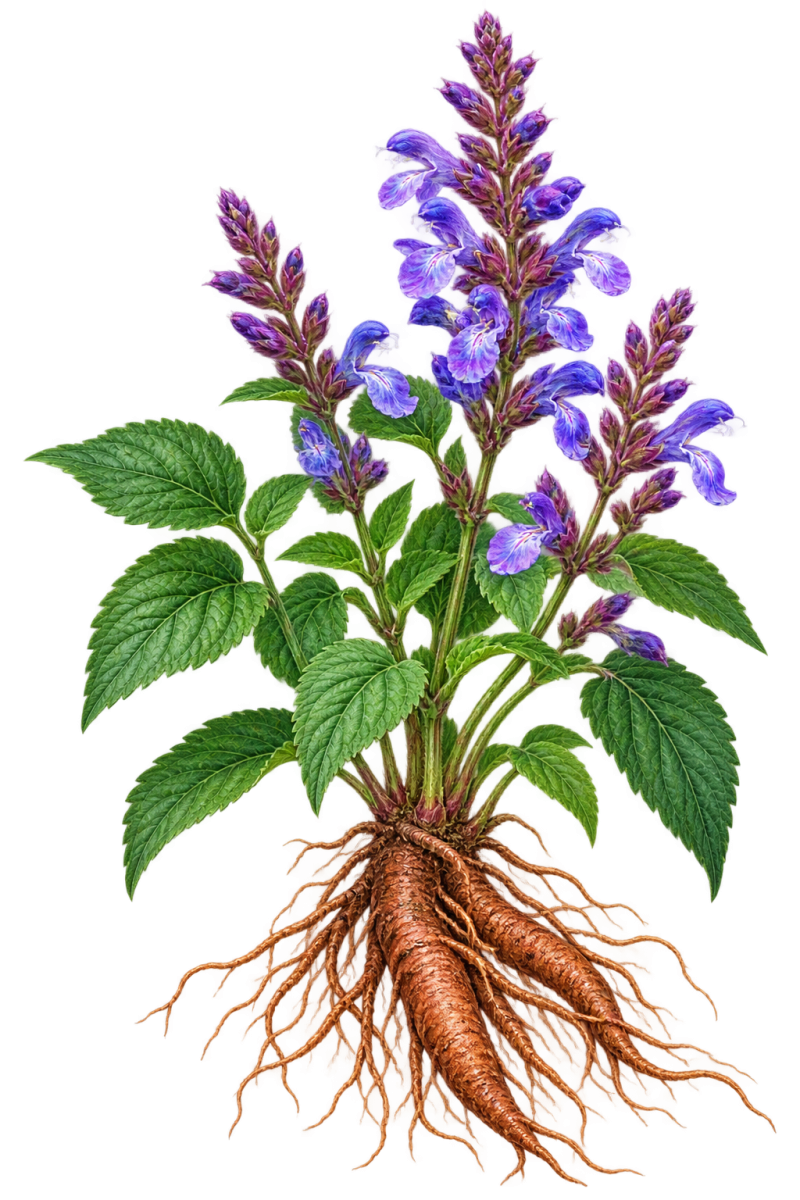
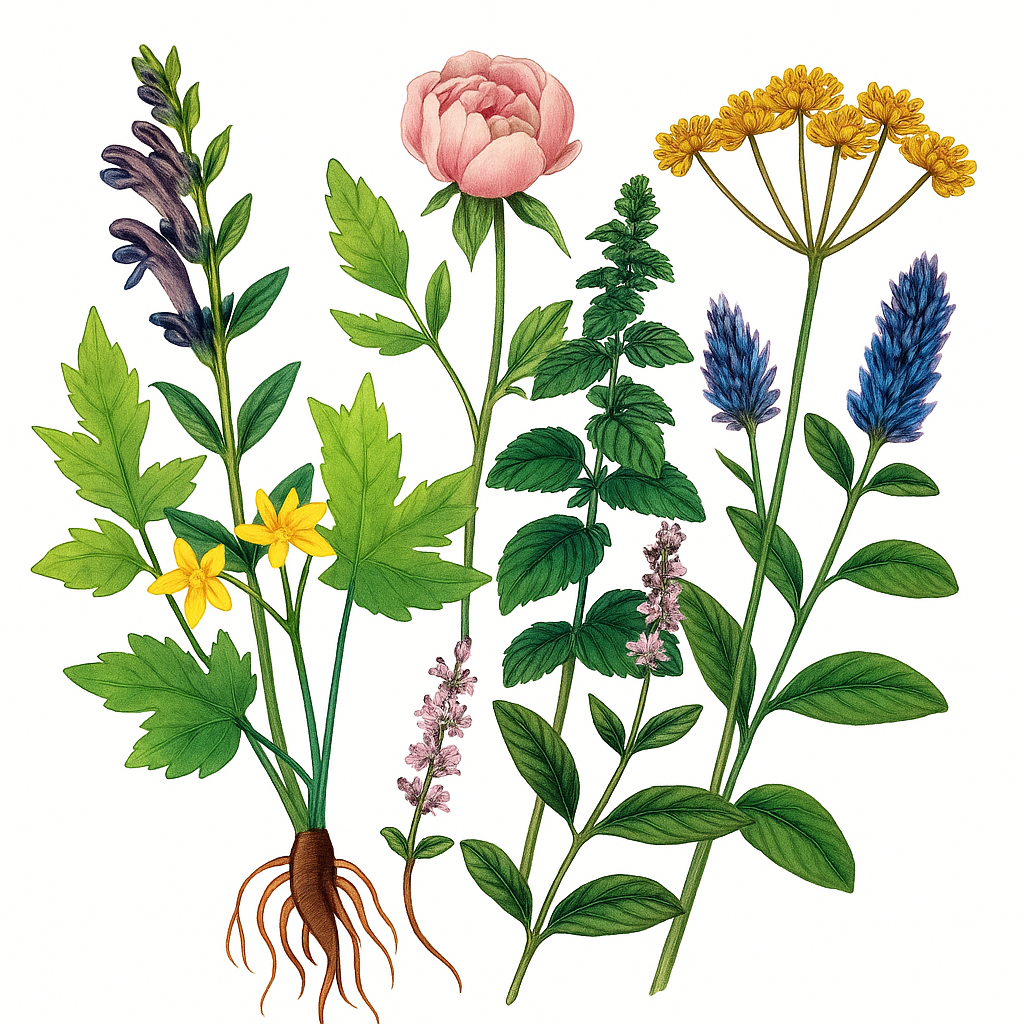
Scutellariae Barbatae Herba (Scutellaria barbata D. Don), commonly known as Barbat Skullcap, is a highly valued medicinal herb in Traditional Chinese Medicine, widely used for clearing heat, detoxifying fire-toxicity, reducing inflammation, and supporting anticancer therapy. Belonging to the Lamiaceae family, this slightly bitter and cooling herb enters the Liver, Lung, and Kidney meridians, making it effective for managing infections, toxic heat syndromes, edema, and immune-related conditions. Modern pharmacological studies highlight its rich profile of flavonoids and diterpenoids—including scutellarin, baicalein, wogonin, and scutebarbatine A–D—known for their antioxidant, anti-inflammatory, hepatoprotective, and antitumor properties. Clinically, Scutellaria barbata is applied in the management of hepatitis, cirrhosis with ascites, appendicitis, intestinal abscess, pulmonary abscess, cellulitis, boils, edema, and various conditions of the respiratory and urinary systems associated with damp-heat and toxic stagnation. Fresh herb may also be used externally for infected wounds, painful swellings, and insect bites. With its broad spectrum of therapeutic actions and evidence-supported bioactive compounds, Barbat Skullcap stands as an essential herb in natural healthcare, offering powerful support for chronic disease prevention and integrative oncology within the framework of Traditional Chinese Medicine.
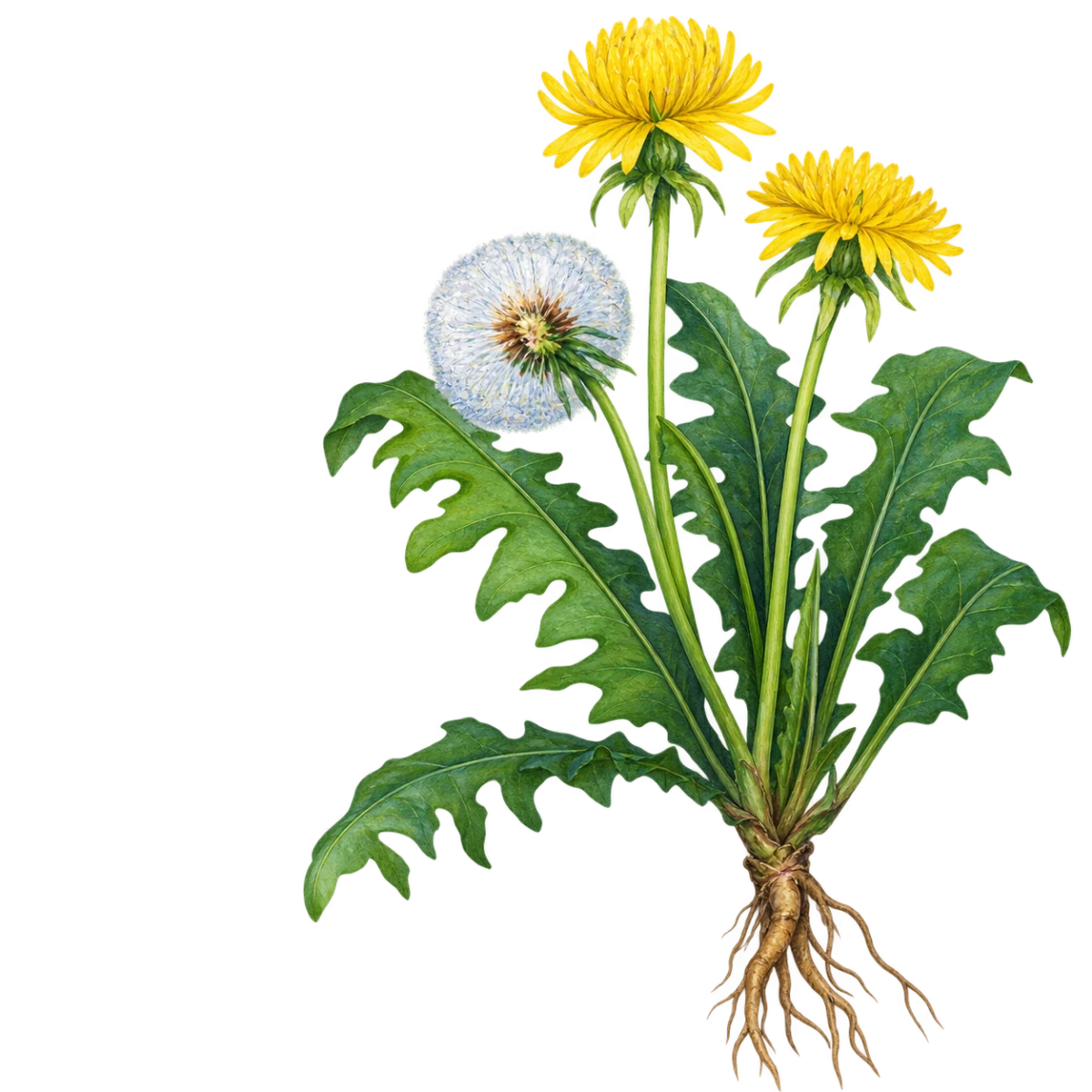
Dandelion (Pu Gong Ying – Taraxacum mongolicum) is a precious traditional Chinese medicinal herb renowned for its actions in clearing heat and toxins, resolving inflammation and abscesses, promoting urination, and protecting the liver. With a sweet–bitter taste and cold nature, it enters the Liver and Stomach meridians, known as a principal herb for treating “heat toxins and suppurative swellings.” Rich in active compounds such as taraxasterol, luteolin, inulin, and β-sitosterol, together with vitamins A, C, and E, Dandelion exhibits strong antioxidant, anti-inflammatory, immunomodulatory, lipid- and glucose-regulating properties. Clinically, it is widely applied to manage mastitis, blocked lactation, boils, abscesses, hepatitis, gallstones, urinary tract infection, mild hypertension, pharyngitis, bronchitis, eczema, and dermatitis, as well as to support cancer therapy, diabetes, and obesity management. Beyond its medicinal value, Herba Taraxaci is also consumed as a nutritious food and herbal tea, promoting detoxification, liver protection, and gentle sedation for better sleep. Combining classical Eastern medical wisdom with modern pharmacological evidence, Dandelion today stands as a comprehensive natural remedy and functional food that supports holistic wellness and chronic disease prevention in modern lifestyles.
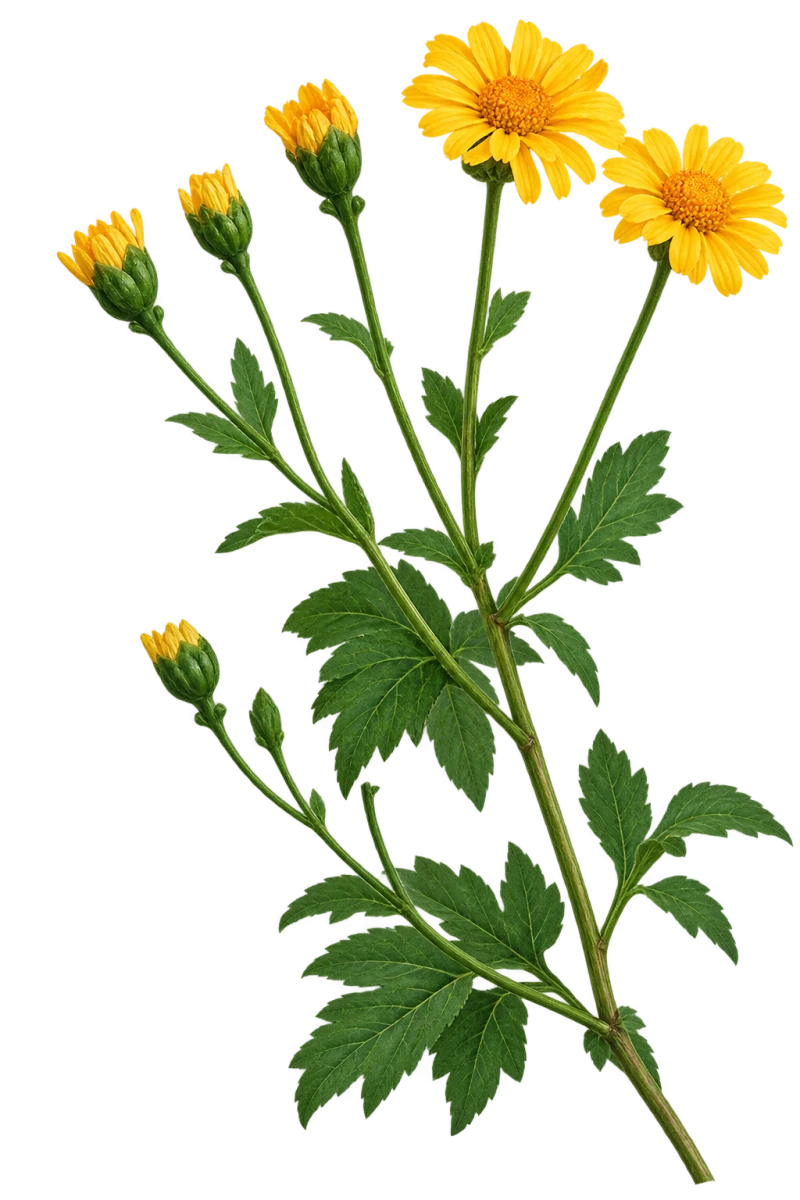
Ye Ju Hua (Wild Chrysanthemum Flower – Chrysanthemum indicum L.) is a traditional Chinese medicinal herb valued for its heat-clearing, detoxifying, anti-inflammatory, and liver-soothing properties. Bitter in taste and cooling in nature, it is commonly used to treat disorders caused by Wind-Heat, helping to cool the Liver, brighten the eyes, regulate blood pressure, and reduce inflammation. Modern pharmacological studies have identified bioactive compounds such as flavonoids, phenolic acids, sesquiterpene lactones, and essential oils that exhibit antioxidant, antimicrobial, antiviral, and hepatoprotective effects. Ye Ju Hua also supports digestive health by modulating gut microbiota, alleviating swelling, promoting wound healing, and improving skin conditions. Traditionally, it is prescribed for boils, carbuncles, pharyngitis, dermatitis, hepatitis, and hypertension, while helping to purify the body, calm the mind, and relieve irritability. As a cooling and detoxifying herb, Wild Chrysanthemum Flower plays a vital role in classical formulas for clearing Heat and toxins from the body. It is particularly beneficial for individuals with excess internal heat, inflammation, or toxin accumulation. Regular use in appropriate amounts may help strengthen immunity, protect the liver, promote skin health, and delay cellular aging, making it both a therapeutic and preventive herb in Traditional Chinese Medicine.
Hu Zhang (Giant Knotweed Rhizome, Cốt khí củ) is the dried rhizome of Reynoutria japonica (syn. Polygonum cuspidatum), a member of the Polygonaceae family. In Traditional Chinese Medicine (TCM), it is valued for its multiple actions: invigorating blood, removing stasis, clearing heat, detoxifying, draining dampness, promoting urination, resolving phlegm, and calming the mind. It is traditionally prescribed for arthralgia, rheumatism, traumatic injuries, hepatitis, jaundice, cough with phlegm due to Lung heat, pharyngitis, skin infections, burns, hemorrhoids, dysentery, and urinary tract inflammation. Modern pharmacological studies reveal that Hu Zhang contains potent bioactive compounds such as resveratrol, polydatin, emodin, quercetin, physcion, and chrysophanol. These contribute to its anti-inflammatory, antioxidant, hepatoprotective, hypoglycemic, hypolipidemic, antibacterial, and antiviral properties. According to the Chinese Pharmacopoeia and WHO monographs, emodin and polydatin are recognized as the official quality markers for standardization. With both ancient wisdom and modern evidence, Hu Zhang (Reynoutria japonica) is considered a promising medicinal herb for the supportive treatment of hepatitis, metabolic disorders, inflammatory joint disease, and chronic oxidative conditions. Its scientific validation continues to expand globally, making Japanese Knotweed Rhizome not only a revered TCM herb but also a subject of modern biomedical interest in the prevention and management of inflammatory and degenerative diseases.
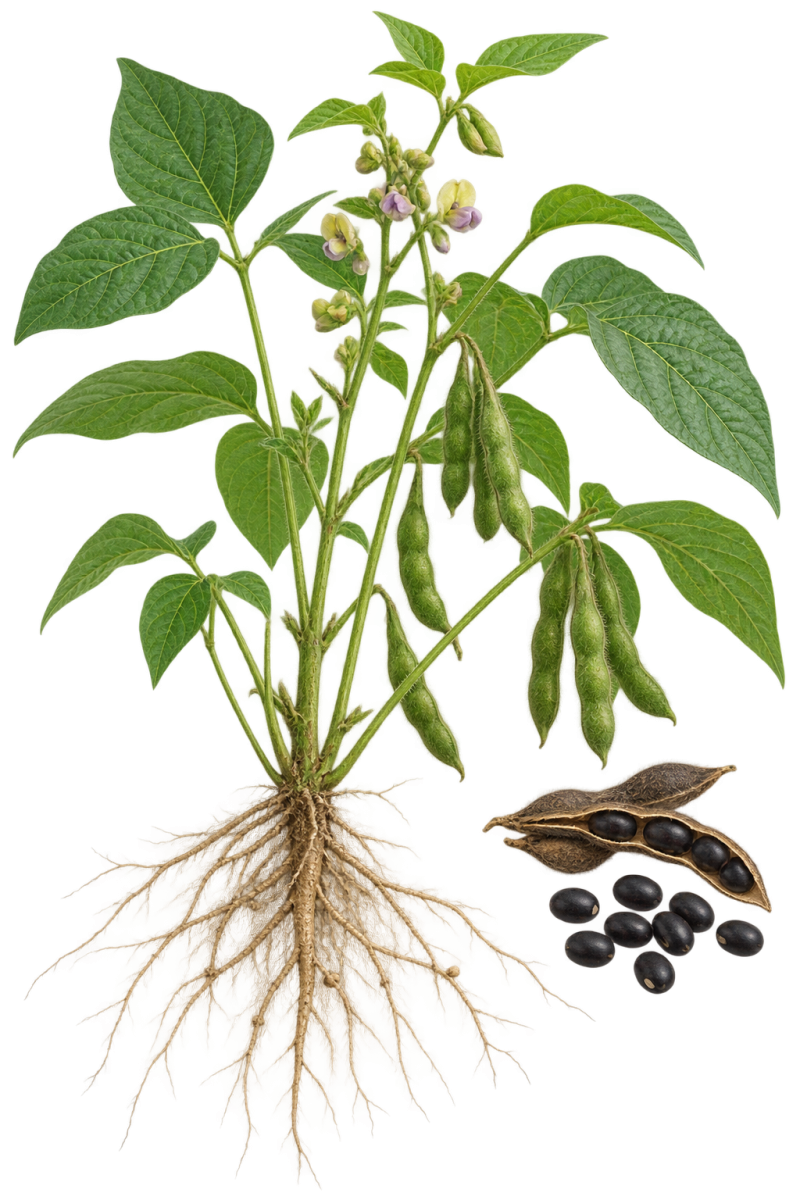
Black Bean (Hei Dou – 黑豆) is a revered medicinal herb in Traditional Chinese Medicine (TCM), belonging to the Fabaceae family. Sweet in flavor and neutral in nature, it enters the Kidney and Liver meridians, nourishing the blood, detoxifying the body, promoting urination, and darkening the hair. Among its varieties, the green-kernel black bean is considered the most medicinally valuable, slightly cold in nature, helping to clear heat, nourish Yin, eliminate dampness, and replenish Kidney essence. According to the Compendium of Materia Medica (Ben Cao Gang Mu), black beans “eliminate toxins, tonify the Liver and Kidneys, and invigorate blood circulation.” In folk medicine, they are often cooked with Polygonum multiflorum (He Shou Wu) to nourish blood and darken the hair, or simmered with salt to enhance vitality and slow aging. Roasted black bean tea is also valued for detoxifying the liver, balancing blood pressure, and improving metabolism. Modern pharmacological studies show that black bean seed coats are rich in anthocyanidins and flavonoids, potent antioxidants that protect the liver, cardiovascular system, and skin. However, individuals with Yang deficiency or cold constitution, or those taking Qi-tonifying herbs such as Panax ginseng or Codonopsis pilosula, should avoid simultaneous use, as black beans may reduce their efficacy. Simple yet profound, the black bean stands as both a nourishing food and a pure herbal tonic, honored in TCM for centuries as a gentle ally in health and longevity.
Dan Shen (Salvia miltiorrhiza Bunge), commonly known as Danshen root, is a well-known medicinal herb in Traditional Chinese Medicine (TCM), widely used for its ability to invigorate Blood, dispel Blood stasis, and regulate circulation. Classified as bitter in taste and slightly cold in nature, Dan Shen primarily enters the Heart, Pericardium, and Liver meridians, where it plays a central role in maintaining cardiovascular and systemic balance. In traditional practice, Dan Shen is valued for promoting smooth blood flow, improving microcirculation, and supporting heart and brain health. It has long been used in formulas addressing chest pain, angina-like discomfort, menstrual irregularities, abdominal pain due to Blood stasis, and traumatic injuries with bruising or swelling. By activating Blood without excessive consumption of vital substances, Dan Shen helps generate new Blood while nourishing existing Blood, making it a key herb in many classical and modern prescriptions. Modern scientific research has identified a rich profile of bioactive compounds in Dan Shen, including tanshinones, salvianolic acids, flavonoids, and phenolic acids, which contribute to its antioxidant, anti-inflammatory, endothelial-protective, and anti-fibrotic properties. These findings support its traditional use in conditions related to impaired circulation, metabolic imbalance, and chronic organ stress involving the heart, liver, kidneys, and brain. Dan Shen is also recognized for its role in supporting liver function, regulating lipid and glucose metabolism, and enhancing the body’s natural self-repair mechanisms through improved blood flow and tissue perfusion. When used appropriately according to pattern differentiation, it offers a balanced approach to long-term health maintenance and recovery. Due to its strong blood-activating nature, Dan Shen should be used with professional guidance in specific populations, particularly during pregnancy or when combined with anticoagulant therapies.