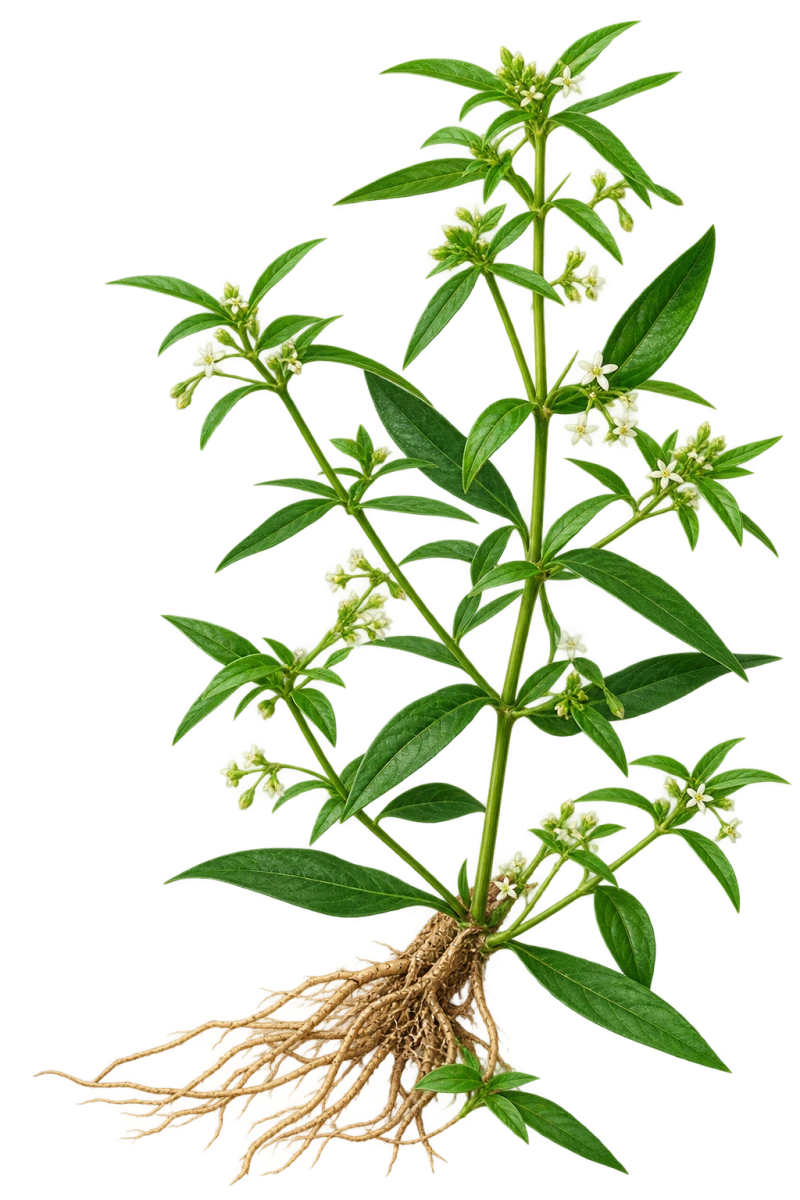
Bai Hua She She Cao (Hedyotis diffusa) is a widely used herbal medicine in Traditional Chinese Medicine, valued for its strong heat-clearing, detoxifying, damp-draining, and nodule-dispelling properties. It is commonly prescribed for inflammatory conditions, including lung-heat cough, pneumonia, sore throat, tonsillitis, and various hepatobiliary disorders such as hepatitis, jaundice, hepatosplenomegaly, and early-stage cirrhosis. The herb also promotes diuresis, reduces urinary tract inflammation, alleviates hydrocele, and supports the treatment of hemorrhoids, dysentery, enteritis, and digestive problems caused by damp-heat. Modern studies have demonstrated notable antibacterial, antiviral, antioxidant, hepatoprotective, and renoprotective activities, as well as inhibitory effects on abnormal cell proliferation—making it a valuable adjunctive therapy in the early management of cancers such as gastric, colorectal, hepatic, and pulmonary tumors. Externally, the herb is applied to treat abscesses, skin ulcers, scabies, and acne. Its rich chemical composition—including iridoid glycosides, flavonoids, anthraquinones, phenolic acids, triterpenoids, and immunomodulatory polysaccharides—contributes to its diverse therapeutic benefits. When used at appropriate dosages and under professional guidance, Bai Hua She She Cao provides broad-spectrum support for detoxification, immune regulation, and systemic health, making it an essential herb in both traditional prescriptions and modern functional applications.
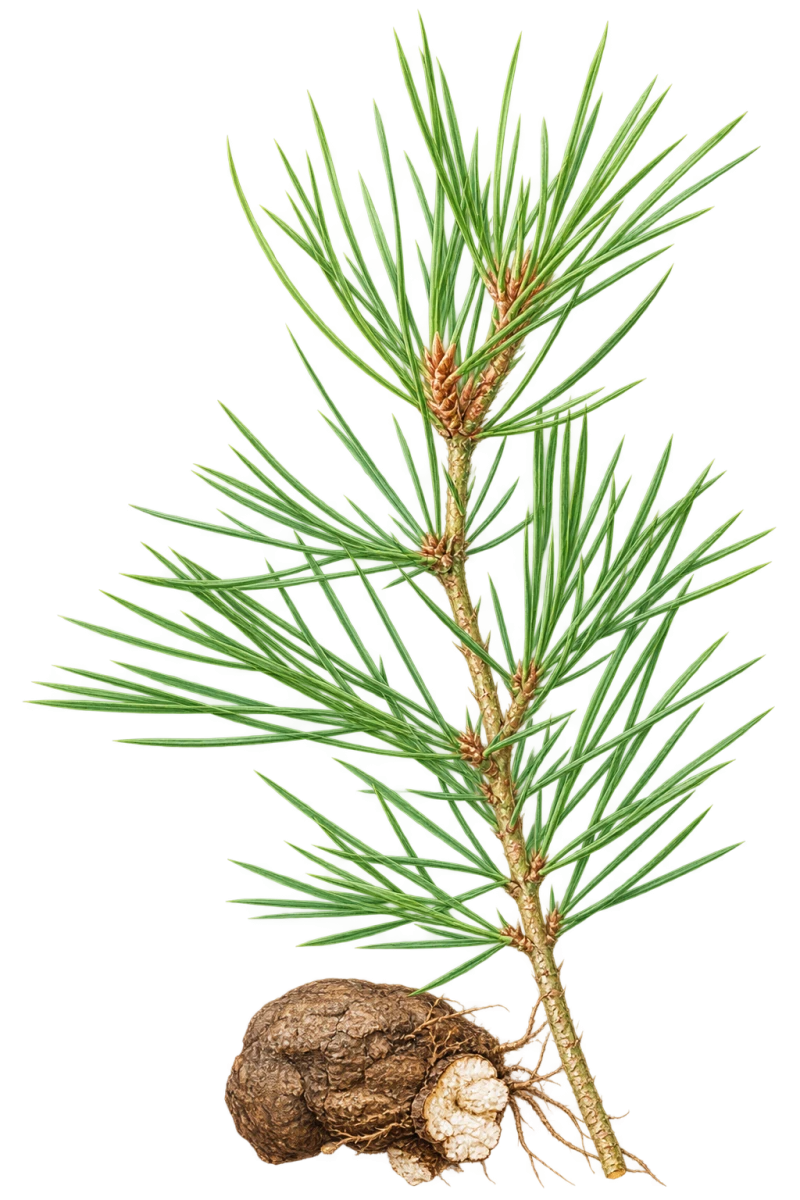
Poria cocos (Fu Ling, Indian Bread) is a renowned Traditional Chinese Medicine (TCM) herb valued for its diuretic, spleen-tonifying, and tranquilizing properties. Belonging to the Polyporaceae family, Poria cocos is the dried sclerotium of a fungus that parasitizes pine roots. Sweet and neutral in nature, it enters the Heart, Spleen, Lung, and Kidney meridians, helping to regulate Qi and Blood, harmonize Yin and Yang, and restore vitality. Modern pharmacological research shows that Poria contains polysaccharides, triterpenoids, and sterols with proven effects on enhancing immunity, lowering blood sugar, protecting the liver, improving memory, and inhibiting tumor growth. In skincare, it promotes a brighter, smoother complexion, reduces hyperpigmentation, delays aging, and supports longevity. Historically favored by Empress Dowager Cixi and poet Su Dongpo, Fu Ling is regarded as an elixir for health, beauty, and longevity. As a holistic remedy, Poria cocos purifies the body, nourishes the spirit, strengthens internal organs, and promotes harmony between mind and body — making it an essential herb in modern wellness and traditional Asian healing.
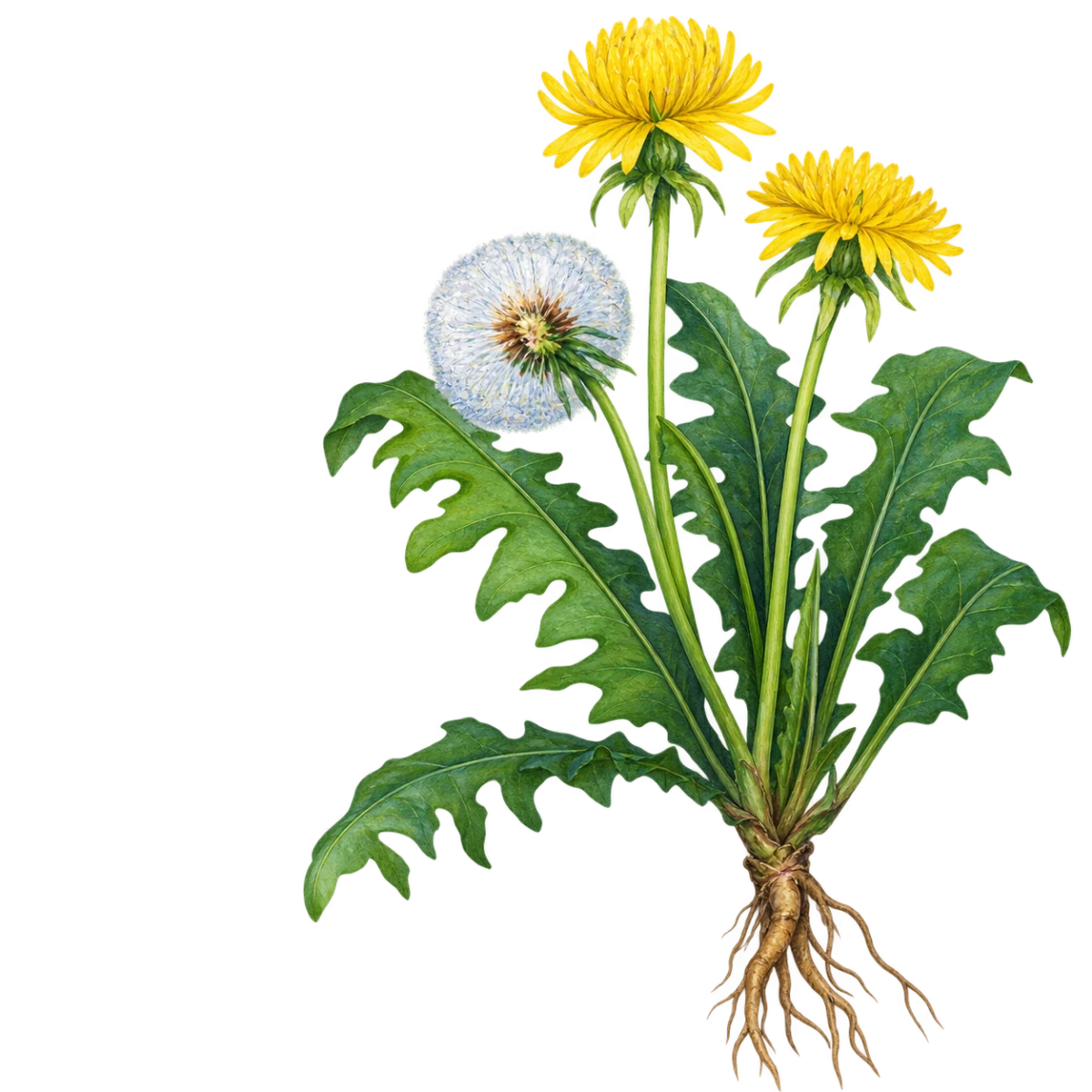
Dandelion (Pu Gong Ying – Taraxacum mongolicum) is a precious traditional Chinese medicinal herb renowned for its actions in clearing heat and toxins, resolving inflammation and abscesses, promoting urination, and protecting the liver. With a sweet–bitter taste and cold nature, it enters the Liver and Stomach meridians, known as a principal herb for treating “heat toxins and suppurative swellings.” Rich in active compounds such as taraxasterol, luteolin, inulin, and β-sitosterol, together with vitamins A, C, and E, Dandelion exhibits strong antioxidant, anti-inflammatory, immunomodulatory, lipid- and glucose-regulating properties. Clinically, it is widely applied to manage mastitis, blocked lactation, boils, abscesses, hepatitis, gallstones, urinary tract infection, mild hypertension, pharyngitis, bronchitis, eczema, and dermatitis, as well as to support cancer therapy, diabetes, and obesity management. Beyond its medicinal value, Herba Taraxaci is also consumed as a nutritious food and herbal tea, promoting detoxification, liver protection, and gentle sedation for better sleep. Combining classical Eastern medical wisdom with modern pharmacological evidence, Dandelion today stands as a comprehensive natural remedy and functional food that supports holistic wellness and chronic disease prevention in modern lifestyles.
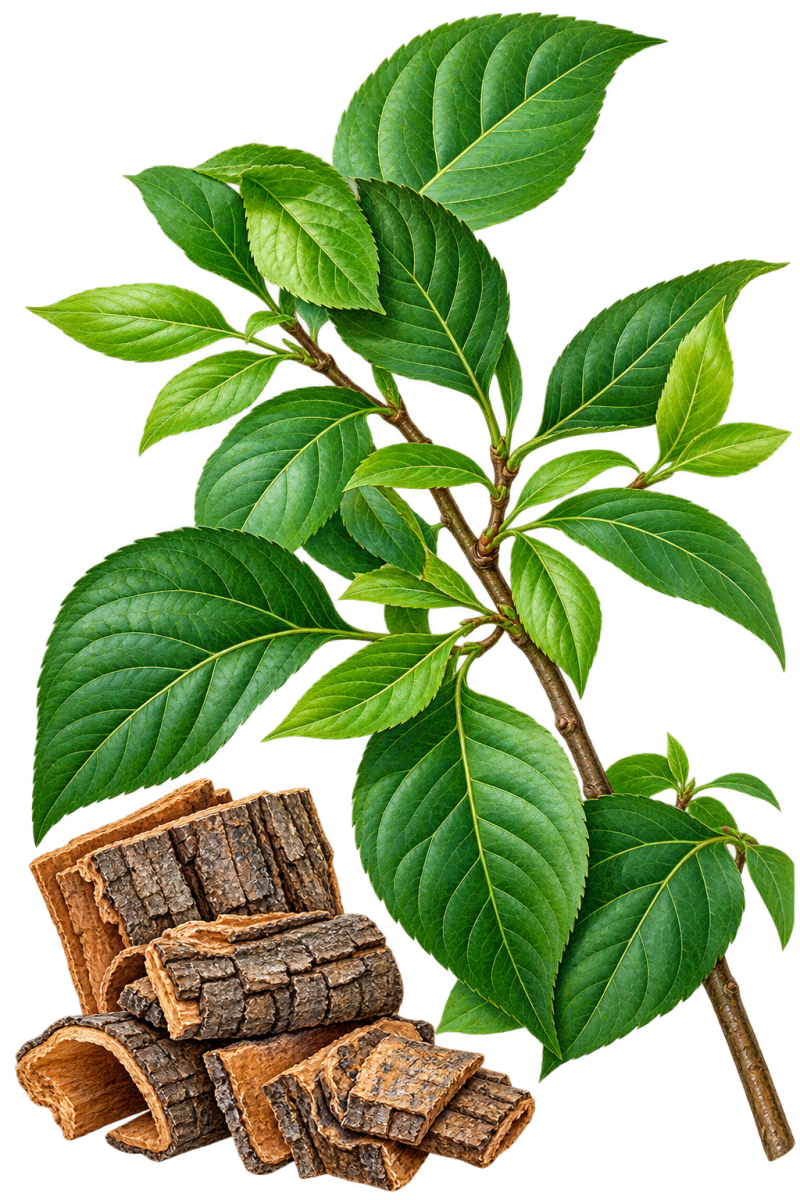
Du Zhong (Eucommia Bark) is one of the most important traditional Chinese medicinal herbs, well-known for its powerful ability to tonify the Liver and Kidneys, strengthen bones and tendons, and support pregnancy. The bark of Eucommia ulmoides is rich in bioactive compounds such as alkaloids, triterpenoids, saponins, flavonoids, vitamins, and essential minerals, giving it a wide range of therapeutic benefits. Du Zhong is commonly used in formulas that treat lower back pain, weak knees, joint degeneration, osteoporosis, as well as nocturnal emission, impotence, and frequent urination caused by Kidney deficiency. In gynecology and obstetrics, Du Zhong is highly valued for its ability to stabilize pregnancy, prevent miscarriage, and strengthen the overall condition of pregnant women. The herb also helps lower blood pressure, reduce cholesterol, and promote vasodilation, making it beneficial for cardiovascular health. Thanks to its anti-inflammatory and strong antioxidant effects, Du Zhong enhances immune function, protects nerve cells, regulates blood sugar, and supports lipid metabolism—making it suitable for individuals at risk of diabetes or metabolic disorders. Modern research further shows that Eucommia leaves offer similar medicinal effects to the bark, providing a more convenient alternative. Du Zhong can be used in various forms such as decoction, medicinal wine, powder, or herbal extract, making it versatile for different wellness needs. Although generally safe, it should be used with caution in individuals with yin deficiency heat or latex allergies. With its wide-ranging therapeutic properties, Du Zhong has become a highly valued herb for supporting bone health, reproductive health, cardiovascular function, and immunity.
Xiang Fu (Cyperi Rhizoma, Nutgrass Rhizome) is one of the most essential herbs in Traditional Chinese Medicine for regulating Qi, especially Liver Qi constraint, a core pathological mechanism behind many modern disorders such as menstrual irregularities, dysmenorrhea, functional digestive discomfort, stress-related headaches, and emotional tension. In classical TCM theory, Xiang Fu belongs to the category of Qi-regulating herbs, entering the Liver and San Jiao channels. Its primary function is to restore the free flow of Qi, harmonizing the Liver–Spleen–Stomach axis and alleviating pain, distension, and functional disharmony caused by Qi stagnation. Clinically, Xiang Fu is best known for gynecological applications, including irregular menstruation, premenstrual syndrome, breast distension, and abdominal pain associated with constrained Liver Qi. It is also widely used for epigastric fullness, poor appetite, nausea, and stress-induced digestive disorders, where emotional factors impair normal Qi movement. Appropriate candidates for Xiang Fu are individuals presenting signs of Liver Qi stagnation: emotional irritability, chest or hypochondriac tightness, cyclic pain, stress-related insomnia, and tension-type headaches (especially vertex headaches). Important cautions: Xiang Fu should be used carefully or avoided in cases of Qi deficiency without stagnation, Yin deficiency with Blood Heat, excessive uterine bleeding due to deficiency, and during pregnancy, unless prescribed by a qualified TCM practitioner. For optimal results, Xiang Fu should be selected and combined based on pattern differentiation, not used symptomatically without a clear TCM diagnosis