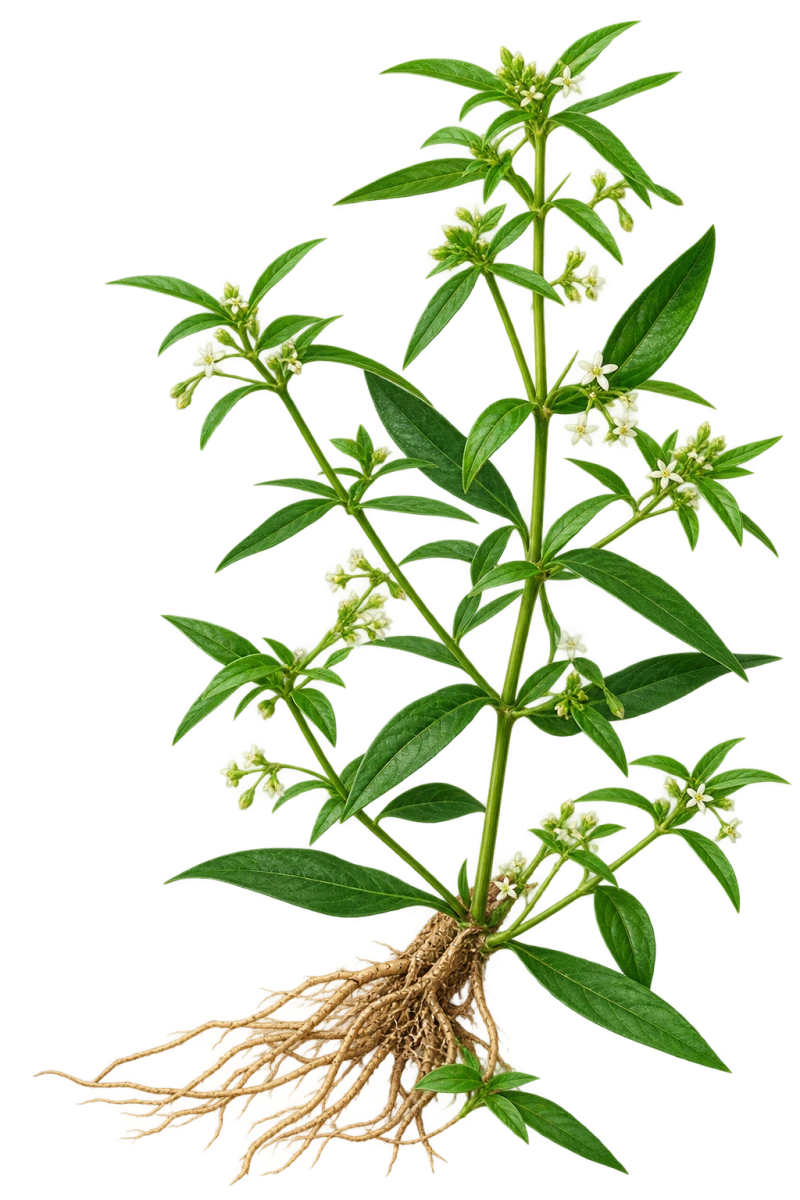
Bai Hua She She Cao (Hedyotis diffusa) is a widely used herbal medicine in Traditional Chinese Medicine, valued for its strong heat-clearing, detoxifying, damp-draining, and nodule-dispelling properties. It is commonly prescribed for inflammatory conditions, including lung-heat cough, pneumonia, sore throat, tonsillitis, and various hepatobiliary disorders such as hepatitis, jaundice, hepatosplenomegaly, and early-stage cirrhosis. The herb also promotes diuresis, reduces urinary tract inflammation, alleviates hydrocele, and supports the treatment of hemorrhoids, dysentery, enteritis, and digestive problems caused by damp-heat. Modern studies have demonstrated notable antibacterial, antiviral, antioxidant, hepatoprotective, and renoprotective activities, as well as inhibitory effects on abnormal cell proliferation—making it a valuable adjunctive therapy in the early management of cancers such as gastric, colorectal, hepatic, and pulmonary tumors. Externally, the herb is applied to treat abscesses, skin ulcers, scabies, and acne. Its rich chemical composition—including iridoid glycosides, flavonoids, anthraquinones, phenolic acids, triterpenoids, and immunomodulatory polysaccharides—contributes to its diverse therapeutic benefits. When used at appropriate dosages and under professional guidance, Bai Hua She She Cao provides broad-spectrum support for detoxification, immune regulation, and systemic health, making it an essential herb in both traditional prescriptions and modern functional applications.
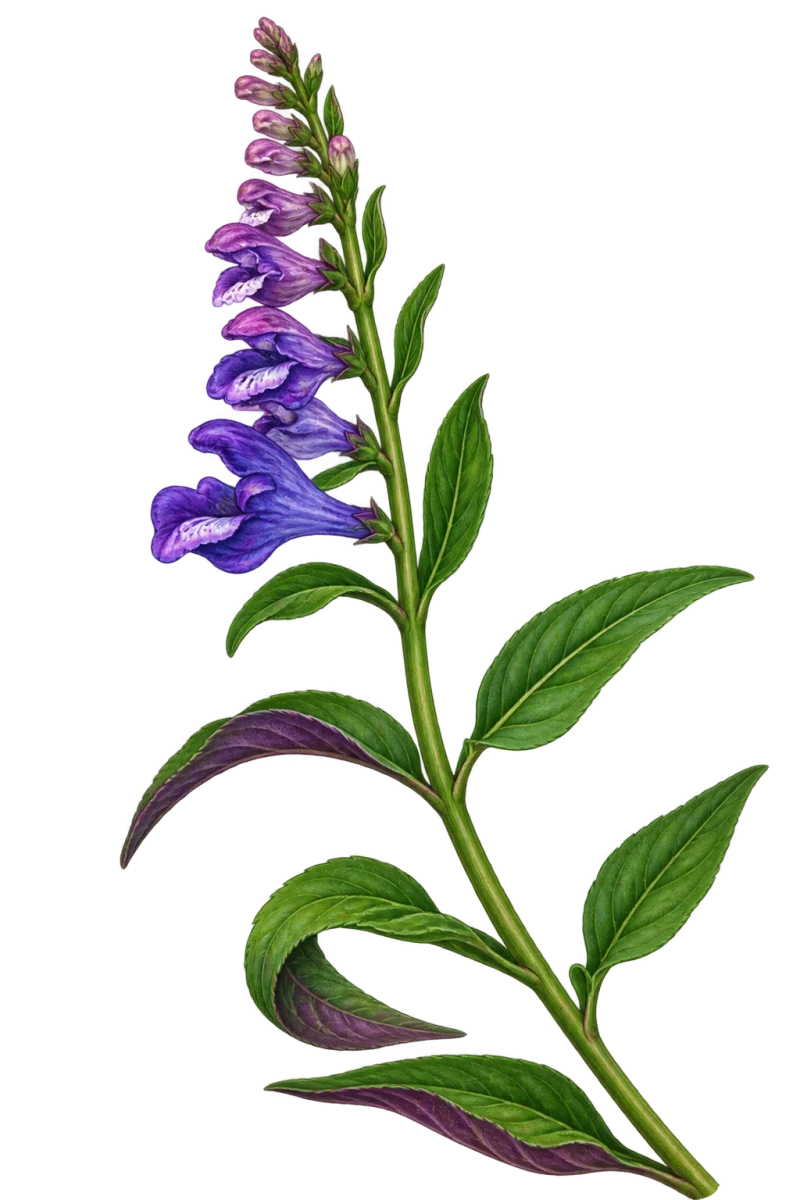
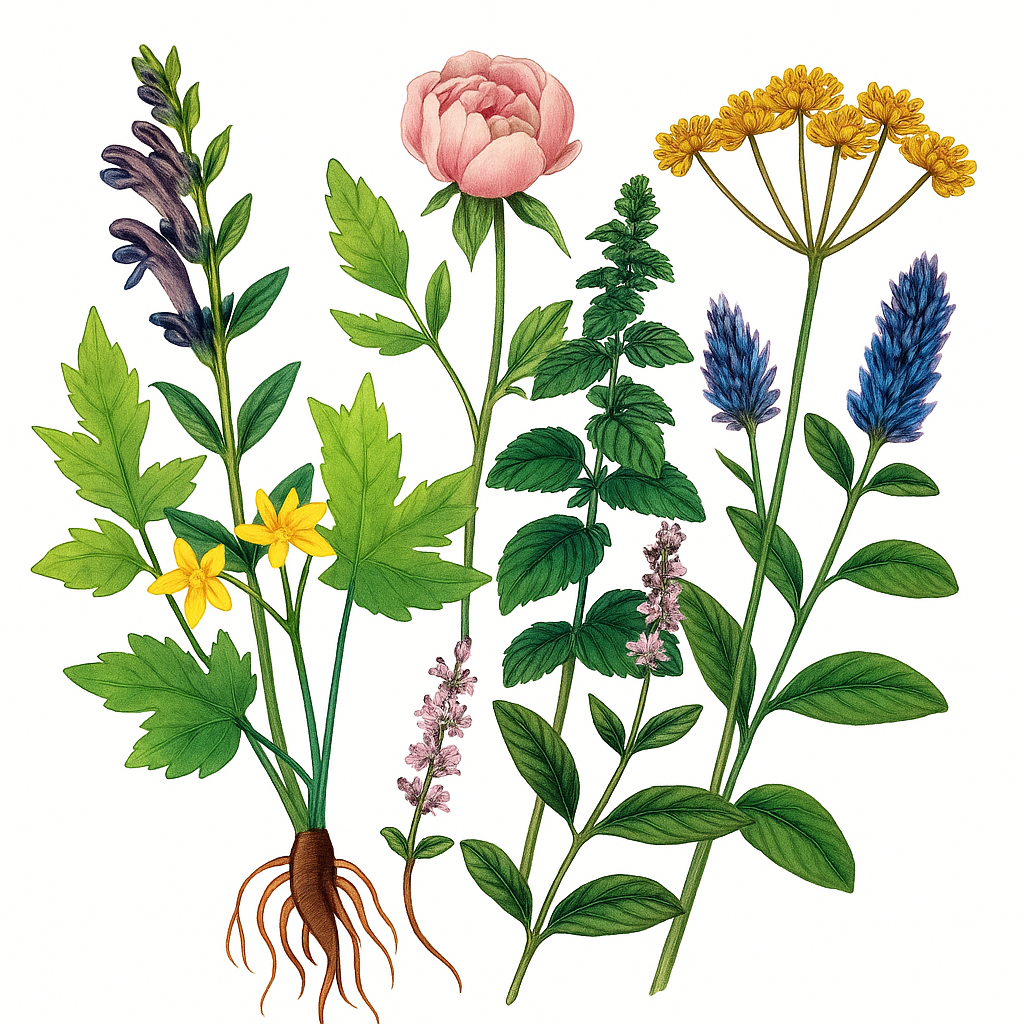
Scutellariae Barbatae Herba (Scutellaria barbata D. Don), commonly known as Barbat Skullcap, is a highly valued medicinal herb in Traditional Chinese Medicine, widely used for clearing heat, detoxifying fire-toxicity, reducing inflammation, and supporting anticancer therapy. Belonging to the Lamiaceae family, this slightly bitter and cooling herb enters the Liver, Lung, and Kidney meridians, making it effective for managing infections, toxic heat syndromes, edema, and immune-related conditions. Modern pharmacological studies highlight its rich profile of flavonoids and diterpenoids—including scutellarin, baicalein, wogonin, and scutebarbatine A–D—known for their antioxidant, anti-inflammatory, hepatoprotective, and antitumor properties. Clinically, Scutellaria barbata is applied in the management of hepatitis, cirrhosis with ascites, appendicitis, intestinal abscess, pulmonary abscess, cellulitis, boils, edema, and various conditions of the respiratory and urinary systems associated with damp-heat and toxic stagnation. Fresh herb may also be used externally for infected wounds, painful swellings, and insect bites. With its broad spectrum of therapeutic actions and evidence-supported bioactive compounds, Barbat Skullcap stands as an essential herb in natural healthcare, offering powerful support for chronic disease prevention and integrative oncology within the framework of Traditional Chinese Medicine.
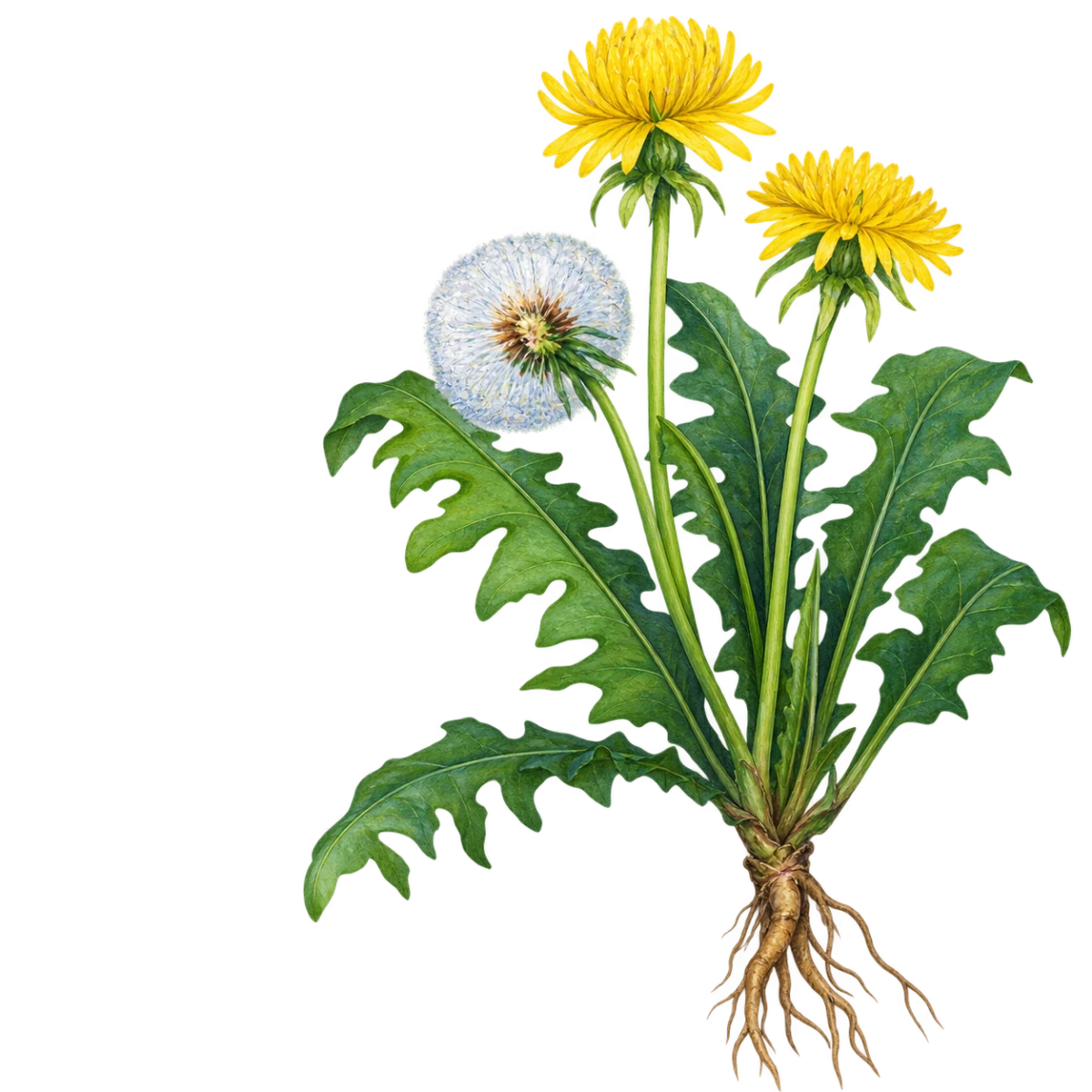
Dandelion (Pu Gong Ying – Taraxacum mongolicum) is a precious traditional Chinese medicinal herb renowned for its actions in clearing heat and toxins, resolving inflammation and abscesses, promoting urination, and protecting the liver. With a sweet–bitter taste and cold nature, it enters the Liver and Stomach meridians, known as a principal herb for treating “heat toxins and suppurative swellings.” Rich in active compounds such as taraxasterol, luteolin, inulin, and β-sitosterol, together with vitamins A, C, and E, Dandelion exhibits strong antioxidant, anti-inflammatory, immunomodulatory, lipid- and glucose-regulating properties. Clinically, it is widely applied to manage mastitis, blocked lactation, boils, abscesses, hepatitis, gallstones, urinary tract infection, mild hypertension, pharyngitis, bronchitis, eczema, and dermatitis, as well as to support cancer therapy, diabetes, and obesity management. Beyond its medicinal value, Herba Taraxaci is also consumed as a nutritious food and herbal tea, promoting detoxification, liver protection, and gentle sedation for better sleep. Combining classical Eastern medical wisdom with modern pharmacological evidence, Dandelion today stands as a comprehensive natural remedy and functional food that supports holistic wellness and chronic disease prevention in modern lifestyles.
Radix Puerariae (Ge Gen) – also known as Kudzu Root, Cam Ge Gen, or Bai Ge Gen – is the root of Pueraria lobata (Willd.) Ohwi, a precious herb in Traditional Chinese Medicine. With a sweet and acrid flavor, neutral nature, entering the Spleen, Stomach, Lung, and Bladder meridians, Ge Gen is widely used to clear heat, release the exterior, promote body fluids, relieve muscle tension, stop diarrhea, and detoxify alcohol. Modern studies have confirmed that its bioactive compounds—Puerarin, Daidzein, and Genistein—exhibit vasodilatory, anti-inflammatory, antioxidant, and hepatoprotective properties. Ge Gen helps improve cerebral and coronary circulation, supporting the treatment of hypertension, diabetes, hyperlipidemia, and menopausal symptoms. Traditionally, it is also valued for its ability to relieve fever, reduce thirst, and alleviate gastrointestinal disorders. In folk medicine, Kudzu starch drink made from Ge Gen is used as a cooling, detoxifying, and beautifying tonic, helping to soothe the liver and nourish the body. With its broad range of therapeutic effects and modern scientific backing, Ge Gen (Radix Puerariae) stands as a key medicinal herb in both classical formulas and modern health applications, balancing tradition and evidence-based wellness.
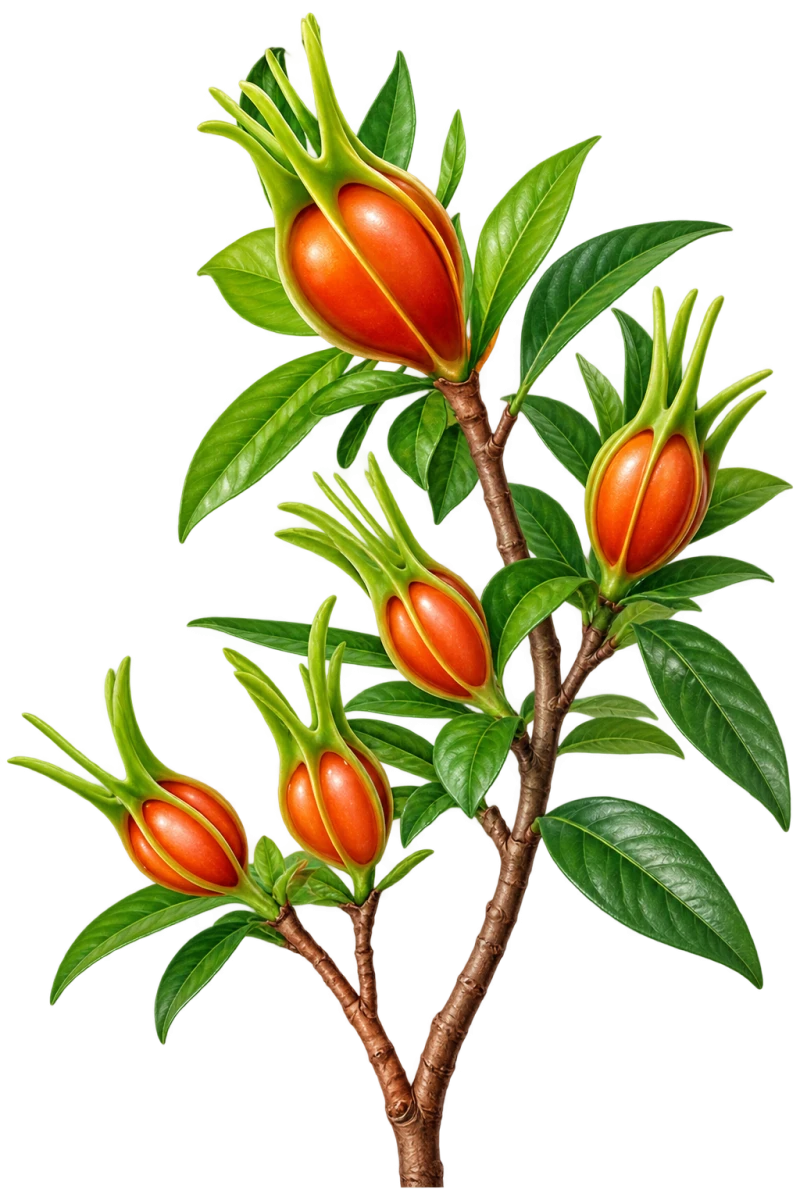
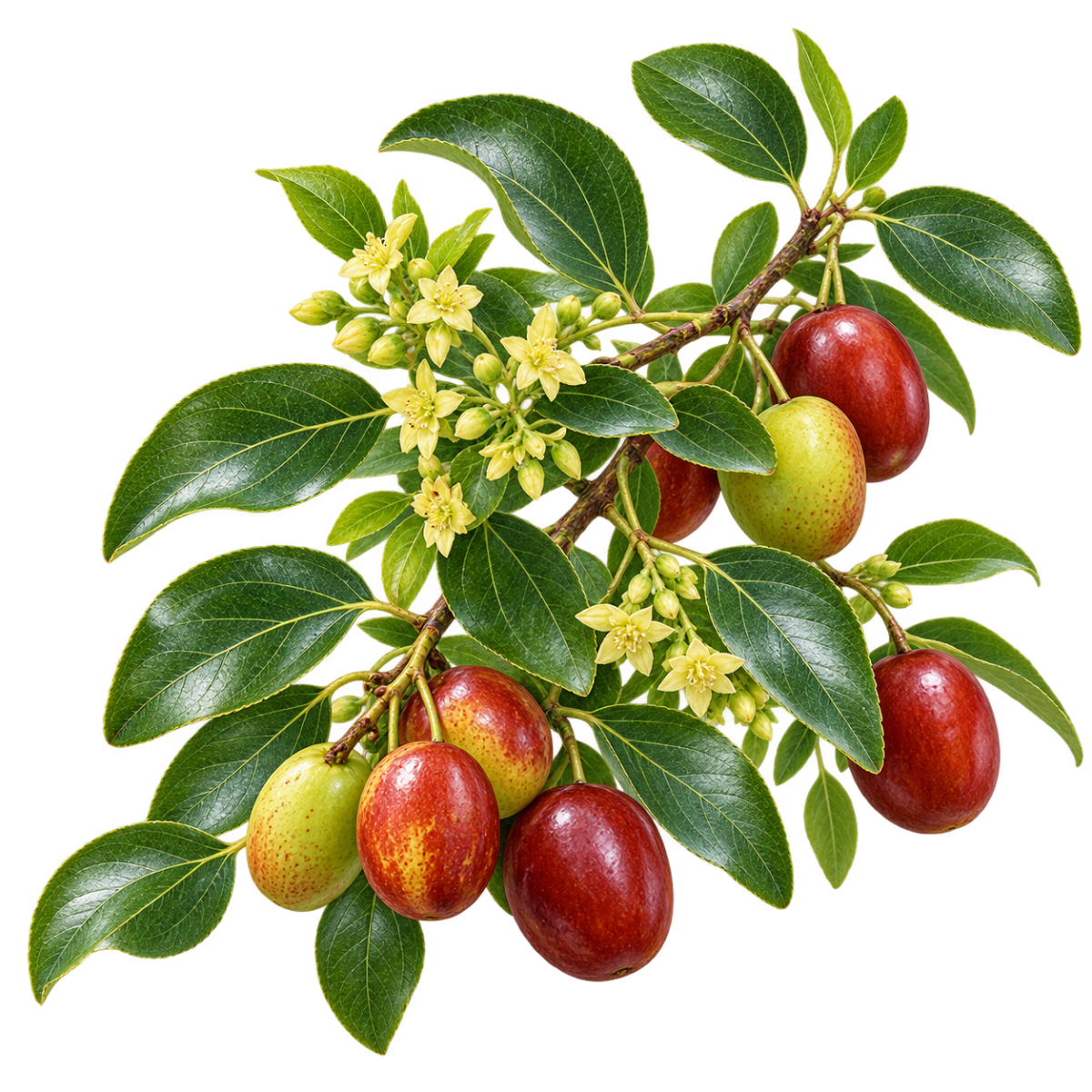
Gardeniae Fructus (Zhi Zi – Cape Jasmine Fruit) is a classical Traditional Chinese Medicine (TCM) herb renowned for its bitter-cold nature and powerful actions to clear heat, drain fire, eliminate irritability, promote urination, cool the blood, and calm the mind. Described in the Shennong Bencao Jing and Compendium of Materia Medica, Zhi Zi is praised as a superior remedy that “purges internal fire and soothes the Heart.” Modern pharmacological studies confirm that its bioactive compounds — geniposide, crocin, and genipin — possess anti-inflammatory, antipyretic, hepatoprotective, choleretic, antioxidant, and antitumor potentials. Clinically, it is used to treat febrile diseases, insomnia due to heat, jaundice, hepatitis, urinary tract infections, hemoptysis, skin inflammation, boils, and bleeding disorders caused by excess heat. The method of preparation determines its therapeutic direction: raw fruit clears heat, lightly stir-fried fruit drains fire, and charred fruit cools blood and stops bleeding. With its harmonizing nature that dispels pathogenic fire while protecting vital energy, Gardenia fruit exemplifies the wisdom of traditional Chinese medicine — balancing the body, calming the mind, and restoring internal peace.
Imperatae Rhizoma, commonly known as Lalang Grass Rhizome or Cogon Grass Root (Imperata cylindrica), is a traditional herbal remedy highly valued in Asian medicine for its cooling, detoxifying, and diuretic effects. In Traditional Chinese Medicine, it is renowned for its ability to clear heat, cool the blood, stop bleeding, and promote urination, making it particularly effective for urinary heat syndromes such as painful urination, urinary tract infections, hematuria, and edema. Its strong hemostatic and blood-cooling properties also support conditions like nosebleeds, hematemesis, hemoptysis, and excessive menstrual bleeding caused by heat in the blood. With a naturally sweet flavor and cold nature, Imperatae Rhizoma helps ease nausea, reduce gastric heat, and relieve vomiting, especially when triggered by alcohol or stomach fire. It is traditionally used to relieve thirst, lower fever, cool the stomach, and drain damp-heat from the liver and gallbladder, making it beneficial for jaundice, swelling, or heat-related disorders. Modern studies reveal that the rhizome contains valuable compounds such as triterpenoids, flavonoids, saponins, vitamins, and essential minerals, providing anti-inflammatory, antioxidant, antimicrobial, and kidney-protective benefits. These findings support its longstanding use for detoxification, urinary health, and liver support. With its combined traditional wisdom and scientifically supported bioactivity, Imperatae Rhizoma remains a versatile and reliable herbal medicine for individuals seeking natural heat-clearing, detoxifying, and diuretic therapies to enhance overall well-being.