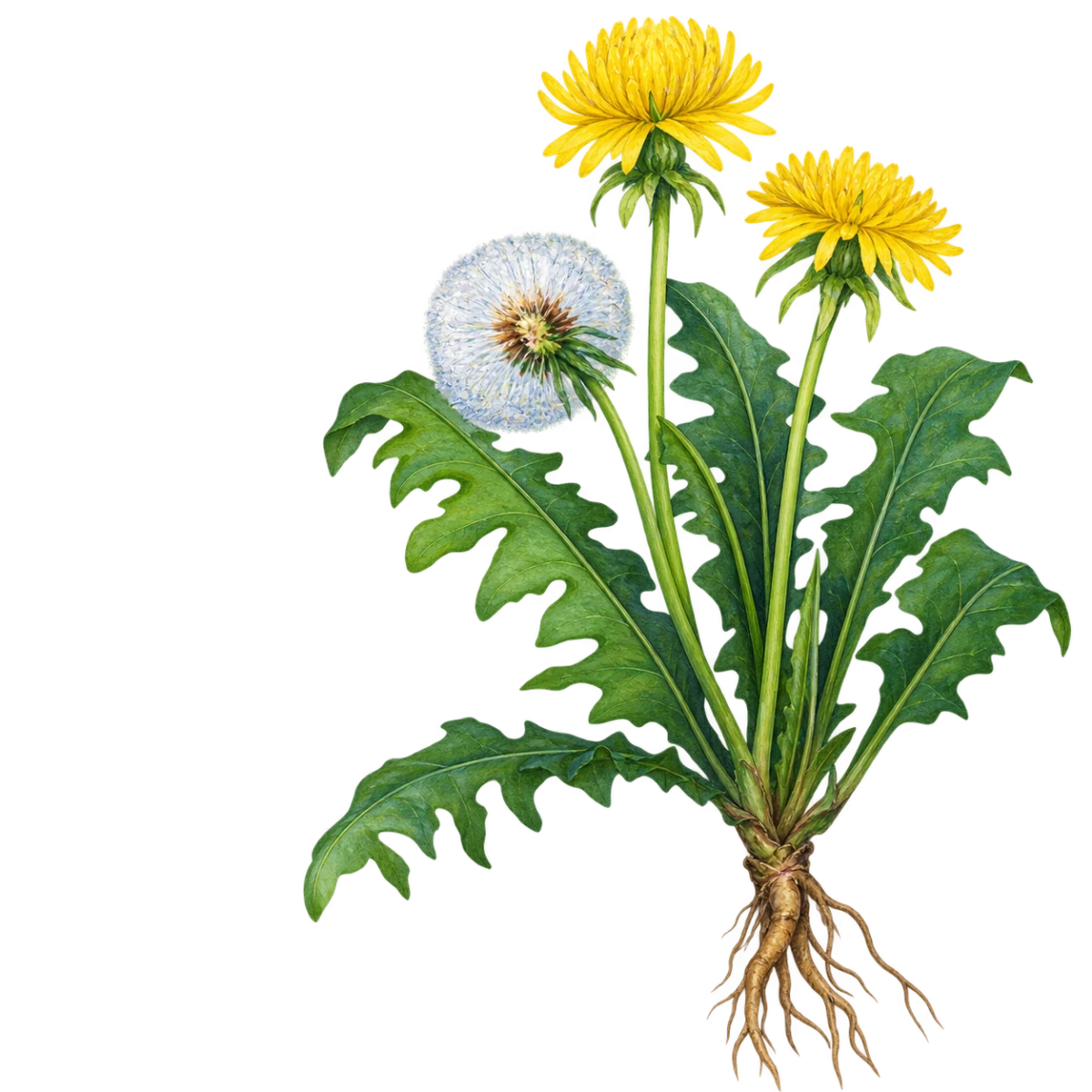
Dandelion (Pu Gong Ying – Taraxacum mongolicum) is a precious traditional Chinese medicinal herb renowned for its actions in clearing heat and toxins, resolving inflammation and abscesses, promoting urination, and protecting the liver. With a sweet–bitter taste and cold nature, it enters the Liver and Stomach meridians, known as a principal herb for treating “heat toxins and suppurative swellings.” Rich in active compounds such as taraxasterol, luteolin, inulin, and β-sitosterol, together with vitamins A, C, and E, Dandelion exhibits strong antioxidant, anti-inflammatory, immunomodulatory, lipid- and glucose-regulating properties. Clinically, it is widely applied to manage mastitis, blocked lactation, boils, abscesses, hepatitis, gallstones, urinary tract infection, mild hypertension, pharyngitis, bronchitis, eczema, and dermatitis, as well as to support cancer therapy, diabetes, and obesity management. Beyond its medicinal value, Herba Taraxaci is also consumed as a nutritious food and herbal tea, promoting detoxification, liver protection, and gentle sedation for better sleep. Combining classical Eastern medical wisdom with modern pharmacological evidence, Dandelion today stands as a comprehensive natural remedy and functional food that supports holistic wellness and chronic disease prevention in modern lifestyles.
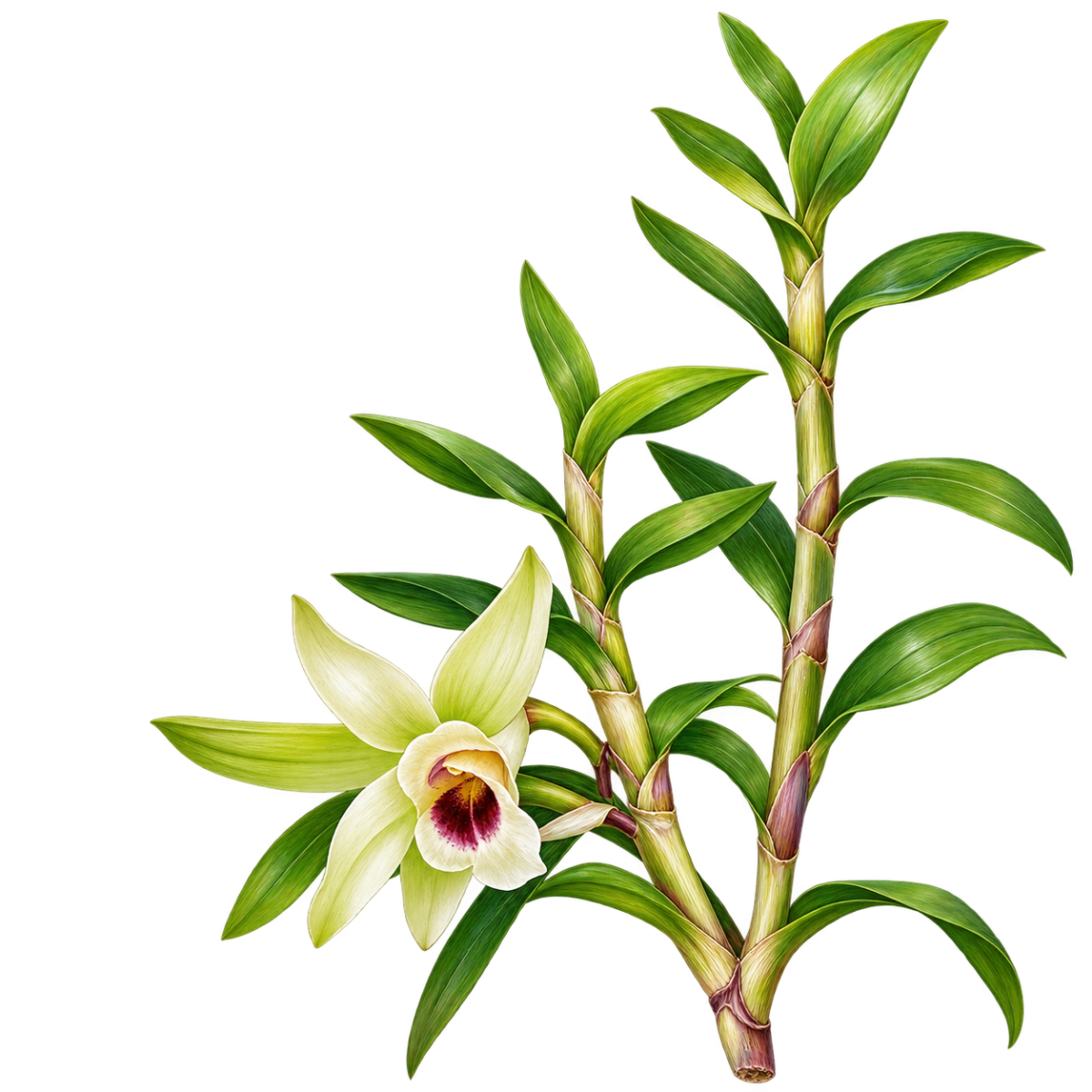
Dendrobium Stem (Dendrobium nobile Lindl., Dendrobii Caulis) is one of the most valued tonic herbs in Traditional Chinese Medicine (TCM), renowned as “Golden Stem Dendrobium” – a superior Yin-nourishing and life-prolonging herb. With its sweet flavor and slightly cold nature, it enters the Lung and Kidney meridians, replenishing Yin fluids, clearing internal heat, tonifying the Stomach, moistening the Lungs, brightening the eyes, strengthening tendons, and enhancing overall vitality. Traditionally, it is used to treat Yin deficiency syndromes such as dry mouth, thirst, low-grade fever, night sweating, internal heat in the bones, post-illness fatigue, impotence, cystitis, blurred vision, dizziness, periodontal inflammation, and dry skin. Chemically, Dendrobium nobile contains valuable bioactive compounds including dendrobine (its main sesquiterpene alkaloid), nobiline, polysaccharides, bibenzyls, phenanthrenes, flavonoids, vitamins, and essential minerals. These substances contribute to its antioxidant, immune-regulating, Yin-restoring, and tissue-rejuvenating effects. The herb is usually prepared by decoction, gentle steaming, or extracted into tonic formulas, with a typical daily dose of 6–15 g dried material. Revered for centuries as a “longevity herb,” Dendrobium Stem nourishes the body, revitalizes energy, enhances skin hydration, and promotes graceful aging — just as ancient physicians said: “Regular use of Shi Hu brings youth to the face and life as enduring as the pine.”