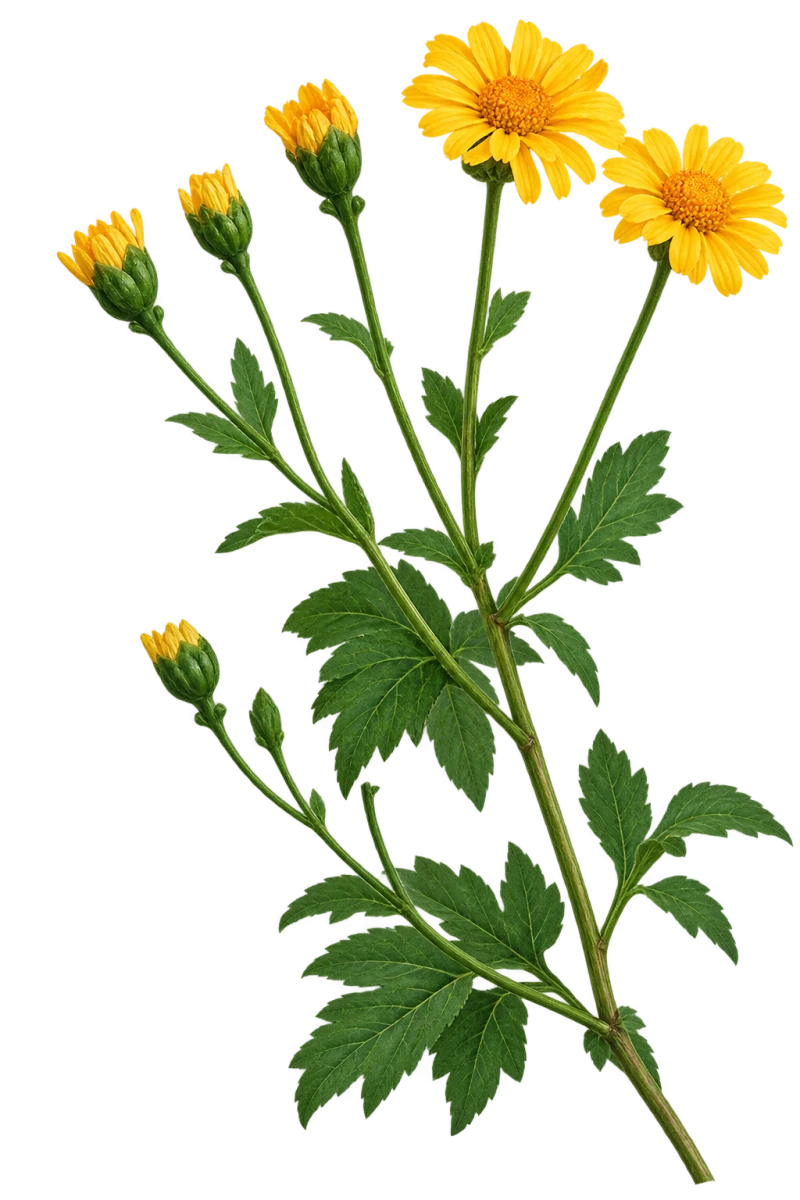
Ye Ju Hua (Wild Chrysanthemum Flower – Chrysanthemum indicum L.) is a traditional Chinese medicinal herb valued for its heat-clearing, detoxifying, anti-inflammatory, and liver-soothing properties. Bitter in taste and cooling in nature, it is commonly used to treat disorders caused by Wind-Heat, helping to cool the Liver, brighten the eyes, regulate blood pressure, and reduce inflammation. Modern pharmacological studies have identified bioactive compounds such as flavonoids, phenolic acids, sesquiterpene lactones, and essential oils that exhibit antioxidant, antimicrobial, antiviral, and hepatoprotective effects. Ye Ju Hua also supports digestive health by modulating gut microbiota, alleviating swelling, promoting wound healing, and improving skin conditions. Traditionally, it is prescribed for boils, carbuncles, pharyngitis, dermatitis, hepatitis, and hypertension, while helping to purify the body, calm the mind, and relieve irritability. As a cooling and detoxifying herb, Wild Chrysanthemum Flower plays a vital role in classical formulas for clearing Heat and toxins from the body. It is particularly beneficial for individuals with excess internal heat, inflammation, or toxin accumulation. Regular use in appropriate amounts may help strengthen immunity, protect the liver, promote skin health, and delay cellular aging, making it both a therapeutic and preventive herb in Traditional Chinese Medicine.
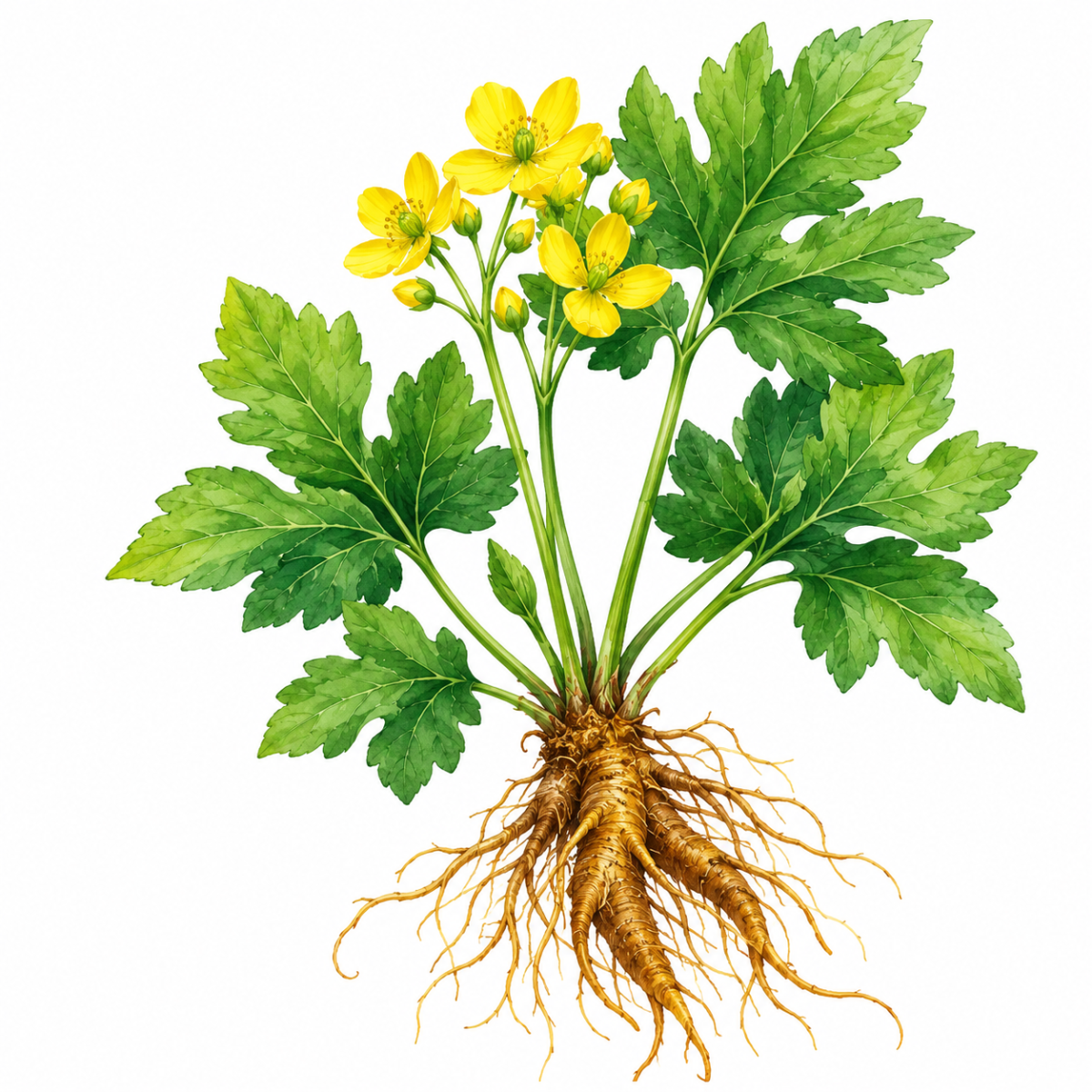
Hoang Lien is a valued herb in Traditional Medicine, well known for its intensely bitter taste, strongly cold nature, and its traditional functions of clearing heat, eliminating dampness, resolving toxicity, and draining fire. In traditional herbal practice, Hoang Lien is commonly used in patterns related to damp-heat, excessive Heart fire, heat toxins, dysentery, diarrhea associated with intestinal inflammation, internal heat, Stomach and Spleen heat, bitter taste in the mouth, epigastric fullness, nausea, vomiting, and certain damp-heat jaundice conditions. In addition, this herb is also recognized for supporting concerns involving the eyes, skin, oral cavity, sore throat, ulcerative lesions, urticaria, eczema, fungal skin conditions, and exudative skin problems. One of the most notable compounds in Hoang Lien is berberine, together with several other alkaloids, making this herb highly relevant in searches related to heat-clearing herbs, digestive support, detoxifying traditional remedies, and classical herbal applications. However, because Hoang Lien is strongly cold in nature, it should be used with appropriate dosage, suitable body constitution, and caution in cases of Spleen-Stomach deficiency cold, yin deficiency, pregnancy, newborns, or people taking concurrent medications. If you are researching Hoang Lien benefits, traditional uses of Hoang Lien, and important precautions before use, this is an herb that should be understood carefully and applied with proper professional guidance.