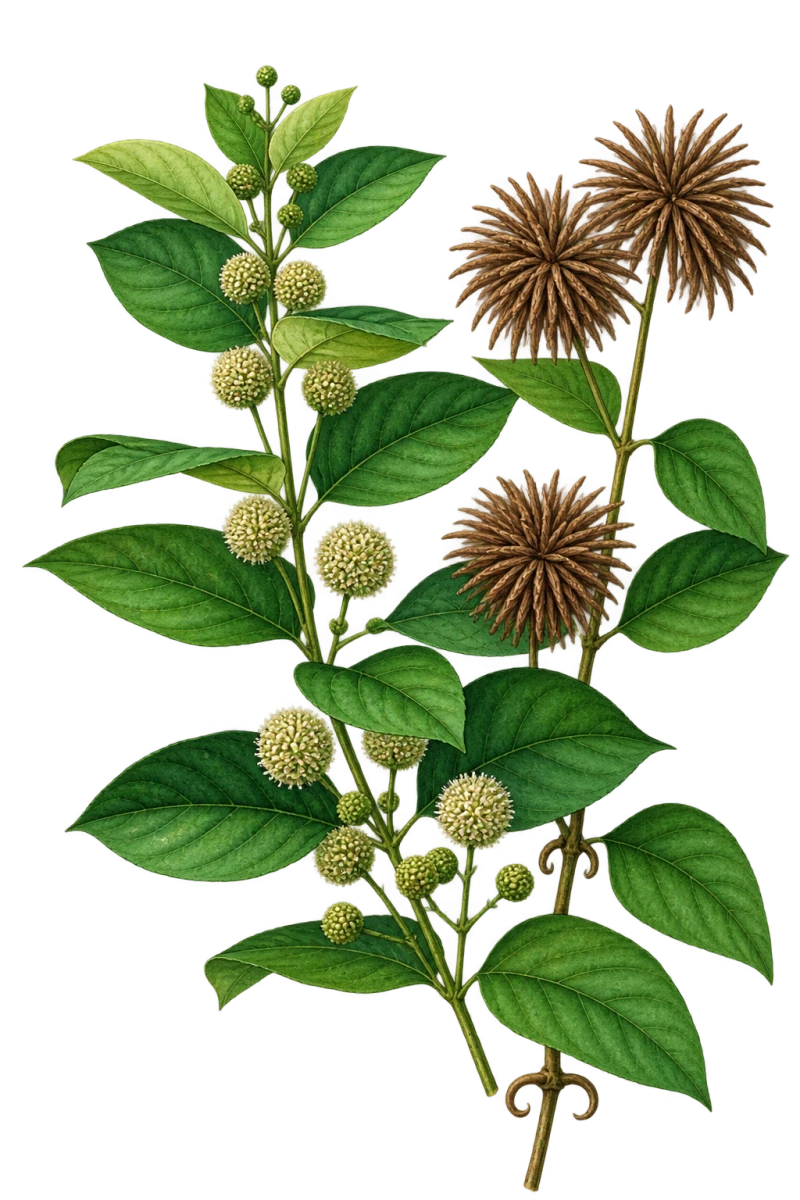
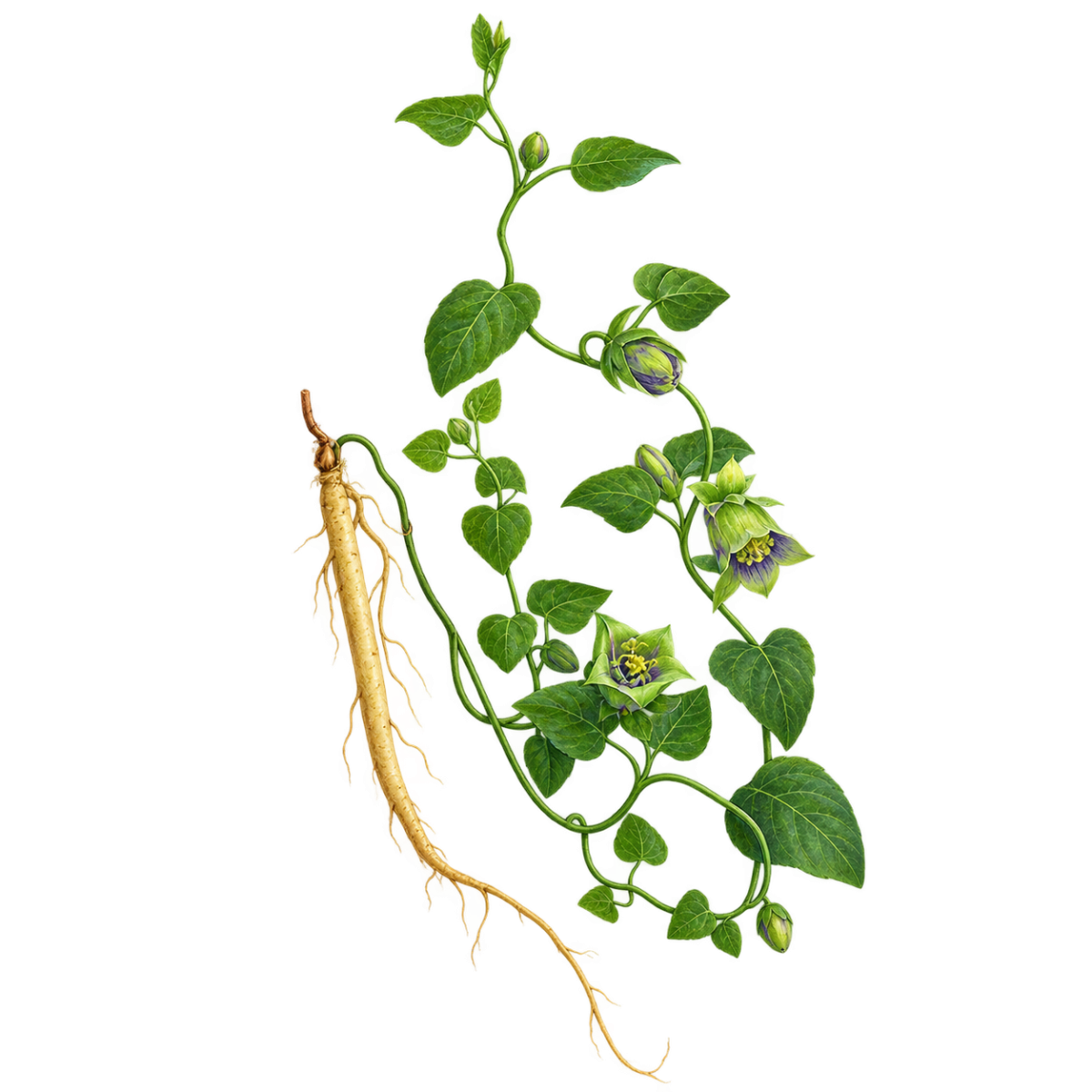
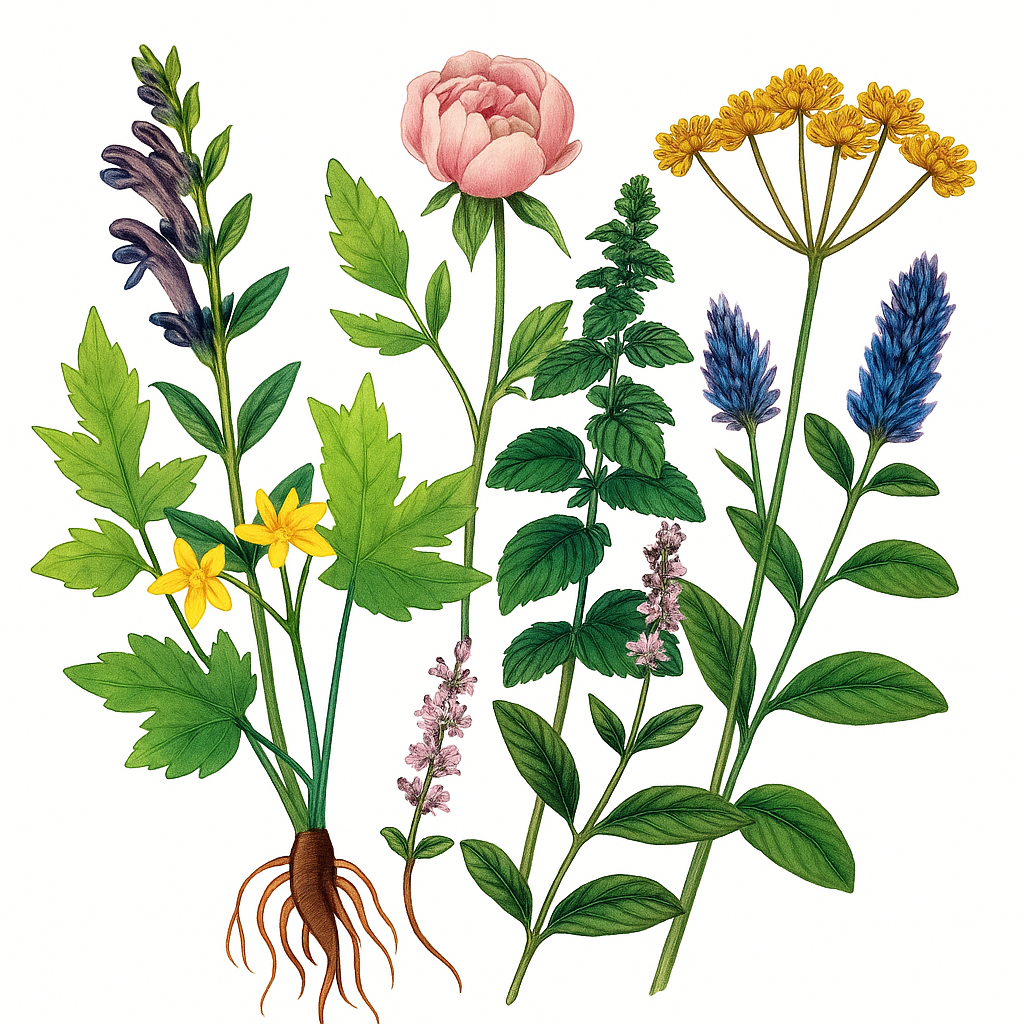
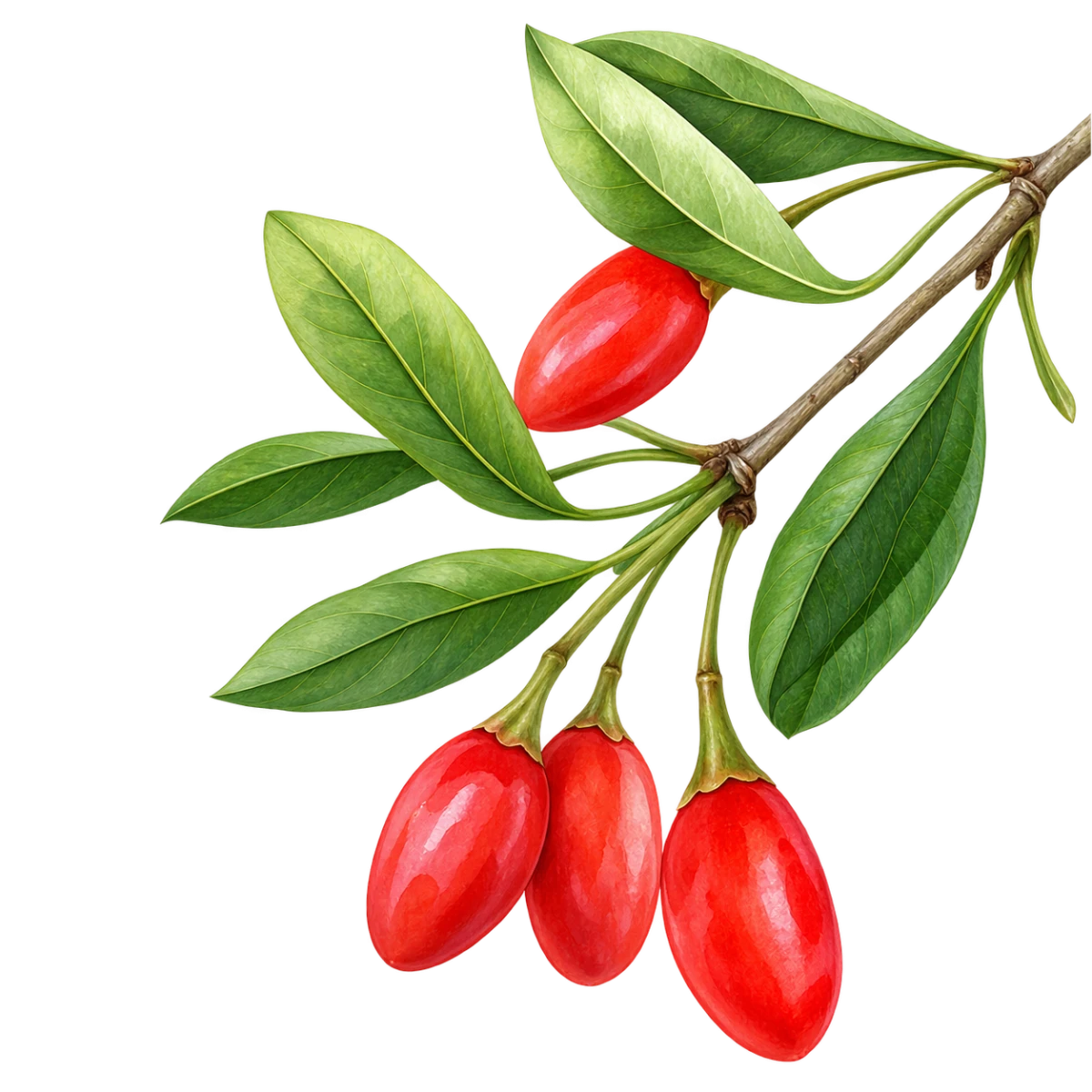
Gou Teng (Uncaria rhynchophylla), also known as Uncaria Stem with Hooks, is a treasured herb in Traditional Chinese Medicine, renowned for its abilities to calm the Liver, extinguish internal wind, lower blood pressure, and protect the nervous system. The medicine is derived from the hook-bearing stems and branches of the plant, symbolizing flexible strength and harmony. In TCM, it has a sweet, slightly cold nature, entering the Liver, Heart, and Pericardium meridians. It is commonly prescribed for dizziness, hypertension, epilepsy, tremor, insomnia, and headaches caused by hyperactive Liver Yang. Modern pharmacological studies have revealed that Uncaria rhynchophylla contains bioactive alkaloids such as rhynchophylline and isorhynchophylline, which possess antioxidant and neuroprotective properties, supporting treatment of Parkinson’s disease, Alzheimer’s disease, and cerebral circulation disorders. The herb also helps reduce muscle stiffness, improve blood microcirculation, protect the liver, and stabilize blood pressure. With its mild, balancing nature, Gou Teng is considered a safe natural option for elderly individuals, those under stress, suffering from insomnia, or prone to high blood pressure. However, it should be used cautiously by individuals with low blood pressure, slow heartbeat, or those taking anticoagulants or cardiovascular medications.
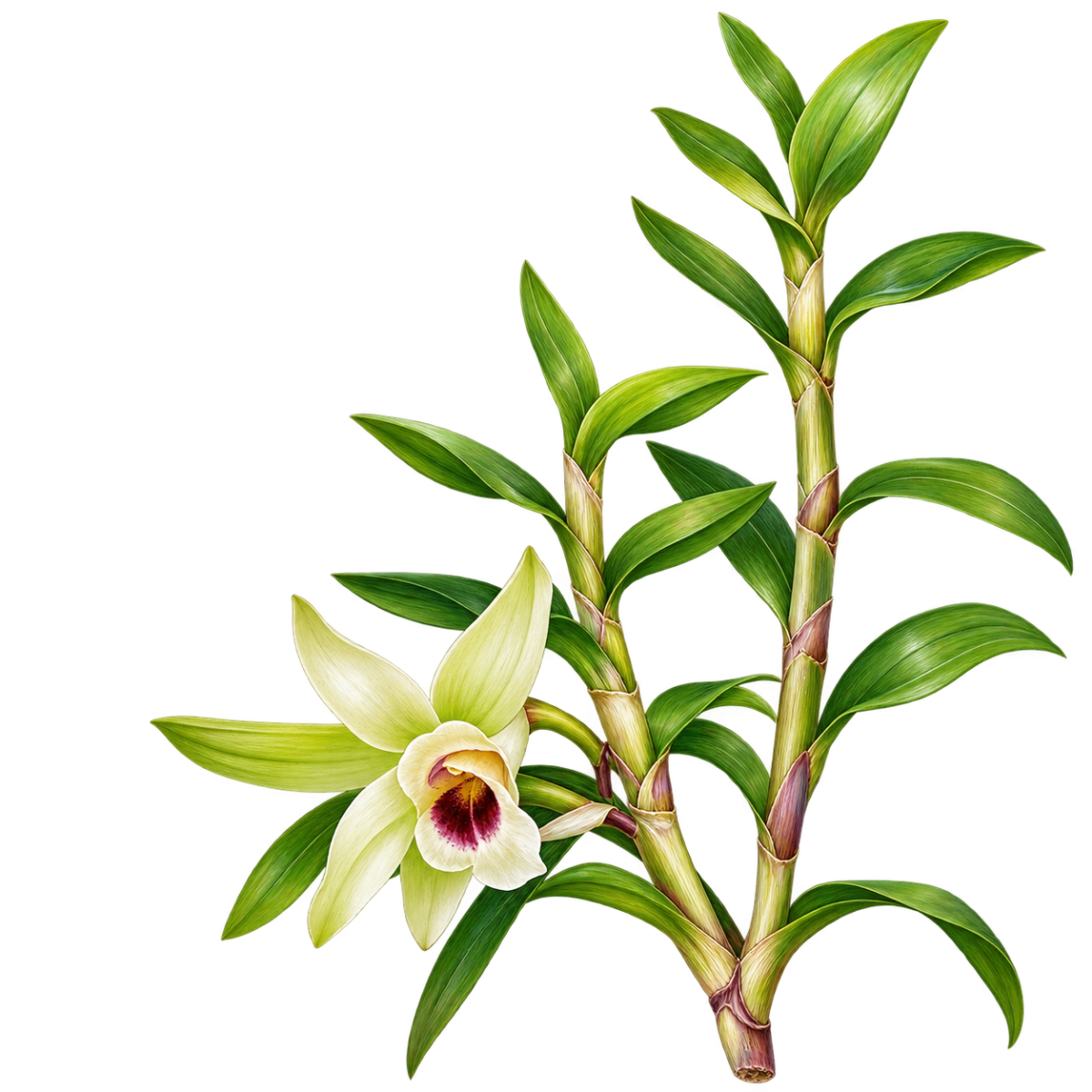
Dendrobium Stem (Dendrobium nobile Lindl., Dendrobii Caulis) is one of the most valued tonic herbs in Traditional Chinese Medicine (TCM), renowned as “Golden Stem Dendrobium” – a superior Yin-nourishing and life-prolonging herb. With its sweet flavor and slightly cold nature, it enters the Lung and Kidney meridians, replenishing Yin fluids, clearing internal heat, tonifying the Stomach, moistening the Lungs, brightening the eyes, strengthening tendons, and enhancing overall vitality. Traditionally, it is used to treat Yin deficiency syndromes such as dry mouth, thirst, low-grade fever, night sweating, internal heat in the bones, post-illness fatigue, impotence, cystitis, blurred vision, dizziness, periodontal inflammation, and dry skin. Chemically, Dendrobium nobile contains valuable bioactive compounds including dendrobine (its main sesquiterpene alkaloid), nobiline, polysaccharides, bibenzyls, phenanthrenes, flavonoids, vitamins, and essential minerals. These substances contribute to its antioxidant, immune-regulating, Yin-restoring, and tissue-rejuvenating effects. The herb is usually prepared by decoction, gentle steaming, or extracted into tonic formulas, with a typical daily dose of 6–15 g dried material. Revered for centuries as a “longevity herb,” Dendrobium Stem nourishes the body, revitalizes energy, enhances skin hydration, and promotes graceful aging — just as ancient physicians said: “Regular use of Shi Hu brings youth to the face and life as enduring as the pine.”