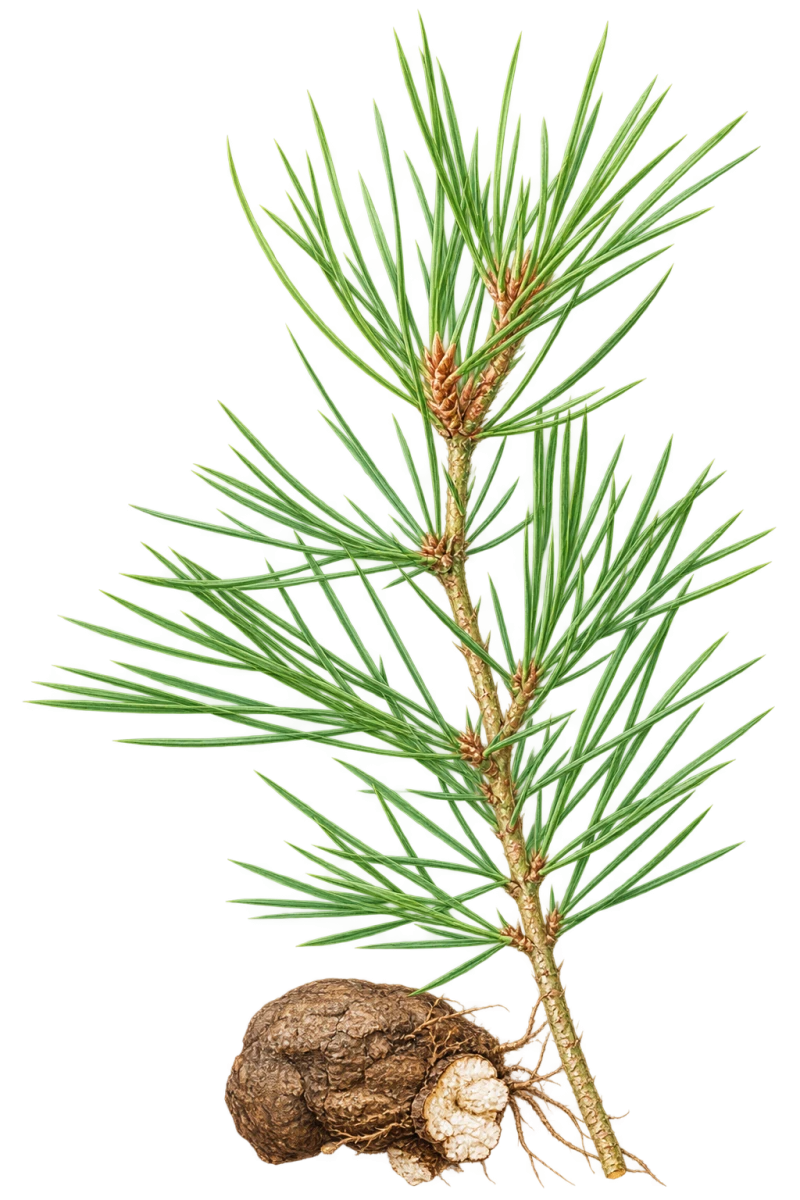
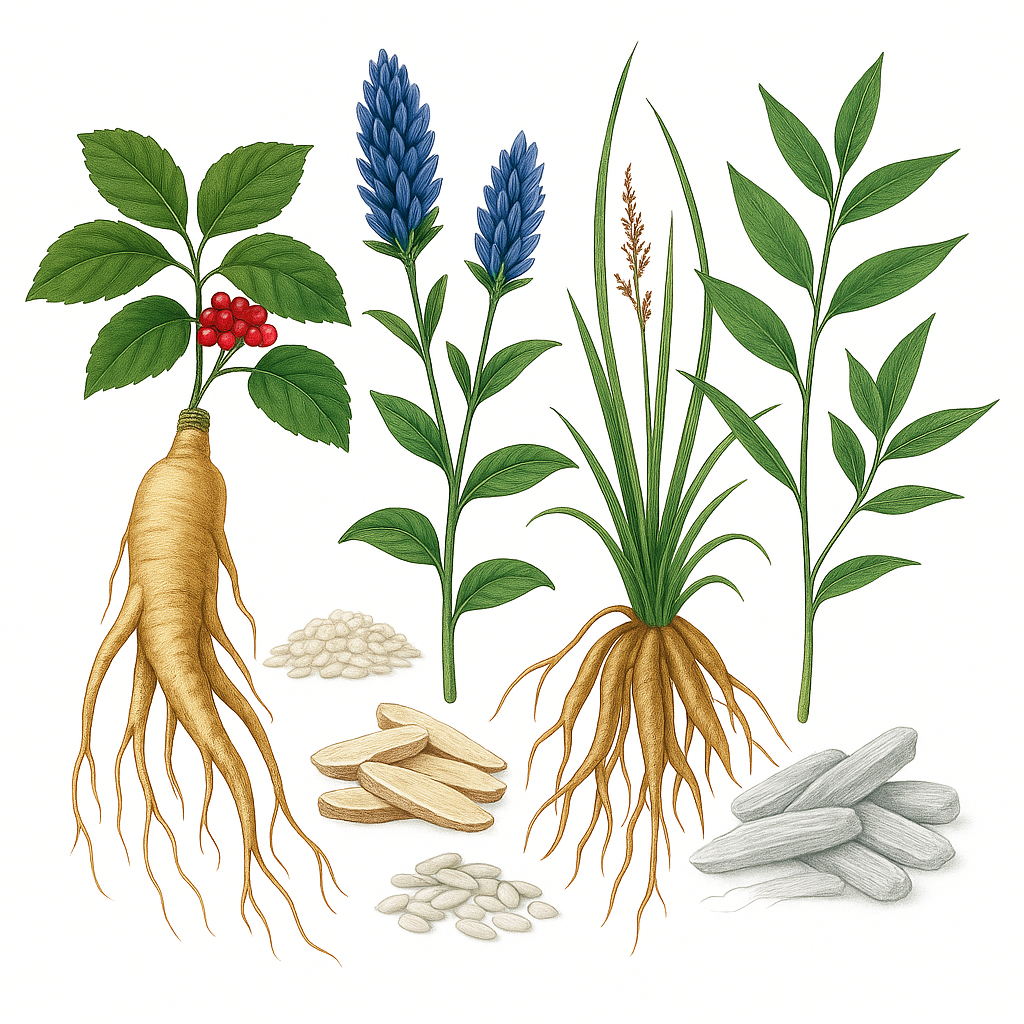
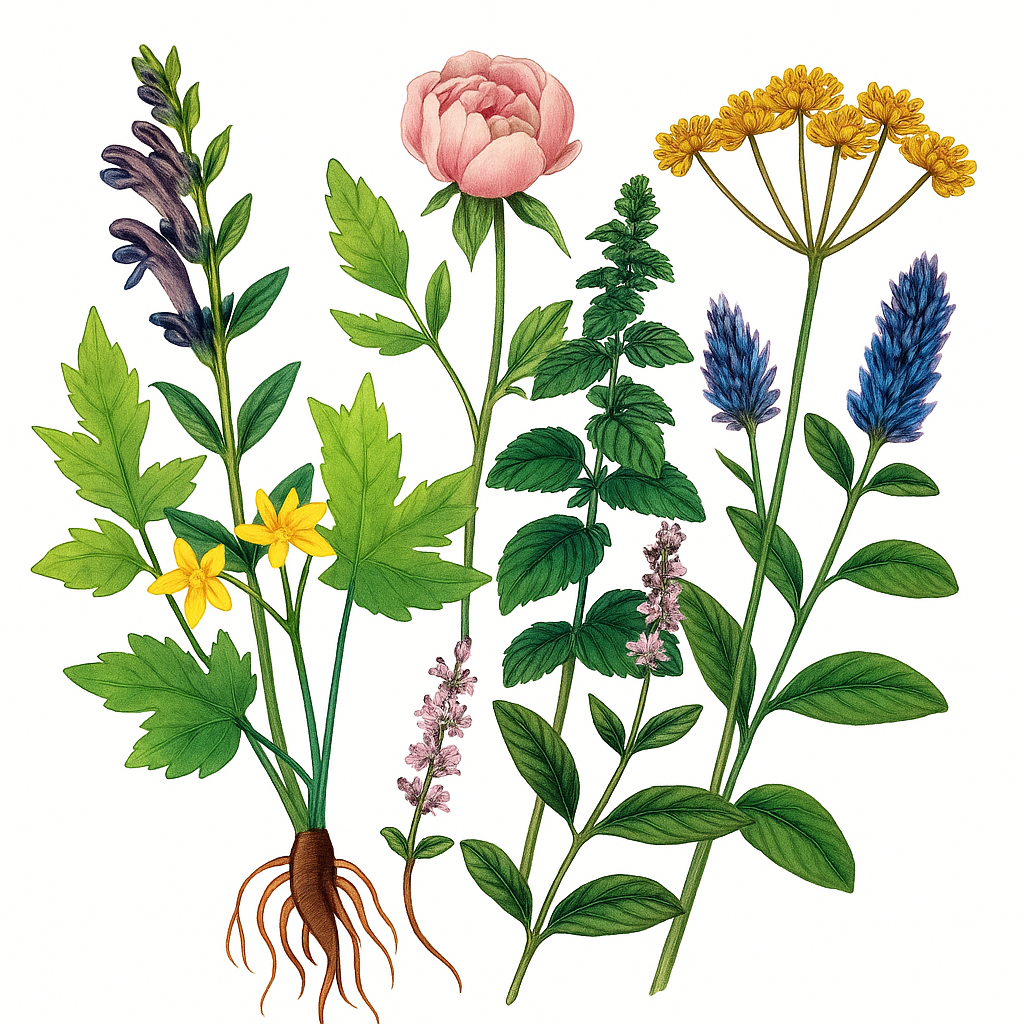
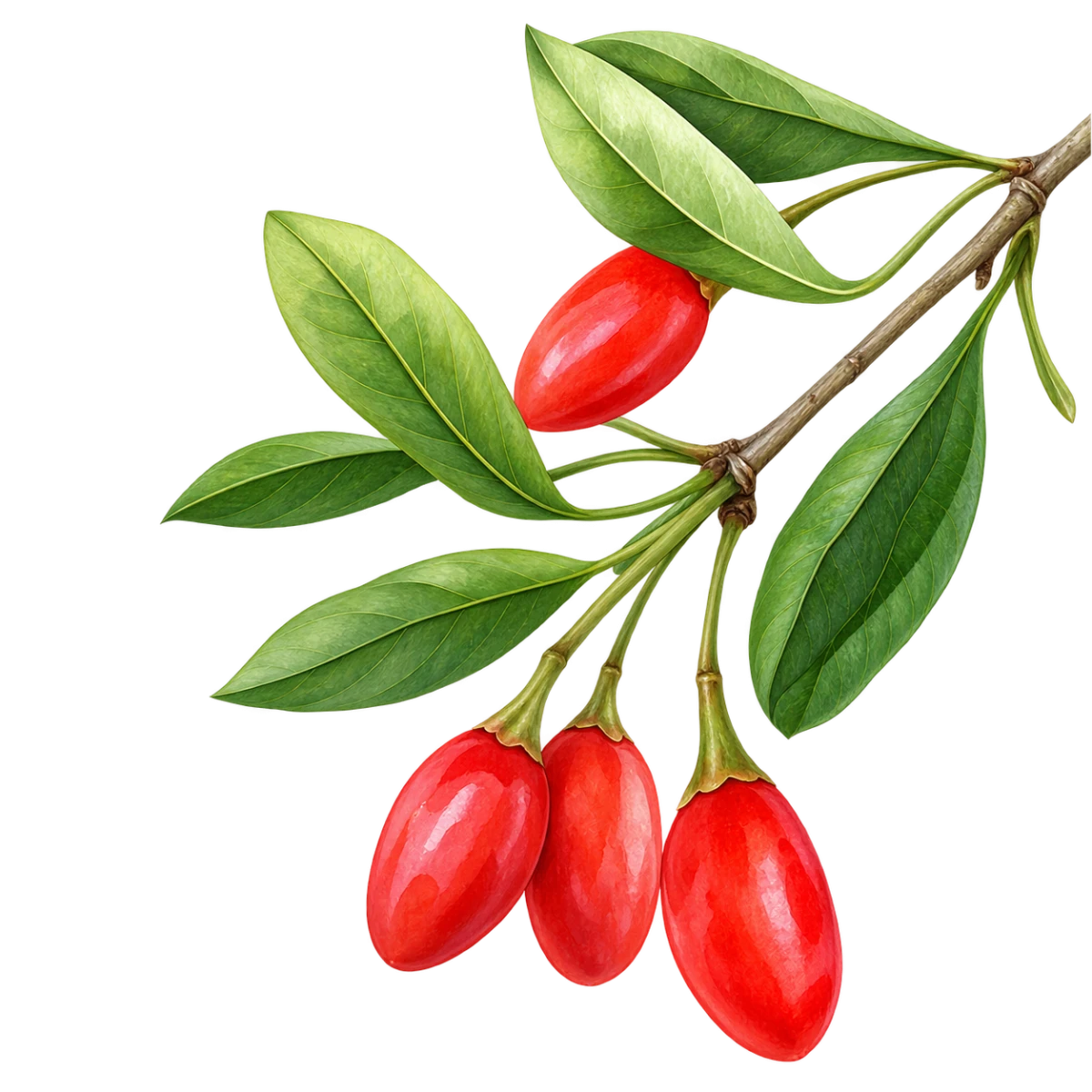
Poria cocos (Fu Ling, Indian Bread) is a renowned Traditional Chinese Medicine (TCM) herb valued for its diuretic, spleen-tonifying, and tranquilizing properties. Belonging to the Polyporaceae family, Poria cocos is the dried sclerotium of a fungus that parasitizes pine roots. Sweet and neutral in nature, it enters the Heart, Spleen, Lung, and Kidney meridians, helping to regulate Qi and Blood, harmonize Yin and Yang, and restore vitality. Modern pharmacological research shows that Poria contains polysaccharides, triterpenoids, and sterols with proven effects on enhancing immunity, lowering blood sugar, protecting the liver, improving memory, and inhibiting tumor growth. In skincare, it promotes a brighter, smoother complexion, reduces hyperpigmentation, delays aging, and supports longevity. Historically favored by Empress Dowager Cixi and poet Su Dongpo, Fu Ling is regarded as an elixir for health, beauty, and longevity. As a holistic remedy, Poria cocos purifies the body, nourishes the spirit, strengthens internal organs, and promotes harmony between mind and body — making it an essential herb in modern wellness and traditional Asian healing.
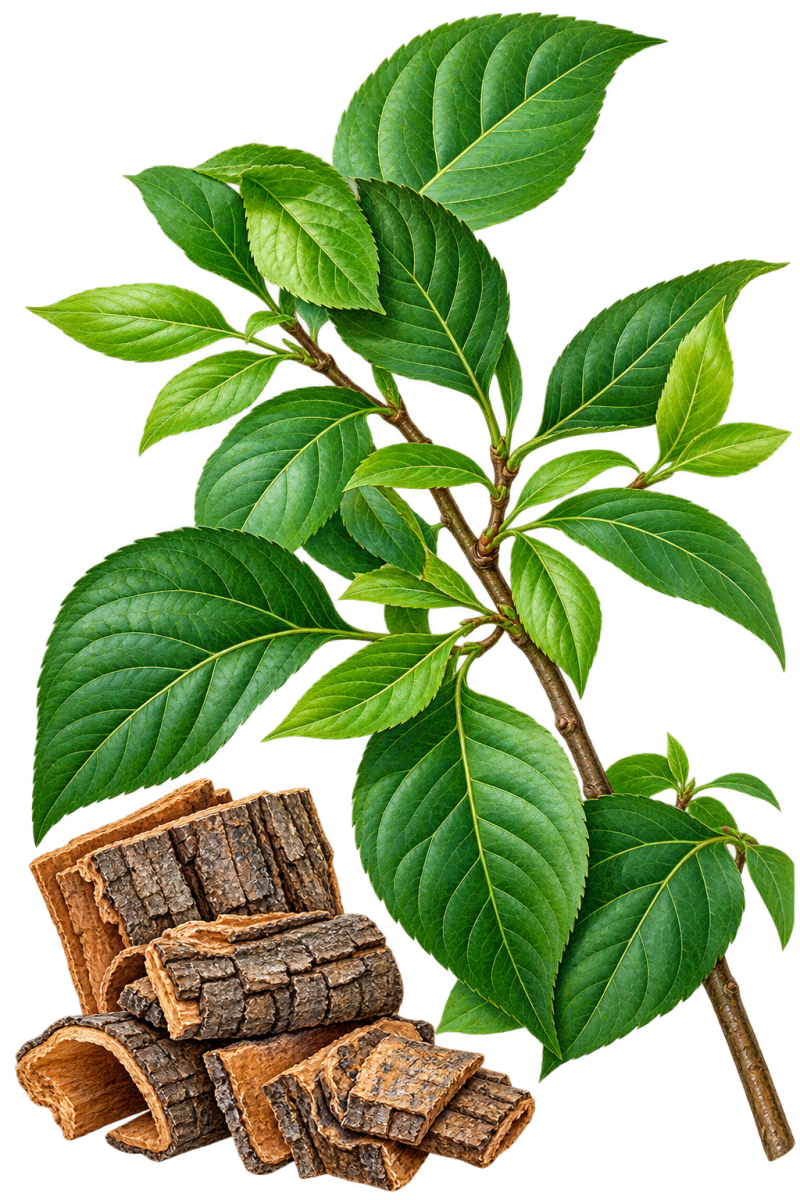
Licorice Root (甘草, Gān Cǎo) – Glycyrrhizae Radix et Rhizoma – refers to the root and rhizome of Glycyrrhiza uralensis, G. glabra, or G. inflata from the Fabaceae family. In Traditional Chinese Medicine, Licorice is honored as the “National Elder”, the harmonizing herb that balances hot and cold properties of other medicinals. Sweet in taste and neutral in nature, it enters the Spleen, Stomach, Heart, Liver, and Lung meridians, promoting Qi replenishment, detoxification, cough relief, and internal balance. Modern pharmacological studies reveal that compounds such as glycyrrhizin, glabridin, and liquiritin possess anti-inflammatory, antimicrobial, hepatoprotective, immunoregulatory, and antioxidant activities. Licorice Root is widely used in formulas for treating coughs, sore throat, gastritis, fatigue, endocrine imbalance, and skin disorders. However, excessive or prolonged use may cause hypertension and hypokalemia due to mineralocorticoid-like effects. As both a medicine and a harmonizing agent, Gān Cǎo remains an indispensable herb bridging the wisdom of traditional healing and modern therapeutic science.
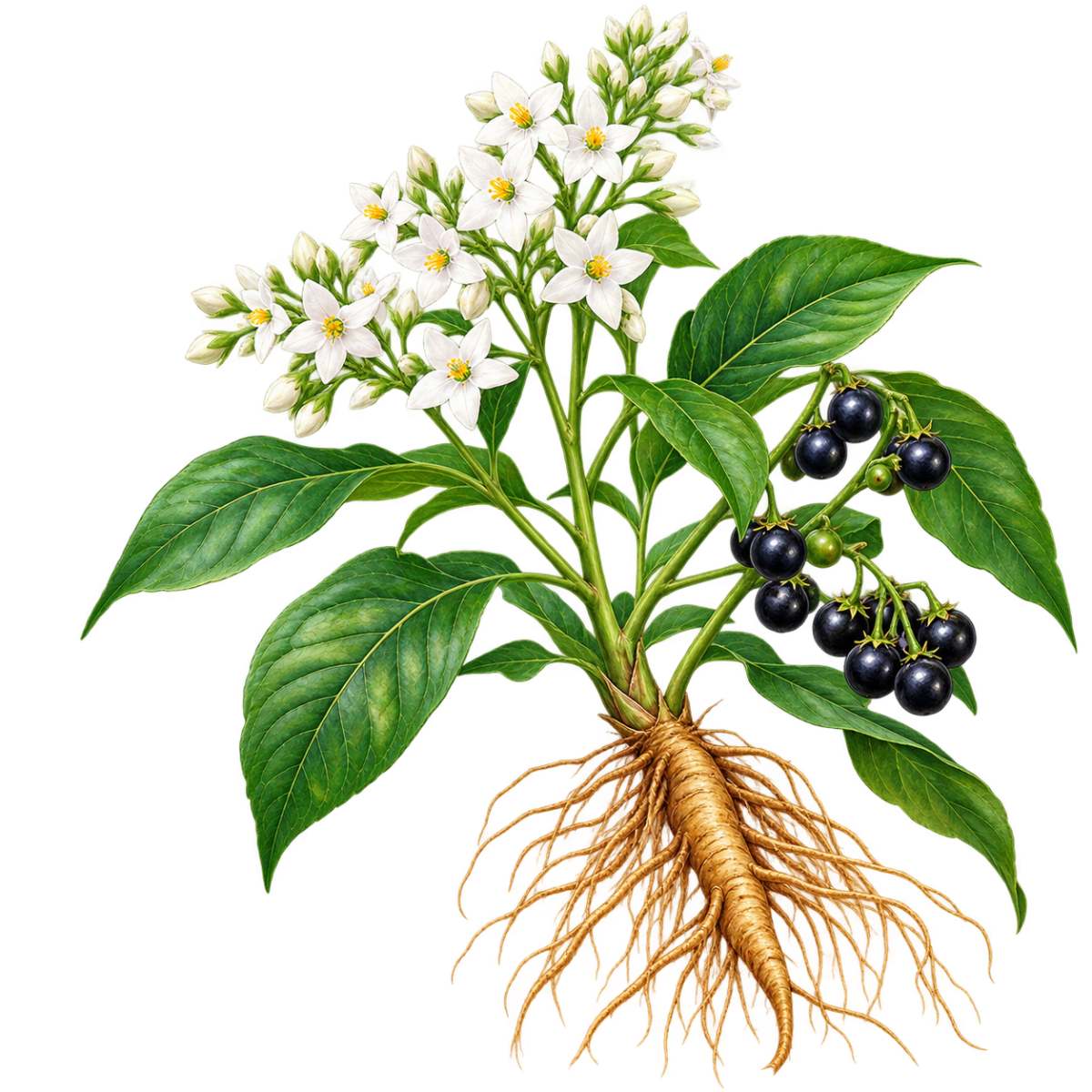
Radix Puerariae (Ge Gen) – also known as Kudzu Root, Cam Ge Gen, or Bai Ge Gen – is the root of Pueraria lobata (Willd.) Ohwi, a precious herb in Traditional Chinese Medicine. With a sweet and acrid flavor, neutral nature, entering the Spleen, Stomach, Lung, and Bladder meridians, Ge Gen is widely used to clear heat, release the exterior, promote body fluids, relieve muscle tension, stop diarrhea, and detoxify alcohol. Modern studies have confirmed that its bioactive compounds—Puerarin, Daidzein, and Genistein—exhibit vasodilatory, anti-inflammatory, antioxidant, and hepatoprotective properties. Ge Gen helps improve cerebral and coronary circulation, supporting the treatment of hypertension, diabetes, hyperlipidemia, and menopausal symptoms. Traditionally, it is also valued for its ability to relieve fever, reduce thirst, and alleviate gastrointestinal disorders. In folk medicine, Kudzu starch drink made from Ge Gen is used as a cooling, detoxifying, and beautifying tonic, helping to soothe the liver and nourish the body. With its broad range of therapeutic effects and modern scientific backing, Ge Gen (Radix Puerariae) stands as a key medicinal herb in both classical formulas and modern health applications, balancing tradition and evidence-based wellness.
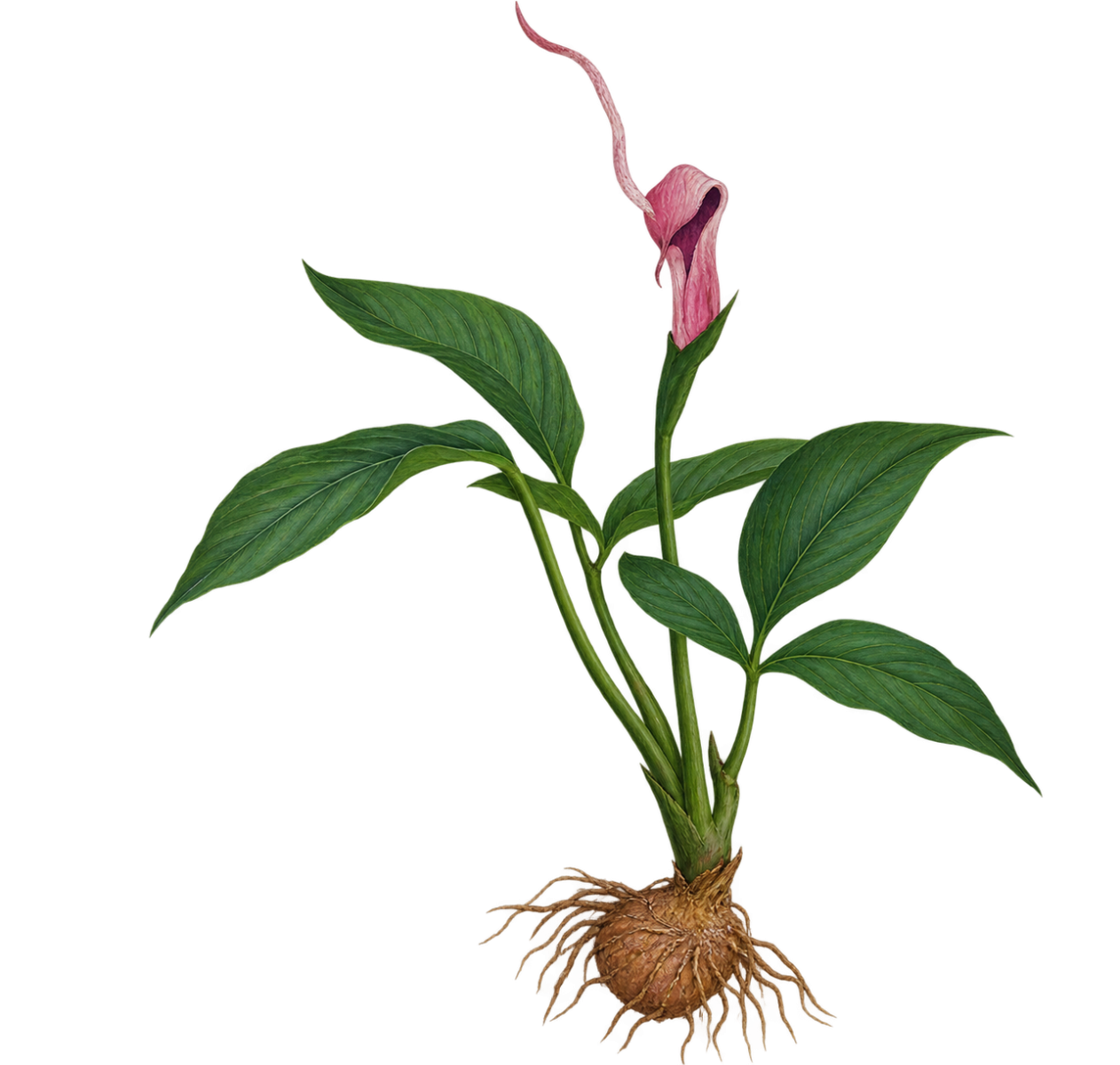
Pinellia Tuber is a traditional medicinal herb used to resolve phlegm, redirect rebellious qi downward, stop vomiting, and disperse nodules. It is commonly prescribed for treating excessive phlegm cough, nausea, chest fullness, and dizziness caused by phlegm retention, while also helping reduce inflammation and swelling.