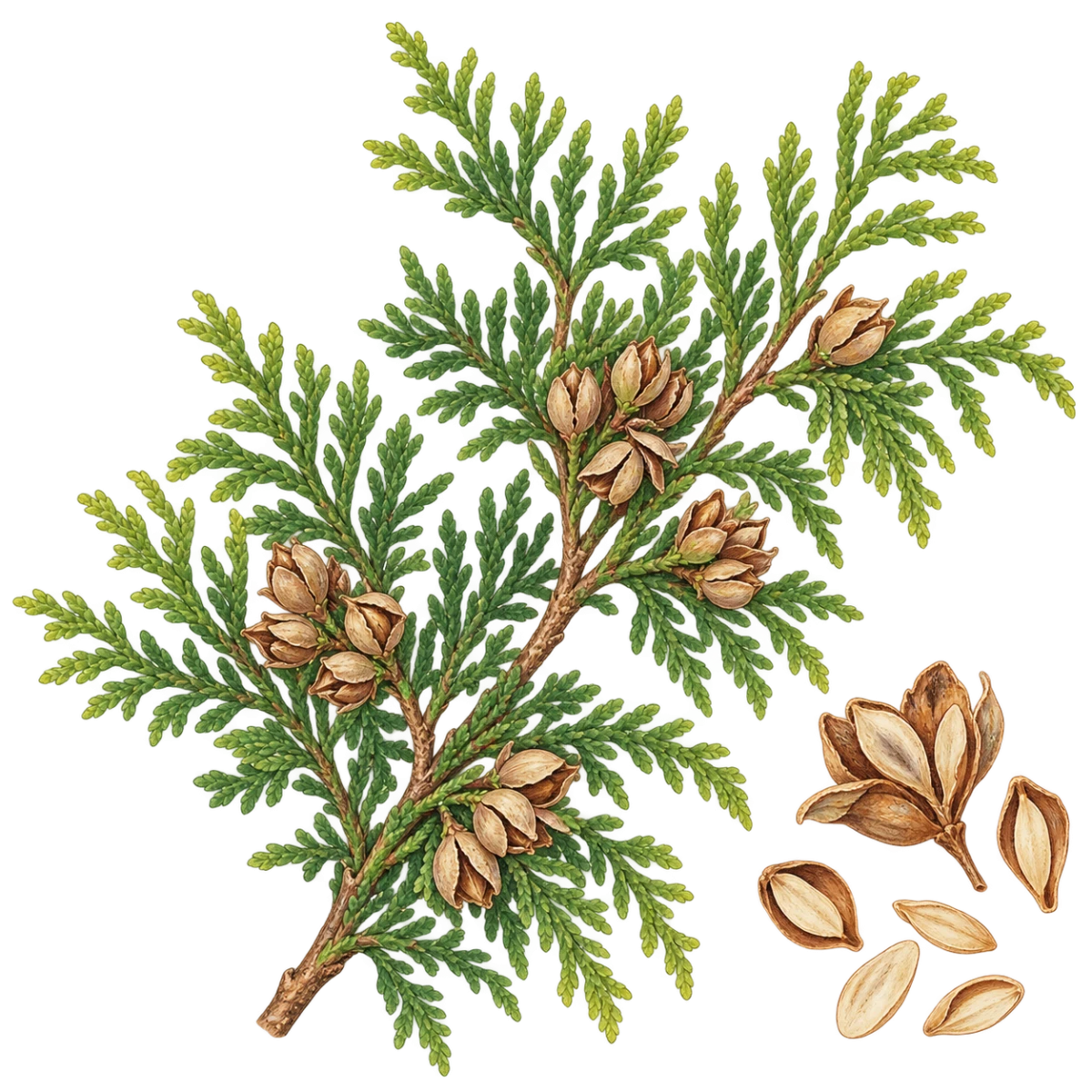
Platycladi Semen (Bai Zi Ren), the seed of Platycladus orientalis, is a renowned traditional Chinese medicinal herb valued for its calming, heart-nourishing, and anti-aging properties. Sweet and neutral in nature, it enters the Heart, Liver, Spleen, and Kidney meridians, and is widely used to treat insomnia, palpitations, forgetfulness, spontaneous sweating, constipation, and nervous exhaustion. Modern pharmacological studies have identified abundant unsaturated fatty acids, terpenoids, flavonoids, phytosterols, and saponins that contribute to its antioxidant, neuroprotective, sedative, and immune-enhancing effects. This natural composition makes Bai Zi Ren not only a traditional remedy for calming the spirit but also a valuable source of nutrients supporting cardiovascular and neurological health. Commonly included in classical TCM prescriptions such as Tian Wang Bu Xin Dan and Suan Zao Ren Tang, it helps restore vitality, improve sleep quality, enhance skin radiance, and combat aging. When using, select clean, well-dried seeds stored properly to prevent mold. Bai Zi Ren truly represents the essence of tranquility, clarity, and longevity in the art of Traditional Chinese Medicine.
Bu Gu Zhi (Cullen corylifolium (L.) Medik., syn. Psoralea corylifolia L.), commonly known as Babchi or Bakuchi seed, is a traditional Chinese medicinal herb renowned for its Kidney-Yang tonifying, Spleen-warming, and essence-preserving effects. The dried seeds, with a bitter-acrid taste and warm nature, enter the Kidney, Spleen, and Pericardium meridians. In Traditional East Asian Medicine, it is prescribed for impotence, spermatorrhea, frequent urination, chronic diarrhea, lumbar weakness, vitiligo, psoriasis, and general deficiency or aging syndromes. Modern pharmacological studies have identified key bioactive compounds—bakuchiol, psoralen, isopsoralen, isobavachalcone, and various flavonoids and terpenes—responsible for its anti-inflammatory, antioxidant, osteogenic, immunomodulatory, and skin-rejuvenating properties. Bakuchiol, in particular, is widely used in dermatology and cosmetics as a natural alternative to retinol. Clinical and laboratory evidence also supports Bu Gu Zhi’s potential in improving bone metabolism, cardiovascular function, hormone balance, and anti-tumor activity. With its dual legacy of ancient wisdom and modern validation, Bu Gu Zhi stands as a bridge between traditional Oriental medicine and contemporary integrative health science. Proper dosage and caution are advised, as the herb should be avoided in patients with Yin deficiency with heat, urinary tract inflammation, or constipation.
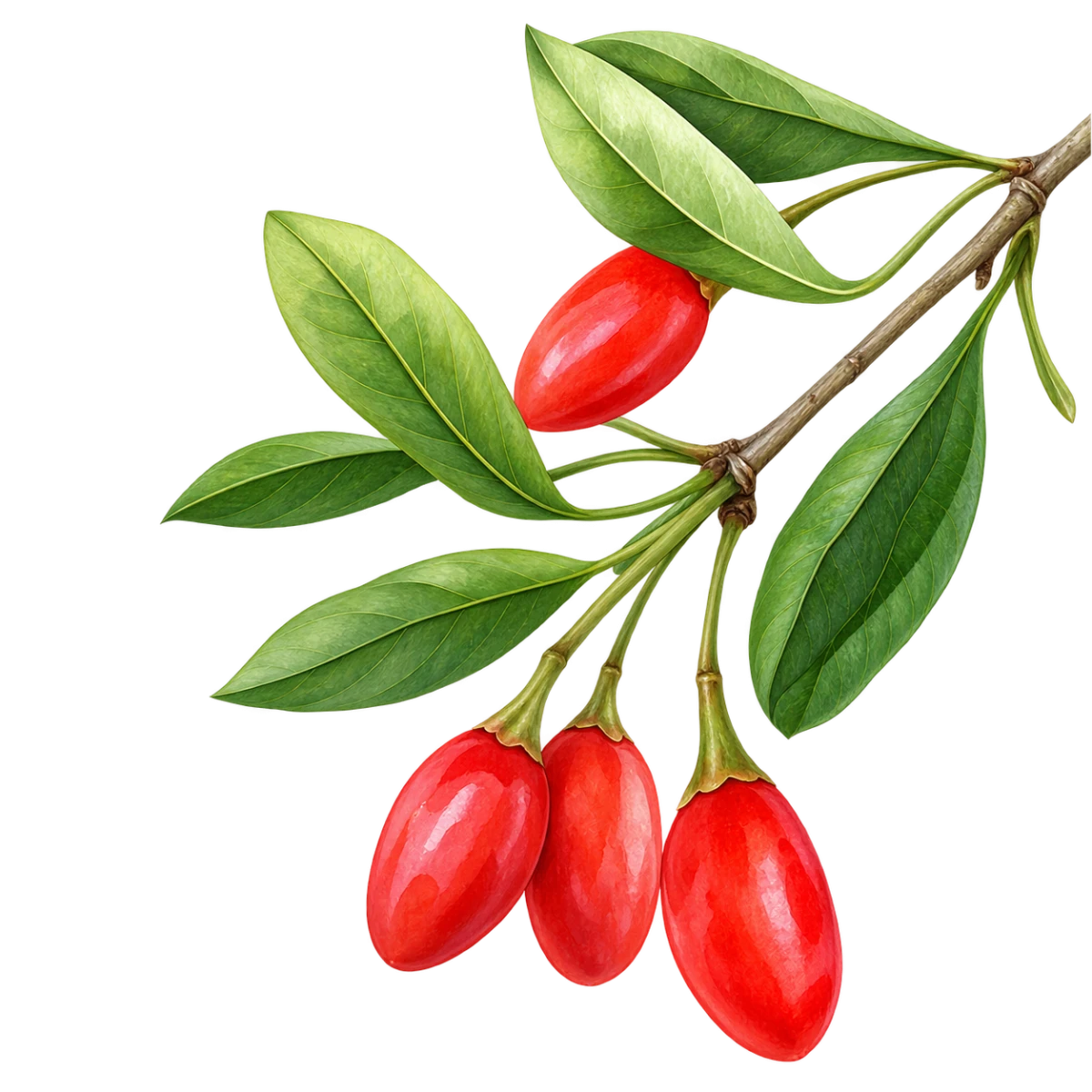
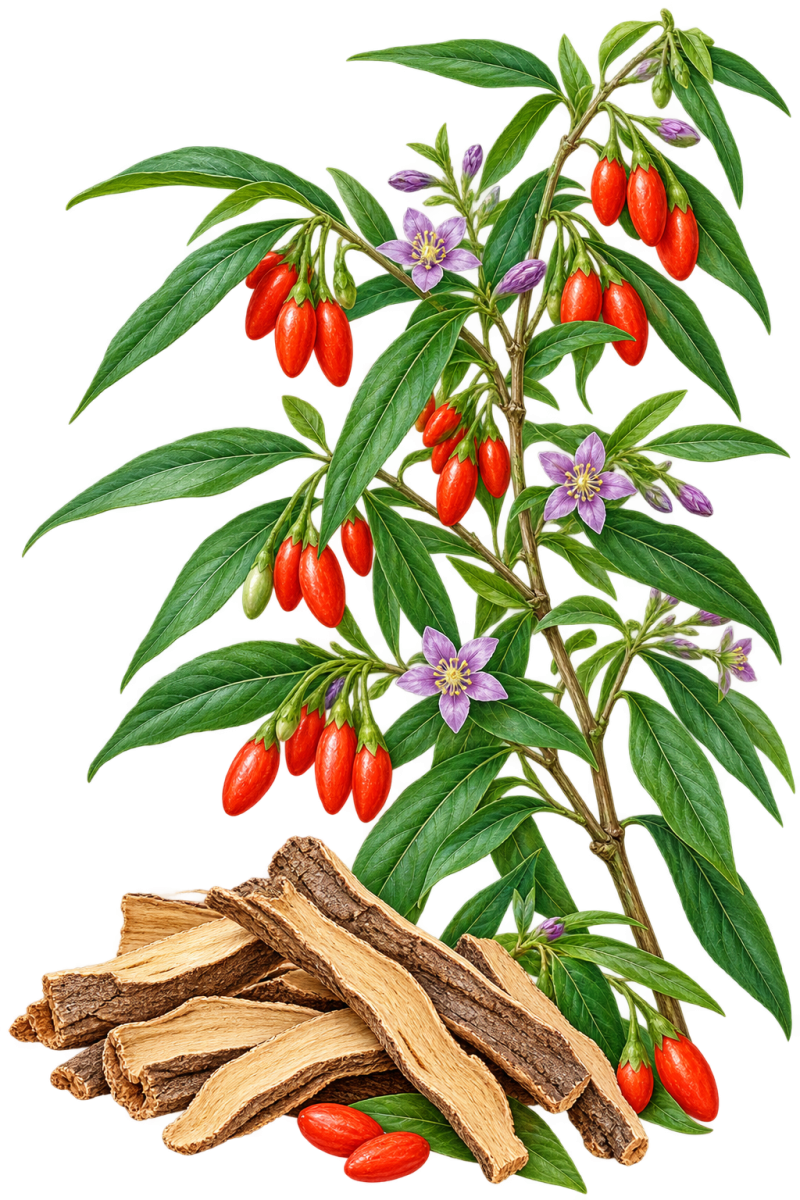
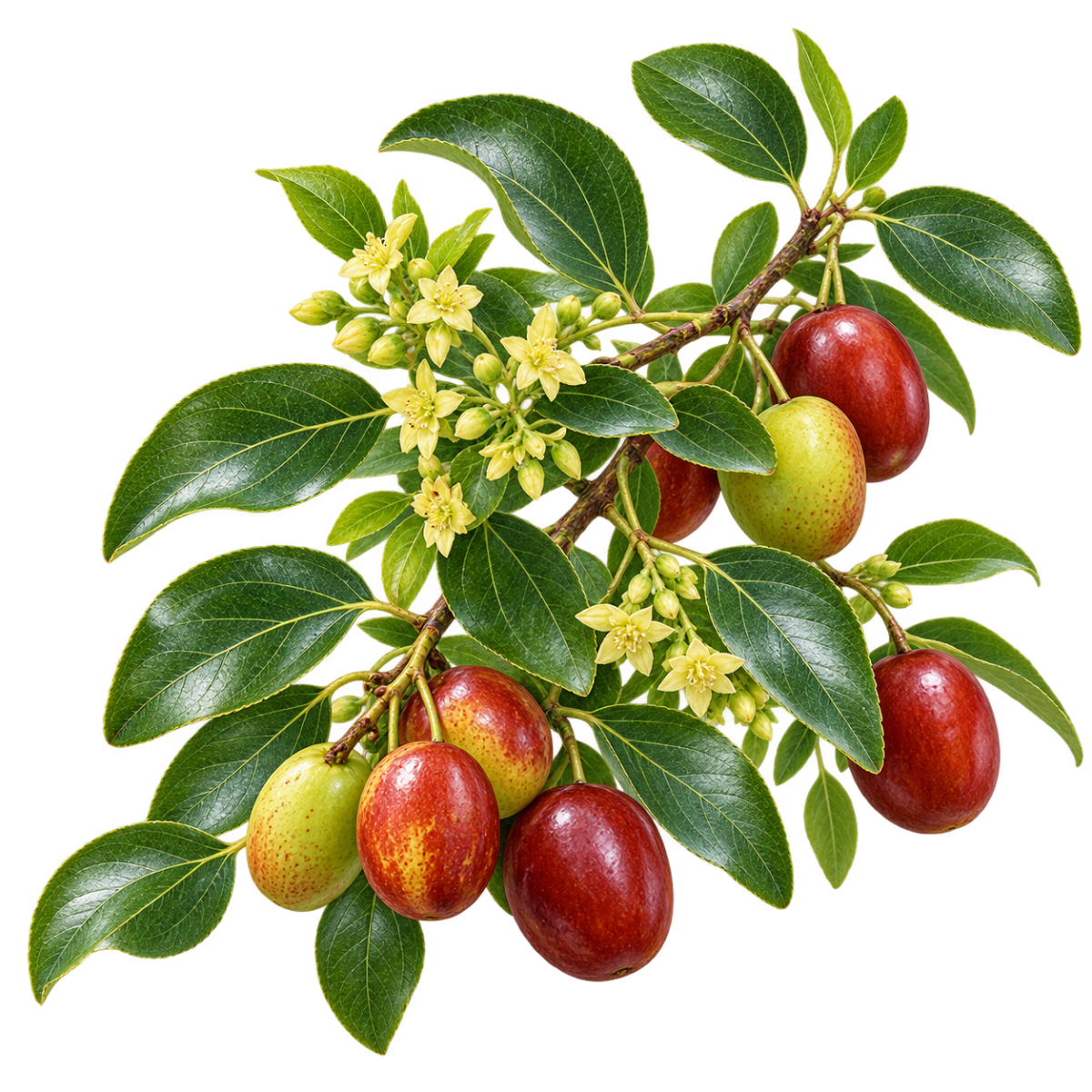
Gou Qi Zi (Goji Berry) – a classic TCM tonic that nourishes Liver and Kidney, enriches Blood, enhances immunity, and delays aging with abundant bioactive compounds.
Hu Zhang (Giant Knotweed Rhizome, Cốt khí củ) is the dried rhizome of Reynoutria japonica (syn. Polygonum cuspidatum), a member of the Polygonaceae family. In Traditional Chinese Medicine (TCM), it is valued for its multiple actions: invigorating blood, removing stasis, clearing heat, detoxifying, draining dampness, promoting urination, resolving phlegm, and calming the mind. It is traditionally prescribed for arthralgia, rheumatism, traumatic injuries, hepatitis, jaundice, cough with phlegm due to Lung heat, pharyngitis, skin infections, burns, hemorrhoids, dysentery, and urinary tract inflammation. Modern pharmacological studies reveal that Hu Zhang contains potent bioactive compounds such as resveratrol, polydatin, emodin, quercetin, physcion, and chrysophanol. These contribute to its anti-inflammatory, antioxidant, hepatoprotective, hypoglycemic, hypolipidemic, antibacterial, and antiviral properties. According to the Chinese Pharmacopoeia and WHO monographs, emodin and polydatin are recognized as the official quality markers for standardization. With both ancient wisdom and modern evidence, Hu Zhang (Reynoutria japonica) is considered a promising medicinal herb for the supportive treatment of hepatitis, metabolic disorders, inflammatory joint disease, and chronic oxidative conditions. Its scientific validation continues to expand globally, making Japanese Knotweed Rhizome not only a revered TCM herb but also a subject of modern biomedical interest in the prevention and management of inflammatory and degenerative diseases.
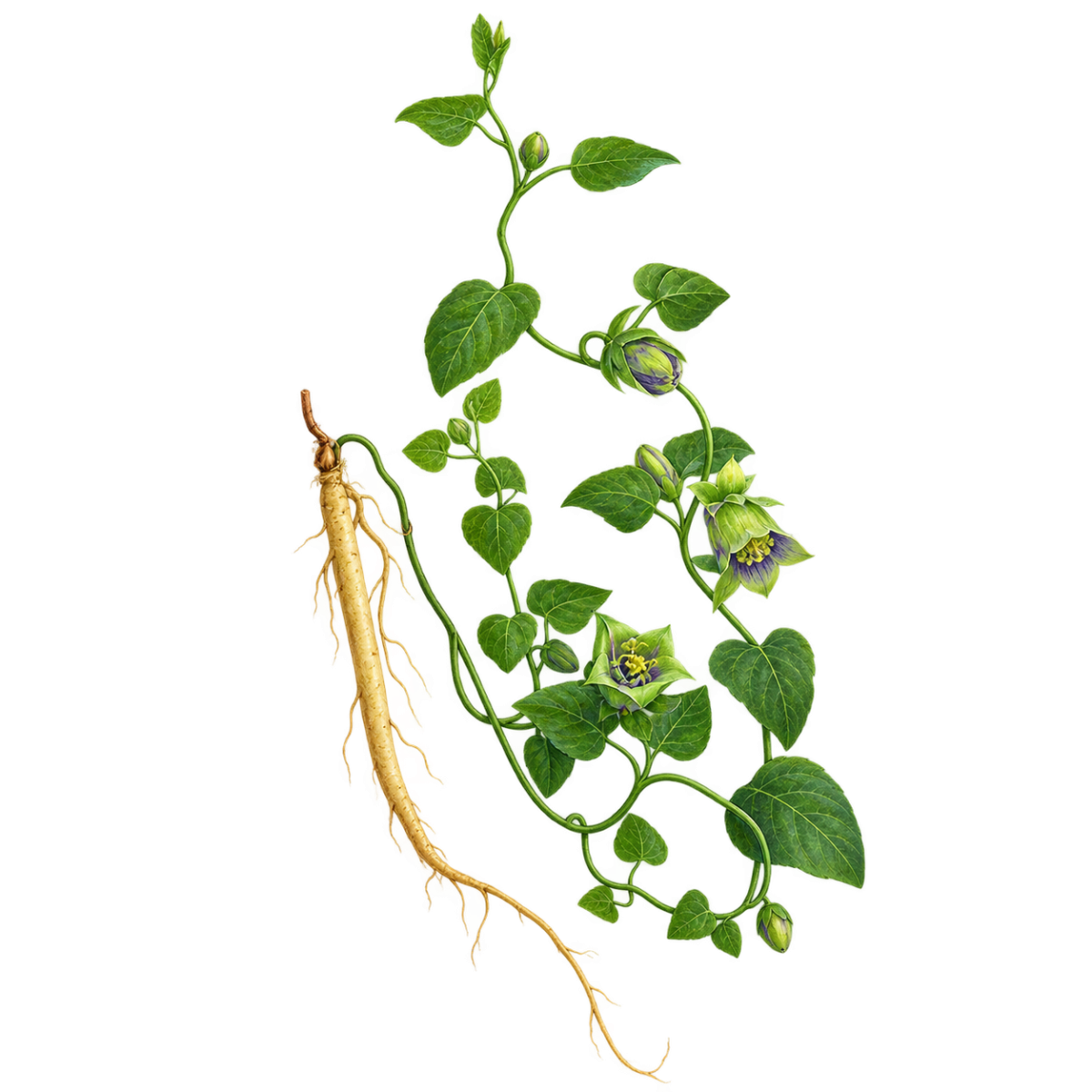
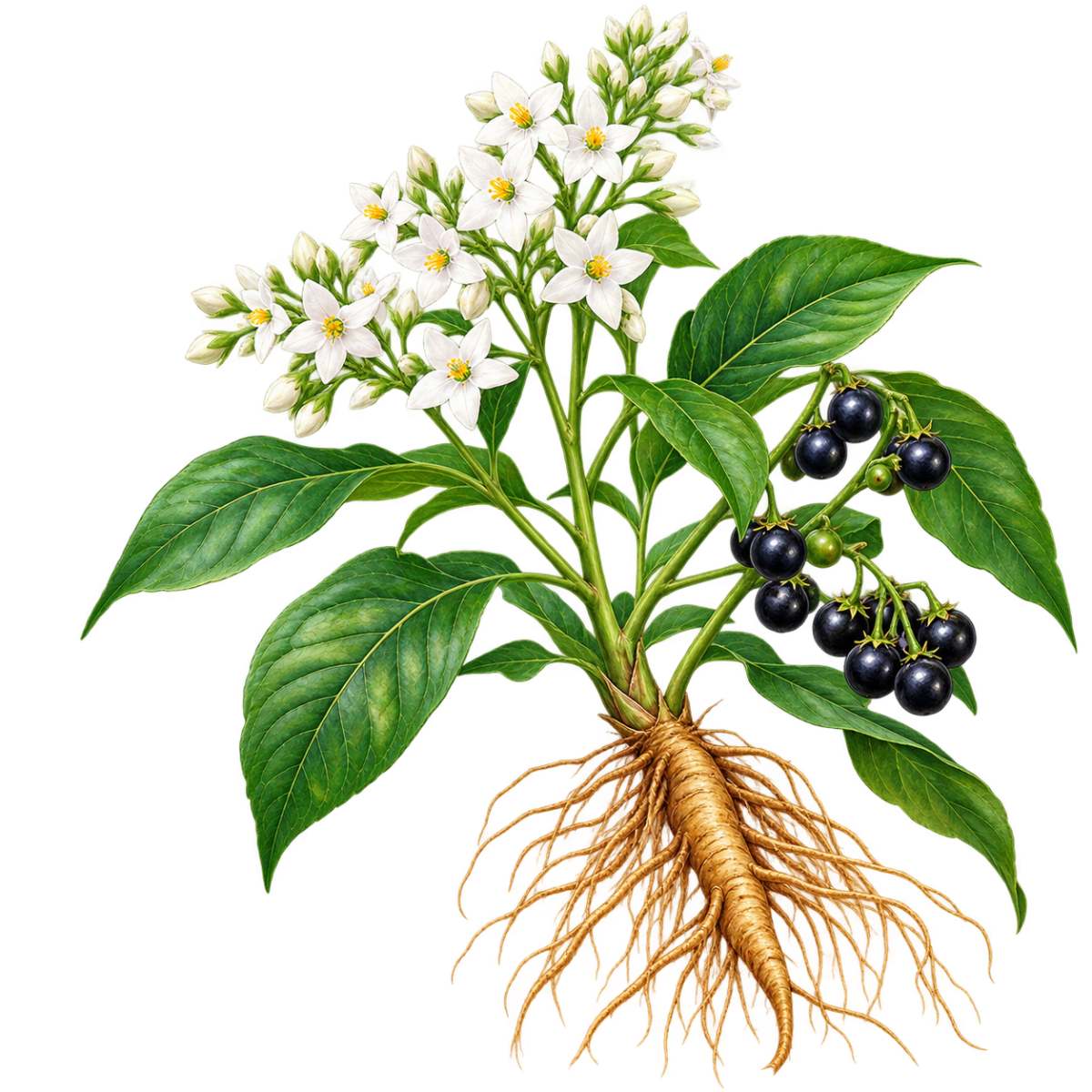
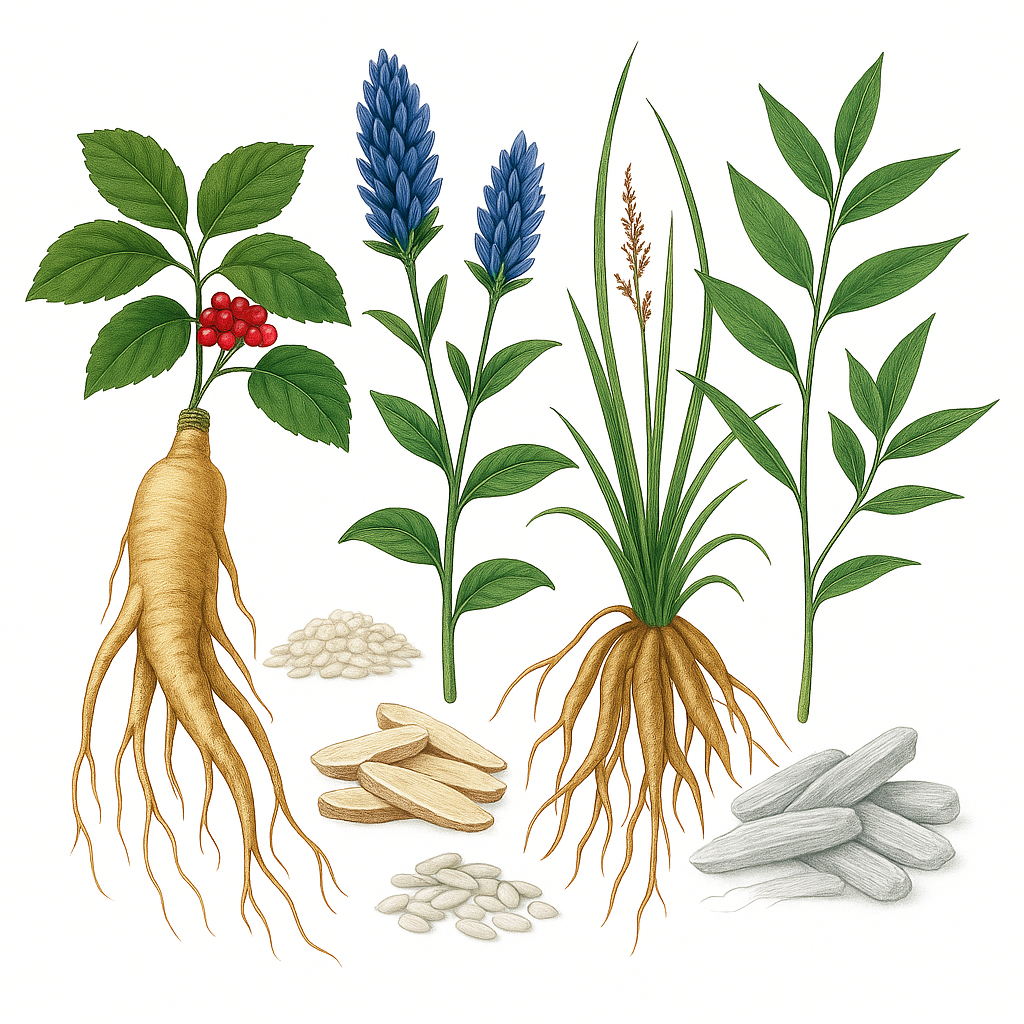
Codonopsis pilosula (Dang Shen), commonly known as Tangshen or Poor Man’s Ginseng, is one of the most valued tonic herbs in Traditional Chinese Medicine (TCM). Belonging to the Campanulaceae (Bellflower) family, this sweet and neutral herb primarily nourishes the Lung and Spleen meridians. It is traditionally used to tonify Qi, strengthen the Spleen, generate body fluids, and nourish the Blood—making it a key remedy for fatigue, poor appetite, general weakness, chronic cough, and digestive insufficiency. The root of Codonopsis pilosula contains a diverse range of bioactive compounds, including sugars (Sucrose, Glucose, Fructose, Inulin), alkaloids, glycosides such as Scutellarein glucoside and Syringin, as well as saponins (Tangshen side I) and choline. Modern pharmacological studies have demonstrated its efficacy in enhancing immunity, improving cardiac contractility, regulating blood pressure, relieving fatigue, protecting the gastric mucosa, and exerting anti-inflammatory and antibacterial effects. It also supports hematopoiesis, improves mental clarity, and enhances physical endurance. Owing to its gentle tonic nature, Dang Shen is widely regarded as a safer and more affordable alternative to Panax ginseng in clinical and home herbal formulations. This article provides an in-depth exploration of the botanical characteristics, chemical composition, therapeutic properties, dosage guidelines, contraindications, and modern pharmacological findings surrounding Codonopsis pilosula, offering a bridge between classical TCM wisdom and contemporary scientific research.
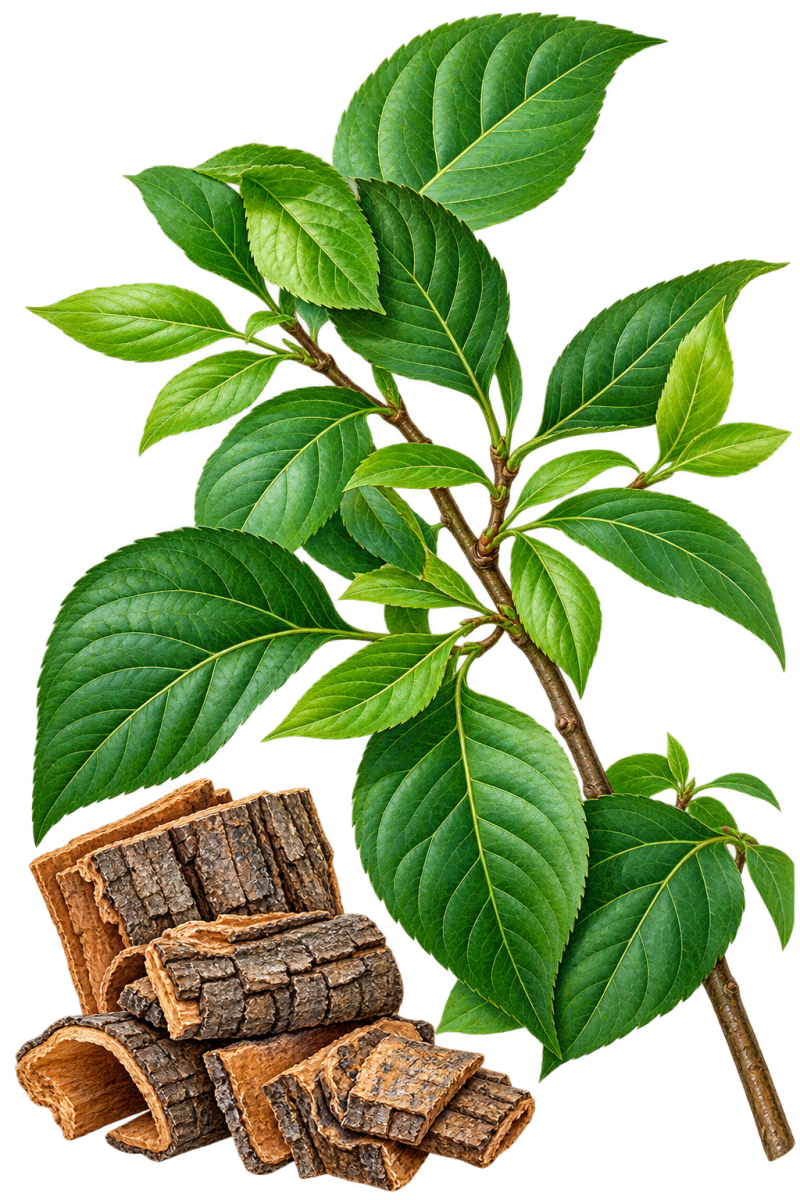
Du Zhong (Eucommia Bark) is one of the most important traditional Chinese medicinal herbs, well-known for its powerful ability to tonify the Liver and Kidneys, strengthen bones and tendons, and support pregnancy. The bark of Eucommia ulmoides is rich in bioactive compounds such as alkaloids, triterpenoids, saponins, flavonoids, vitamins, and essential minerals, giving it a wide range of therapeutic benefits. Du Zhong is commonly used in formulas that treat lower back pain, weak knees, joint degeneration, osteoporosis, as well as nocturnal emission, impotence, and frequent urination caused by Kidney deficiency. In gynecology and obstetrics, Du Zhong is highly valued for its ability to stabilize pregnancy, prevent miscarriage, and strengthen the overall condition of pregnant women. The herb also helps lower blood pressure, reduce cholesterol, and promote vasodilation, making it beneficial for cardiovascular health. Thanks to its anti-inflammatory and strong antioxidant effects, Du Zhong enhances immune function, protects nerve cells, regulates blood sugar, and supports lipid metabolism—making it suitable for individuals at risk of diabetes or metabolic disorders. Modern research further shows that Eucommia leaves offer similar medicinal effects to the bark, providing a more convenient alternative. Du Zhong can be used in various forms such as decoction, medicinal wine, powder, or herbal extract, making it versatile for different wellness needs. Although generally safe, it should be used with caution in individuals with yin deficiency heat or latex allergies. With its wide-ranging therapeutic properties, Du Zhong has become a highly valued herb for supporting bone health, reproductive health, cardiovascular function, and immunity.