Licorice Root (甘草, Gān Cǎo) – Glycyrrhizae Radix et Rhizoma – refers to the root and rhizome of Glycyrrhiza uralensis, G. glabra, or G. inflata from the Fabaceae family. In Traditional Chinese Medicine, Licorice is honored as the “National Elder”, the harmonizing herb that balances hot and cold properties of other medicinals. Sweet in taste and neutral in nature, it enters the Spleen, Stomach, Heart, Liver, and Lung meridians, promoting Qi replenishment, detoxification, cough relief, and internal balance. Modern pharmacological studies reveal that compounds such as glycyrrhizin, glabridin, and liquiritin possess anti-inflammatory, antimicrobial, hepatoprotective, immunoregulatory, and antioxidant activities. Licorice Root is widely used in formulas for treating coughs, sore throat, gastritis, fatigue, endocrine imbalance, and skin disorders. However, excessive or prolonged use may cause hypertension and hypokalemia due to mineralocorticoid-like effects. As both a medicine and a harmonizing agent, Gān Cǎo remains an indispensable herb bridging the wisdom of traditional healing and modern therapeutic science.
Huang Qi, also known as Astragalus root, is one of the most widely recognized herbs in Traditional Chinese Medicine for qi tonification and overall body support. In traditional practice, Huang Qi is sweet in flavor and warm in nature, and is commonly used to support the spleen and lung systems, strengthen the exterior, promote tissue recovery, and help restore vitality in weakened individuals. This herb is often searched for by people interested in herbal solutions for supporting immunity, reducing fatigue, improving general wellness, and helping the body recover after periods of low energy. Beyond its long-established traditional use, Huang Qi has also attracted modern interest because of its rich natural compounds and its role in wellness-focused herbal care. When choosing Huang Qi, buyers often look for clean raw material, reliable origin, proper processing, and careful storage to ensure quality and consistency. Huang Qi may be used alone or combined with other herbs in traditional formulas, but professional guidance is recommended for long-term use or for individuals with special health conditions. If you are looking for information about Huang Qi benefits, Huang Qi uses, how to identify quality Astragalus root, or how to choose a reliable herbal product, Huang Qi is an important qi-tonifying herb worth considering in traditional herbal medicine.
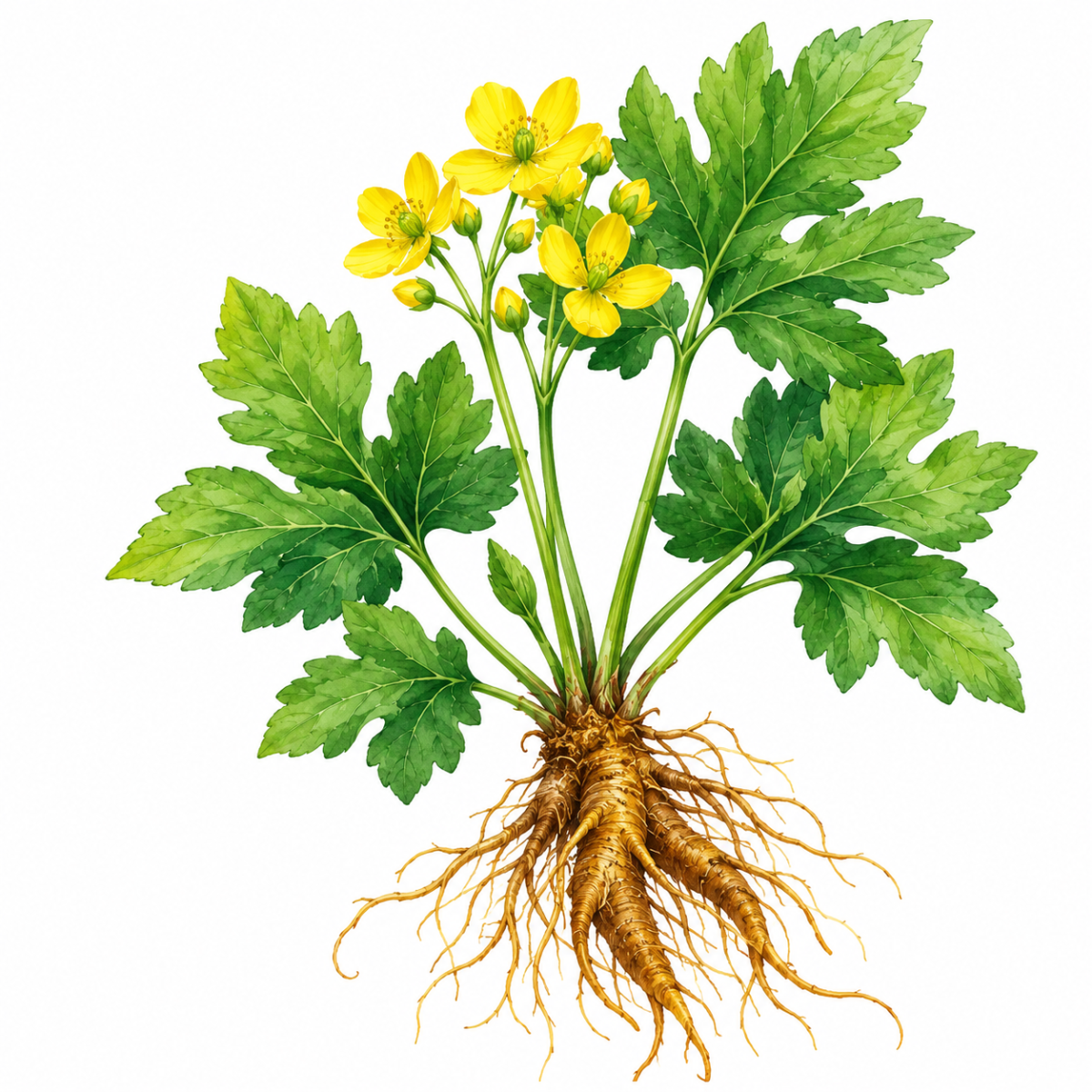
Hoang Lien is a valued herb in Traditional Medicine, well known for its intensely bitter taste, strongly cold nature, and its traditional functions of clearing heat, eliminating dampness, resolving toxicity, and draining fire. In traditional herbal practice, Hoang Lien is commonly used in patterns related to damp-heat, excessive Heart fire, heat toxins, dysentery, diarrhea associated with intestinal inflammation, internal heat, Stomach and Spleen heat, bitter taste in the mouth, epigastric fullness, nausea, vomiting, and certain damp-heat jaundice conditions. In addition, this herb is also recognized for supporting concerns involving the eyes, skin, oral cavity, sore throat, ulcerative lesions, urticaria, eczema, fungal skin conditions, and exudative skin problems. One of the most notable compounds in Hoang Lien is berberine, together with several other alkaloids, making this herb highly relevant in searches related to heat-clearing herbs, digestive support, detoxifying traditional remedies, and classical herbal applications. However, because Hoang Lien is strongly cold in nature, it should be used with appropriate dosage, suitable body constitution, and caution in cases of Spleen-Stomach deficiency cold, yin deficiency, pregnancy, newborns, or people taking concurrent medications. If you are researching Hoang Lien benefits, traditional uses of Hoang Lien, and important precautions before use, this is an herb that should be understood carefully and applied with proper professional guidance.