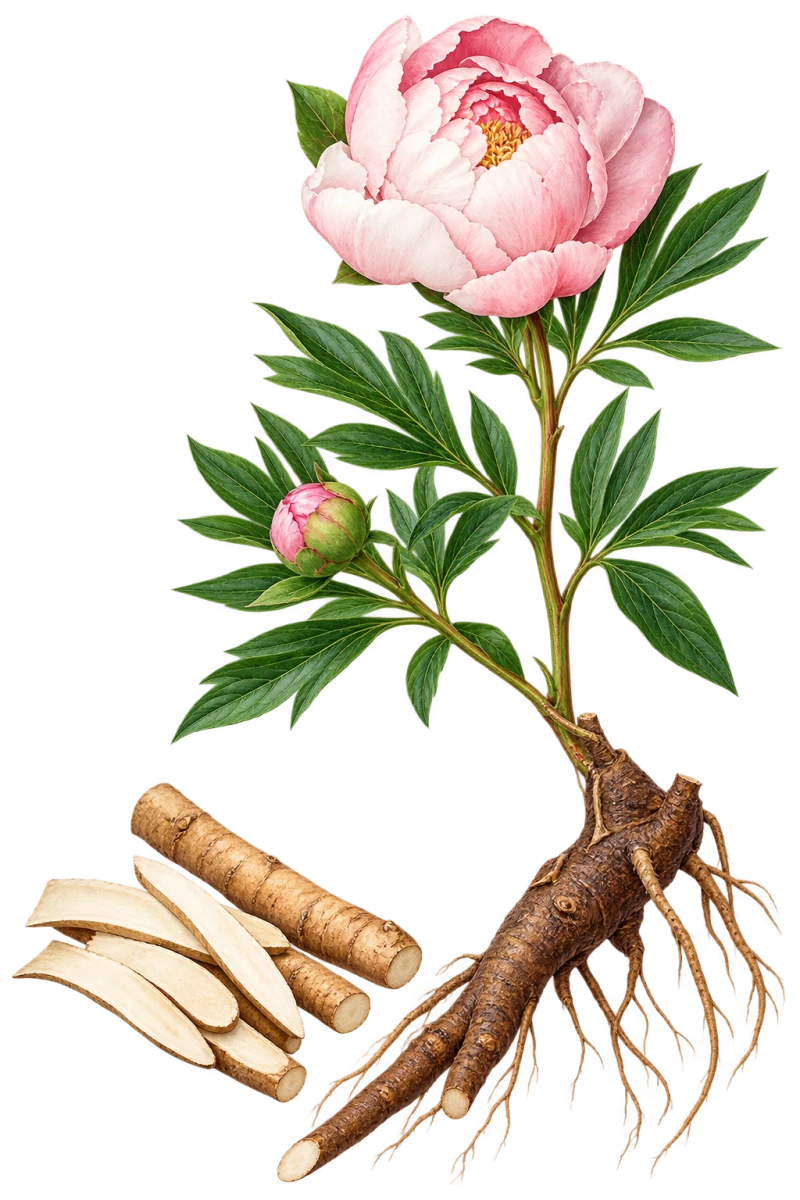
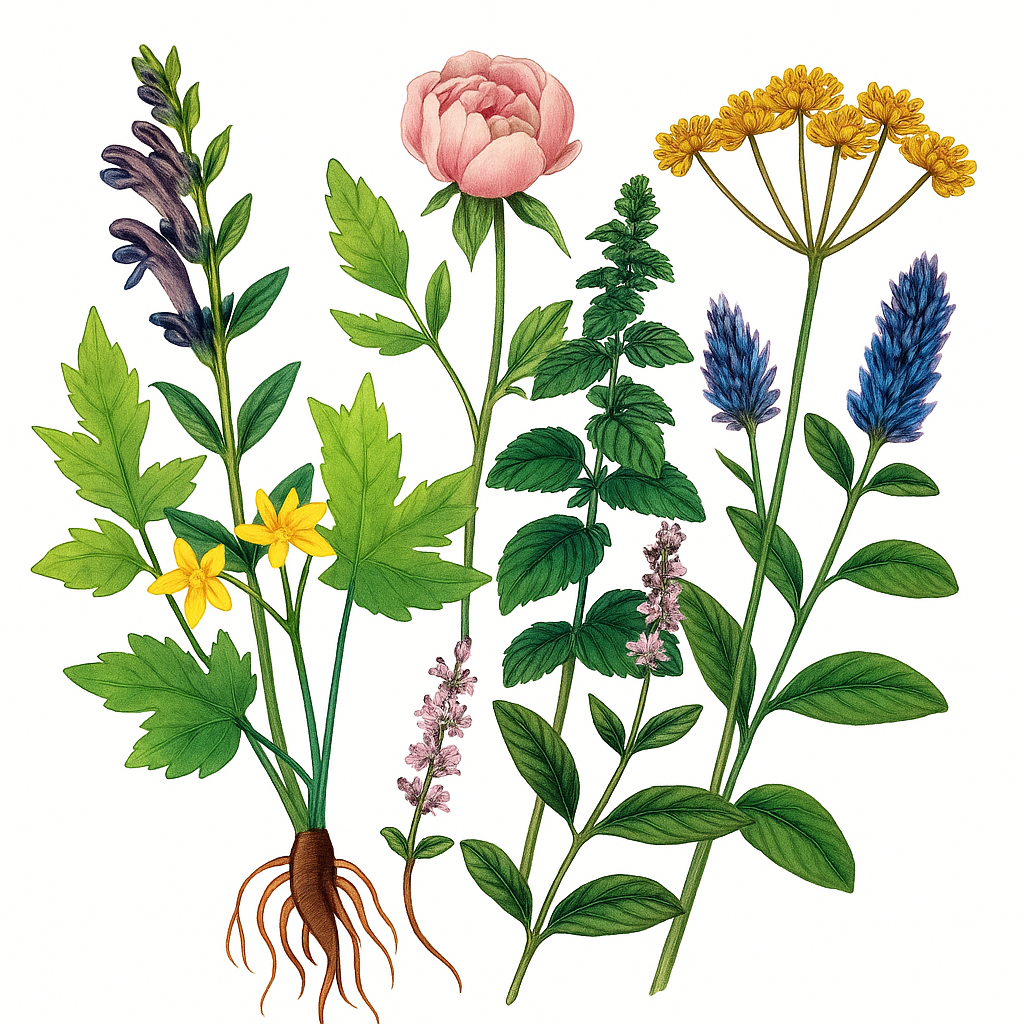
White Peony Root (Bai Shao) is a key TCM herb that nourishes the blood, preserves yin, soothes the Liver, relieves pain, and regulates menstruation. Rich in glycosides like paeoniflorin, it offers anti-inflammatory, hepatoprotective, calming, and circulatory benefits.
Imperatae Rhizoma, commonly known as Lalang Grass Rhizome or Cogon Grass Root (Imperata cylindrica), is a traditional herbal remedy highly valued in Asian medicine for its cooling, detoxifying, and diuretic effects. In Traditional Chinese Medicine, it is renowned for its ability to clear heat, cool the blood, stop bleeding, and promote urination, making it particularly effective for urinary heat syndromes such as painful urination, urinary tract infections, hematuria, and edema. Its strong hemostatic and blood-cooling properties also support conditions like nosebleeds, hematemesis, hemoptysis, and excessive menstrual bleeding caused by heat in the blood. With a naturally sweet flavor and cold nature, Imperatae Rhizoma helps ease nausea, reduce gastric heat, and relieve vomiting, especially when triggered by alcohol or stomach fire. It is traditionally used to relieve thirst, lower fever, cool the stomach, and drain damp-heat from the liver and gallbladder, making it beneficial for jaundice, swelling, or heat-related disorders. Modern studies reveal that the rhizome contains valuable compounds such as triterpenoids, flavonoids, saponins, vitamins, and essential minerals, providing anti-inflammatory, antioxidant, antimicrobial, and kidney-protective benefits. These findings support its longstanding use for detoxification, urinary health, and liver support. With its combined traditional wisdom and scientifically supported bioactivity, Imperatae Rhizoma remains a versatile and reliable herbal medicine for individuals seeking natural heat-clearing, detoxifying, and diuretic therapies to enhance overall well-being.
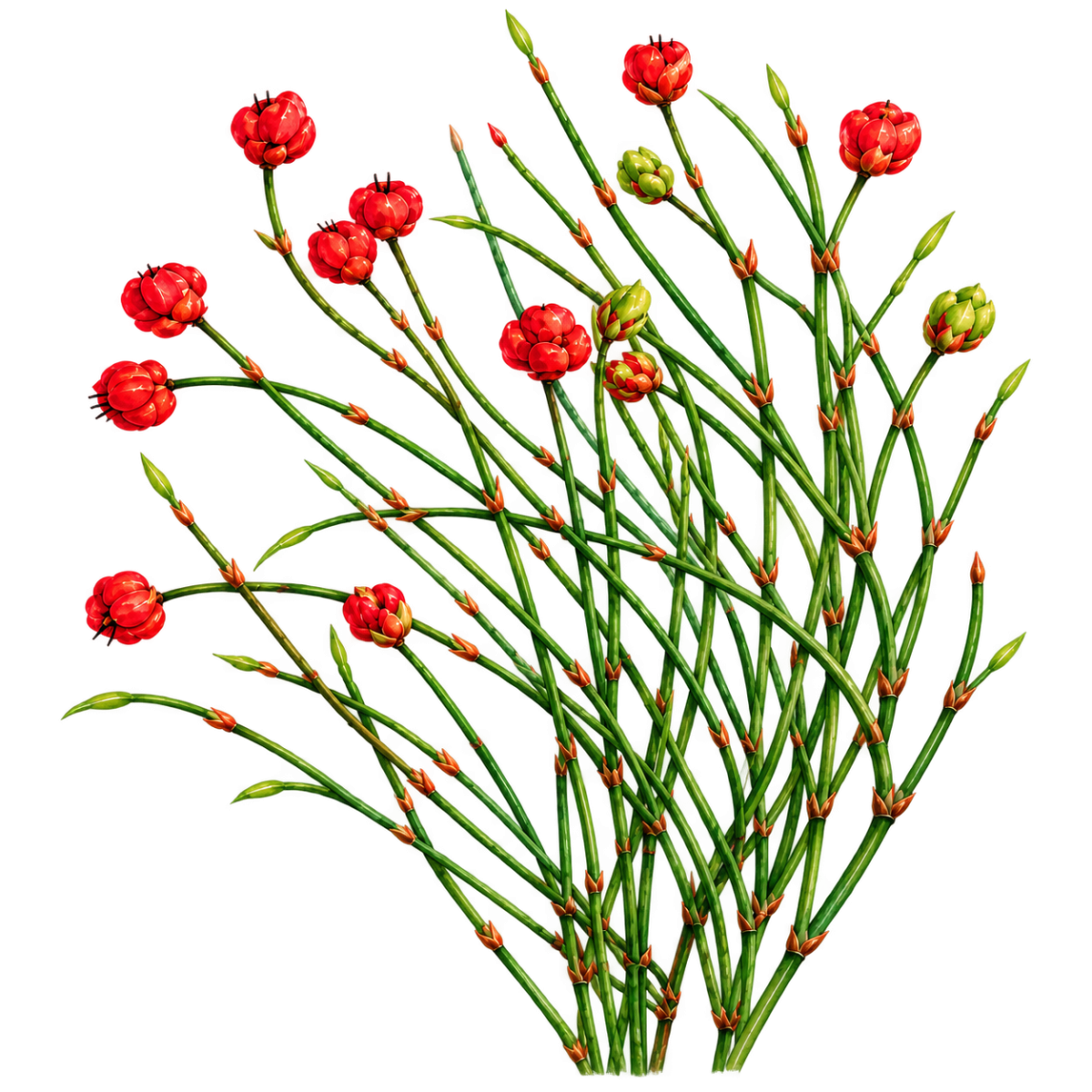
Ma Huang (Ephedra) is a well-known traditional herbal medicine recognized in East Asian medicine for its acrid, bitter, and warm properties. It is widely described in classical herbal texts for its ability to induce sweating, release the exterior, disseminate Lung qi, calm wheezing, relieve cough, and promote urination to reduce edema. Traditionally, Ma Huang is used in herbal formulas that support relief of wind-cold conditions, nasal congestion, cough, asthma, bronchitis, allergic rhinitis, and certain patterns of urinary difficulty or swelling. In addition, traditional literature also associates this herb with support for wind-damp pain, numbness, and selected dermatological conditions. With key compounds such as ephedrine and pseudoephedrine, Ma Huang remains a notable herb in both traditional practice and modern pharmacological interest. If you are searching for what Ma Huang is, the benefits of Ma Huang, how Ma Huang is used in traditional medicine, and the important precautions surrounding this herb, this is a medicinal material that should be understood carefully, used appropriately, and approached with proper professional guidance.