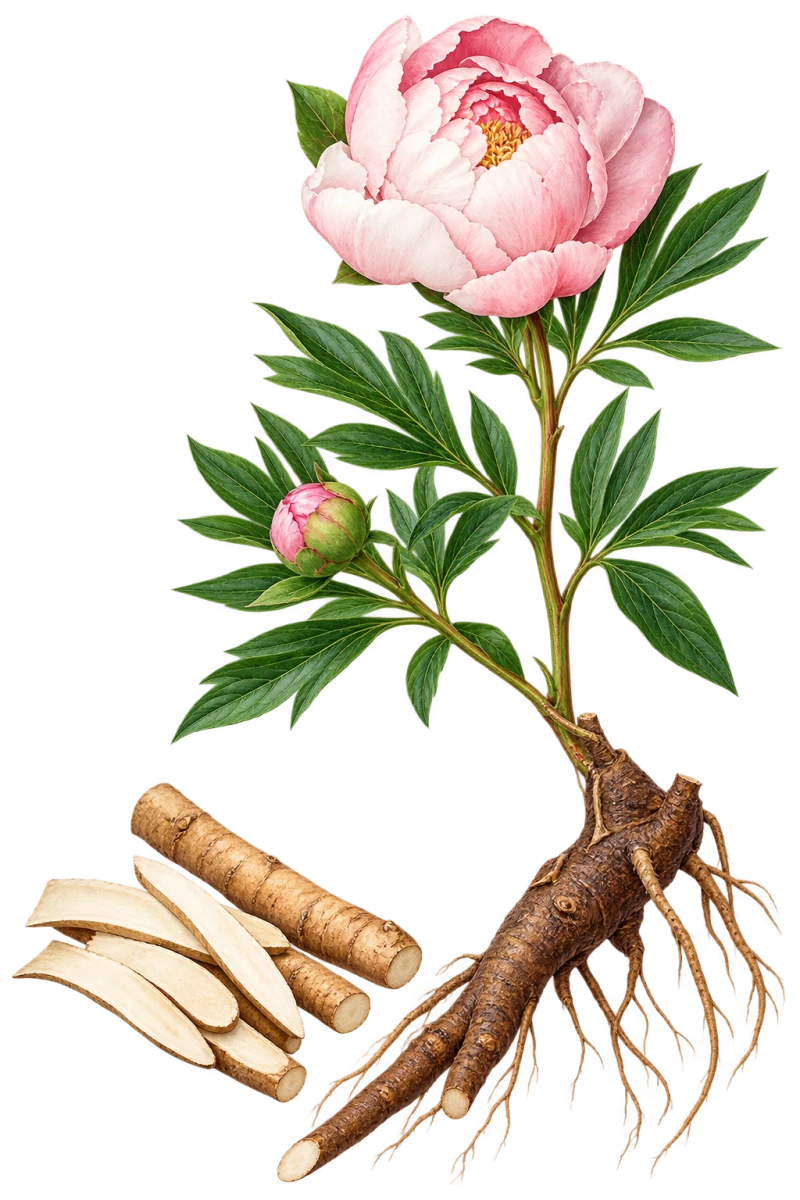
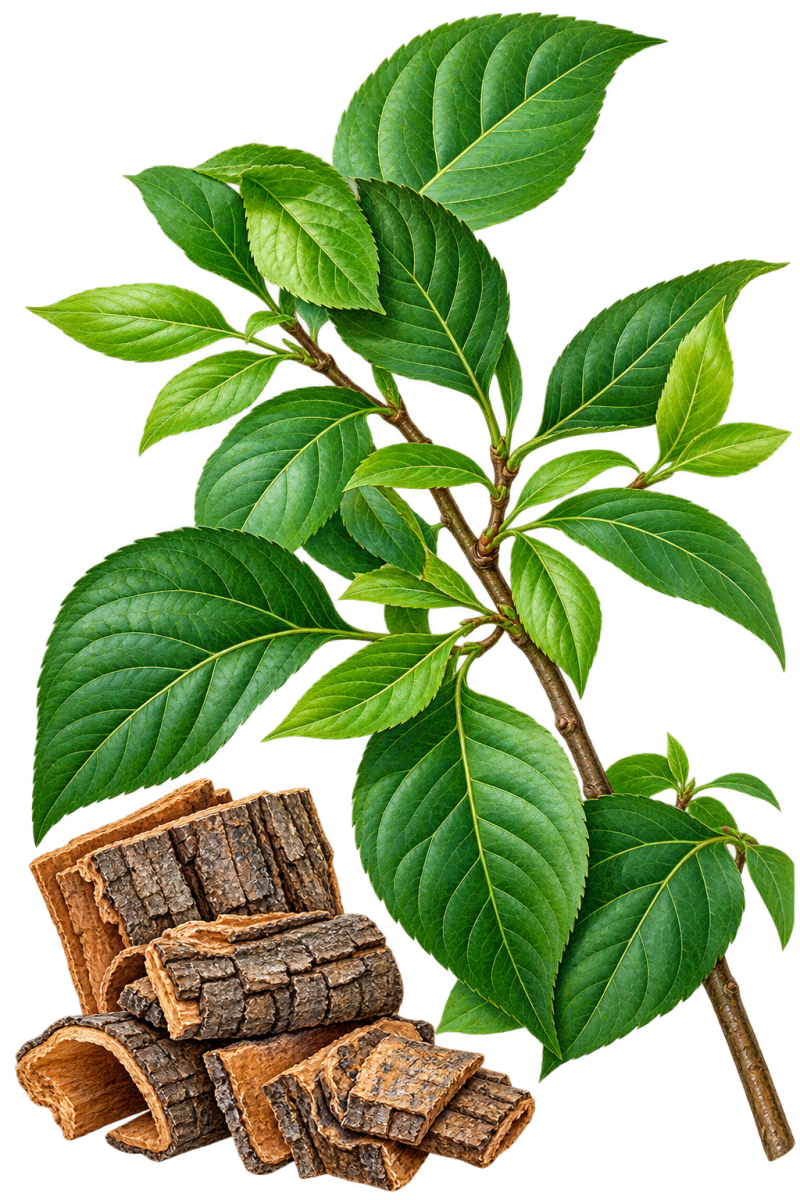
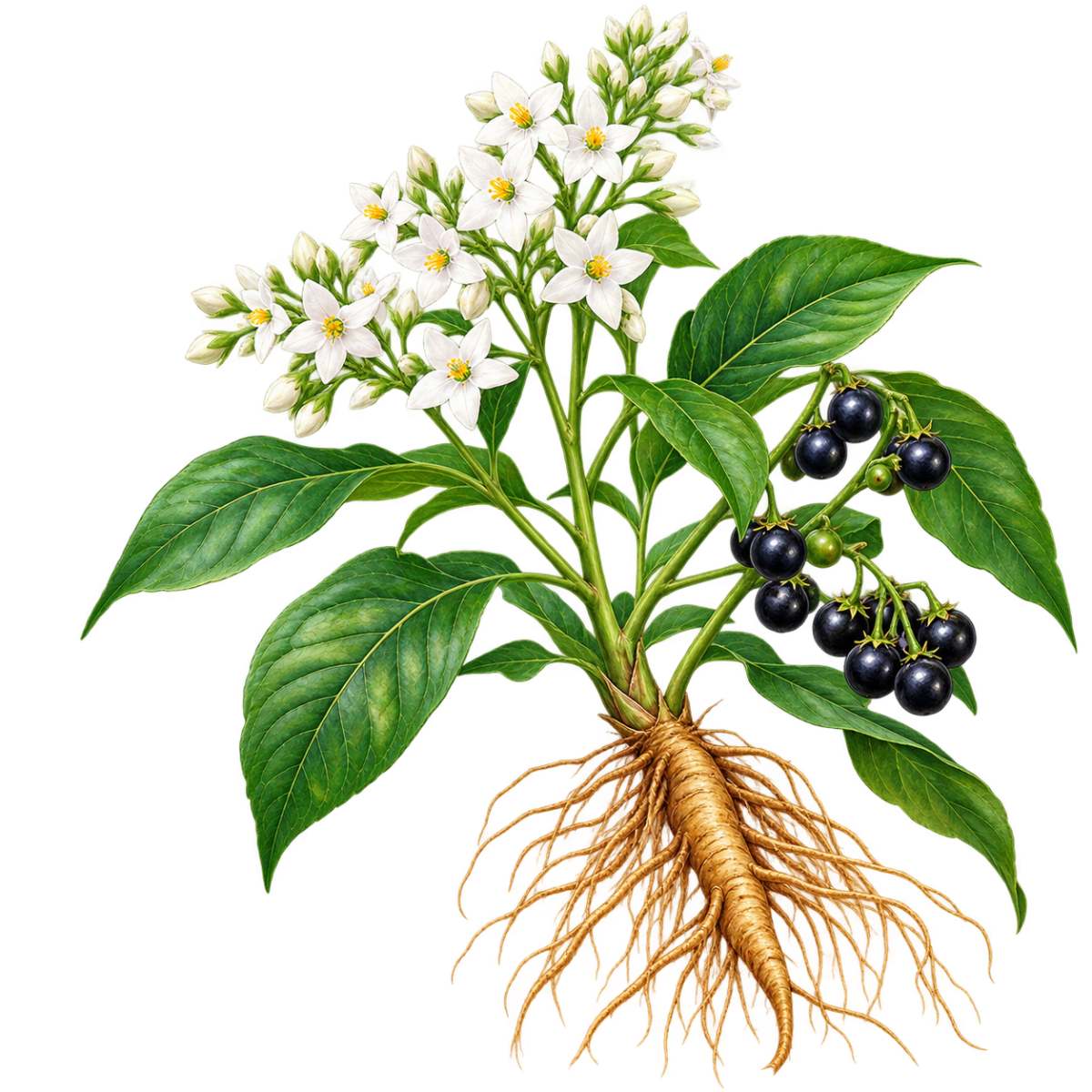
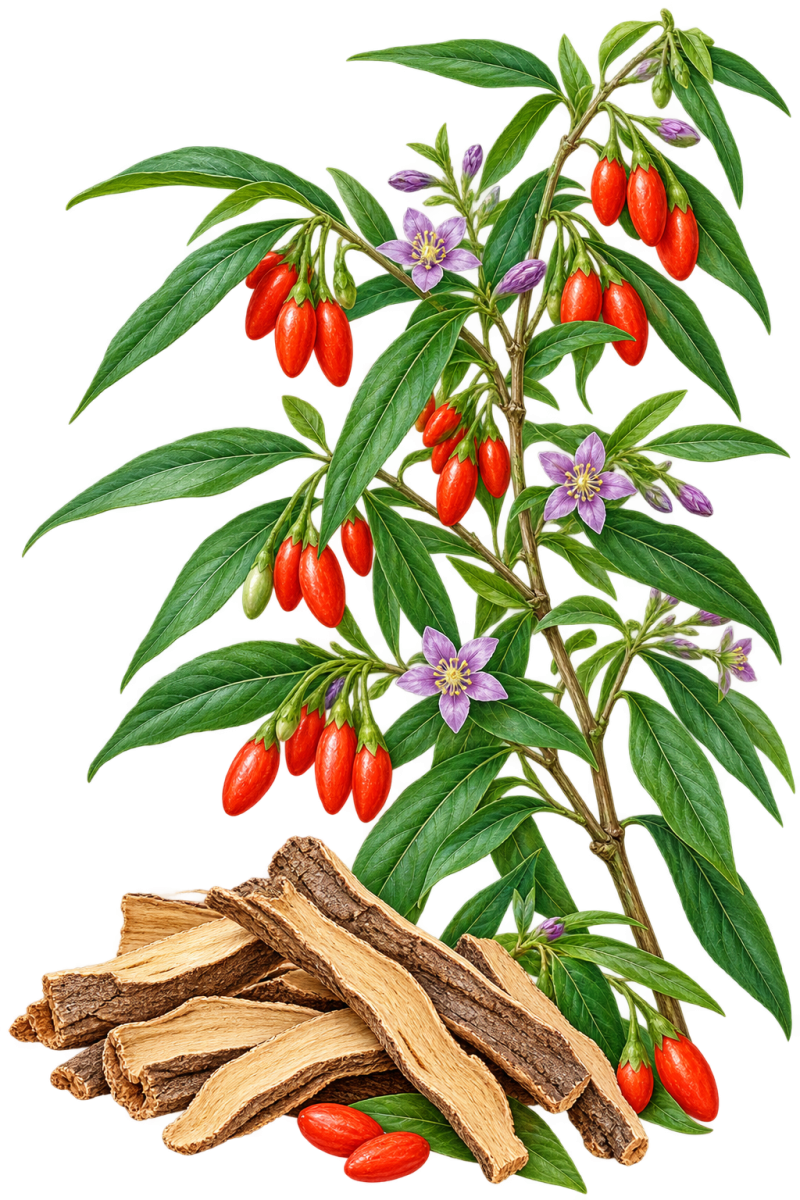
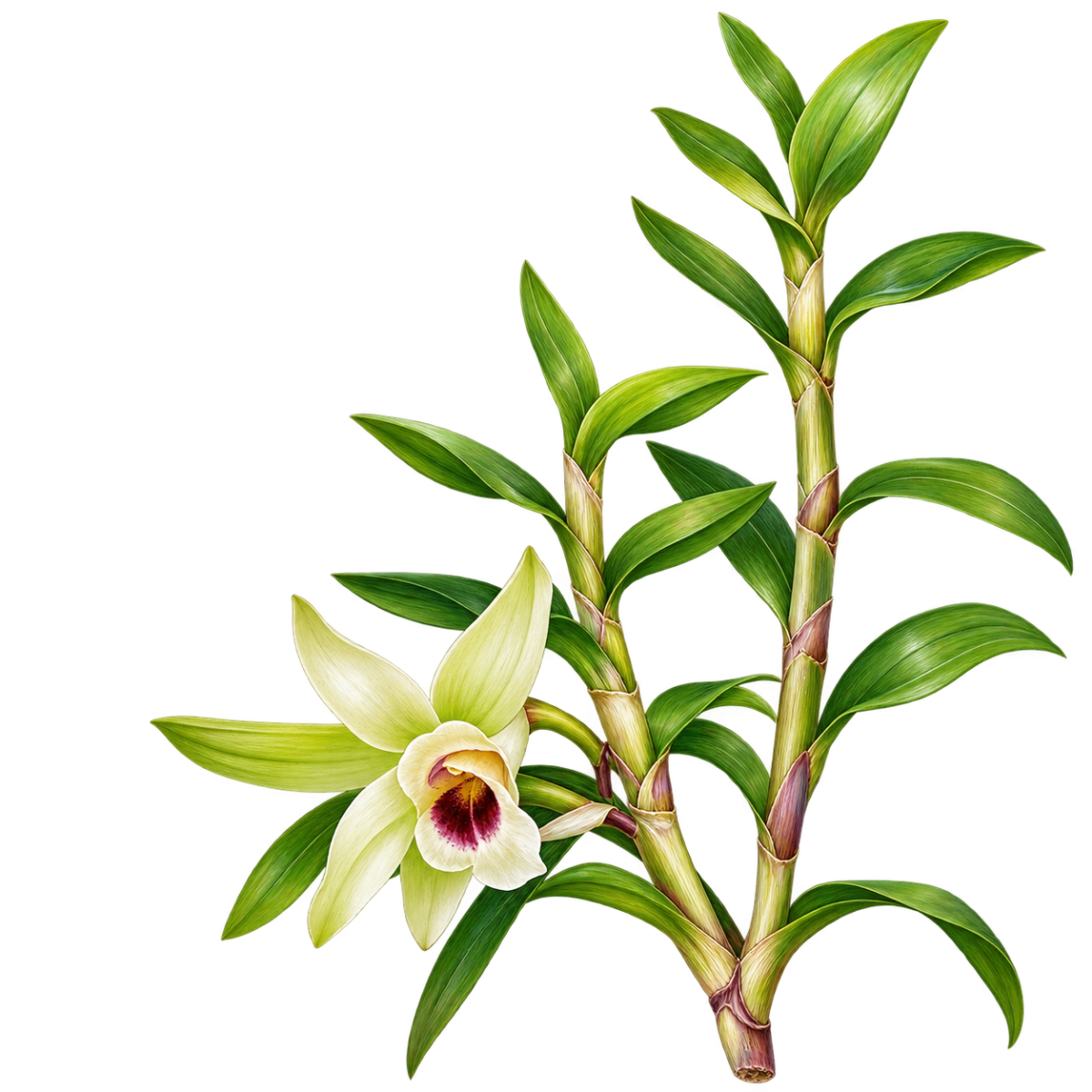
White Peony Root (Bai Shao) is a key TCM herb that nourishes the blood, preserves yin, soothes the Liver, relieves pain, and regulates menstruation. Rich in glycosides like paeoniflorin, it offers anti-inflammatory, hepatoprotective, calming, and circulatory benefits.
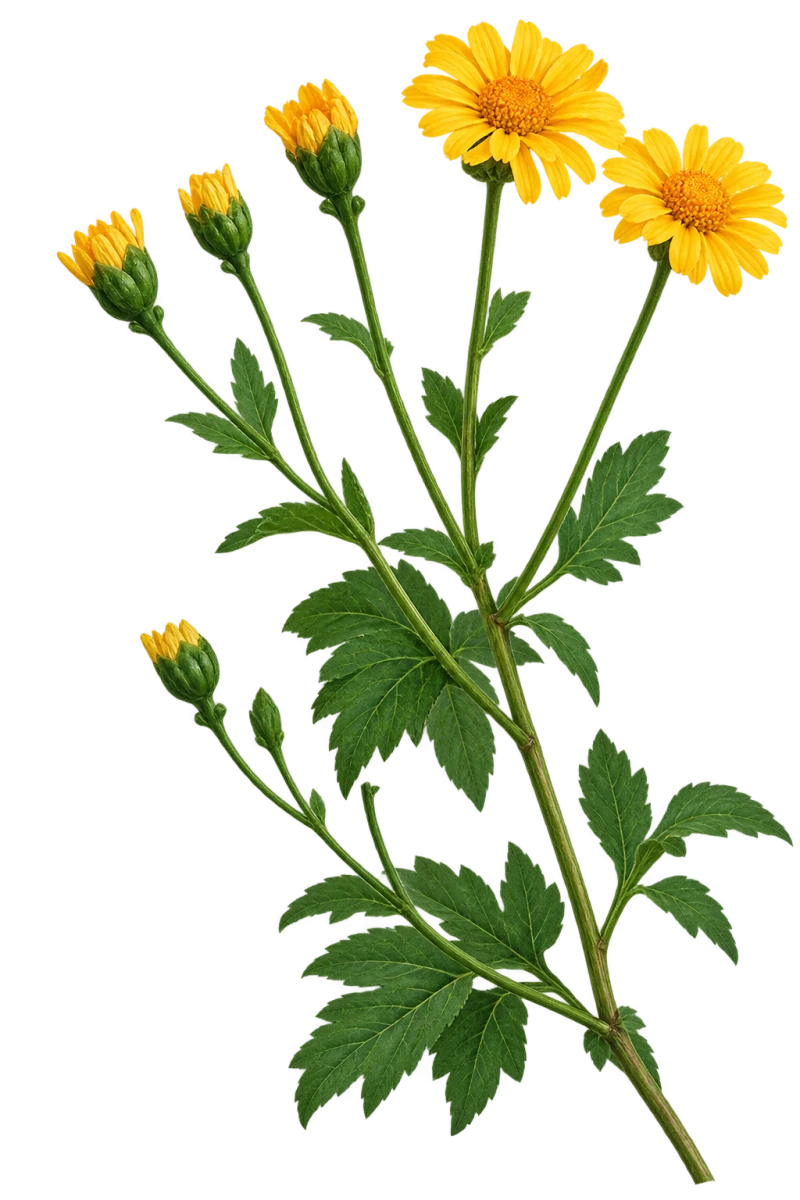
Ye Ju Hua (Wild Chrysanthemum Flower – Chrysanthemum indicum L.) is a traditional Chinese medicinal herb valued for its heat-clearing, detoxifying, anti-inflammatory, and liver-soothing properties. Bitter in taste and cooling in nature, it is commonly used to treat disorders caused by Wind-Heat, helping to cool the Liver, brighten the eyes, regulate blood pressure, and reduce inflammation. Modern pharmacological studies have identified bioactive compounds such as flavonoids, phenolic acids, sesquiterpene lactones, and essential oils that exhibit antioxidant, antimicrobial, antiviral, and hepatoprotective effects. Ye Ju Hua also supports digestive health by modulating gut microbiota, alleviating swelling, promoting wound healing, and improving skin conditions. Traditionally, it is prescribed for boils, carbuncles, pharyngitis, dermatitis, hepatitis, and hypertension, while helping to purify the body, calm the mind, and relieve irritability. As a cooling and detoxifying herb, Wild Chrysanthemum Flower plays a vital role in classical formulas for clearing Heat and toxins from the body. It is particularly beneficial for individuals with excess internal heat, inflammation, or toxin accumulation. Regular use in appropriate amounts may help strengthen immunity, protect the liver, promote skin health, and delay cellular aging, making it both a therapeutic and preventive herb in Traditional Chinese Medicine.
Licorice Root (甘草, Gān Cǎo) – Glycyrrhizae Radix et Rhizoma – refers to the root and rhizome of Glycyrrhiza uralensis, G. glabra, or G. inflata from the Fabaceae family. In Traditional Chinese Medicine, Licorice is honored as the “National Elder”, the harmonizing herb that balances hot and cold properties of other medicinals. Sweet in taste and neutral in nature, it enters the Spleen, Stomach, Heart, Liver, and Lung meridians, promoting Qi replenishment, detoxification, cough relief, and internal balance. Modern pharmacological studies reveal that compounds such as glycyrrhizin, glabridin, and liquiritin possess anti-inflammatory, antimicrobial, hepatoprotective, immunoregulatory, and antioxidant activities. Licorice Root is widely used in formulas for treating coughs, sore throat, gastritis, fatigue, endocrine imbalance, and skin disorders. However, excessive or prolonged use may cause hypertension and hypokalemia due to mineralocorticoid-like effects. As both a medicine and a harmonizing agent, Gān Cǎo remains an indispensable herb bridging the wisdom of traditional healing and modern therapeutic science.
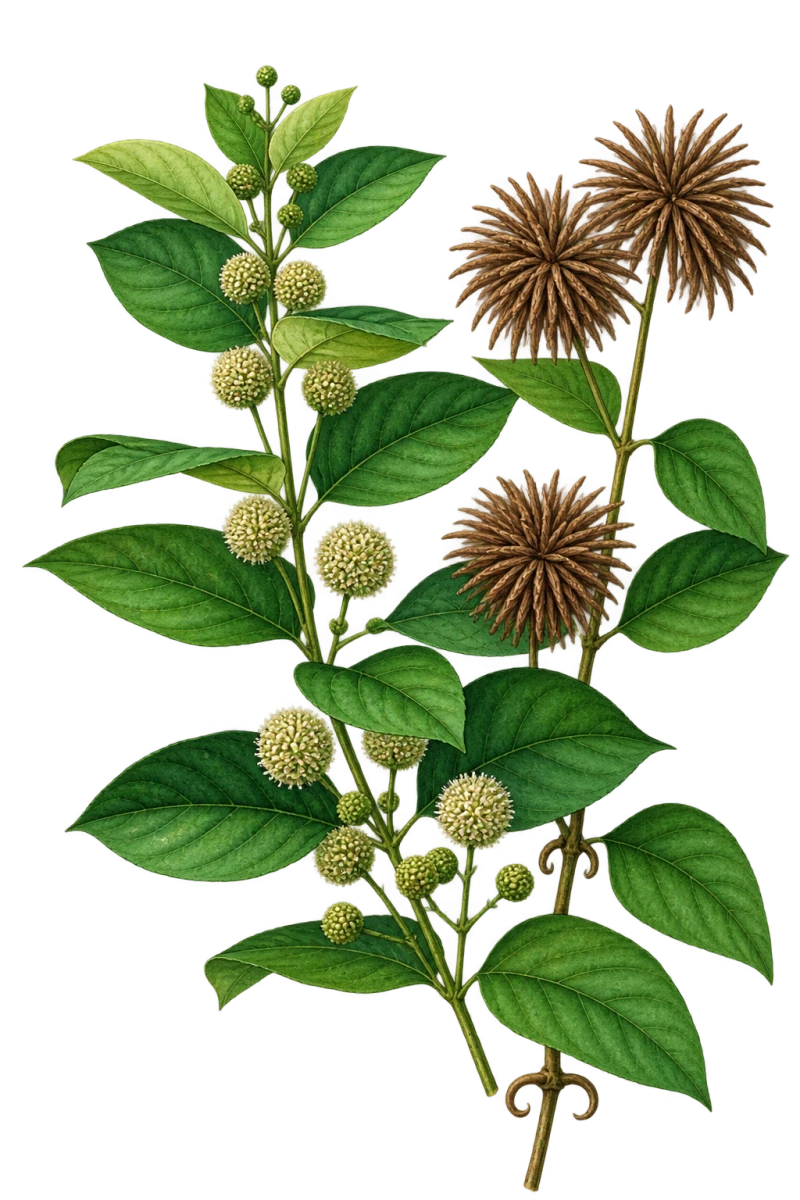
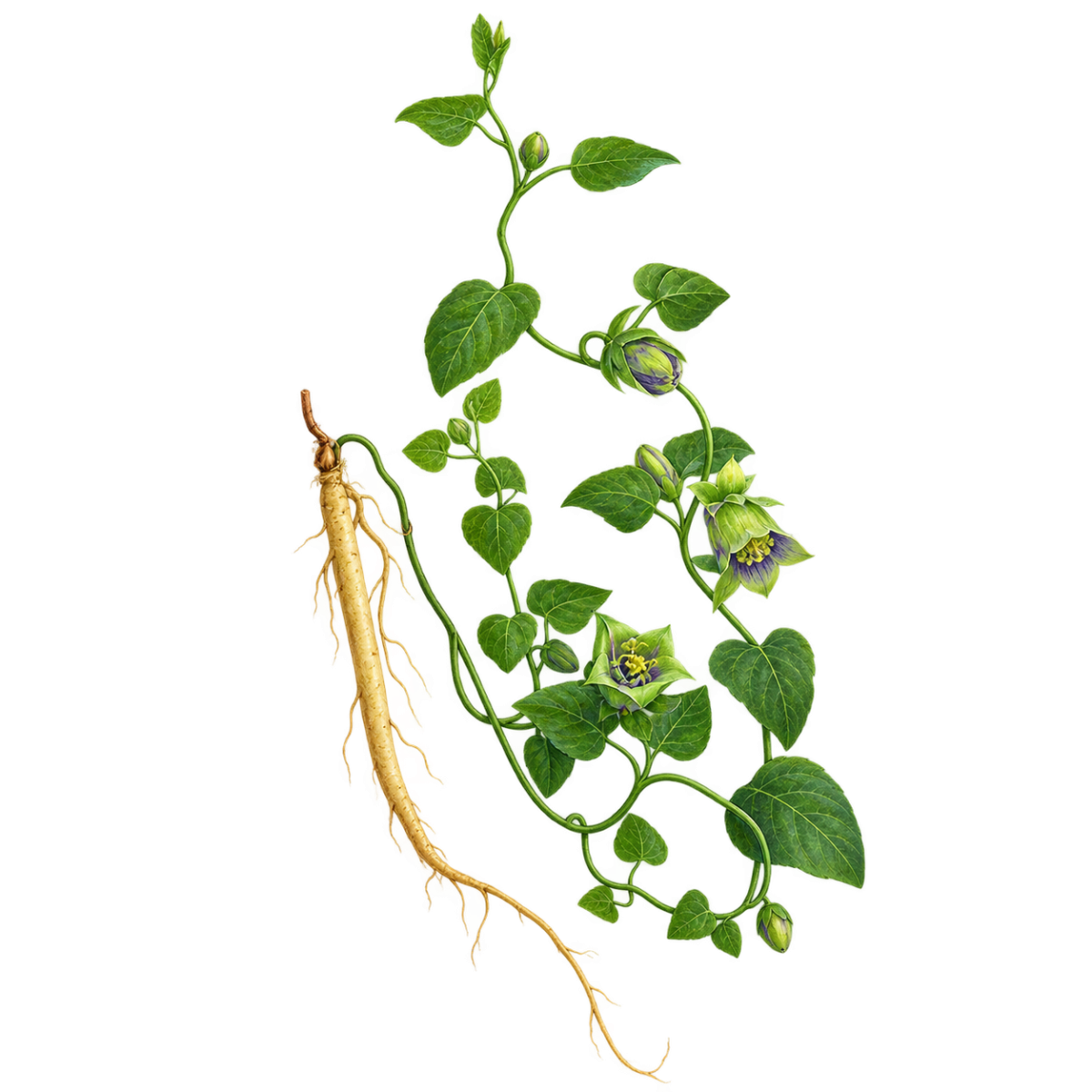
Gou Teng (Uncaria rhynchophylla), also known as Uncaria Stem with Hooks, is a treasured herb in Traditional Chinese Medicine, renowned for its abilities to calm the Liver, extinguish internal wind, lower blood pressure, and protect the nervous system. The medicine is derived from the hook-bearing stems and branches of the plant, symbolizing flexible strength and harmony. In TCM, it has a sweet, slightly cold nature, entering the Liver, Heart, and Pericardium meridians. It is commonly prescribed for dizziness, hypertension, epilepsy, tremor, insomnia, and headaches caused by hyperactive Liver Yang. Modern pharmacological studies have revealed that Uncaria rhynchophylla contains bioactive alkaloids such as rhynchophylline and isorhynchophylline, which possess antioxidant and neuroprotective properties, supporting treatment of Parkinson’s disease, Alzheimer’s disease, and cerebral circulation disorders. The herb also helps reduce muscle stiffness, improve blood microcirculation, protect the liver, and stabilize blood pressure. With its mild, balancing nature, Gou Teng is considered a safe natural option for elderly individuals, those under stress, suffering from insomnia, or prone to high blood pressure. However, it should be used cautiously by individuals with low blood pressure, slow heartbeat, or those taking anticoagulants or cardiovascular medications.
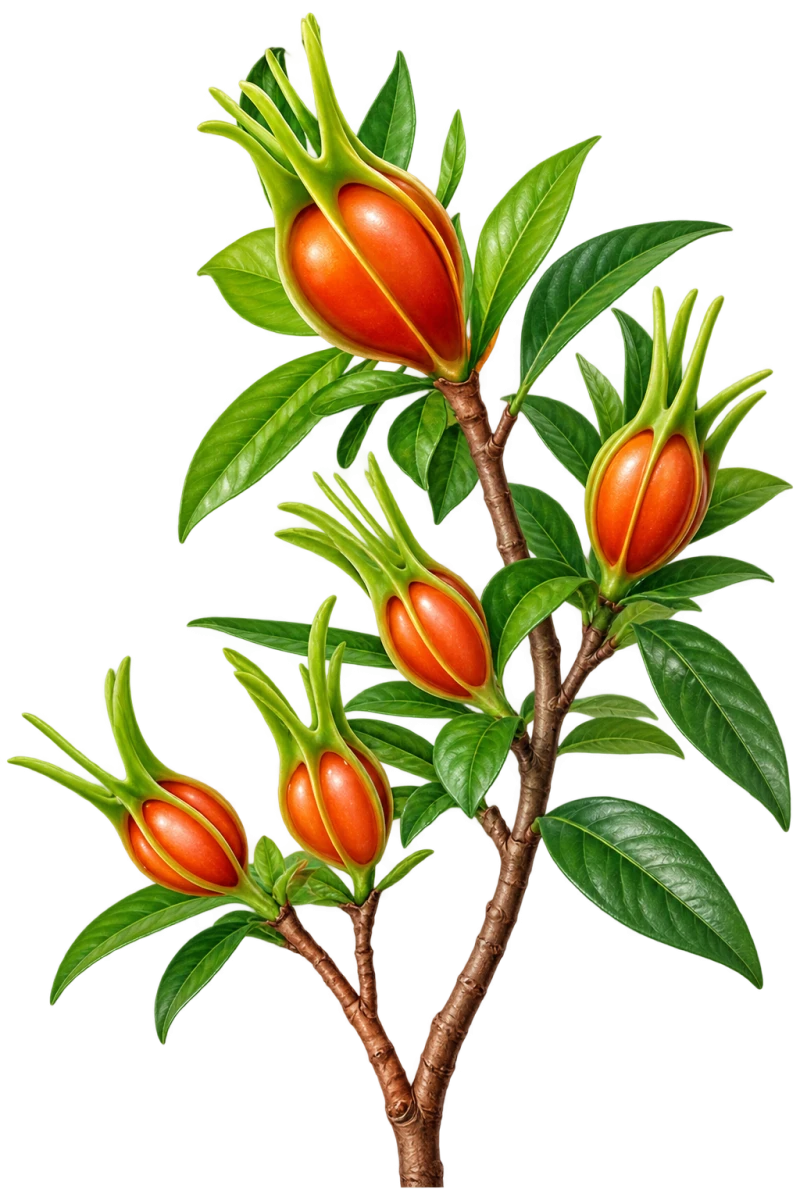
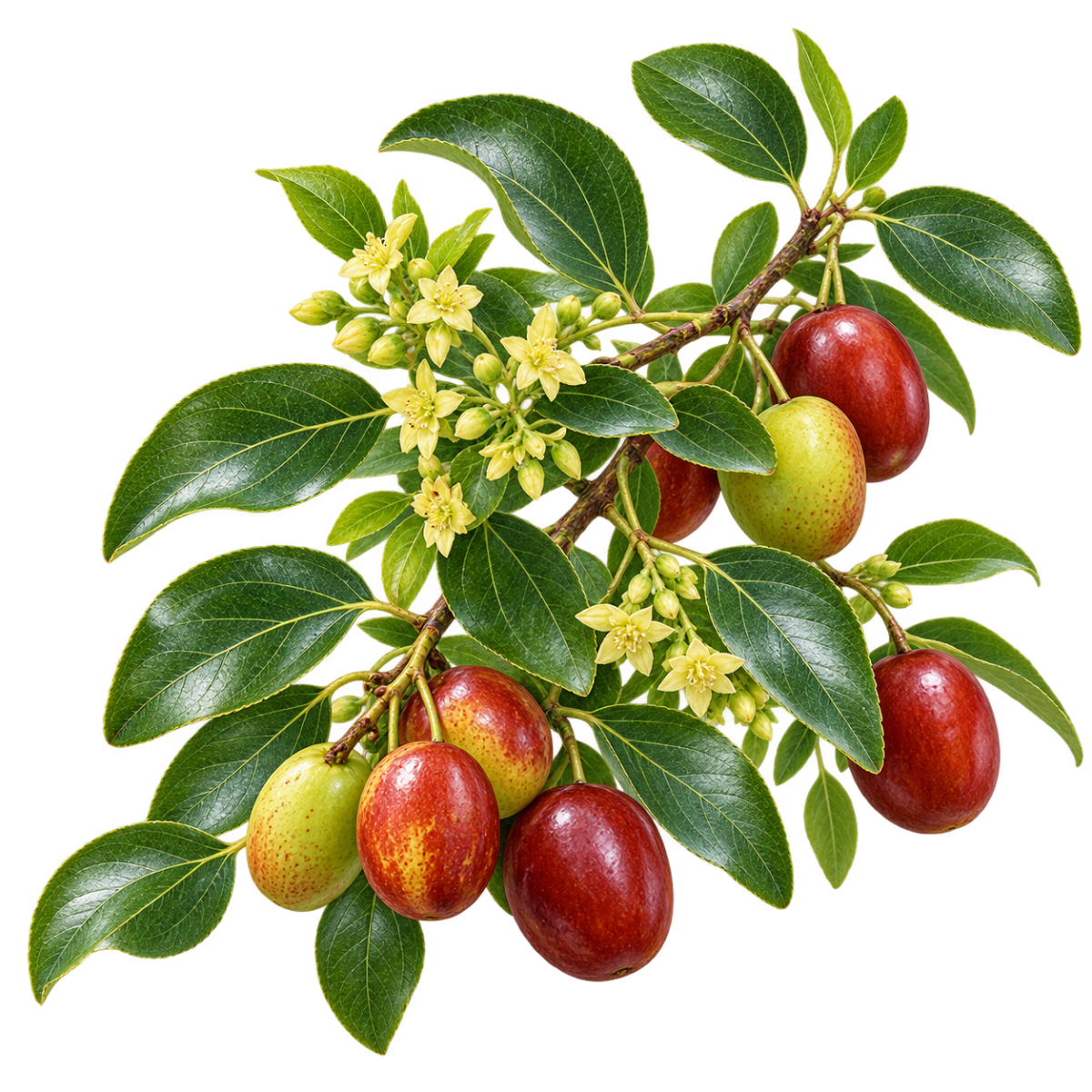
Gardeniae Fructus (Zhi Zi – Cape Jasmine Fruit) is a classical Traditional Chinese Medicine (TCM) herb renowned for its bitter-cold nature and powerful actions to clear heat, drain fire, eliminate irritability, promote urination, cool the blood, and calm the mind. Described in the Shennong Bencao Jing and Compendium of Materia Medica, Zhi Zi is praised as a superior remedy that “purges internal fire and soothes the Heart.” Modern pharmacological studies confirm that its bioactive compounds — geniposide, crocin, and genipin — possess anti-inflammatory, antipyretic, hepatoprotective, choleretic, antioxidant, and antitumor potentials. Clinically, it is used to treat febrile diseases, insomnia due to heat, jaundice, hepatitis, urinary tract infections, hemoptysis, skin inflammation, boils, and bleeding disorders caused by excess heat. The method of preparation determines its therapeutic direction: raw fruit clears heat, lightly stir-fried fruit drains fire, and charred fruit cools blood and stops bleeding. With its harmonizing nature that dispels pathogenic fire while protecting vital energy, Gardenia fruit exemplifies the wisdom of traditional Chinese medicine — balancing the body, calming the mind, and restoring internal peace.
Hu Zhang (Giant Knotweed Rhizome, Cốt khí củ) is the dried rhizome of Reynoutria japonica (syn. Polygonum cuspidatum), a member of the Polygonaceae family. In Traditional Chinese Medicine (TCM), it is valued for its multiple actions: invigorating blood, removing stasis, clearing heat, detoxifying, draining dampness, promoting urination, resolving phlegm, and calming the mind. It is traditionally prescribed for arthralgia, rheumatism, traumatic injuries, hepatitis, jaundice, cough with phlegm due to Lung heat, pharyngitis, skin infections, burns, hemorrhoids, dysentery, and urinary tract inflammation. Modern pharmacological studies reveal that Hu Zhang contains potent bioactive compounds such as resveratrol, polydatin, emodin, quercetin, physcion, and chrysophanol. These contribute to its anti-inflammatory, antioxidant, hepatoprotective, hypoglycemic, hypolipidemic, antibacterial, and antiviral properties. According to the Chinese Pharmacopoeia and WHO monographs, emodin and polydatin are recognized as the official quality markers for standardization. With both ancient wisdom and modern evidence, Hu Zhang (Reynoutria japonica) is considered a promising medicinal herb for the supportive treatment of hepatitis, metabolic disorders, inflammatory joint disease, and chronic oxidative conditions. Its scientific validation continues to expand globally, making Japanese Knotweed Rhizome not only a revered TCM herb but also a subject of modern biomedical interest in the prevention and management of inflammatory and degenerative diseases.
Xiang Fu (Cyperi Rhizoma, Nutgrass Rhizome) is one of the most essential herbs in Traditional Chinese Medicine for regulating Qi, especially Liver Qi constraint, a core pathological mechanism behind many modern disorders such as menstrual irregularities, dysmenorrhea, functional digestive discomfort, stress-related headaches, and emotional tension. In classical TCM theory, Xiang Fu belongs to the category of Qi-regulating herbs, entering the Liver and San Jiao channels. Its primary function is to restore the free flow of Qi, harmonizing the Liver–Spleen–Stomach axis and alleviating pain, distension, and functional disharmony caused by Qi stagnation. Clinically, Xiang Fu is best known for gynecological applications, including irregular menstruation, premenstrual syndrome, breast distension, and abdominal pain associated with constrained Liver Qi. It is also widely used for epigastric fullness, poor appetite, nausea, and stress-induced digestive disorders, where emotional factors impair normal Qi movement. Appropriate candidates for Xiang Fu are individuals presenting signs of Liver Qi stagnation: emotional irritability, chest or hypochondriac tightness, cyclic pain, stress-related insomnia, and tension-type headaches (especially vertex headaches). Important cautions: Xiang Fu should be used carefully or avoided in cases of Qi deficiency without stagnation, Yin deficiency with Blood Heat, excessive uterine bleeding due to deficiency, and during pregnancy, unless prescribed by a qualified TCM practitioner. For optimal results, Xiang Fu should be selected and combined based on pattern differentiation, not used symptomatically without a clear TCM diagnosis