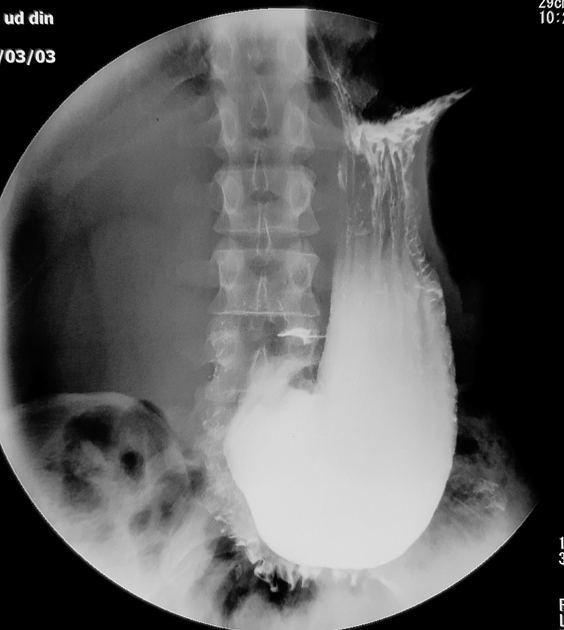
Gastroptosis (胃下垂 – Wei Xia Chui) is a condition where the stomach sags below its normal anatomical position. In Traditional Oriental Medicine, the main cause is considered to be Spleen–Stomach deficiency with sinking middle qi. Other contributing factors include loose abdominal muscles, physical weakness, rapid weight loss, postpartum weakness in women, or congenital body constitution.
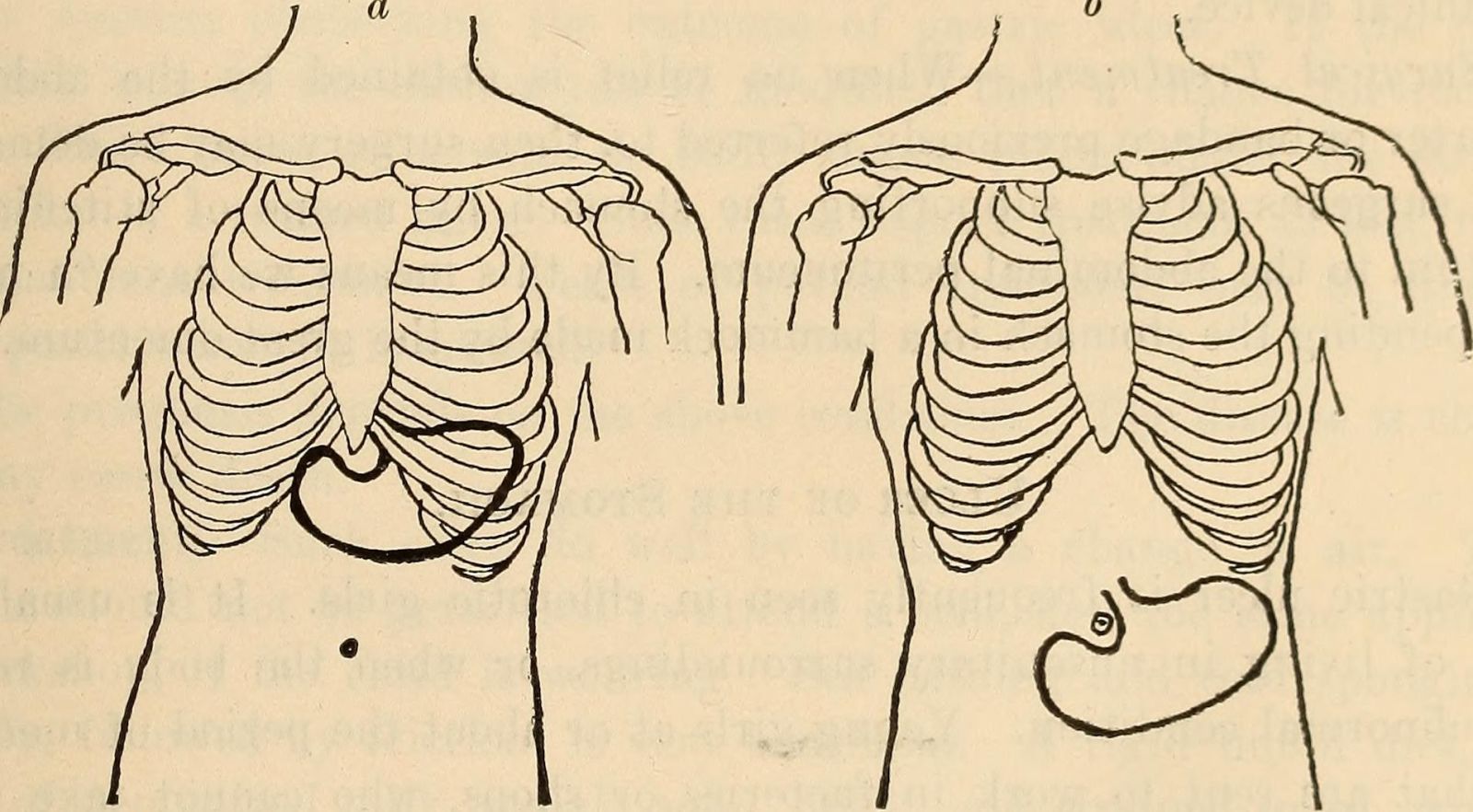
Symptoms
- Emaciation, physical weakness, poor appetite.
- Abdominal fullness and distension, worse after meals.
- Pain or heaviness in the lumbar area, nausea, irregular bowel movements.
- Relief when lying down, fatigue or inability to sit upright for long.
Acupuncture Point Combinations Used in Gastroptosis Treatment
1. Primary points
- Weishang (ST-14), Guanyuan (CV-4), Qihai (CV-6), Zusanli (ST-36)
(Needling Weishang obliquely toward Qihai or Guanyuan, combined with the “Lifting the Stomach” manipulation to physically raise the stomach).
2. Main and supplementary points
- Qihai (CV-6), Zusanli (ST-36) – main points.
- Guanyuan (CV-4), Zhongwan (CV-12) – added for severe cases.
3. Extended point set
- Tianzhu (BL-10), Dazhu (BL-11), Geshu (BL-17), Ganshu (BL-18), Sanjiaoshu (BL-22), Chiman (ST-20), Liangqiu (ST-34).
4. “Rapid-Needling Method”
- Qihai (CV-6), Zusanli (ST-36), Guanyuan (CV-4), Zhongwan (CV-12).
5. Chinese secret techniques
- Zhangmen (LR-13) to Fuxie (SP-16), Neiguan (PC-6), Sanyinjiao (SP-6).
- Combination: Daihuan (GB-26) to Tianshu (ST-25), Zhaoji (EX), Shangju (EX).
6. Other frequently used points
- Weishu (BL-21), Zhongwan (CV-12), Shangwan (CV-13), Tianshu (ST-25) – needling or moxibustion.
- For additional symptoms:
- Neiguan (PC-6) for epigastric pain.
- Gongsun (SP-4) for nausea and vomiting.
7. Specialized lifting methods
- Juque (CV-14) – Zhongwan (CV-12), Zhongwan (CV-12) – Qihai (CV-6) (needling through nodules under the skin).
- Huangshu (KI-16) – Juque (CV-14) (subcutaneous needling).
- Jiuwi (EX) – deep needling (0.3–0.5 cm).
- Liangmen (ST-21) – Tianshu (ST-25).
- Jianli (CV-11) – bilateral simultaneous needling.
- Chiman (ST-20) – Tianshu (ST-25) (oblique 45°).
- Xiphoid process (CV-22 region) – Huangshu (KI-16).
- Zhongwan (CV-12) – Tianshu (ST-25) (angled 12–15°).
- Diwei (EX) – Tianshu (ST-25).
- Baihui (GV-20) (moxibustion).
8. Classic prescriptions from ancient and modern sources
- Can Shu Zhi: Ganshu (BL-18), Danshu (BL-19), Pishu (BL-20), Weishu (BL-21).
- Mao Zhaomin: Zhongwan (CV-12), Tianshu (ST-25), Qihai (CV-6), Zusanli (ST-36).
- Sichuan physician Peng Tuyan: saline injection at Shangwan (CV-13), Zhongwan (CV-12), Weishu (BL-21), Pishu (BL-20), Zusanli (ST-36).
- Auricular therapy: Stomach, Sympathetic, Subcortex, Liver points.
- Electroacupuncture: Weishang (ST-14), Zhongwan (CV-12).
9. Clinical case combinations
- Zhongwan (CV-12), Shuifen (CV-9), Dachu (BL-11 right), Shenshu (BL-23), Jingmen (GB-25), Shiliu (EX), Pishu (BL-20), Sanjiaoshu (BL-22), Geshu (BL-17), Feishu (BL-13), Shenzhu (GV-12), Quchi (LI-11), Yangchi (TE-4 left), Yanglingquan (GB-34), Taixi (KI-3) – all with moxibustion.
- Additional: Zusanli (ST-36), Huatuojiaji (EX-B2), Ganshu (BL-18), Dazhui (GV-14).
Conclusion
Traditional Oriental Medicine treats Gastroptosis by:
- Raising the middle qi and strengthening the Spleen and Stomach.
- Applying specific acupuncture combinations, adapted to each patient’s presentation.
The point prescriptions above have been validated in both classical texts and clinical cases, showing effectiveness in alleviating Gastroptosis symptoms, improving digestion, and restoring vitality.