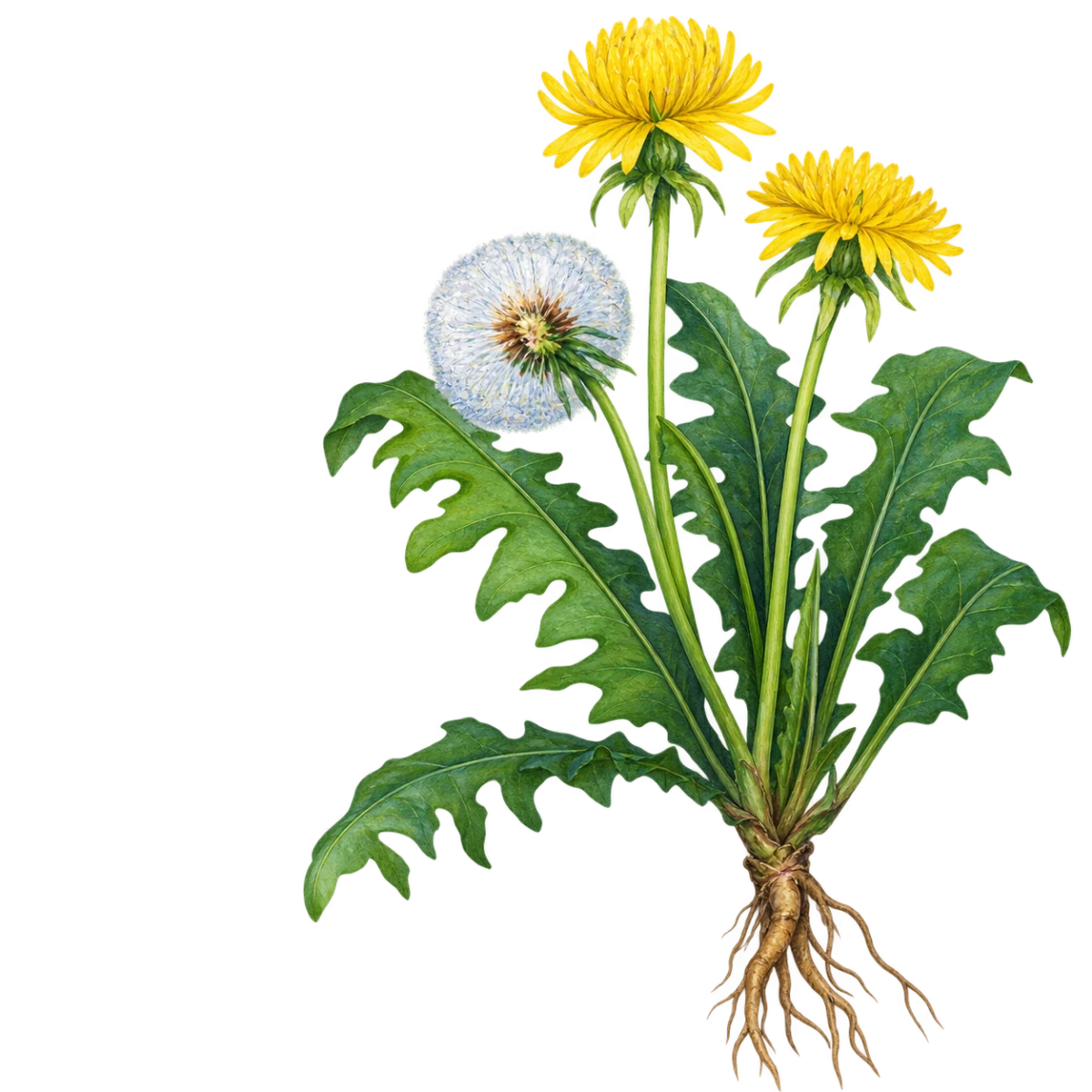
Dandelion (Pu Gong Ying – Taraxacum mongolicum) is a precious traditional Chinese medicinal herb renowned for its actions in clearing heat and toxins, resolving inflammation and abscesses, promoting urination, and protecting the liver. With a sweet–bitter taste and cold nature, it enters the Liver and Stomach meridians, known as a principal herb for treating “heat toxins and suppurative swellings.” Rich in active compounds such as taraxasterol, luteolin, inulin, and β-sitosterol, together with vitamins A, C, and E, Dandelion exhibits strong antioxidant, anti-inflammatory, immunomodulatory, lipid- and glucose-regulating properties. Clinically, it is widely applied to manage mastitis, blocked lactation, boils, abscesses, hepatitis, gallstones, urinary tract infection, mild hypertension, pharyngitis, bronchitis, eczema, and dermatitis, as well as to support cancer therapy, diabetes, and obesity management. Beyond its medicinal value, Herba Taraxaci is also consumed as a nutritious food and herbal tea, promoting detoxification, liver protection, and gentle sedation for better sleep. Combining classical Eastern medical wisdom with modern pharmacological evidence, Dandelion today stands as a comprehensive natural remedy and functional food that supports holistic wellness and chronic disease prevention in modern lifestyles.
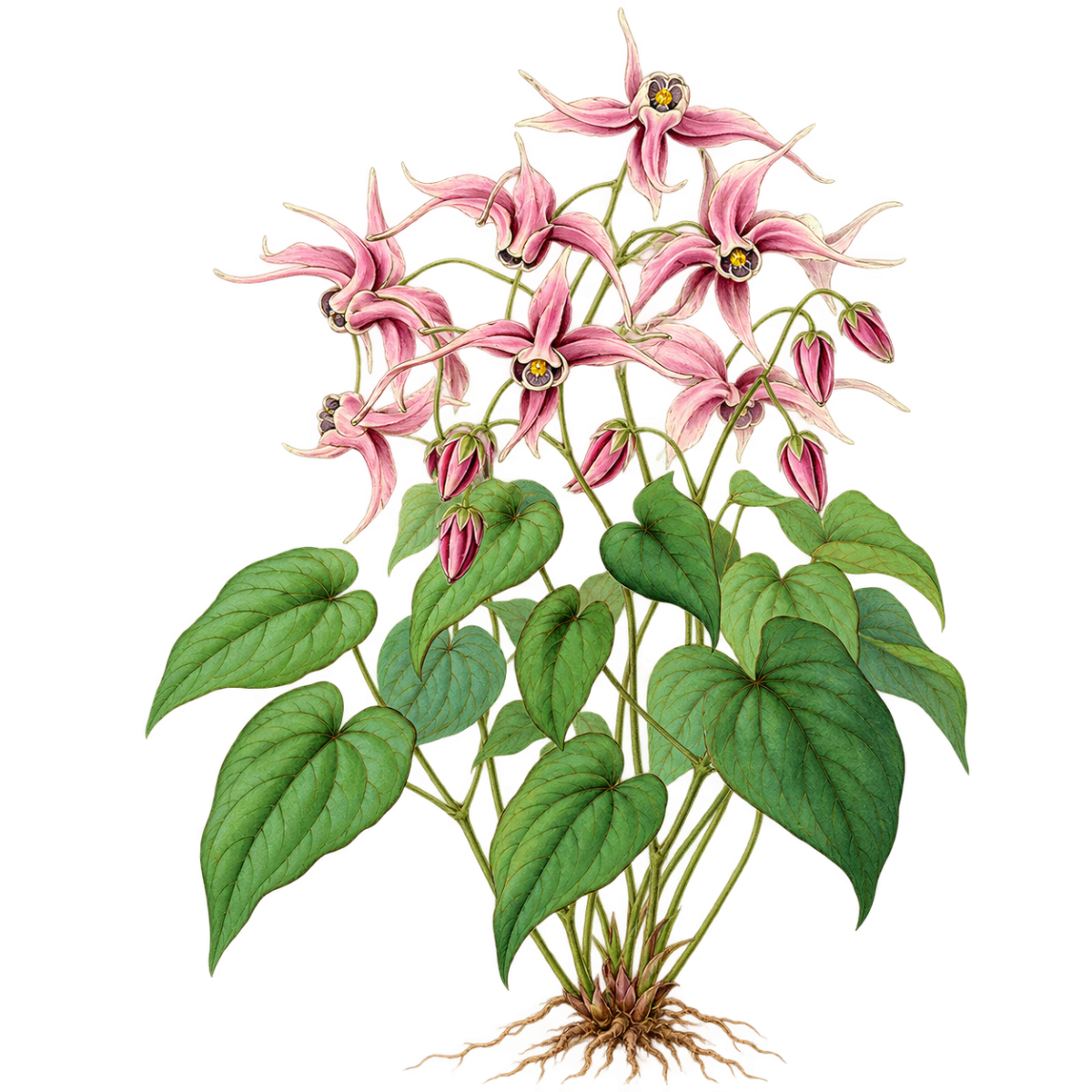
YIN YANG HUO (Epimedium Leaf, Epimedii Folium) is a well-known herb in Traditional Medicine, commonly associated with the functional profile of “warming the Kidney and supporting yang, strengthening tendons and bones, dispelling wind and eliminating dampness.” In materia medica terms, Yin Yang Huo is described as pungent and sweet in taste, warm in nature, and entering the Liver and Kidney channels—often considered when building constitutional support for vitality, musculoskeletal resilience, and long-term wellness. In traditional practice, it is frequently combined within classical-style formulas to support stamina, address low back and knee weakness, promote tendon-and-bone strength, and ease discomfort patterns linked to wind–damp influences. For musculoskeletal care, Epimedium is also widely discussed as part of a holistic approach for individuals concerned about bone health, especially when paired with appropriate movement, nutrition, and synergistic herbs. In modern herbal product development, Epimedium (Epimedii Folium) is commonly found in standardized extracts designed for men’s wellness, performance support, and bone-and-joint maintenance. When choosing a product, prioritize transparent sourcing, quality testing, clear labeling (Epimedii Folium/Epimedium leaf), usage instructions, and safety warnings to ensure responsible use.