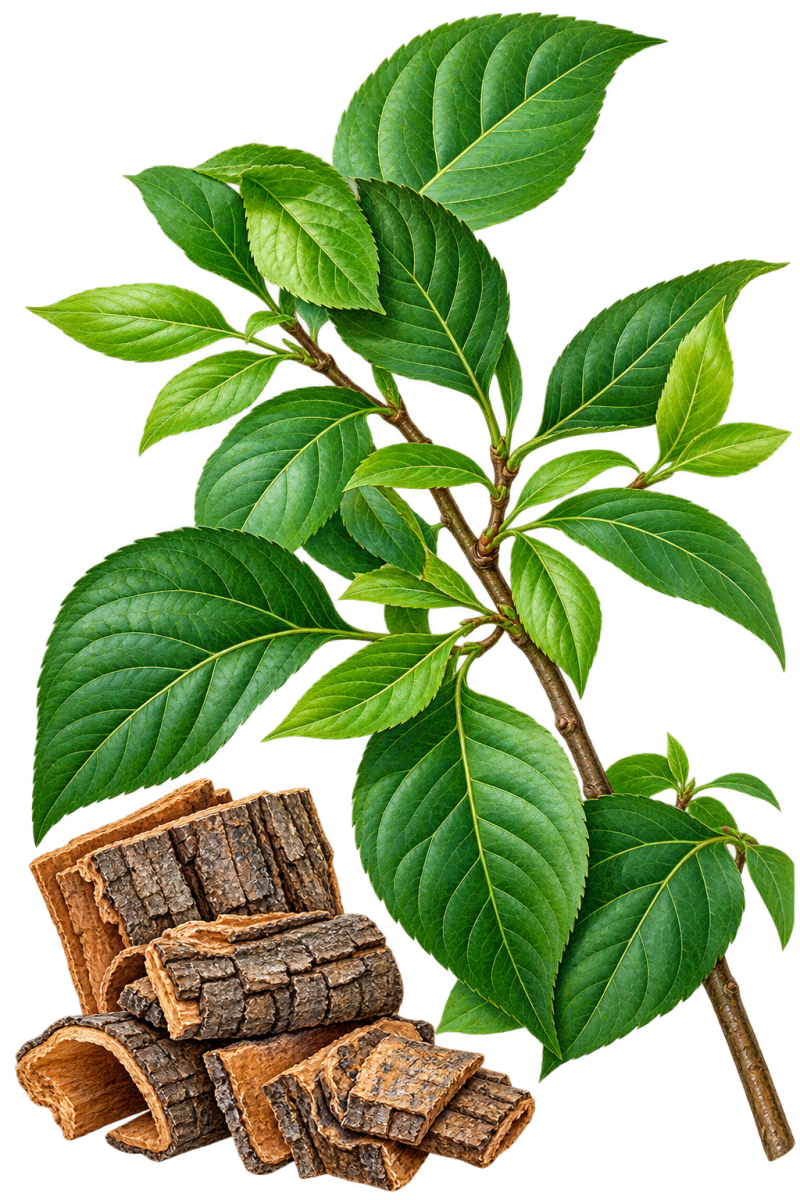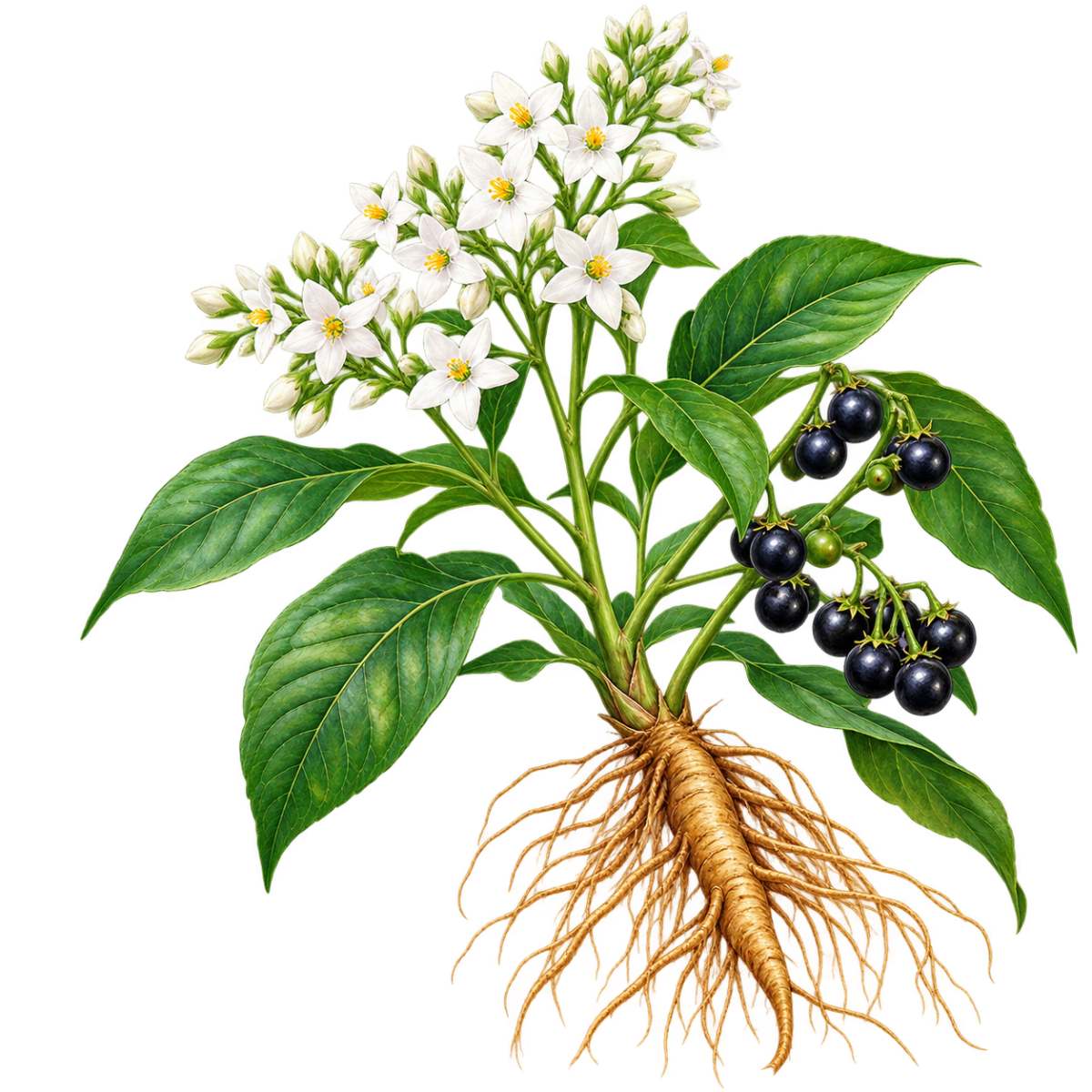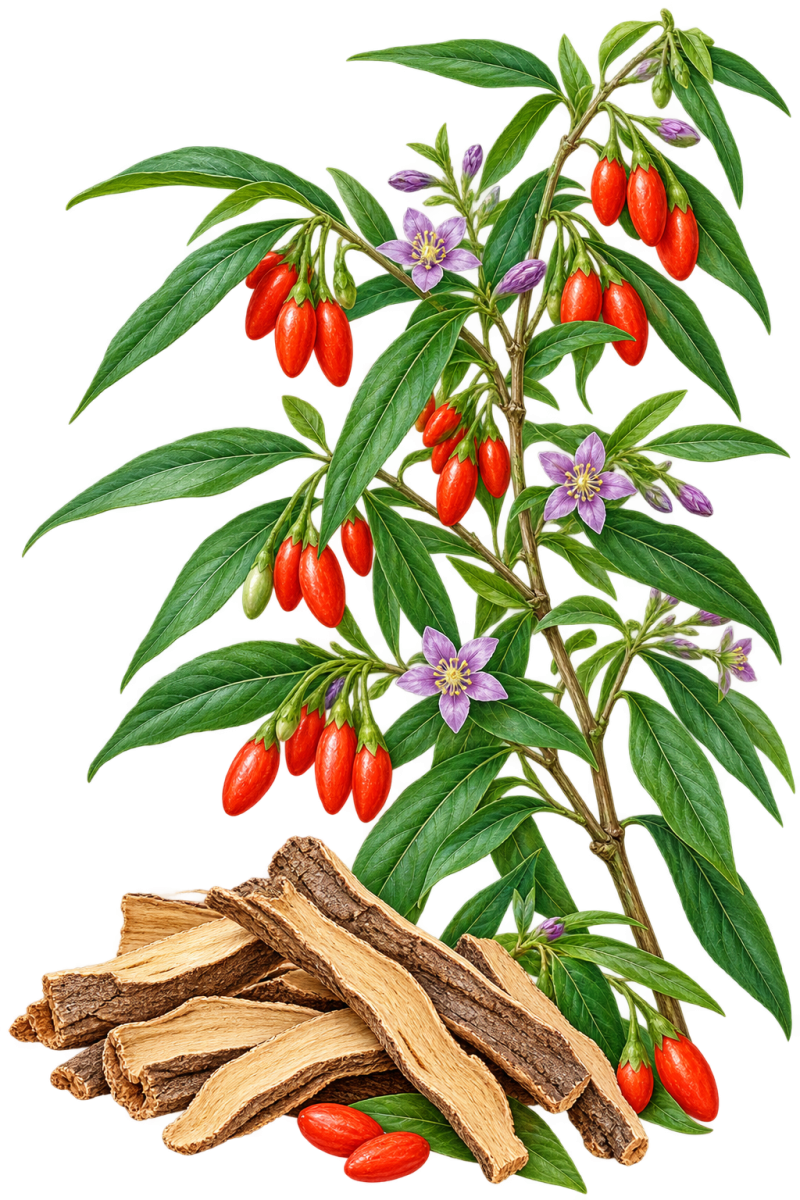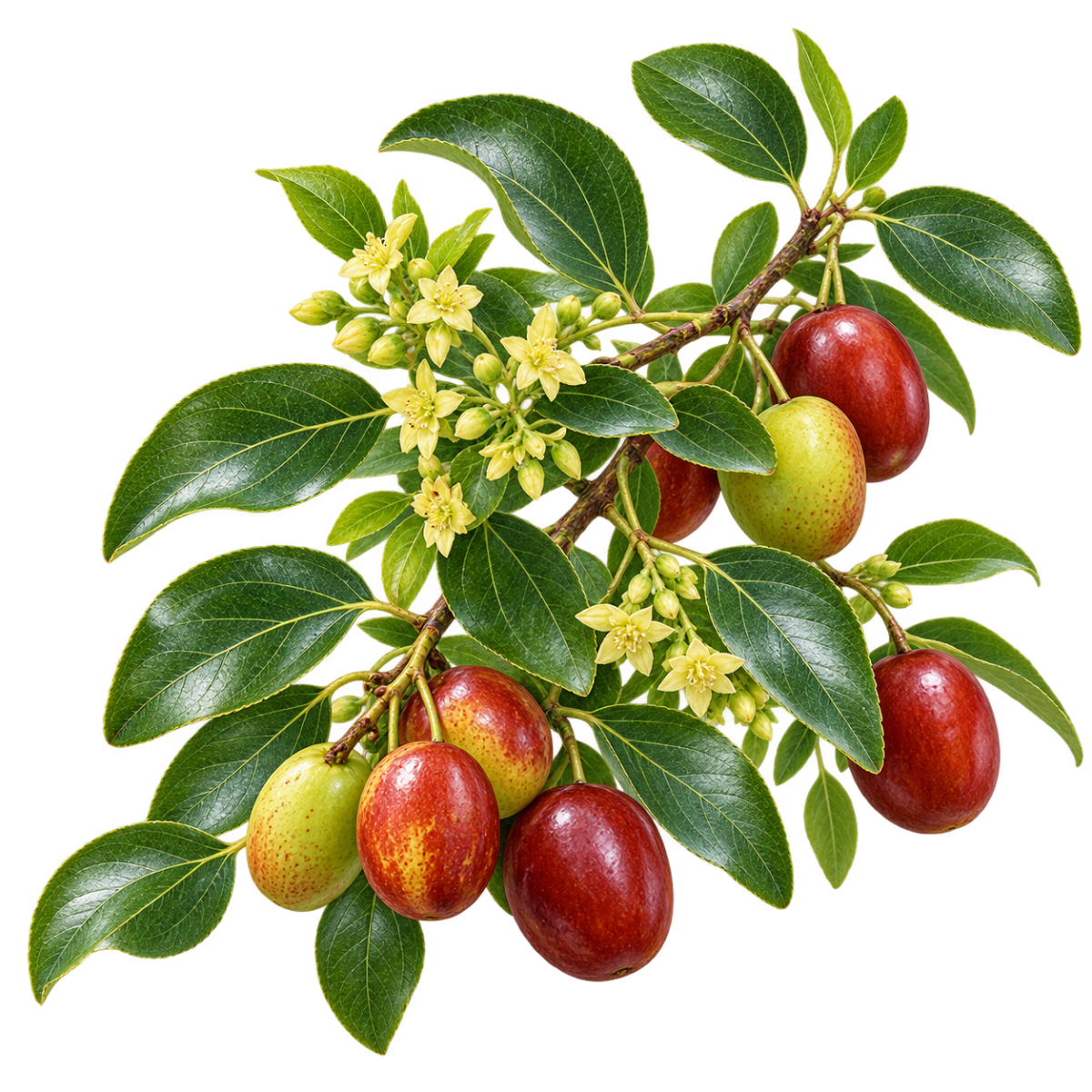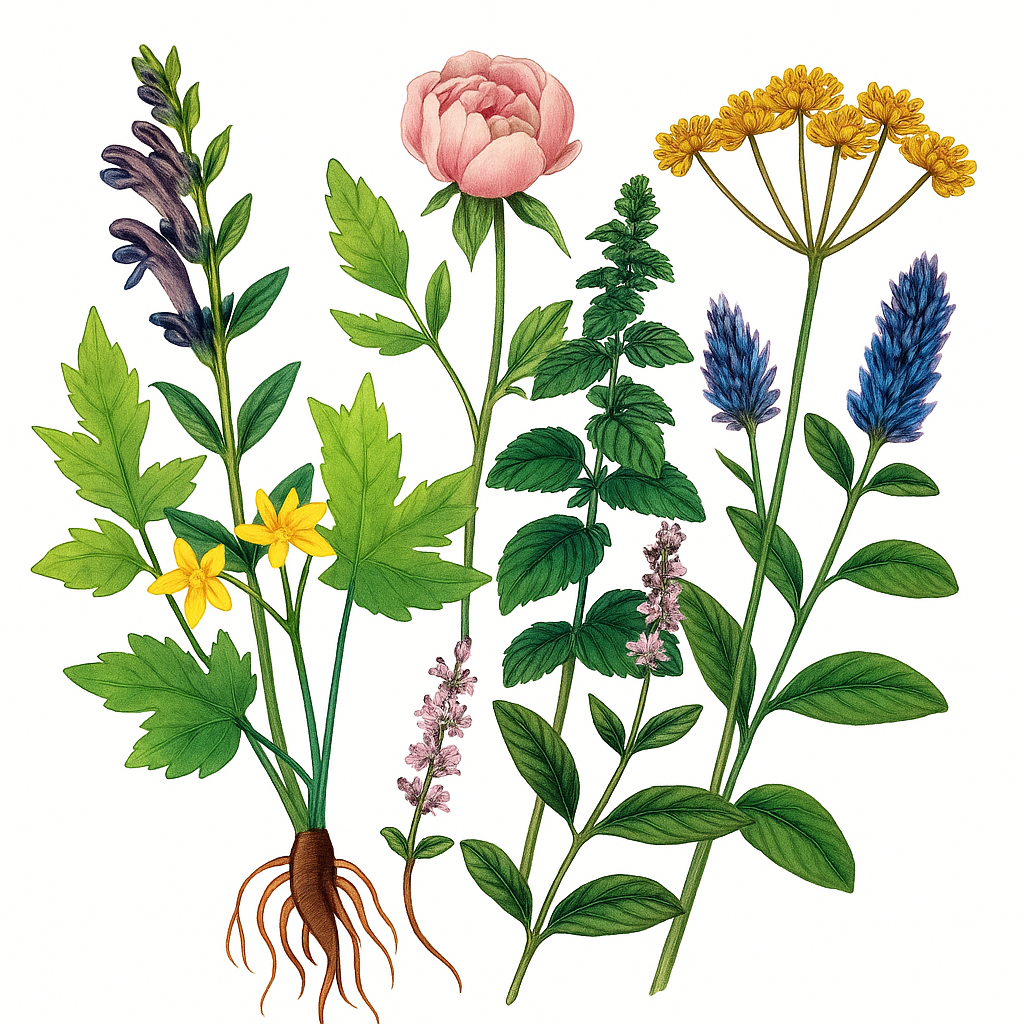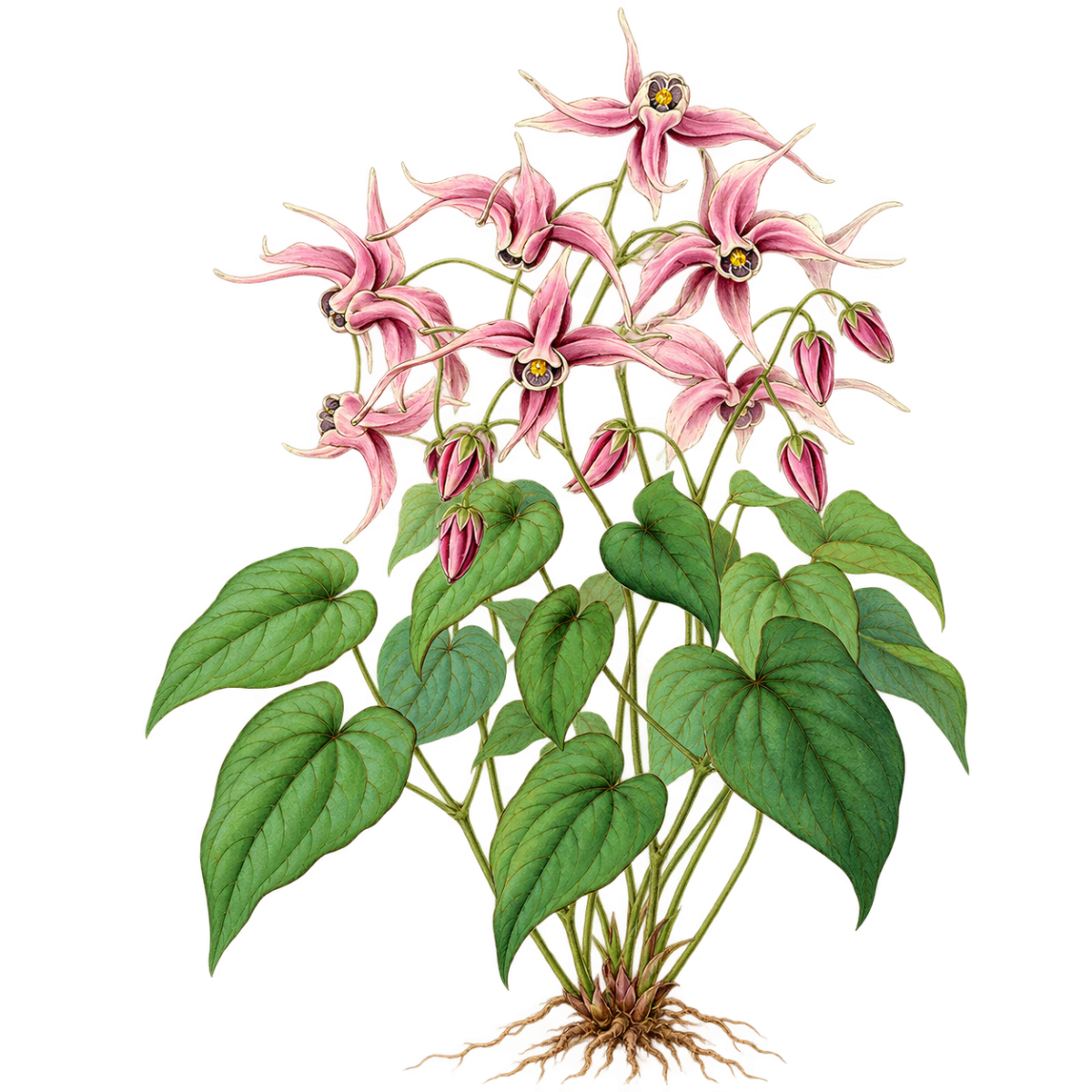
YIN YANG HUO (Epimedium Leaf, Epimedii Folium) is a well-known herb in Traditional Medicine, commonly associated with the functional profile of “warming the Kidney and supporting yang, strengthening tendons and bones, dispelling wind and eliminating dampness.” In materia medica terms, Yin Yang Huo is described as pungent and sweet in taste, warm in nature, and entering the Liver and Kidney channels—often considered when building constitutional support for vitality, musculoskeletal resilience, and long-term wellness. In traditional practice, it is frequently combined within classical-style formulas to support stamina, address low back and knee weakness, promote tendon-and-bone strength, and ease discomfort patterns linked to wind–damp influences. For musculoskeletal care, Epimedium is also widely discussed as part of a holistic approach for individuals concerned about bone health, especially when paired with appropriate movement, nutrition, and synergistic herbs.
In modern herbal product development, Epimedium (Epimedii Folium) is commonly found in standardized extracts designed for men’s wellness, performance support, and bone-and-joint maintenance. When choosing a product, prioritize transparent sourcing, quality testing, clear labeling (Epimedii Folium/Epimedium leaf), usage instructions, and safety warnings to ensure responsible use.
HERBAL NAME: EPIMEDIUM LEAF (DÂM DƯƠNG HOẮC) – Yin Yang Huo
COMMON ENGLISH NAME: Epimedium Leaf
SCIENTIFIC NAME (MEDICINAL NAME):
(Epimedii Folium)
FAMILY: Berberidaceae.
STORAGE: Store in a dry, well-ventilated place; avoid sunlight; avoid places with excessively high or excessively low humidity.
NATURE AND FLAVOR: Pungent and sweet in taste; warm in nature.
CHANNEL TROPISM: Enters the Liver and Kidney channels.
THERAPEUTIC INDICATIONS:
CHEMICAL CONSTITUENTS:
DOSAGE AND ADMINISTRATION: Use 4–12 grams/day. May be macerated in alcohol, cooked into an extract, or made into pills. For external use, decoct to obtain liquid for washing.
CONTRAINDICATIONS AND PRECAUTIONS:
Pregnant women should not use.
Kidney yang deficiency accompanied by damp-heat; erectile dysfunction due to damp-heat: do not use.
Yin deficiency with hyperactive fire: manifestations such as dry mouth, red urine, insomnia, nocturnal emission/dream emission, easy penile erection, Ministerial fire easily stirred.
Cerebral congestion or states prone to “flaring up”/hot flushes.
Cardiovascular – blood pressure
People with cardiovascular disease (coronary artery disease, heart failure, arrhythmia) or those prone to palpitations should use with caution because it may cause tachycardia or arrhythmia.
People with low blood pressure, prone to dizziness or fainting, should use with caution because it may further lower blood pressure.
Coagulation
People with coagulation disorders, easy bruising, or bleeding should use with caution because the herb may slow blood clotting.
Estrogen-sensitive conditions
People with estrogen-sensitive diseases such as breast tumors, uterine tumors, endometriosis should use with caution or should not use because the herb may have estrogen-like effects.
Dizziness
Nausea or vomiting
Dry mouth
Nosebleed
Low dose: may have a diuretic effect.
High dose: may reduce or inhibit the diuretic effect.
Beyond its therapeutic value, Epimedium (Epimedium brevicornu, E. sagittatum, E. pubescens, E. koreanum, and E. wushanense) also provides several ecological benefits:
Epimedium offers dual value—therapeutic and ecological—by providing medicinal resources while supporting pollination, soil protection, and biodiversity through sustainable cultivation and harvesting.
See More
Collapse
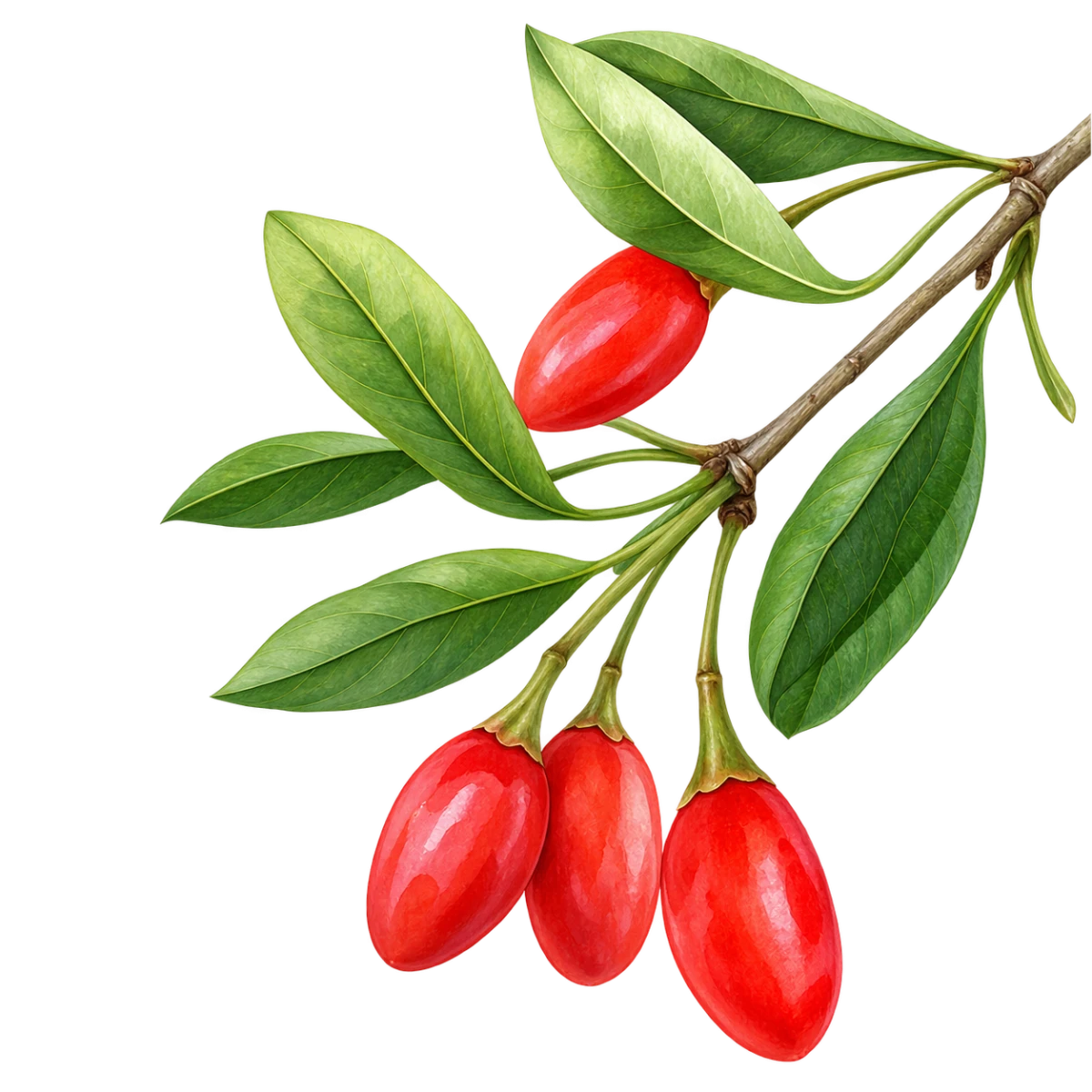
Huang Qi, also known as Astragalus root, is one of the most widely recognized herbs in Traditional Chinese Medicine for qi tonification and overall body support. In traditional practice, Huang Qi is sweet in flavor and warm in nature, and is commonly used to support the spleen and lung systems, strengthen the exterior, promote tissue recovery, and help restore vitality in weakened individuals. This herb is often searched for by people interested in herbal solutions for supporting immunity, reducing fatigue, improving general wellness, and helping the body recover after periods of low energy. Beyond its long-established traditional use, Huang Qi has also attracted modern interest because of its rich natural compounds and its role in wellness-focused herbal care. When choosing Huang Qi, buyers often look for clean raw material, reliable origin, proper processing, and careful storage to ensure quality and consistency. Huang Qi may be used alone or combined with other herbs in traditional formulas, but professional guidance is recommended for long-term use or for individuals with special health conditions. If you are looking for information about Huang Qi benefits, Huang Qi uses, how to identify quality Astragalus root, or how to choose a reliable herbal product, Huang Qi is an important qi-tonifying herb worth considering in traditional herbal medicine.
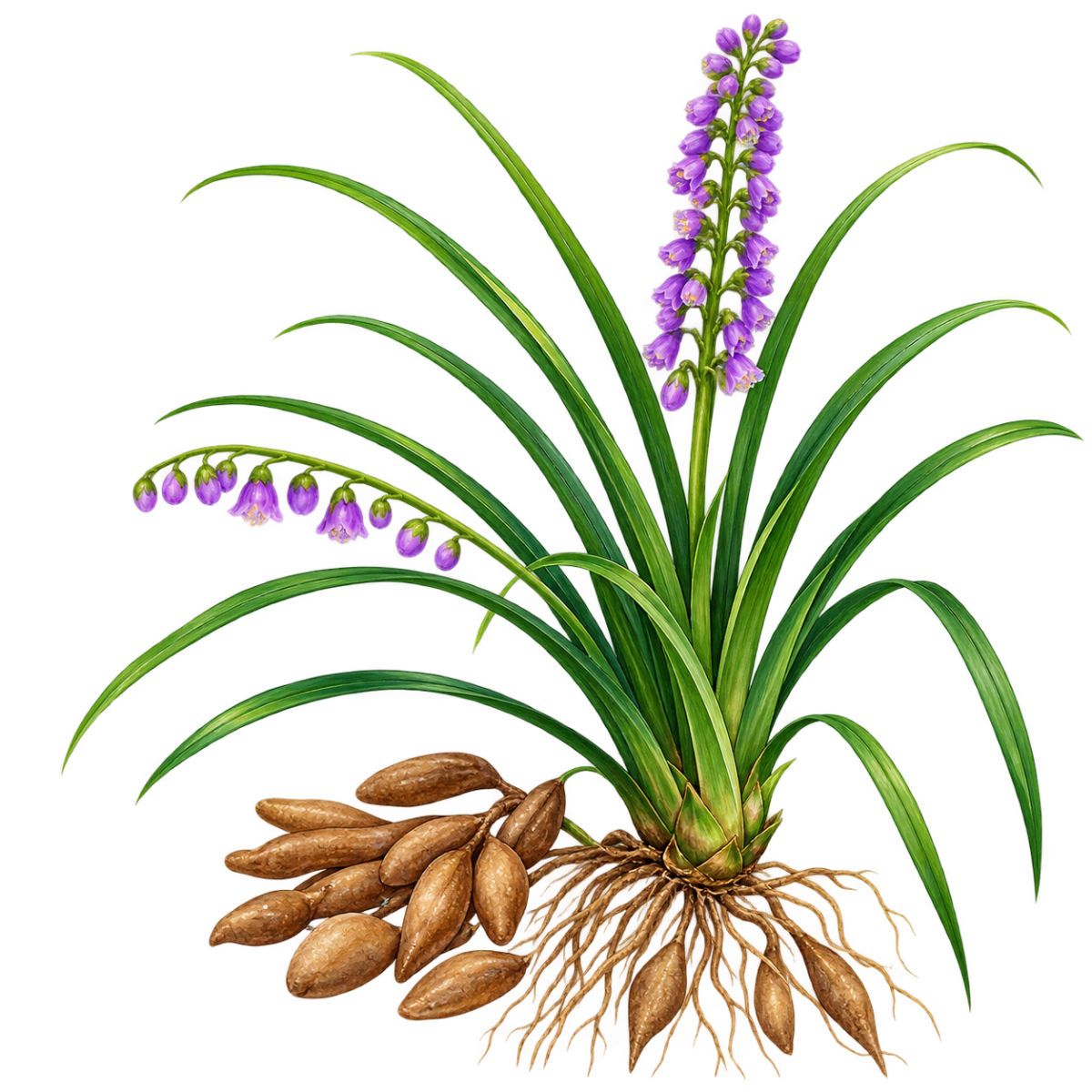
Mai Men Dong (Ophiopogon Root Tuber) is a well-known medicinal herb in Traditional Chinese Medicine (TCM), widely used for centuries for its ability to nourish Yin, generate body fluids, and relieve dryness. According to classical TCM theory, Mai Men Dong is sweet and slightly bitter in flavor, neutral with a tendency toward cold, and enters the Lung, Stomach, and Heart meridians, making it especially suitable for conditions related to Yin deficiency and depletion of fluids. Clinically, Mai Men Dong is commonly prescribed to moisten the Lungs, relieve dry cough, soothe the throat, and alleviate thirst, particularly in cases of dry cough, Lung heat, chronic bronchitis, sore throat, or prolonged pulmonary dryness. Its ability to nourish the Stomach and promote fluid production also makes it useful for digestive discomfort, dry mouth, and constipation caused by Yin deficiency. Modern pharmacological studies have identified a variety of active constituents in Mai Men Dong, including steroidal saponins (ophiopogonins), polysaccharides, amino acids, and phytosterols. These compounds contribute to its anti-inflammatory, immunomodulatory, cardioprotective, hepatoprotective, and lung-protective effects. Recent research has also explored its potential role in reducing oxidative stress, regulating immune responses, and supporting recovery from chronic fatigue or long-term overexertion. Due to its Yin-nourishing and fluid-restoring properties, Mai Men Dong is often considered in conditions involving dryness, internal heat, or constitutional weakness, and has gained attention in supportive care for certain autoimmune-related dryness syndromes. Despite its benefits, Mai Men Dong should not be used indiscriminately. Traditional guidelines advise caution in individuals with Spleen-Stomach deficiency and cold, diarrhea, heavy phlegm-dampness, or acute excess heat conditions. When used appropriately and in proper herbal combinations, Mai Men Dong remains a valuable and well-balanced herb in both traditional and integrative medicine.
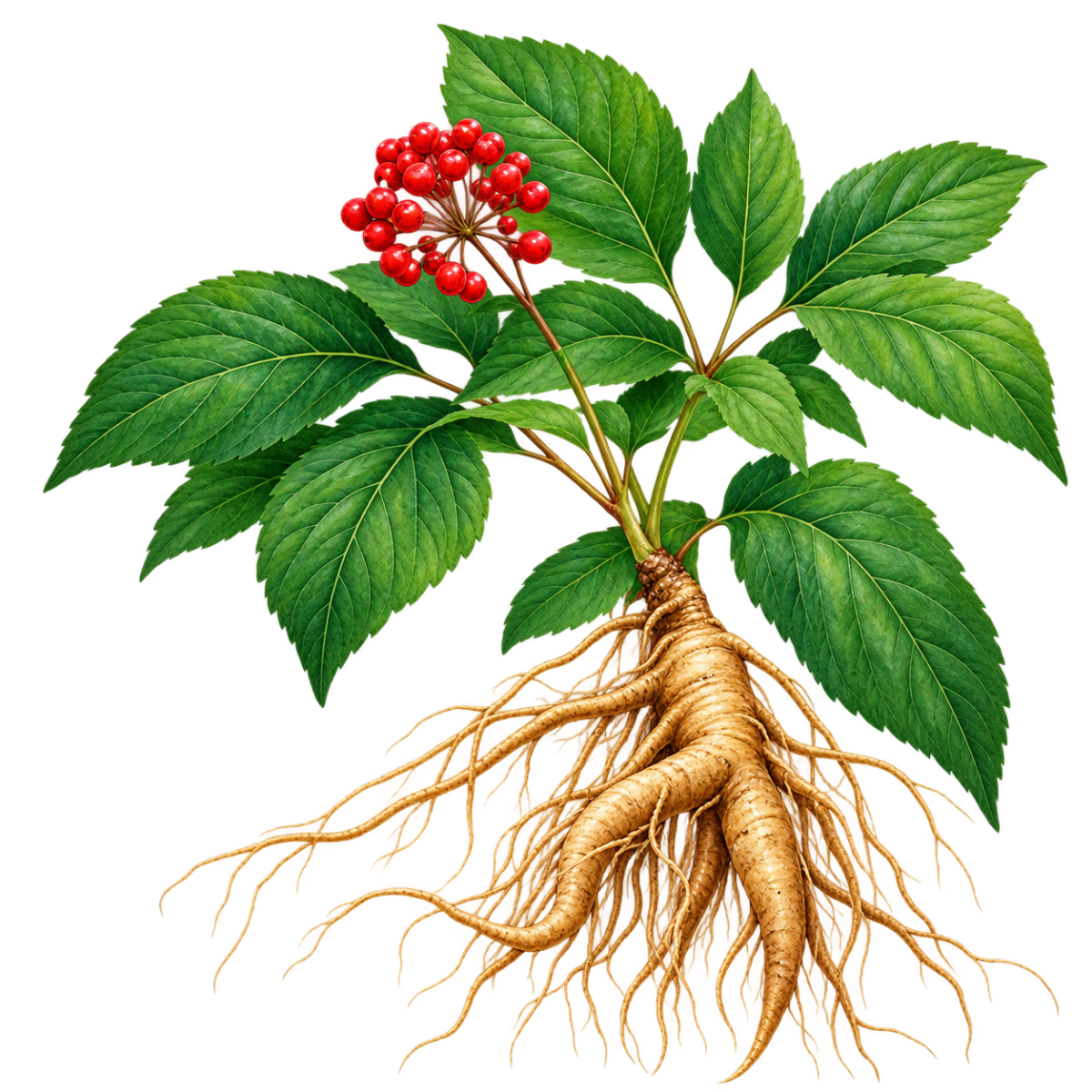
Ren Shen (Asian Ginseng) is a premium traditional herbal tonic made from carefully selected ginseng roots, processed and dried to preserve their natural active compounds. It is commonly used in decoctions, herbal teas, medicinal wines or honey infusions to help nourish qi and blood, support immune function, ease fatigue and weakness, and support cardiovascular, cognitive, sleep and hormonal health. Suitable for people under heavy workload, recovering after illness or looking for long-term daily wellness support with natural herbs.