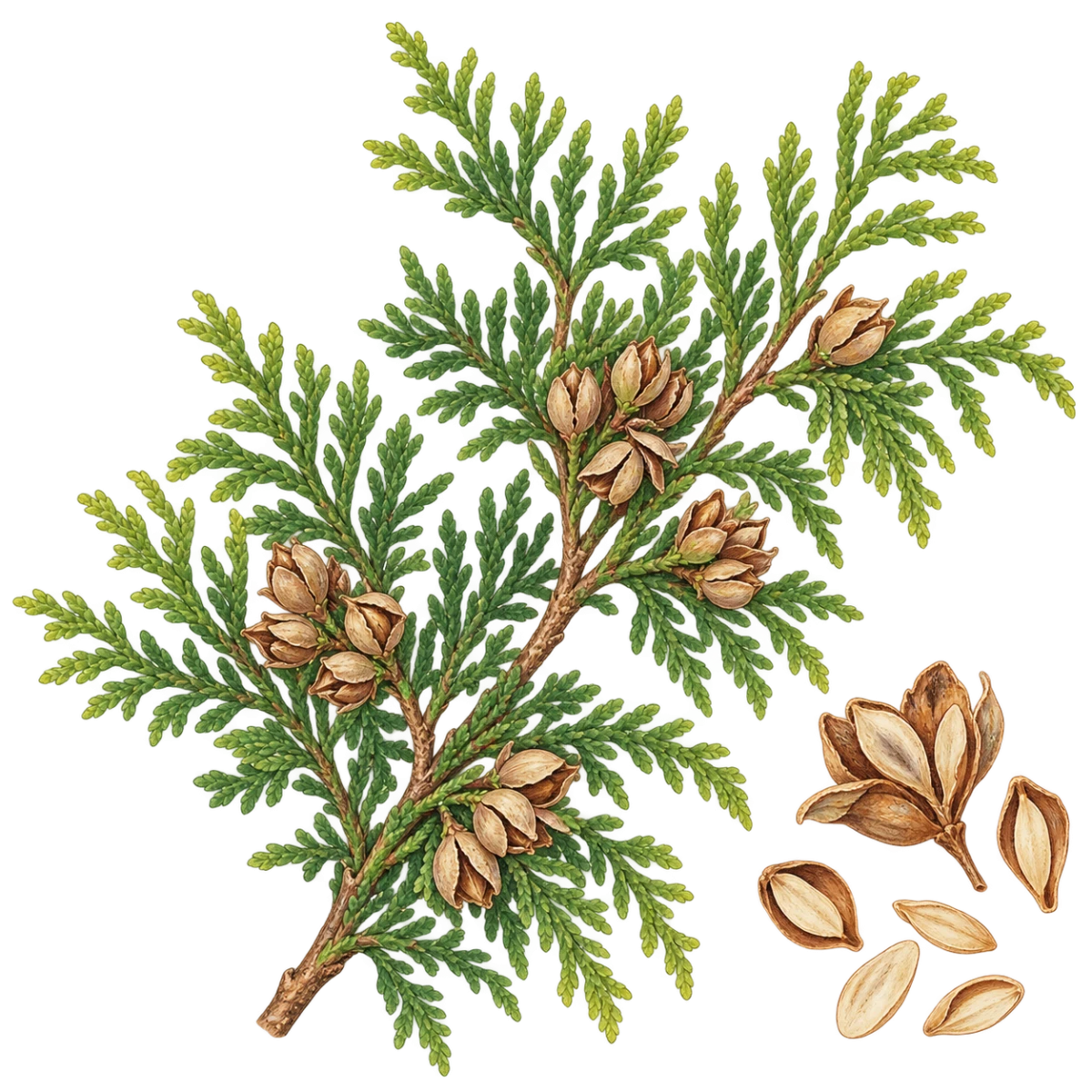
Platycladi Semen (Bai Zi Ren), the seed of Platycladus orientalis, is a renowned traditional Chinese medicinal herb valued for its calming, heart-nourishing, and anti-aging properties. Sweet and neutral in nature, it enters the Heart, Liver, Spleen, and Kidney meridians, and is widely used to treat insomnia, palpitations, forgetfulness, spontaneous sweating, constipation, and nervous exhaustion. Modern pharmacological studies have identified abundant unsaturated fatty acids, terpenoids, flavonoids, phytosterols, and saponins that contribute to its antioxidant, neuroprotective, sedative, and immune-enhancing effects. This natural composition makes Bai Zi Ren not only a traditional remedy for calming the spirit but also a valuable source of nutrients supporting cardiovascular and neurological health. Commonly included in classical TCM prescriptions such as Tian Wang Bu Xin Dan and Suan Zao Ren Tang, it helps restore vitality, improve sleep quality, enhance skin radiance, and combat aging. When using, select clean, well-dried seeds stored properly to prevent mold. Bai Zi Ren truly represents the essence of tranquility, clarity, and longevity in the art of Traditional Chinese Medicine.
Bo He (Menthae Haplocalycis Herba), commonly known as Field Mint, is a classical herb in Traditional Chinese Medicine known for its pungent, cooling nature and its actions on the Lung, Liver, and Gallbladder meridians. Widely used in Wind-Heat exterior syndromes, it helps clear Heat from the head and face, relieve headaches, soothe sore throat, open the nasal passages, promote sweating, and support natural fever reduction. Beyond respiratory benefits, Bo He also improves digestion by relaxing smooth muscles, reducing gastrointestinal spasms, relieving bloating, nausea, and supporting bile secretion. Modern studies highlight its antibacterial, antiviral, and antifungal properties. The herb also soothes Liver Qi stagnation, reduces stress, brightens the eyes, enhances mental clarity, and boosts alertness. Rich in menthol, its essential oil provides cooling analgesia, reduces neuropathic and muscular pain, and improves scalp microcirculation, supporting hair growth. Despite its many benefits, Bo He is contraindicated for individuals with Qi Deficiency, Yang Deficiency Cold (Xu Han), spontaneous sweating, hyperactive Liver Yang, and should not be used topically for infants due to the risk of respiratory suppression. This article presents a complete overview of Bo He's therapeutic actions, properties, chemical constituents, dosage, and safety considerations based on both TCM principles and modern research.
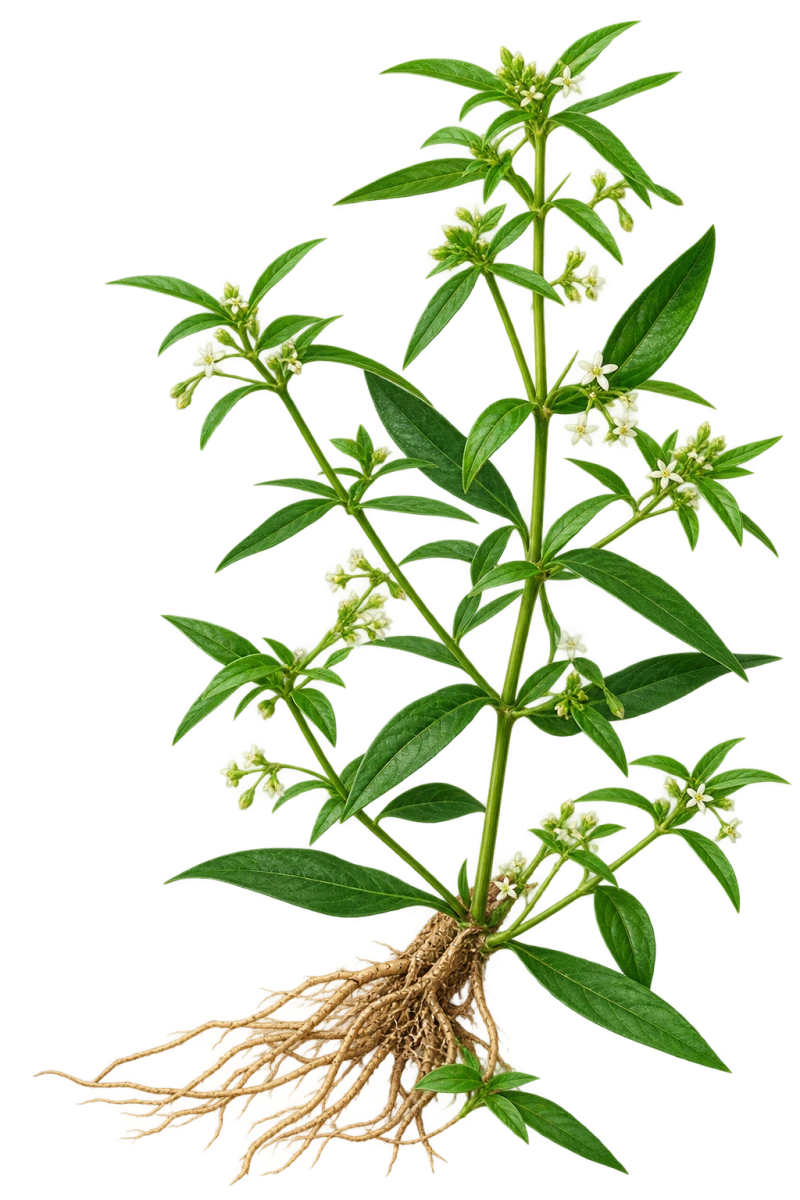
Bai Hua She She Cao (Hedyotis diffusa) is a widely used herbal medicine in Traditional Chinese Medicine, valued for its strong heat-clearing, detoxifying, damp-draining, and nodule-dispelling properties. It is commonly prescribed for inflammatory conditions, including lung-heat cough, pneumonia, sore throat, tonsillitis, and various hepatobiliary disorders such as hepatitis, jaundice, hepatosplenomegaly, and early-stage cirrhosis. The herb also promotes diuresis, reduces urinary tract inflammation, alleviates hydrocele, and supports the treatment of hemorrhoids, dysentery, enteritis, and digestive problems caused by damp-heat. Modern studies have demonstrated notable antibacterial, antiviral, antioxidant, hepatoprotective, and renoprotective activities, as well as inhibitory effects on abnormal cell proliferation—making it a valuable adjunctive therapy in the early management of cancers such as gastric, colorectal, hepatic, and pulmonary tumors. Externally, the herb is applied to treat abscesses, skin ulcers, scabies, and acne. Its rich chemical composition—including iridoid glycosides, flavonoids, anthraquinones, phenolic acids, triterpenoids, and immunomodulatory polysaccharides—contributes to its diverse therapeutic benefits. When used at appropriate dosages and under professional guidance, Bai Hua She She Cao provides broad-spectrum support for detoxification, immune regulation, and systemic health, making it an essential herb in both traditional prescriptions and modern functional applications.
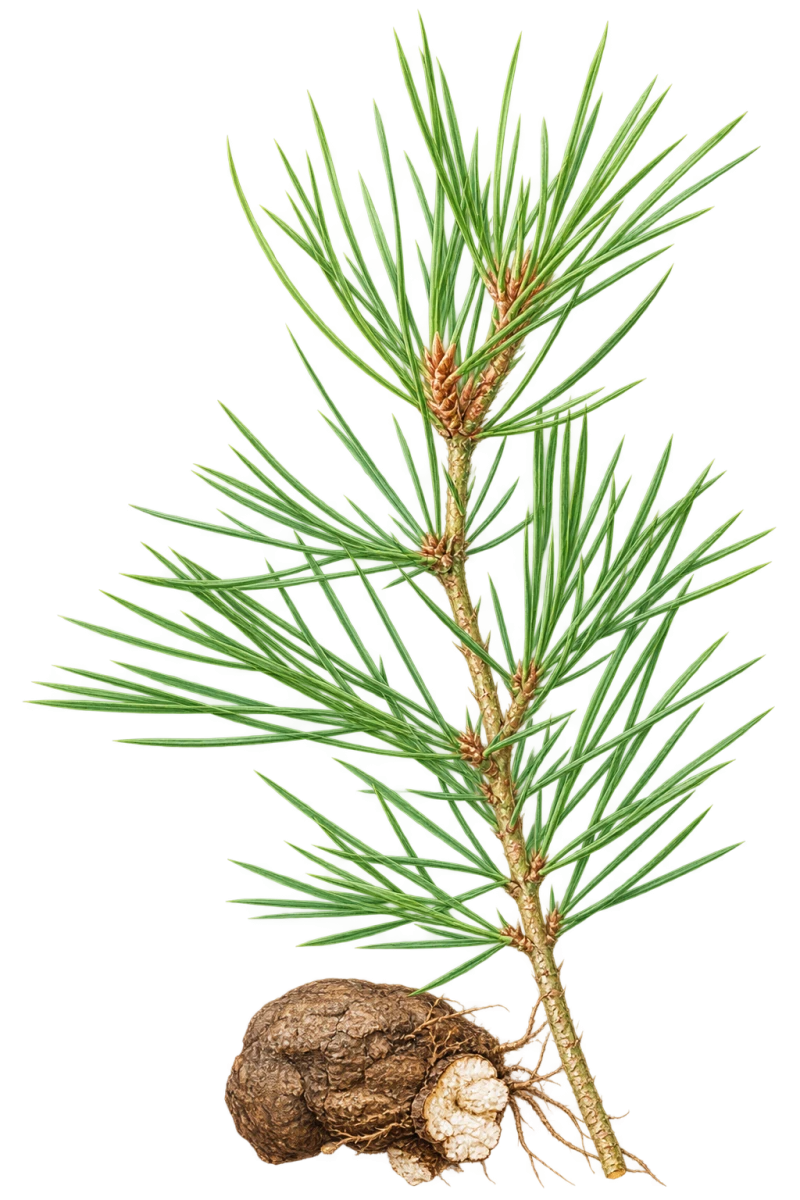
Poria cocos (Fu Ling, Indian Bread) is a renowned Traditional Chinese Medicine (TCM) herb valued for its diuretic, spleen-tonifying, and tranquilizing properties. Belonging to the Polyporaceae family, Poria cocos is the dried sclerotium of a fungus that parasitizes pine roots. Sweet and neutral in nature, it enters the Heart, Spleen, Lung, and Kidney meridians, helping to regulate Qi and Blood, harmonize Yin and Yang, and restore vitality. Modern pharmacological research shows that Poria contains polysaccharides, triterpenoids, and sterols with proven effects on enhancing immunity, lowering blood sugar, protecting the liver, improving memory, and inhibiting tumor growth. In skincare, it promotes a brighter, smoother complexion, reduces hyperpigmentation, delays aging, and supports longevity. Historically favored by Empress Dowager Cixi and poet Su Dongpo, Fu Ling is regarded as an elixir for health, beauty, and longevity. As a holistic remedy, Poria cocos purifies the body, nourishes the spirit, strengthens internal organs, and promotes harmony between mind and body — making it an essential herb in modern wellness and traditional Asian healing.
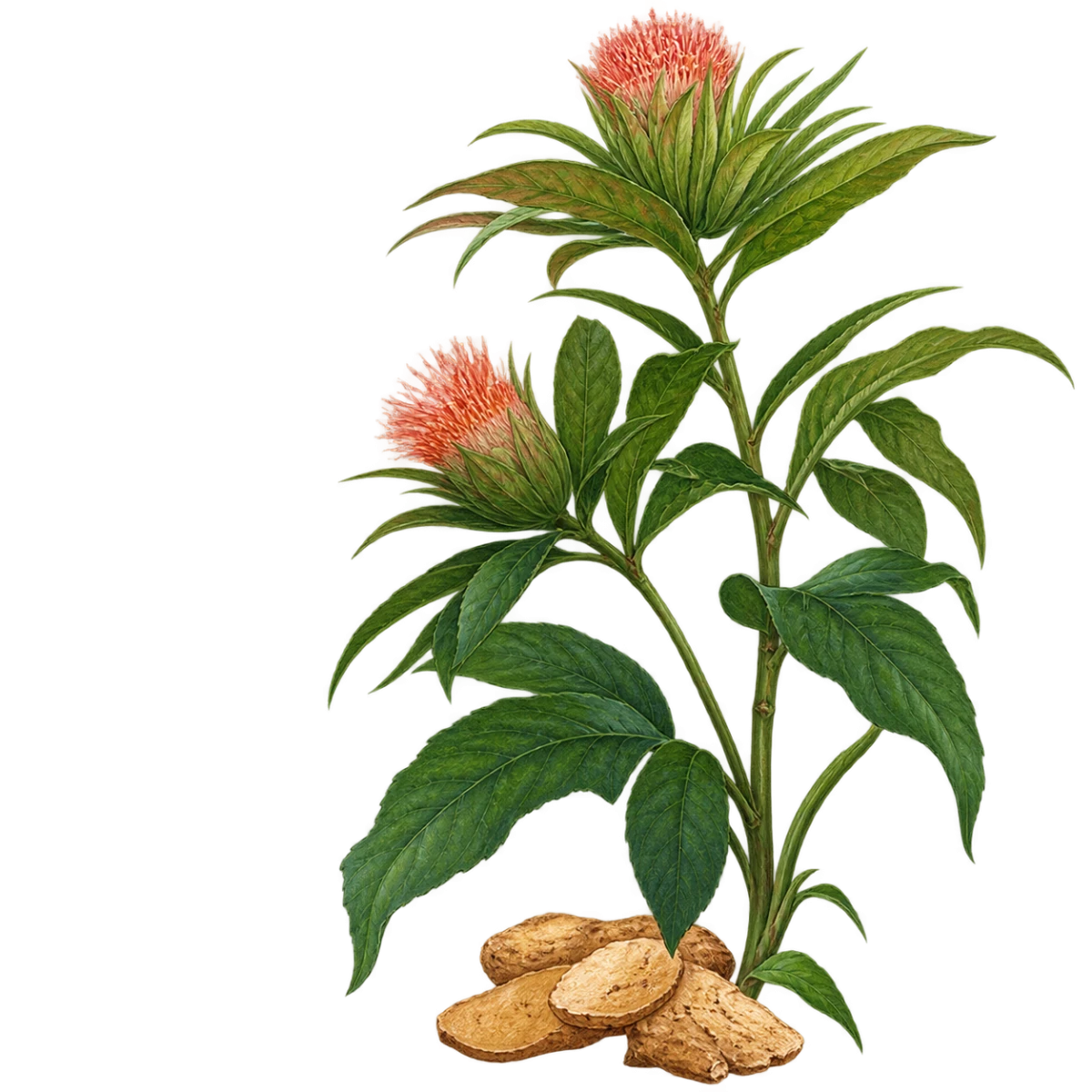
Bai Zhu (Atractylodes macrocephala Koidz.) is a classical herb in Traditional Chinese Medicine renowned for its actions in tonifying the Spleen, drying dampness, replenishing Qi, calming the mind, reducing inflammation, and enhancing immunity. The rhizome of this Asteraceae plant is used to strengthen digestion, alleviate fatigue, reduce edema, support liver health, relieve joint pain, and combat nervous exhaustion. Rich in active compounds such as Atractylenolides I–III and aromatic sesquiterpenes, Bai Zhu demonstrates antioxidant, anti-aging, hepatoprotective, and antitumor properties. Known as the “great tonic for the Spleen,” Bai Zhu not only improves gastrointestinal function but also boosts resilience, restores vitality, and is especially beneficial for individuals experiencing weak digestion, low energy, or convalescence after illness.
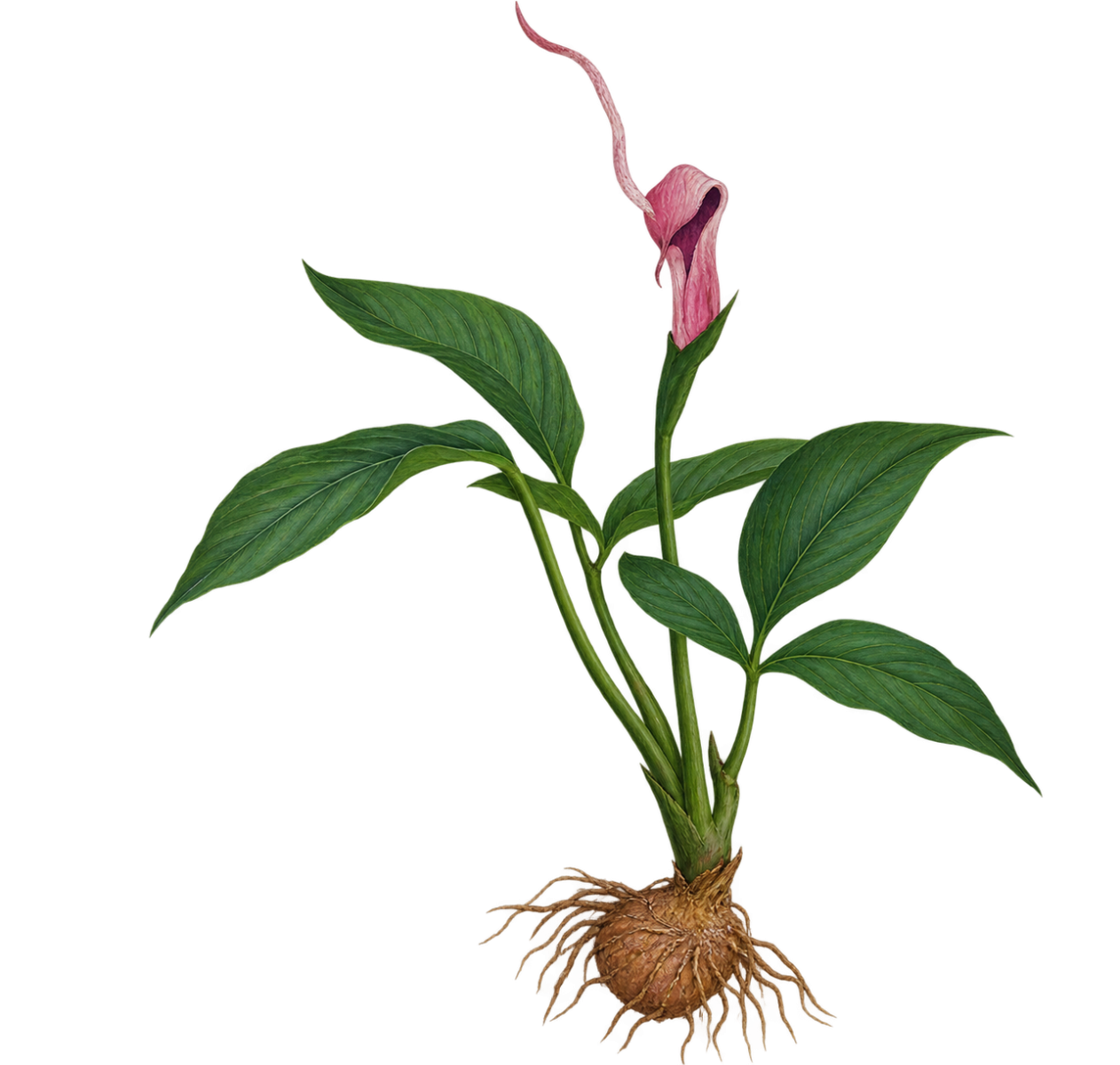
Pinellia Tuber is a traditional medicinal herb used to resolve phlegm, redirect rebellious qi downward, stop vomiting, and disperse nodules. It is commonly prescribed for treating excessive phlegm cough, nausea, chest fullness, and dizziness caused by phlegm retention, while also helping reduce inflammation and swelling.