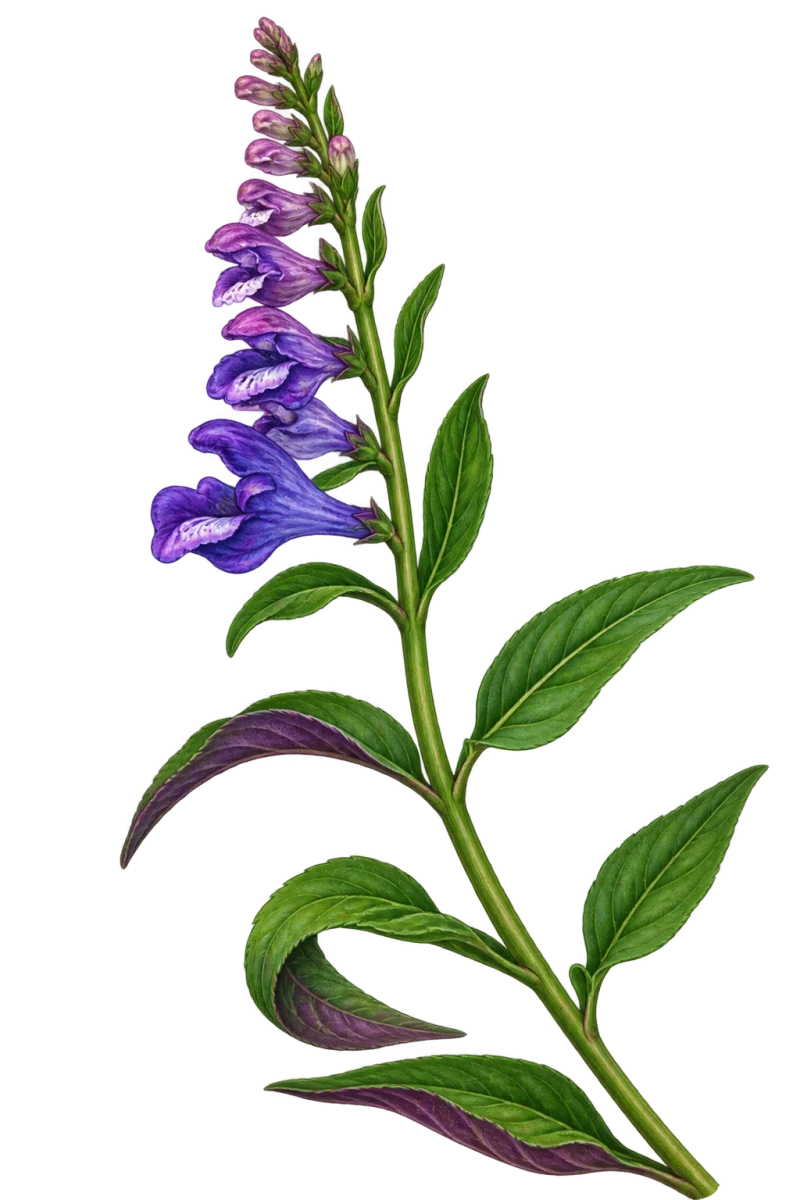
Scutellariae Barbatae Herba (Scutellaria barbata D. Don), commonly known as Barbat Skullcap, is a highly valued medicinal herb in Traditional Chinese Medicine, widely used for clearing heat, detoxifying fire-toxicity, reducing inflammation, and supporting anticancer therapy. Belonging to the Lamiaceae family, this slightly bitter and cooling herb enters the Liver, Lung, and Kidney meridians, making it effective for managing infections, toxic heat syndromes, edema, and immune-related conditions. Modern pharmacological studies highlight its rich profile of flavonoids and diterpenoids—including scutellarin, baicalein, wogonin, and scutebarbatine A–D—known for their antioxidant, anti-inflammatory, hepatoprotective, and antitumor properties. Clinically, Scutellaria barbata is applied in the management of hepatitis, cirrhosis with ascites, appendicitis, intestinal abscess, pulmonary abscess, cellulitis, boils, edema, and various conditions of the respiratory and urinary systems associated with damp-heat and toxic stagnation. Fresh herb may also be used externally for infected wounds, painful swellings, and insect bites. With its broad spectrum of therapeutic actions and evidence-supported bioactive compounds, Barbat Skullcap stands as an essential herb in natural healthcare, offering powerful support for chronic disease prevention and integrative oncology within the framework of Traditional Chinese Medicine.
Radix Puerariae (Ge Gen) – also known as Kudzu Root, Cam Ge Gen, or Bai Ge Gen – is the root of Pueraria lobata (Willd.) Ohwi, a precious herb in Traditional Chinese Medicine. With a sweet and acrid flavor, neutral nature, entering the Spleen, Stomach, Lung, and Bladder meridians, Ge Gen is widely used to clear heat, release the exterior, promote body fluids, relieve muscle tension, stop diarrhea, and detoxify alcohol. Modern studies have confirmed that its bioactive compounds—Puerarin, Daidzein, and Genistein—exhibit vasodilatory, anti-inflammatory, antioxidant, and hepatoprotective properties. Ge Gen helps improve cerebral and coronary circulation, supporting the treatment of hypertension, diabetes, hyperlipidemia, and menopausal symptoms. Traditionally, it is also valued for its ability to relieve fever, reduce thirst, and alleviate gastrointestinal disorders. In folk medicine, Kudzu starch drink made from Ge Gen is used as a cooling, detoxifying, and beautifying tonic, helping to soothe the liver and nourish the body. With its broad range of therapeutic effects and modern scientific backing, Ge Gen (Radix Puerariae) stands as a key medicinal herb in both classical formulas and modern health applications, balancing tradition and evidence-based wellness.
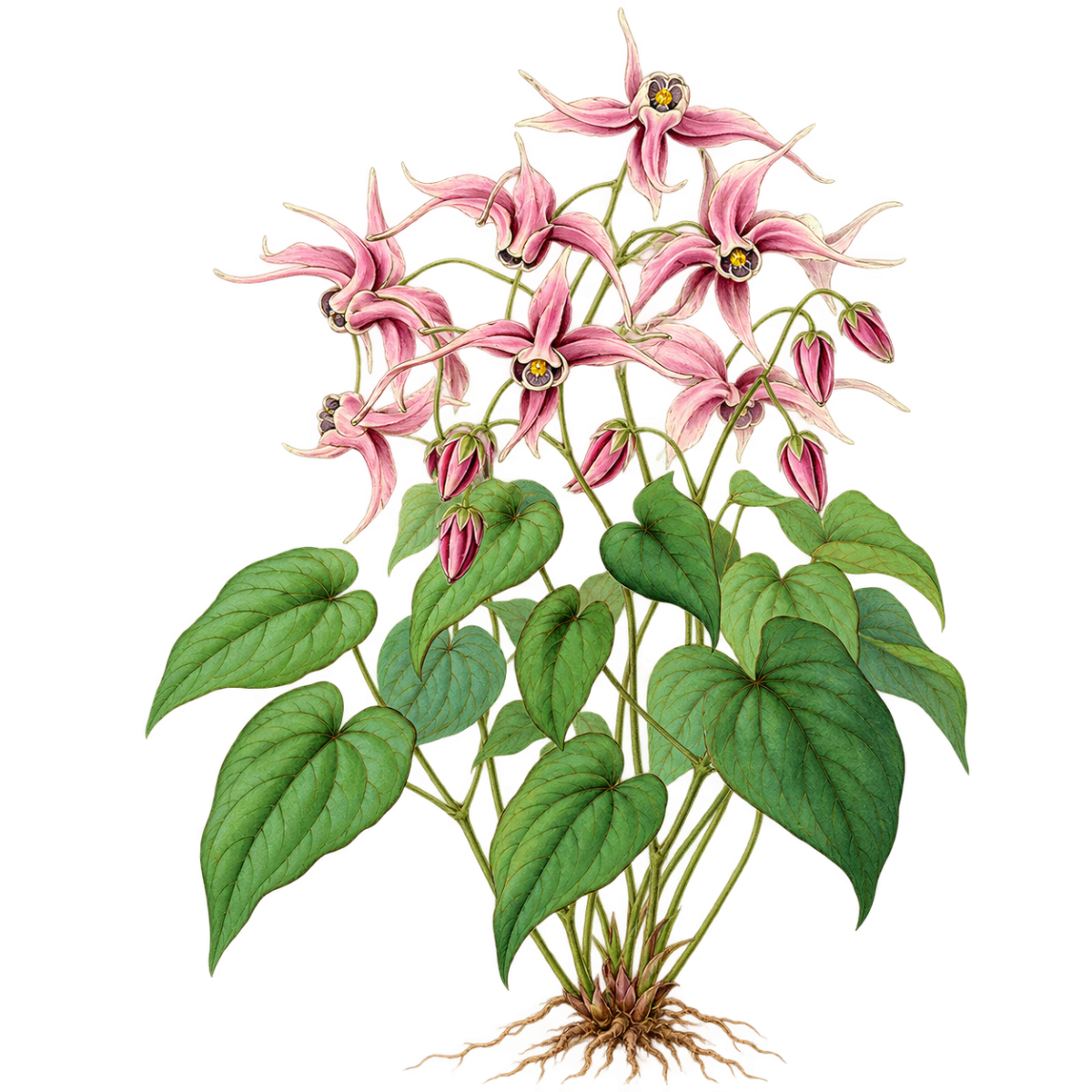
YIN YANG HUO (Epimedium Leaf, Epimedii Folium) is a well-known herb in Traditional Medicine, commonly associated with the functional profile of “warming the Kidney and supporting yang, strengthening tendons and bones, dispelling wind and eliminating dampness.” In materia medica terms, Yin Yang Huo is described as pungent and sweet in taste, warm in nature, and entering the Liver and Kidney channels—often considered when building constitutional support for vitality, musculoskeletal resilience, and long-term wellness. In traditional practice, it is frequently combined within classical-style formulas to support stamina, address low back and knee weakness, promote tendon-and-bone strength, and ease discomfort patterns linked to wind–damp influences. For musculoskeletal care, Epimedium is also widely discussed as part of a holistic approach for individuals concerned about bone health, especially when paired with appropriate movement, nutrition, and synergistic herbs. In modern herbal product development, Epimedium (Epimedii Folium) is commonly found in standardized extracts designed for men’s wellness, performance support, and bone-and-joint maintenance. When choosing a product, prioritize transparent sourcing, quality testing, clear labeling (Epimedii Folium/Epimedium leaf), usage instructions, and safety warnings to ensure responsible use.