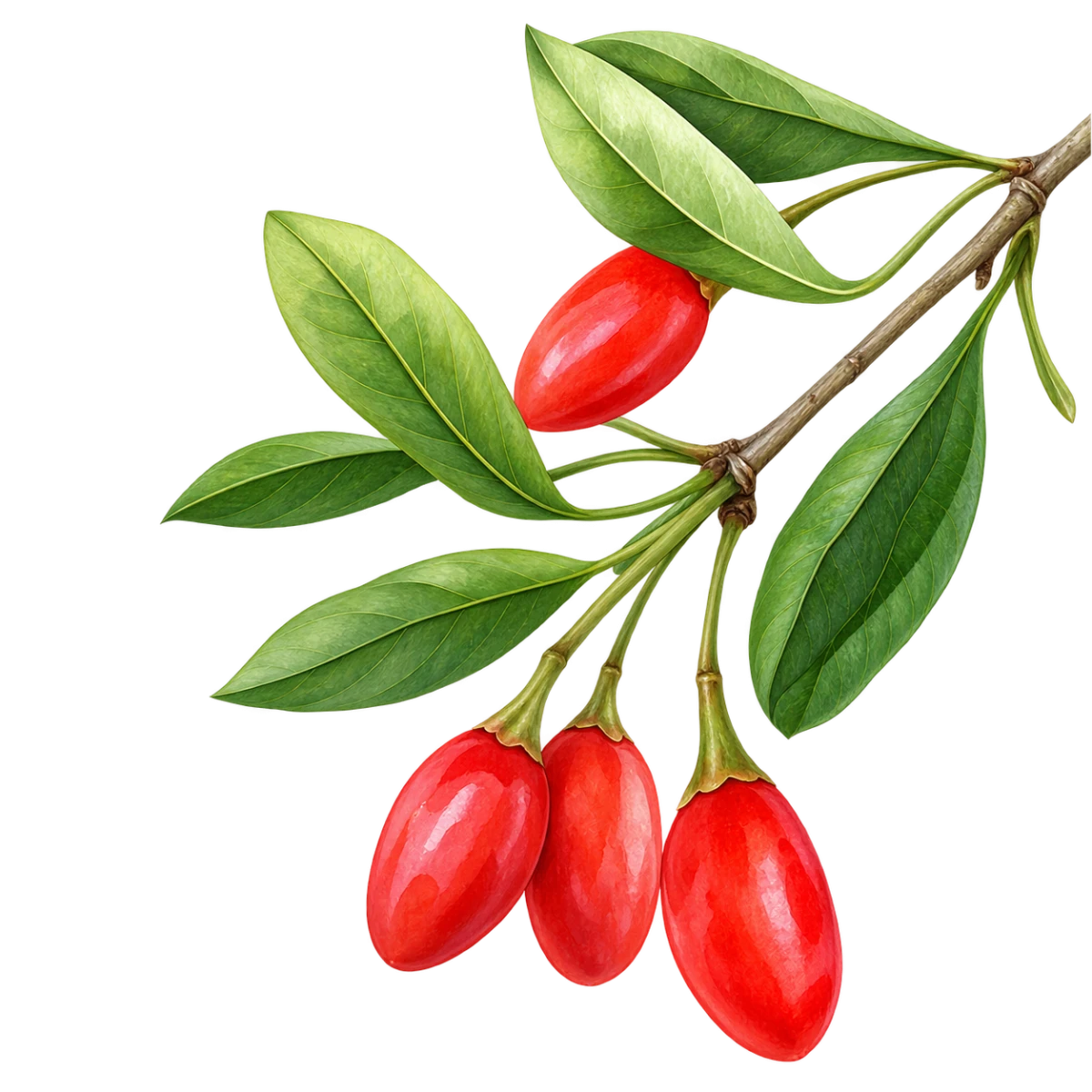
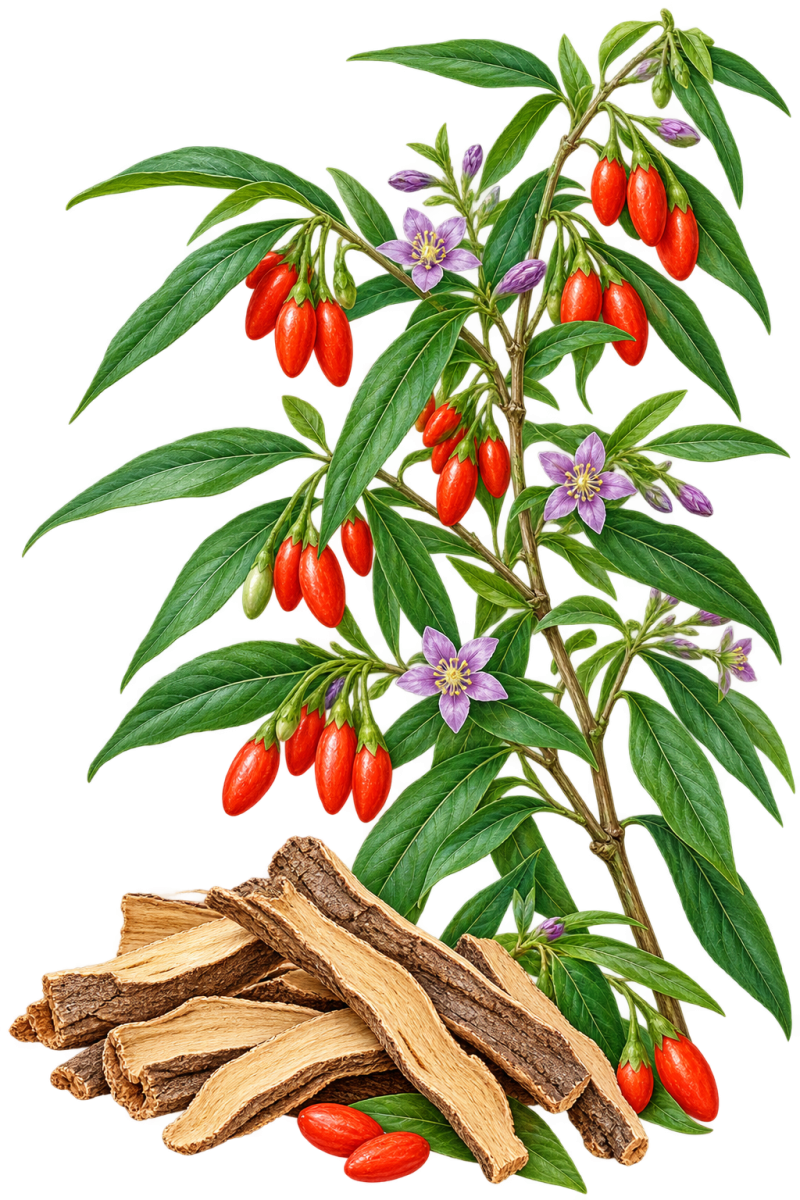
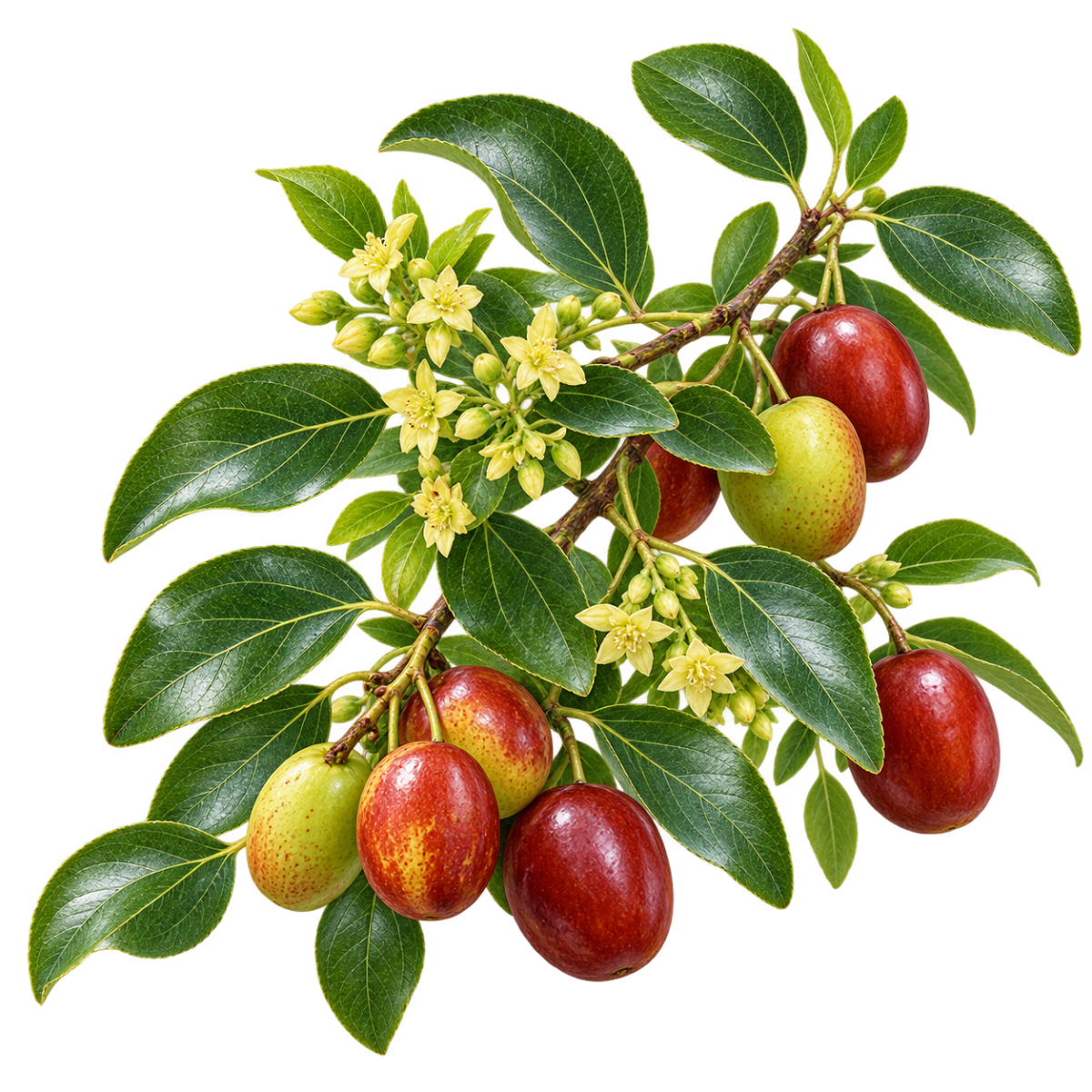
Gou Qi Zi (Goji Berry) – a classic TCM tonic that nourishes Liver and Kidney, enriches Blood, enhances immunity, and delays aging with abundant bioactive compounds.
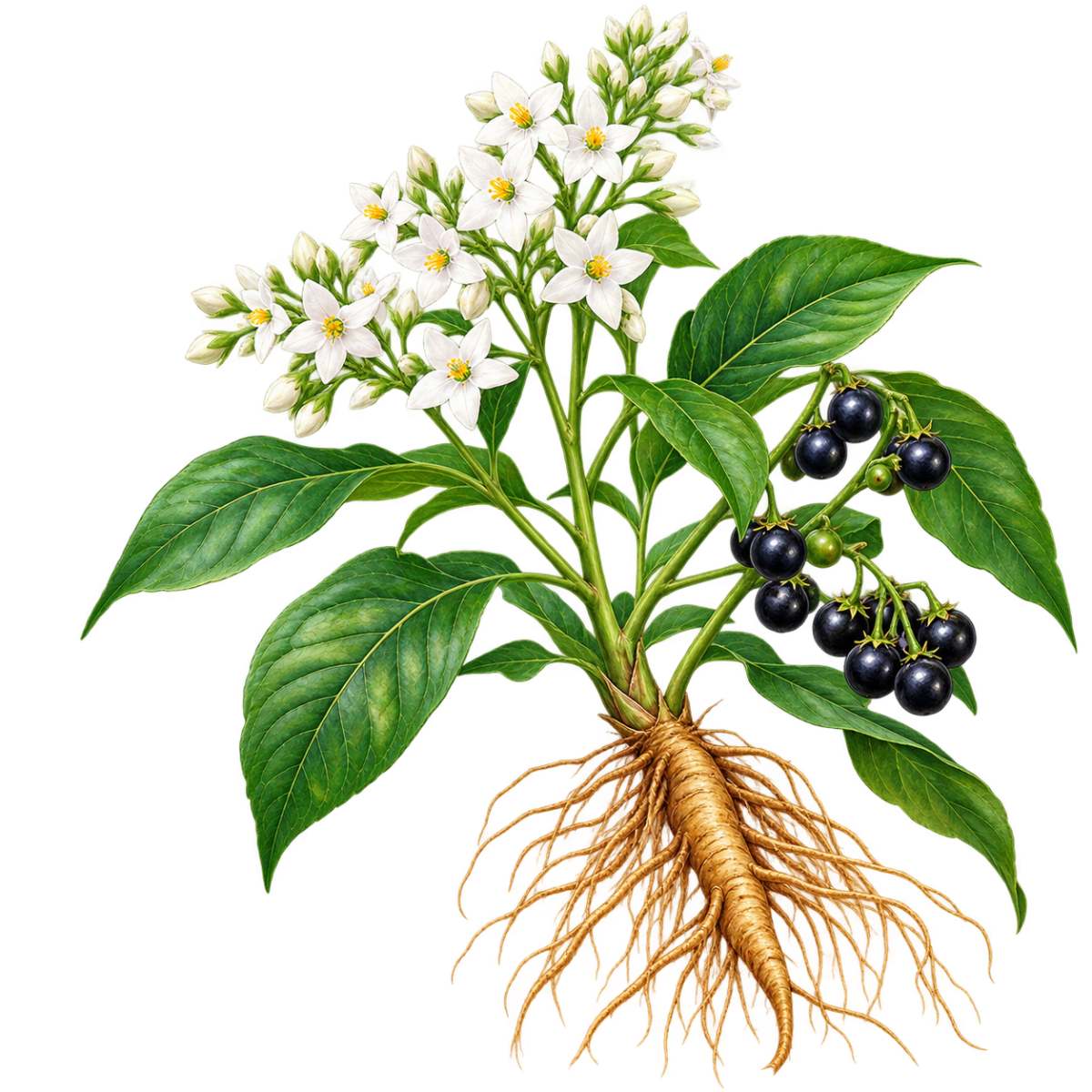
Nu Zhen Zi (Ligustri Lucidi Fructus), known as Glossy Privet Fruit, is a classic Yin-tonifying herb in Traditional Chinese Medicine, renowned for nourishing the Liver and Kidney, strengthening bones and tendons, brightening the eyes, and supporting overall anti-aging. Derived from the ripe dried fruit of Ligustrum lucidum, this herb has been widely used for centuries in formulas that replenish Essence (Jing), improve lumbar and knee weakness, reduce tinnitus, relieve dizziness, and address premature graying or hair loss caused by Liver–Kidney Yin deficiency. Modern research highlights the herb’s rich content of oleanolic acid, flavonoids, triterpenoids, saponins, and potent antioxidants, offering strong evidence for its hepatoprotective, hypoglycemic, and lipid-lowering effects. Nu Zhen Zi has been shown to enhance immune function, increase leukocyte counts after chemotherapy, reduce neuroinflammation, and protect neural tissues—making it a promising ingredient for supporting neurological health, memory, and cognitive resilience. Additionally, it exhibits potential benefits in vitiligo treatment by promoting melanocyte proliferation and migration. With its bitter-sweet and cooling properties, entering the Liver and Kidney meridians, Nu Zhen Zi is suitable for individuals with Yin deficiency, internal heat, menopausal symptoms, dry eyes, fatigue, and chronic weakness of the lower back and knees. This herb is an ideal choice for modern wellness formulations aimed at nourishing Kidney Yin, protecting the liver, improving vision, restoring vitality, and enhancing overall longevity in a holistic TCM approach.
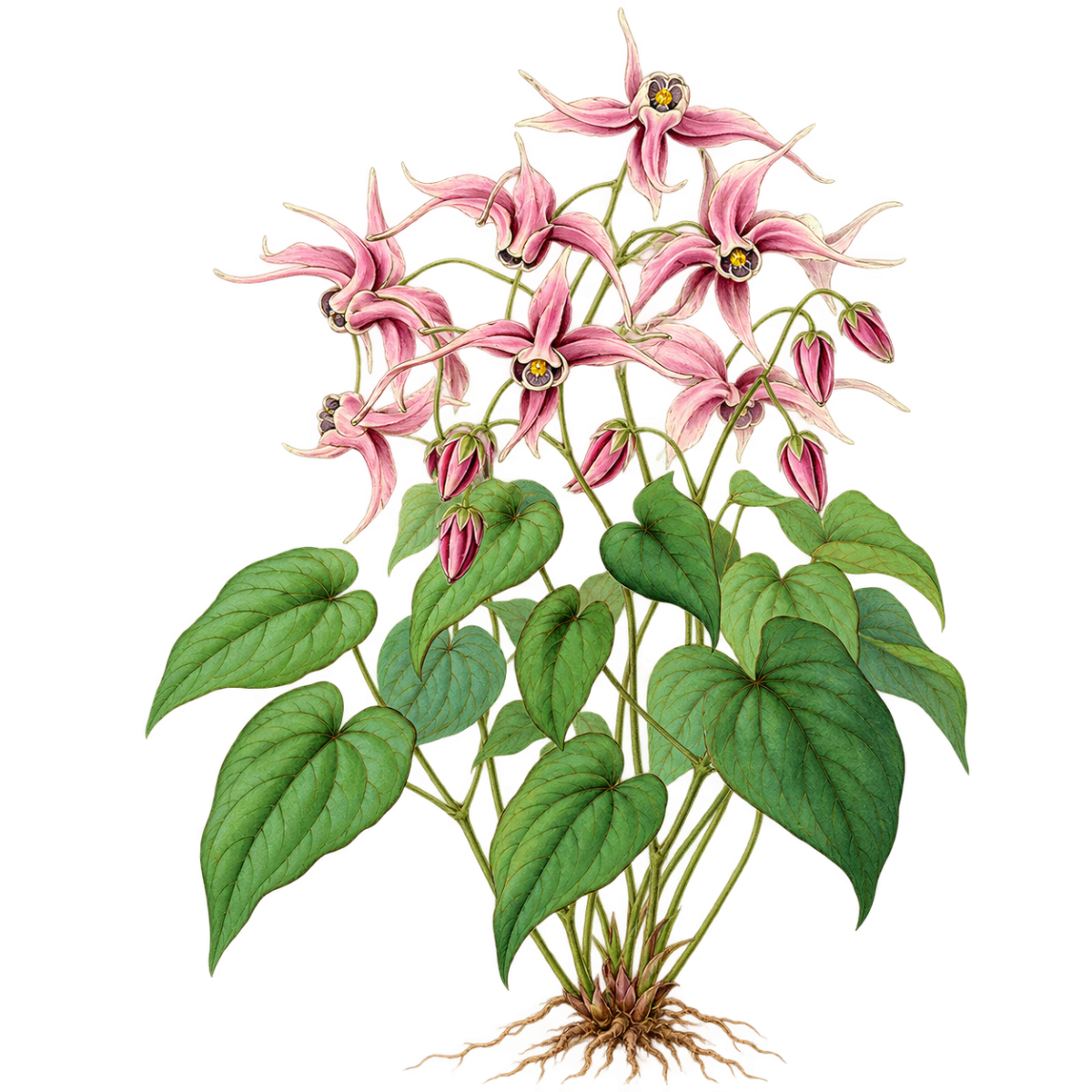
YIN YANG HUO (Epimedium Leaf, Epimedii Folium) is a well-known herb in Traditional Medicine, commonly associated with the functional profile of “warming the Kidney and supporting yang, strengthening tendons and bones, dispelling wind and eliminating dampness.” In materia medica terms, Yin Yang Huo is described as pungent and sweet in taste, warm in nature, and entering the Liver and Kidney channels—often considered when building constitutional support for vitality, musculoskeletal resilience, and long-term wellness. In traditional practice, it is frequently combined within classical-style formulas to support stamina, address low back and knee weakness, promote tendon-and-bone strength, and ease discomfort patterns linked to wind–damp influences. For musculoskeletal care, Epimedium is also widely discussed as part of a holistic approach for individuals concerned about bone health, especially when paired with appropriate movement, nutrition, and synergistic herbs. In modern herbal product development, Epimedium (Epimedii Folium) is commonly found in standardized extracts designed for men’s wellness, performance support, and bone-and-joint maintenance. When choosing a product, prioritize transparent sourcing, quality testing, clear labeling (Epimedii Folium/Epimedium leaf), usage instructions, and safety warnings to ensure responsible use.