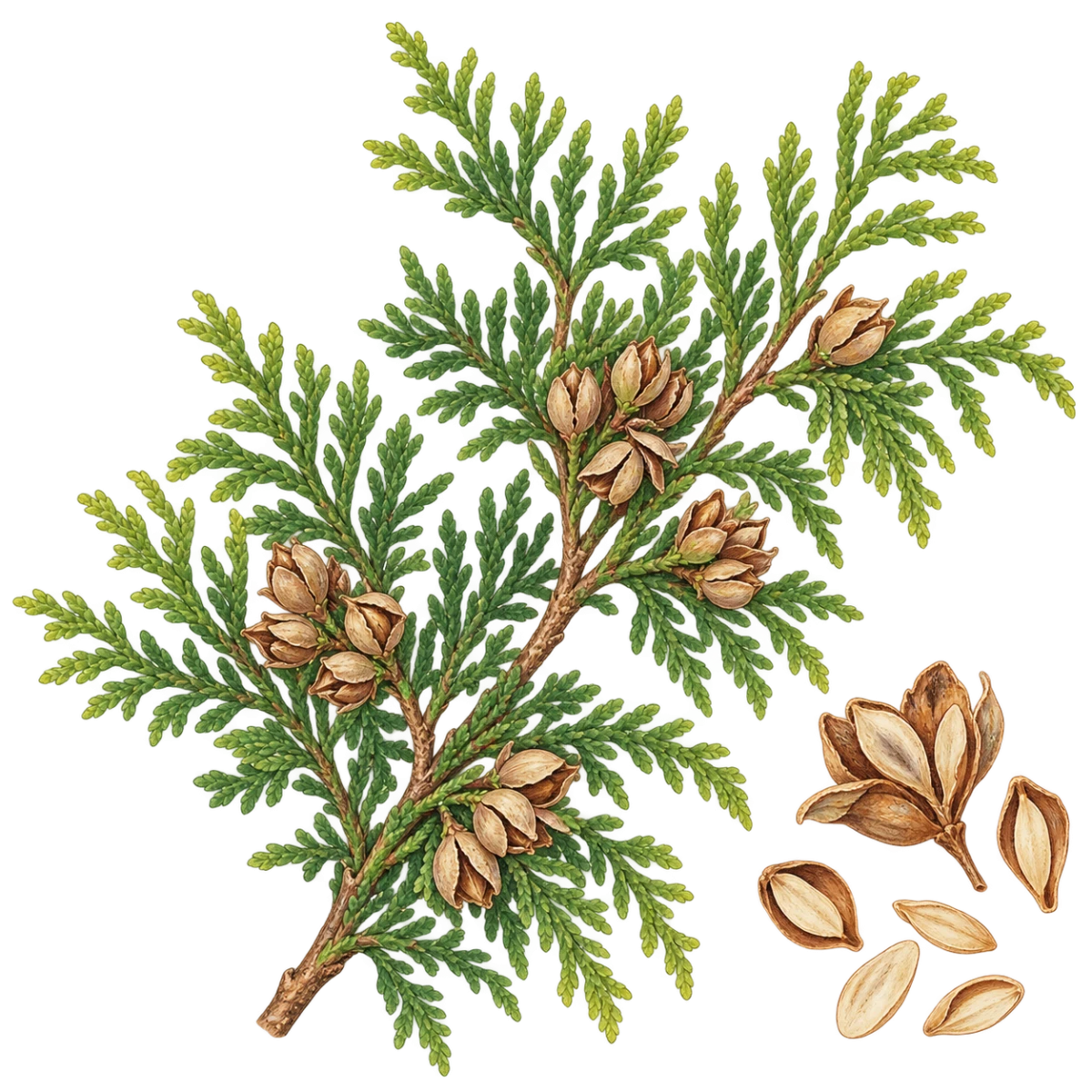
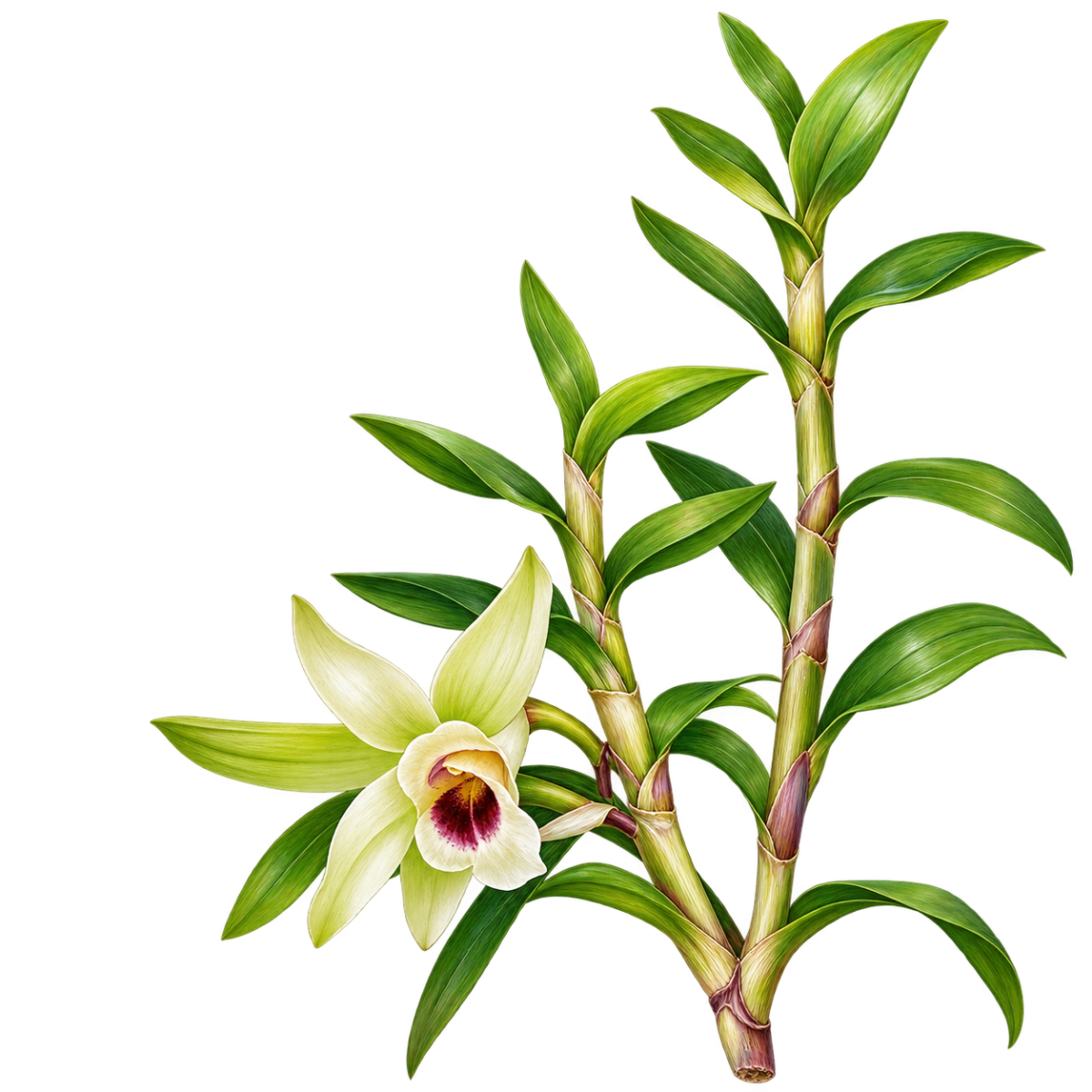
Platycladi Semen (Bai Zi Ren), the seed of Platycladus orientalis, is a renowned traditional Chinese medicinal herb valued for its calming, heart-nourishing, and anti-aging properties. Sweet and neutral in nature, it enters the Heart, Liver, Spleen, and Kidney meridians, and is widely used to treat insomnia, palpitations, forgetfulness, spontaneous sweating, constipation, and nervous exhaustion. Modern pharmacological studies have identified abundant unsaturated fatty acids, terpenoids, flavonoids, phytosterols, and saponins that contribute to its antioxidant, neuroprotective, sedative, and immune-enhancing effects. This natural composition makes Bai Zi Ren not only a traditional remedy for calming the spirit but also a valuable source of nutrients supporting cardiovascular and neurological health. Commonly included in classical TCM prescriptions such as Tian Wang Bu Xin Dan and Suan Zao Ren Tang, it helps restore vitality, improve sleep quality, enhance skin radiance, and combat aging. When using, select clean, well-dried seeds stored properly to prevent mold. Bai Zi Ren truly represents the essence of tranquility, clarity, and longevity in the art of Traditional Chinese Medicine.
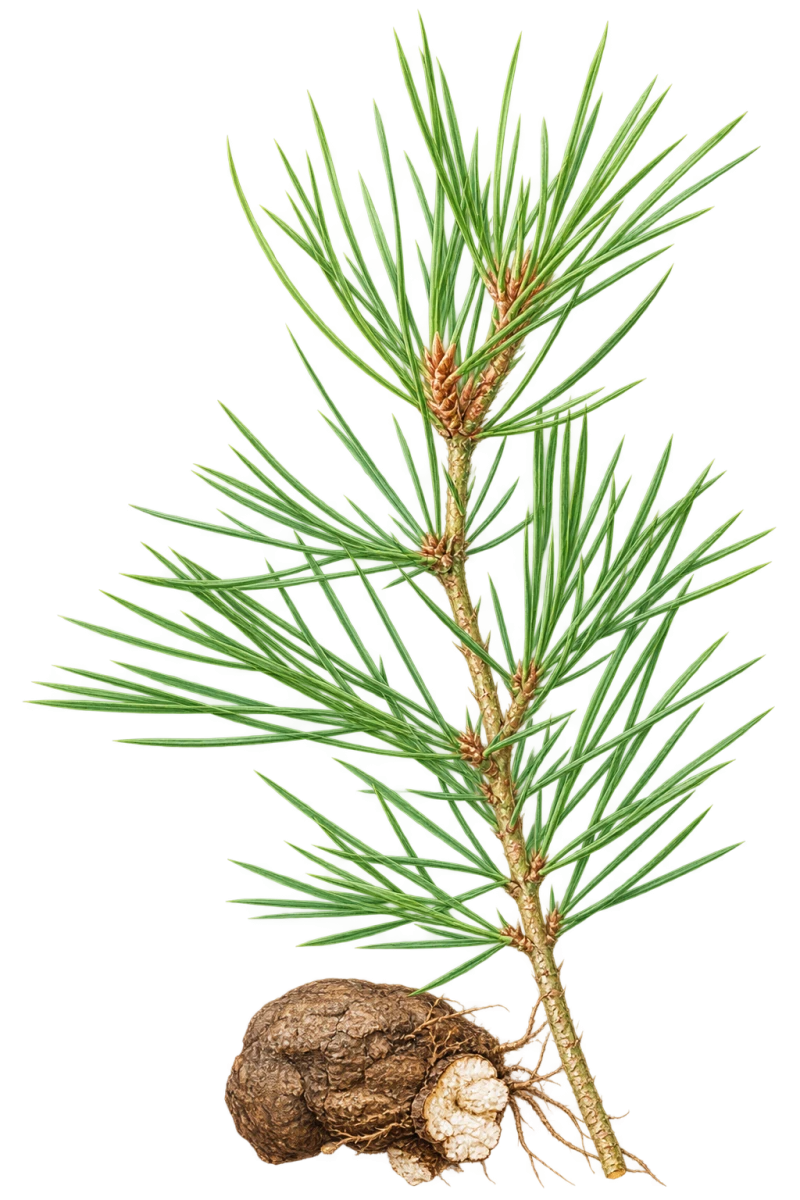
Poria cocos (Fu Ling, Indian Bread) is a renowned Traditional Chinese Medicine (TCM) herb valued for its diuretic, spleen-tonifying, and tranquilizing properties. Belonging to the Polyporaceae family, Poria cocos is the dried sclerotium of a fungus that parasitizes pine roots. Sweet and neutral in nature, it enters the Heart, Spleen, Lung, and Kidney meridians, helping to regulate Qi and Blood, harmonize Yin and Yang, and restore vitality. Modern pharmacological research shows that Poria contains polysaccharides, triterpenoids, and sterols with proven effects on enhancing immunity, lowering blood sugar, protecting the liver, improving memory, and inhibiting tumor growth. In skincare, it promotes a brighter, smoother complexion, reduces hyperpigmentation, delays aging, and supports longevity. Historically favored by Empress Dowager Cixi and poet Su Dongpo, Fu Ling is regarded as an elixir for health, beauty, and longevity. As a holistic remedy, Poria cocos purifies the body, nourishes the spirit, strengthens internal organs, and promotes harmony between mind and body — making it an essential herb in modern wellness and traditional Asian healing.
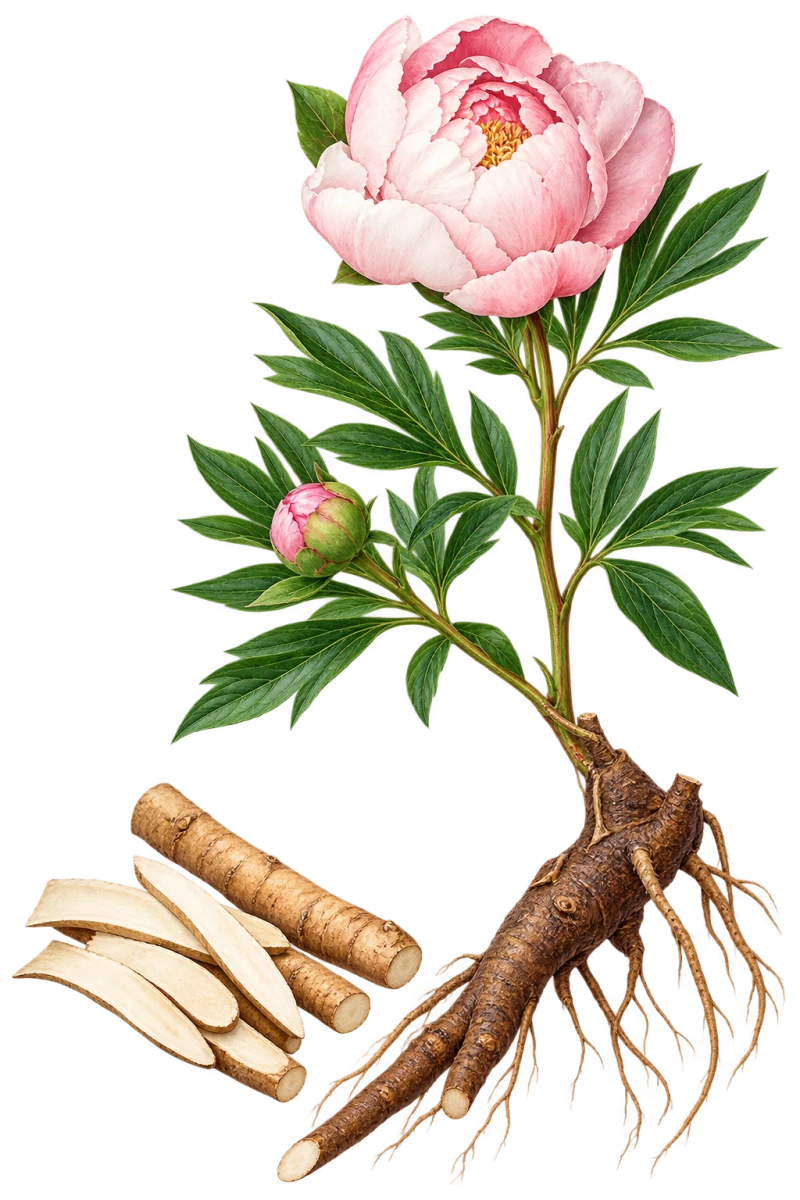
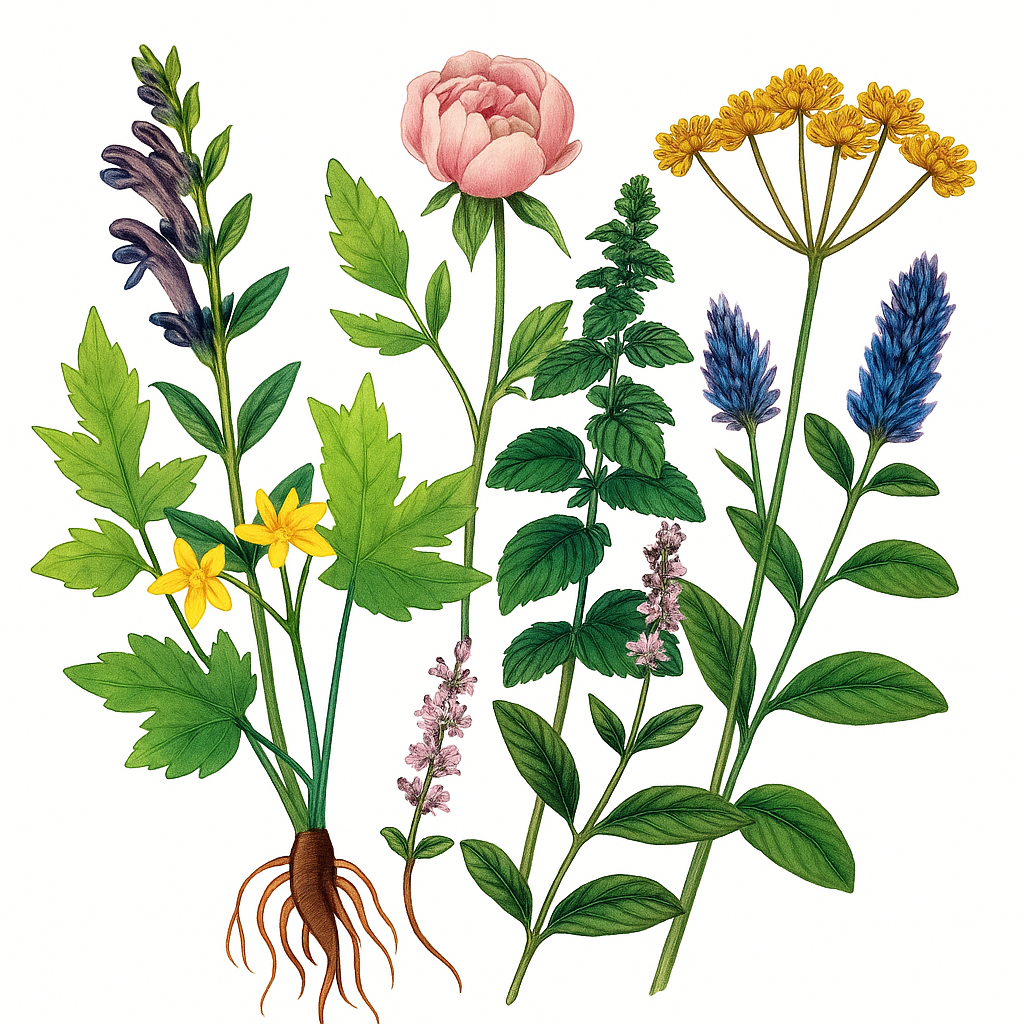
White Peony Root (Bai Shao) is a key TCM herb that nourishes the blood, preserves yin, soothes the Liver, relieves pain, and regulates menstruation. Rich in glycosides like paeoniflorin, it offers anti-inflammatory, hepatoprotective, calming, and circulatory benefits.
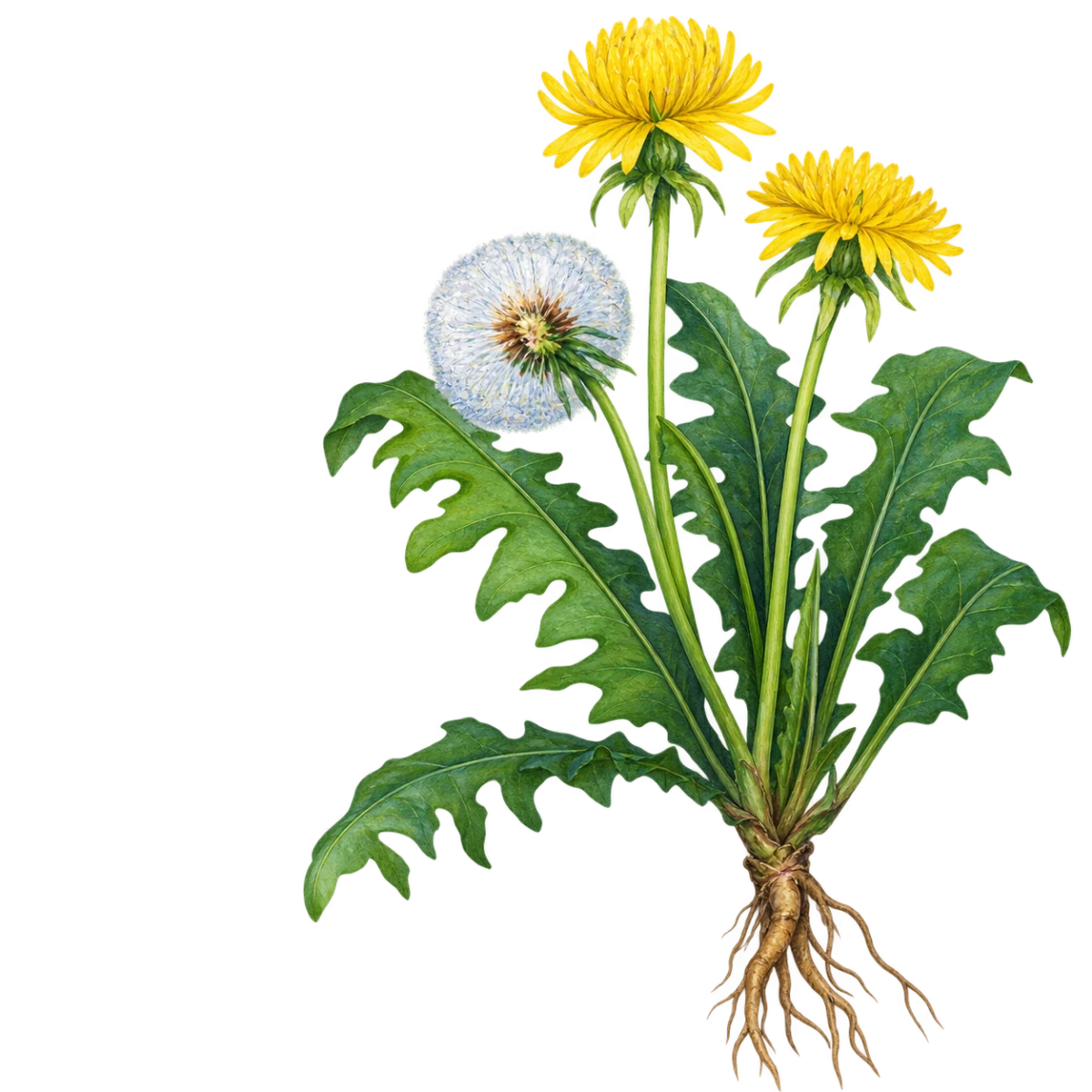
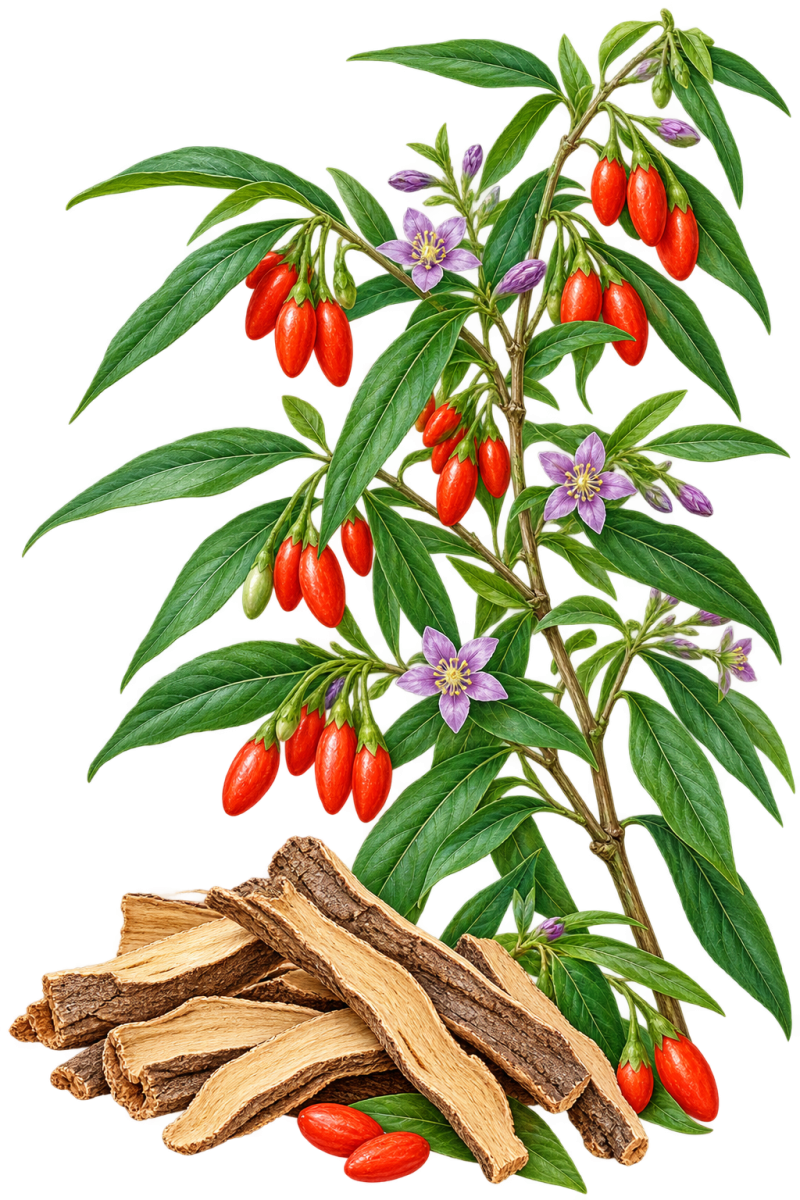
Dandelion (Pu Gong Ying – Taraxacum mongolicum) is a precious traditional Chinese medicinal herb renowned for its actions in clearing heat and toxins, resolving inflammation and abscesses, promoting urination, and protecting the liver. With a sweet–bitter taste and cold nature, it enters the Liver and Stomach meridians, known as a principal herb for treating “heat toxins and suppurative swellings.” Rich in active compounds such as taraxasterol, luteolin, inulin, and β-sitosterol, together with vitamins A, C, and E, Dandelion exhibits strong antioxidant, anti-inflammatory, immunomodulatory, lipid- and glucose-regulating properties. Clinically, it is widely applied to manage mastitis, blocked lactation, boils, abscesses, hepatitis, gallstones, urinary tract infection, mild hypertension, pharyngitis, bronchitis, eczema, and dermatitis, as well as to support cancer therapy, diabetes, and obesity management. Beyond its medicinal value, Herba Taraxaci is also consumed as a nutritious food and herbal tea, promoting detoxification, liver protection, and gentle sedation for better sleep. Combining classical Eastern medical wisdom with modern pharmacological evidence, Dandelion today stands as a comprehensive natural remedy and functional food that supports holistic wellness and chronic disease prevention in modern lifestyles.
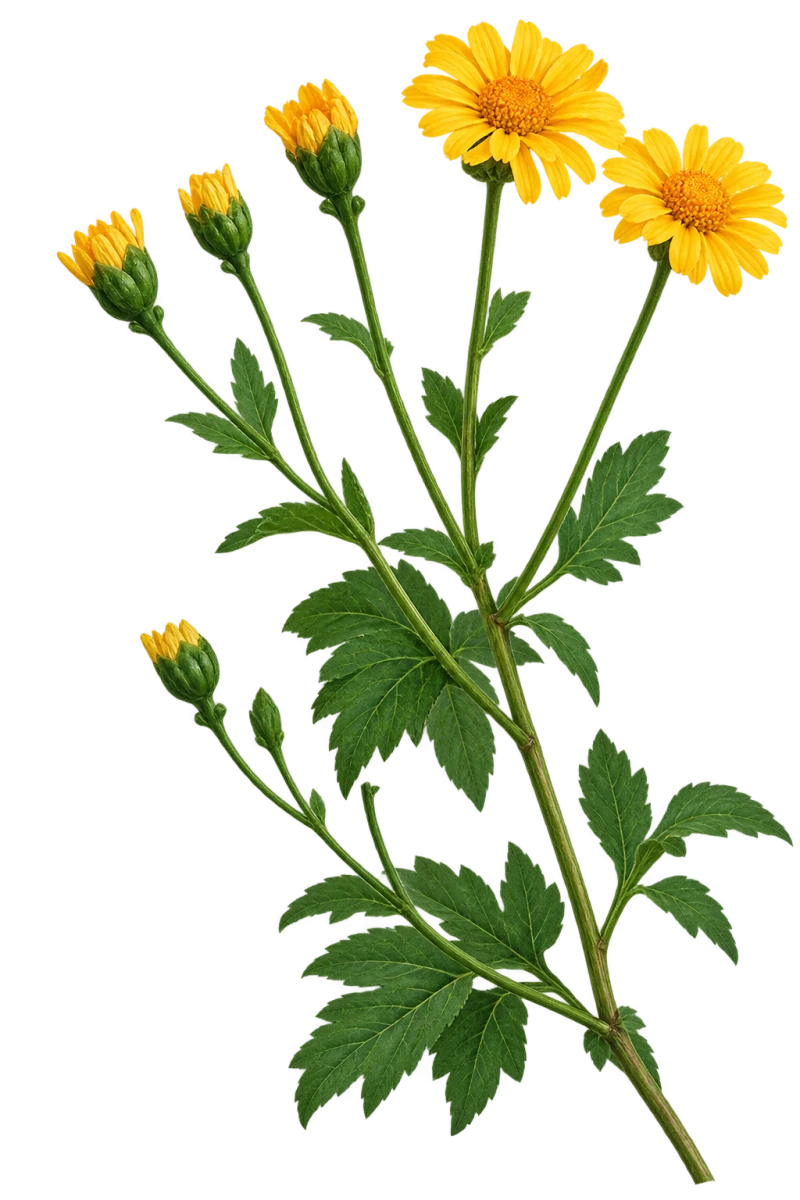
Ye Ju Hua (Wild Chrysanthemum Flower – Chrysanthemum indicum L.) is a traditional Chinese medicinal herb valued for its heat-clearing, detoxifying, anti-inflammatory, and liver-soothing properties. Bitter in taste and cooling in nature, it is commonly used to treat disorders caused by Wind-Heat, helping to cool the Liver, brighten the eyes, regulate blood pressure, and reduce inflammation. Modern pharmacological studies have identified bioactive compounds such as flavonoids, phenolic acids, sesquiterpene lactones, and essential oils that exhibit antioxidant, antimicrobial, antiviral, and hepatoprotective effects. Ye Ju Hua also supports digestive health by modulating gut microbiota, alleviating swelling, promoting wound healing, and improving skin conditions. Traditionally, it is prescribed for boils, carbuncles, pharyngitis, dermatitis, hepatitis, and hypertension, while helping to purify the body, calm the mind, and relieve irritability. As a cooling and detoxifying herb, Wild Chrysanthemum Flower plays a vital role in classical formulas for clearing Heat and toxins from the body. It is particularly beneficial for individuals with excess internal heat, inflammation, or toxin accumulation. Regular use in appropriate amounts may help strengthen immunity, protect the liver, promote skin health, and delay cellular aging, making it both a therapeutic and preventive herb in Traditional Chinese Medicine.
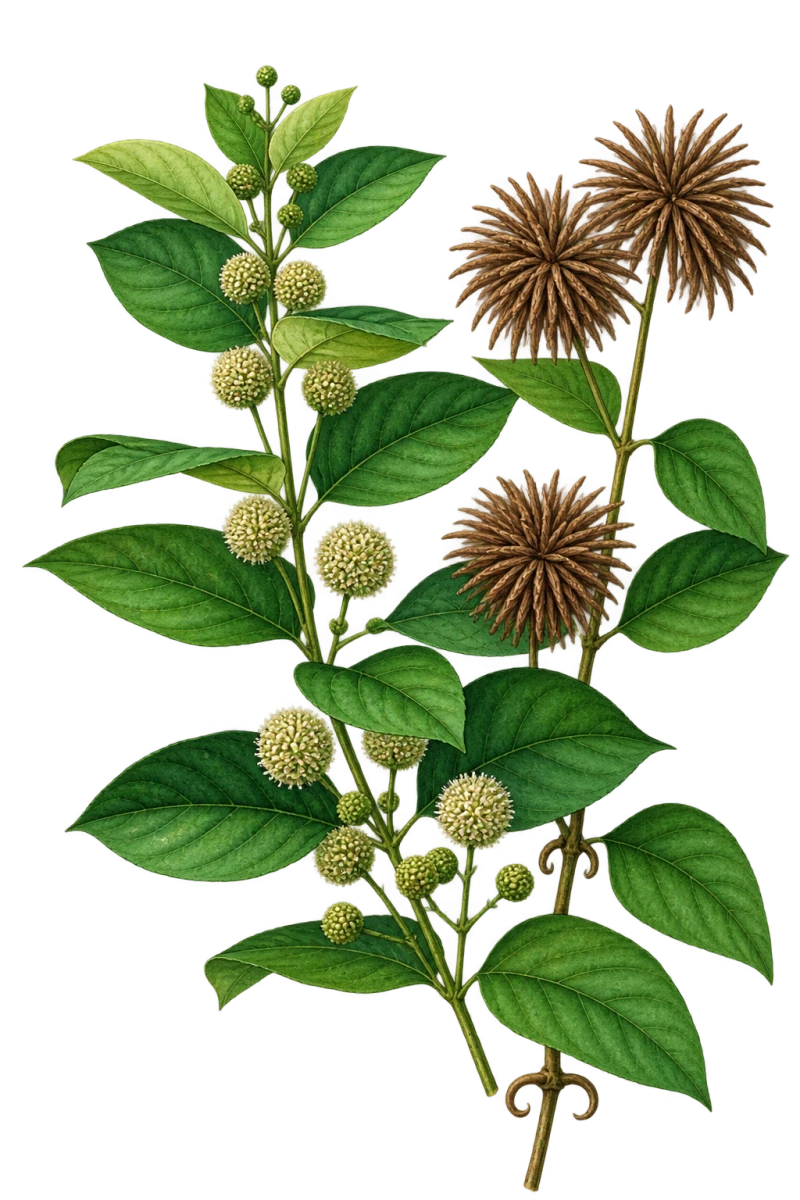
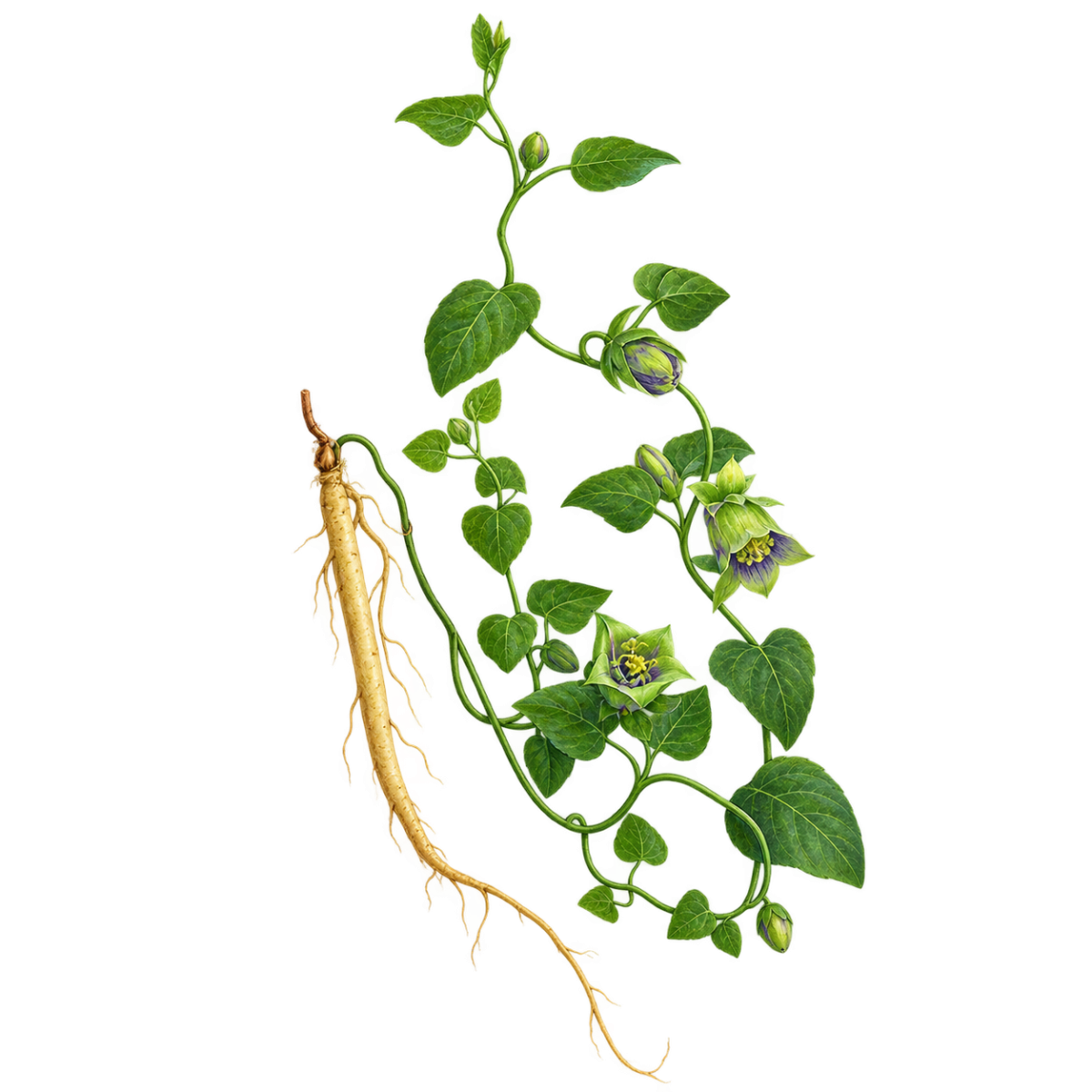
Gou Teng (Uncaria rhynchophylla), also known as Uncaria Stem with Hooks, is a treasured herb in Traditional Chinese Medicine, renowned for its abilities to calm the Liver, extinguish internal wind, lower blood pressure, and protect the nervous system. The medicine is derived from the hook-bearing stems and branches of the plant, symbolizing flexible strength and harmony. In TCM, it has a sweet, slightly cold nature, entering the Liver, Heart, and Pericardium meridians. It is commonly prescribed for dizziness, hypertension, epilepsy, tremor, insomnia, and headaches caused by hyperactive Liver Yang. Modern pharmacological studies have revealed that Uncaria rhynchophylla contains bioactive alkaloids such as rhynchophylline and isorhynchophylline, which possess antioxidant and neuroprotective properties, supporting treatment of Parkinson’s disease, Alzheimer’s disease, and cerebral circulation disorders. The herb also helps reduce muscle stiffness, improve blood microcirculation, protect the liver, and stabilize blood pressure. With its mild, balancing nature, Gou Teng is considered a safe natural option for elderly individuals, those under stress, suffering from insomnia, or prone to high blood pressure. However, it should be used cautiously by individuals with low blood pressure, slow heartbeat, or those taking anticoagulants or cardiovascular medications.
Hu Zhang (Giant Knotweed Rhizome, Cốt khí củ) is the dried rhizome of Reynoutria japonica (syn. Polygonum cuspidatum), a member of the Polygonaceae family. In Traditional Chinese Medicine (TCM), it is valued for its multiple actions: invigorating blood, removing stasis, clearing heat, detoxifying, draining dampness, promoting urination, resolving phlegm, and calming the mind. It is traditionally prescribed for arthralgia, rheumatism, traumatic injuries, hepatitis, jaundice, cough with phlegm due to Lung heat, pharyngitis, skin infections, burns, hemorrhoids, dysentery, and urinary tract inflammation. Modern pharmacological studies reveal that Hu Zhang contains potent bioactive compounds such as resveratrol, polydatin, emodin, quercetin, physcion, and chrysophanol. These contribute to its anti-inflammatory, antioxidant, hepatoprotective, hypoglycemic, hypolipidemic, antibacterial, and antiviral properties. According to the Chinese Pharmacopoeia and WHO monographs, emodin and polydatin are recognized as the official quality markers for standardization. With both ancient wisdom and modern evidence, Hu Zhang (Reynoutria japonica) is considered a promising medicinal herb for the supportive treatment of hepatitis, metabolic disorders, inflammatory joint disease, and chronic oxidative conditions. Its scientific validation continues to expand globally, making Japanese Knotweed Rhizome not only a revered TCM herb but also a subject of modern biomedical interest in the prevention and management of inflammatory and degenerative diseases.
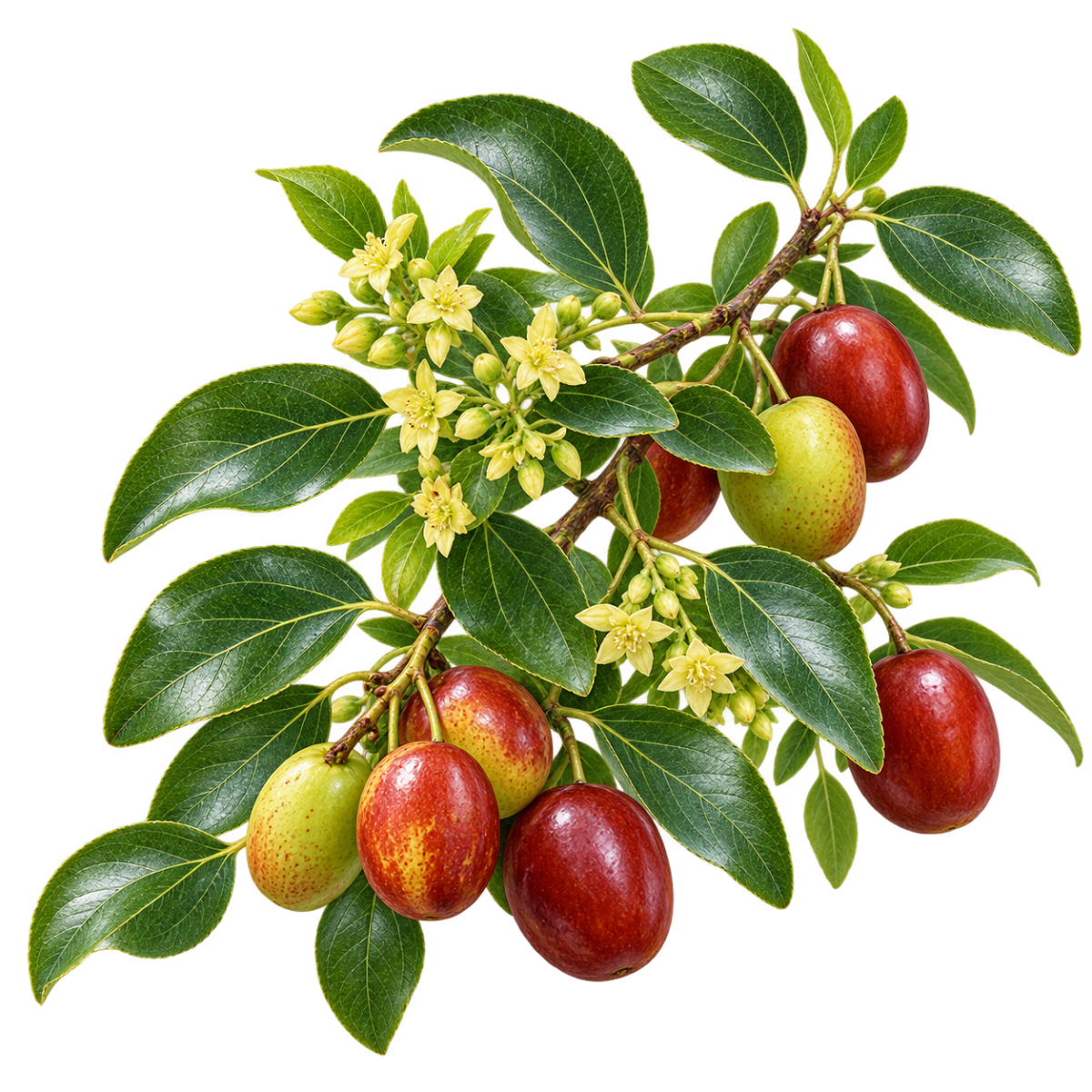
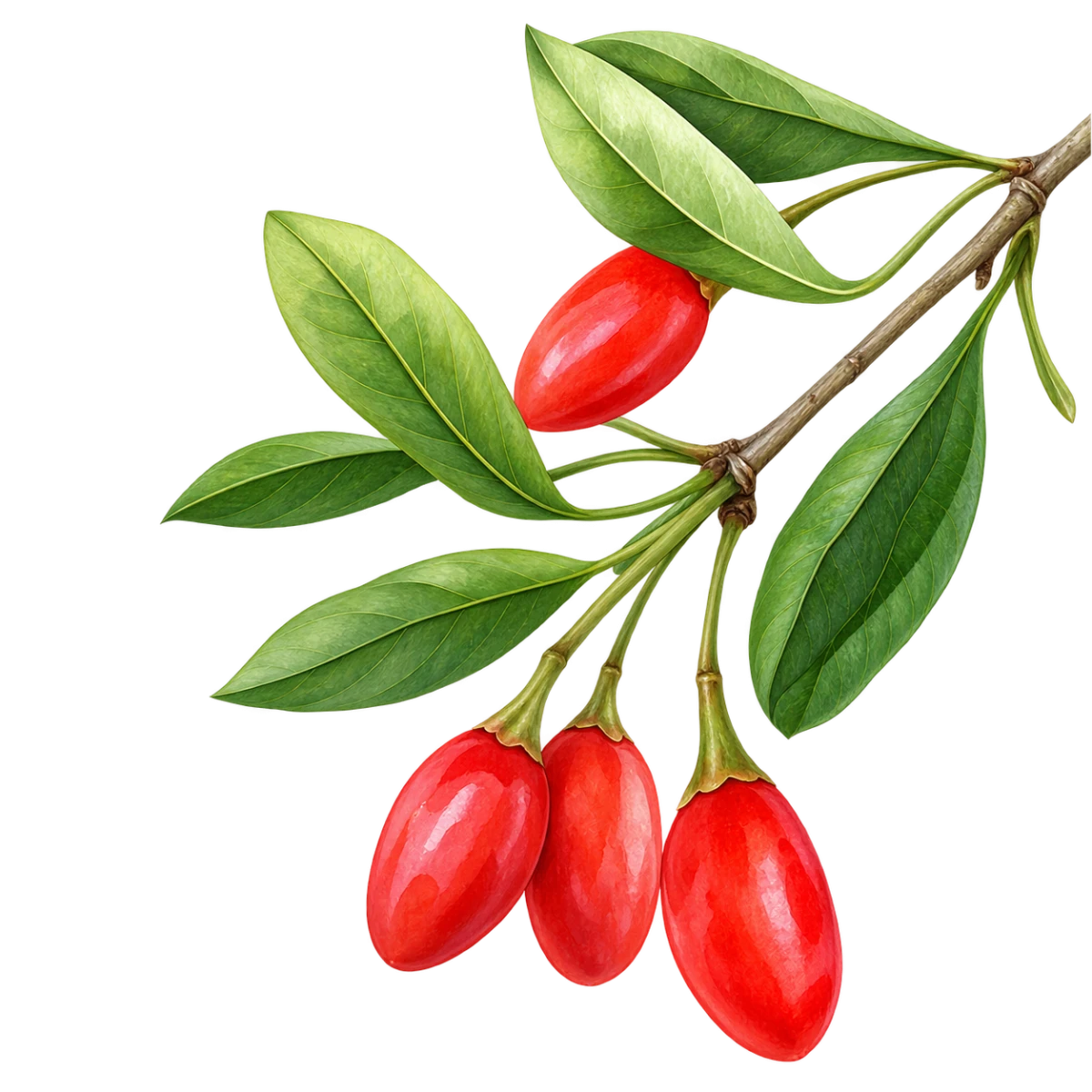
Da Zao (Chinese Date, Ziziphus jujuba) – a traditional herb that tonifies Qi, strengthens the Spleen, nourishes Blood, and calms the mind. Known for liver protection, muscle enhancement, harmonizing Qi and Blood, treating insomnia, fatigue, ulcers, cough, and digestive disorders. Learn its therapeutic uses, chemical composition, and safe applications
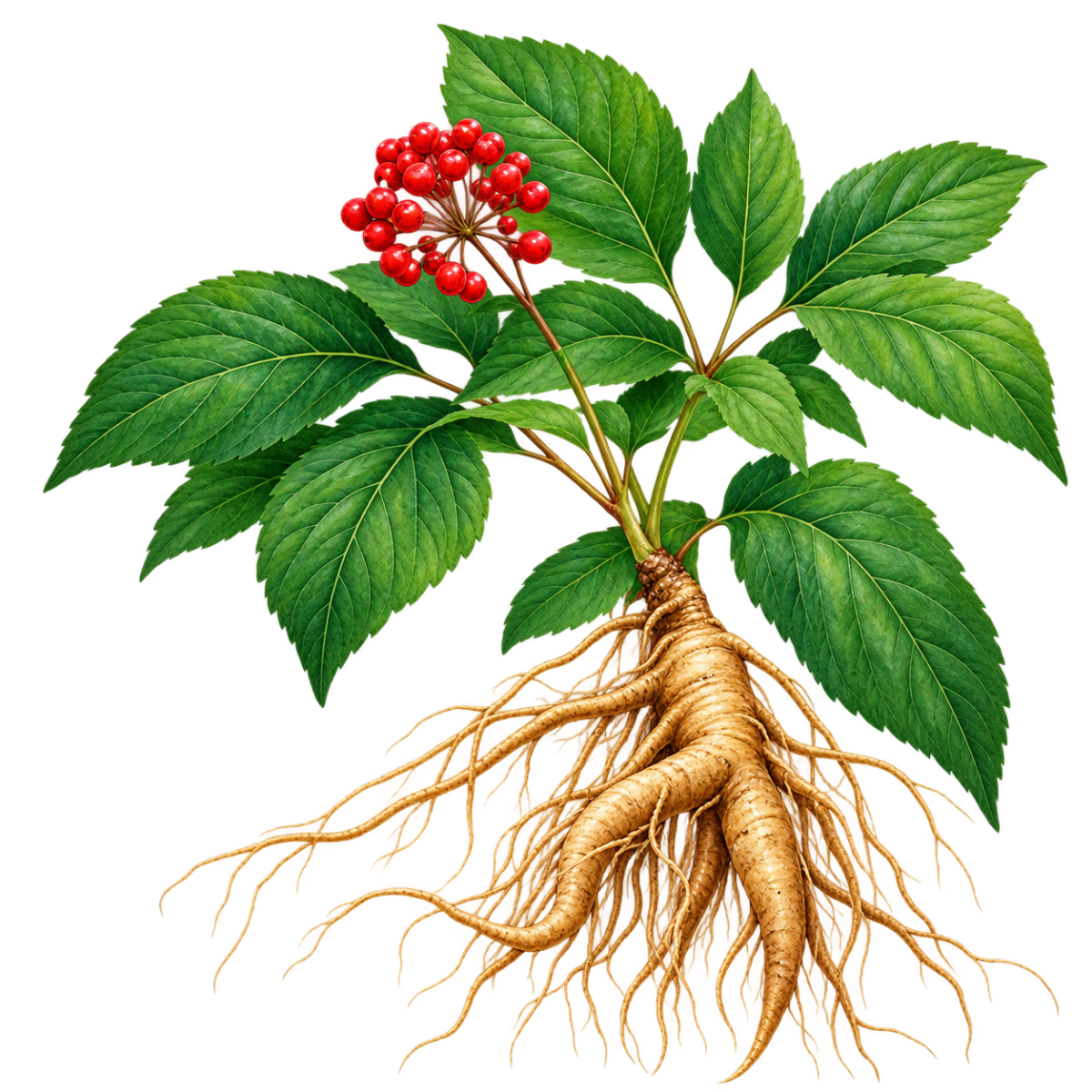
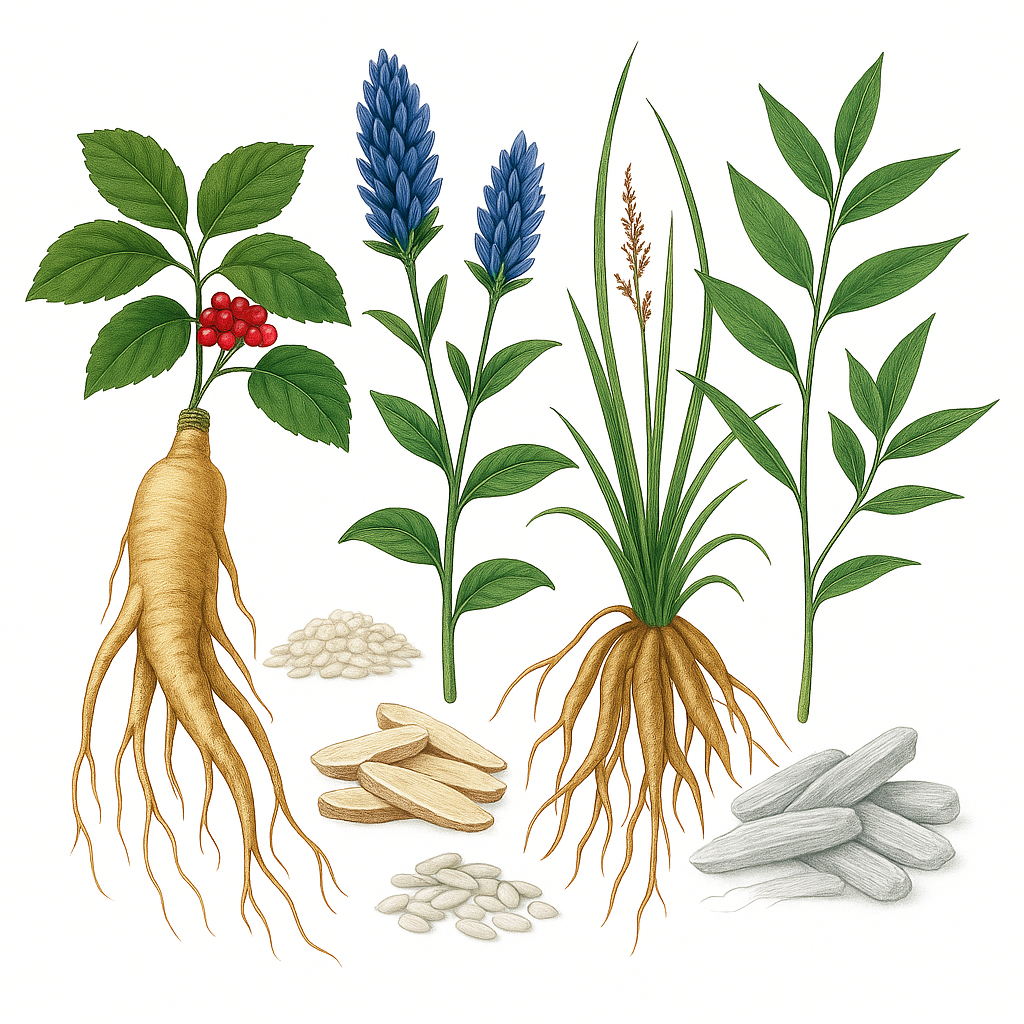
Ren Shen (Asian Ginseng) is a premium traditional herbal tonic made from carefully selected ginseng roots, processed and dried to preserve their natural active compounds. It is commonly used in decoctions, herbal teas, medicinal wines or honey infusions to help nourish qi and blood, support immune function, ease fatigue and weakness, and support cardiovascular, cognitive, sleep and hormonal health. Suitable for people under heavy workload, recovering after illness or looking for long-term daily wellness support with natural herbs.
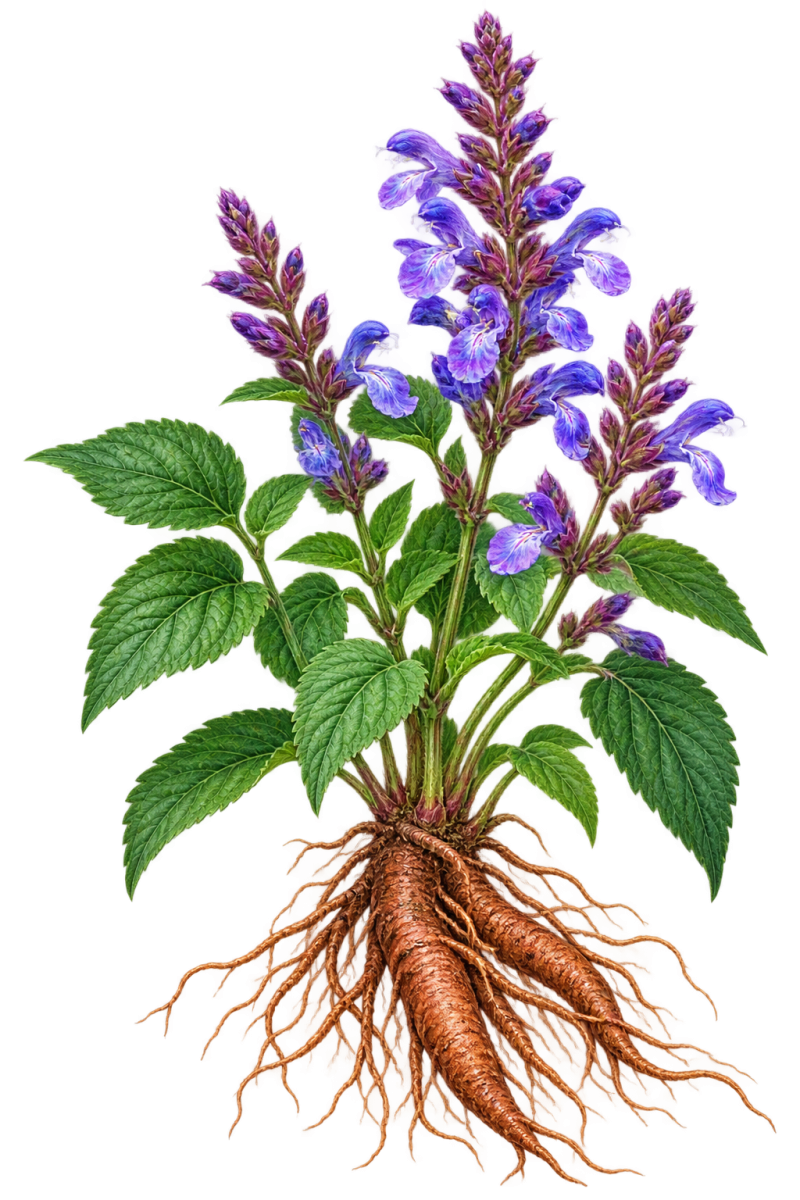
Dan Shen (Salvia miltiorrhiza Bunge), commonly known as Danshen root, is a well-known medicinal herb in Traditional Chinese Medicine (TCM), widely used for its ability to invigorate Blood, dispel Blood stasis, and regulate circulation. Classified as bitter in taste and slightly cold in nature, Dan Shen primarily enters the Heart, Pericardium, and Liver meridians, where it plays a central role in maintaining cardiovascular and systemic balance. In traditional practice, Dan Shen is valued for promoting smooth blood flow, improving microcirculation, and supporting heart and brain health. It has long been used in formulas addressing chest pain, angina-like discomfort, menstrual irregularities, abdominal pain due to Blood stasis, and traumatic injuries with bruising or swelling. By activating Blood without excessive consumption of vital substances, Dan Shen helps generate new Blood while nourishing existing Blood, making it a key herb in many classical and modern prescriptions. Modern scientific research has identified a rich profile of bioactive compounds in Dan Shen, including tanshinones, salvianolic acids, flavonoids, and phenolic acids, which contribute to its antioxidant, anti-inflammatory, endothelial-protective, and anti-fibrotic properties. These findings support its traditional use in conditions related to impaired circulation, metabolic imbalance, and chronic organ stress involving the heart, liver, kidneys, and brain. Dan Shen is also recognized for its role in supporting liver function, regulating lipid and glucose metabolism, and enhancing the body’s natural self-repair mechanisms through improved blood flow and tissue perfusion. When used appropriately according to pattern differentiation, it offers a balanced approach to long-term health maintenance and recovery. Due to its strong blood-activating nature, Dan Shen should be used with professional guidance in specific populations, particularly during pregnancy or when combined with anticoagulant therapies.