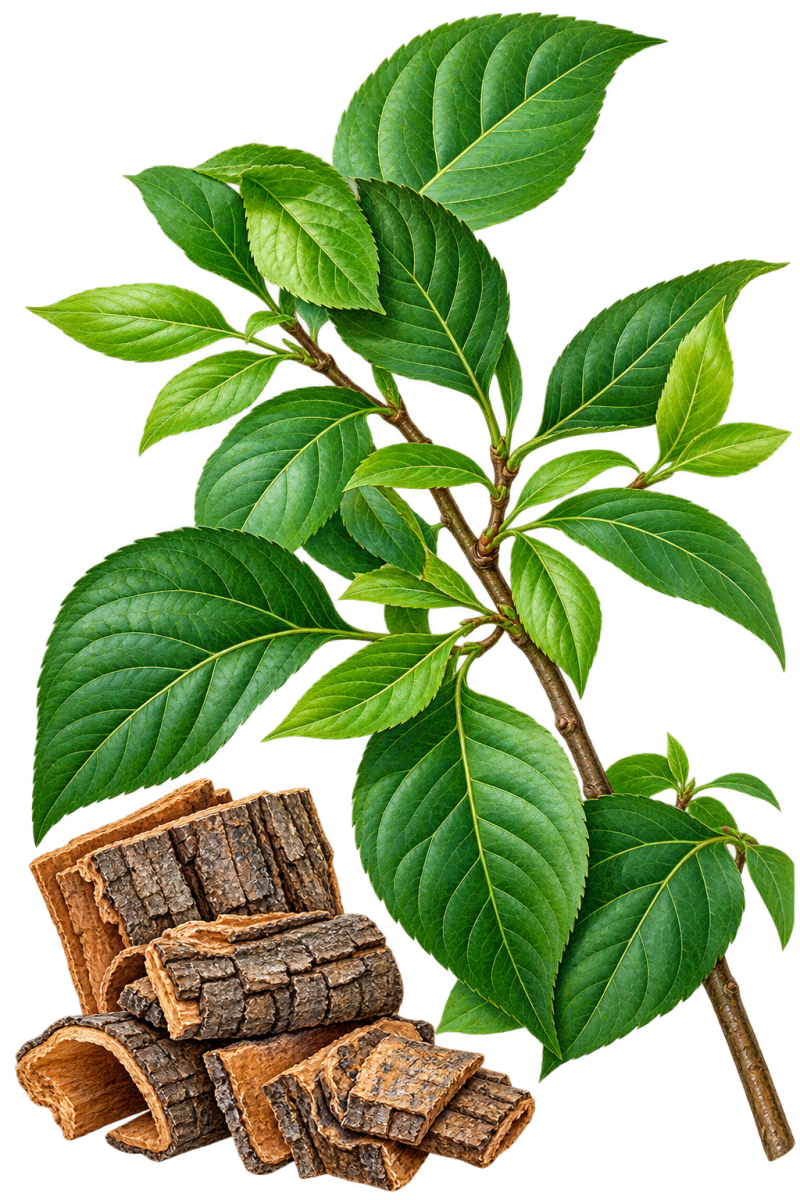
Bu Gu Zhi (Cullen corylifolium (L.) Medik., syn. Psoralea corylifolia L.), commonly known as Babchi or Bakuchi seed, is a traditional Chinese medicinal herb renowned for its Kidney-Yang tonifying, Spleen-warming, and essence-preserving effects. The dried seeds, with a bitter-acrid taste and warm nature, enter the Kidney, Spleen, and Pericardium meridians. In Traditional East Asian Medicine, it is prescribed for impotence, spermatorrhea, frequent urination, chronic diarrhea, lumbar weakness, vitiligo, psoriasis, and general deficiency or aging syndromes. Modern pharmacological studies have identified key bioactive compounds—bakuchiol, psoralen, isopsoralen, isobavachalcone, and various flavonoids and terpenes—responsible for its anti-inflammatory, antioxidant, osteogenic, immunomodulatory, and skin-rejuvenating properties. Bakuchiol, in particular, is widely used in dermatology and cosmetics as a natural alternative to retinol. Clinical and laboratory evidence also supports Bu Gu Zhi’s potential in improving bone metabolism, cardiovascular function, hormone balance, and anti-tumor activity. With its dual legacy of ancient wisdom and modern validation, Bu Gu Zhi stands as a bridge between traditional Oriental medicine and contemporary integrative health science. Proper dosage and caution are advised, as the herb should be avoided in patients with Yin deficiency with heat, urinary tract inflammation, or constipation.
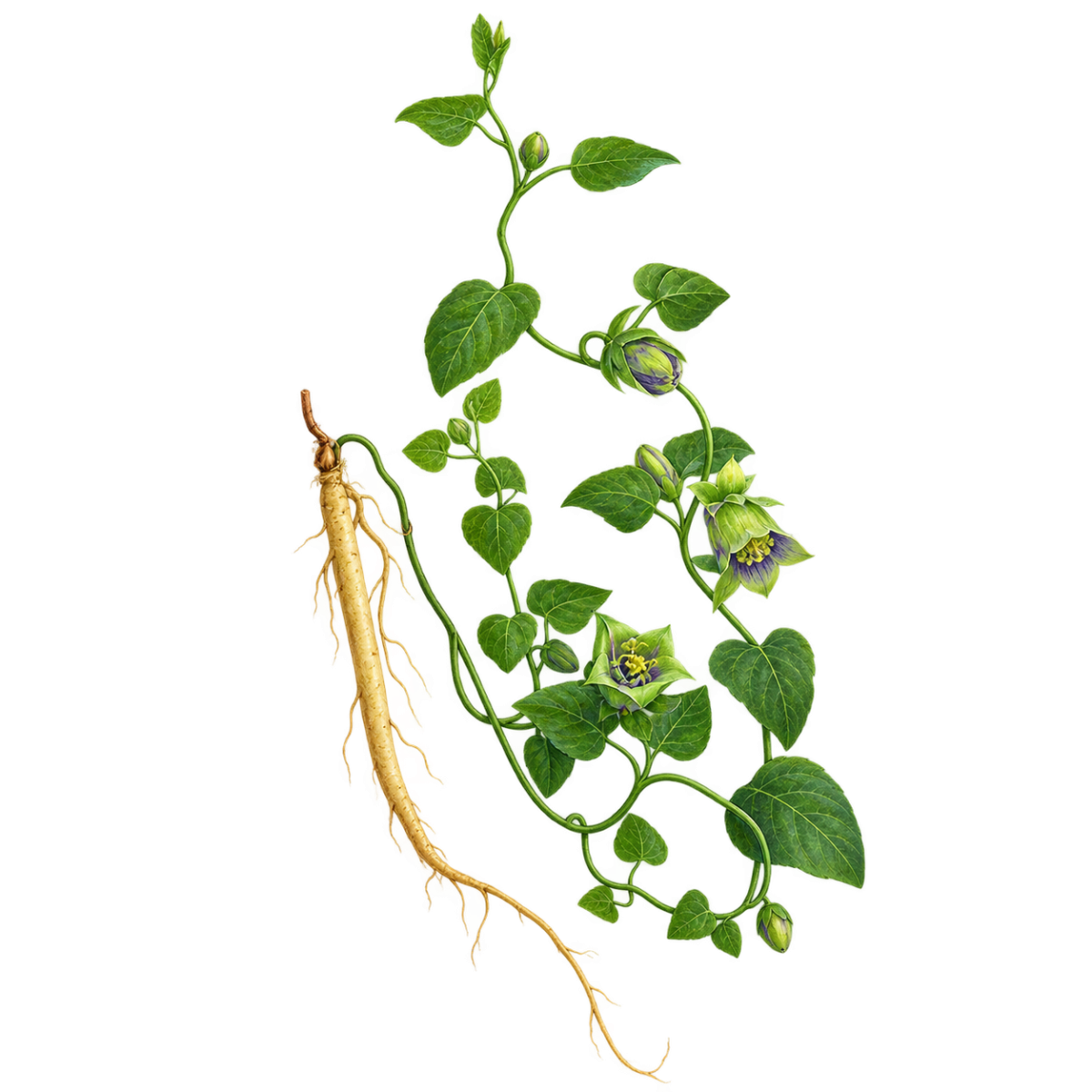
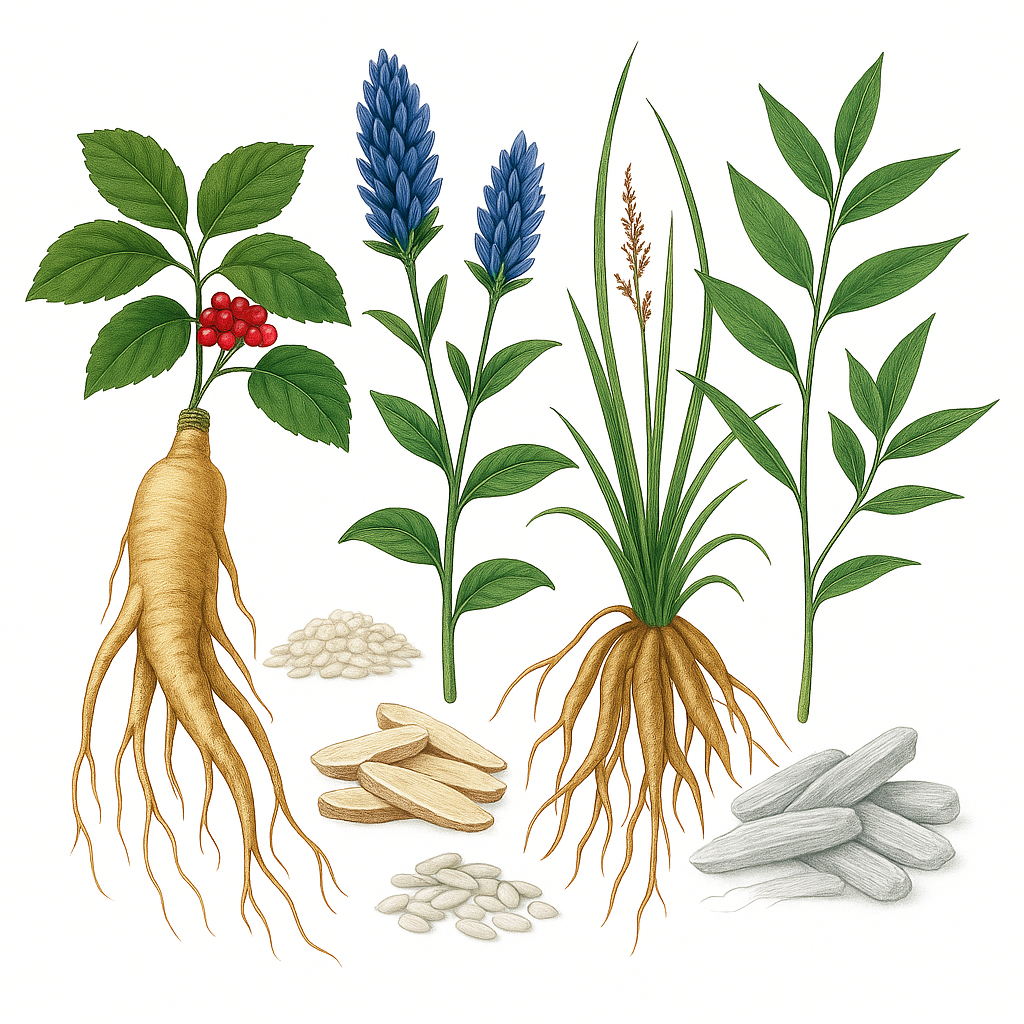
Codonopsis pilosula (Dang Shen), commonly known as Tangshen or Poor Man’s Ginseng, is one of the most valued tonic herbs in Traditional Chinese Medicine (TCM). Belonging to the Campanulaceae (Bellflower) family, this sweet and neutral herb primarily nourishes the Lung and Spleen meridians. It is traditionally used to tonify Qi, strengthen the Spleen, generate body fluids, and nourish the Blood—making it a key remedy for fatigue, poor appetite, general weakness, chronic cough, and digestive insufficiency. The root of Codonopsis pilosula contains a diverse range of bioactive compounds, including sugars (Sucrose, Glucose, Fructose, Inulin), alkaloids, glycosides such as Scutellarein glucoside and Syringin, as well as saponins (Tangshen side I) and choline. Modern pharmacological studies have demonstrated its efficacy in enhancing immunity, improving cardiac contractility, regulating blood pressure, relieving fatigue, protecting the gastric mucosa, and exerting anti-inflammatory and antibacterial effects. It also supports hematopoiesis, improves mental clarity, and enhances physical endurance. Owing to its gentle tonic nature, Dang Shen is widely regarded as a safer and more affordable alternative to Panax ginseng in clinical and home herbal formulations. This article provides an in-depth exploration of the botanical characteristics, chemical composition, therapeutic properties, dosage guidelines, contraindications, and modern pharmacological findings surrounding Codonopsis pilosula, offering a bridge between classical TCM wisdom and contemporary scientific research.
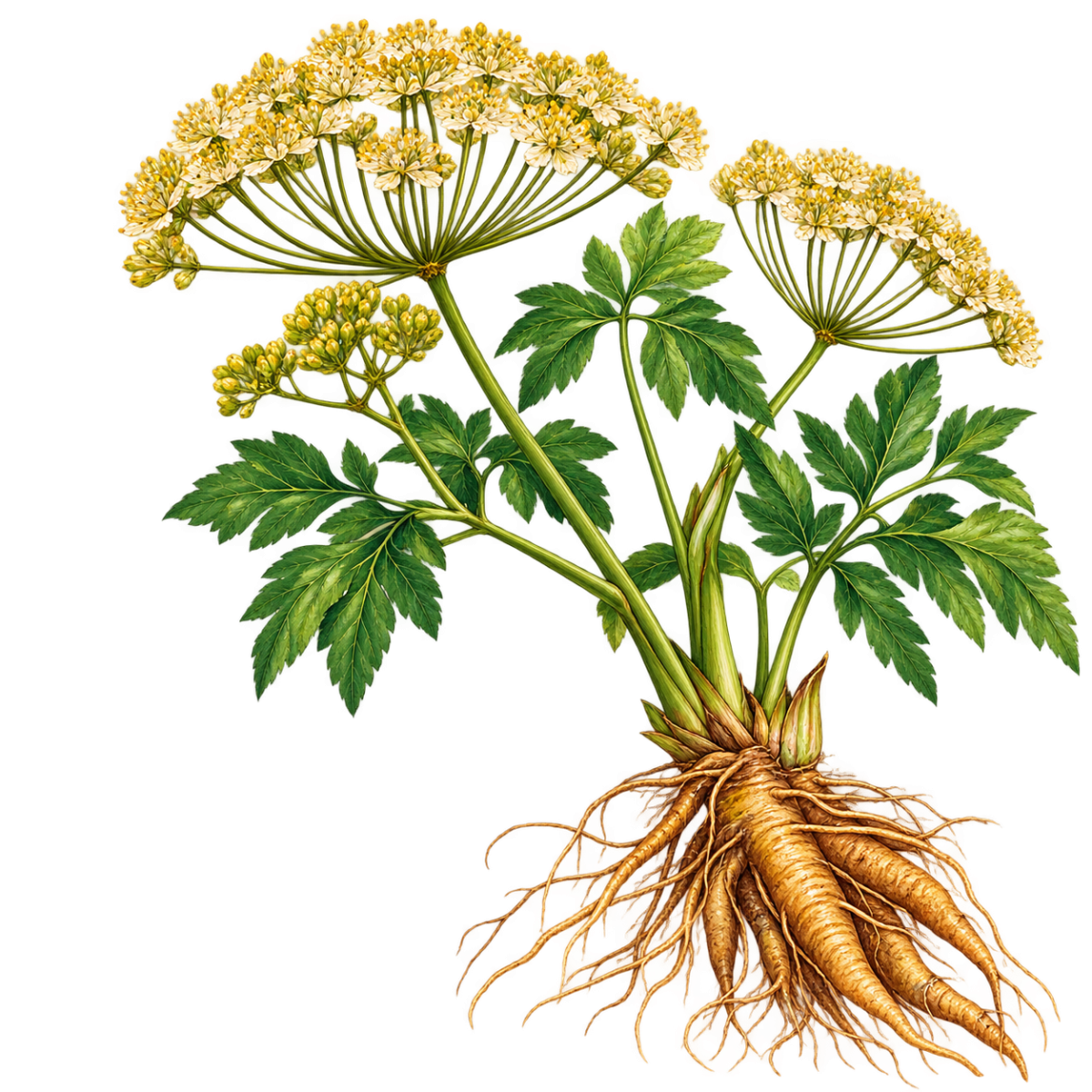
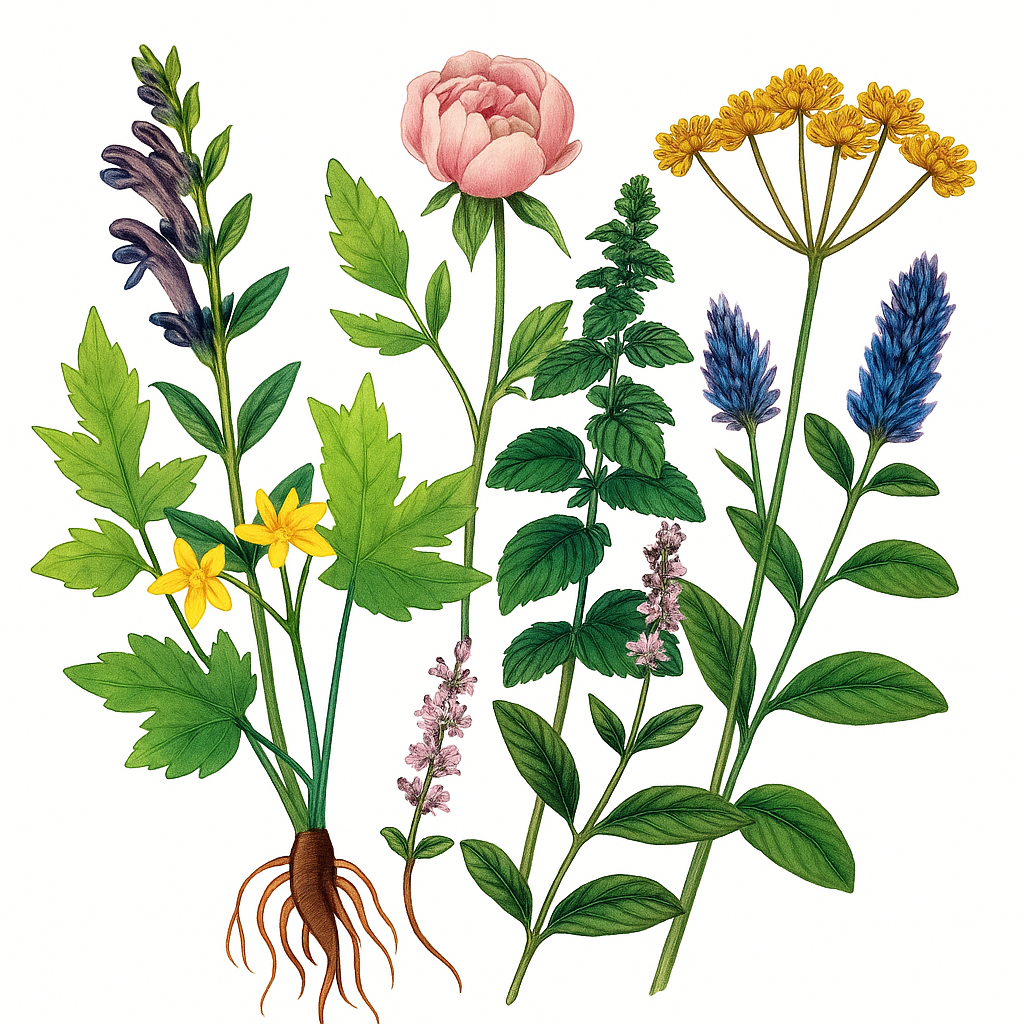
Dang Gui (Angelica sinensis), widely known as Chinese Angelica Root, is one of the most important medicinal herbs in Traditional Chinese Medicine (TCM), renowned for its exceptional ability to nourish and regulate Blood while promoting healthy circulation. With over a thousand years of clinical application, Dang Gui remains a cornerstone ingredient in classical and modern TCM formulations. From a TCM perspective, Dang Gui is sweet and pungent in flavor, warm in nature, and enters the Heart, Liver, and Spleen meridians. It is traditionally used to tonify and harmonize Blood, regulate menstruation, relieve pain, and support overall vitality. Modern pharmacological research supports these functions, identifying key bioactive compounds such as ligustilide, phthalides, ferulic acid, and polysaccharides, which contribute to improved blood circulation, neuroprotection, anti-platelet aggregation, antioxidant activity, and immune modulation. Dang Gui is especially valued in women’s health, where it supports menstrual regulation, alleviates dysmenorrhea, and addresses Blood deficiency when used appropriately. Beyond gynecological applications, it also plays a role in cardiovascular support, post-stroke recovery, digestive balance, skin health, and general physical weakness. With a strong scientific foundation, long-standing clinical credibility, and broad therapeutic scope, Dang Gui represents a premium herbal ingredient for TCM-based products and integrative health solutions, meeting both traditional principles and modern quality standards when sourced and formulated responsibly.