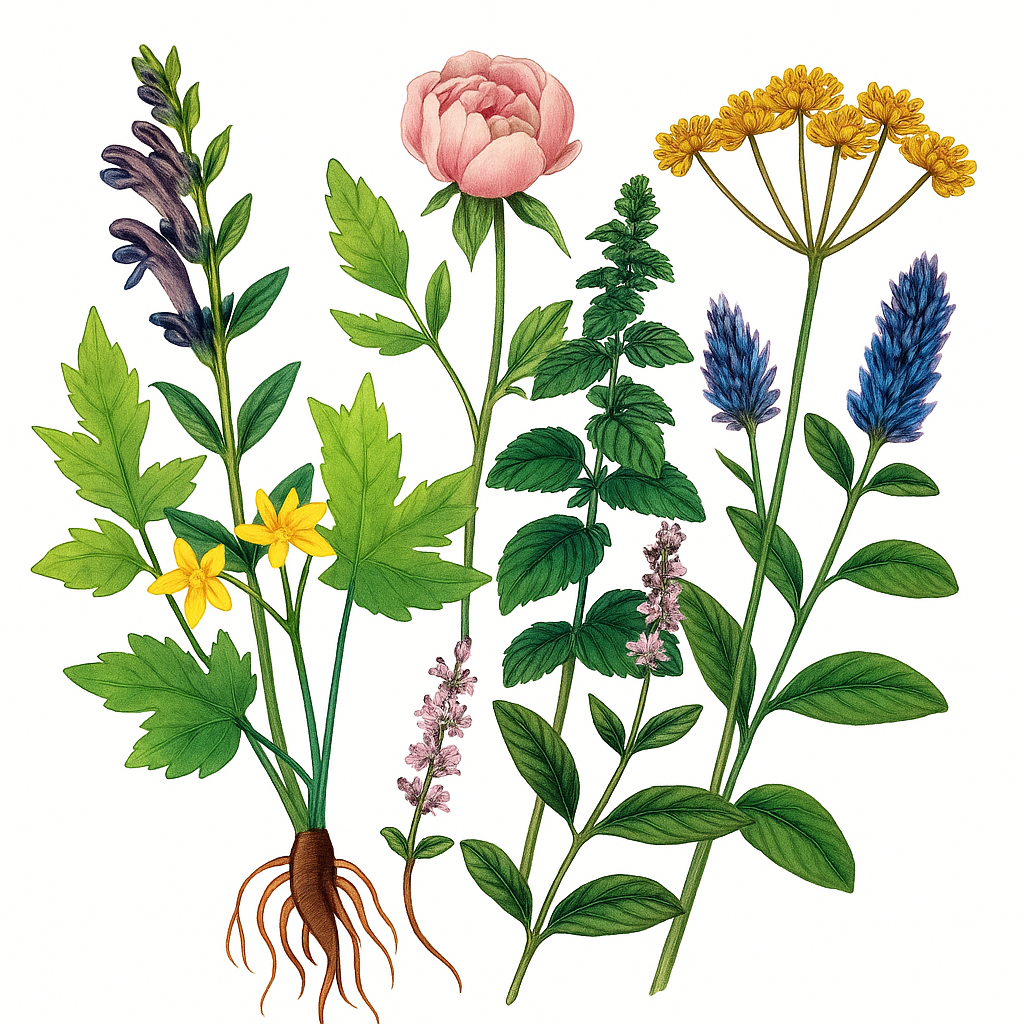
Bo He (Menthae Haplocalycis Herba), commonly known as Field Mint, is a classical herb in Traditional Chinese Medicine known for its pungent, cooling nature and its actions on the Lung, Liver, and Gallbladder meridians. Widely used in Wind-Heat exterior syndromes, it helps clear Heat from the head and face, relieve headaches, soothe sore throat, open the nasal passages, promote sweating, and support natural fever reduction. Beyond respiratory benefits, Bo He also improves digestion by relaxing smooth muscles, reducing gastrointestinal spasms, relieving bloating, nausea, and supporting bile secretion. Modern studies highlight its antibacterial, antiviral, and antifungal properties. The herb also soothes Liver Qi stagnation, reduces stress, brightens the eyes, enhances mental clarity, and boosts alertness. Rich in menthol, its essential oil provides cooling analgesia, reduces neuropathic and muscular pain, and improves scalp microcirculation, supporting hair growth. Despite its many benefits, Bo He is contraindicated for individuals with Qi Deficiency, Yang Deficiency Cold (Xu Han), spontaneous sweating, hyperactive Liver Yang, and should not be used topically for infants due to the risk of respiratory suppression. This article presents a complete overview of Bo He's therapeutic actions, properties, chemical constituents, dosage, and safety considerations based on both TCM principles and modern research.
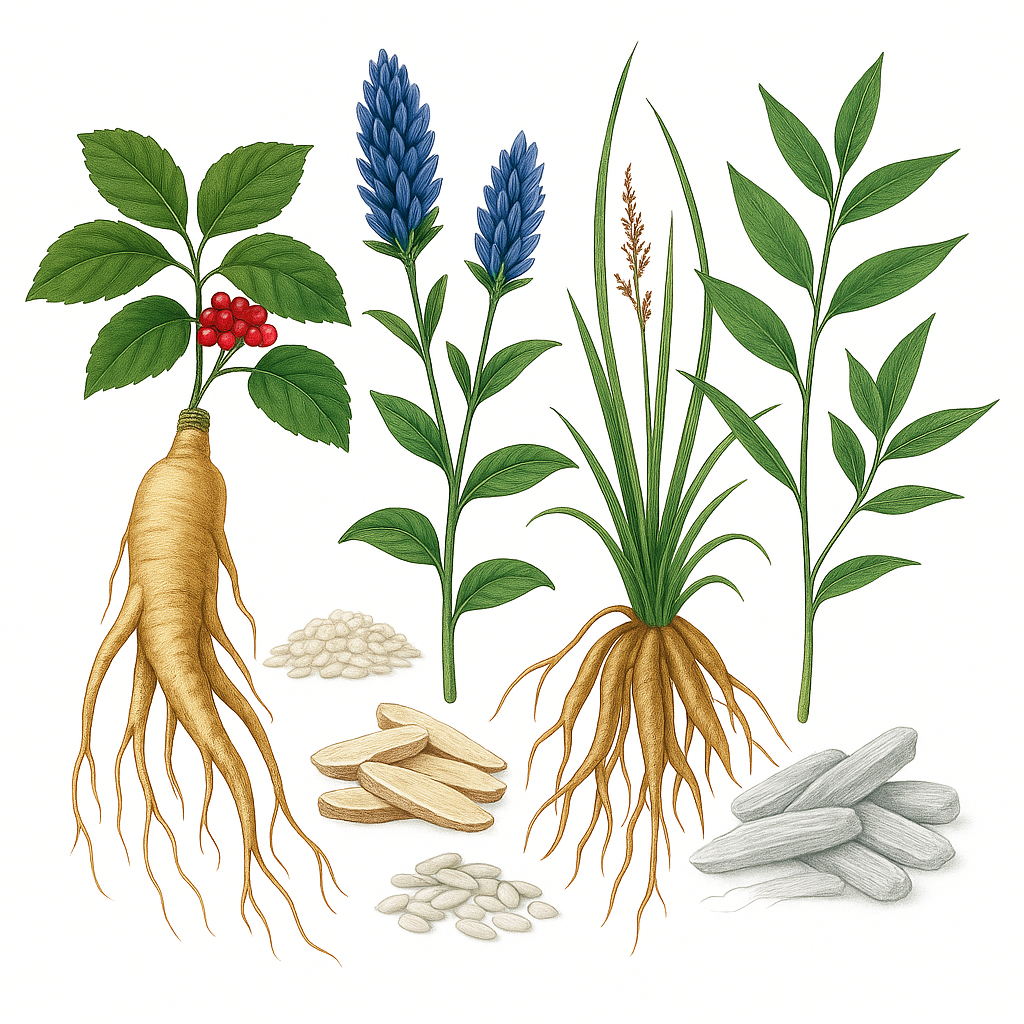
Zhu Ye Shi Gao Tang – a classical TCM formula that clears Heat, relieves oral ulcers and toothache from Stomach Fire, reduces inflammation, promotes healing, and prevents recurrence.
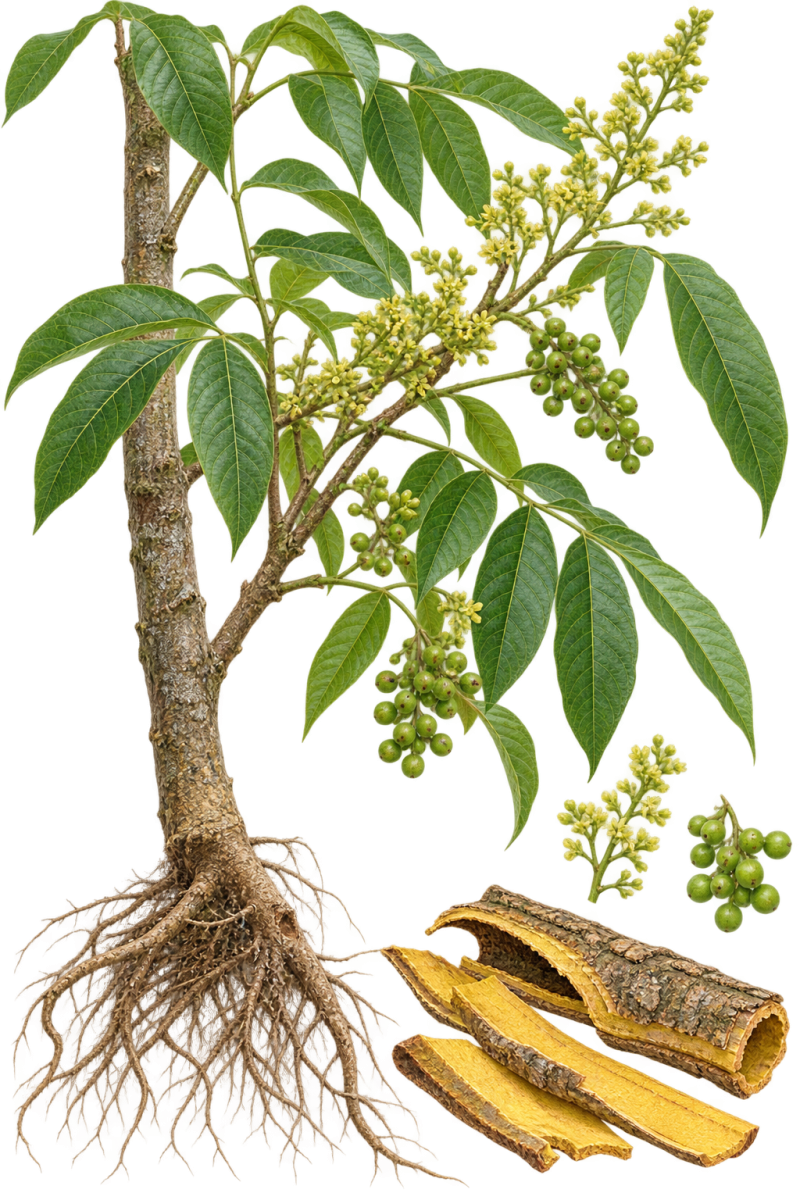
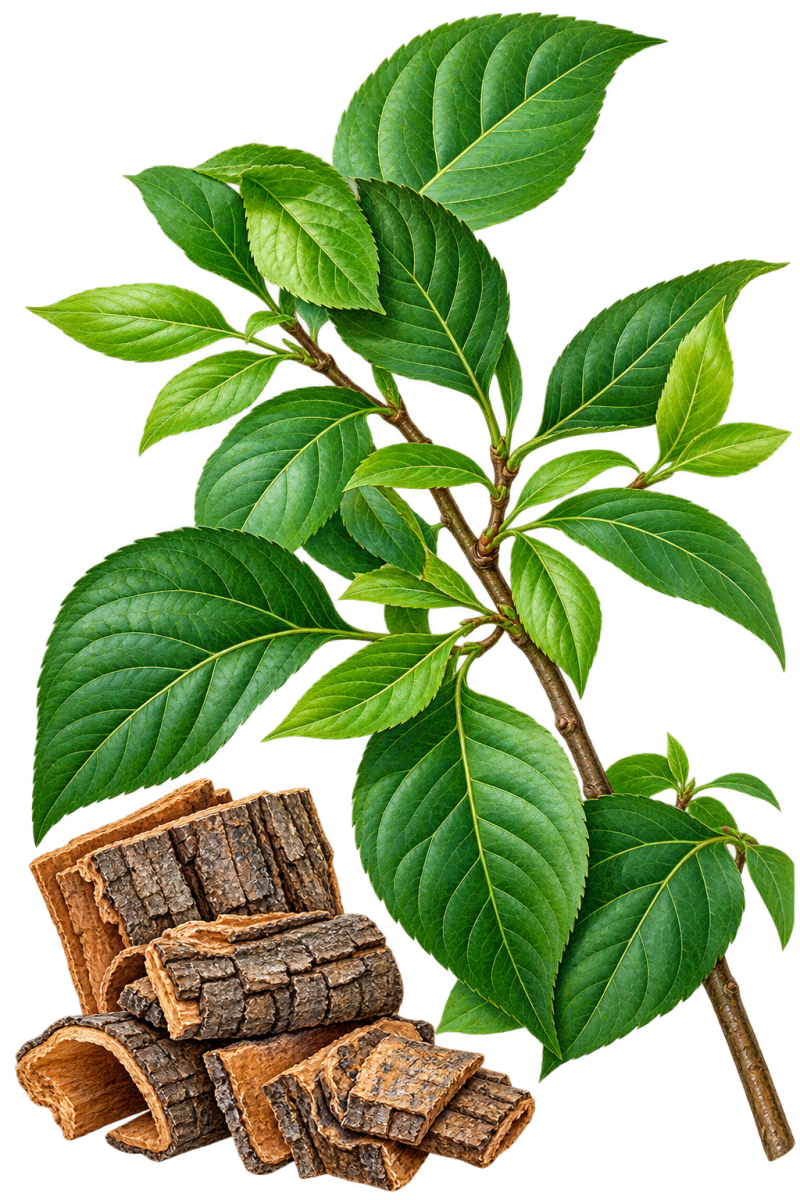
Huang Bai (Phellodendron amurense) is a bitter, cold herb used to clear heat, eliminate toxins, drain dampness, and nourish Yin. Its bioactive compounds—particularly berberine and related alkaloids—provide antimicrobial, anti-inflammatory, hypoglycemic, and hepatoprotective effects. Research also suggests benefits for lowering blood pressure, reducing fever, and preserving muscle mass in metabolic or wasting conditions.
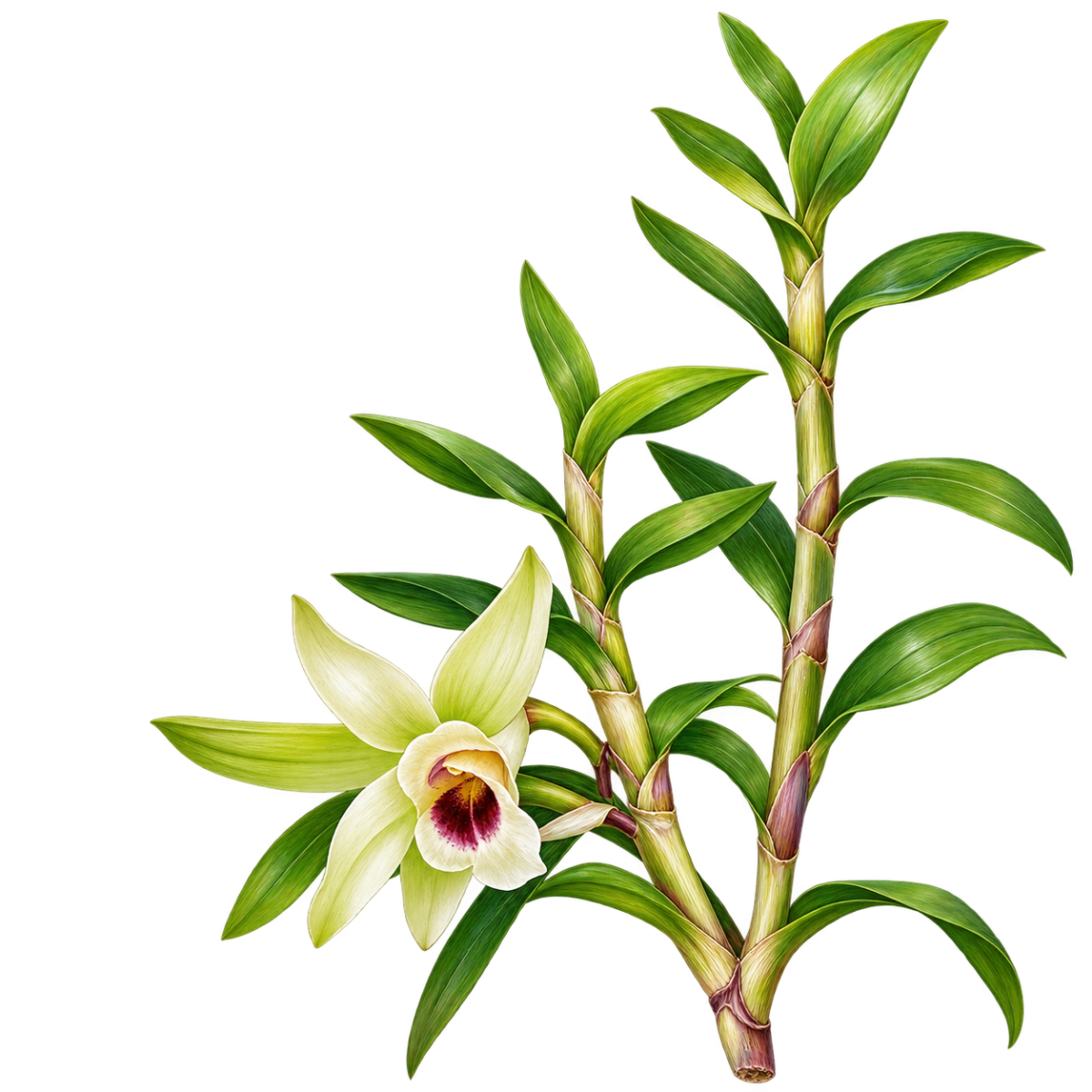
Dendrobium Stem (Dendrobium nobile Lindl., Dendrobii Caulis) is one of the most valued tonic herbs in Traditional Chinese Medicine (TCM), renowned as “Golden Stem Dendrobium” – a superior Yin-nourishing and life-prolonging herb. With its sweet flavor and slightly cold nature, it enters the Lung and Kidney meridians, replenishing Yin fluids, clearing internal heat, tonifying the Stomach, moistening the Lungs, brightening the eyes, strengthening tendons, and enhancing overall vitality. Traditionally, it is used to treat Yin deficiency syndromes such as dry mouth, thirst, low-grade fever, night sweating, internal heat in the bones, post-illness fatigue, impotence, cystitis, blurred vision, dizziness, periodontal inflammation, and dry skin. Chemically, Dendrobium nobile contains valuable bioactive compounds including dendrobine (its main sesquiterpene alkaloid), nobiline, polysaccharides, bibenzyls, phenanthrenes, flavonoids, vitamins, and essential minerals. These substances contribute to its antioxidant, immune-regulating, Yin-restoring, and tissue-rejuvenating effects. The herb is usually prepared by decoction, gentle steaming, or extracted into tonic formulas, with a typical daily dose of 6–15 g dried material. Revered for centuries as a “longevity herb,” Dendrobium Stem nourishes the body, revitalizes energy, enhances skin hydration, and promotes graceful aging — just as ancient physicians said: “Regular use of Shi Hu brings youth to the face and life as enduring as the pine.”