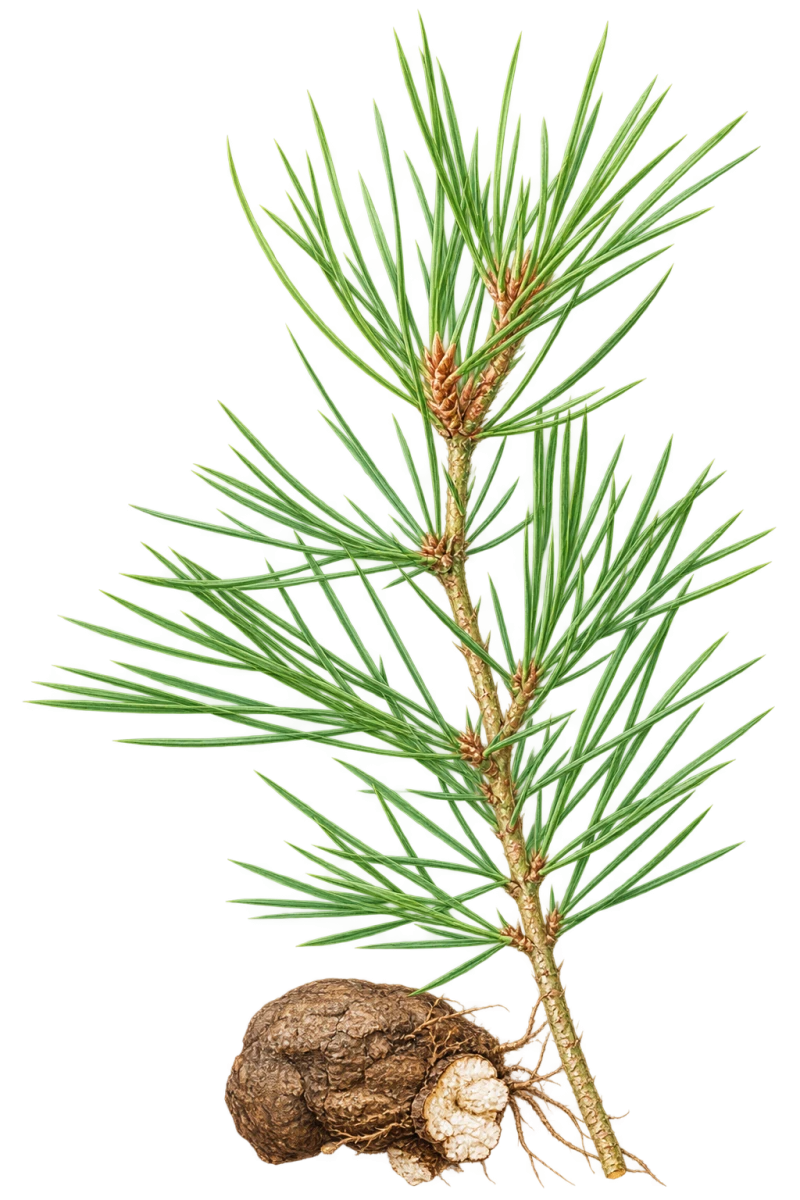
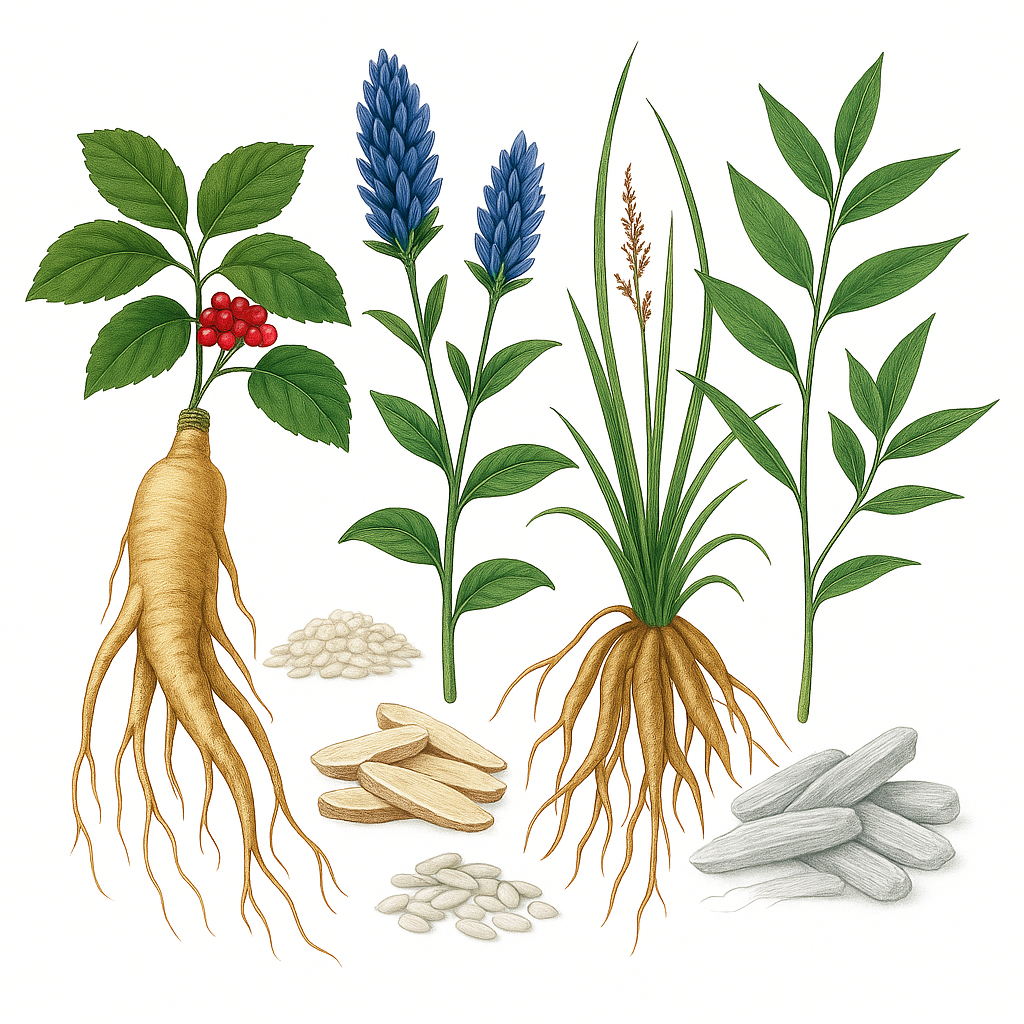
Poria cocos (Fu Ling, Indian Bread) is a renowned Traditional Chinese Medicine (TCM) herb valued for its diuretic, spleen-tonifying, and tranquilizing properties. Belonging to the Polyporaceae family, Poria cocos is the dried sclerotium of a fungus that parasitizes pine roots. Sweet and neutral in nature, it enters the Heart, Spleen, Lung, and Kidney meridians, helping to regulate Qi and Blood, harmonize Yin and Yang, and restore vitality. Modern pharmacological research shows that Poria contains polysaccharides, triterpenoids, and sterols with proven effects on enhancing immunity, lowering blood sugar, protecting the liver, improving memory, and inhibiting tumor growth. In skincare, it promotes a brighter, smoother complexion, reduces hyperpigmentation, delays aging, and supports longevity. Historically favored by Empress Dowager Cixi and poet Su Dongpo, Fu Ling is regarded as an elixir for health, beauty, and longevity. As a holistic remedy, Poria cocos purifies the body, nourishes the spirit, strengthens internal organs, and promotes harmony between mind and body — making it an essential herb in modern wellness and traditional Asian healing.
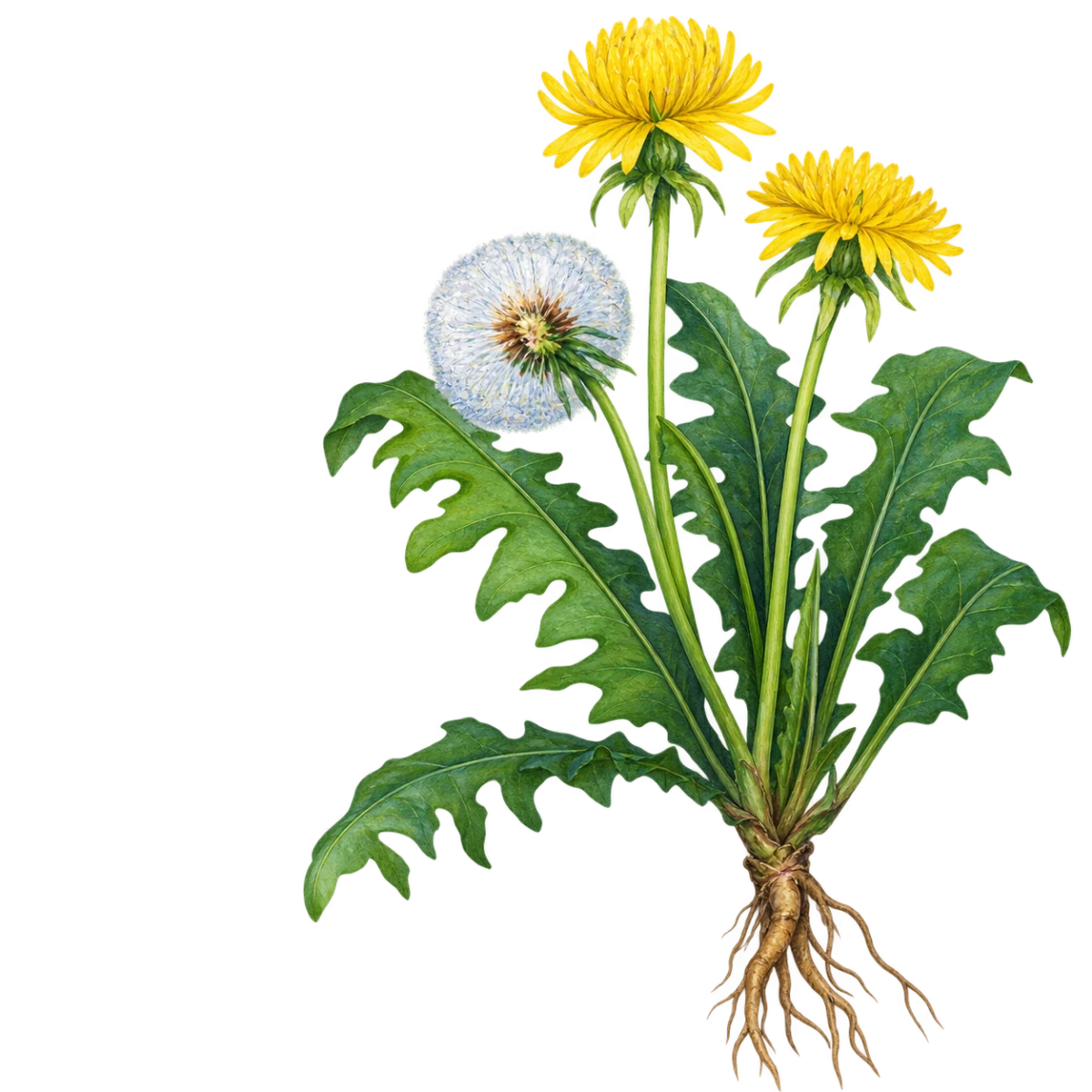
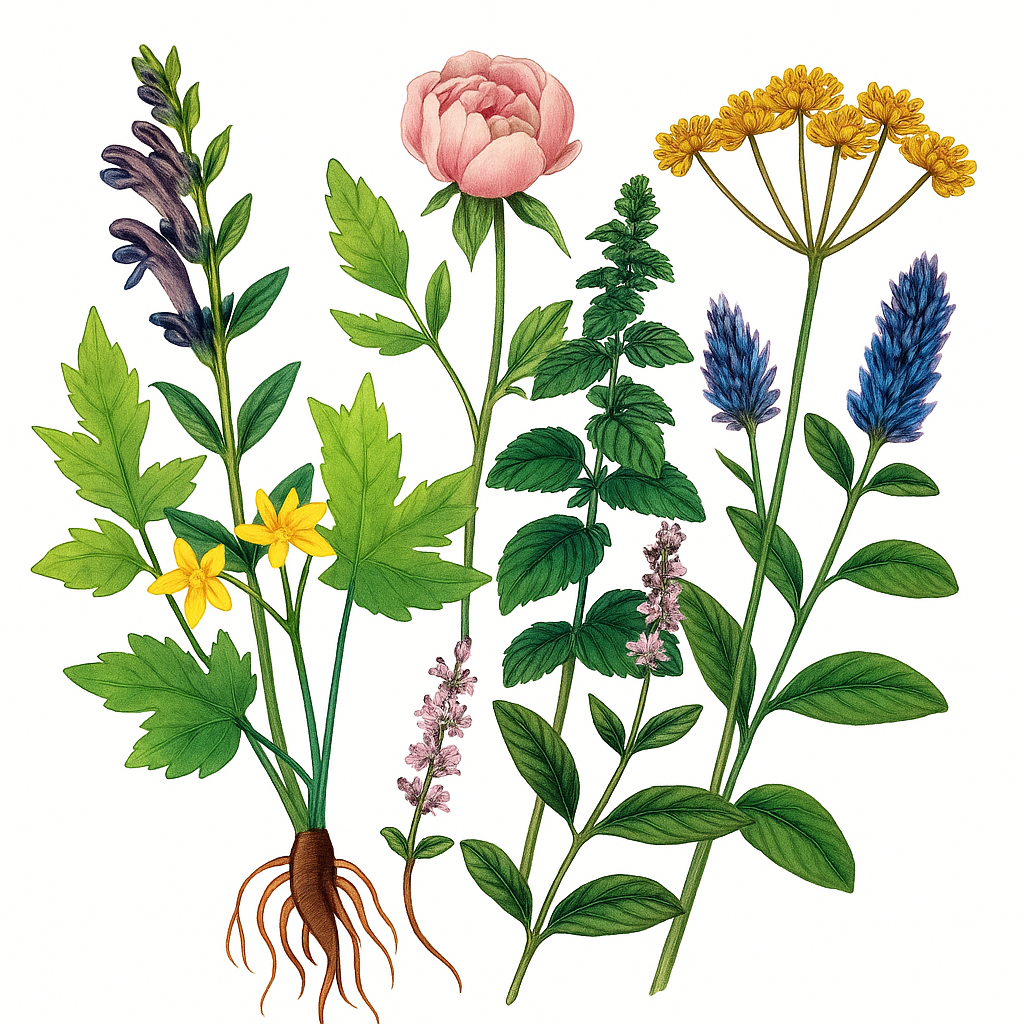
Dandelion (Pu Gong Ying – Taraxacum mongolicum) is a precious traditional Chinese medicinal herb renowned for its actions in clearing heat and toxins, resolving inflammation and abscesses, promoting urination, and protecting the liver. With a sweet–bitter taste and cold nature, it enters the Liver and Stomach meridians, known as a principal herb for treating “heat toxins and suppurative swellings.” Rich in active compounds such as taraxasterol, luteolin, inulin, and β-sitosterol, together with vitamins A, C, and E, Dandelion exhibits strong antioxidant, anti-inflammatory, immunomodulatory, lipid- and glucose-regulating properties. Clinically, it is widely applied to manage mastitis, blocked lactation, boils, abscesses, hepatitis, gallstones, urinary tract infection, mild hypertension, pharyngitis, bronchitis, eczema, and dermatitis, as well as to support cancer therapy, diabetes, and obesity management. Beyond its medicinal value, Herba Taraxaci is also consumed as a nutritious food and herbal tea, promoting detoxification, liver protection, and gentle sedation for better sleep. Combining classical Eastern medical wisdom with modern pharmacological evidence, Dandelion today stands as a comprehensive natural remedy and functional food that supports holistic wellness and chronic disease prevention in modern lifestyles.
Black Sesame (Hei Zhi Ma) is one of the most revered herbal foods in traditional Eastern medicine, with a history of use spanning thousands of years in health preservation, nourishment, and preventive care. Far beyond a nutrient-rich seed, black sesame has long been documented in classical medical texts for its ability to tonify the Liver and Kidney, nourish essence and blood, and support long-term vitality, making it especially valuable for individuals experiencing physical weakness, premature aging, or prolonged recovery. From a modern scientific perspective, black sesame stands out for its high content of unsaturated fatty acids, bioactive lignans (sesamin, sesamolin), vitamin E, trace minerals, and powerful antioxidants. These compounds contribute to comprehensive benefits across multiple body systems, including digestive health, cardiovascular function, nervous system support, endocrine balance, immune resilience, and skin and hair vitality. When used appropriately, black sesame helps support chronic constipation, metabolic balance, liver health, anti-aging processes, and promotes strong, dark hair and radiant skin from within. What truly differentiates black sesame from many other herbal ingredients is its neutral nature, sweet and oily flavor, and non-toxic profile, allowing it to be seamlessly integrated into daily nutrition, traditional herbal formulas, medicinal oils, and natural wellness practices. This rare balance between traditional wisdom and modern nutritional science positions black sesame as a cornerstone ingredient in today’s global movement toward integrative medicine and sustainable health optimization.
Sophora Flower (Huai Hua, Sophorae Flos) is a well-known medicinal herb in Traditional Medicine, valued for its slightly bitter taste, aromatic nature, and cooling properties. Traditionally associated with the Liver, Gallbladder, and Large Intestine meridians, Sophora Flower has long been used in herbal practice for clearing heat, cooling the blood, supporting hemostasis, and helping restore balance in heat-related conditions. In traditional use, it is often referenced in formulas for hemorrhoids, blood in the stool, nosebleeds, hypertension, red or irritated eyes, headache, dizziness, and symptoms linked to excess internal heat. It is also noted in herbal literature for its supportive role in digestive health, circulation, and antioxidant activity. Beyond its traditional uses, Sophora Flower remains a highly searched herb among readers interested in Traditional Chinese Medicine, natural herbal support, heat-clearing herbs, and botanical wellness solutions. It is commonly prepared as a decoction or infusion under proper guidance, making it a practical choice for those exploring time-honored herbal traditions. For consumers, practitioners, and wellness-focused readers looking for authentic information on Sophora Flower benefits, uses, and traditional indications, this herb stands out as a valuable botanical with enduring relevance. Choosing quality raw material, storing it properly, and using it according to appropriate dosage are essential for preserving its traditional therapeutic value.