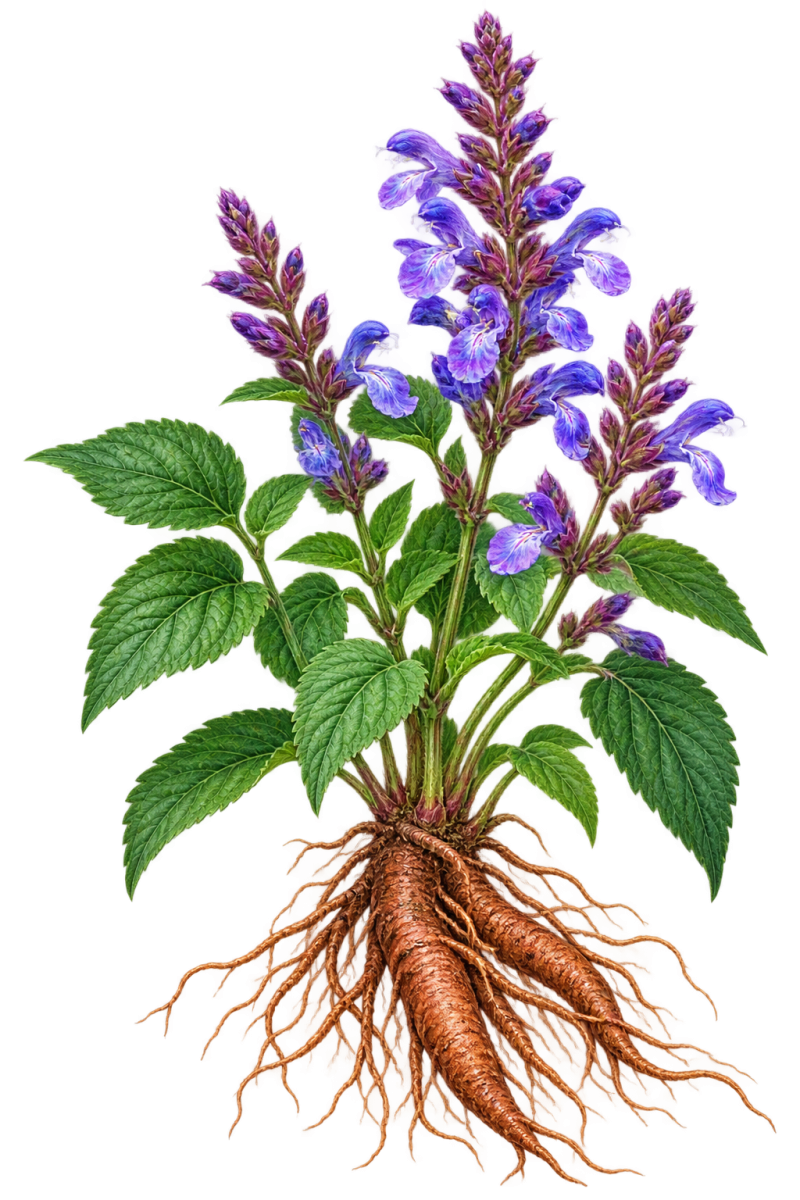
Sophora Flower (Huai Hua, Sophorae Flos) is a well-known medicinal herb in Traditional Medicine, valued for its slightly bitter taste, aromatic nature, and cooling properties. Traditionally associated with the Liver, Gallbladder, and Large Intestine meridians, Sophora Flower has long been used in herbal practice for clearing heat, cooling the blood, supporting hemostasis, and helping restore balance in heat-related conditions. In traditional use, it is often referenced in formulas for hemorrhoids, blood in the stool, nosebleeds, hypertension, red or irritated eyes, headache, dizziness, and symptoms linked to excess internal heat. It is also noted in herbal literature for its supportive role in digestive health, circulation, and antioxidant activity.
Beyond its traditional uses, Sophora Flower remains a highly searched herb among readers interested in Traditional Chinese Medicine, natural herbal support, heat-clearing herbs, and botanical wellness solutions. It is commonly prepared as a decoction or infusion under proper guidance, making it a practical choice for those exploring time-honored herbal traditions. For consumers, practitioners, and wellness-focused readers looking for authentic information on Sophora Flower benefits, uses, and traditional indications, this herb stands out as a valuable botanical with enduring relevance. Choosing quality raw material, storing it properly, and using it according to appropriate dosage are essential for preserving its traditional therapeutic value.
NAME OF THE MEDICINAL HERB: SOPHORA FLOWER – Huai Hua
COMMON ENGLISH NAME: Pagoda Tree Flower
SCIENTIFIC NAME (PHARMACOGNOSTIC NAME):
(Sophorae Flos)
FAMILY: Fabaceae.
STORAGE: Store in a dry place, away from direct sunlight.
PROPERTY AND FLAVOR: Slightly bitter in taste, aromatic in odor, cold in nature.
MERIDIAN ENTRY: Enters the Liver, Gallbladder, and Large Intestine meridians.
THERAPEUTIC INDICATIONS:
Primarily indicated for disorders caused by the accumulation of pathogenic qi in the five zang organs; relieves conditions in which pathogenic heat damages body fluids; prolongs youthfulness and enhances longevity.
1. MUSCULOSKELETAL
· Numbness and aching of the sinews and bones
· Arthritis
· Anti-osteoporosis
2. DIGESTIVE – HEPATOBILIARY
· Treats internal hemorrhoids, external hemorrhoids, antibacterial conditions in the colon, colitis, and blood in the stool (dysenteric disorder with profuse bleeding). Helps treat constipation accompanied by swollen, painful hemorrhoids and bleeding due to heat accumulation in the Large Intestine.
· Treats rectal prolapse
· Reduces smooth muscle tone and relieves spasm, is anti-ulcer (stomach), treats diarrhea, treats helminths, and heat in the Large Intestine
· Treats Liver fire flaring upward
· Hematemesis due to blood heat
3. DERMATOLOGY – OPHTHALMOLOGY
· Boils and sores caused by the accumulation of damp-heat
· Helps scars heal quickly, anti-allergic (treats external wind conditions of the skin)
· Edema in women
· Red eyes, tearing, treats hot eyes, blurred vision, and retinitis
4. GYNECOLOGY – REPRODUCTIVE – URINARY
· Acute uterine inflammation
· Vaginal bleeding outside the menstrual period
· Treats hematuria
5. CIRCULATORY – CARDIOVASCULAR
· Cools the blood, stops bleeding, treats blood disorders
· Hypertension
6. NEUROLOGICAL – MENTAL
· Treats feelings of oppression, headache, dizziness, vexation, and melancholy
7. ENDOCRINE
· Regulates blood glucose
8. IMMUNE
· Has antioxidant, antibacterial, antiviral activities, and anti-coccal effects
· Dengue fever
· Has anti-radiation effects
· Anti-tumor potential
9. RESPIRATORY
· Epistaxis, hemoptysis
· Sore throat
USAGE AND DOSAGE: Use 8–20 grams per day, in the form of a decoction or infusion.
CONTRAINDICATIONS AND PRECAUTIONS:
· Use with caution in pregnant women because it may cause miscarriage.
· Persons with yin deficiency generating heat but without excess fire: use with caution or do not use.
· Do not use for disorders due to deficiency-cold without heat.
· Incompatible with iron.
· Do not self-administer high doses or use for a prolonged period because it may increase the metabolic burden on the liver and kidneys; it should be used only as indicated and at the proper dosage.
· Use with caution when taking anticoagulants or antiplatelet drugs, because flavonoids isolated from Sophora japonica have been reported to inhibit platelet aggregation in pharmacological studies.
ECOLOGICAL VALUE OF JAPANESE PAGODA TREE
Beyond its therapeutic value, the Japanese pagoda tree (Styphnolobium japonicum (L.) Schott, synonym Sophora japonica L.) also provides several ecological benefits:
The Japanese pagoda tree offers dual value—therapeutic and ecological—by providing medicinal resources while supporting pollination, soil protection, and ecosystem functions through sustainable cultivation and harvesting.
Xem thêm
Rút Gọn
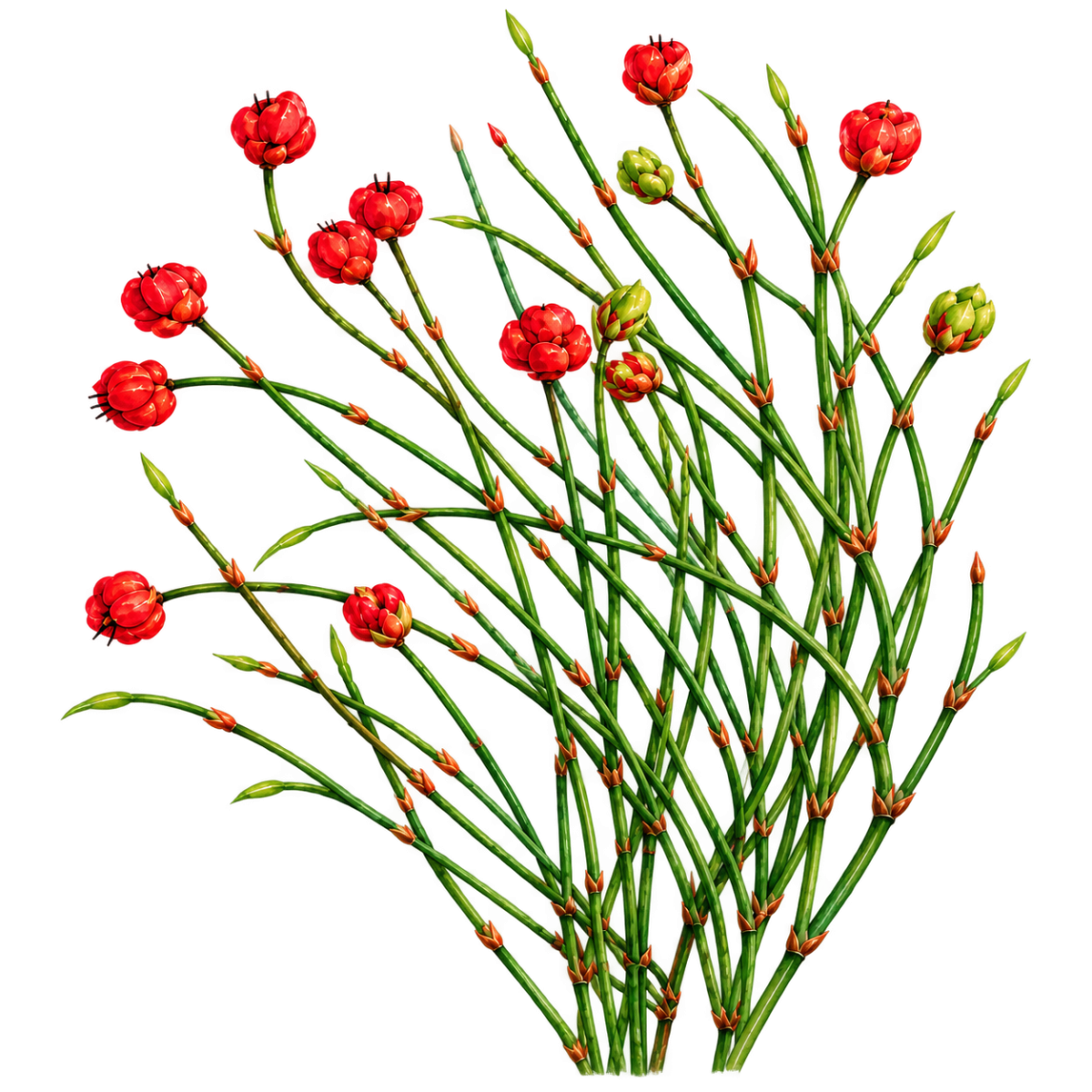
Ma hoàng (Ephedra) là vị thuốc Đông y nổi tiếng với đặc tính cay, đắng, tính ôn, thường được nhắc đến trong các tài liệu y học cổ truyền nhờ công dụng phát hãn giải biểu, thông phế, bình suyễn, chỉ khái và lợi tiểu tiêu phù. Dược liệu này thường được ứng dụng trong các bài thuốc hỗ trợ cải thiện cảm mạo phong hàn, nghẹt mũi, ho, hen suyễn, viêm phế quản, viêm mũi dị ứng và một số chứng phù thũng, tiểu tiện khó. Ngoài ra, ma hoàng còn được ghi nhận trong y văn với vai trò hỗ trợ giảm đau nhức do phong thấp, tê thấp, đồng thời được dùng trong một số bài thuốc liên quan đến da liễu và ra mồ hôi bất thường. Với thành phần hoạt chất đặc trưng như ephedrine và pseudoephedrine, ma hoàng là thảo dược được quan tâm cả trong nghiên cứu hiện đại lẫn ứng dụng truyền thống. Nếu bạn đang tìm hiểu ma hoàng là gì, công dụng của ma hoàng, cách dùng ma hoàng trong Đông y và những lưu ý quan trọng khi sử dụng, đây là dược liệu cần được tiếp cận đúng kiến thức, đúng liều lượng và thận trọng theo hướng dẫn chuyên môn.
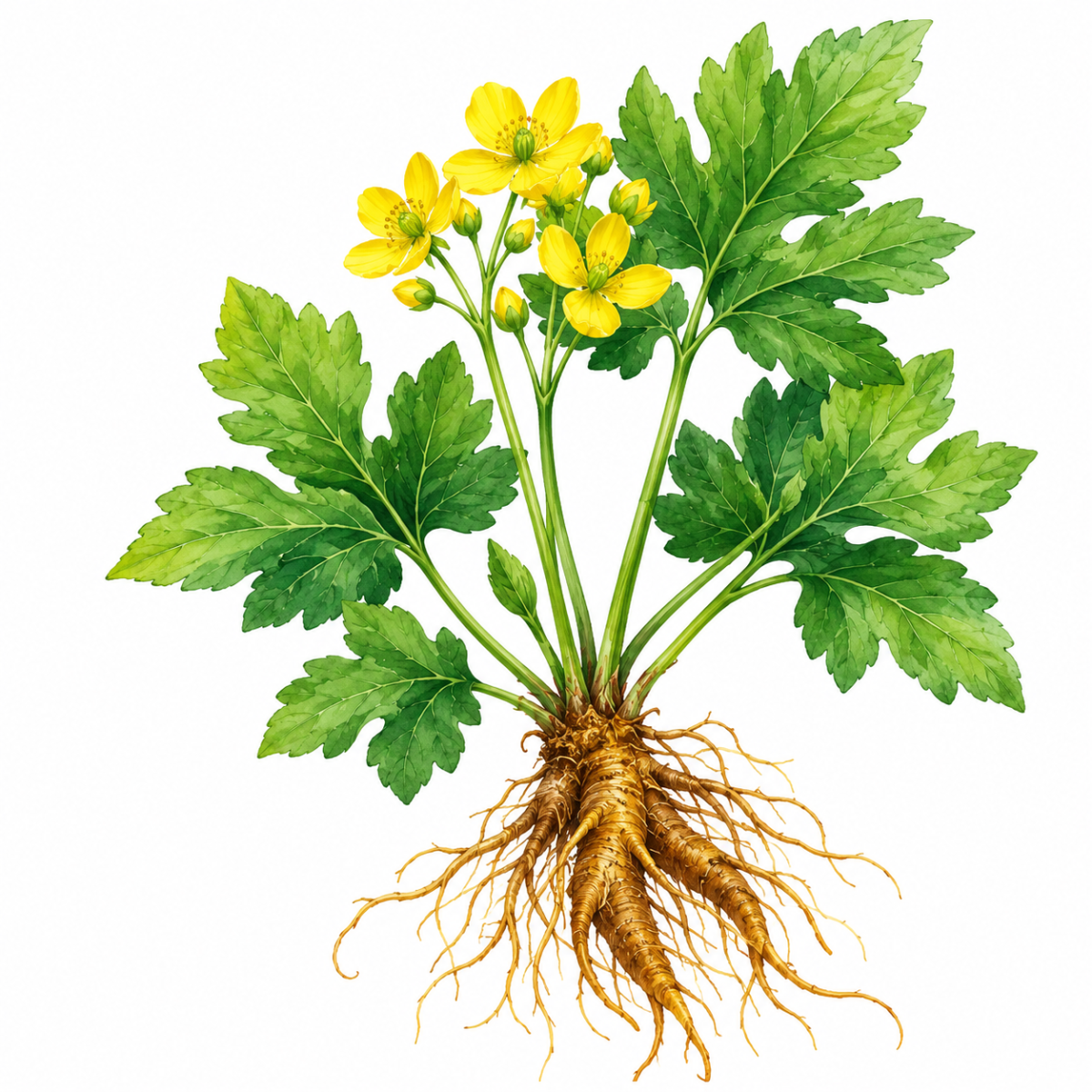
Hoàng liên là một dược liệu quý trong Đông y, nổi bật với vị rất đắng, tính hàn mạnh và công năng thanh nhiệt, tiêu thấp, giải độc, tả hỏa. Trong y học cổ truyền, hoàng liên thường được dùng trong các trường hợp thấp nhiệt, tâm hỏa vượng, nhiệt độc, kiết lỵ, tiêu chảy do viêm đường ruột, nóng trong, nhiệt ở tỳ vị, miệng đắng, đầy tức vùng thượng vị, nôn buồn nôn và một số chứng vàng da thấp nhiệt. Ngoài ra, thảo dược này còn được biết đến với khả năng hỗ trợ cải thiện các vấn đề về mắt, da, răng miệng, viêm họng, lở loét, mề đay, chàm, nấm da và các tổn thương ngoài da có rỉ dịch. Thành phần nổi bật của hoàng liên là berberine, kết hợp cùng nhiều alcaloid khác, giúp dược liệu này được quan tâm trong các nội dung tìm kiếm liên quan đến thanh nhiệt giải độc, hỗ trợ tiêu hóa, chăm sóc sức khỏe theo Đông y và ứng dụng thảo dược truyền thống. Tuy nhiên, hoàng liên có tính hàn mạnh nên cần dùng đúng liều lượng, đúng thể trạng và thận trọng với các trường hợp tỳ vị hư hàn, âm hư, phụ nữ mang thai, trẻ sơ sinh hoặc người đang dùng thuốc điều trị. Nếu bạn đang tìm hiểu công dụng của hoàng liên, cách dùng hoàng liên và những lưu ý quan trọng trước khi sử dụng, đây là dược liệu cần được tham khảo một cách kỹ lưỡng và đúng chuyên môn.
Vừng đen (Hắc chi ma) là một trong những thảo dược – thực dược cổ điển quan trọng bậc nhất của Y học cổ truyền phương Đông, được sử dụng liên tục hàng nghìn năm trong chăm sóc sức khỏe, dưỡng sinh và phòng bệnh. Không chỉ là một loại thực phẩm giàu dinh dưỡng, vừng đen còn được ghi nhận trong các y thư cổ với vai trò bổ Can – Ích Thận – Dưỡng tinh – Ích huyết, đặc biệt phù hợp cho người suy nhược, lão hóa sớm và người cần phục hồi thể trạng lâu dài. Từ góc nhìn khoa học hiện đại, vừng đen nổi bật nhờ hàm lượng cao dầu béo không no, lignan sinh học (sesamin, sesamolin), vitamin E, khoáng chất vi lượng và chất chống oxy hóa, mang lại lợi ích toàn diện cho hệ tiêu hóa, tim mạch, thần kinh, nội tiết, miễn dịch và làn da – mái tóc. Việc sử dụng vừng đen đúng cách giúp hỗ trợ táo bón mạn tính, cải thiện chức năng gan – thận, ổn định chuyển hóa, làm chậm quá trình lão hóa, đồng thời nuôi dưỡng tóc đen khỏe, da dẻ hồng hào từ bên trong. Điểm khác biệt của vừng đen so với nhiều thảo dược khác nằm ở tính bình, vị ngọt béo, không độc, cho phép sử dụng linh hoạt trong chế độ ăn uống, bài thuốc Đông y, dầu dưỡng, cũng như các liệu pháp chăm sóc sức khỏe tự nhiên. Chính sự kết hợp hài hòa giữa giá trị truyền thống và bằng chứng khoa học hiện đại đã giúp vừng đen trở thành lựa chọn được tin cậy trong xu hướng y học tích hợp và chăm sóc sức khỏe bền vững ngày nay.
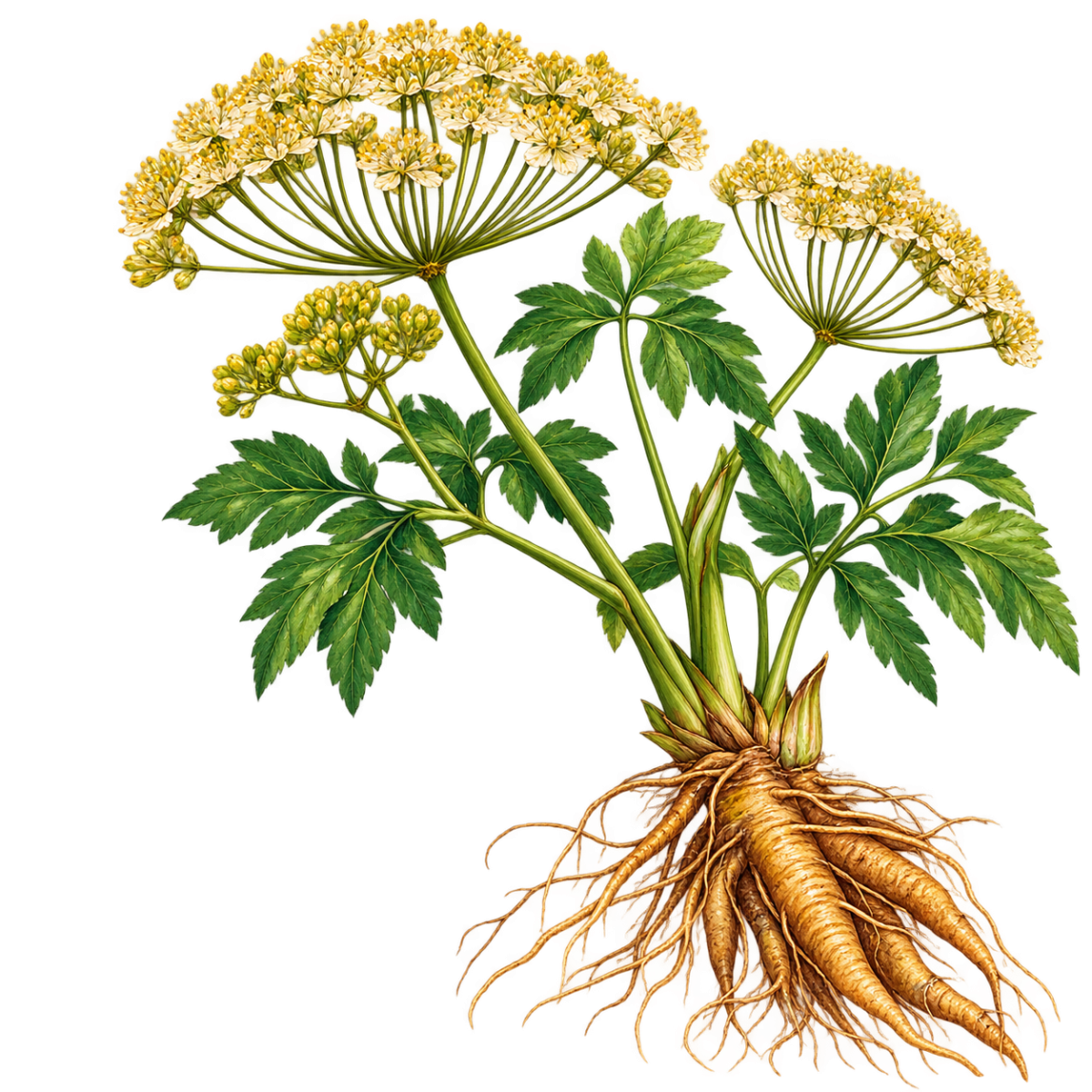
Đương quy (Dang Gui – Angelica sinensis) từ lâu được mệnh danh là “thánh dược bổ huyết” trong Y học cổ truyền Trung Hoa, với lịch sử ứng dụng hàng nghìn năm trong chăm sóc sức khỏe tim mạch, thần kinh và phụ khoa. Không chỉ là một vị thuốc, Đương quy còn là nền tảng của hàng trăm bài thuốc kinh điển nhờ khả năng bổ huyết nhưng không trệ, hoạt huyết mà không phá huyết – một đặc tính hiếm có trong dược liệu. Theo YHCT, Đương quy có vị ngọt cay, tính ôn, quy vào các kinh Tâm, Can, Tỳ, có tác dụng dưỡng huyết, điều hòa khí huyết, thông kinh lạc và giảm đau. Y học hiện đại đã chứng minh giá trị này thông qua các hoạt chất tiêu biểu như ligustilide, phthalide, ferulic acid và polysaccharide, giúp cải thiện tuần hoàn máu, ức chế kết tập tiểu cầu, bảo vệ tế bào thần kinh, hỗ trợ phục hồi sau đột quỵ và tăng cường miễn dịch. Đương quy đặc biệt được ứng dụng rộng rãi trong chăm sóc sức khỏe phụ nữ, hỗ trợ điều hòa kinh nguyệt, giảm đau bụng kinh, cải thiện huyết hư, hỗ trợ giai đoạn trước – sau sinh khi dùng đúng liều và đúng chỉ định. Ngoài ra, dược liệu này còn đóng vai trò quan trọng trong hỗ trợ tiêu hóa, làm đẹp da, chống lão hóa và tăng cường thể lực cho người suy nhược. Với hồ sơ khoa học rõ ràng, nguồn gốc minh bạch và giá trị ứng dụng cao, Đương quy là lựa chọn chiến lược cho các sản phẩm Đông y, TCM và giải pháp chăm sóc sức khỏe toàn diện, khi được sử dụng đúng chuẩn y học cổ truyền và tiêu chuẩn dược liệu hiện đại.
Đan sâm (Salvia miltiorrhiza Bunge), tên tiếng Anh thường gọi là Danshen root, là một vị thuốc quan trọng trong Y học cổ truyền, nổi tiếng với tác dụng hoạt huyết, tiêu ứ và điều hòa tuần hoàn máu. Theo Đông y, Đan sâm có vị đắng, tính hơi hàn, quy vào kinh Tâm, Tâm bào và Can, đóng vai trò trung tâm trong việc điều hòa huyết mạch và bảo vệ các cơ quan quan trọng. Từ lâu, Đan sâm đã được sử dụng để hỗ trợ các chứng đau tức ngực, rối loạn tuần hoàn, đau bụng do huyết ứ, kinh nguyệt không đều, đau bụng kinh, chấn thương bầm tụ và sưng đau cơ xương khớp. Khác với nhiều vị thuốc hoạt huyết mạnh khác, Đan sâm vừa có khả năng làm tan huyết ứ, vừa dưỡng huyết và sinh huyết mới, nên được đánh giá cao trong các bài thuốc dùng lâu dài. Các nghiên cứu hiện đại cho thấy Đan sâm chứa nhiều hoạt chất sinh học quan trọng như tanshinone, salvianolic acid, flavonoid và các hợp chất polyphenol, góp phần tạo nên tác dụng chống oxy hóa, chống viêm, bảo vệ nội mô mạch máu và chống xơ hóa đa cơ quan. Nhờ đó, Đan sâm được ứng dụng rộng rãi trong hỗ trợ sức khỏe tim mạch, gan, thận, não bộ và các rối loạn chuyển hóa. Ngoài ra, Đan sâm còn giúp điều hòa chuyển hóa lipid và glucose, hỗ trợ chức năng gan và tăng cường khả năng tự phục hồi của cơ thể thông qua cải thiện vi tuần hoàn. Khi được sử dụng đúng biện chứng, Đan sâm là một vị thuốc quý, phù hợp cho cả phòng ngừa và hỗ trợ điều trị nhiều tình trạng mạn tính.
Hương Phụ (Xiang Fu, Cyperi Rhizoma) là một trong những thảo dược quan trọng bậc nhất của Đông y trong điều trị rối loạn khí, đặc biệt là Can khí uất kết – nguyên nhân sâu xa của nhiều bệnh lý hiện đại như rối loạn kinh nguyệt, đau bụng kinh, đầy trướng tiêu hóa, căng thẳng tâm lý và đau đầu do stress. Trong y học cổ truyền Trung Hoa, Hương Phụ được xếp vào nhóm hành khí, giải uất, điều kinh, quy vào kinh Can và Tam Tiêu. Dược liệu này có khả năng điều hòa khí cơ toàn thân, làm thông suốt trục Can – Tỳ – Vị, từ đó cải thiện các biểu hiện đau do khí trệ, rối loạn tiêu hóa chức năng và các vấn đề phụ khoa do khí huyết không điều hòa. Công dụng nổi bật của Hương Phụ là điều trị kinh nguyệt không đều, thống kinh, hội chứng tiền kinh nguyệt, đau tức ngực – hạ sườn, đầy bụng, chán ăn, nôn do khí nghịch. Với những người thường xuyên căng thẳng, dễ cáu gắt, ngủ không sâu, đau đầu vùng đỉnh, Hương Phụ đóng vai trò như một vị thuốc điều hòa Can khí nền tảng. Đối tượng phù hợp là người có biểu hiện Can khí uất: nữ giới rối loạn kinh nguyệt, người làm việc trí óc căng thẳng kéo dài, người hay đầy trướng không rõ tổn thương thực thể. Lưu ý quan trọng: không dùng đơn độc cho người khí hư nặng, âm hư huyết nhiệt, phụ nữ mang thai hoặc rong huyết do hư chứng nếu chưa có biện chứng rõ ràng từ thầy thuốc. Để sử dụng Hương Phụ đúng và an toàn, hãy tìm hiểu kỹ về thể bệnh và phép trị tương ứng trong TCM, thay vì chỉ dựa vào triệu chứng bề mặt.
Đỗ trọng (Du Zhong) là một trong những vị thảo dược quan trọng hàng đầu trong Đông y, nổi tiếng với khả năng bổ can thận, mạnh gân cốt và an thai. Vỏ cây Đỗ trọng chứa nhiều hoạt chất sinh học quý như alkaloid, triterpenoid, saponin, flavonoid, vitamin và khoáng chất, mang lại hàng loạt lợi ích cho sức khỏe. Đỗ trọng thường được sử dụng trong các bài thuốc điều trị đau lưng, mỏi gối, thoái hóa khớp, loãng xương, cũng như các chứng di tinh, liệt dương, tiểu đêm do thận hư. Trong lĩnh vực phụ khoa và thai sản, Đỗ trọng được đánh giá cao nhờ tác dụng an thai, giảm nguy cơ động thai, dọa sảy, giúp cơ thể phụ nữ mang thai khỏe mạnh hơn. Đồng thời, thảo dược này còn hỗ trợ hạ huyết áp, giảm cholesterol, giãn mạch, góp phần phòng ngừa bệnh lý tim mạch. Nhờ đặc tính chống viêm, chống oxy hóa mạnh, Đỗ trọng còn có vai trò quan trọng trong việc tăng cường miễn dịch, bảo vệ tế bào thần kinh, hỗ trợ chuyển hóa đường và chất béo, phù hợp cho người có nguy cơ tiểu đường hoặc rối loạn chuyển hóa. Ngoài ra, nghiên cứu hiện đại cũng cho thấy lá Đỗ trọng có tác dụng tương đương vỏ, tiện lợi hơn khi sử dụng. Đỗ trọng có thể dùng dạng sắc, ngâm rượu, tán bột hoặc chế cao, phù hợp nhiều mục đích chăm sóc sức khỏe. Đây là dược liệu lành tính, dễ dùng nhưng vẫn cần lưu ý ở người âm hư hỏa vượng hoặc dị ứng latex. Với giá trị y học sâu rộng, Đỗ trọng hiện là thảo dược được ứng dụng rộng rãi trong chăm sóc sức khỏe xương khớp, sinh lý, tim mạch và miễn dịch.
Nữ trinh tử (Nu Zhen Zi, Ligustri Lucidi Fructus) là vị thuốc bổ âm kinh điển trong Y học cổ truyền, nổi tiếng với khả năng dưỡng Can Thận, mạnh gân cốt, sáng mắt và chống lão hóa toàn diện. Thuộc họ Mộc Tê, dược liệu là quả chín phơi khô của cây Nữ trinh – loại thảo dược được sử dụng hàng nghìn năm trong các phương thuốc bổ âm, bổ tinh, trị đau lưng, mỏi gối, tóc bạc sớm, ù tai, hoa mắt chóng mặt do Can Thận âm hư. Không chỉ được đánh giá cao trong cổ phương như Lục Vị Hoàn hay Kỷ Cúc Địa Hoàn, Nữ trinh tử còn được nghiên cứu rộng rãi trong y học hiện đại nhờ hàm lượng oleanolic acid, flavonoid, saponin và các hoạt chất chống oxy hóa mạnh. Nhiều nghiên cứu cho thấy dược liệu này có tác dụng bảo vệ gan, hỗ trợ điều hòa đường huyết, giảm cholesterol, tăng miễn dịch, chống viêm thần kinh và cải thiện sức khỏe xương khớp. Đặc biệt, Nữ trinh tử còn có tiềm năng trong hỗ trợ điều trị bạch biến và phòng ngừa thoái hóa thần kinh. Với tính vị đắng ngọt, tính hàn, quy vào Can – Thận, vị thuốc phù hợp cho người âm hư, nóng trong, suy nhược, mãn kinh, khô mắt, đau lưng mỏi gối. Đây là lựa chọn lý tưởng cho các sản phẩm bổ thận âm, dưỡng gan thận, tăng cường thị lực và chăm sóc sức khỏe toàn diện theo tinh thần Đông y hiện đại.
Bạch mao căn – rễ của cây cỏ tranh (Imperata cylindrica) – từ lâu đã được xem như một vị thuốc thanh lương, mát sạch từ trong ra ngoài, giúp cơ thể “hạ hỏa” nhẹ nhàng mà bền vững. Trong Y học cổ truyền, Bạch mao căn nổi tiếng với công năng thanh nhiệt, lương huyết, lợi niệu thông lâm và chỉ huyết. Nhờ đặc tính thanh nhiệt mạnh nhưng không làm hại khí âm, vị thuốc này thường được dùng trong các chứng như tiểu buốt, tiểu rắt, tiểu ít, tiểu ra máu, viêm thận cấp, hoàng đản do thấp nhiệt, phù thũng. Đồng thời, khả năng làm mát máu – cầm máu của Bạch mao căn còn hỗ trợ tốt trong chảy máu cam, ho ra máu, nôn ra máu hoặc rong kinh do huyết nhiệt. Không chỉ vậy, với vị ngọt, tính hàn và tác dụng giáng nghịch khí, Bạch mao căn còn giúp giảm nôn ói, giải độc rượu, làm mát dạ dày, phù hợp cho người nóng trong, hay khát nước hoặc sốt cao mất tân dịch. Các nghiên cứu hiện đại cho thấy rễ cỏ tranh chứa nhiều hoạt chất quý như triterpenoid, flavonoid, vitamin, polysaccharid… có tác dụng chống viêm, kháng khuẩn, lợi tiểu và bảo vệ gan – thận. Nhờ sự kết hợp hài hòa giữa tri thức cổ phương và bằng chứng hiện đại, Bạch mao căn ngày nay tiếp tục được ứng dụng rộng rãi trong chăm sóc sức khỏe, đặc biệt cho những người có vấn đề về đường tiểu, gan mật, nóng trong, hoặc cần thanh nhiệt – giải độc một cách tự nhiên và an toàn.
Bạch mao căn – rễ của cây cỏ tranh (Imperata cylindrica) – từ lâu đã được xem như một vị thuốc thanh lương, mát sạch từ trong ra ngoài, giúp cơ thể “hạ hỏa” nhẹ nhàng mà bền vững. Trong Y học cổ truyền, Bạch mao căn nổi tiếng với công năng thanh nhiệt, lương huyết, lợi niệu thông lâm và chỉ huyết. Nhờ đặc tính thanh nhiệt mạnh nhưng không làm hại khí âm, vị thuốc này thường được dùng trong các chứng như tiểu buốt, tiểu rắt, tiểu ít, tiểu ra máu, viêm thận cấp, hoàng đản do thấp nhiệt, phù thũng. Đồng thời, khả năng làm mát máu – cầm máu của Bạch mao căn còn hỗ trợ tốt trong chảy máu cam, ho ra máu, nôn ra máu hoặc rong kinh do huyết nhiệt. Không chỉ vậy, với vị ngọt, tính hàn và tác dụng giáng nghịch khí, Bạch mao căn còn giúp giảm nôn ói, giải độc rượu, làm mát dạ dày, phù hợp cho người nóng trong, hay khát nước hoặc sốt cao mất tân dịch. Các nghiên cứu hiện đại cho thấy rễ cỏ tranh chứa nhiều hoạt chất quý như triterpenoid, flavonoid, vitamin, polysaccharid… có tác dụng chống viêm, kháng khuẩn, lợi tiểu và bảo vệ gan – thận. Nhờ sự kết hợp hài hòa giữa tri thức cổ phương và bằng chứng hiện đại, Bạch mao căn ngày nay tiếp tục được ứng dụng rộng rãi trong chăm sóc sức khỏe, đặc biệt cho những người có vấn đề về đường tiểu, gan mật, nóng trong, hoặc cần thanh nhiệt – giải độc một cách tự nhiên và an toàn.