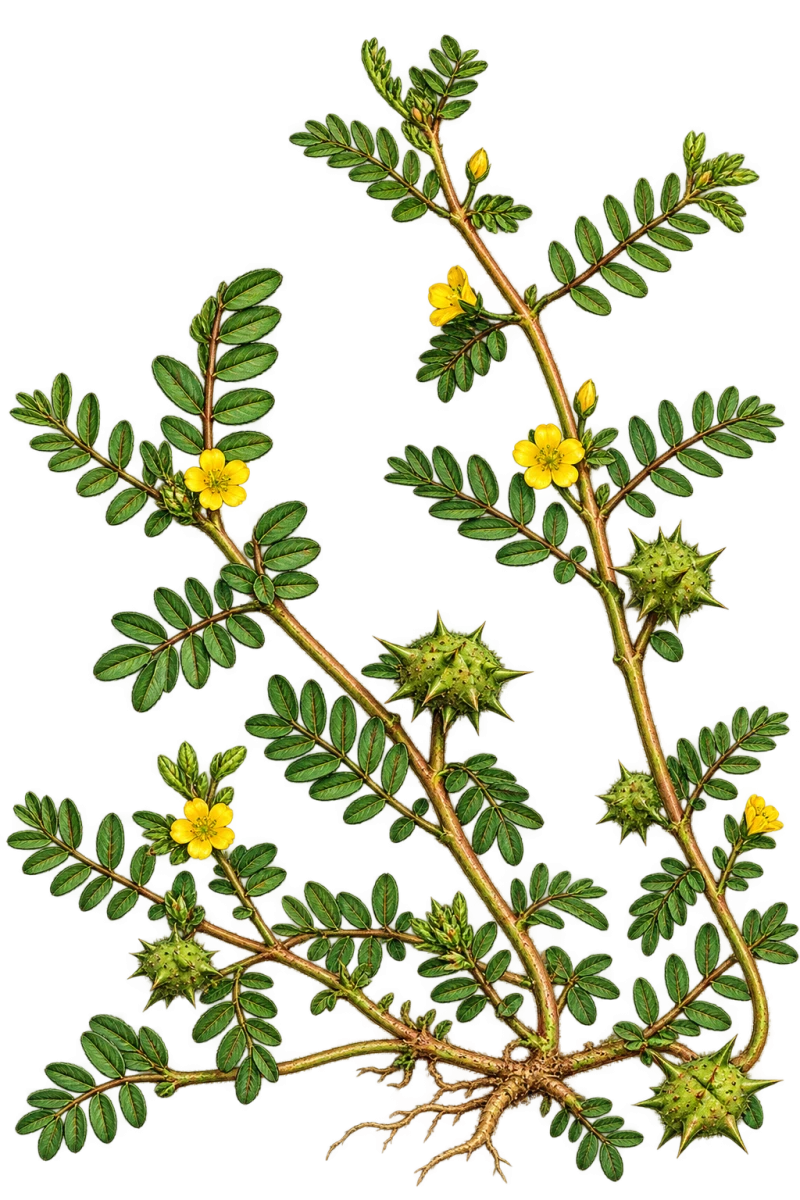
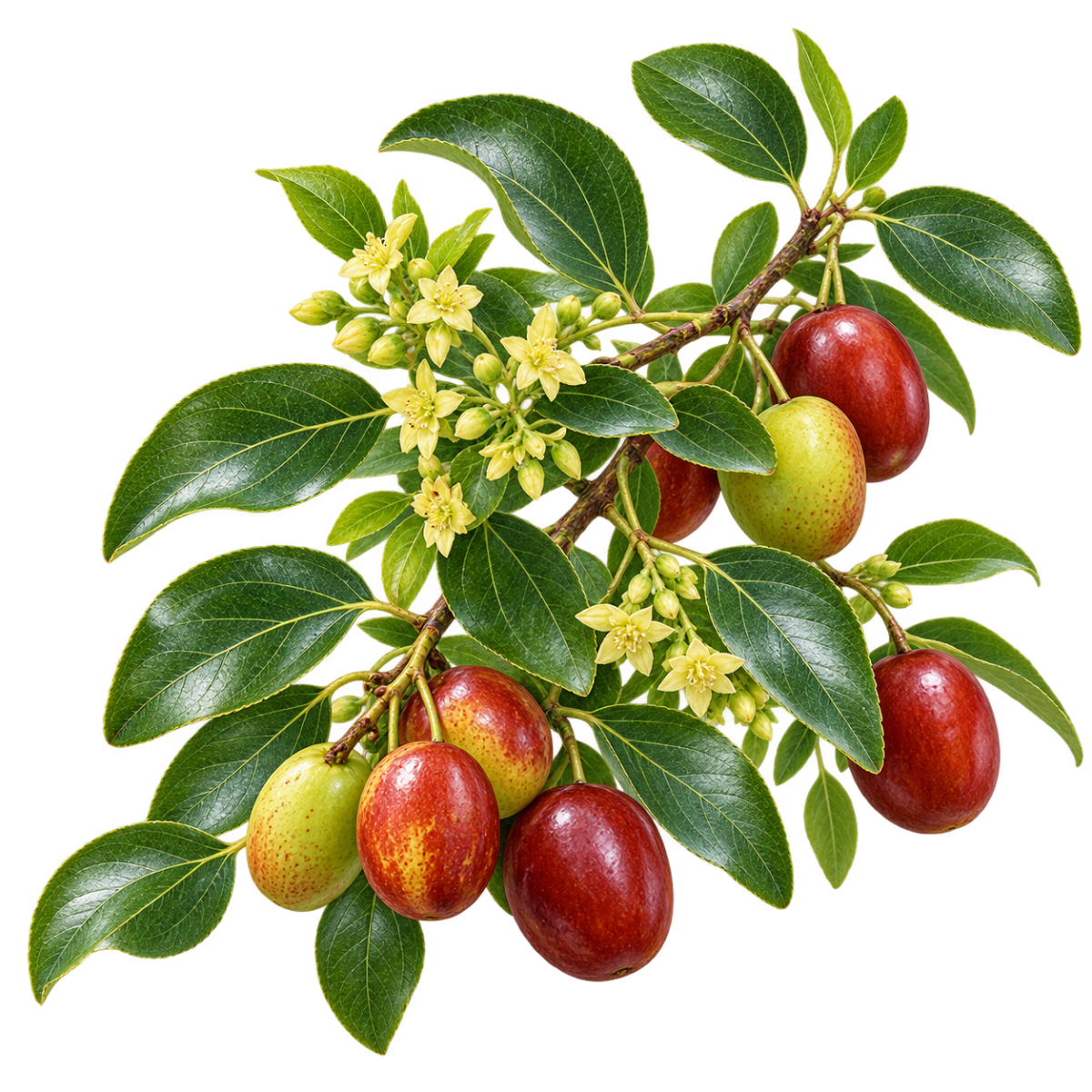
Tribulus terrestris (Tribuli Fructus) is a widely used medicinal herb in Traditional Medicine, known for its ability to promote Qi circulation, invigorate blood, pacify the Liver, dispel Wind, and support male and female reproductive health. Rich in biologically active compounds such as protodioscin, steroidal saponins, flavonoids, alkaloids, essential fatty acids and minerals, Tribulus terrestris is traditionally used to treat Liver Qi stagnation, visual disturbances, menstrual irregularities, fatigue, pain, and skin disorders. Modern research highlights its remarkable effects on enhancing natural testosterone production, improving sperm count and motility, supporting libido, reducing inflammation, increasing diuresis, protecting kidney function, and preventing stone formation. The herb also assists in regulating blood glucose, lowering triglycerides, improving cardiovascular circulation, and enhancing muscle strength and vitality. In East Asian traditional medicine, Tribulus is employed to relieve lumbar pain, headaches, breast distention, postpartum lactation issues, urticaria, sore throat due to stagnation, and a range of disorders involving Qi and Blood imbalance. With its bitter–slightly pungent property and affinity for the Liver and Lung meridians, Tribulus terrestris is considered a versatile therapeutic agent used in formulas for liver–kidney nourishment, blood activation, reproductive support, and overall wellness enhancement. Understanding its medicinal properties, chemical constituents, recommended dosage, and safe usage allows for effective application of this valuable herb in daily health maintenance.
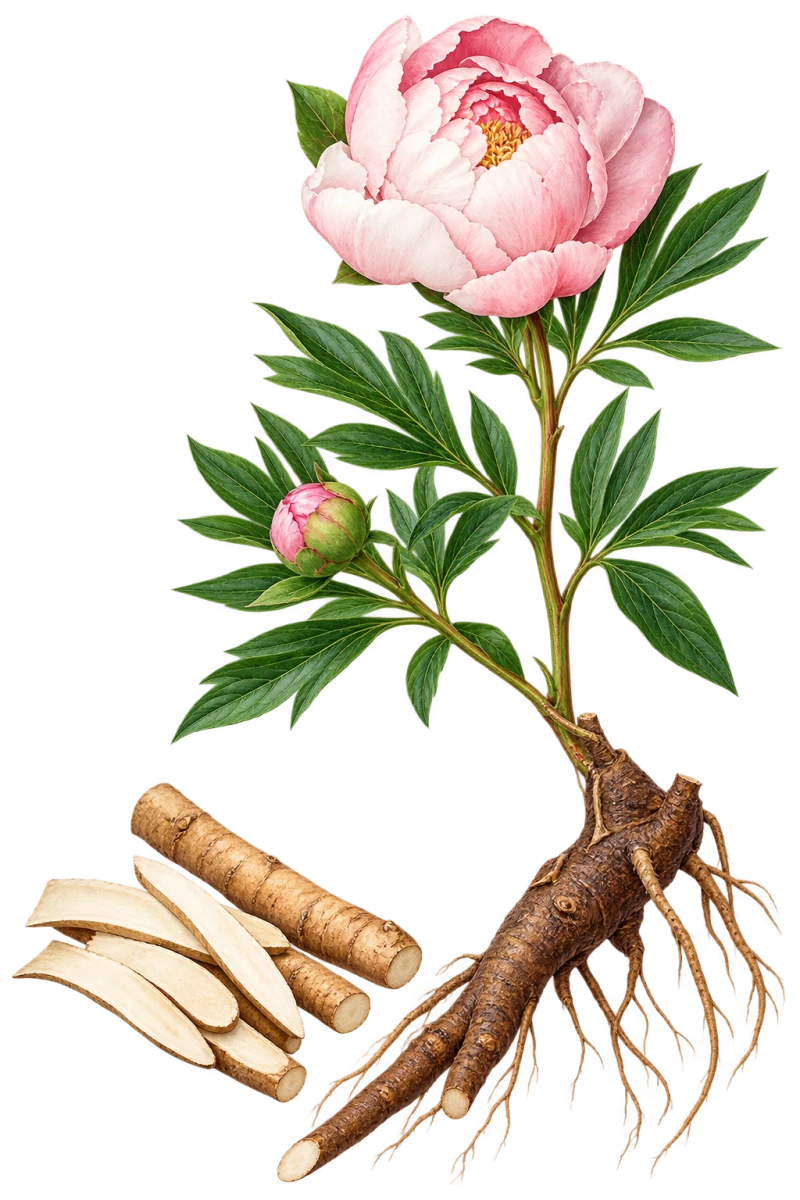
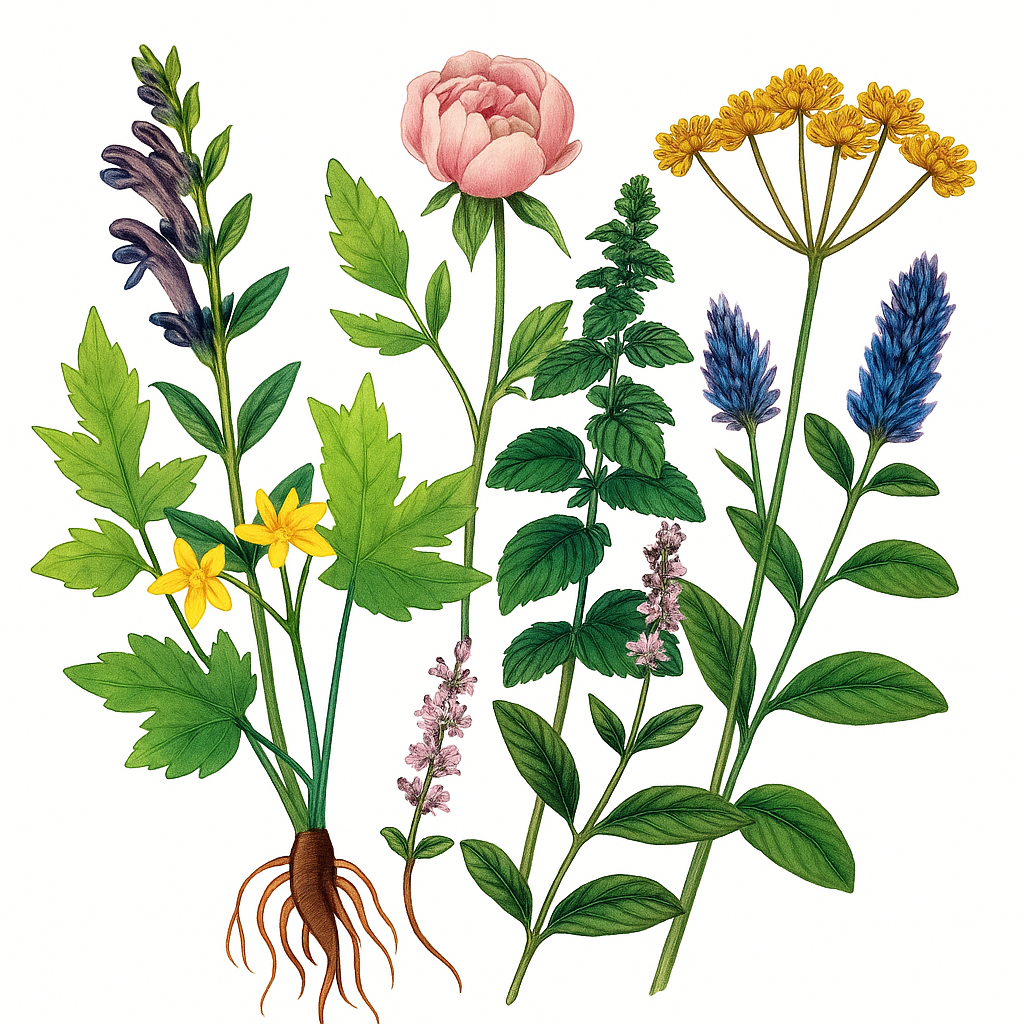
White Peony Root (Bai Shao) is a key TCM herb that nourishes the blood, preserves yin, soothes the Liver, relieves pain, and regulates menstruation. Rich in glycosides like paeoniflorin, it offers anti-inflammatory, hepatoprotective, calming, and circulatory benefits.
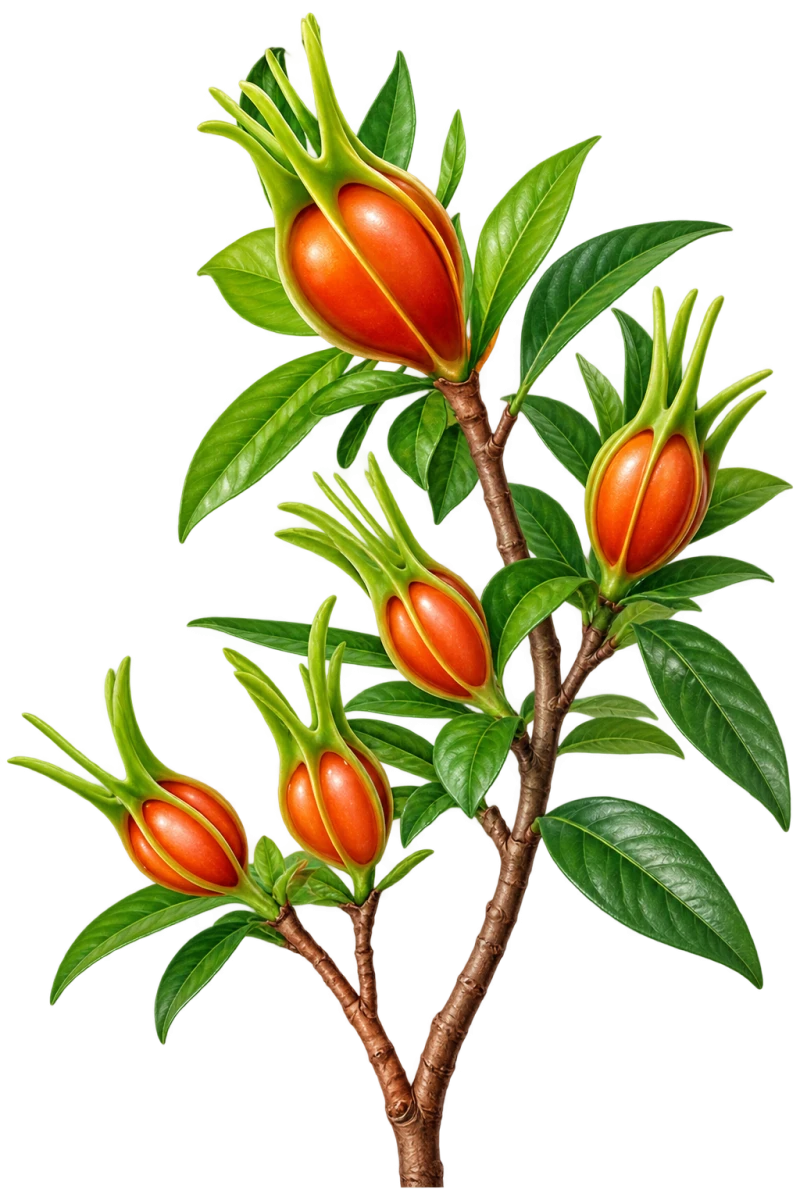
Gardeniae Fructus (Zhi Zi – Cape Jasmine Fruit) is a classical Traditional Chinese Medicine (TCM) herb renowned for its bitter-cold nature and powerful actions to clear heat, drain fire, eliminate irritability, promote urination, cool the blood, and calm the mind. Described in the Shennong Bencao Jing and Compendium of Materia Medica, Zhi Zi is praised as a superior remedy that “purges internal fire and soothes the Heart.” Modern pharmacological studies confirm that its bioactive compounds — geniposide, crocin, and genipin — possess anti-inflammatory, antipyretic, hepatoprotective, choleretic, antioxidant, and antitumor potentials. Clinically, it is used to treat febrile diseases, insomnia due to heat, jaundice, hepatitis, urinary tract infections, hemoptysis, skin inflammation, boils, and bleeding disorders caused by excess heat. The method of preparation determines its therapeutic direction: raw fruit clears heat, lightly stir-fried fruit drains fire, and charred fruit cools blood and stops bleeding. With its harmonizing nature that dispels pathogenic fire while protecting vital energy, Gardenia fruit exemplifies the wisdom of traditional Chinese medicine — balancing the body, calming the mind, and restoring internal peace.
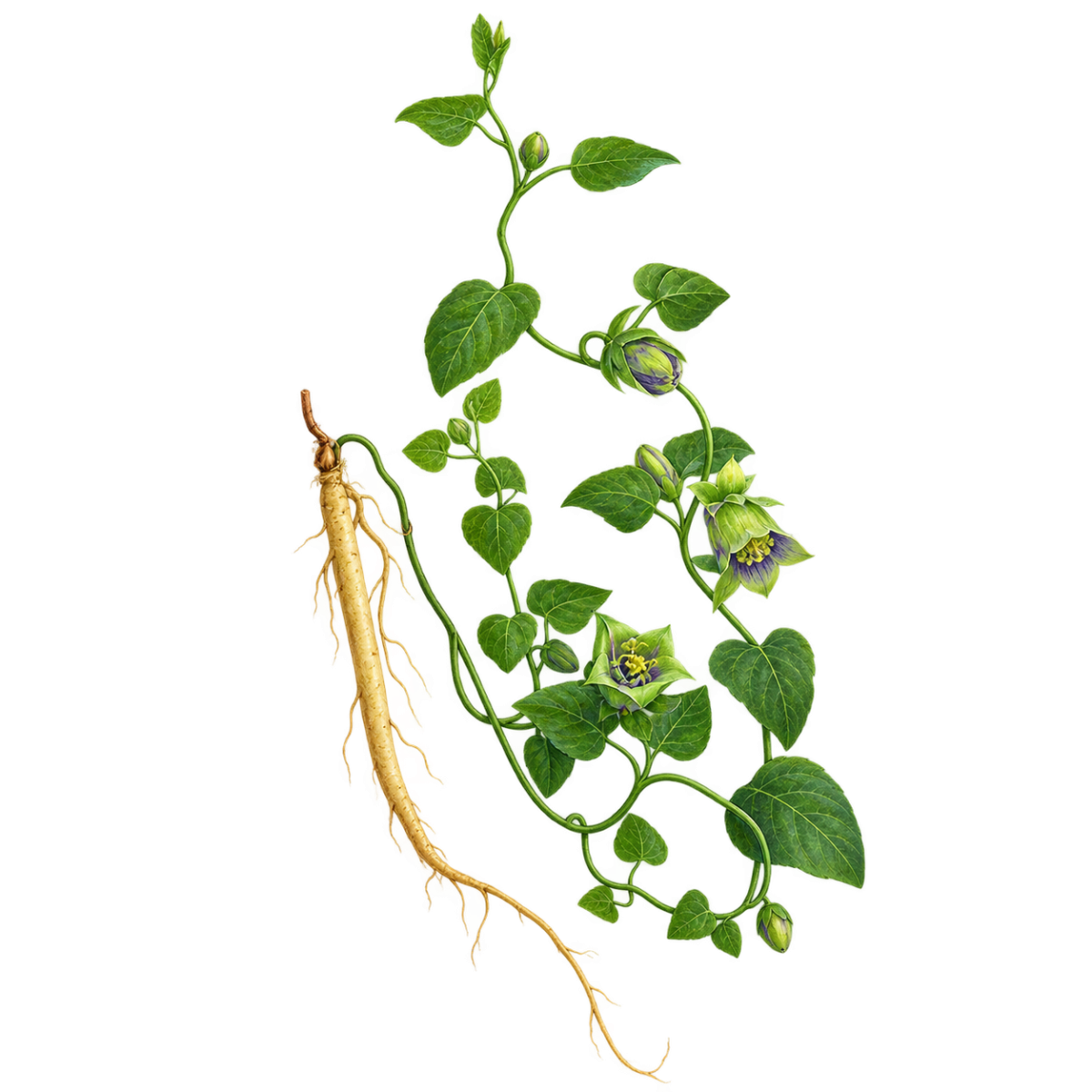
Codonopsis pilosula (Dang Shen), commonly known as Tangshen or Poor Man’s Ginseng, is one of the most valued tonic herbs in Traditional Chinese Medicine (TCM). Belonging to the Campanulaceae (Bellflower) family, this sweet and neutral herb primarily nourishes the Lung and Spleen meridians. It is traditionally used to tonify Qi, strengthen the Spleen, generate body fluids, and nourish the Blood—making it a key remedy for fatigue, poor appetite, general weakness, chronic cough, and digestive insufficiency. The root of Codonopsis pilosula contains a diverse range of bioactive compounds, including sugars (Sucrose, Glucose, Fructose, Inulin), alkaloids, glycosides such as Scutellarein glucoside and Syringin, as well as saponins (Tangshen side I) and choline. Modern pharmacological studies have demonstrated its efficacy in enhancing immunity, improving cardiac contractility, regulating blood pressure, relieving fatigue, protecting the gastric mucosa, and exerting anti-inflammatory and antibacterial effects. It also supports hematopoiesis, improves mental clarity, and enhances physical endurance. Owing to its gentle tonic nature, Dang Shen is widely regarded as a safer and more affordable alternative to Panax ginseng in clinical and home herbal formulations. This article provides an in-depth exploration of the botanical characteristics, chemical composition, therapeutic properties, dosage guidelines, contraindications, and modern pharmacological findings surrounding Codonopsis pilosula, offering a bridge between classical TCM wisdom and contemporary scientific research.