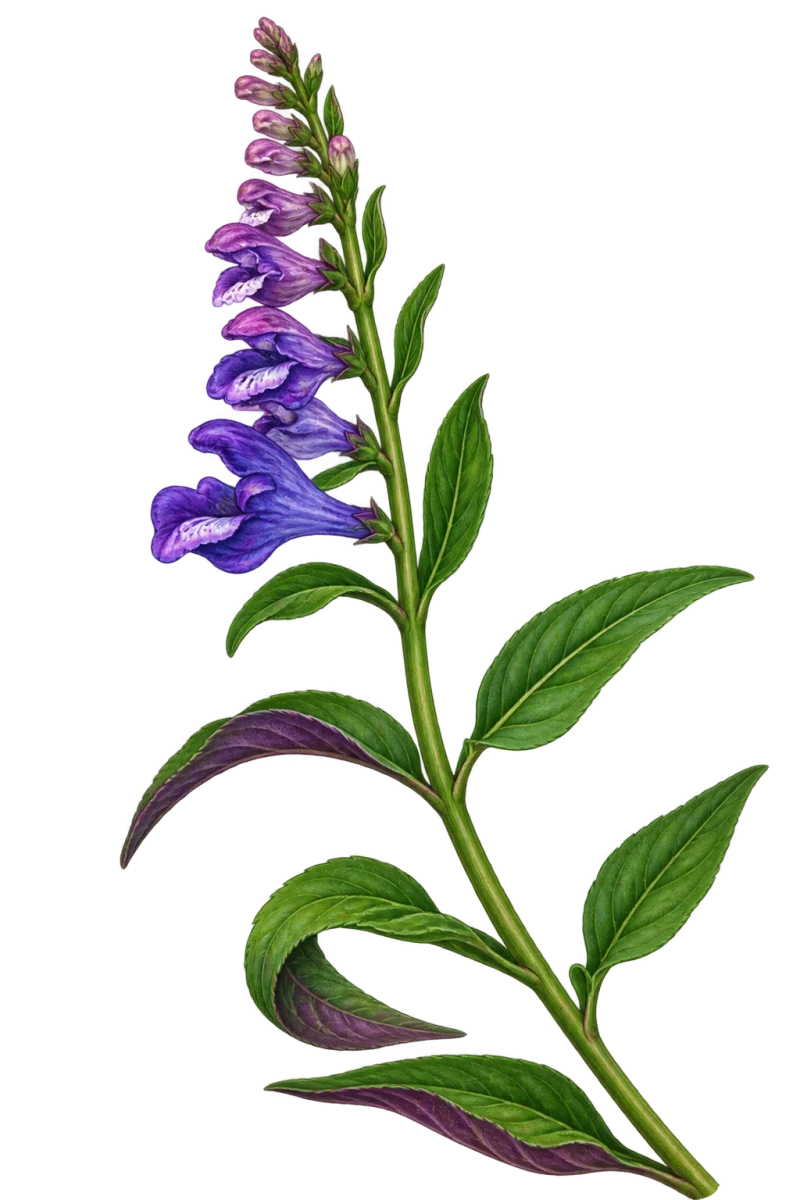
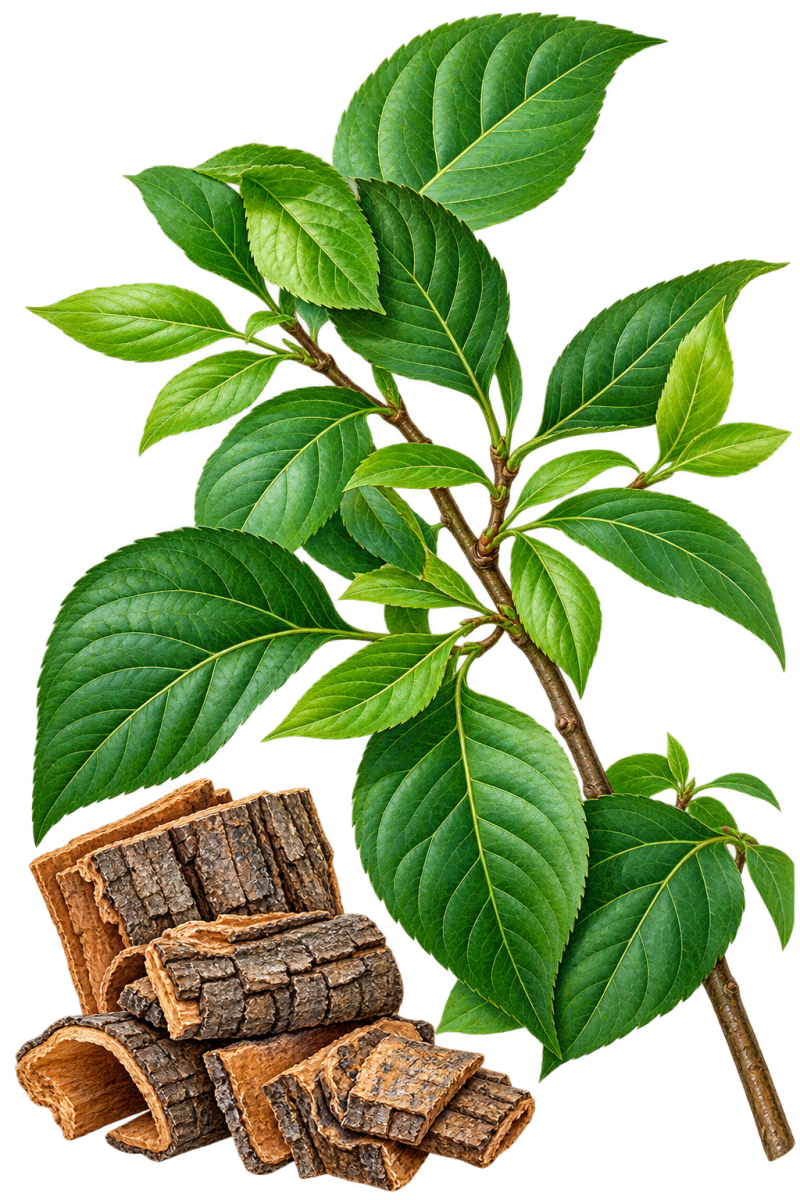
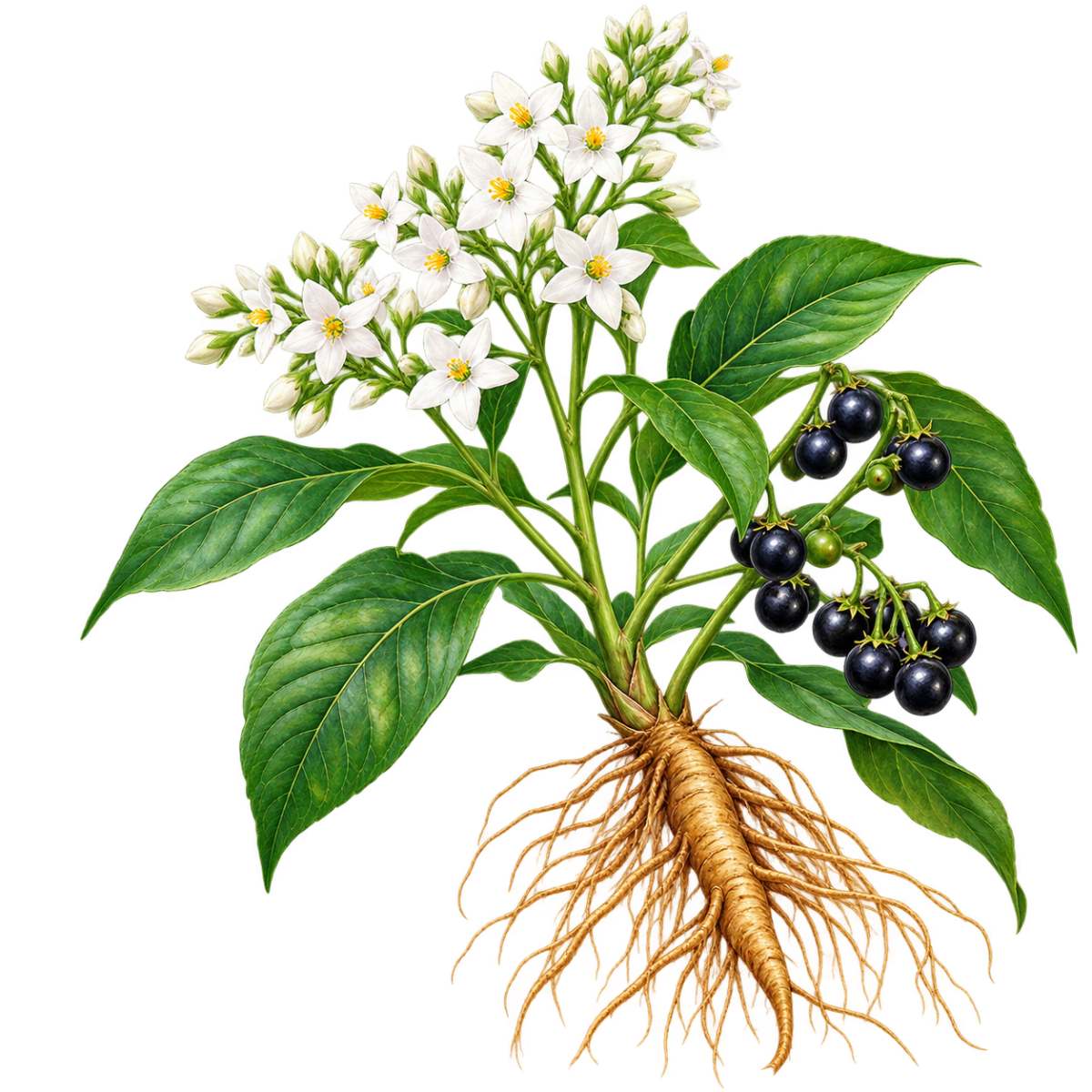
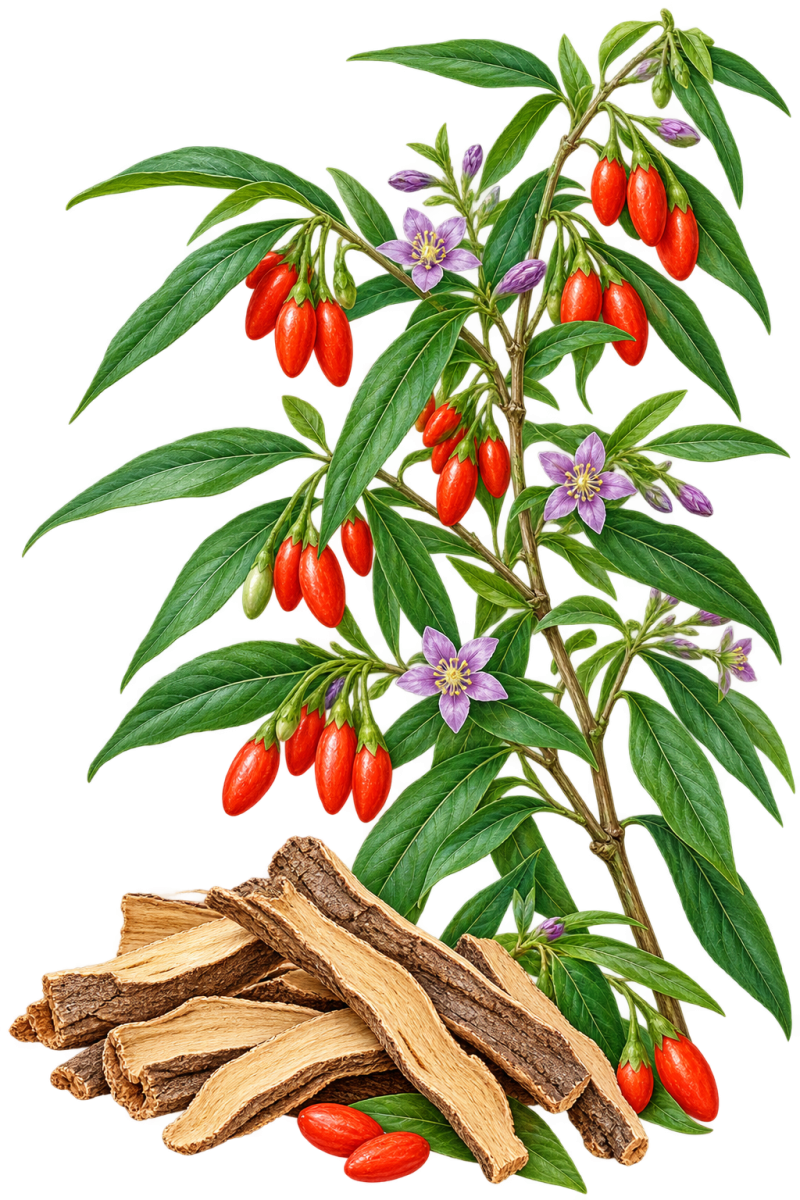
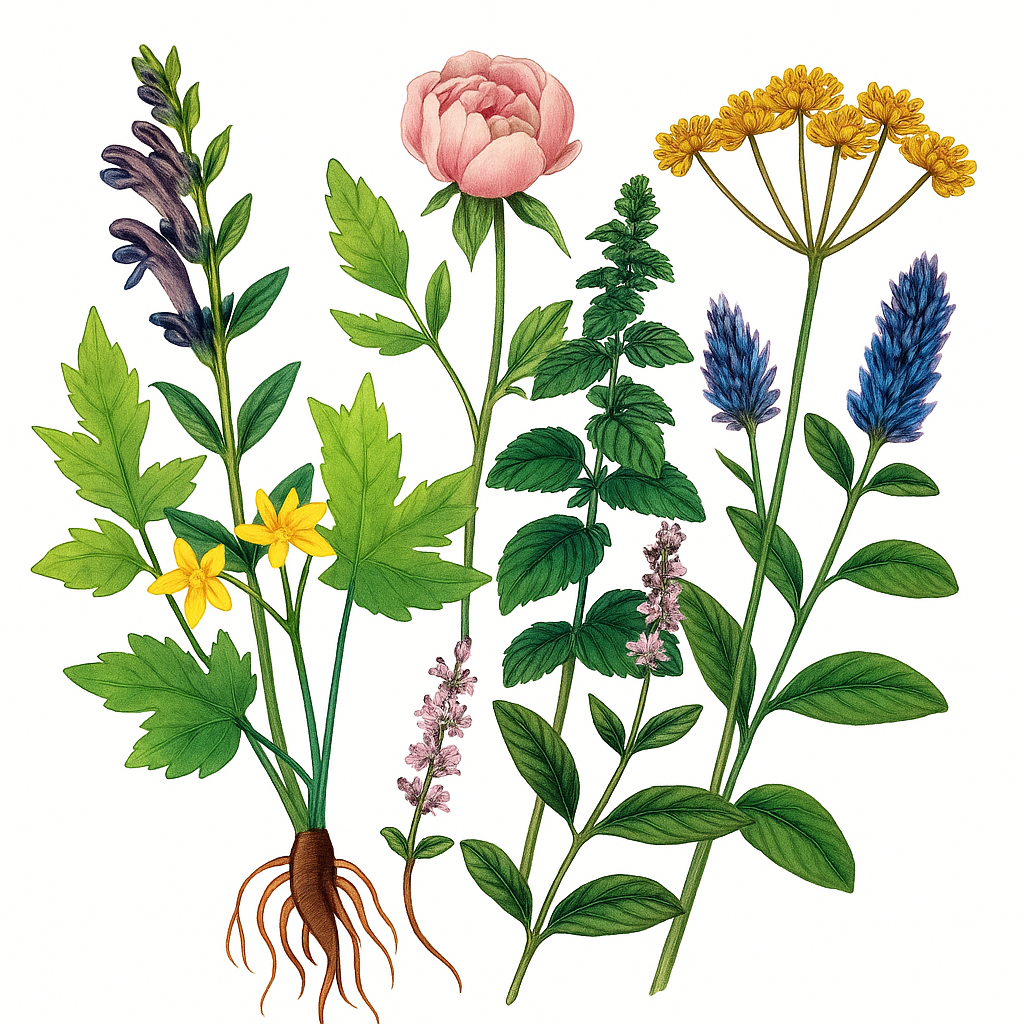
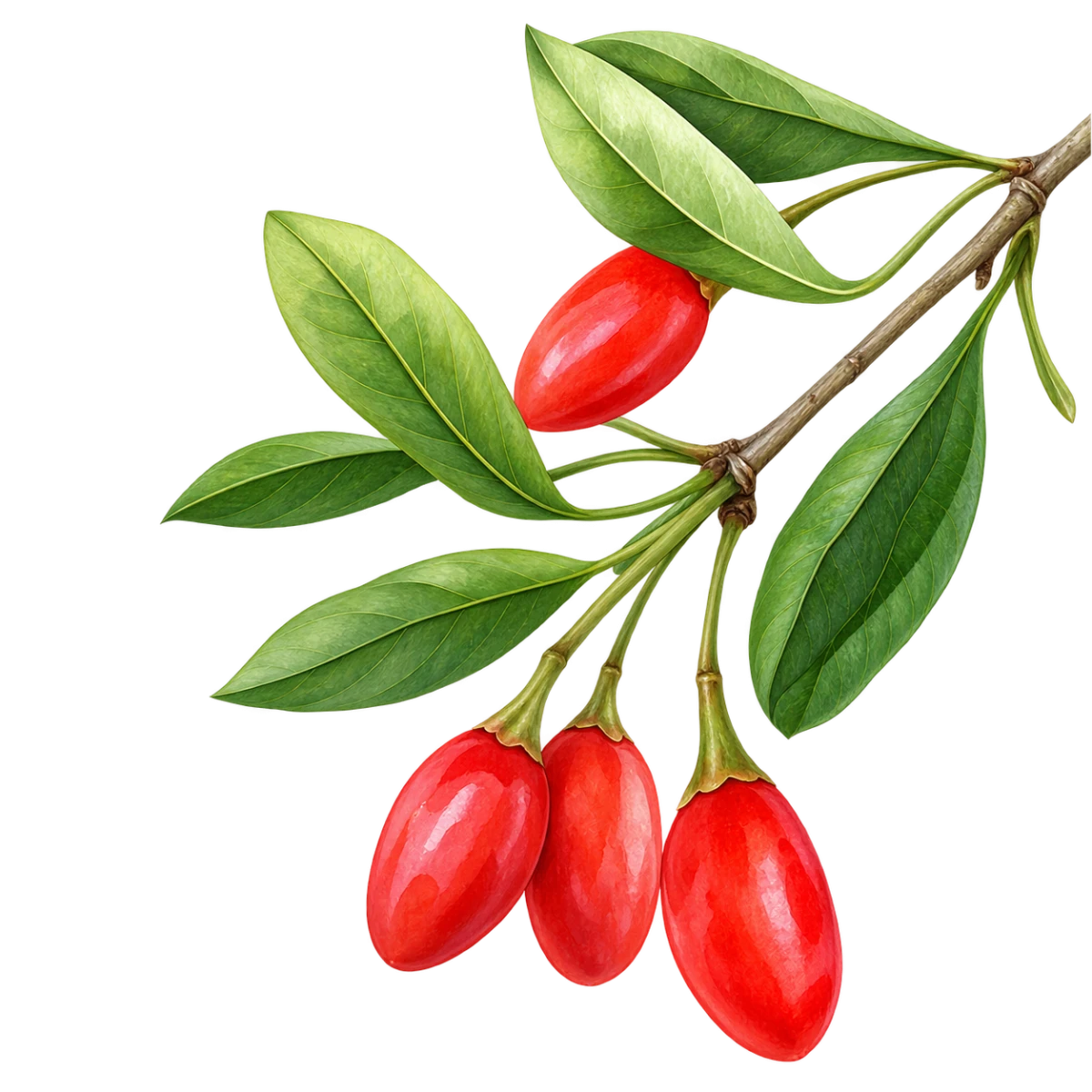
Scutellariae Barbatae Herba (Scutellaria barbata D. Don), commonly known as Barbat Skullcap, is a highly valued medicinal herb in Traditional Chinese Medicine, widely used for clearing heat, detoxifying fire-toxicity, reducing inflammation, and supporting anticancer therapy. Belonging to the Lamiaceae family, this slightly bitter and cooling herb enters the Liver, Lung, and Kidney meridians, making it effective for managing infections, toxic heat syndromes, edema, and immune-related conditions. Modern pharmacological studies highlight its rich profile of flavonoids and diterpenoids—including scutellarin, baicalein, wogonin, and scutebarbatine A–D—known for their antioxidant, anti-inflammatory, hepatoprotective, and antitumor properties. Clinically, Scutellaria barbata is applied in the management of hepatitis, cirrhosis with ascites, appendicitis, intestinal abscess, pulmonary abscess, cellulitis, boils, edema, and various conditions of the respiratory and urinary systems associated with damp-heat and toxic stagnation. Fresh herb may also be used externally for infected wounds, painful swellings, and insect bites. With its broad spectrum of therapeutic actions and evidence-supported bioactive compounds, Barbat Skullcap stands as an essential herb in natural healthcare, offering powerful support for chronic disease prevention and integrative oncology within the framework of Traditional Chinese Medicine.
Imperatae Rhizoma, commonly known as Lalang Grass Rhizome or Cogon Grass Root (Imperata cylindrica), is a traditional herbal remedy highly valued in Asian medicine for its cooling, detoxifying, and diuretic effects. In Traditional Chinese Medicine, it is renowned for its ability to clear heat, cool the blood, stop bleeding, and promote urination, making it particularly effective for urinary heat syndromes such as painful urination, urinary tract infections, hematuria, and edema. Its strong hemostatic and blood-cooling properties also support conditions like nosebleeds, hematemesis, hemoptysis, and excessive menstrual bleeding caused by heat in the blood. With a naturally sweet flavor and cold nature, Imperatae Rhizoma helps ease nausea, reduce gastric heat, and relieve vomiting, especially when triggered by alcohol or stomach fire. It is traditionally used to relieve thirst, lower fever, cool the stomach, and drain damp-heat from the liver and gallbladder, making it beneficial for jaundice, swelling, or heat-related disorders. Modern studies reveal that the rhizome contains valuable compounds such as triterpenoids, flavonoids, saponins, vitamins, and essential minerals, providing anti-inflammatory, antioxidant, antimicrobial, and kidney-protective benefits. These findings support its longstanding use for detoxification, urinary health, and liver support. With its combined traditional wisdom and scientifically supported bioactivity, Imperatae Rhizoma remains a versatile and reliable herbal medicine for individuals seeking natural heat-clearing, detoxifying, and diuretic therapies to enhance overall well-being.
Huang Qi, also known as Astragalus root, is one of the most widely recognized herbs in Traditional Chinese Medicine for qi tonification and overall body support. In traditional practice, Huang Qi is sweet in flavor and warm in nature, and is commonly used to support the spleen and lung systems, strengthen the exterior, promote tissue recovery, and help restore vitality in weakened individuals. This herb is often searched for by people interested in herbal solutions for supporting immunity, reducing fatigue, improving general wellness, and helping the body recover after periods of low energy. Beyond its long-established traditional use, Huang Qi has also attracted modern interest because of its rich natural compounds and its role in wellness-focused herbal care. When choosing Huang Qi, buyers often look for clean raw material, reliable origin, proper processing, and careful storage to ensure quality and consistency. Huang Qi may be used alone or combined with other herbs in traditional formulas, but professional guidance is recommended for long-term use or for individuals with special health conditions. If you are looking for information about Huang Qi benefits, Huang Qi uses, how to identify quality Astragalus root, or how to choose a reliable herbal product, Huang Qi is an important qi-tonifying herb worth considering in traditional herbal medicine.
Sophora Flower (Huai Hua, Sophorae Flos) is a well-known medicinal herb in Traditional Medicine, valued for its slightly bitter taste, aromatic nature, and cooling properties. Traditionally associated with the Liver, Gallbladder, and Large Intestine meridians, Sophora Flower has long been used in herbal practice for clearing heat, cooling the blood, supporting hemostasis, and helping restore balance in heat-related conditions. In traditional use, it is often referenced in formulas for hemorrhoids, blood in the stool, nosebleeds, hypertension, red or irritated eyes, headache, dizziness, and symptoms linked to excess internal heat. It is also noted in herbal literature for its supportive role in digestive health, circulation, and antioxidant activity. Beyond its traditional uses, Sophora Flower remains a highly searched herb among readers interested in Traditional Chinese Medicine, natural herbal support, heat-clearing herbs, and botanical wellness solutions. It is commonly prepared as a decoction or infusion under proper guidance, making it a practical choice for those exploring time-honored herbal traditions. For consumers, practitioners, and wellness-focused readers looking for authentic information on Sophora Flower benefits, uses, and traditional indications, this herb stands out as a valuable botanical with enduring relevance. Choosing quality raw material, storing it properly, and using it according to appropriate dosage are essential for preserving its traditional therapeutic value.