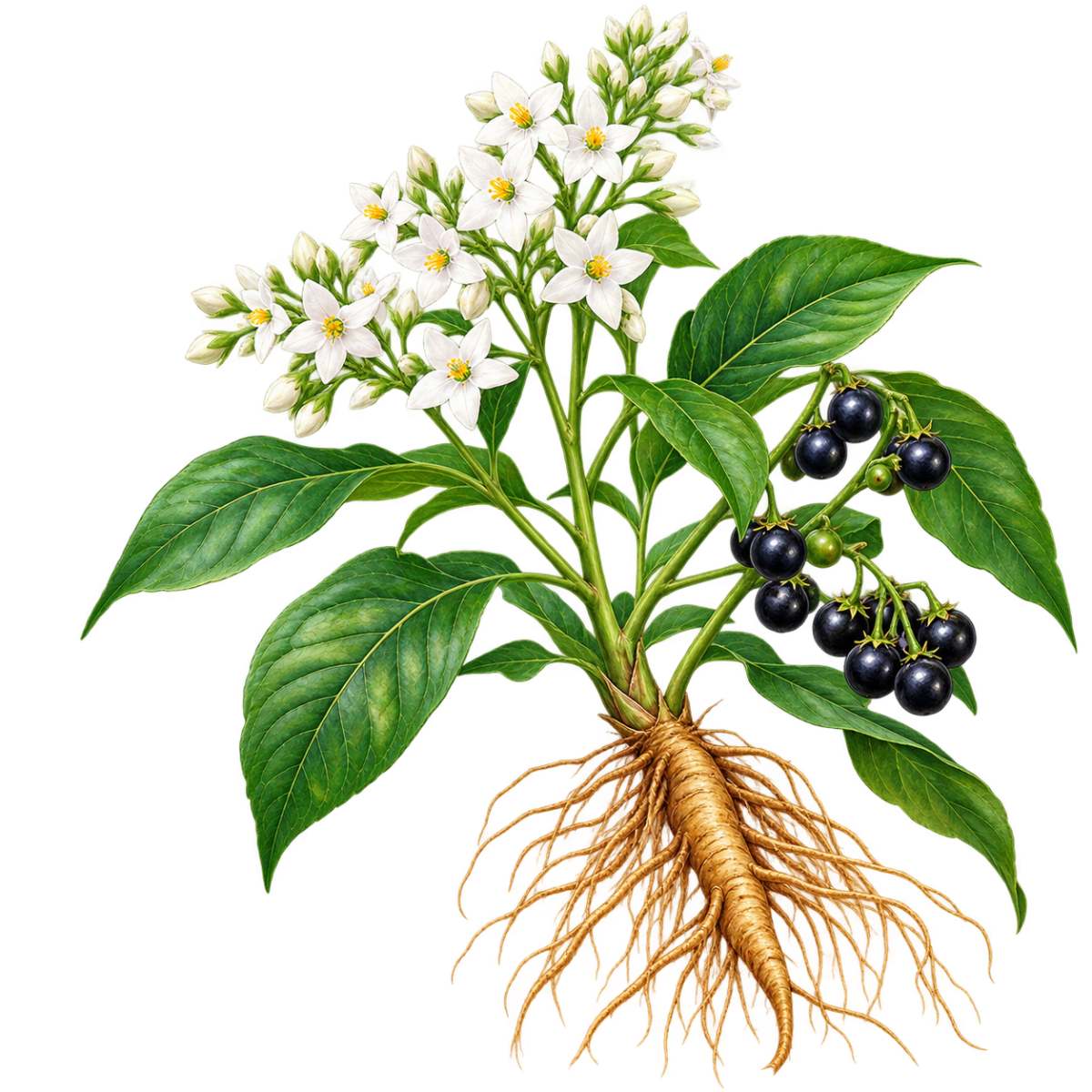
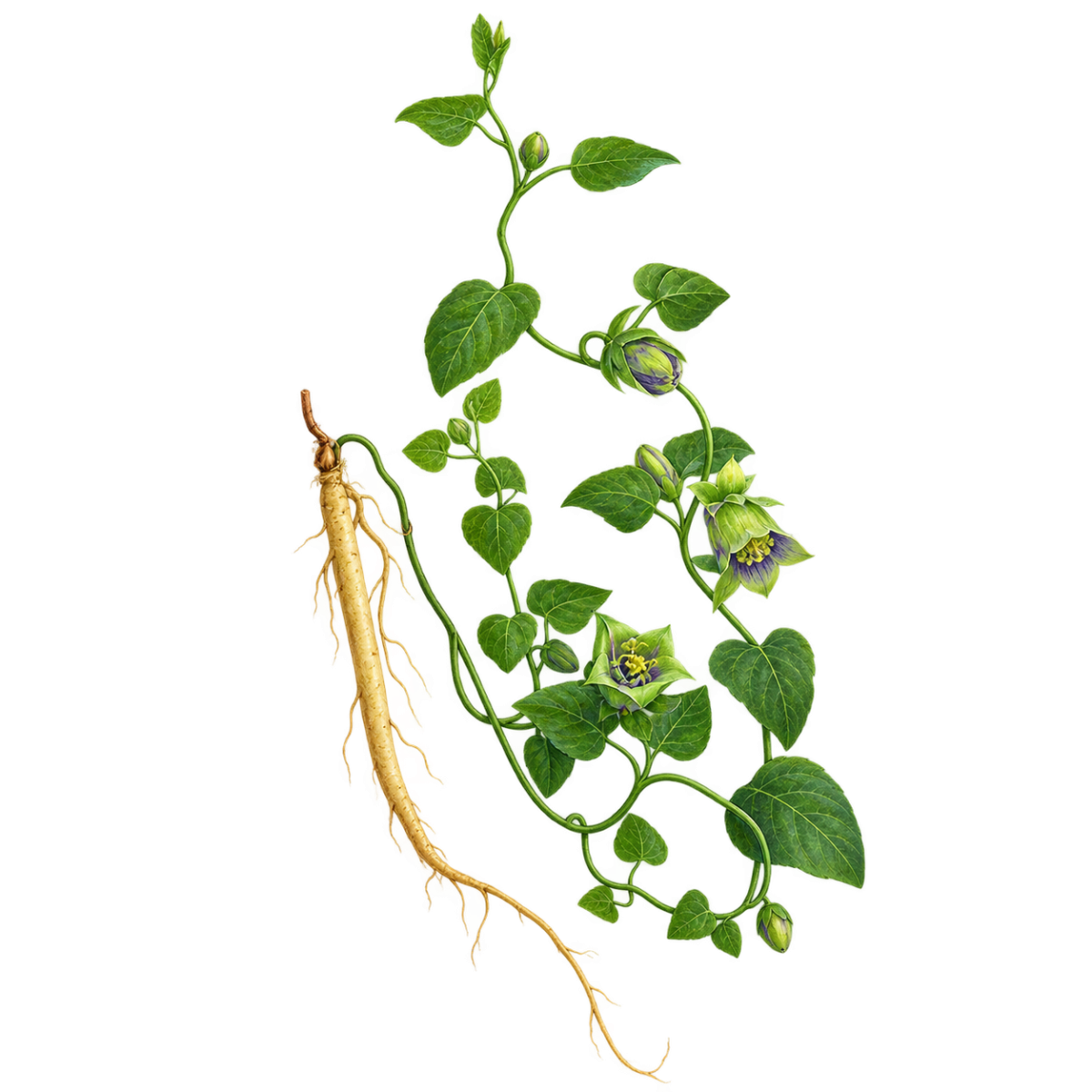
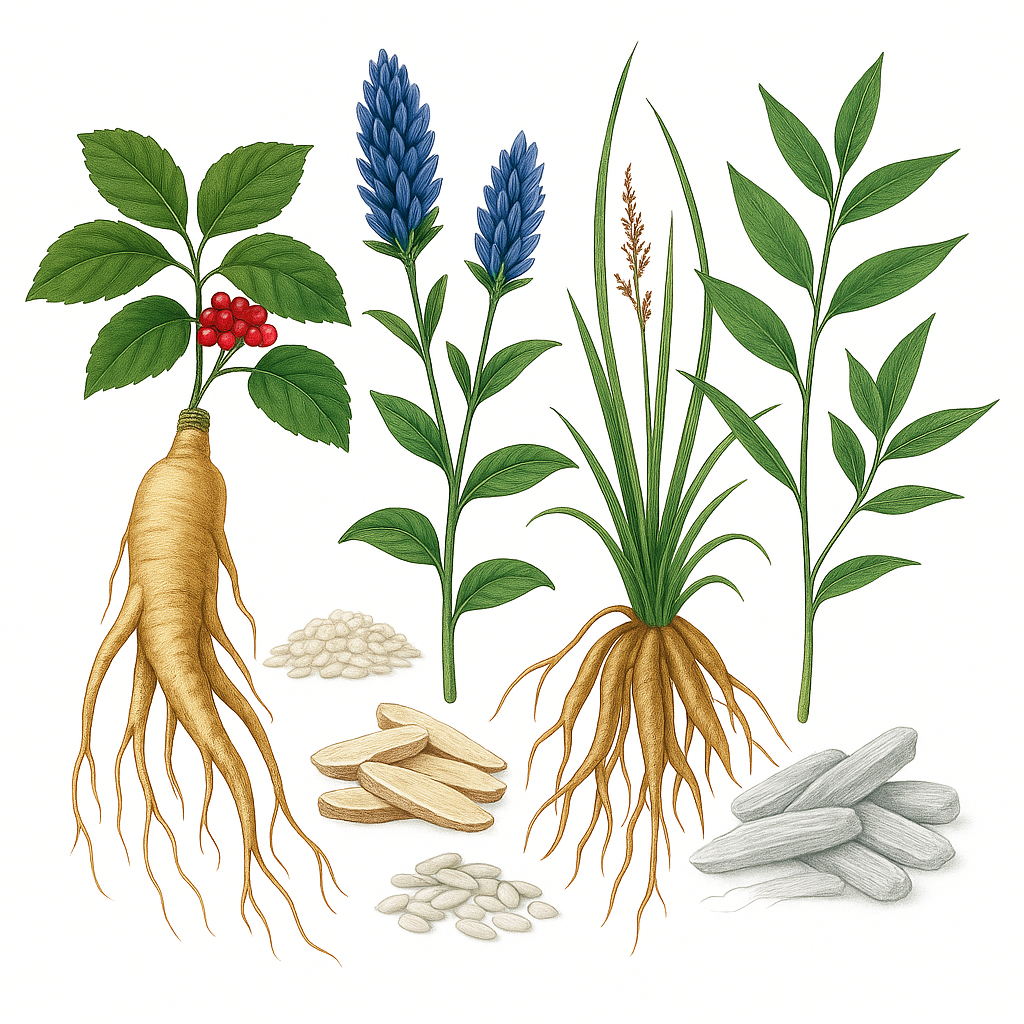
He Shou Wu (Red Fleeceflower Root) is a treasured herb in Traditional Chinese Medicine, known for nourishing the Liver and Kidneys, revitalizing hair, boosting energy, and promoting longevity.
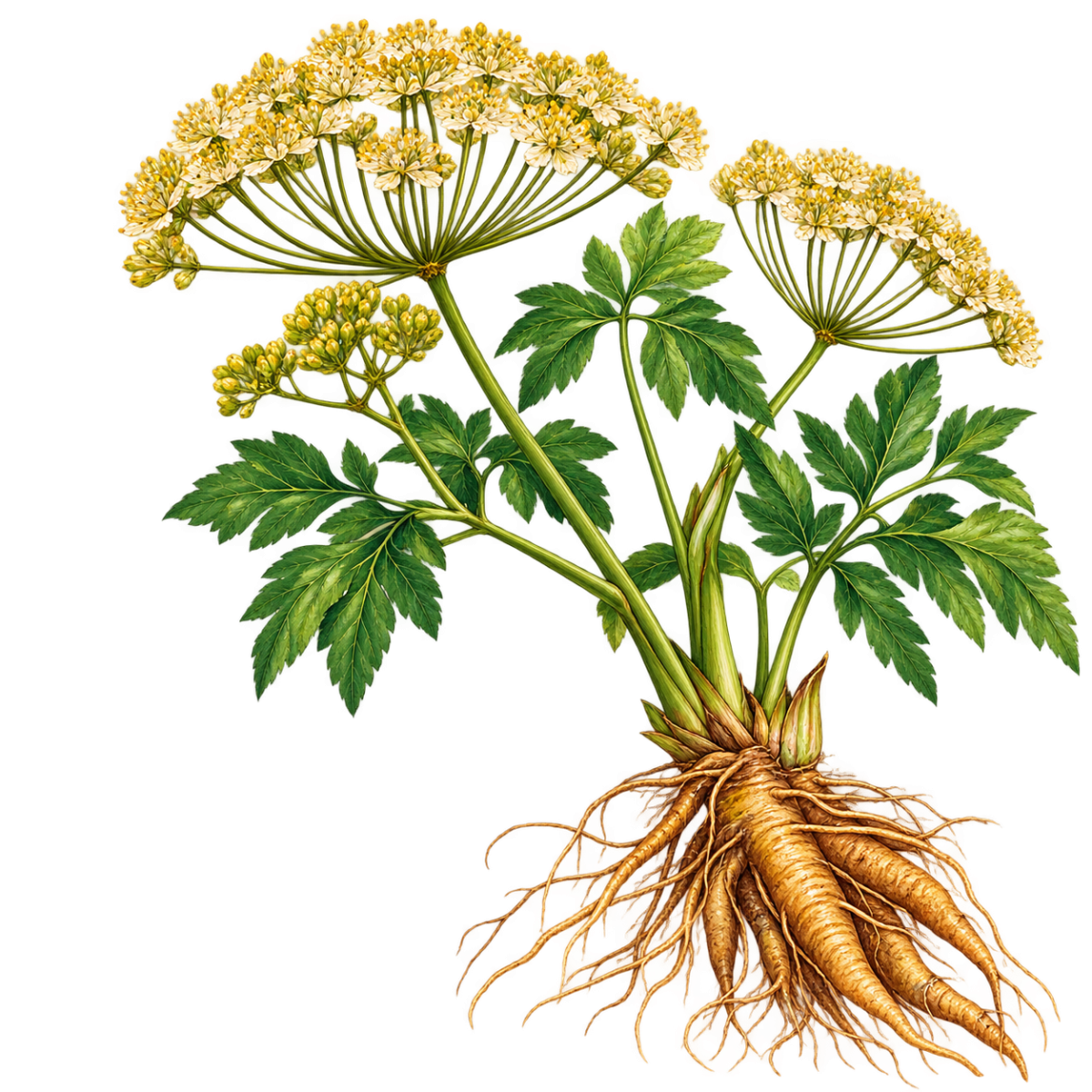
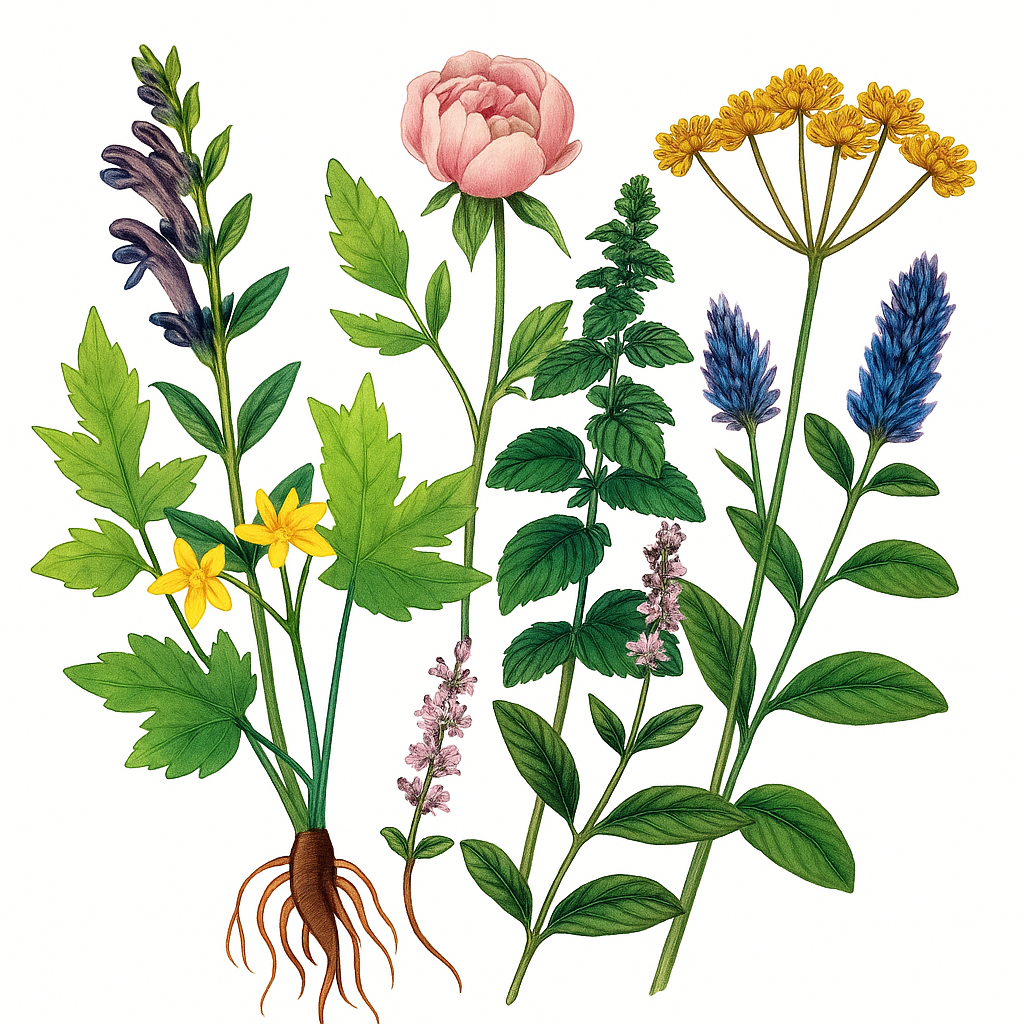
Dang Gui (Angelica sinensis), widely known as Chinese Angelica Root, is one of the most important medicinal herbs in Traditional Chinese Medicine (TCM), renowned for its exceptional ability to nourish and regulate Blood while promoting healthy circulation. With over a thousand years of clinical application, Dang Gui remains a cornerstone ingredient in classical and modern TCM formulations. From a TCM perspective, Dang Gui is sweet and pungent in flavor, warm in nature, and enters the Heart, Liver, and Spleen meridians. It is traditionally used to tonify and harmonize Blood, regulate menstruation, relieve pain, and support overall vitality. Modern pharmacological research supports these functions, identifying key bioactive compounds such as ligustilide, phthalides, ferulic acid, and polysaccharides, which contribute to improved blood circulation, neuroprotection, anti-platelet aggregation, antioxidant activity, and immune modulation. Dang Gui is especially valued in women’s health, where it supports menstrual regulation, alleviates dysmenorrhea, and addresses Blood deficiency when used appropriately. Beyond gynecological applications, it also plays a role in cardiovascular support, post-stroke recovery, digestive balance, skin health, and general physical weakness. With a strong scientific foundation, long-standing clinical credibility, and broad therapeutic scope, Dang Gui represents a premium herbal ingredient for TCM-based products and integrative health solutions, meeting both traditional principles and modern quality standards when sourced and formulated responsibly.
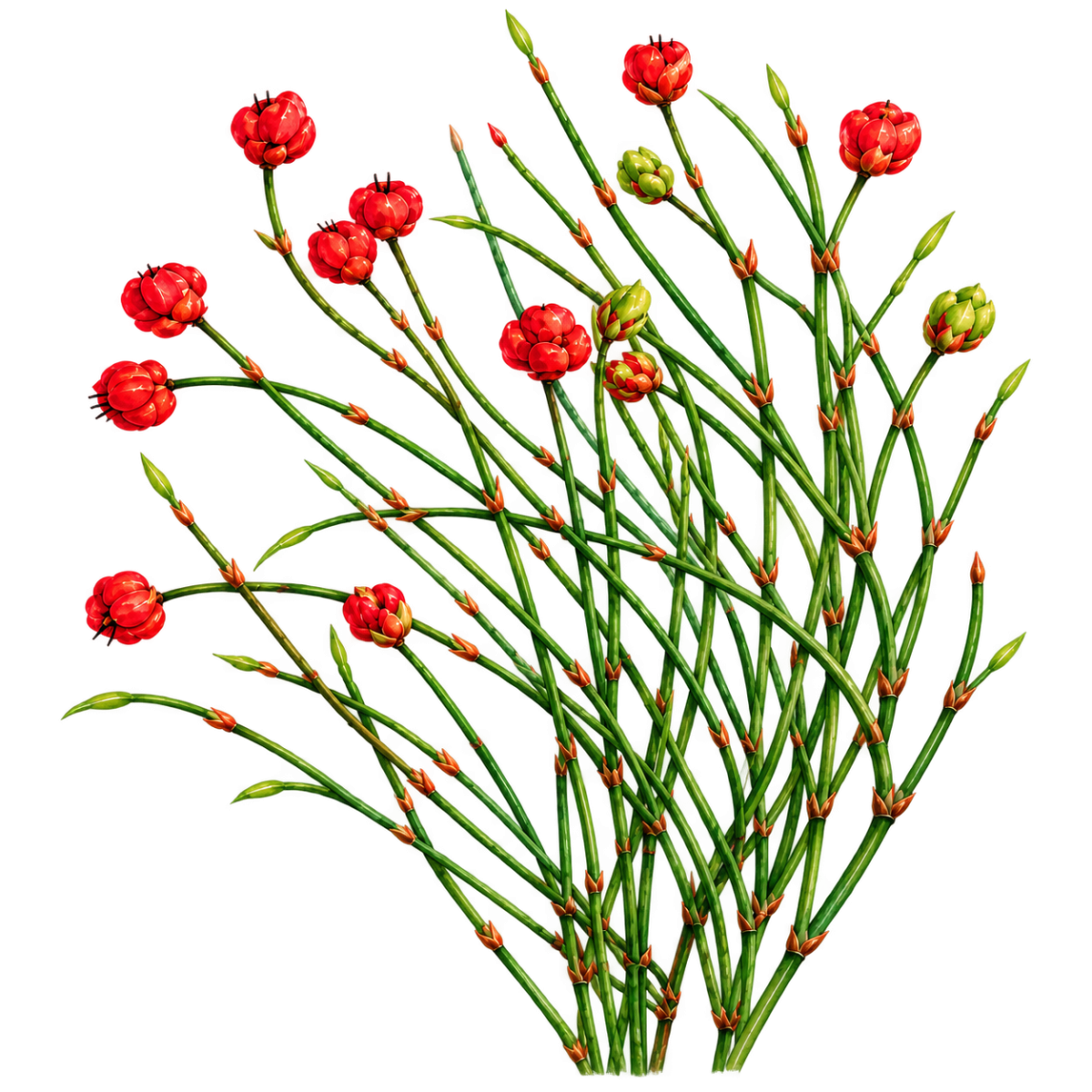
Ma Huang (Ephedra) is a well-known traditional herbal medicine recognized in East Asian medicine for its acrid, bitter, and warm properties. It is widely described in classical herbal texts for its ability to induce sweating, release the exterior, disseminate Lung qi, calm wheezing, relieve cough, and promote urination to reduce edema. Traditionally, Ma Huang is used in herbal formulas that support relief of wind-cold conditions, nasal congestion, cough, asthma, bronchitis, allergic rhinitis, and certain patterns of urinary difficulty or swelling. In addition, traditional literature also associates this herb with support for wind-damp pain, numbness, and selected dermatological conditions. With key compounds such as ephedrine and pseudoephedrine, Ma Huang remains a notable herb in both traditional practice and modern pharmacological interest. If you are searching for what Ma Huang is, the benefits of Ma Huang, how Ma Huang is used in traditional medicine, and the important precautions surrounding this herb, this is a medicinal material that should be understood carefully, used appropriately, and approached with proper professional guidance.