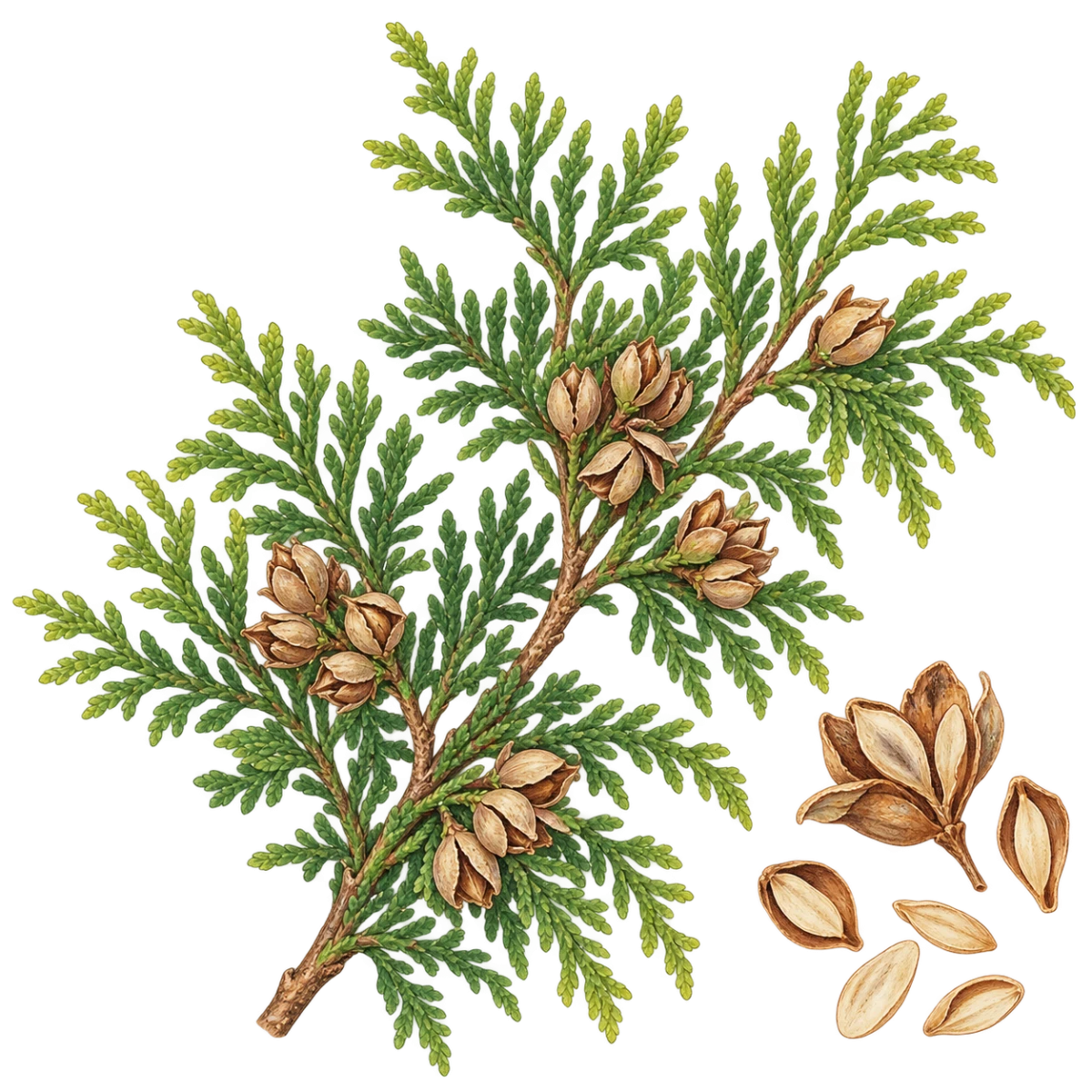
Platycladi Semen (Bai Zi Ren), the seed of Platycladus orientalis, is a renowned traditional Chinese medicinal herb valued for its calming, heart-nourishing, and anti-aging properties. Sweet and neutral in nature, it enters the Heart, Liver, Spleen, and Kidney meridians, and is widely used to treat insomnia, palpitations, forgetfulness, spontaneous sweating, constipation, and nervous exhaustion. Modern pharmacological studies have identified abundant unsaturated fatty acids, terpenoids, flavonoids, phytosterols, and saponins that contribute to its antioxidant, neuroprotective, sedative, and immune-enhancing effects. This natural composition makes Bai Zi Ren not only a traditional remedy for calming the spirit but also a valuable source of nutrients supporting cardiovascular and neurological health. Commonly included in classical TCM prescriptions such as Tian Wang Bu Xin Dan and Suan Zao Ren Tang, it helps restore vitality, improve sleep quality, enhance skin radiance, and combat aging. When using, select clean, well-dried seeds stored properly to prevent mold. Bai Zi Ren truly represents the essence of tranquility, clarity, and longevity in the art of Traditional Chinese Medicine.
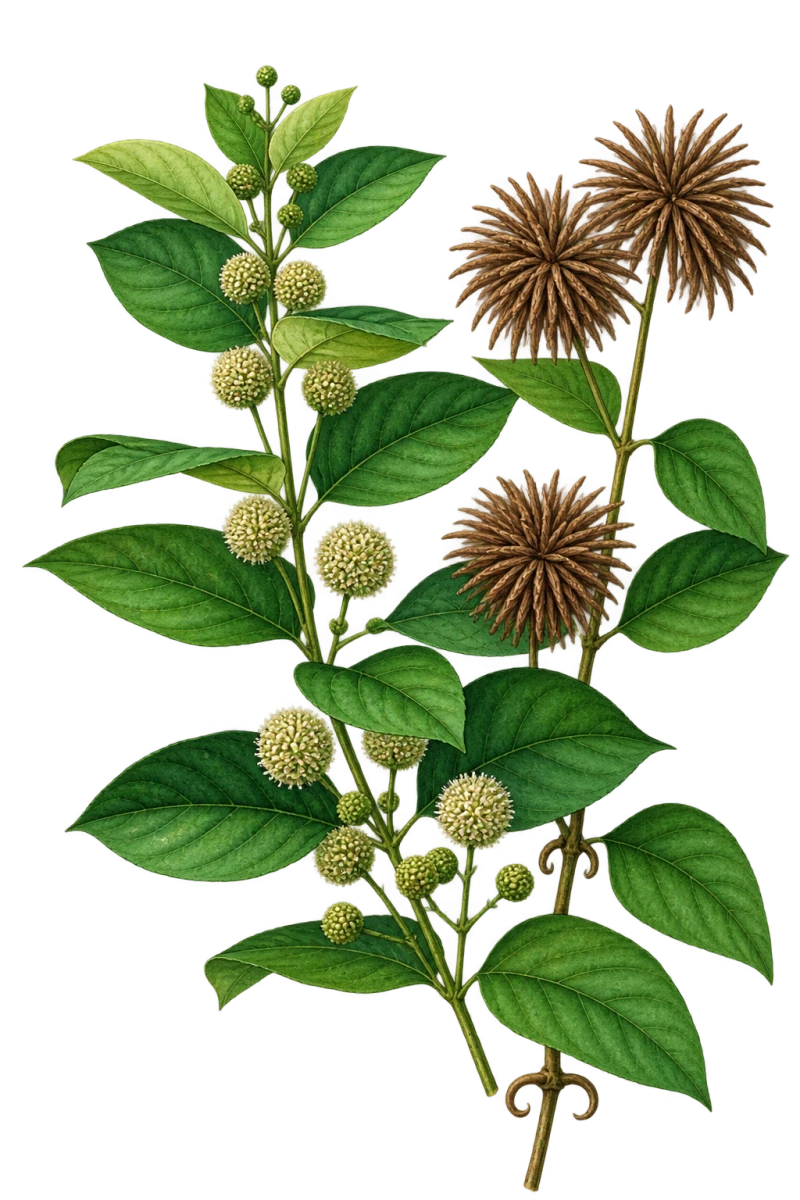
Gou Teng (Uncaria rhynchophylla), also known as Uncaria Stem with Hooks, is a treasured herb in Traditional Chinese Medicine, renowned for its abilities to calm the Liver, extinguish internal wind, lower blood pressure, and protect the nervous system. The medicine is derived from the hook-bearing stems and branches of the plant, symbolizing flexible strength and harmony. In TCM, it has a sweet, slightly cold nature, entering the Liver, Heart, and Pericardium meridians. It is commonly prescribed for dizziness, hypertension, epilepsy, tremor, insomnia, and headaches caused by hyperactive Liver Yang. Modern pharmacological studies have revealed that Uncaria rhynchophylla contains bioactive alkaloids such as rhynchophylline and isorhynchophylline, which possess antioxidant and neuroprotective properties, supporting treatment of Parkinson’s disease, Alzheimer’s disease, and cerebral circulation disorders. The herb also helps reduce muscle stiffness, improve blood microcirculation, protect the liver, and stabilize blood pressure. With its mild, balancing nature, Gou Teng is considered a safe natural option for elderly individuals, those under stress, suffering from insomnia, or prone to high blood pressure. However, it should be used cautiously by individuals with low blood pressure, slow heartbeat, or those taking anticoagulants or cardiovascular medications.
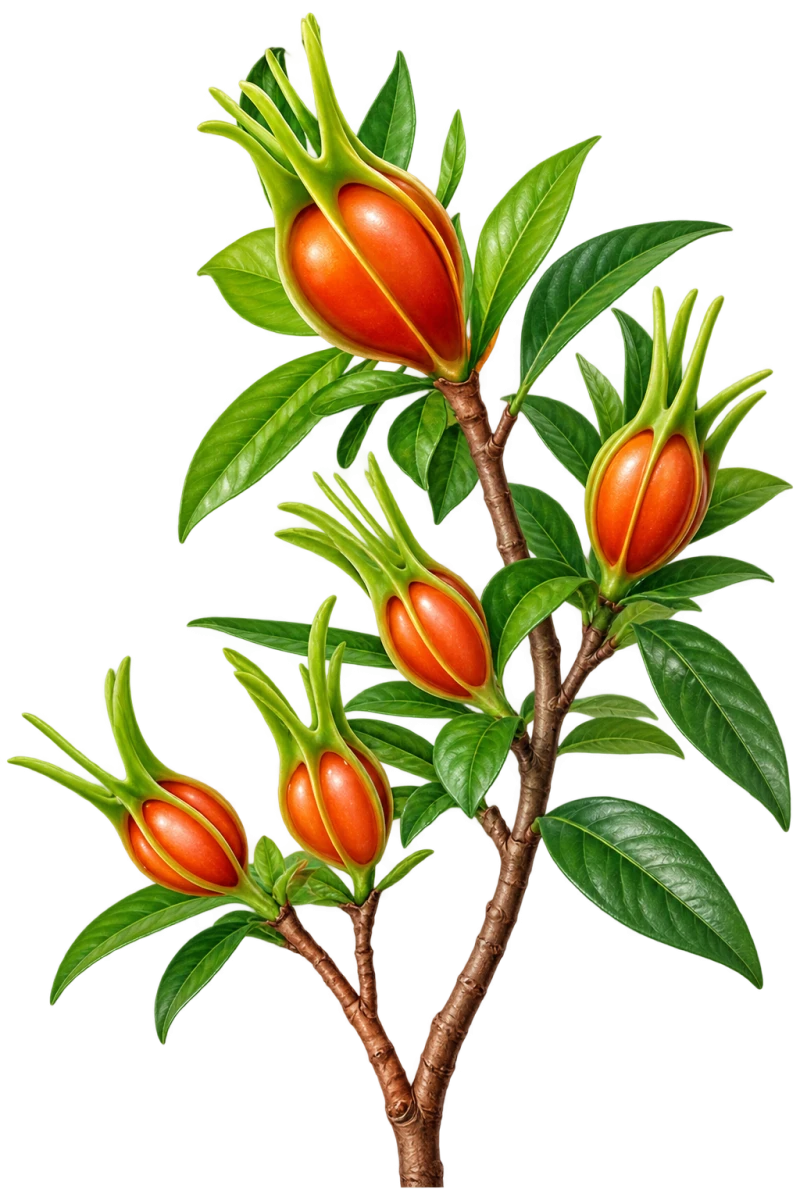
Gardeniae Fructus (Zhi Zi – Cape Jasmine Fruit) is a classical Traditional Chinese Medicine (TCM) herb renowned for its bitter-cold nature and powerful actions to clear heat, drain fire, eliminate irritability, promote urination, cool the blood, and calm the mind. Described in the Shennong Bencao Jing and Compendium of Materia Medica, Zhi Zi is praised as a superior remedy that “purges internal fire and soothes the Heart.” Modern pharmacological studies confirm that its bioactive compounds — geniposide, crocin, and genipin — possess anti-inflammatory, antipyretic, hepatoprotective, choleretic, antioxidant, and antitumor potentials. Clinically, it is used to treat febrile diseases, insomnia due to heat, jaundice, hepatitis, urinary tract infections, hemoptysis, skin inflammation, boils, and bleeding disorders caused by excess heat. The method of preparation determines its therapeutic direction: raw fruit clears heat, lightly stir-fried fruit drains fire, and charred fruit cools blood and stops bleeding. With its harmonizing nature that dispels pathogenic fire while protecting vital energy, Gardenia fruit exemplifies the wisdom of traditional Chinese medicine — balancing the body, calming the mind, and restoring internal peace.
Da Zao (Chinese Date, Ziziphus jujuba) – a traditional herb that tonifies Qi, strengthens the Spleen, nourishes Blood, and calms the mind. Known for liver protection, muscle enhancement, harmonizing Qi and Blood, treating insomnia, fatigue, ulcers, cough, and digestive disorders. Learn its therapeutic uses, chemical composition, and safe applications
Sophora Flower (Huai Hua, Sophorae Flos) is a well-known medicinal herb in Traditional Medicine, valued for its slightly bitter taste, aromatic nature, and cooling properties. Traditionally associated with the Liver, Gallbladder, and Large Intestine meridians, Sophora Flower has long been used in herbal practice for clearing heat, cooling the blood, supporting hemostasis, and helping restore balance in heat-related conditions. In traditional use, it is often referenced in formulas for hemorrhoids, blood in the stool, nosebleeds, hypertension, red or irritated eyes, headache, dizziness, and symptoms linked to excess internal heat. It is also noted in herbal literature for its supportive role in digestive health, circulation, and antioxidant activity. Beyond its traditional uses, Sophora Flower remains a highly searched herb among readers interested in Traditional Chinese Medicine, natural herbal support, heat-clearing herbs, and botanical wellness solutions. It is commonly prepared as a decoction or infusion under proper guidance, making it a practical choice for those exploring time-honored herbal traditions. For consumers, practitioners, and wellness-focused readers looking for authentic information on Sophora Flower benefits, uses, and traditional indications, this herb stands out as a valuable botanical with enduring relevance. Choosing quality raw material, storing it properly, and using it according to appropriate dosage are essential for preserving its traditional therapeutic value.