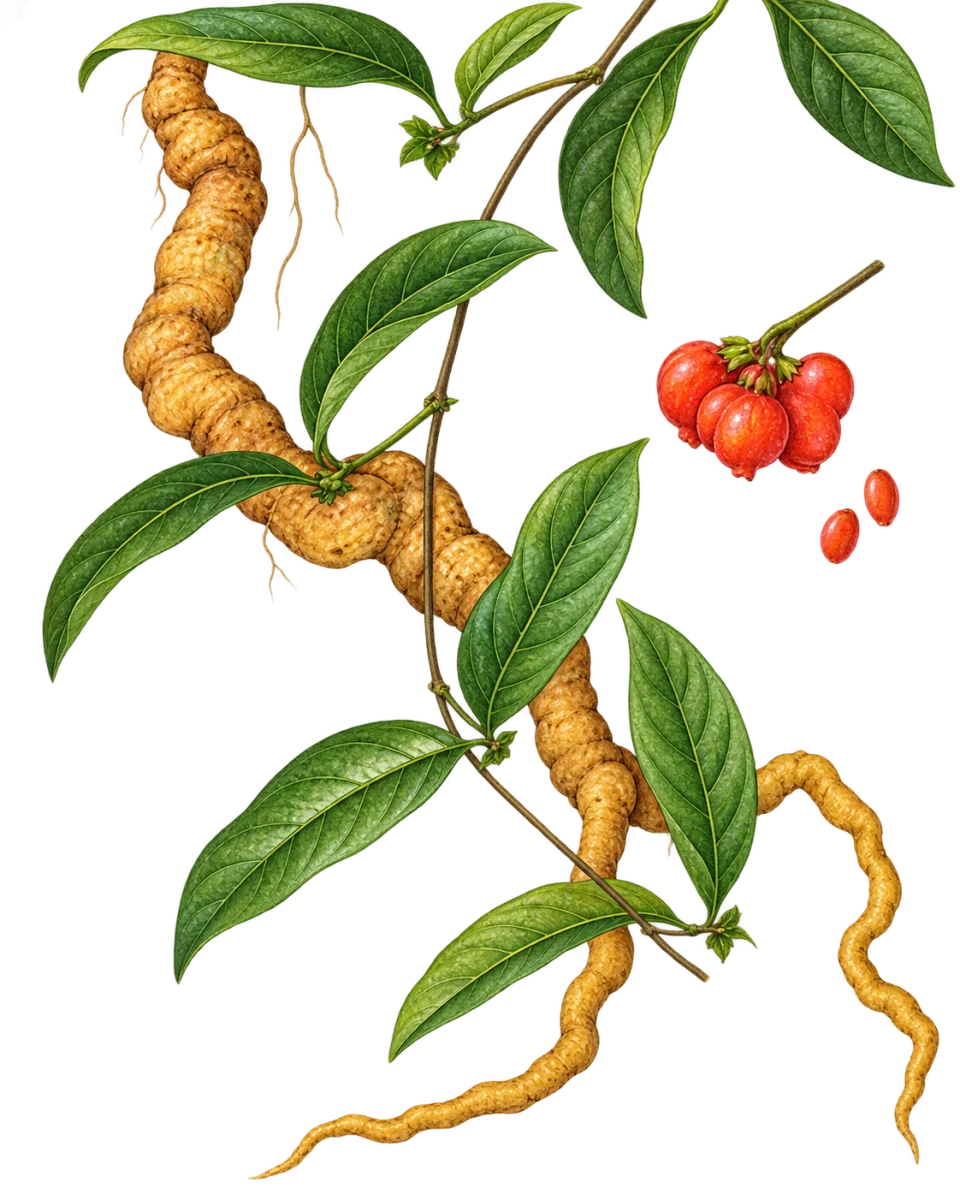
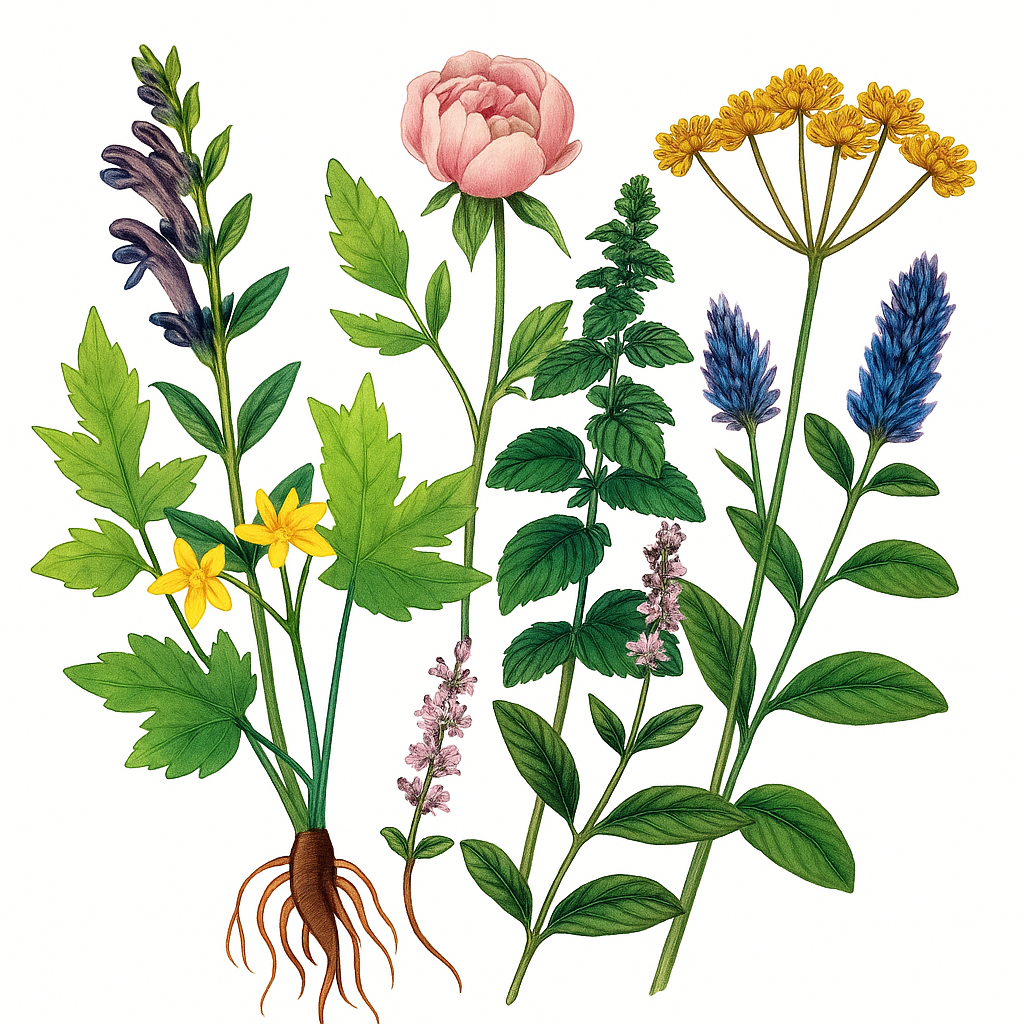
Morinda officinalis (Ba Ji Tian) is a renowned Kidney-Yang tonic used in Traditional Chinese Medicine to strengthen the sinews and bones, enhance vitality, regulate hormones, and improve reproductive health in both men and women. It also supports circulation, reduces inflammation, boosts immunity, increases endurance, and promotes restorative sleep. Entering the Liver and Kidney meridians, this herb is traditionally applied for lower-back weakness, erectile dysfunction, cold-womb infertility, wind-damp numbness, and chronic fatigue.
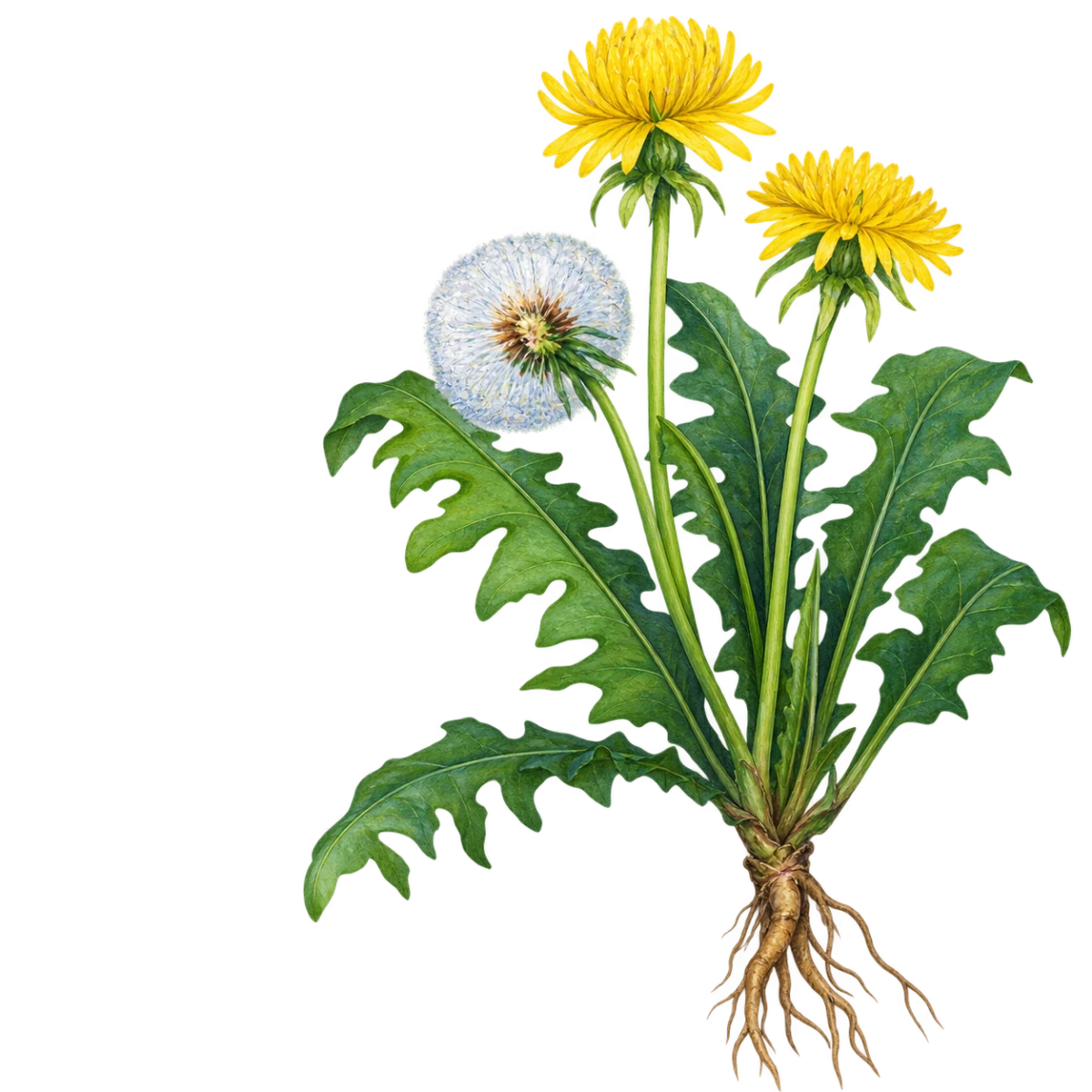
Dandelion (Pu Gong Ying – Taraxacum mongolicum) is a precious traditional Chinese medicinal herb renowned for its actions in clearing heat and toxins, resolving inflammation and abscesses, promoting urination, and protecting the liver. With a sweet–bitter taste and cold nature, it enters the Liver and Stomach meridians, known as a principal herb for treating “heat toxins and suppurative swellings.” Rich in active compounds such as taraxasterol, luteolin, inulin, and β-sitosterol, together with vitamins A, C, and E, Dandelion exhibits strong antioxidant, anti-inflammatory, immunomodulatory, lipid- and glucose-regulating properties. Clinically, it is widely applied to manage mastitis, blocked lactation, boils, abscesses, hepatitis, gallstones, urinary tract infection, mild hypertension, pharyngitis, bronchitis, eczema, and dermatitis, as well as to support cancer therapy, diabetes, and obesity management. Beyond its medicinal value, Herba Taraxaci is also consumed as a nutritious food and herbal tea, promoting detoxification, liver protection, and gentle sedation for better sleep. Combining classical Eastern medical wisdom with modern pharmacological evidence, Dandelion today stands as a comprehensive natural remedy and functional food that supports holistic wellness and chronic disease prevention in modern lifestyles.
Bu Gu Zhi (Cullen corylifolium (L.) Medik., syn. Psoralea corylifolia L.), commonly known as Babchi or Bakuchi seed, is a traditional Chinese medicinal herb renowned for its Kidney-Yang tonifying, Spleen-warming, and essence-preserving effects. The dried seeds, with a bitter-acrid taste and warm nature, enter the Kidney, Spleen, and Pericardium meridians. In Traditional East Asian Medicine, it is prescribed for impotence, spermatorrhea, frequent urination, chronic diarrhea, lumbar weakness, vitiligo, psoriasis, and general deficiency or aging syndromes. Modern pharmacological studies have identified key bioactive compounds—bakuchiol, psoralen, isopsoralen, isobavachalcone, and various flavonoids and terpenes—responsible for its anti-inflammatory, antioxidant, osteogenic, immunomodulatory, and skin-rejuvenating properties. Bakuchiol, in particular, is widely used in dermatology and cosmetics as a natural alternative to retinol. Clinical and laboratory evidence also supports Bu Gu Zhi’s potential in improving bone metabolism, cardiovascular function, hormone balance, and anti-tumor activity. With its dual legacy of ancient wisdom and modern validation, Bu Gu Zhi stands as a bridge between traditional Oriental medicine and contemporary integrative health science. Proper dosage and caution are advised, as the herb should be avoided in patients with Yin deficiency with heat, urinary tract inflammation, or constipation.
Licorice Root (甘草, Gān Cǎo) – Glycyrrhizae Radix et Rhizoma – refers to the root and rhizome of Glycyrrhiza uralensis, G. glabra, or G. inflata from the Fabaceae family. In Traditional Chinese Medicine, Licorice is honored as the “National Elder”, the harmonizing herb that balances hot and cold properties of other medicinals. Sweet in taste and neutral in nature, it enters the Spleen, Stomach, Heart, Liver, and Lung meridians, promoting Qi replenishment, detoxification, cough relief, and internal balance. Modern pharmacological studies reveal that compounds such as glycyrrhizin, glabridin, and liquiritin possess anti-inflammatory, antimicrobial, hepatoprotective, immunoregulatory, and antioxidant activities. Licorice Root is widely used in formulas for treating coughs, sore throat, gastritis, fatigue, endocrine imbalance, and skin disorders. However, excessive or prolonged use may cause hypertension and hypokalemia due to mineralocorticoid-like effects. As both a medicine and a harmonizing agent, Gān Cǎo remains an indispensable herb bridging the wisdom of traditional healing and modern therapeutic science.
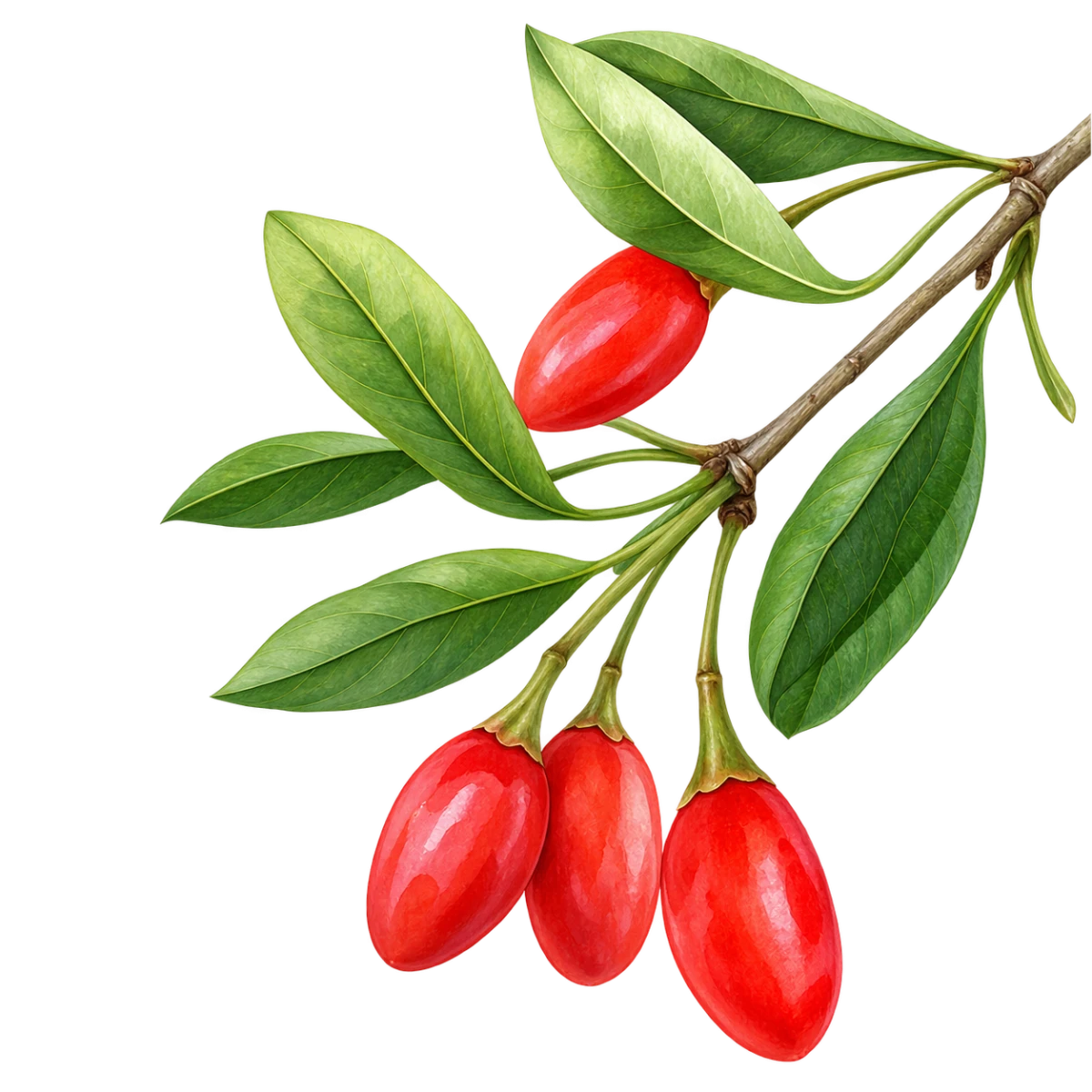
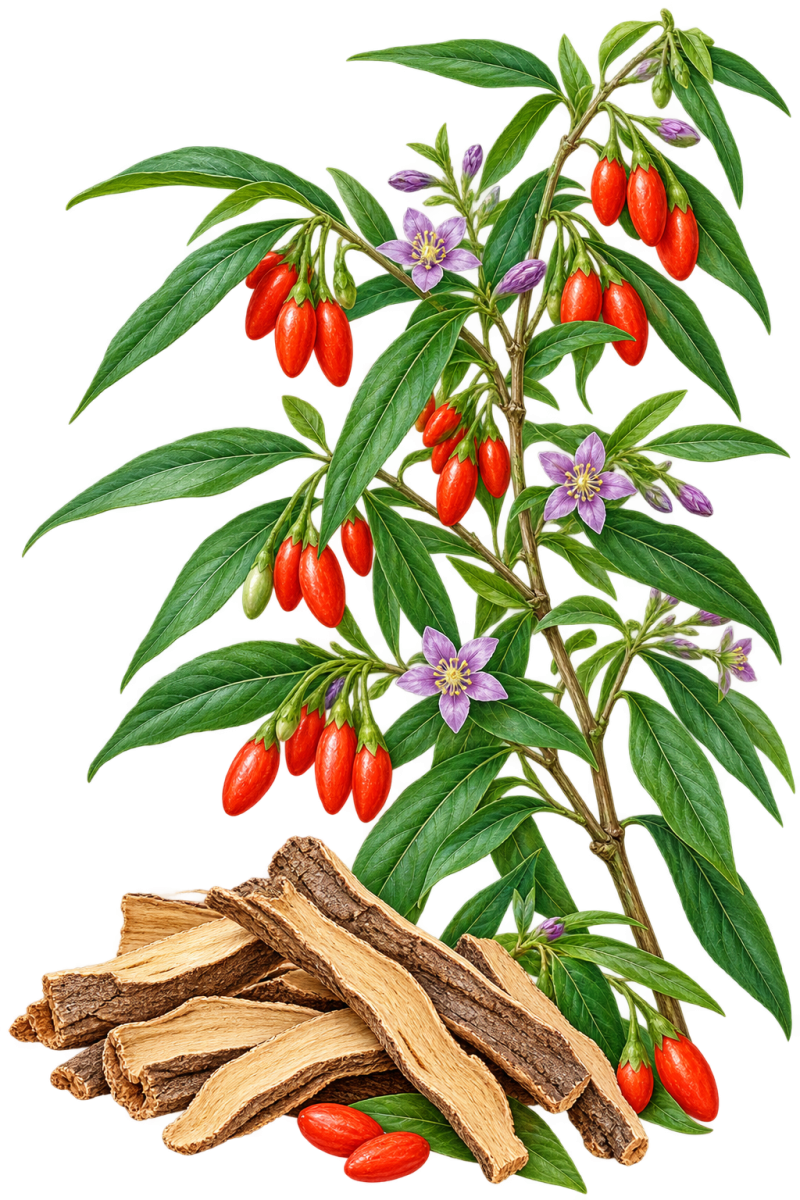
Gou Qi Zi (Goji Berry) – a classic TCM tonic that nourishes Liver and Kidney, enriches Blood, enhances immunity, and delays aging with abundant bioactive compounds.
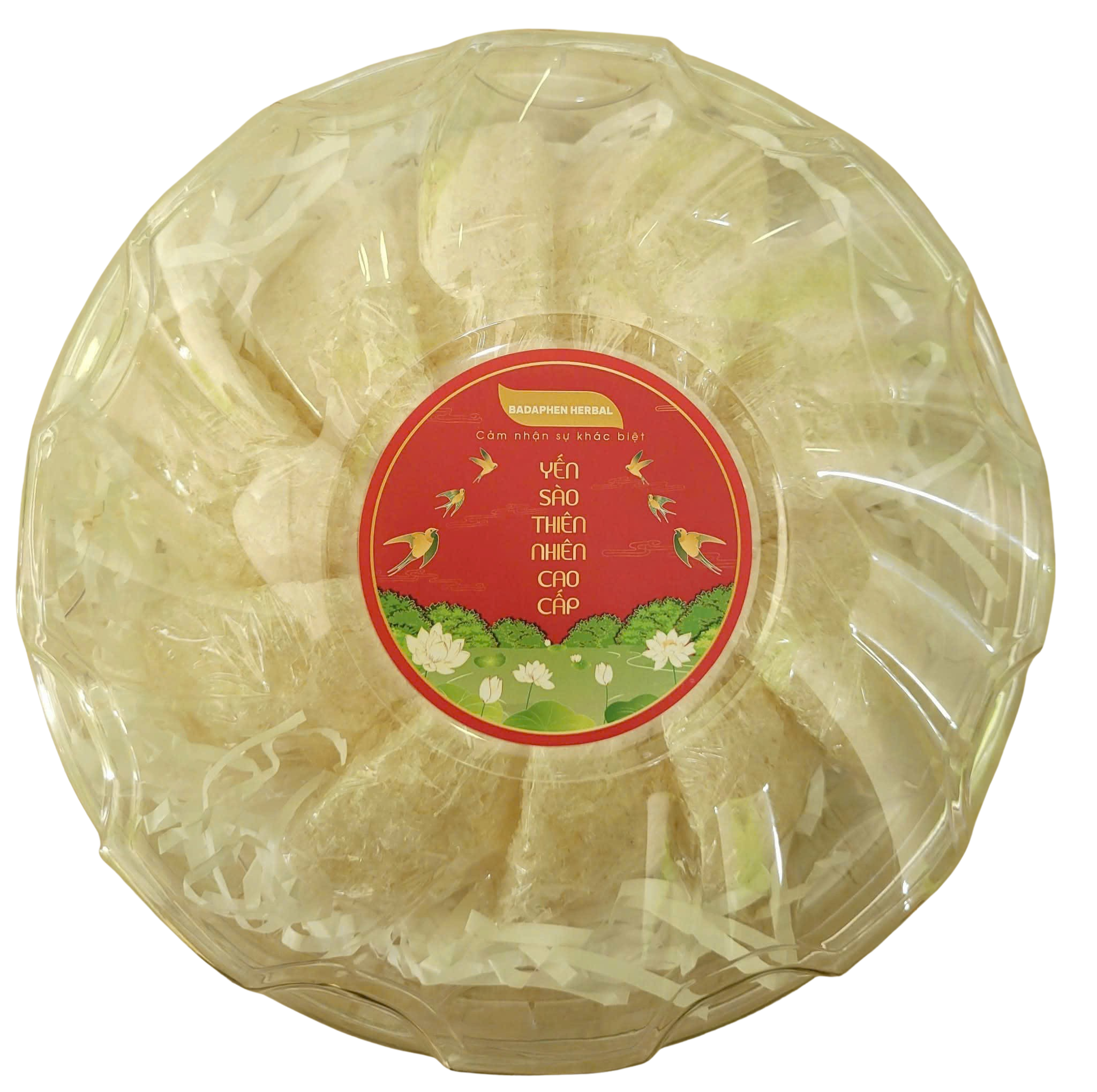
BADAPHEN HERBAL Premium Bird’s Nest – 100% authentic edible bird’s nest from Southern Vietnam, sustainably harvested, hand-cleaned, with no preservatives. Supports immunity, enhances recovery, beautifies skin, and is suitable for elders, children, the sick, and vegetarians.
BADAPHEN HERBAL Premium Bird’s Nest – 100% authentic edible bird’s nest from Southern Vietnam, sustainably harvested, hand-cleaned, with no preservatives. Supports immunity, enhances recovery, beautifies skin, and is suitable for elders, children, the sick, and vegetarians
He Shou Wu (Red Fleeceflower Root) is a treasured herb in Traditional Chinese Medicine, known for nourishing the Liver and Kidneys, revitalizing hair, boosting energy, and promoting longevity.
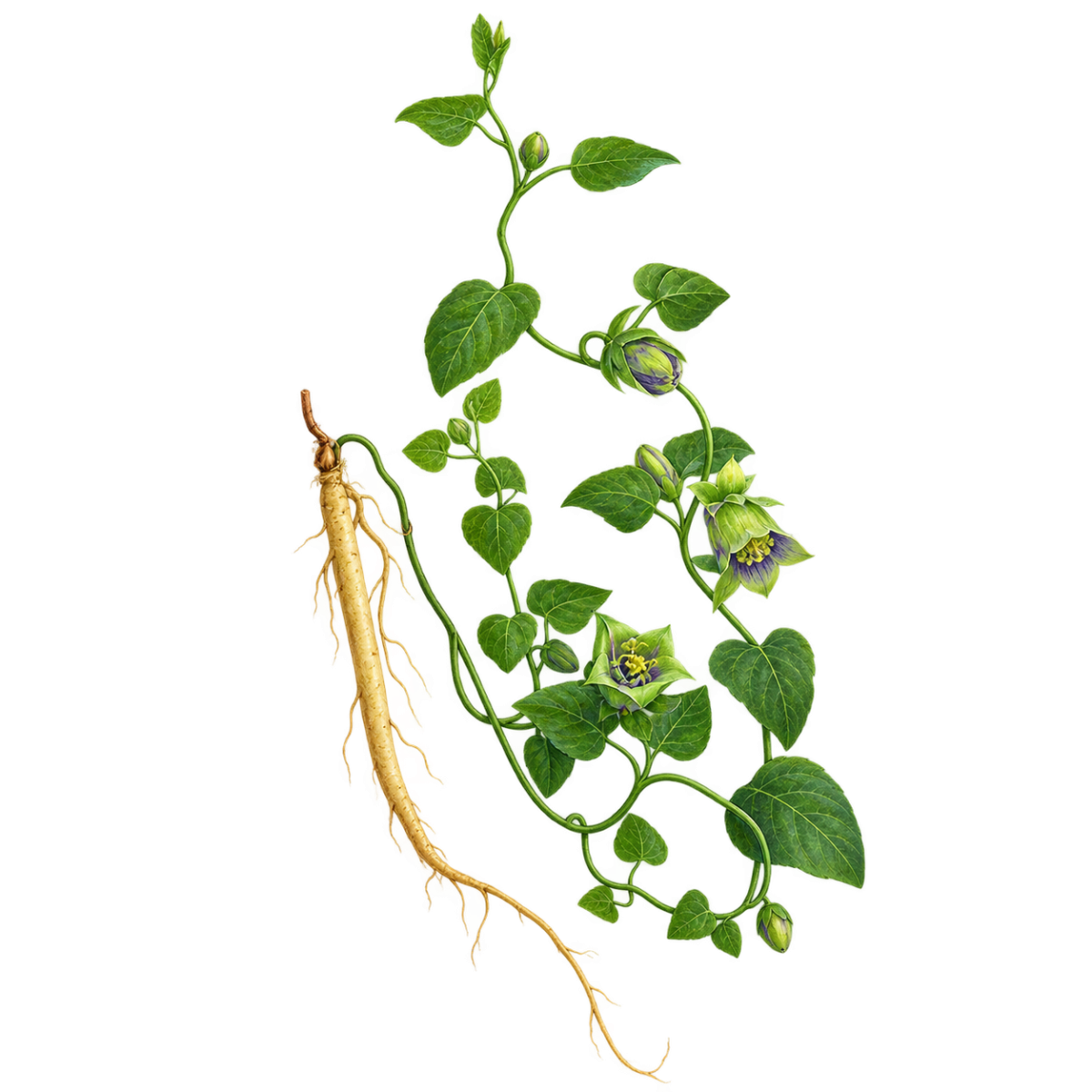
Codonopsis pilosula (Dang Shen), commonly known as Tangshen or Poor Man’s Ginseng, is one of the most valued tonic herbs in Traditional Chinese Medicine (TCM). Belonging to the Campanulaceae (Bellflower) family, this sweet and neutral herb primarily nourishes the Lung and Spleen meridians. It is traditionally used to tonify Qi, strengthen the Spleen, generate body fluids, and nourish the Blood—making it a key remedy for fatigue, poor appetite, general weakness, chronic cough, and digestive insufficiency. The root of Codonopsis pilosula contains a diverse range of bioactive compounds, including sugars (Sucrose, Glucose, Fructose, Inulin), alkaloids, glycosides such as Scutellarein glucoside and Syringin, as well as saponins (Tangshen side I) and choline. Modern pharmacological studies have demonstrated its efficacy in enhancing immunity, improving cardiac contractility, regulating blood pressure, relieving fatigue, protecting the gastric mucosa, and exerting anti-inflammatory and antibacterial effects. It also supports hematopoiesis, improves mental clarity, and enhances physical endurance. Owing to its gentle tonic nature, Dang Shen is widely regarded as a safer and more affordable alternative to Panax ginseng in clinical and home herbal formulations. This article provides an in-depth exploration of the botanical characteristics, chemical composition, therapeutic properties, dosage guidelines, contraindications, and modern pharmacological findings surrounding Codonopsis pilosula, offering a bridge between classical TCM wisdom and contemporary scientific research.
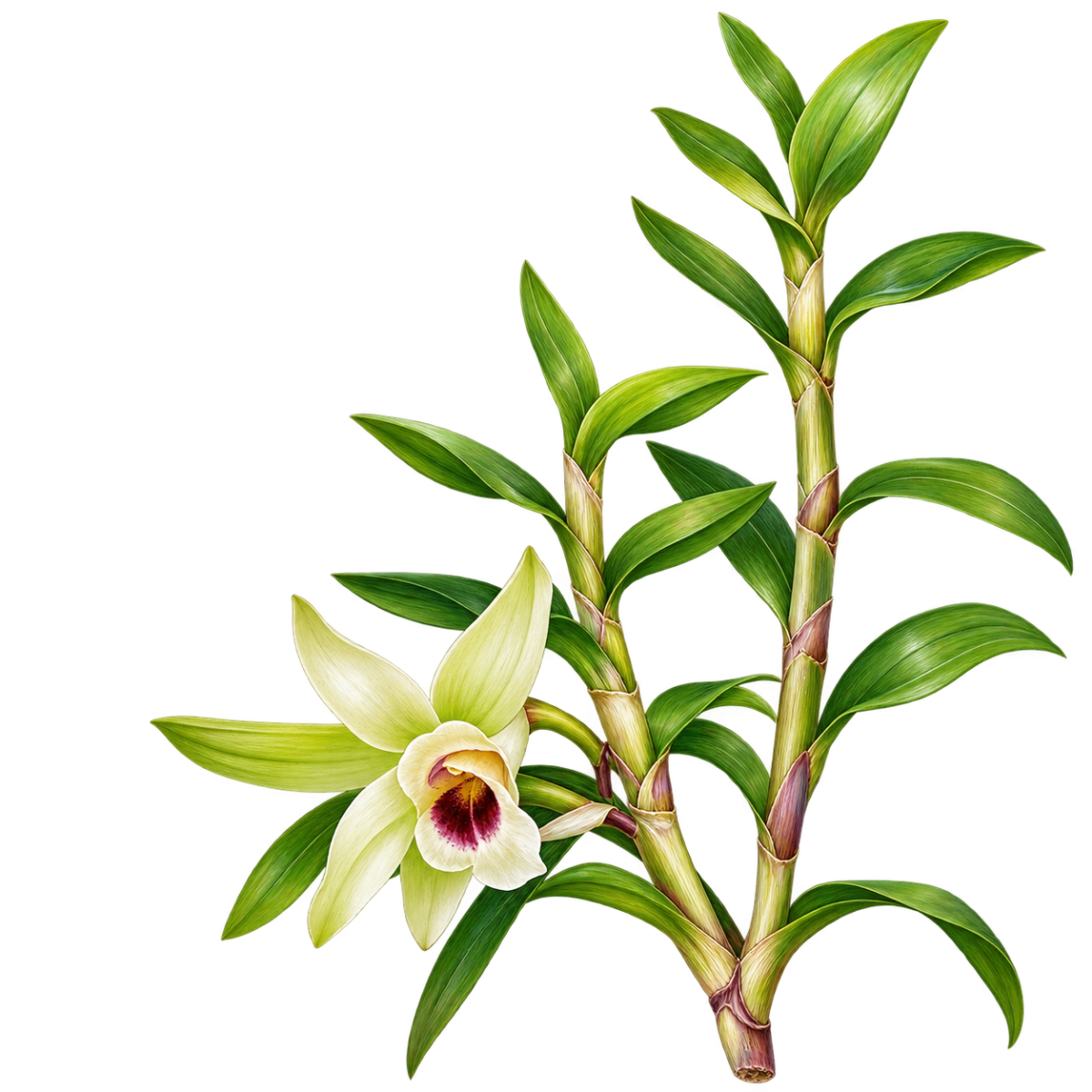
Dendrobium Stem (Dendrobium nobile Lindl., Dendrobii Caulis) is one of the most valued tonic herbs in Traditional Chinese Medicine (TCM), renowned as “Golden Stem Dendrobium” – a superior Yin-nourishing and life-prolonging herb. With its sweet flavor and slightly cold nature, it enters the Lung and Kidney meridians, replenishing Yin fluids, clearing internal heat, tonifying the Stomach, moistening the Lungs, brightening the eyes, strengthening tendons, and enhancing overall vitality. Traditionally, it is used to treat Yin deficiency syndromes such as dry mouth, thirst, low-grade fever, night sweating, internal heat in the bones, post-illness fatigue, impotence, cystitis, blurred vision, dizziness, periodontal inflammation, and dry skin. Chemically, Dendrobium nobile contains valuable bioactive compounds including dendrobine (its main sesquiterpene alkaloid), nobiline, polysaccharides, bibenzyls, phenanthrenes, flavonoids, vitamins, and essential minerals. These substances contribute to its antioxidant, immune-regulating, Yin-restoring, and tissue-rejuvenating effects. The herb is usually prepared by decoction, gentle steaming, or extracted into tonic formulas, with a typical daily dose of 6–15 g dried material. Revered for centuries as a “longevity herb,” Dendrobium Stem nourishes the body, revitalizes energy, enhances skin hydration, and promotes graceful aging — just as ancient physicians said: “Regular use of Shi Hu brings youth to the face and life as enduring as the pine.”