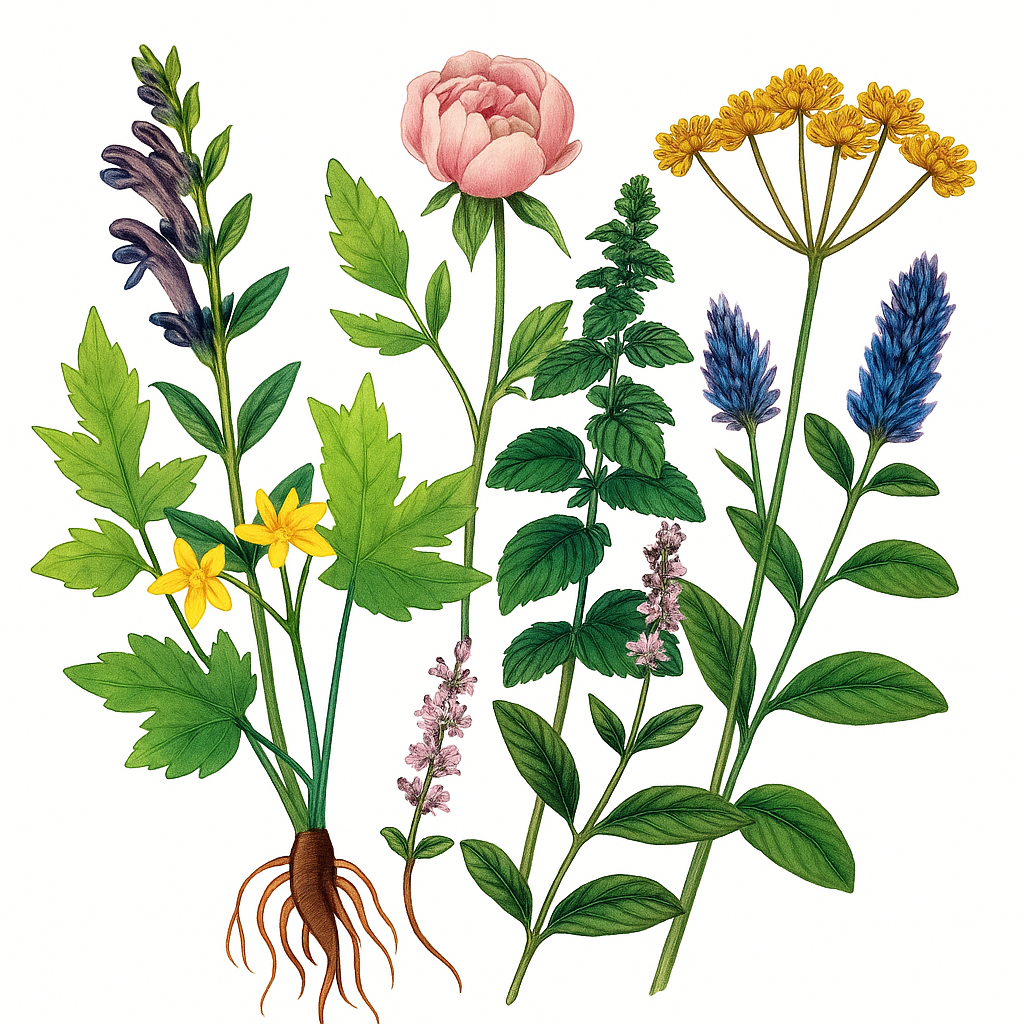
Bo He (Menthae Haplocalycis Herba), commonly known as Field Mint, is a classical herb in Traditional Chinese Medicine known for its pungent, cooling nature and its actions on the Lung, Liver, and Gallbladder meridians. Widely used in Wind-Heat exterior syndromes, it helps clear Heat from the head and face, relieve headaches, soothe sore throat, open the nasal passages, promote sweating, and support natural fever reduction. Beyond respiratory benefits, Bo He also improves digestion by relaxing smooth muscles, reducing gastrointestinal spasms, relieving bloating, nausea, and supporting bile secretion. Modern studies highlight its antibacterial, antiviral, and antifungal properties. The herb also soothes Liver Qi stagnation, reduces stress, brightens the eyes, enhances mental clarity, and boosts alertness. Rich in menthol, its essential oil provides cooling analgesia, reduces neuropathic and muscular pain, and improves scalp microcirculation, supporting hair growth. Despite its many benefits, Bo He is contraindicated for individuals with Qi Deficiency, Yang Deficiency Cold (Xu Han), spontaneous sweating, hyperactive Liver Yang, and should not be used topically for infants due to the risk of respiratory suppression. This article presents a complete overview of Bo He's therapeutic actions, properties, chemical constituents, dosage, and safety considerations based on both TCM principles and modern research.
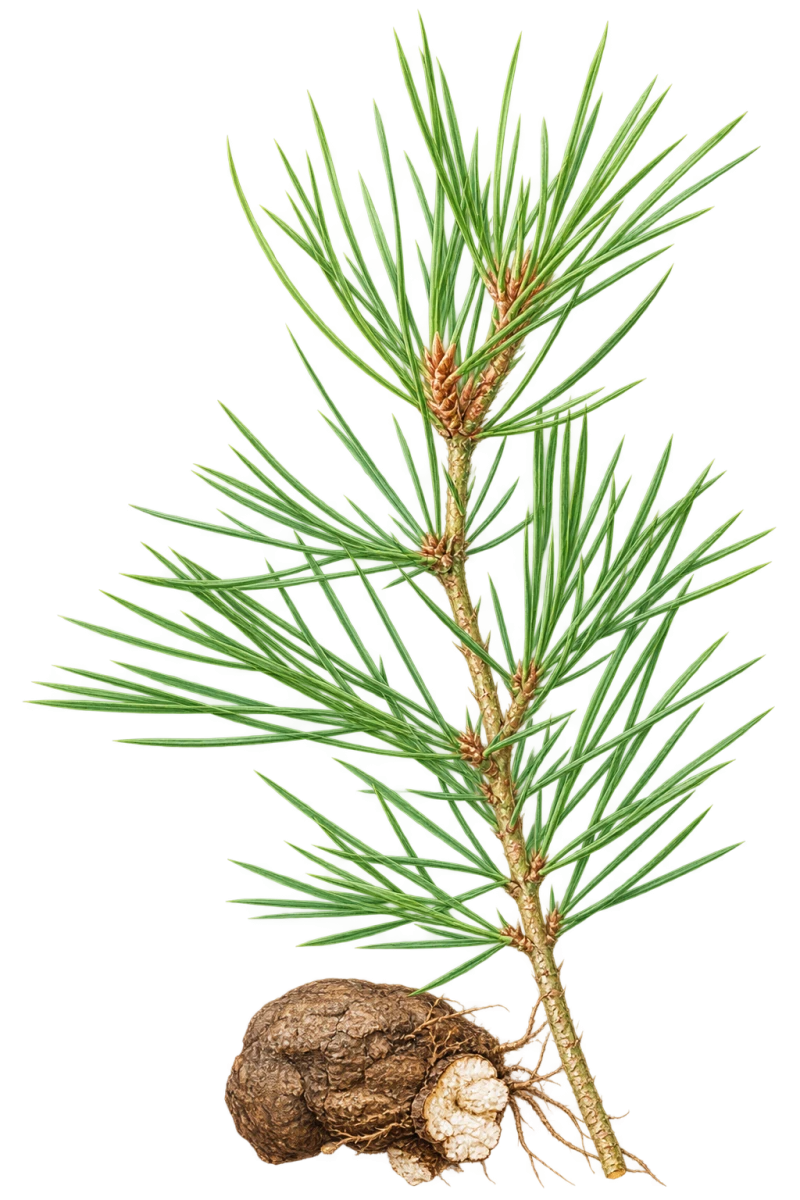
Poria cocos (Fu Ling, Indian Bread) is a renowned Traditional Chinese Medicine (TCM) herb valued for its diuretic, spleen-tonifying, and tranquilizing properties. Belonging to the Polyporaceae family, Poria cocos is the dried sclerotium of a fungus that parasitizes pine roots. Sweet and neutral in nature, it enters the Heart, Spleen, Lung, and Kidney meridians, helping to regulate Qi and Blood, harmonize Yin and Yang, and restore vitality. Modern pharmacological research shows that Poria contains polysaccharides, triterpenoids, and sterols with proven effects on enhancing immunity, lowering blood sugar, protecting the liver, improving memory, and inhibiting tumor growth. In skincare, it promotes a brighter, smoother complexion, reduces hyperpigmentation, delays aging, and supports longevity. Historically favored by Empress Dowager Cixi and poet Su Dongpo, Fu Ling is regarded as an elixir for health, beauty, and longevity. As a holistic remedy, Poria cocos purifies the body, nourishes the spirit, strengthens internal organs, and promotes harmony between mind and body — making it an essential herb in modern wellness and traditional Asian healing.
Radix Puerariae (Ge Gen) – also known as Kudzu Root, Cam Ge Gen, or Bai Ge Gen – is the root of Pueraria lobata (Willd.) Ohwi, a precious herb in Traditional Chinese Medicine. With a sweet and acrid flavor, neutral nature, entering the Spleen, Stomach, Lung, and Bladder meridians, Ge Gen is widely used to clear heat, release the exterior, promote body fluids, relieve muscle tension, stop diarrhea, and detoxify alcohol. Modern studies have confirmed that its bioactive compounds—Puerarin, Daidzein, and Genistein—exhibit vasodilatory, anti-inflammatory, antioxidant, and hepatoprotective properties. Ge Gen helps improve cerebral and coronary circulation, supporting the treatment of hypertension, diabetes, hyperlipidemia, and menopausal symptoms. Traditionally, it is also valued for its ability to relieve fever, reduce thirst, and alleviate gastrointestinal disorders. In folk medicine, Kudzu starch drink made from Ge Gen is used as a cooling, detoxifying, and beautifying tonic, helping to soothe the liver and nourish the body. With its broad range of therapeutic effects and modern scientific backing, Ge Gen (Radix Puerariae) stands as a key medicinal herb in both classical formulas and modern health applications, balancing tradition and evidence-based wellness.
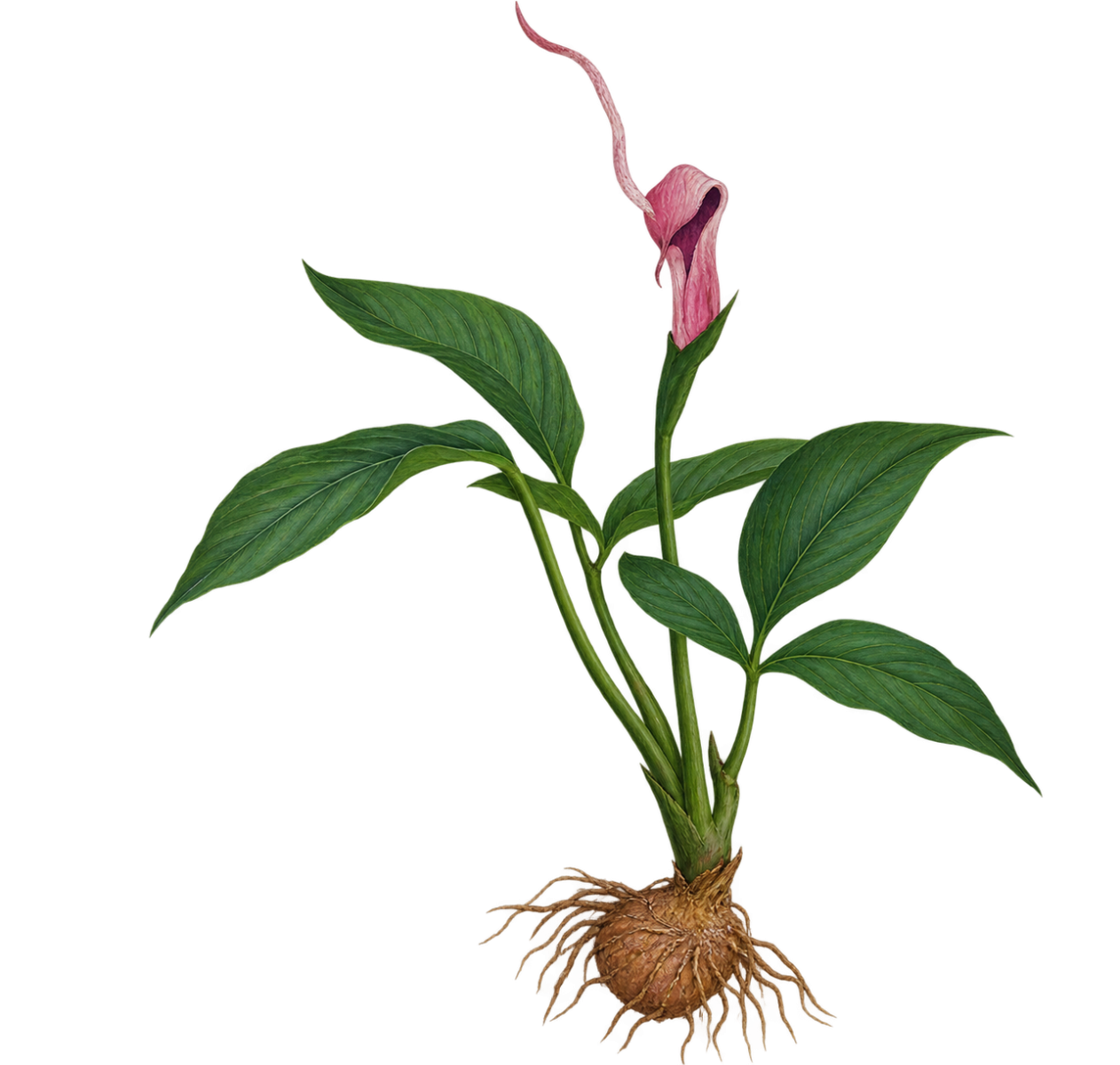
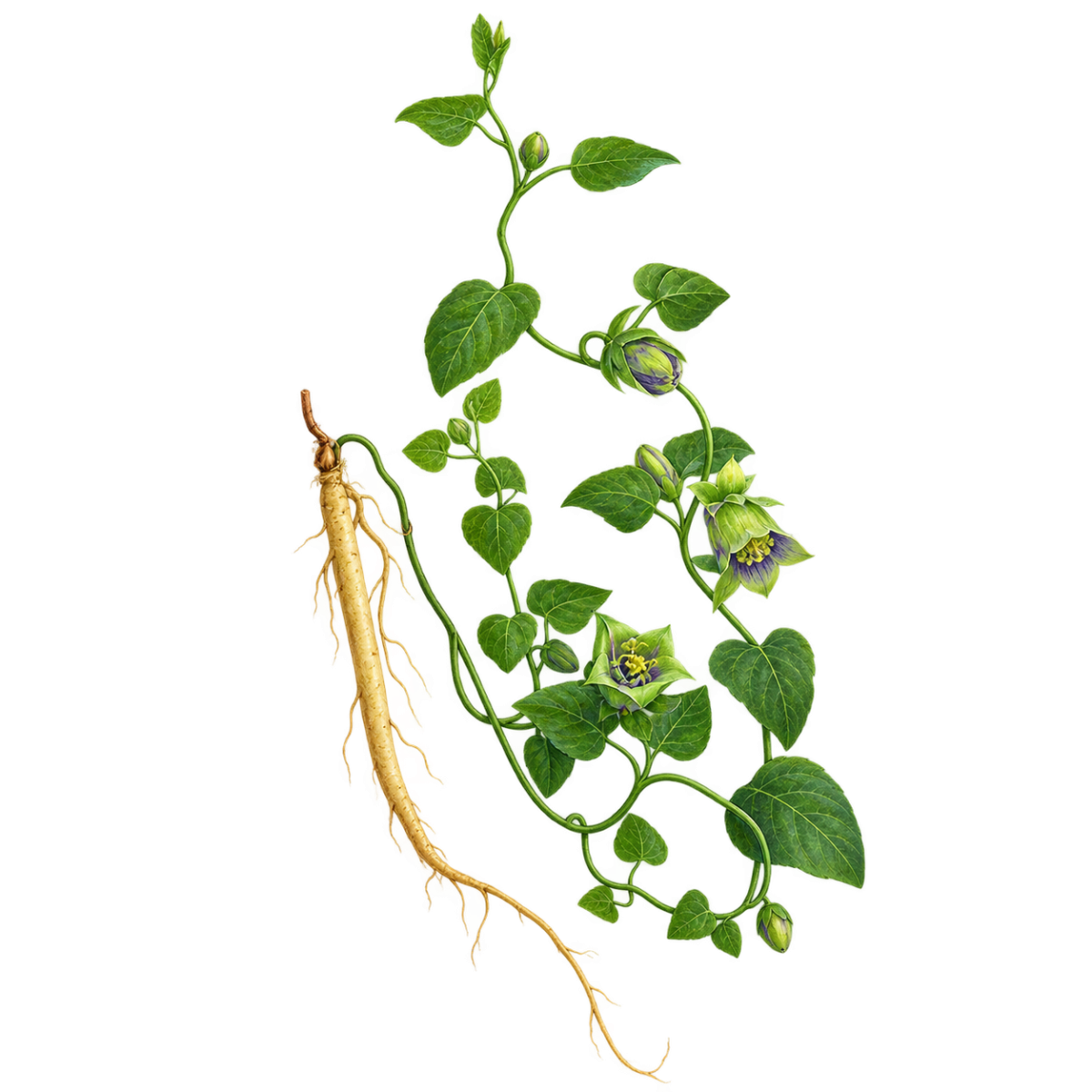
Pinellia Tuber is a traditional medicinal herb used to resolve phlegm, redirect rebellious qi downward, stop vomiting, and disperse nodules. It is commonly prescribed for treating excessive phlegm cough, nausea, chest fullness, and dizziness caused by phlegm retention, while also helping reduce inflammation and swelling.
Imperatae Rhizoma, commonly known as Lalang Grass Rhizome or Cogon Grass Root (Imperata cylindrica), is a traditional herbal remedy highly valued in Asian medicine for its cooling, detoxifying, and diuretic effects. In Traditional Chinese Medicine, it is renowned for its ability to clear heat, cool the blood, stop bleeding, and promote urination, making it particularly effective for urinary heat syndromes such as painful urination, urinary tract infections, hematuria, and edema. Its strong hemostatic and blood-cooling properties also support conditions like nosebleeds, hematemesis, hemoptysis, and excessive menstrual bleeding caused by heat in the blood. With a naturally sweet flavor and cold nature, Imperatae Rhizoma helps ease nausea, reduce gastric heat, and relieve vomiting, especially when triggered by alcohol or stomach fire. It is traditionally used to relieve thirst, lower fever, cool the stomach, and drain damp-heat from the liver and gallbladder, making it beneficial for jaundice, swelling, or heat-related disorders. Modern studies reveal that the rhizome contains valuable compounds such as triterpenoids, flavonoids, saponins, vitamins, and essential minerals, providing anti-inflammatory, antioxidant, antimicrobial, and kidney-protective benefits. These findings support its longstanding use for detoxification, urinary health, and liver support. With its combined traditional wisdom and scientifically supported bioactivity, Imperatae Rhizoma remains a versatile and reliable herbal medicine for individuals seeking natural heat-clearing, detoxifying, and diuretic therapies to enhance overall well-being.
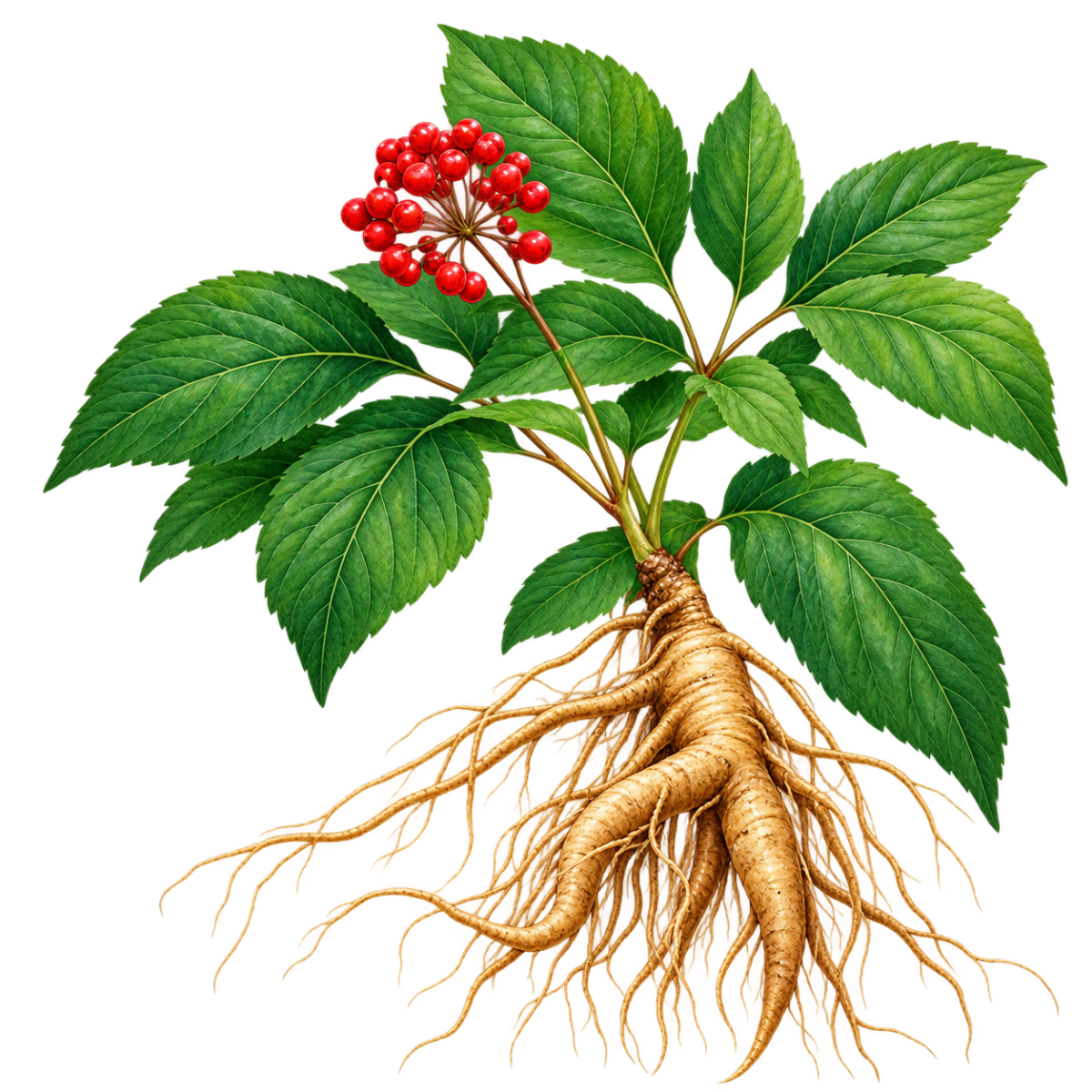
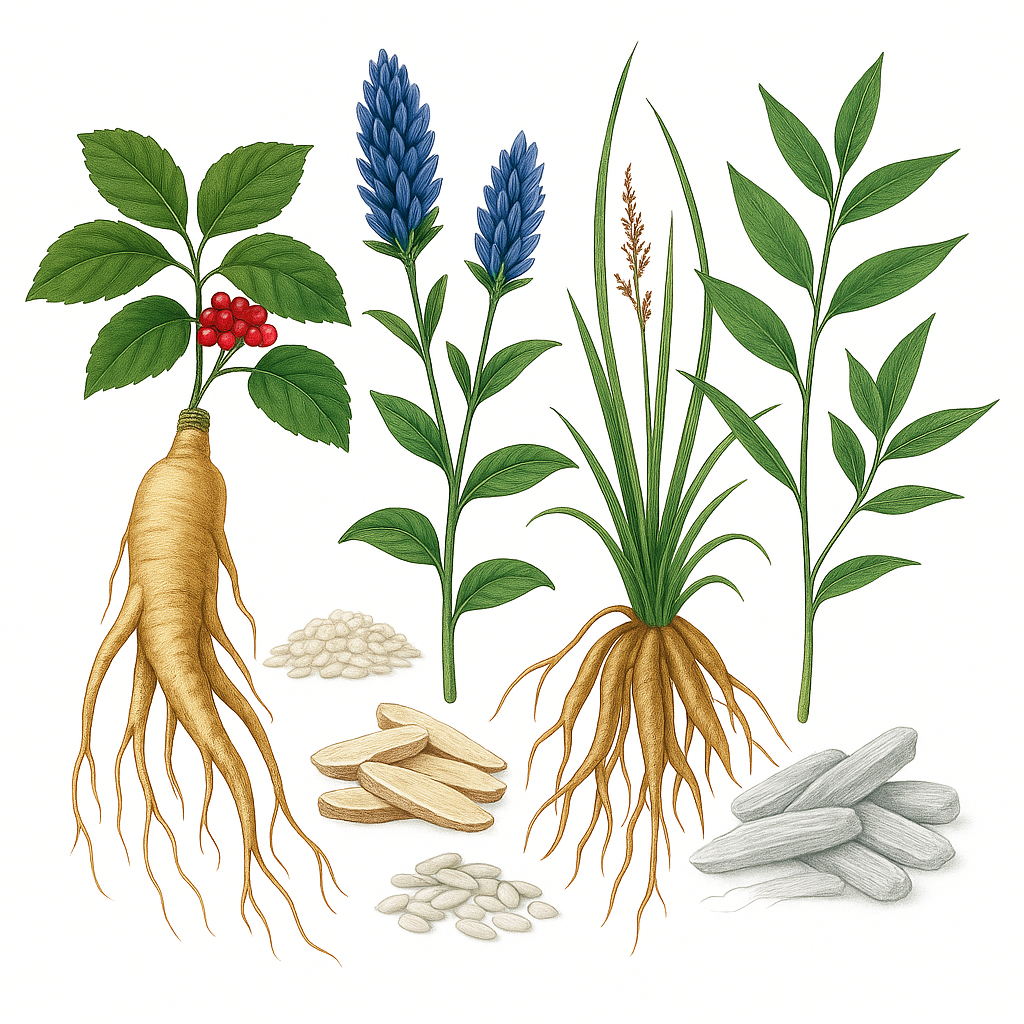
Ren Shen (Asian Ginseng) is a premium traditional herbal tonic made from carefully selected ginseng roots, processed and dried to preserve their natural active compounds. It is commonly used in decoctions, herbal teas, medicinal wines or honey infusions to help nourish qi and blood, support immune function, ease fatigue and weakness, and support cardiovascular, cognitive, sleep and hormonal health. Suitable for people under heavy workload, recovering after illness or looking for long-term daily wellness support with natural herbs.
Huang Qi, also known as Astragalus root, is one of the most widely recognized herbs in Traditional Chinese Medicine for qi tonification and overall body support. In traditional practice, Huang Qi is sweet in flavor and warm in nature, and is commonly used to support the spleen and lung systems, strengthen the exterior, promote tissue recovery, and help restore vitality in weakened individuals. This herb is often searched for by people interested in herbal solutions for supporting immunity, reducing fatigue, improving general wellness, and helping the body recover after periods of low energy. Beyond its long-established traditional use, Huang Qi has also attracted modern interest because of its rich natural compounds and its role in wellness-focused herbal care. When choosing Huang Qi, buyers often look for clean raw material, reliable origin, proper processing, and careful storage to ensure quality and consistency. Huang Qi may be used alone or combined with other herbs in traditional formulas, but professional guidance is recommended for long-term use or for individuals with special health conditions. If you are looking for information about Huang Qi benefits, Huang Qi uses, how to identify quality Astragalus root, or how to choose a reliable herbal product, Huang Qi is an important qi-tonifying herb worth considering in traditional herbal medicine.
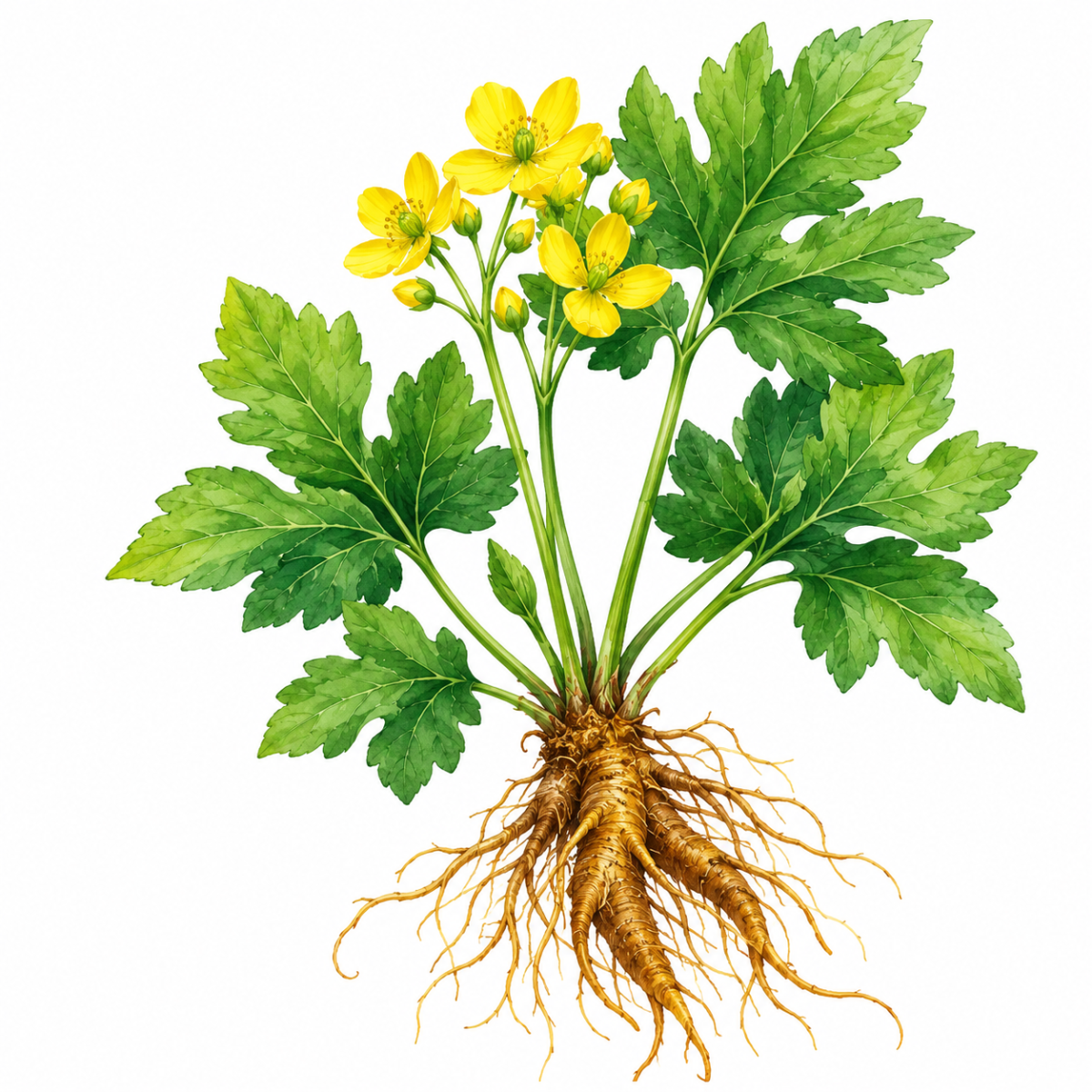
Hoang Lien is a valued herb in Traditional Medicine, well known for its intensely bitter taste, strongly cold nature, and its traditional functions of clearing heat, eliminating dampness, resolving toxicity, and draining fire. In traditional herbal practice, Hoang Lien is commonly used in patterns related to damp-heat, excessive Heart fire, heat toxins, dysentery, diarrhea associated with intestinal inflammation, internal heat, Stomach and Spleen heat, bitter taste in the mouth, epigastric fullness, nausea, vomiting, and certain damp-heat jaundice conditions. In addition, this herb is also recognized for supporting concerns involving the eyes, skin, oral cavity, sore throat, ulcerative lesions, urticaria, eczema, fungal skin conditions, and exudative skin problems. One of the most notable compounds in Hoang Lien is berberine, together with several other alkaloids, making this herb highly relevant in searches related to heat-clearing herbs, digestive support, detoxifying traditional remedies, and classical herbal applications. However, because Hoang Lien is strongly cold in nature, it should be used with appropriate dosage, suitable body constitution, and caution in cases of Spleen-Stomach deficiency cold, yin deficiency, pregnancy, newborns, or people taking concurrent medications. If you are researching Hoang Lien benefits, traditional uses of Hoang Lien, and important precautions before use, this is an herb that should be understood carefully and applied with proper professional guidance.