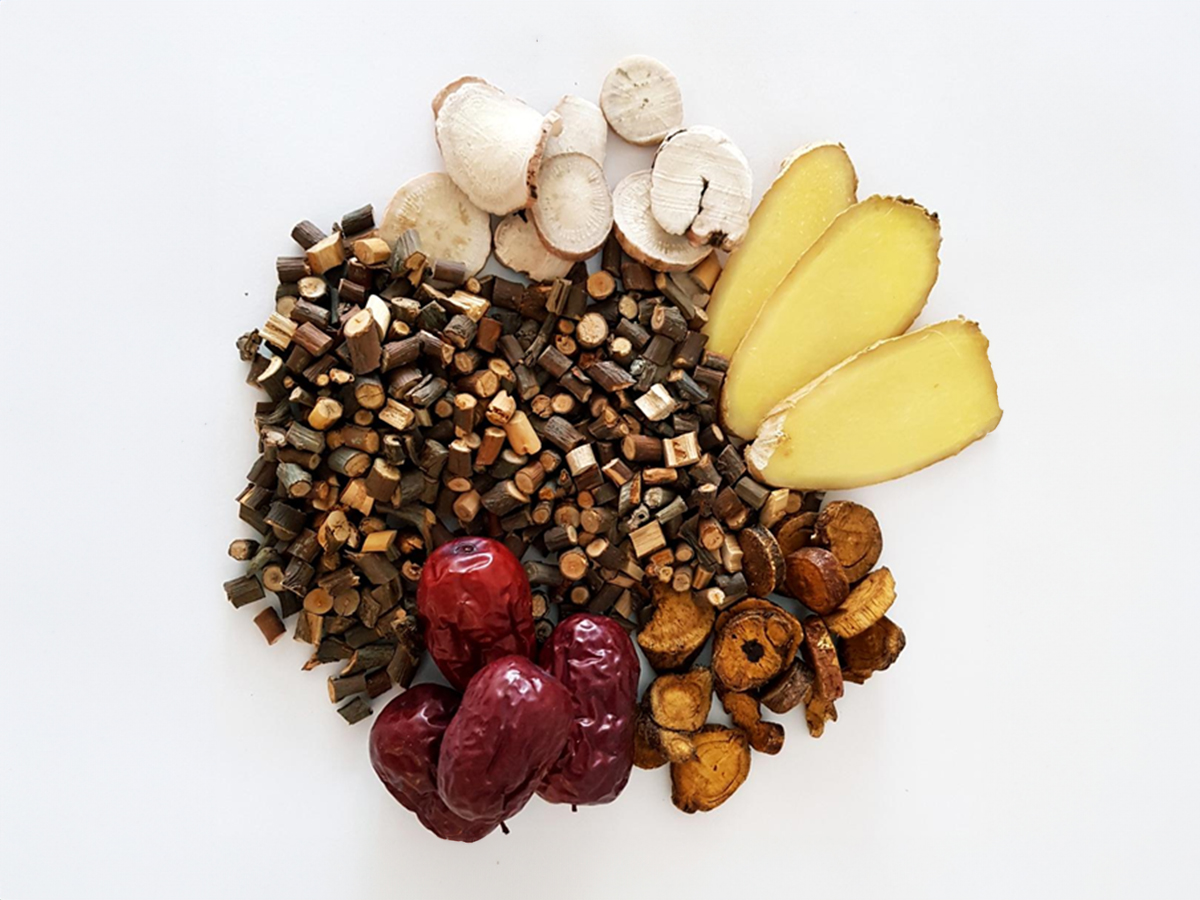
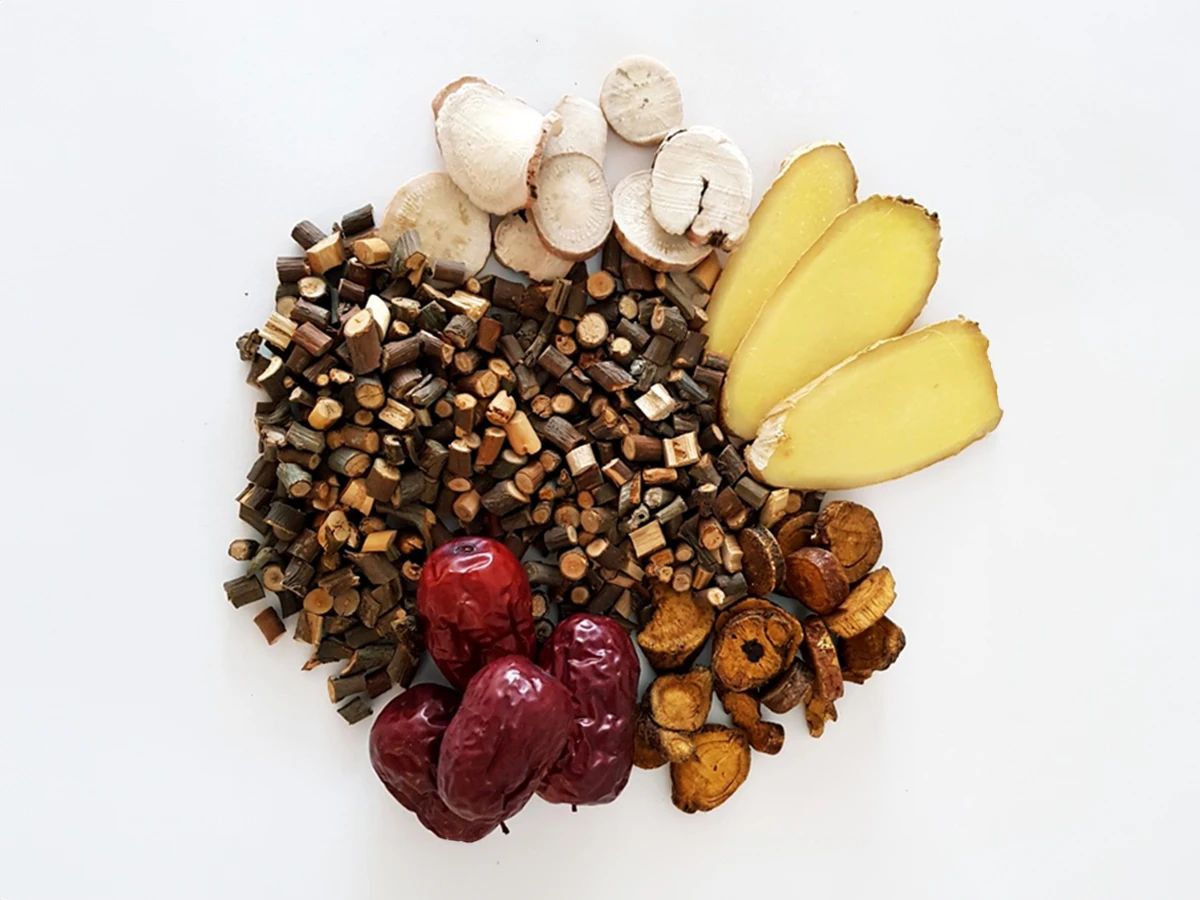
Cinnamon Twig Decoction (Gui Zhi Tang, 桂枝汤) is a foundational formula in Traditional Chinese Medicine (TCM), first documented in the Shang Han Lun (Treatise on Cold Damage) by Zhang Zhongjing during the Eastern Han Dynasty (25–220 CE). This formula is renowned for its ability to harmonize the body's defensive (Wei) and nutritive (Ying) Qi, making it effective in treating various external Wind-Cold invasions, especially in individuals with underlying deficiencies.
Cinnamon Twig Decoction (Gui Zhi Tang, 桂枝汤) is a foundational formula in Traditional Chinese Medicine (TCM), first documented in the Shang Han Lun (Treatise on Cold Damage) by Zhang Zhongjing during the Eastern Han Dynasty (25–220 CE). This formula is renowned for its ability to harmonize the body's defensive (Wei) and nutritive (Ying) Qi, making it effective in treating various external Wind-Cold invasions, especially in individuals with underlying deficiencies.
Composition and Roles in the Jun-Chen-Zuo-Shi Hierarchy
In TCM, herbal formulas are often structured according to the Jun-Chen-Zuo-Shi (Monarch-
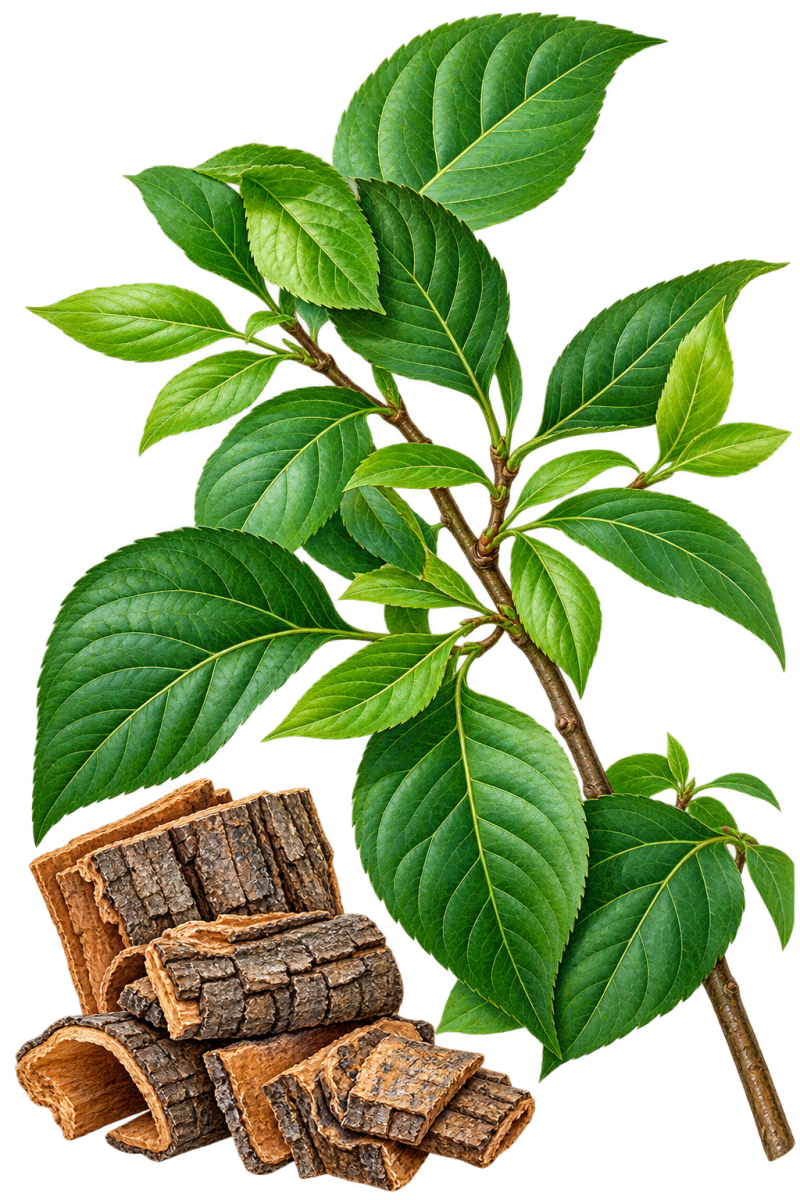
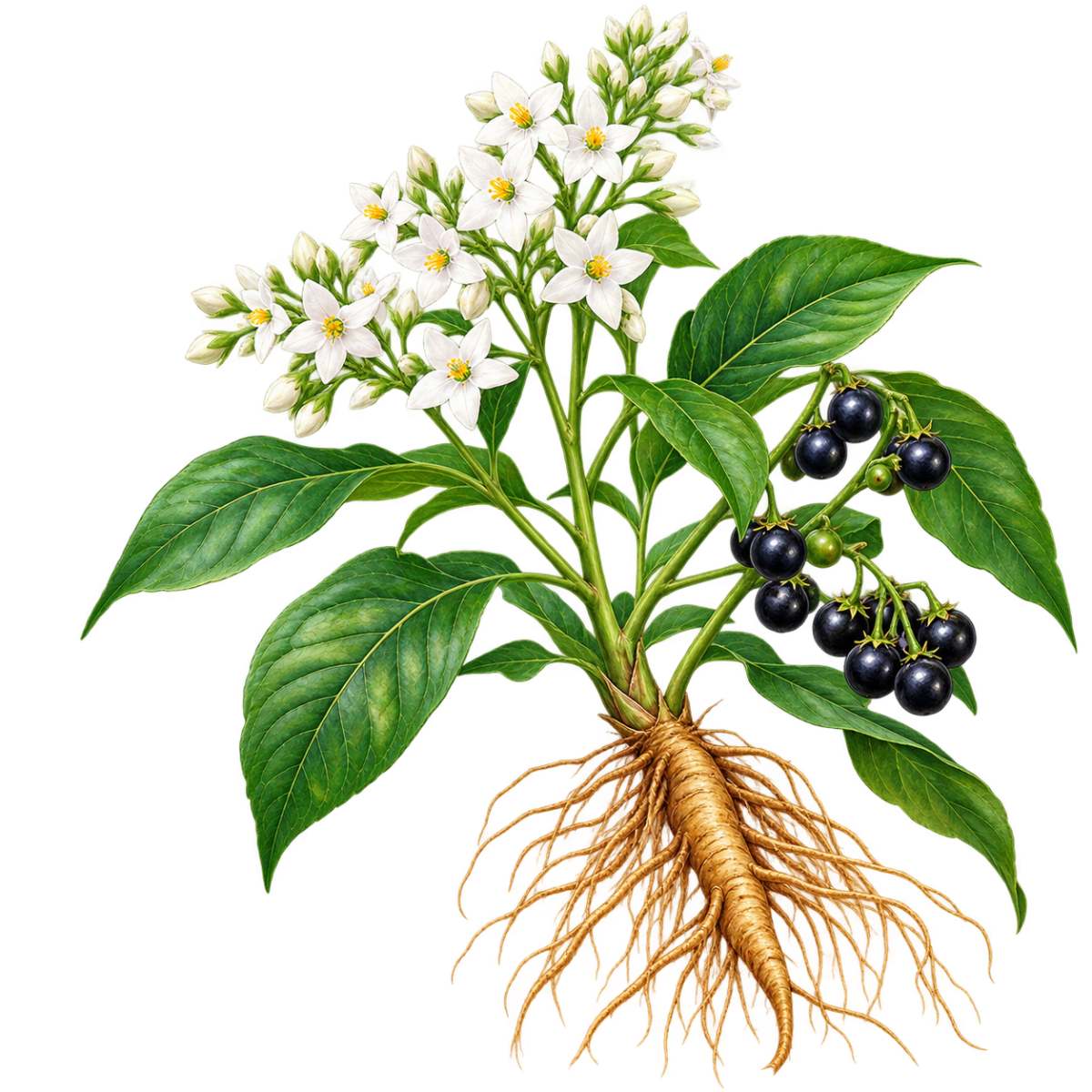
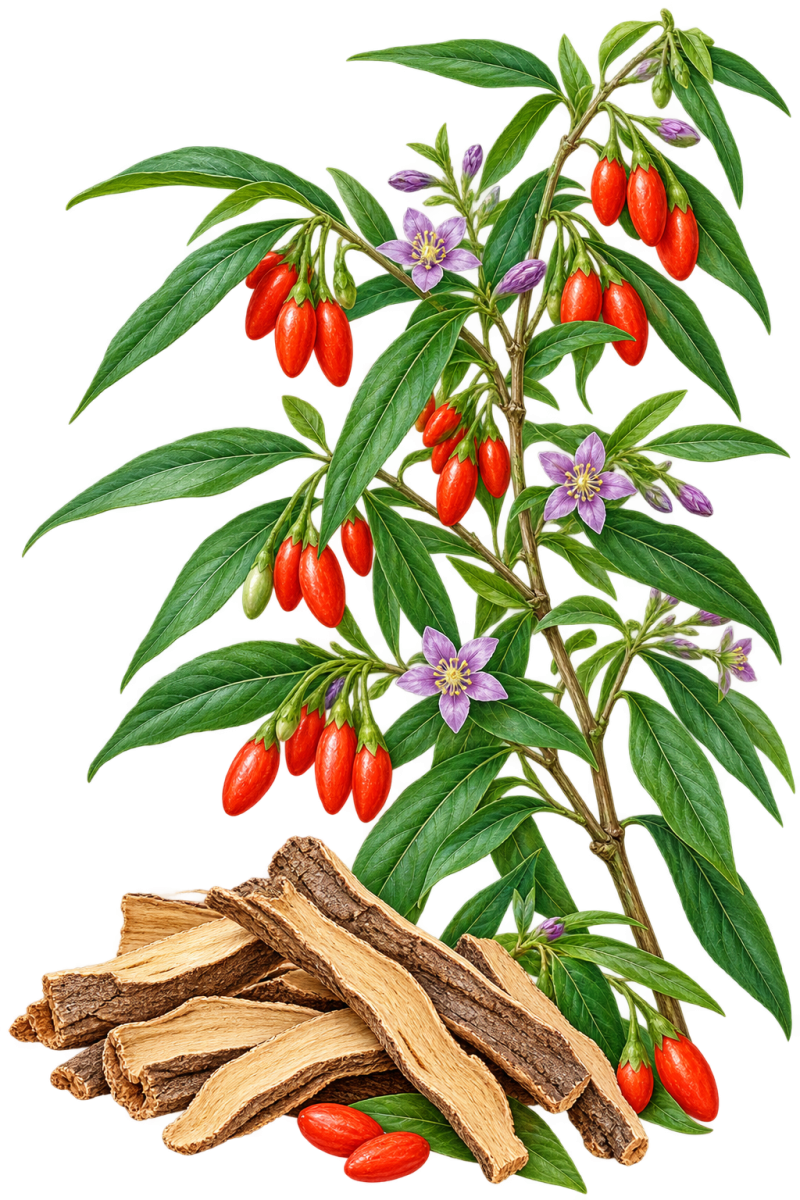
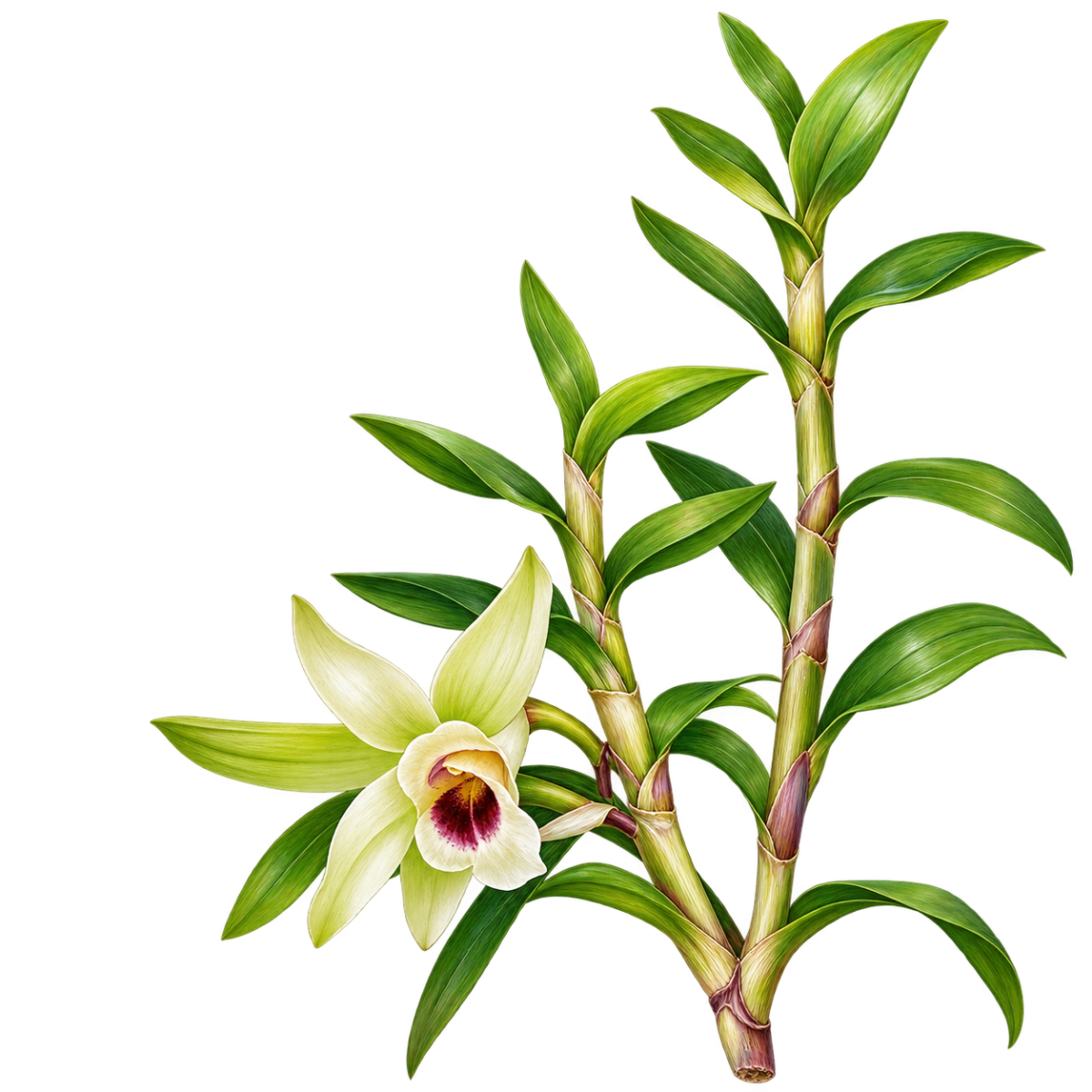
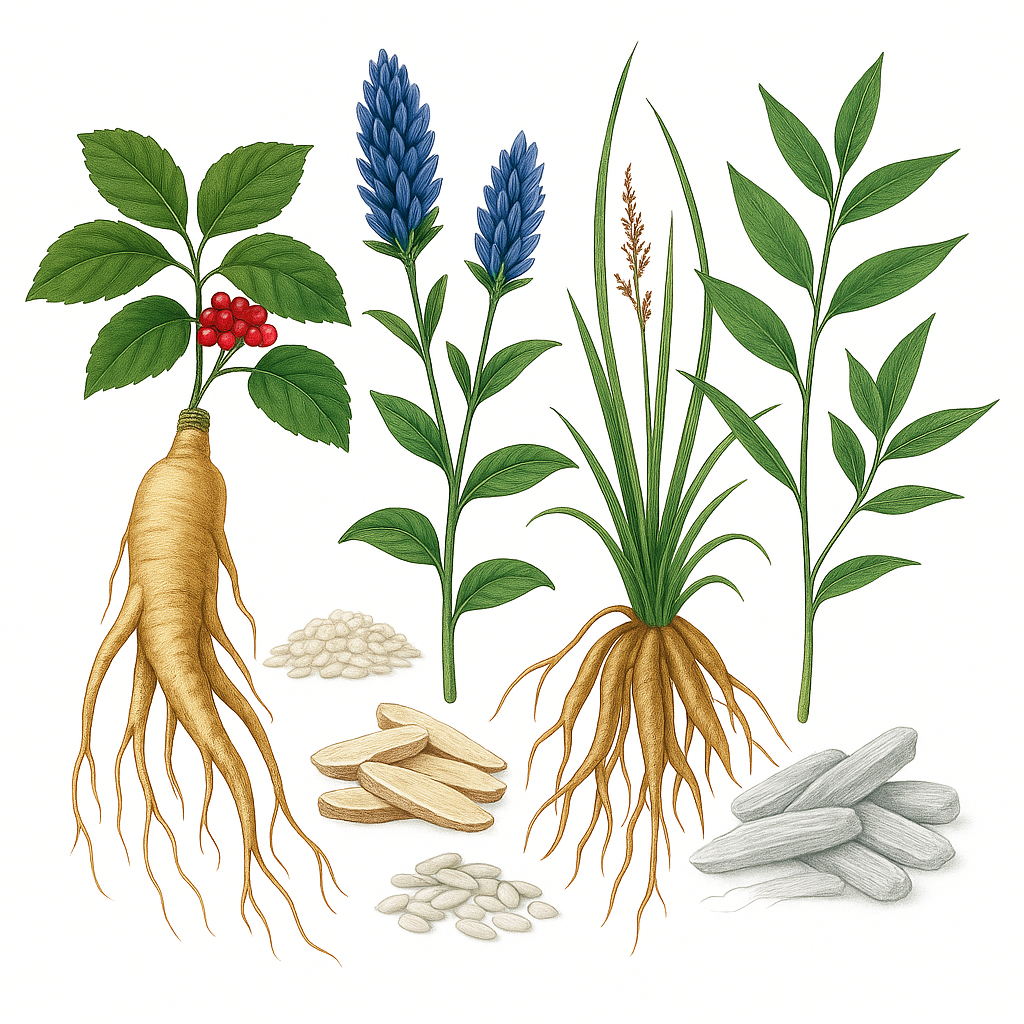
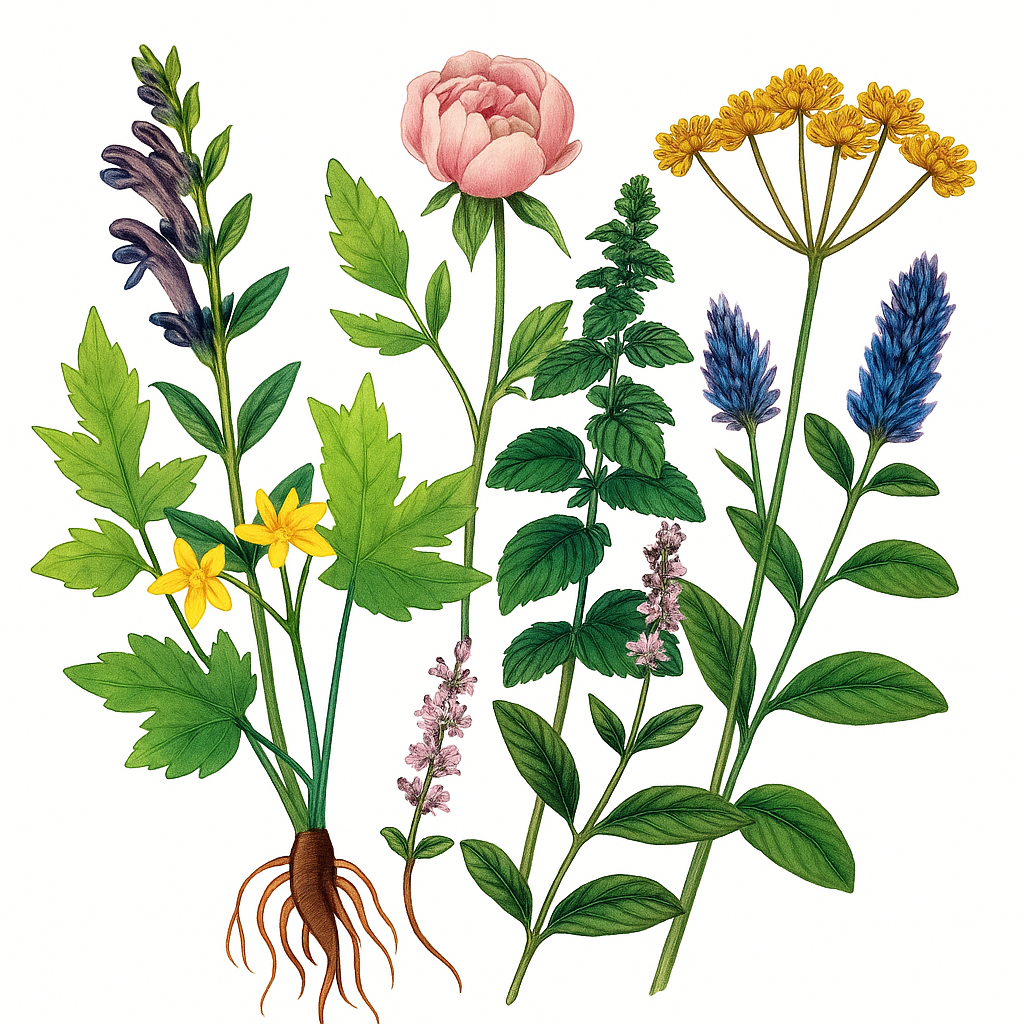
The components of Gui Zhi Tang and their respective roles are as follows:
Clinical Applications
Gui Zhi Tang is primarily indicated for conditions resulting from Wind-Cold invasion with underlying deficiency, presenting symptoms such as:
Modern clinical applications have extended to treating ailments like the common cold, influenza, allergic rhinitis, bronchial asthma, eczema, and various other conditions characterized by similar symptomatology.
Variations and Related Formulas
Gui Zhi Tang serves as a base for numerous other formulas, adapted to address specific patterns:
Safety and Contraindications
Gui Zhi Tang is generally safe when used appropriately. However, it is contraindicated in cases of:
Patients should avoid raw, cold, greasy, and spicy foods during treatment to prevent counteracting the formula's warming properties.
See More
Collapse
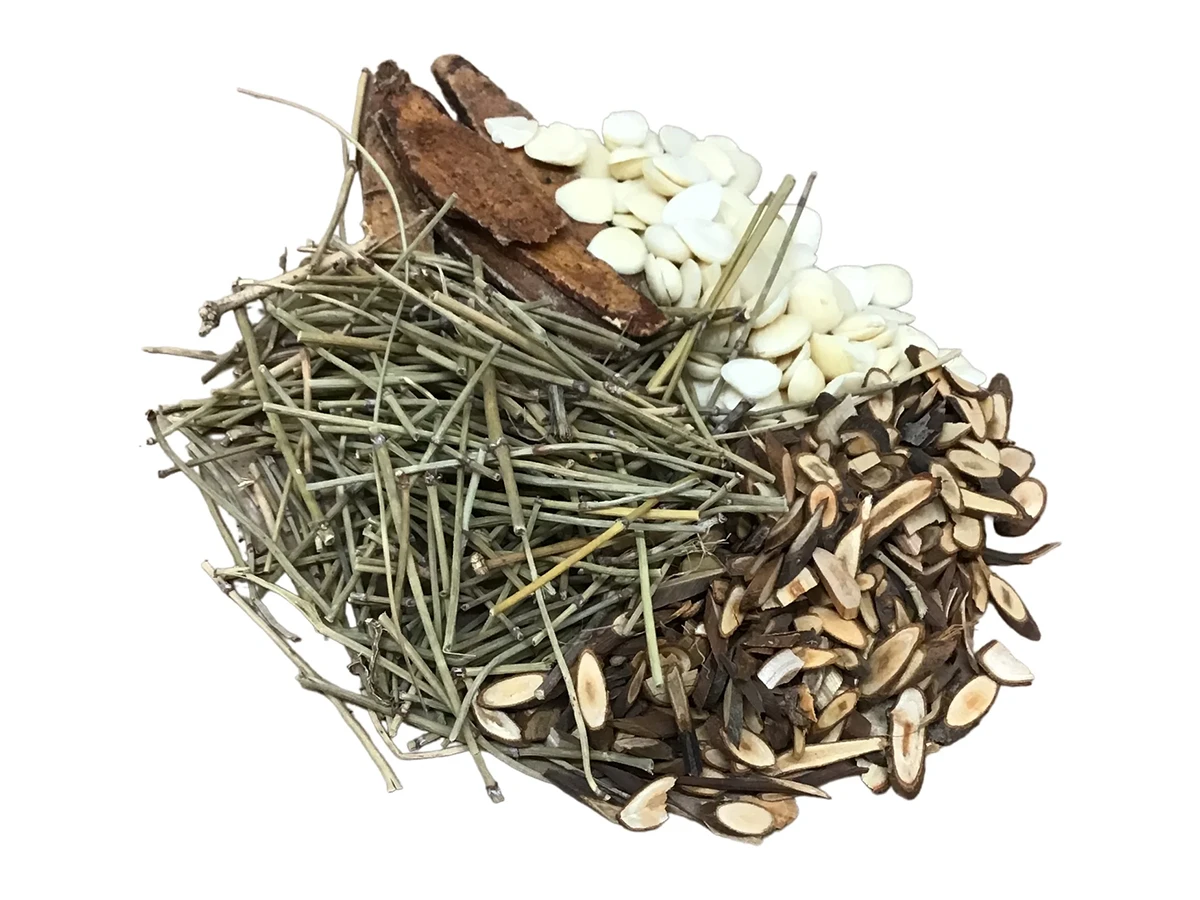
Ephedra Decoction, also known as Ma Huang Tang in Chinese and Maoto in Japanese Kampo medicine, is a classical herbal formula originating from the ancient Chinese medical text Shang Han Lun (Treatise on Cold Damage) compiled by Zhang Zhongjing around 220 CE. This formula has been traditionally used to treat external Wind-Cold invasions, particularly when characterized by the absence of sweating.