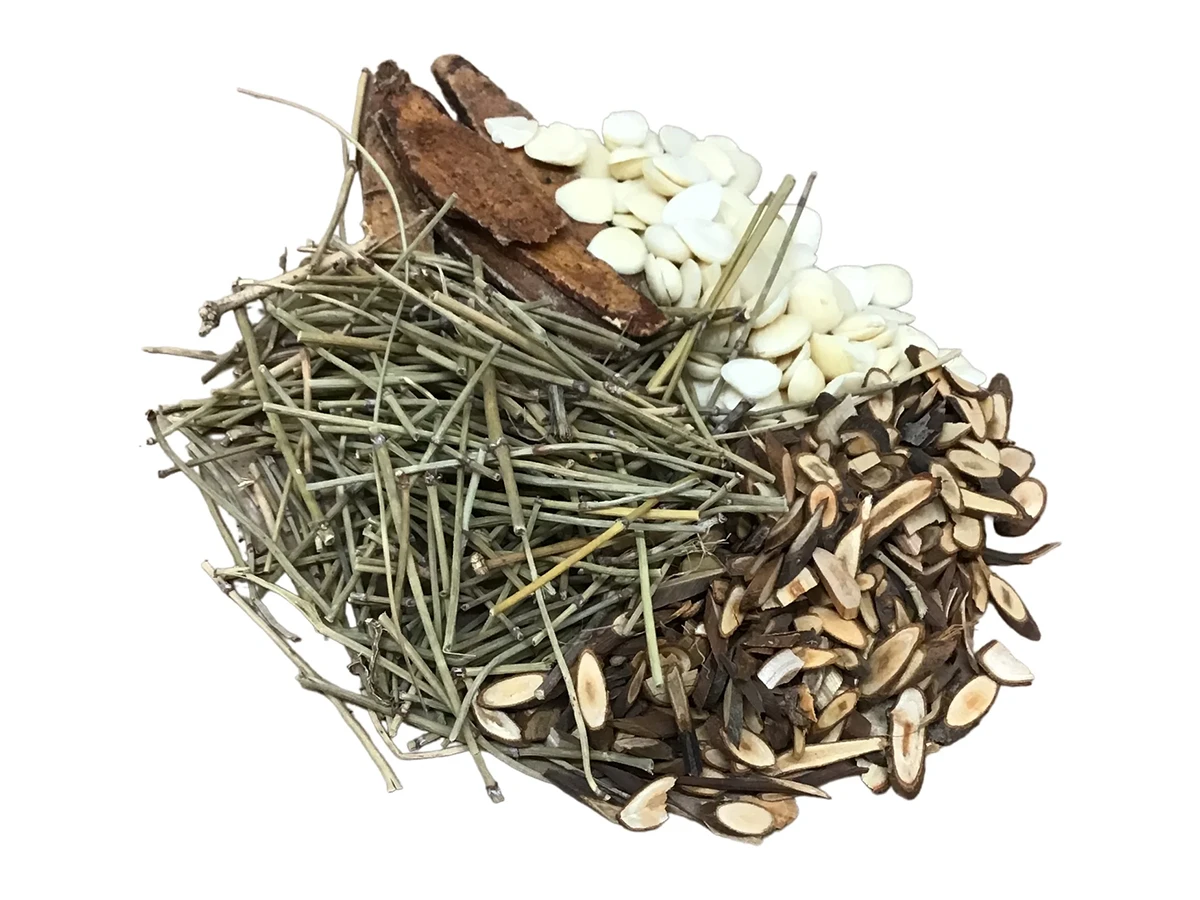
Ephedra Decoction, also known as Ma Huang Tang in Chinese and Maoto in Japanese Kampo medicine, is a classical herbal formula originating from the ancient Chinese medical text Shang Han Lun (Treatise on Cold Damage) compiled by Zhang Zhongjing around 220 CE. This formula has been traditionally used to treat external Wind-Cold invasions, particularly when characterized by the absence of sweating.
Ephedra Decoction, also known as Ma Huang Tang in Chinese and Maoto in Japanese Kampo medicine, is a classical herbal formula originating from the ancient Chinese medical text Shang Han Lun (Treatise on Cold Damage) compiled by Zhang Zhongjing around 220 CE. This formula has been traditionally used to treat external Wind-Cold invasions, particularly when characterized by the absence of sweating.
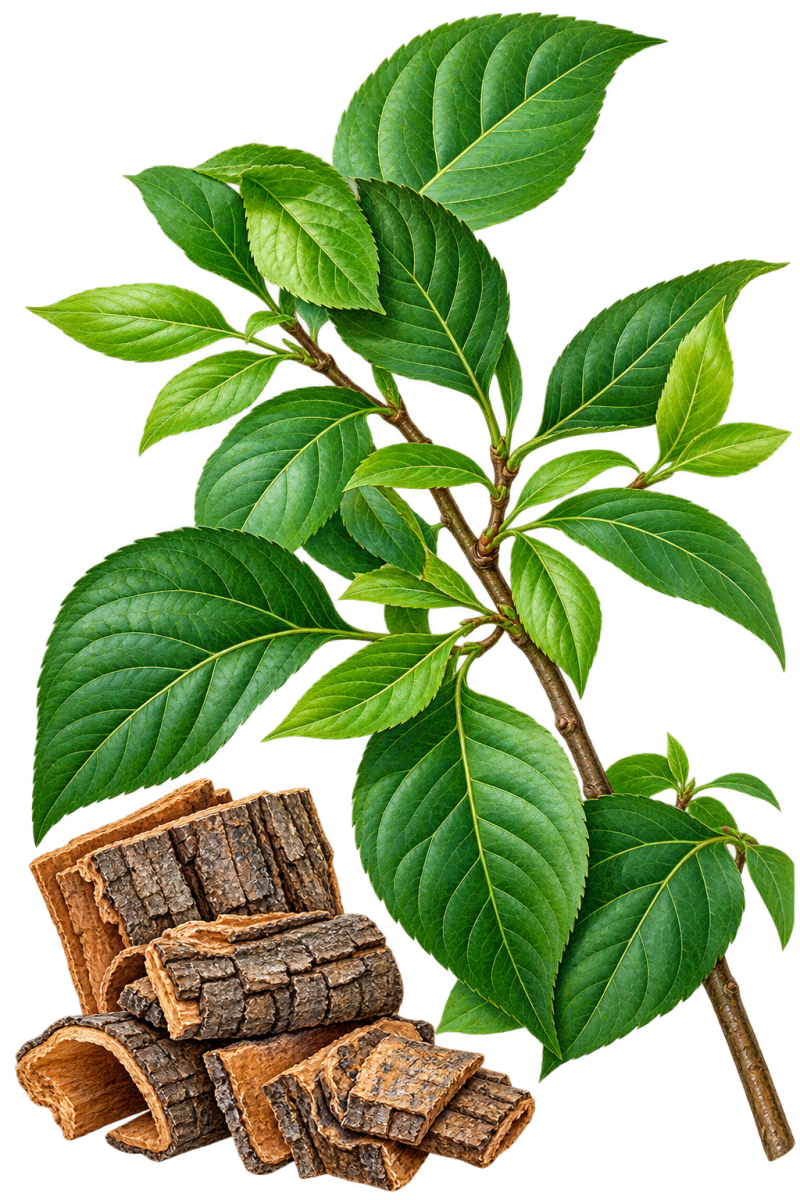
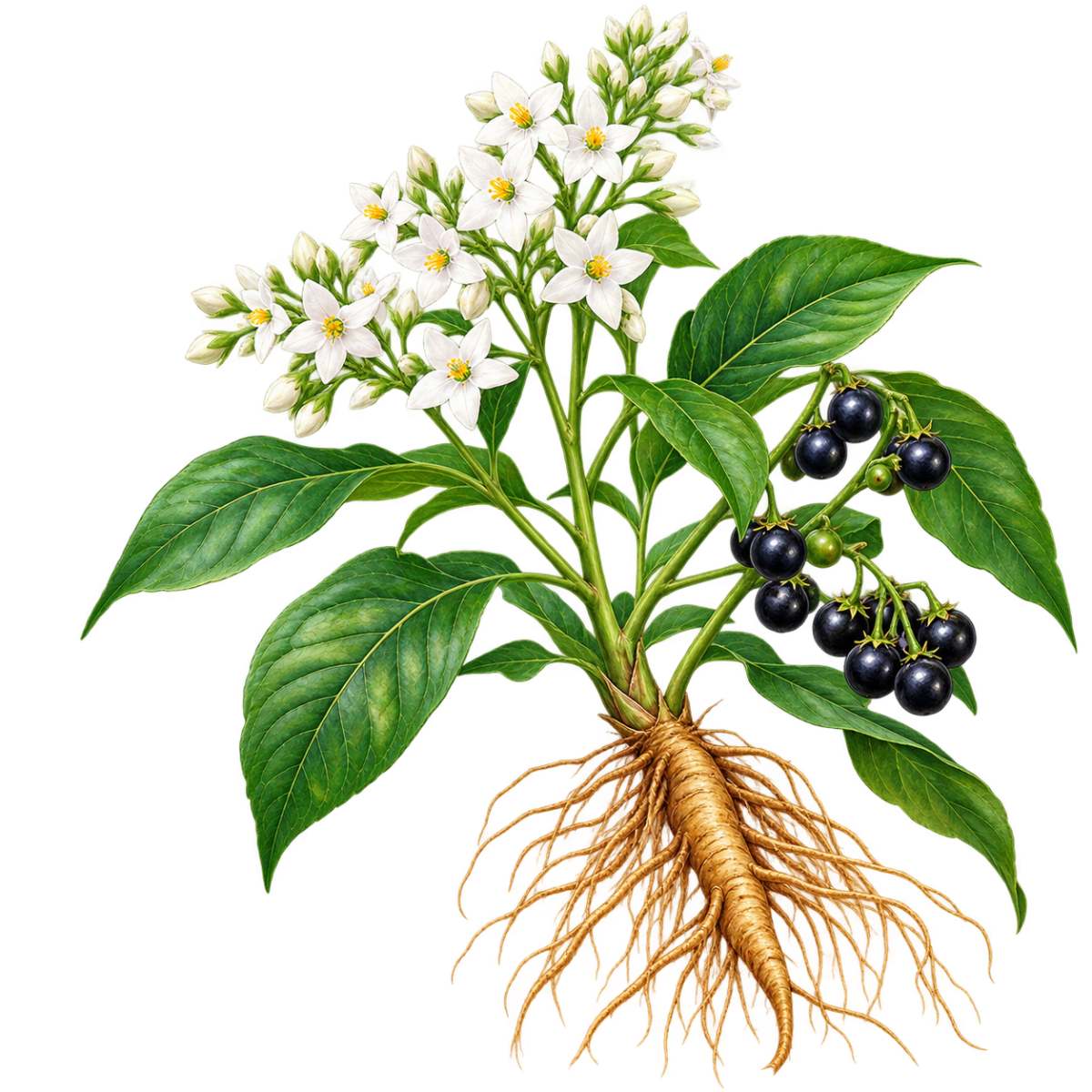
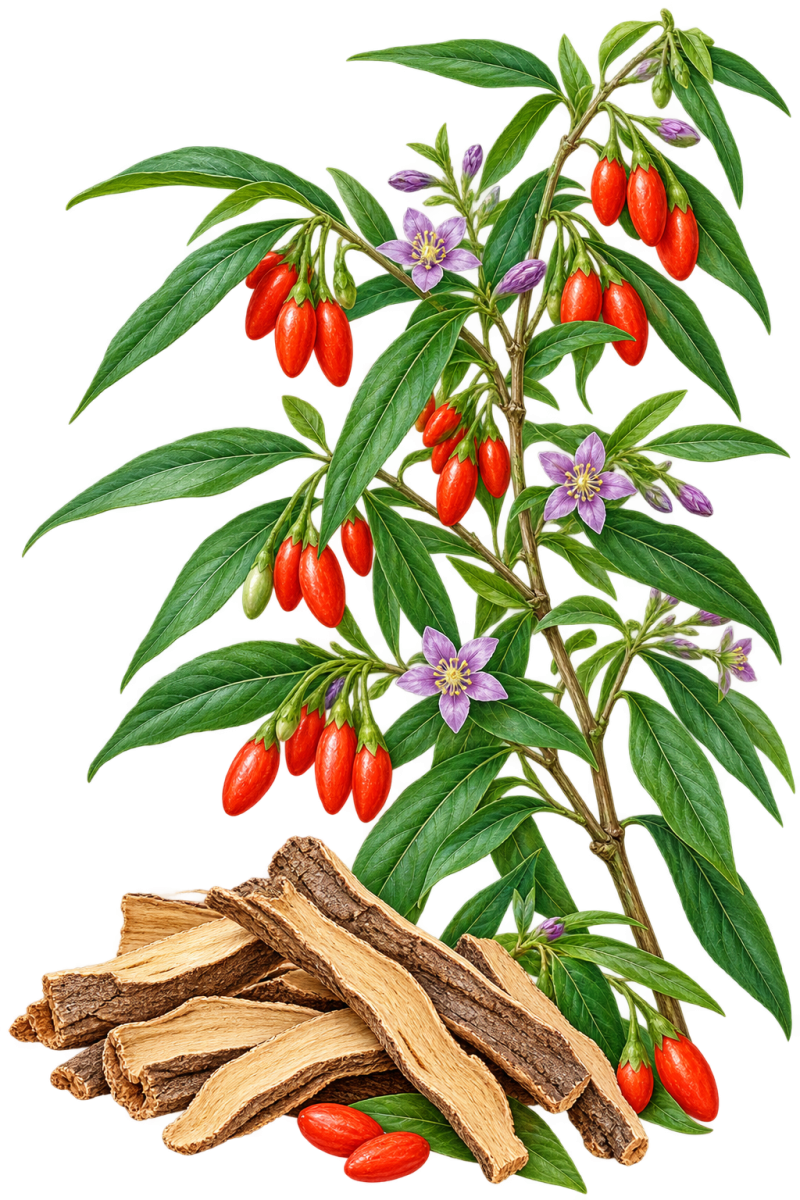
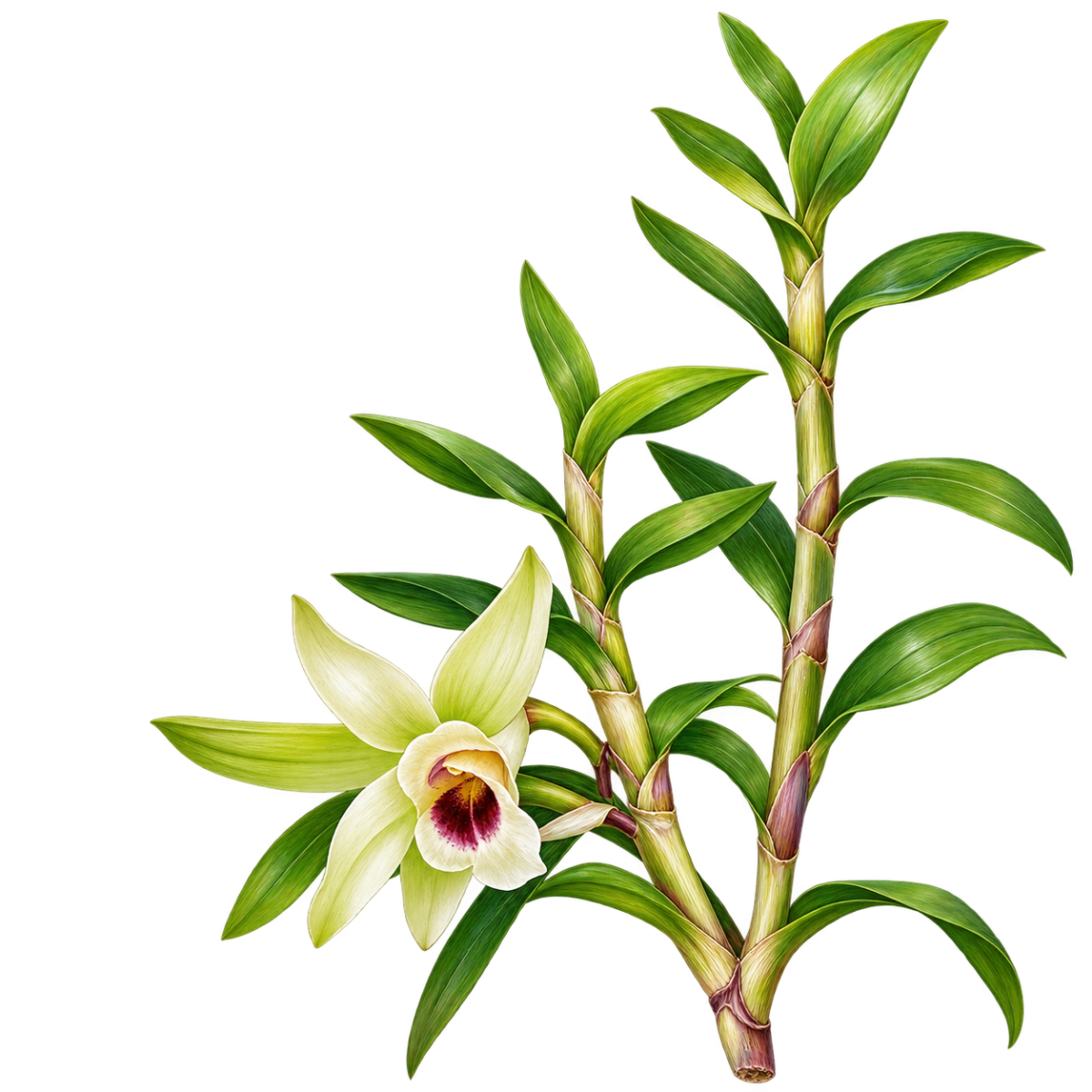
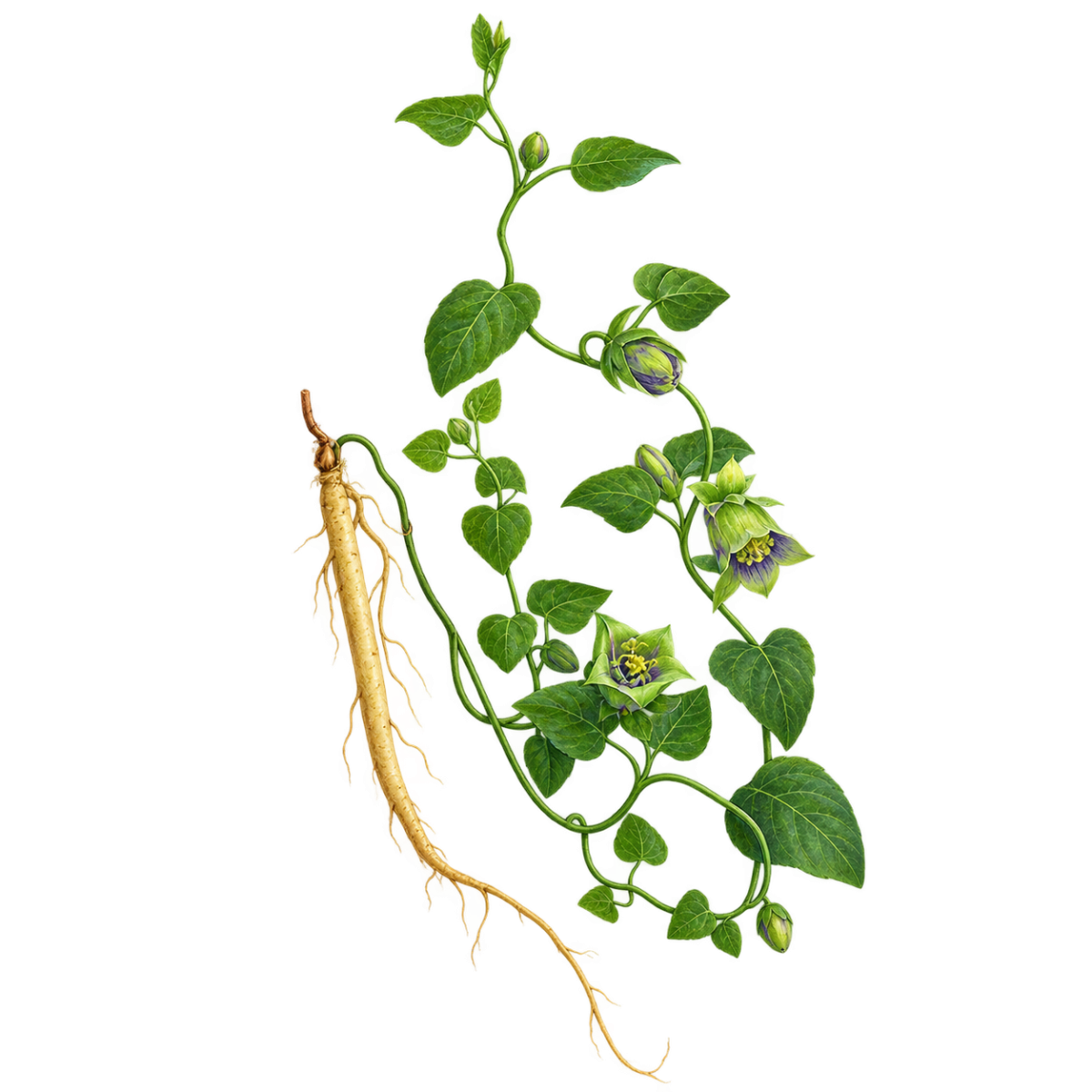
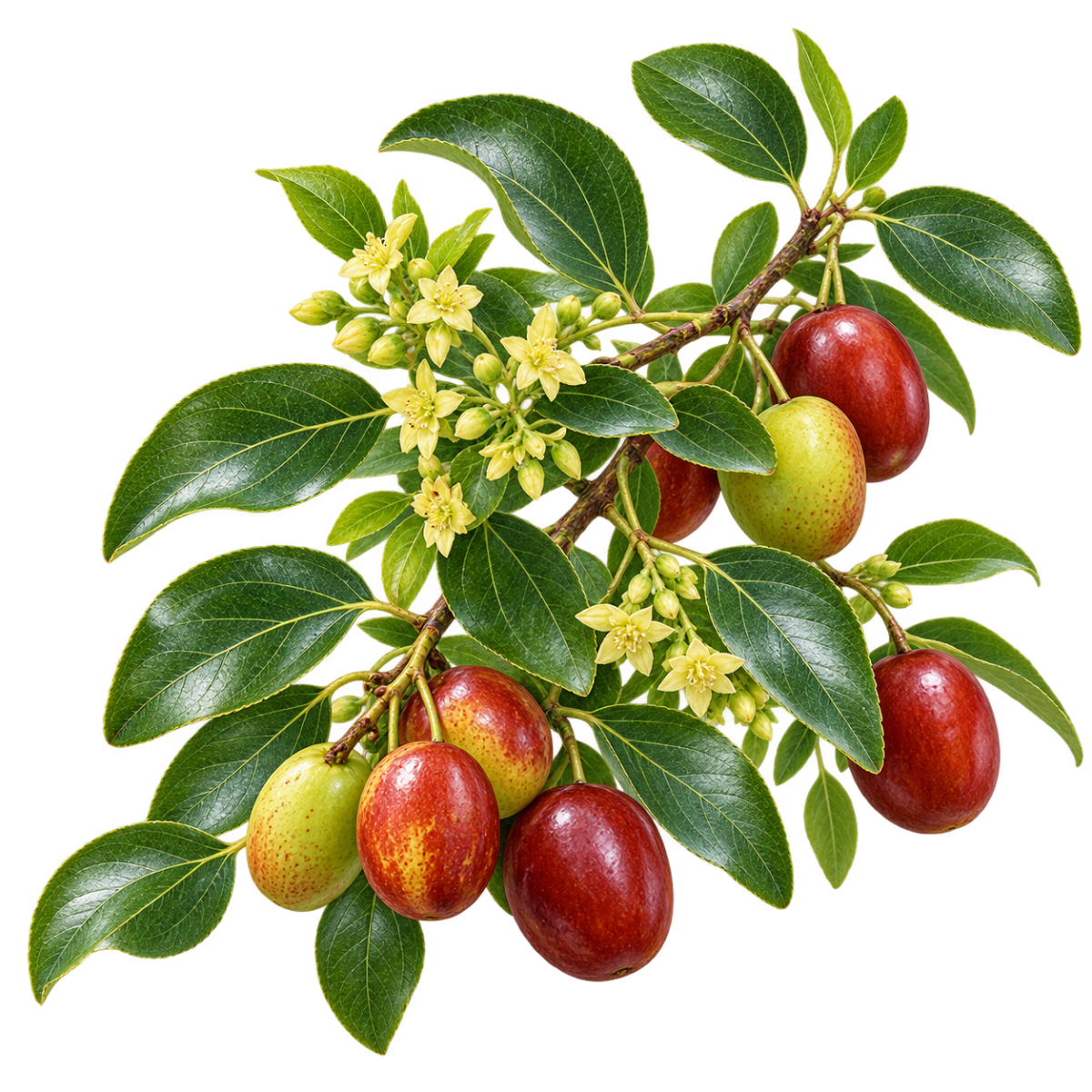
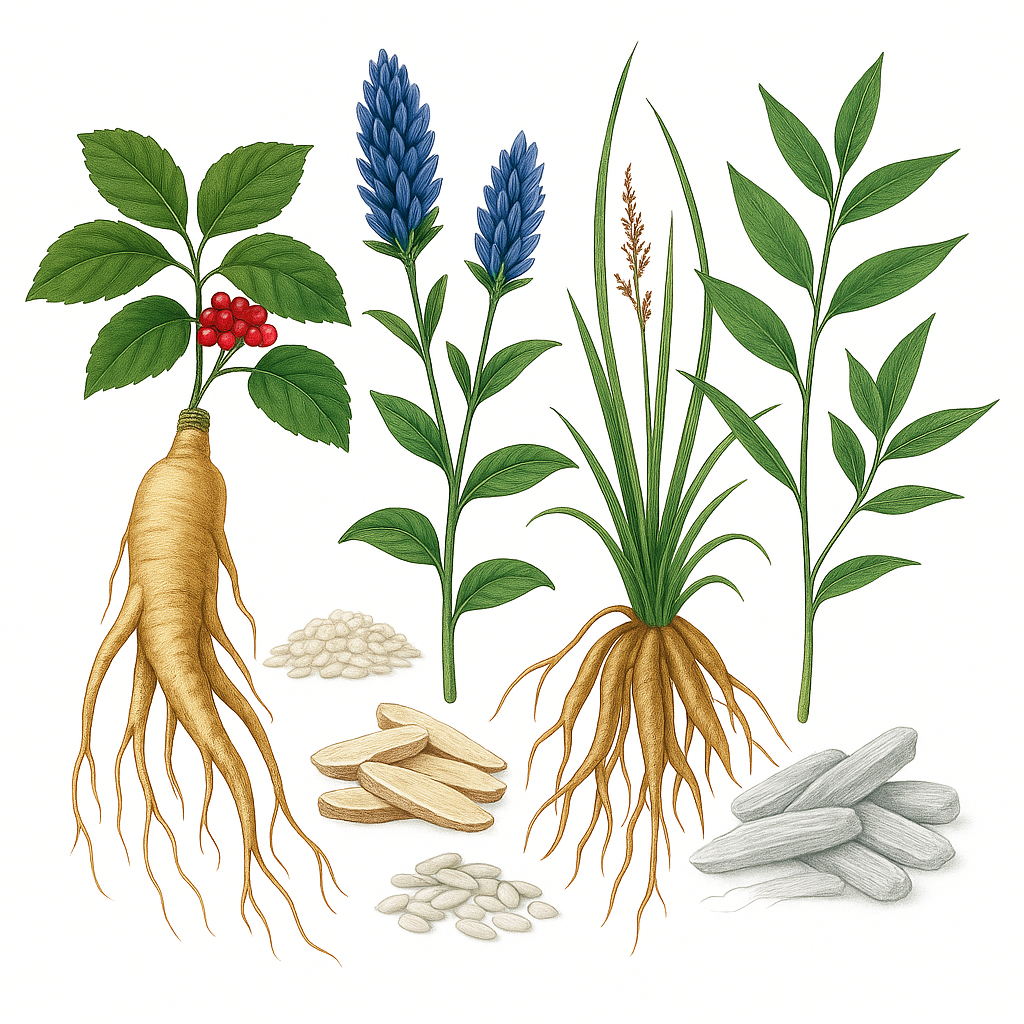
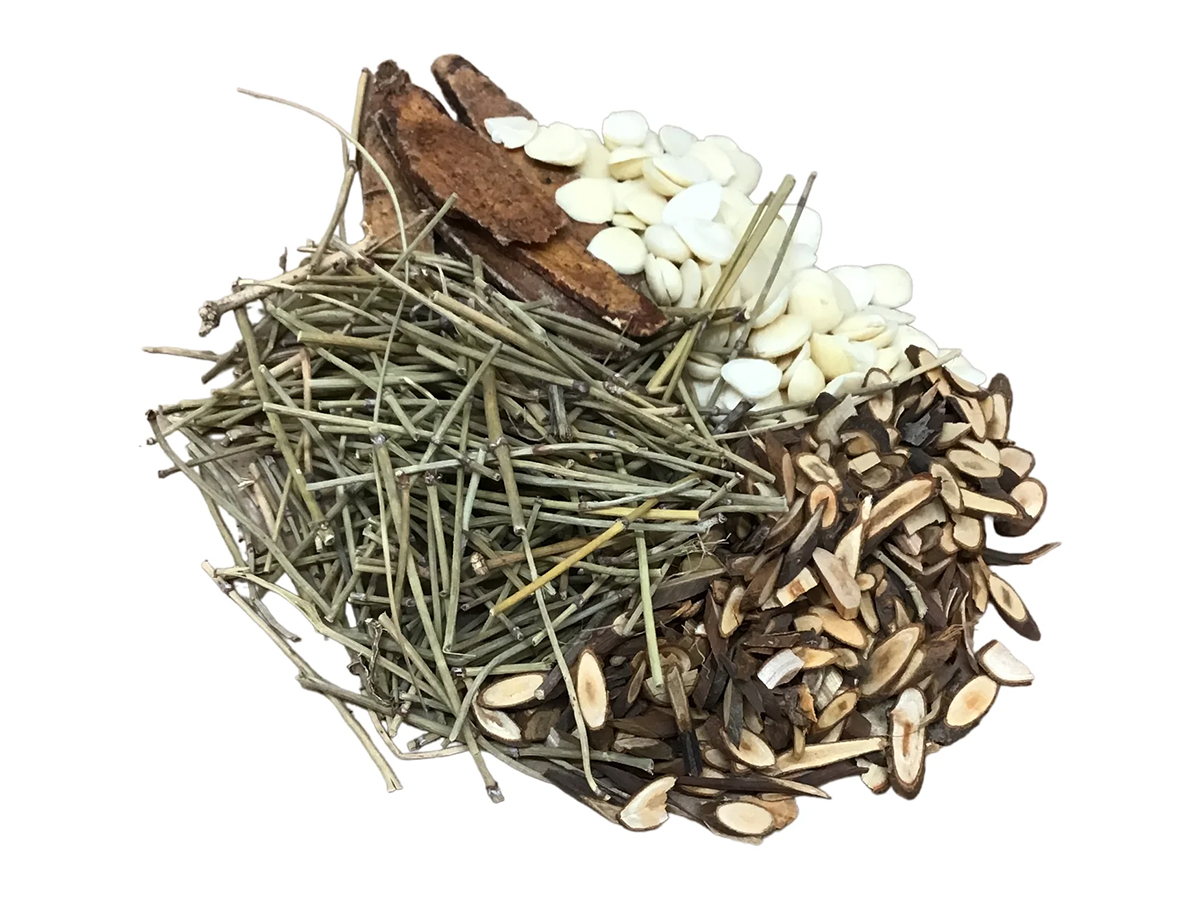
The components of Ma Huang Tang and their respective roles are as follows:
Clinical Applications
Ma Huang Tang is traditionally indicated for conditions resulting from Wind-Cold invasion without sweating, presenting symptoms such as:
Modern clinical applications have extended to treating ailments like influenza, the common cold, bronchial asthma, and other respiratory conditions characterized by similar symptomatology.
Variations in Japanese Kampo Medicine
In Japanese Kampo medicine, Maoto (Ma Huang Tang) is utilized similarly to its TCM counterpart. However, due to regulatory differences, the composition and usage may vary. For instance, the dosage of Ephedra is often reduced to align with safety guidelines, and the formula may be adapted to suit individual patient needs.
Safety Considerations
Given that Ephedra (Ma Huang) contains ephedrine alkaloids, which can stimulate the cardiovascular and central nervous systems, caution is advised. Potential side effects include increased heart rate, elevated blood pressure, and nervousness. Therefore, Ma Huang Tang should be prescribed and monitored by qualified healthcare professionals, especially in individuals with cardiovascular conditions or those sensitive to stimulants.
Xem thêm
Rút Gọn
Quế Chi Thang (桂枝汤), hay còn gọi là Cinnamon Twig Decoction trong tiếng Anh, là một phương thuốc cổ điển trong y học cổ truyền Trung Quốc (TCM), được ghi chép lần đầu trong tác phẩm Thương hàn luận của Trương Trọng Cảnh vào thế kỷ thứ 3. Bài thuốc này nổi tiếng với khả năng điều hòa khí vệ (Wei Qi) và khí dinh (Ying Qi), giúp cơ thể chống lại các tác nhân gây bệnh từ bên ngoài, đặc biệt là phong hàn.