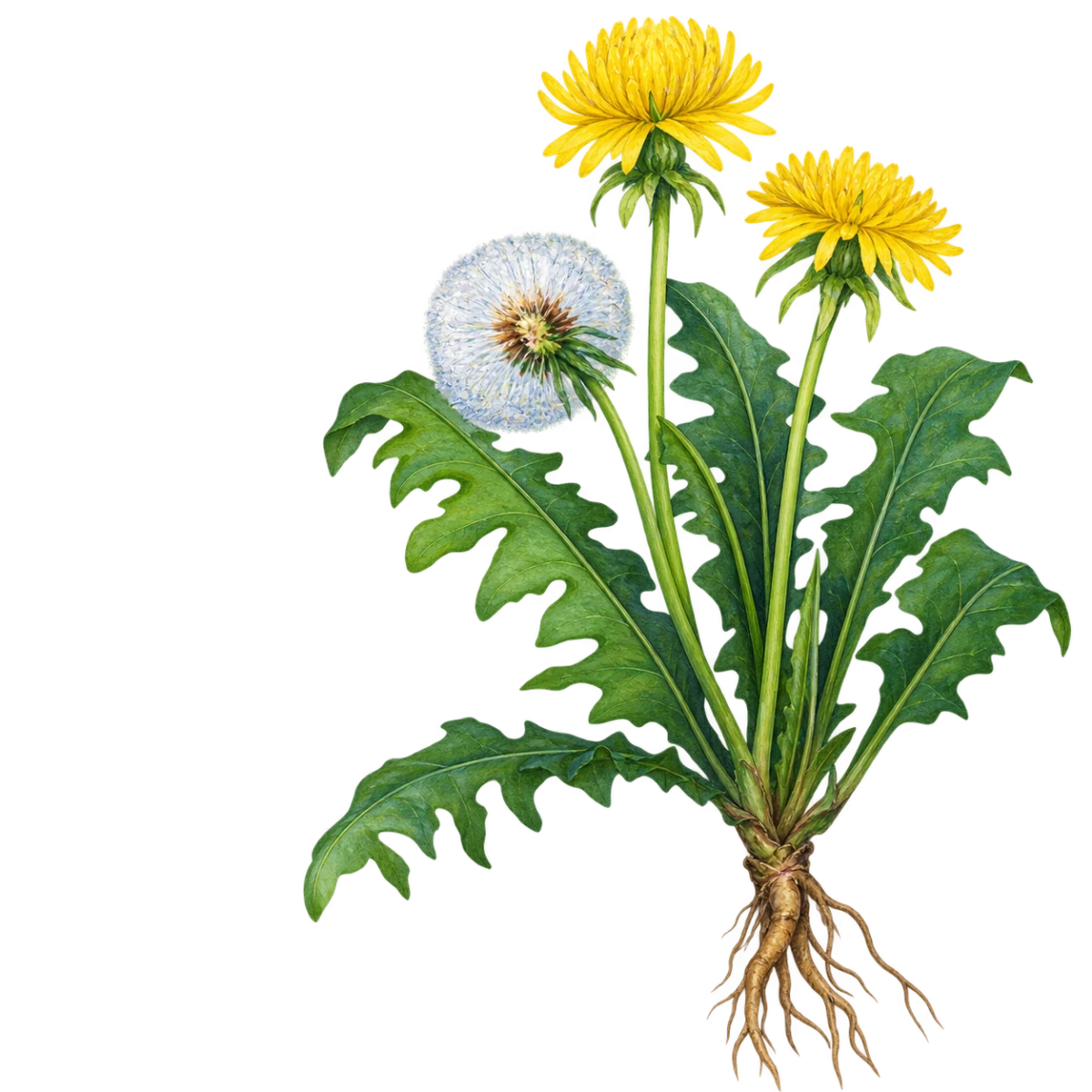
Dandelion (Pu Gong Ying – Taraxacum mongolicum) is a precious traditional Chinese medicinal herb renowned for its actions in clearing heat and toxins, resolving inflammation and abscesses, promoting urination, and protecting the liver. With a sweet–bitter taste and cold nature, it enters the Liver and Stomach meridians, known as a principal herb for treating “heat toxins and suppurative swellings.” Rich in active compounds such as taraxasterol, luteolin, inulin, and β-sitosterol, together with vitamins A, C, and E, Dandelion exhibits strong antioxidant, anti-inflammatory, immunomodulatory, lipid- and glucose-regulating properties. Clinically, it is widely applied to manage mastitis, blocked lactation, boils, abscesses, hepatitis, gallstones, urinary tract infection, mild hypertension, pharyngitis, bronchitis, eczema, and dermatitis, as well as to support cancer therapy, diabetes, and obesity management. Beyond its medicinal value, Herba Taraxaci is also consumed as a nutritious food and herbal tea, promoting detoxification, liver protection, and gentle sedation for better sleep. Combining classical Eastern medical wisdom with modern pharmacological evidence, Dandelion today stands as a comprehensive natural remedy and functional food that supports holistic wellness and chronic disease prevention in modern lifestyles.
Da Zao (Chinese Date, Ziziphus jujuba) – a traditional herb that tonifies Qi, strengthens the Spleen, nourishes Blood, and calms the mind. Known for liver protection, muscle enhancement, harmonizing Qi and Blood, treating insomnia, fatigue, ulcers, cough, and digestive disorders. Learn its therapeutic uses, chemical composition, and safe applications
Nu Zhen Zi (Ligustri Lucidi Fructus), known as Glossy Privet Fruit, is a classic Yin-tonifying herb in Traditional Chinese Medicine, renowned for nourishing the Liver and Kidney, strengthening bones and tendons, brightening the eyes, and supporting overall anti-aging. Derived from the ripe dried fruit of Ligustrum lucidum, this herb has been widely used for centuries in formulas that replenish Essence (Jing), improve lumbar and knee weakness, reduce tinnitus, relieve dizziness, and address premature graying or hair loss caused by Liver–Kidney Yin deficiency. Modern research highlights the herb’s rich content of oleanolic acid, flavonoids, triterpenoids, saponins, and potent antioxidants, offering strong evidence for its hepatoprotective, hypoglycemic, and lipid-lowering effects. Nu Zhen Zi has been shown to enhance immune function, increase leukocyte counts after chemotherapy, reduce neuroinflammation, and protect neural tissues—making it a promising ingredient for supporting neurological health, memory, and cognitive resilience. Additionally, it exhibits potential benefits in vitiligo treatment by promoting melanocyte proliferation and migration. With its bitter-sweet and cooling properties, entering the Liver and Kidney meridians, Nu Zhen Zi is suitable for individuals with Yin deficiency, internal heat, menopausal symptoms, dry eyes, fatigue, and chronic weakness of the lower back and knees. This herb is an ideal choice for modern wellness formulations aimed at nourishing Kidney Yin, protecting the liver, improving vision, restoring vitality, and enhancing overall longevity in a holistic TCM approach.
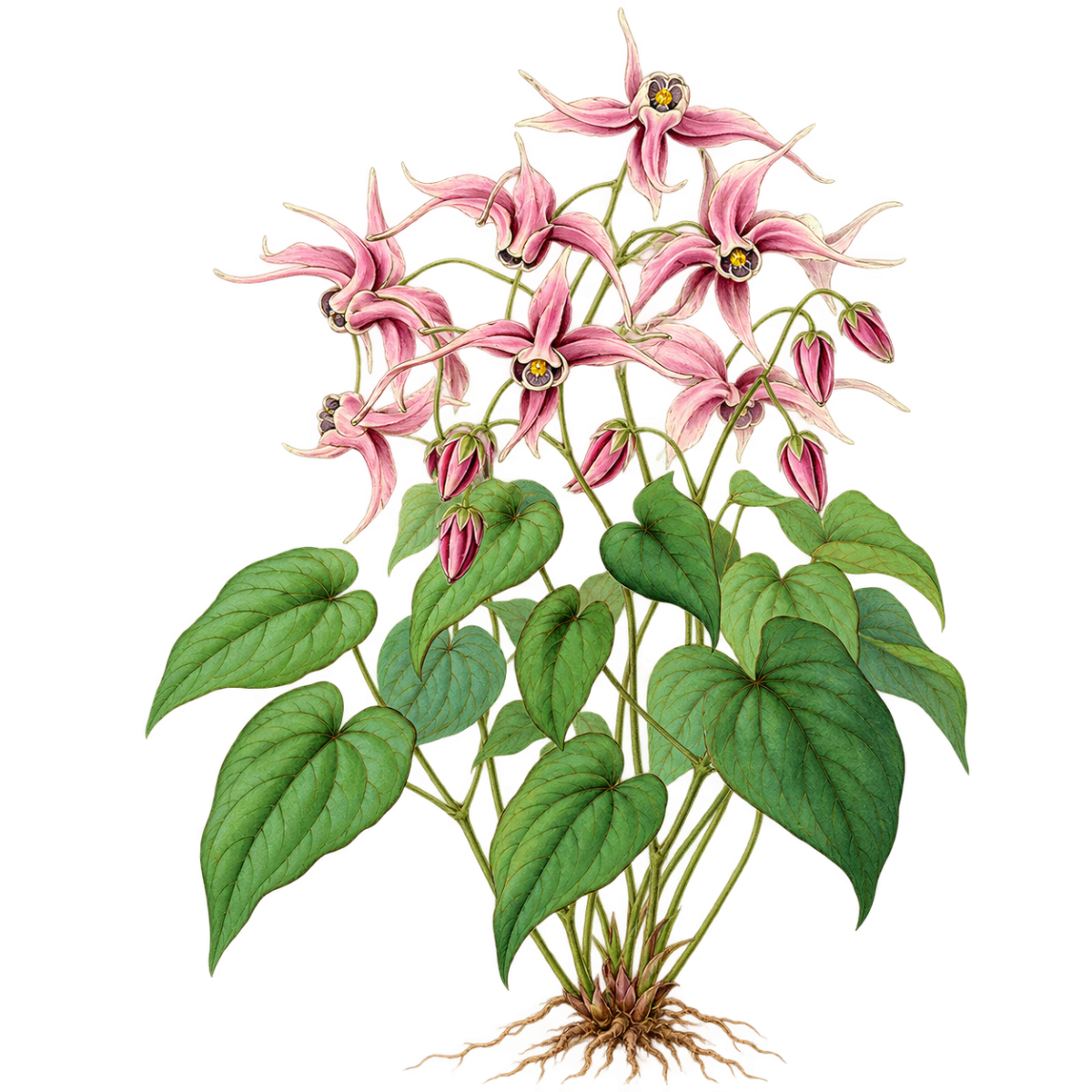
YIN YANG HUO (Epimedium Leaf, Epimedii Folium) is a well-known herb in Traditional Medicine, commonly associated with the functional profile of “warming the Kidney and supporting yang, strengthening tendons and bones, dispelling wind and eliminating dampness.” In materia medica terms, Yin Yang Huo is described as pungent and sweet in taste, warm in nature, and entering the Liver and Kidney channels—often considered when building constitutional support for vitality, musculoskeletal resilience, and long-term wellness. In traditional practice, it is frequently combined within classical-style formulas to support stamina, address low back and knee weakness, promote tendon-and-bone strength, and ease discomfort patterns linked to wind–damp influences. For musculoskeletal care, Epimedium is also widely discussed as part of a holistic approach for individuals concerned about bone health, especially when paired with appropriate movement, nutrition, and synergistic herbs. In modern herbal product development, Epimedium (Epimedii Folium) is commonly found in standardized extracts designed for men’s wellness, performance support, and bone-and-joint maintenance. When choosing a product, prioritize transparent sourcing, quality testing, clear labeling (Epimedii Folium/Epimedium leaf), usage instructions, and safety warnings to ensure responsible use.
Sophora Flower (Huai Hua, Sophorae Flos) is a well-known medicinal herb in Traditional Medicine, valued for its slightly bitter taste, aromatic nature, and cooling properties. Traditionally associated with the Liver, Gallbladder, and Large Intestine meridians, Sophora Flower has long been used in herbal practice for clearing heat, cooling the blood, supporting hemostasis, and helping restore balance in heat-related conditions. In traditional use, it is often referenced in formulas for hemorrhoids, blood in the stool, nosebleeds, hypertension, red or irritated eyes, headache, dizziness, and symptoms linked to excess internal heat. It is also noted in herbal literature for its supportive role in digestive health, circulation, and antioxidant activity. Beyond its traditional uses, Sophora Flower remains a highly searched herb among readers interested in Traditional Chinese Medicine, natural herbal support, heat-clearing herbs, and botanical wellness solutions. It is commonly prepared as a decoction or infusion under proper guidance, making it a practical choice for those exploring time-honored herbal traditions. For consumers, practitioners, and wellness-focused readers looking for authentic information on Sophora Flower benefits, uses, and traditional indications, this herb stands out as a valuable botanical with enduring relevance. Choosing quality raw material, storing it properly, and using it according to appropriate dosage are essential for preserving its traditional therapeutic value.
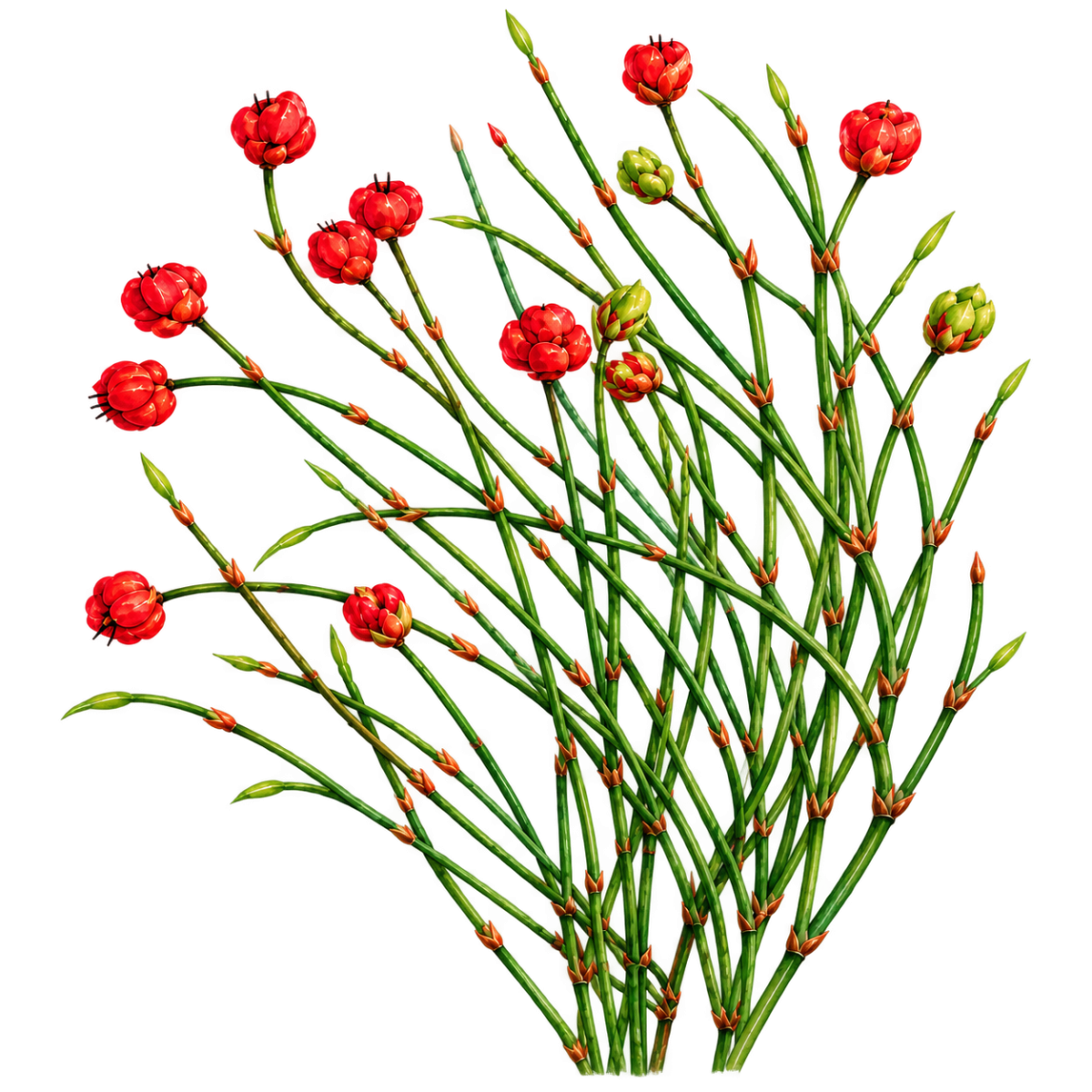
Ma Huang (Ephedra) is a well-known traditional herbal medicine recognized in East Asian medicine for its acrid, bitter, and warm properties. It is widely described in classical herbal texts for its ability to induce sweating, release the exterior, disseminate Lung qi, calm wheezing, relieve cough, and promote urination to reduce edema. Traditionally, Ma Huang is used in herbal formulas that support relief of wind-cold conditions, nasal congestion, cough, asthma, bronchitis, allergic rhinitis, and certain patterns of urinary difficulty or swelling. In addition, traditional literature also associates this herb with support for wind-damp pain, numbness, and selected dermatological conditions. With key compounds such as ephedrine and pseudoephedrine, Ma Huang remains a notable herb in both traditional practice and modern pharmacological interest. If you are searching for what Ma Huang is, the benefits of Ma Huang, how Ma Huang is used in traditional medicine, and the important precautions surrounding this herb, this is a medicinal material that should be understood carefully, used appropriately, and approached with proper professional guidance.