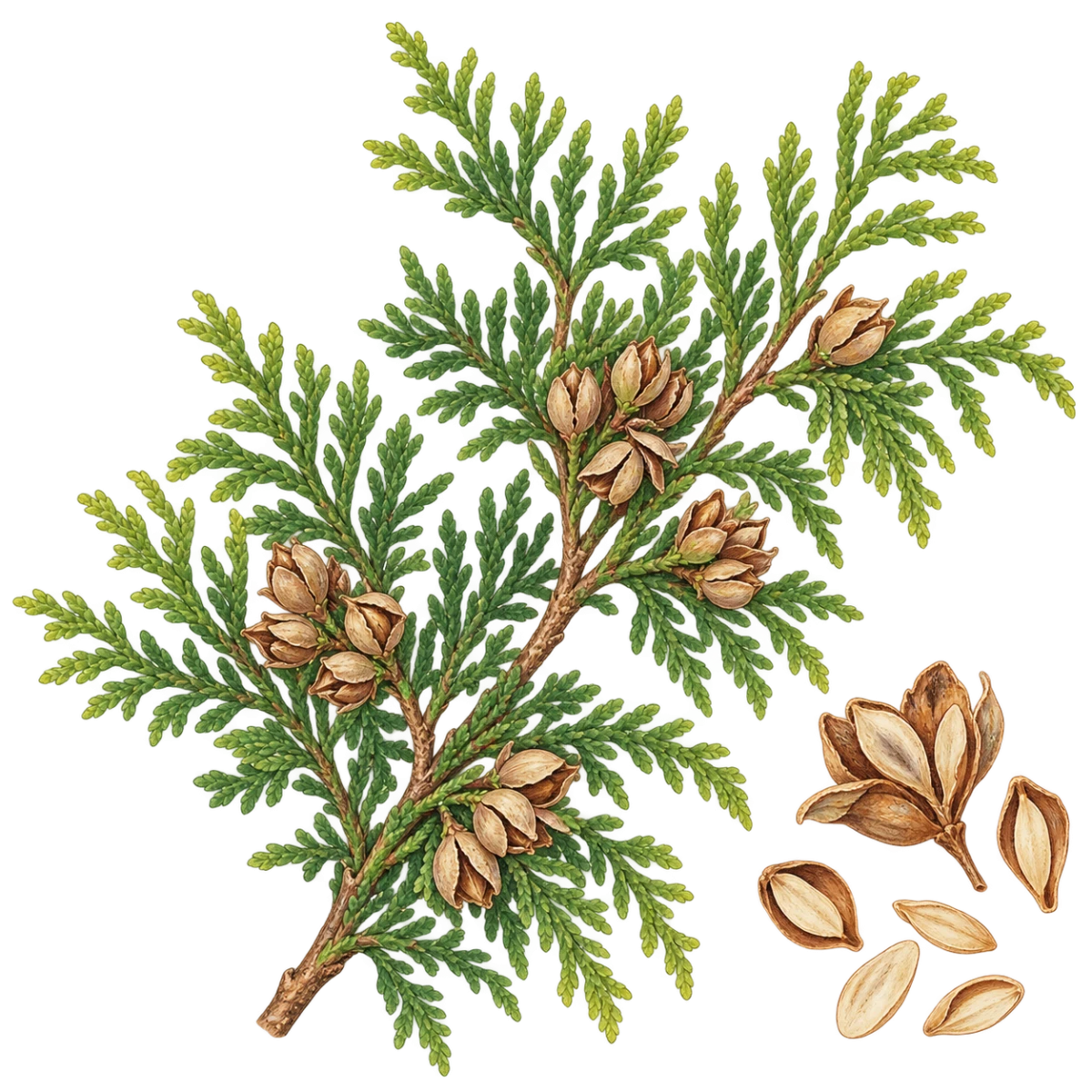
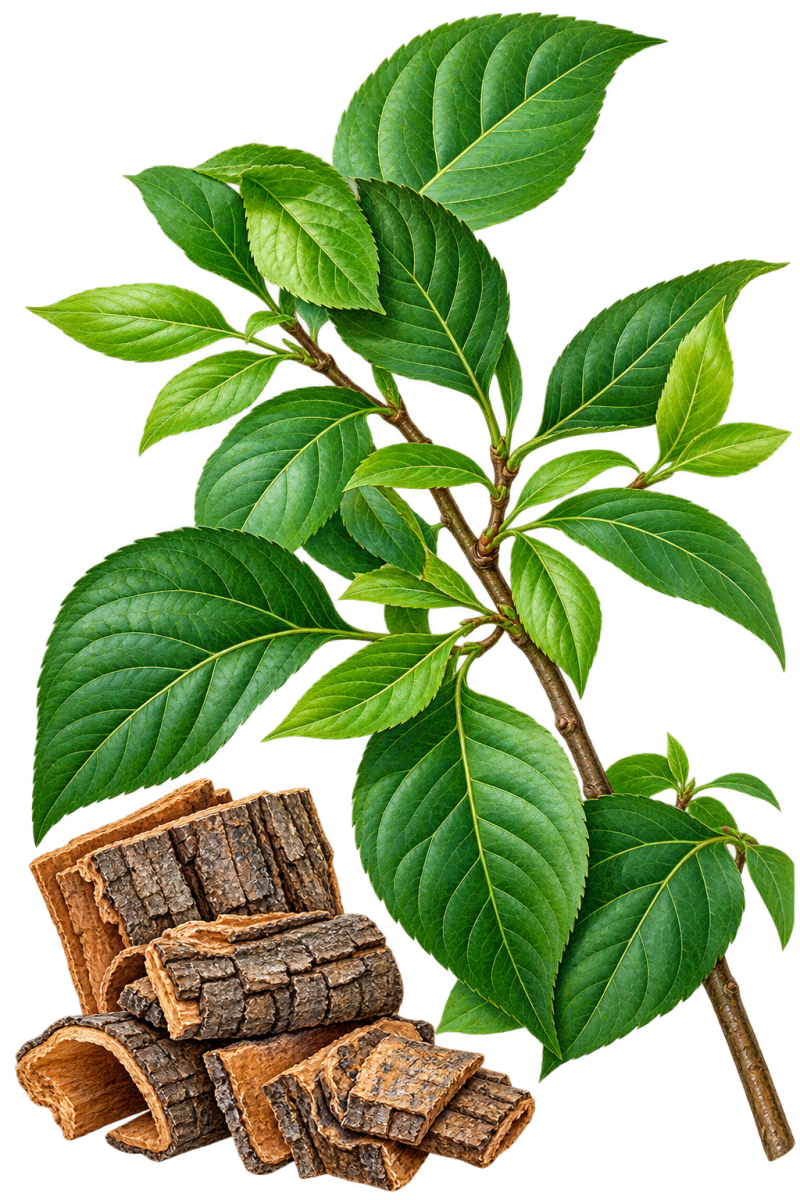
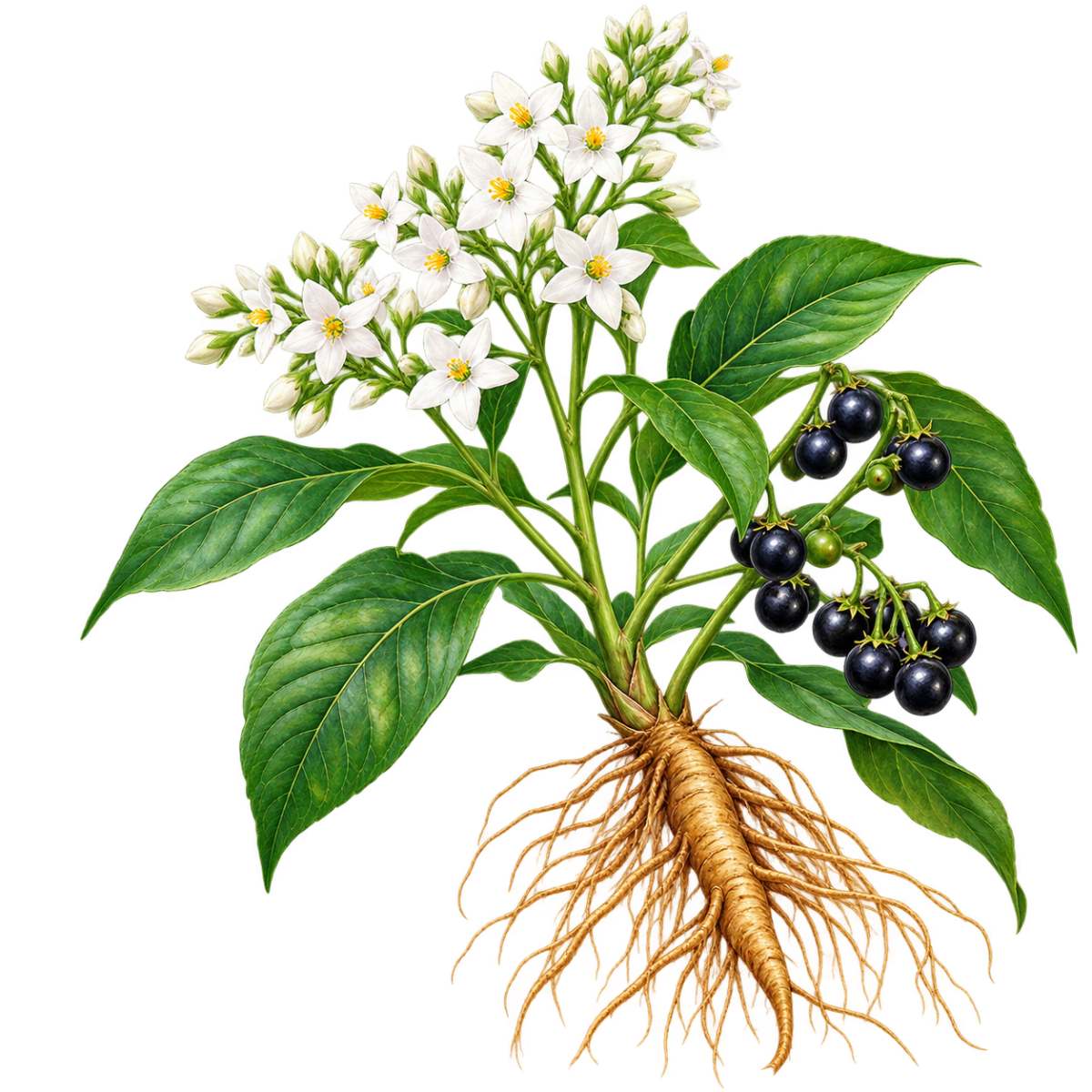
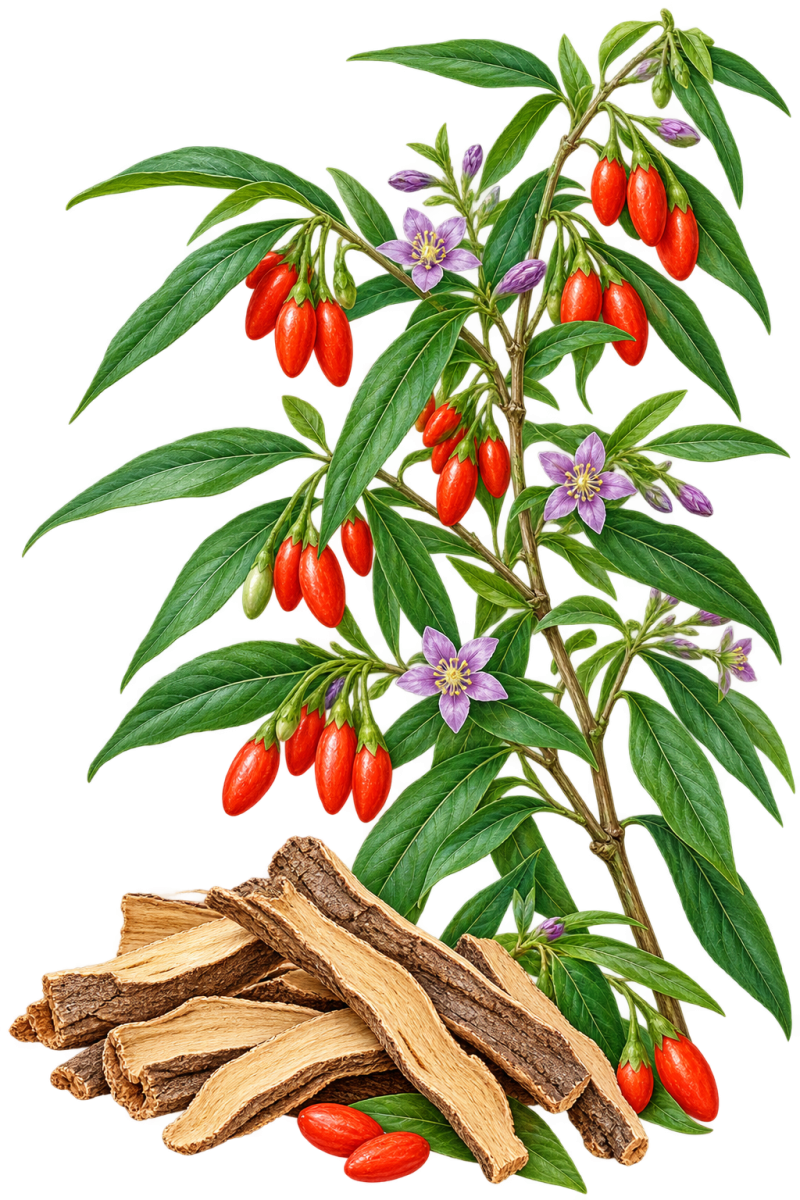
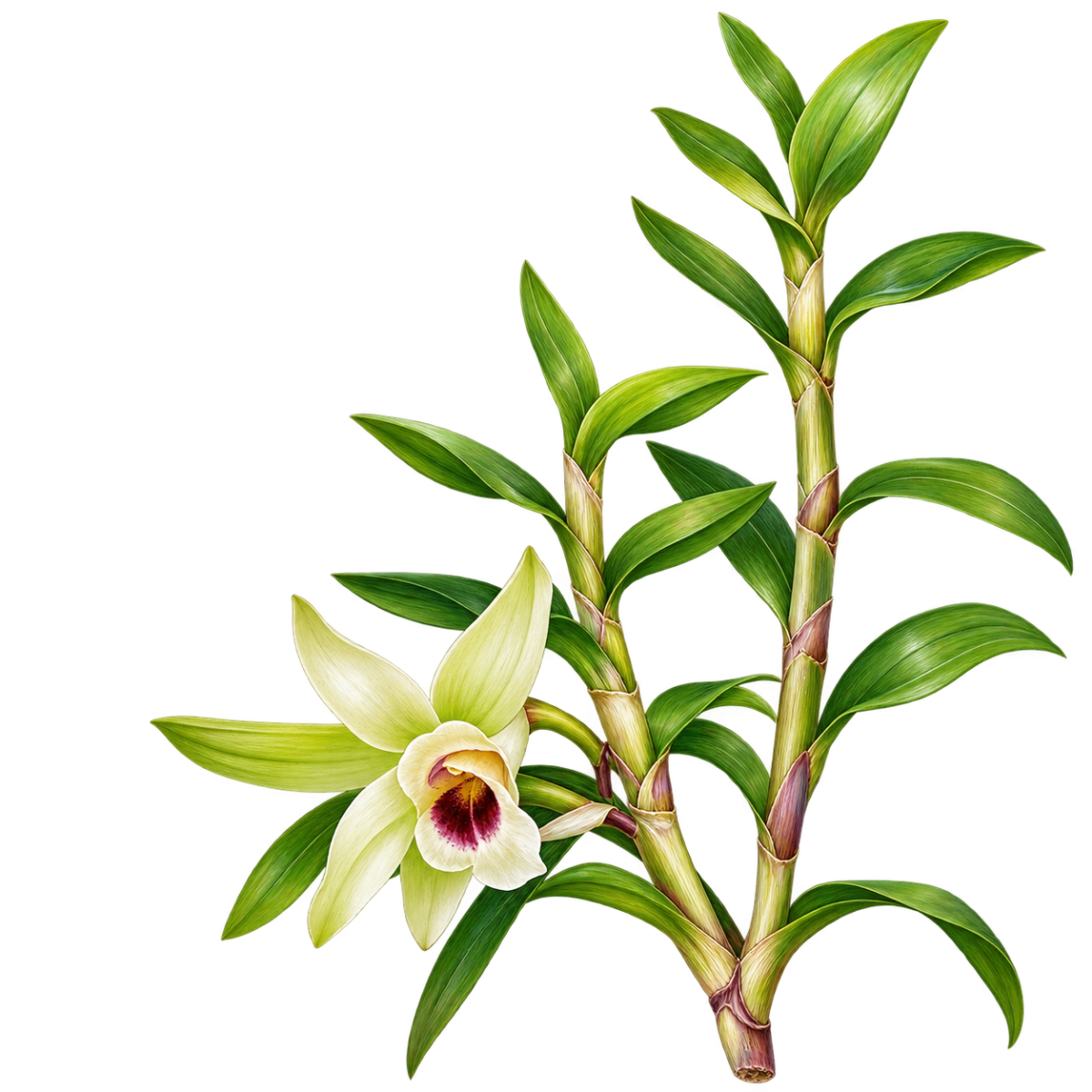
Platycladi Semen (Bai Zi Ren), the seed of Platycladus orientalis, is a renowned traditional Chinese medicinal herb valued for its calming, heart-nourishing, and anti-aging properties. Sweet and neutral in nature, it enters the Heart, Liver, Spleen, and Kidney meridians, and is widely used to treat insomnia, palpitations, forgetfulness, spontaneous sweating, constipation, and nervous exhaustion. Modern pharmacological studies have identified abundant unsaturated fatty acids, terpenoids, flavonoids, phytosterols, and saponins that contribute to its antioxidant, neuroprotective, sedative, and immune-enhancing effects. This natural composition makes Bai Zi Ren not only a traditional remedy for calming the spirit but also a valuable source of nutrients supporting cardiovascular and neurological health. Commonly included in classical TCM prescriptions such as Tian Wang Bu Xin Dan and Suan Zao Ren Tang, it helps restore vitality, improve sleep quality, enhance skin radiance, and combat aging. When using, select clean, well-dried seeds stored properly to prevent mold. Bai Zi Ren truly represents the essence of tranquility, clarity, and longevity in the art of Traditional Chinese Medicine.
Bo He (Menthae Haplocalycis Herba), commonly known as Field Mint, is a classical herb in Traditional Chinese Medicine known for its pungent, cooling nature and its actions on the Lung, Liver, and Gallbladder meridians. Widely used in Wind-Heat exterior syndromes, it helps clear Heat from the head and face, relieve headaches, soothe sore throat, open the nasal passages, promote sweating, and support natural fever reduction. Beyond respiratory benefits, Bo He also improves digestion by relaxing smooth muscles, reducing gastrointestinal spasms, relieving bloating, nausea, and supporting bile secretion. Modern studies highlight its antibacterial, antiviral, and antifungal properties. The herb also soothes Liver Qi stagnation, reduces stress, brightens the eyes, enhances mental clarity, and boosts alertness. Rich in menthol, its essential oil provides cooling analgesia, reduces neuropathic and muscular pain, and improves scalp microcirculation, supporting hair growth. Despite its many benefits, Bo He is contraindicated for individuals with Qi Deficiency, Yang Deficiency Cold (Xu Han), spontaneous sweating, hyperactive Liver Yang, and should not be used topically for infants due to the risk of respiratory suppression. This article presents a complete overview of Bo He's therapeutic actions, properties, chemical constituents, dosage, and safety considerations based on both TCM principles and modern research.
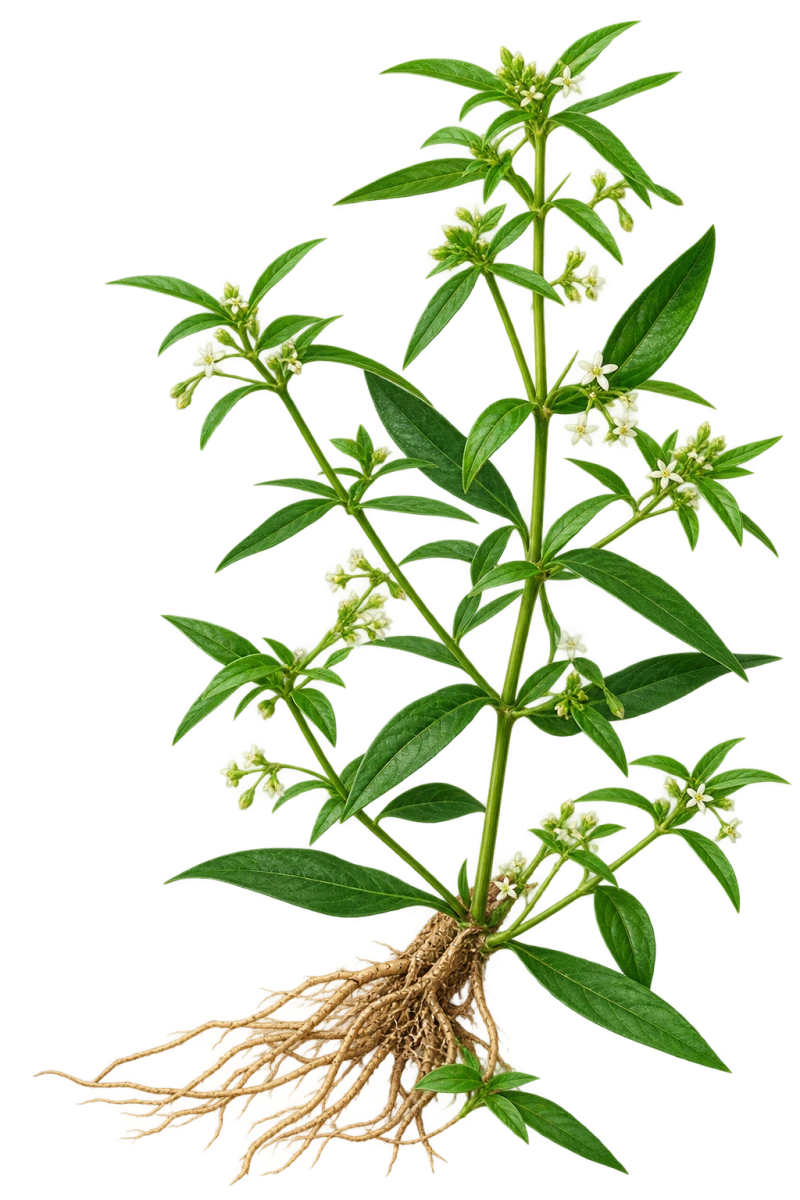
Bai Hua She She Cao (Hedyotis diffusa) is a widely used herbal medicine in Traditional Chinese Medicine, valued for its strong heat-clearing, detoxifying, damp-draining, and nodule-dispelling properties. It is commonly prescribed for inflammatory conditions, including lung-heat cough, pneumonia, sore throat, tonsillitis, and various hepatobiliary disorders such as hepatitis, jaundice, hepatosplenomegaly, and early-stage cirrhosis. The herb also promotes diuresis, reduces urinary tract inflammation, alleviates hydrocele, and supports the treatment of hemorrhoids, dysentery, enteritis, and digestive problems caused by damp-heat. Modern studies have demonstrated notable antibacterial, antiviral, antioxidant, hepatoprotective, and renoprotective activities, as well as inhibitory effects on abnormal cell proliferation—making it a valuable adjunctive therapy in the early management of cancers such as gastric, colorectal, hepatic, and pulmonary tumors. Externally, the herb is applied to treat abscesses, skin ulcers, scabies, and acne. Its rich chemical composition—including iridoid glycosides, flavonoids, anthraquinones, phenolic acids, triterpenoids, and immunomodulatory polysaccharides—contributes to its diverse therapeutic benefits. When used at appropriate dosages and under professional guidance, Bai Hua She She Cao provides broad-spectrum support for detoxification, immune regulation, and systemic health, making it an essential herb in both traditional prescriptions and modern functional applications.
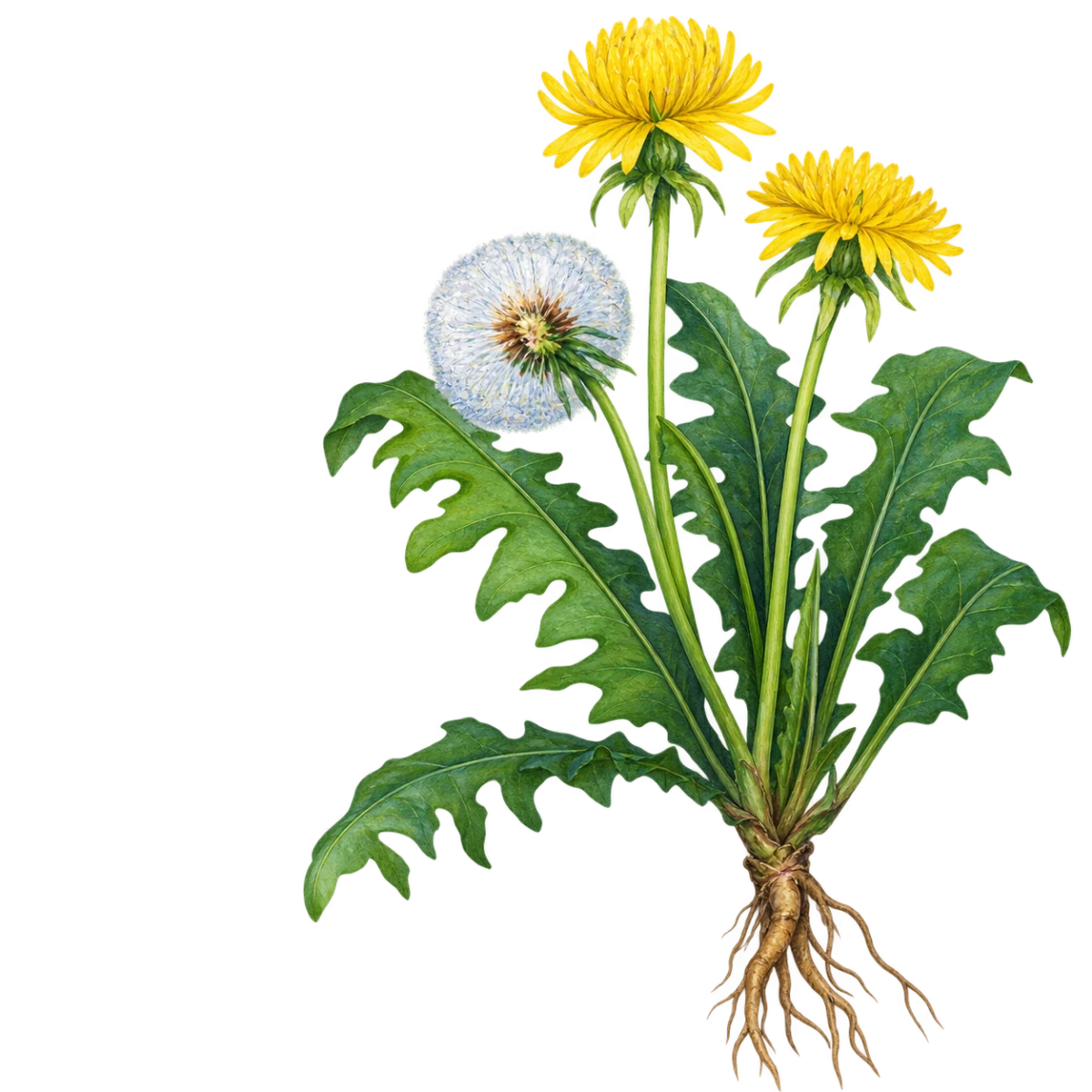
Dandelion (Pu Gong Ying – Taraxacum mongolicum) is a precious traditional Chinese medicinal herb renowned for its actions in clearing heat and toxins, resolving inflammation and abscesses, promoting urination, and protecting the liver. With a sweet–bitter taste and cold nature, it enters the Liver and Stomach meridians, known as a principal herb for treating “heat toxins and suppurative swellings.” Rich in active compounds such as taraxasterol, luteolin, inulin, and β-sitosterol, together with vitamins A, C, and E, Dandelion exhibits strong antioxidant, anti-inflammatory, immunomodulatory, lipid- and glucose-regulating properties. Clinically, it is widely applied to manage mastitis, blocked lactation, boils, abscesses, hepatitis, gallstones, urinary tract infection, mild hypertension, pharyngitis, bronchitis, eczema, and dermatitis, as well as to support cancer therapy, diabetes, and obesity management. Beyond its medicinal value, Herba Taraxaci is also consumed as a nutritious food and herbal tea, promoting detoxification, liver protection, and gentle sedation for better sleep. Combining classical Eastern medical wisdom with modern pharmacological evidence, Dandelion today stands as a comprehensive natural remedy and functional food that supports holistic wellness and chronic disease prevention in modern lifestyles.
Licorice Root (甘草, Gān Cǎo) – Glycyrrhizae Radix et Rhizoma – refers to the root and rhizome of Glycyrrhiza uralensis, G. glabra, or G. inflata from the Fabaceae family. In Traditional Chinese Medicine, Licorice is honored as the “National Elder”, the harmonizing herb that balances hot and cold properties of other medicinals. Sweet in taste and neutral in nature, it enters the Spleen, Stomach, Heart, Liver, and Lung meridians, promoting Qi replenishment, detoxification, cough relief, and internal balance. Modern pharmacological studies reveal that compounds such as glycyrrhizin, glabridin, and liquiritin possess anti-inflammatory, antimicrobial, hepatoprotective, immunoregulatory, and antioxidant activities. Licorice Root is widely used in formulas for treating coughs, sore throat, gastritis, fatigue, endocrine imbalance, and skin disorders. However, excessive or prolonged use may cause hypertension and hypokalemia due to mineralocorticoid-like effects. As both a medicine and a harmonizing agent, Gān Cǎo remains an indispensable herb bridging the wisdom of traditional healing and modern therapeutic science.
Hu Zhang (Giant Knotweed Rhizome, Cốt khí củ) is the dried rhizome of Reynoutria japonica (syn. Polygonum cuspidatum), a member of the Polygonaceae family. In Traditional Chinese Medicine (TCM), it is valued for its multiple actions: invigorating blood, removing stasis, clearing heat, detoxifying, draining dampness, promoting urination, resolving phlegm, and calming the mind. It is traditionally prescribed for arthralgia, rheumatism, traumatic injuries, hepatitis, jaundice, cough with phlegm due to Lung heat, pharyngitis, skin infections, burns, hemorrhoids, dysentery, and urinary tract inflammation. Modern pharmacological studies reveal that Hu Zhang contains potent bioactive compounds such as resveratrol, polydatin, emodin, quercetin, physcion, and chrysophanol. These contribute to its anti-inflammatory, antioxidant, hepatoprotective, hypoglycemic, hypolipidemic, antibacterial, and antiviral properties. According to the Chinese Pharmacopoeia and WHO monographs, emodin and polydatin are recognized as the official quality markers for standardization. With both ancient wisdom and modern evidence, Hu Zhang (Reynoutria japonica) is considered a promising medicinal herb for the supportive treatment of hepatitis, metabolic disorders, inflammatory joint disease, and chronic oxidative conditions. Its scientific validation continues to expand globally, making Japanese Knotweed Rhizome not only a revered TCM herb but also a subject of modern biomedical interest in the prevention and management of inflammatory and degenerative diseases.
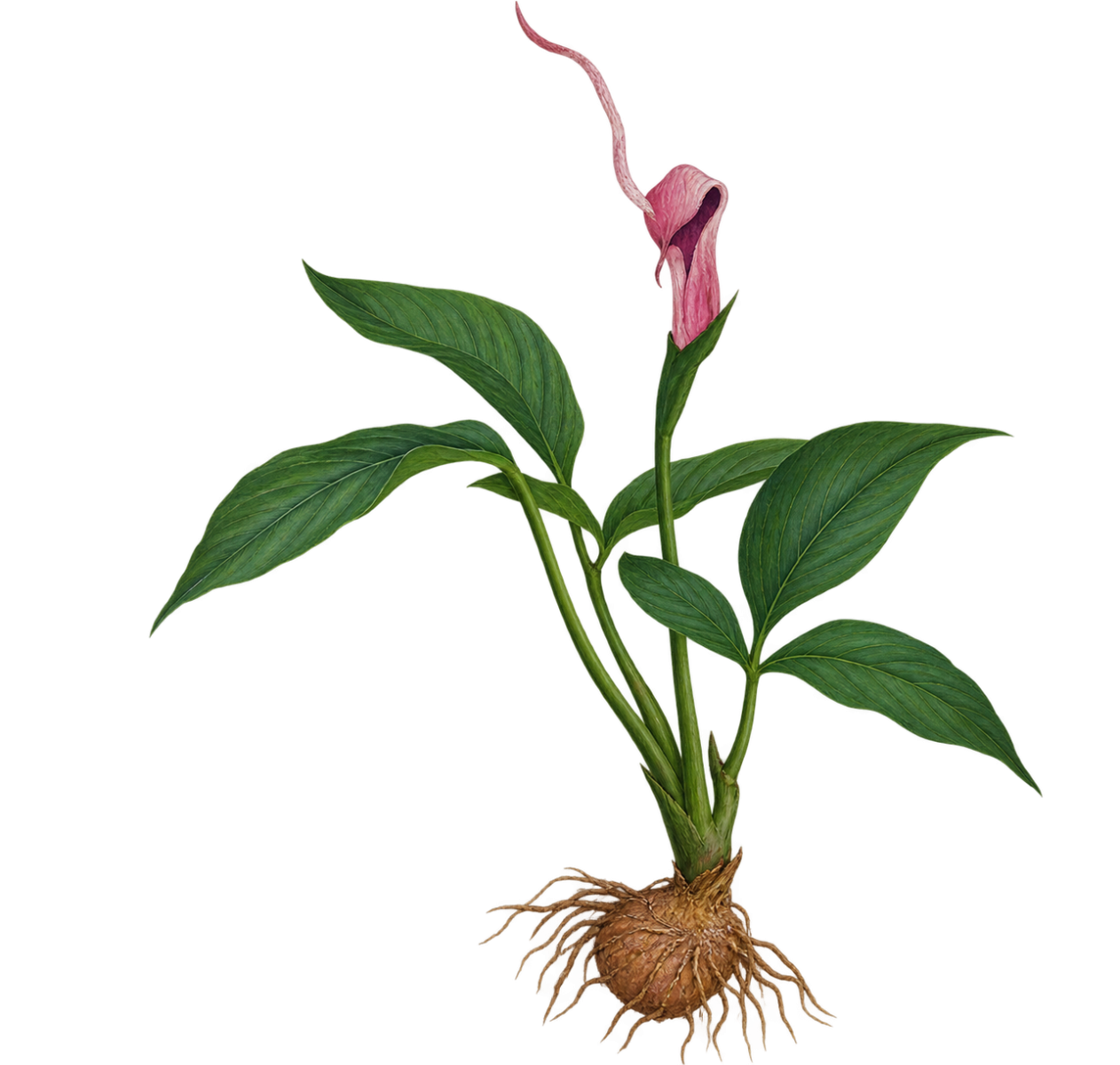
Pinellia Tuber is a traditional medicinal herb used to resolve phlegm, redirect rebellious qi downward, stop vomiting, and disperse nodules. It is commonly prescribed for treating excessive phlegm cough, nausea, chest fullness, and dizziness caused by phlegm retention, while also helping reduce inflammation and swelling.
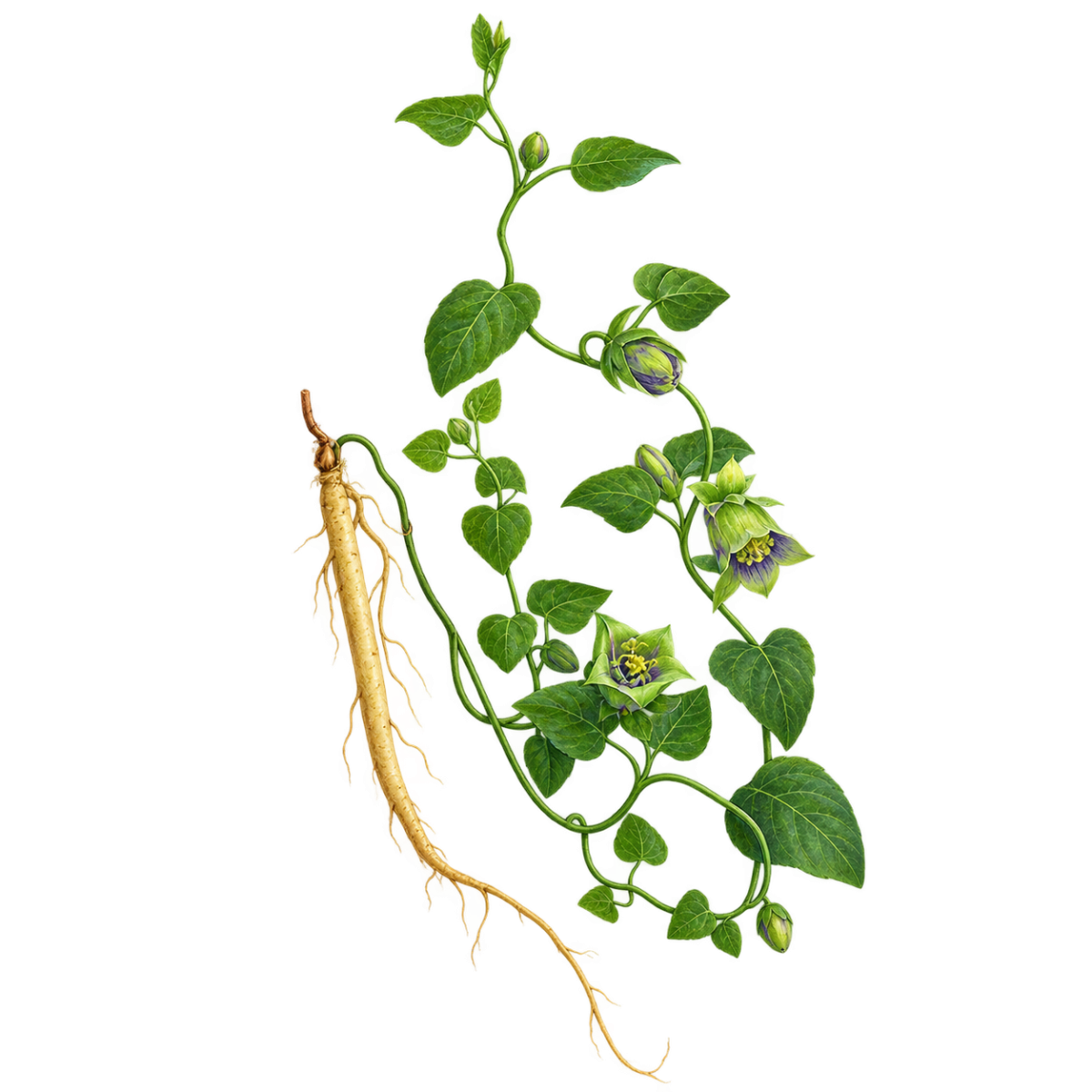
Codonopsis pilosula (Dang Shen), commonly known as Tangshen or Poor Man’s Ginseng, is one of the most valued tonic herbs in Traditional Chinese Medicine (TCM). Belonging to the Campanulaceae (Bellflower) family, this sweet and neutral herb primarily nourishes the Lung and Spleen meridians. It is traditionally used to tonify Qi, strengthen the Spleen, generate body fluids, and nourish the Blood—making it a key remedy for fatigue, poor appetite, general weakness, chronic cough, and digestive insufficiency. The root of Codonopsis pilosula contains a diverse range of bioactive compounds, including sugars (Sucrose, Glucose, Fructose, Inulin), alkaloids, glycosides such as Scutellarein glucoside and Syringin, as well as saponins (Tangshen side I) and choline. Modern pharmacological studies have demonstrated its efficacy in enhancing immunity, improving cardiac contractility, regulating blood pressure, relieving fatigue, protecting the gastric mucosa, and exerting anti-inflammatory and antibacterial effects. It also supports hematopoiesis, improves mental clarity, and enhances physical endurance. Owing to its gentle tonic nature, Dang Shen is widely regarded as a safer and more affordable alternative to Panax ginseng in clinical and home herbal formulations. This article provides an in-depth exploration of the botanical characteristics, chemical composition, therapeutic properties, dosage guidelines, contraindications, and modern pharmacological findings surrounding Codonopsis pilosula, offering a bridge between classical TCM wisdom and contemporary scientific research.
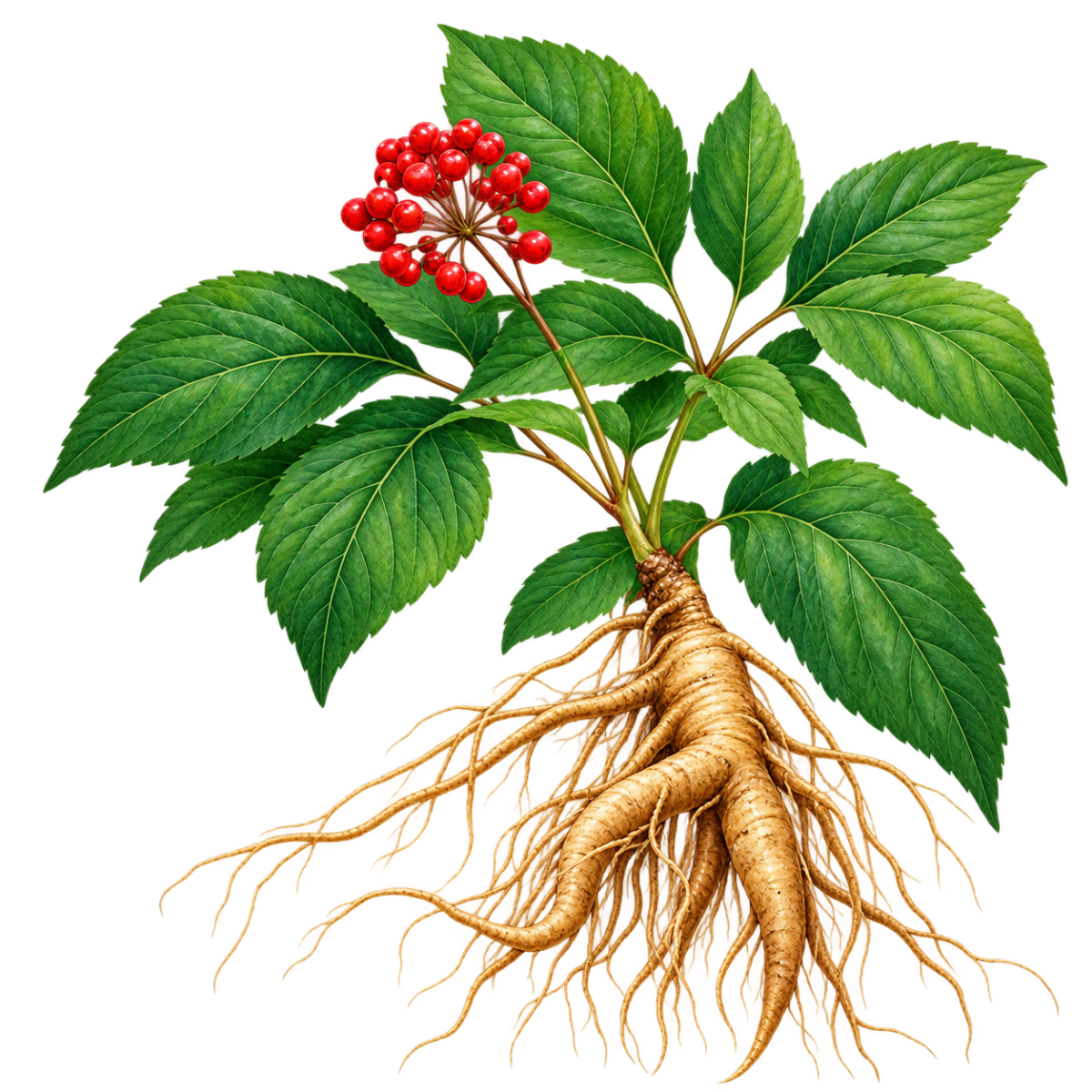
Ren Shen (Asian Ginseng) is a premium traditional herbal tonic made from carefully selected ginseng roots, processed and dried to preserve their natural active compounds. It is commonly used in decoctions, herbal teas, medicinal wines or honey infusions to help nourish qi and blood, support immune function, ease fatigue and weakness, and support cardiovascular, cognitive, sleep and hormonal health. Suitable for people under heavy workload, recovering after illness or looking for long-term daily wellness support with natural herbs.
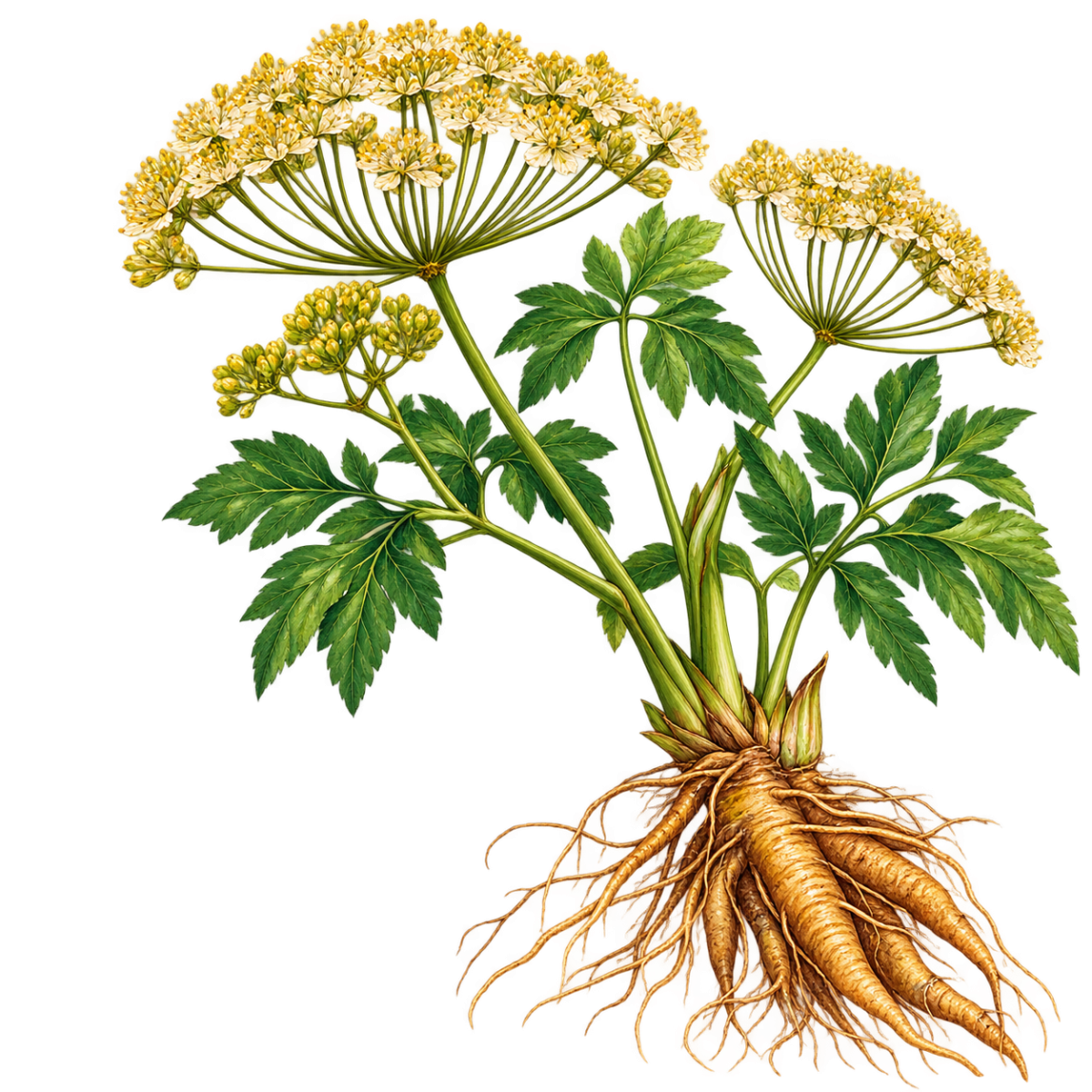
Dang Gui (Angelica sinensis), widely known as Chinese Angelica Root, is one of the most important medicinal herbs in Traditional Chinese Medicine (TCM), renowned for its exceptional ability to nourish and regulate Blood while promoting healthy circulation. With over a thousand years of clinical application, Dang Gui remains a cornerstone ingredient in classical and modern TCM formulations. From a TCM perspective, Dang Gui is sweet and pungent in flavor, warm in nature, and enters the Heart, Liver, and Spleen meridians. It is traditionally used to tonify and harmonize Blood, regulate menstruation, relieve pain, and support overall vitality. Modern pharmacological research supports these functions, identifying key bioactive compounds such as ligustilide, phthalides, ferulic acid, and polysaccharides, which contribute to improved blood circulation, neuroprotection, anti-platelet aggregation, antioxidant activity, and immune modulation. Dang Gui is especially valued in women’s health, where it supports menstrual regulation, alleviates dysmenorrhea, and addresses Blood deficiency when used appropriately. Beyond gynecological applications, it also plays a role in cardiovascular support, post-stroke recovery, digestive balance, skin health, and general physical weakness. With a strong scientific foundation, long-standing clinical credibility, and broad therapeutic scope, Dang Gui represents a premium herbal ingredient for TCM-based products and integrative health solutions, meeting both traditional principles and modern quality standards when sourced and formulated responsibly.
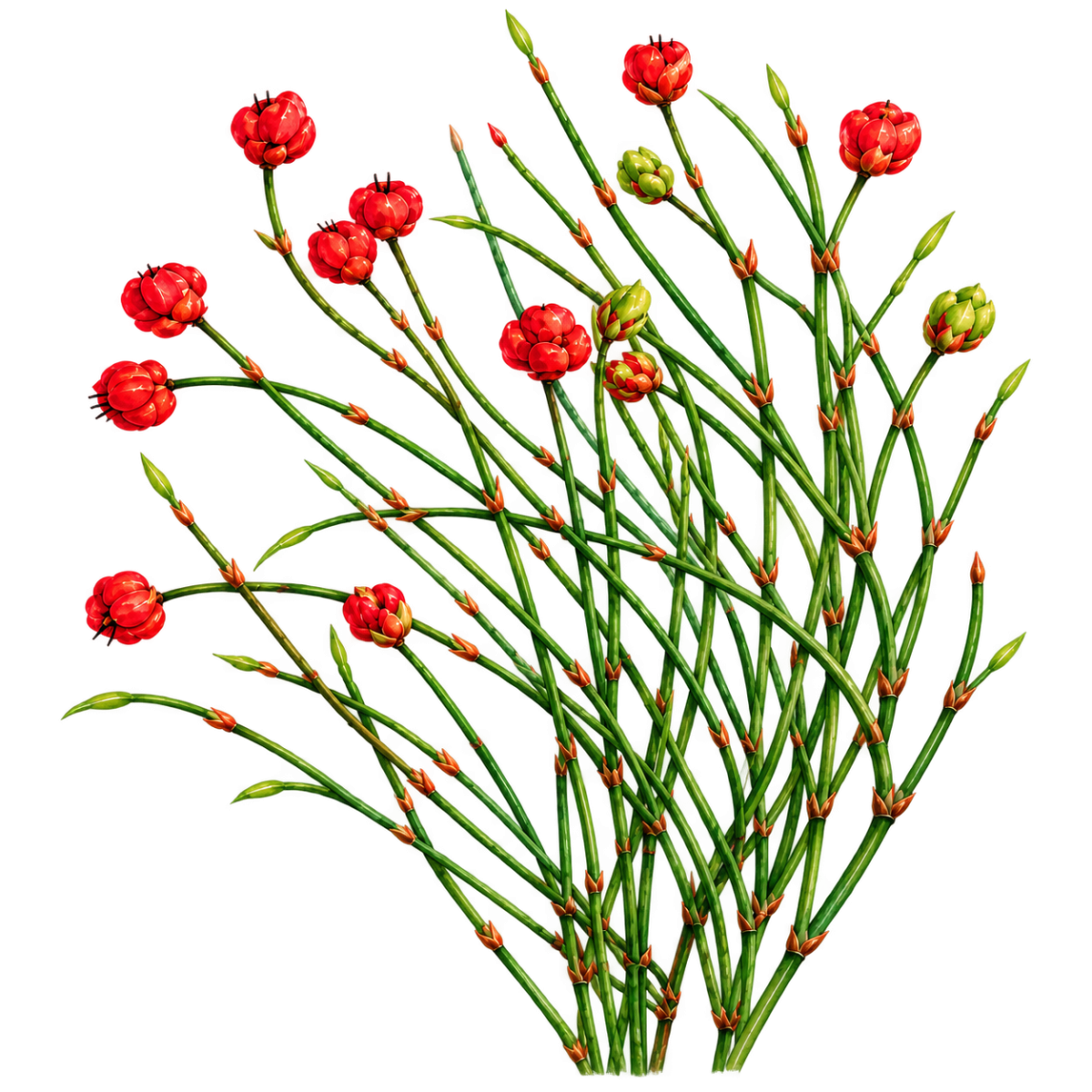
Ma Huang (Ephedra) is a well-known traditional herbal medicine recognized in East Asian medicine for its acrid, bitter, and warm properties. It is widely described in classical herbal texts for its ability to induce sweating, release the exterior, disseminate Lung qi, calm wheezing, relieve cough, and promote urination to reduce edema. Traditionally, Ma Huang is used in herbal formulas that support relief of wind-cold conditions, nasal congestion, cough, asthma, bronchitis, allergic rhinitis, and certain patterns of urinary difficulty or swelling. In addition, traditional literature also associates this herb with support for wind-damp pain, numbness, and selected dermatological conditions. With key compounds such as ephedrine and pseudoephedrine, Ma Huang remains a notable herb in both traditional practice and modern pharmacological interest. If you are searching for what Ma Huang is, the benefits of Ma Huang, how Ma Huang is used in traditional medicine, and the important precautions surrounding this herb, this is a medicinal material that should be understood carefully, used appropriately, and approached with proper professional guidance.