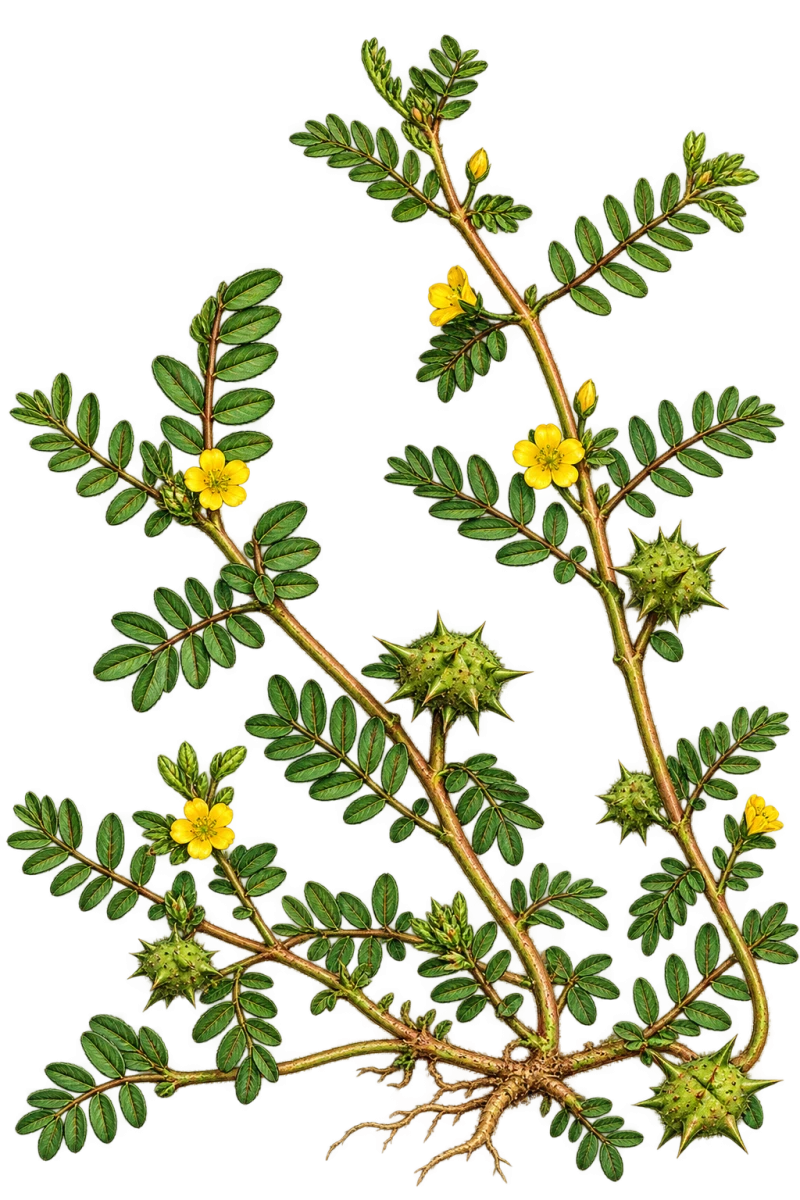
Tribulus terrestris (Tribuli Fructus) is a widely used medicinal herb in Traditional Medicine, known for its ability to promote Qi circulation, invigorate blood, pacify the Liver, dispel Wind, and support male and female reproductive health. Rich in biologically active compounds such as protodioscin, steroidal saponins, flavonoids, alkaloids, essential fatty acids and minerals, Tribulus terrestris is traditionally used to treat Liver Qi stagnation, visual disturbances, menstrual irregularities, fatigue, pain, and skin disorders. Modern research highlights its remarkable effects on enhancing natural testosterone production, improving sperm count and motility, supporting libido, reducing inflammation, increasing diuresis, protecting kidney function, and preventing stone formation. The herb also assists in regulating blood glucose, lowering triglycerides, improving cardiovascular circulation, and enhancing muscle strength and vitality. In East Asian traditional medicine, Tribulus is employed to relieve lumbar pain, headaches, breast distention, postpartum lactation issues, urticaria, sore throat due to stagnation, and a range of disorders involving Qi and Blood imbalance. With its bitter–slightly pungent property and affinity for the Liver and Lung meridians, Tribulus terrestris is considered a versatile therapeutic agent used in formulas for liver–kidney nourishment, blood activation, reproductive support, and overall wellness enhancement. Understanding its medicinal properties, chemical constituents, recommended dosage, and safe usage allows for effective application of this valuable herb in daily health maintenance.
Huang Bai (Phellodendron amurense) is a bitter, cold herb used to clear heat, eliminate toxins, drain dampness, and nourish Yin. Its bioactive compounds—particularly berberine and related alkaloids—provide antimicrobial, anti-inflammatory, hypoglycemic, and hepatoprotective effects. Research also suggests benefits for lowering blood pressure, reducing fever, and preserving muscle mass in metabolic or wasting conditions.
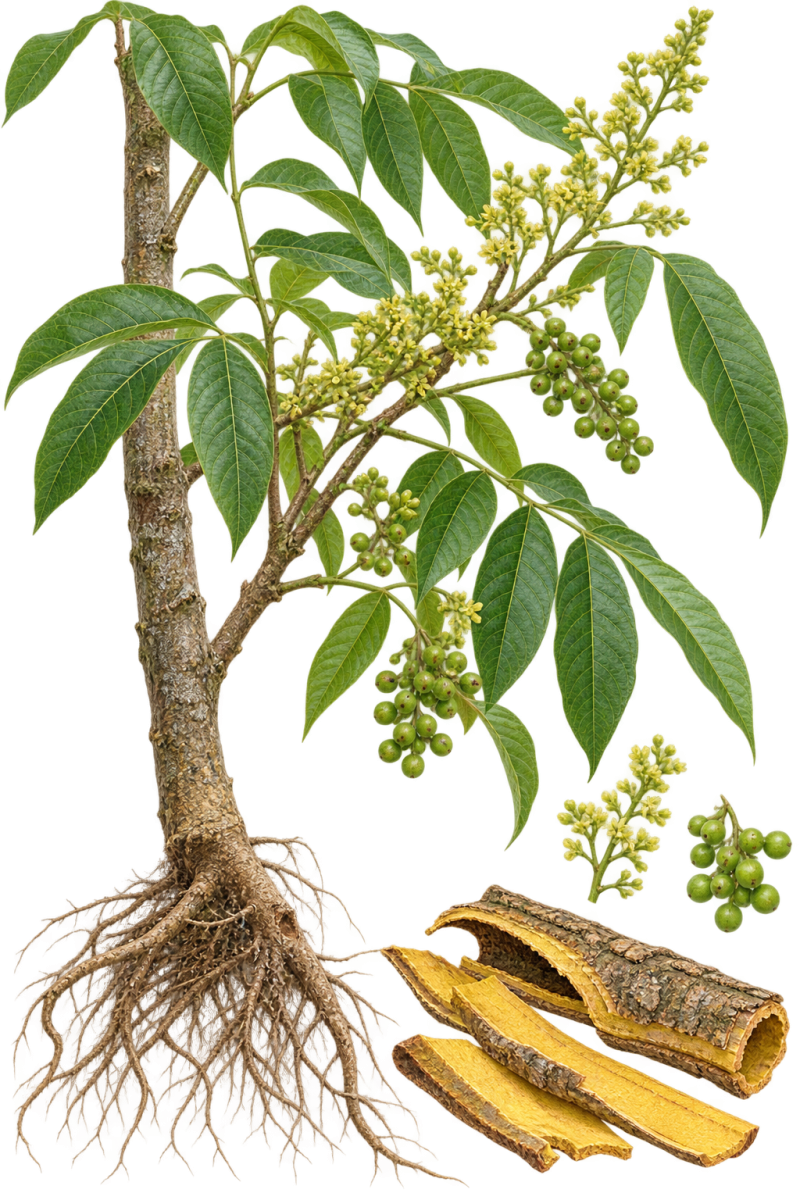
Du Zhong (Eucommia Bark) is one of the most important traditional Chinese medicinal herbs, well-known for its powerful ability to tonify the Liver and Kidneys, strengthen bones and tendons, and support pregnancy. The bark of Eucommia ulmoides is rich in bioactive compounds such as alkaloids, triterpenoids, saponins, flavonoids, vitamins, and essential minerals, giving it a wide range of therapeutic benefits. Du Zhong is commonly used in formulas that treat lower back pain, weak knees, joint degeneration, osteoporosis, as well as nocturnal emission, impotence, and frequent urination caused by Kidney deficiency. In gynecology and obstetrics, Du Zhong is highly valued for its ability to stabilize pregnancy, prevent miscarriage, and strengthen the overall condition of pregnant women. The herb also helps lower blood pressure, reduce cholesterol, and promote vasodilation, making it beneficial for cardiovascular health. Thanks to its anti-inflammatory and strong antioxidant effects, Du Zhong enhances immune function, protects nerve cells, regulates blood sugar, and supports lipid metabolism—making it suitable for individuals at risk of diabetes or metabolic disorders. Modern research further shows that Eucommia leaves offer similar medicinal effects to the bark, providing a more convenient alternative. Du Zhong can be used in various forms such as decoction, medicinal wine, powder, or herbal extract, making it versatile for different wellness needs. Although generally safe, it should be used with caution in individuals with yin deficiency heat or latex allergies. With its wide-ranging therapeutic properties, Du Zhong has become a highly valued herb for supporting bone health, reproductive health, cardiovascular function, and immunity.