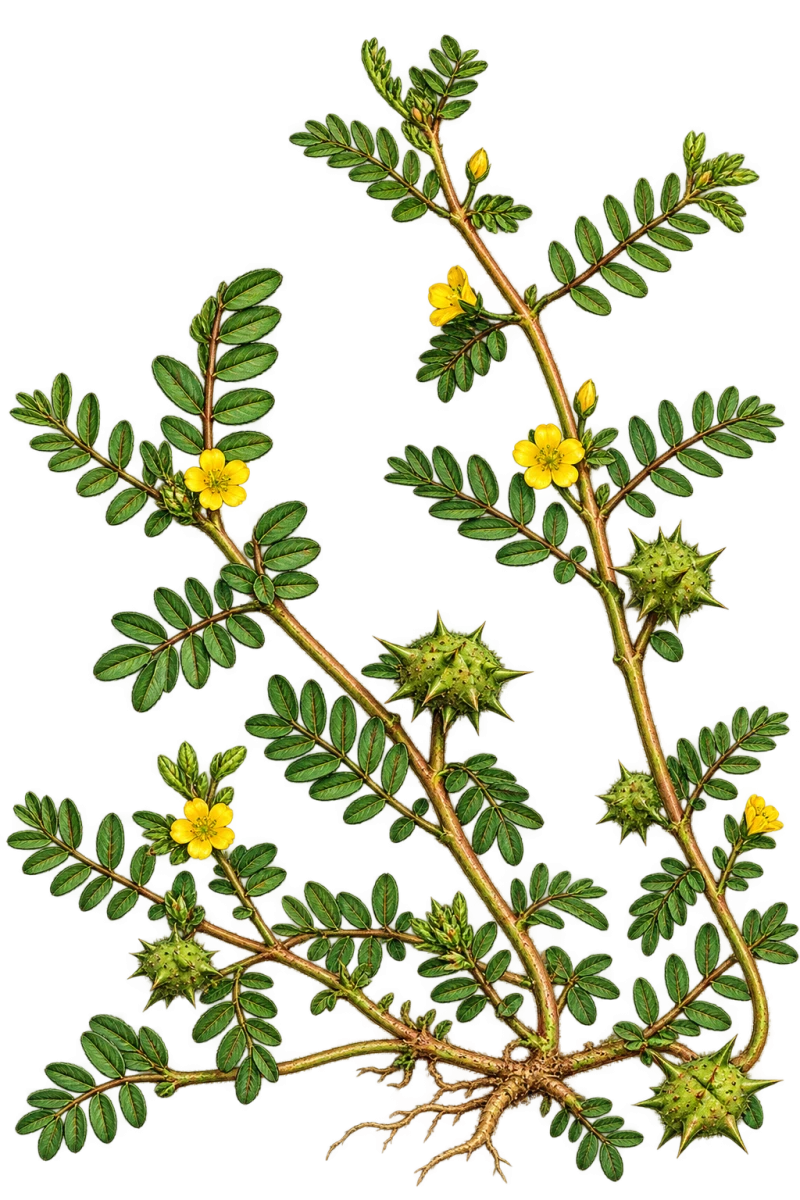
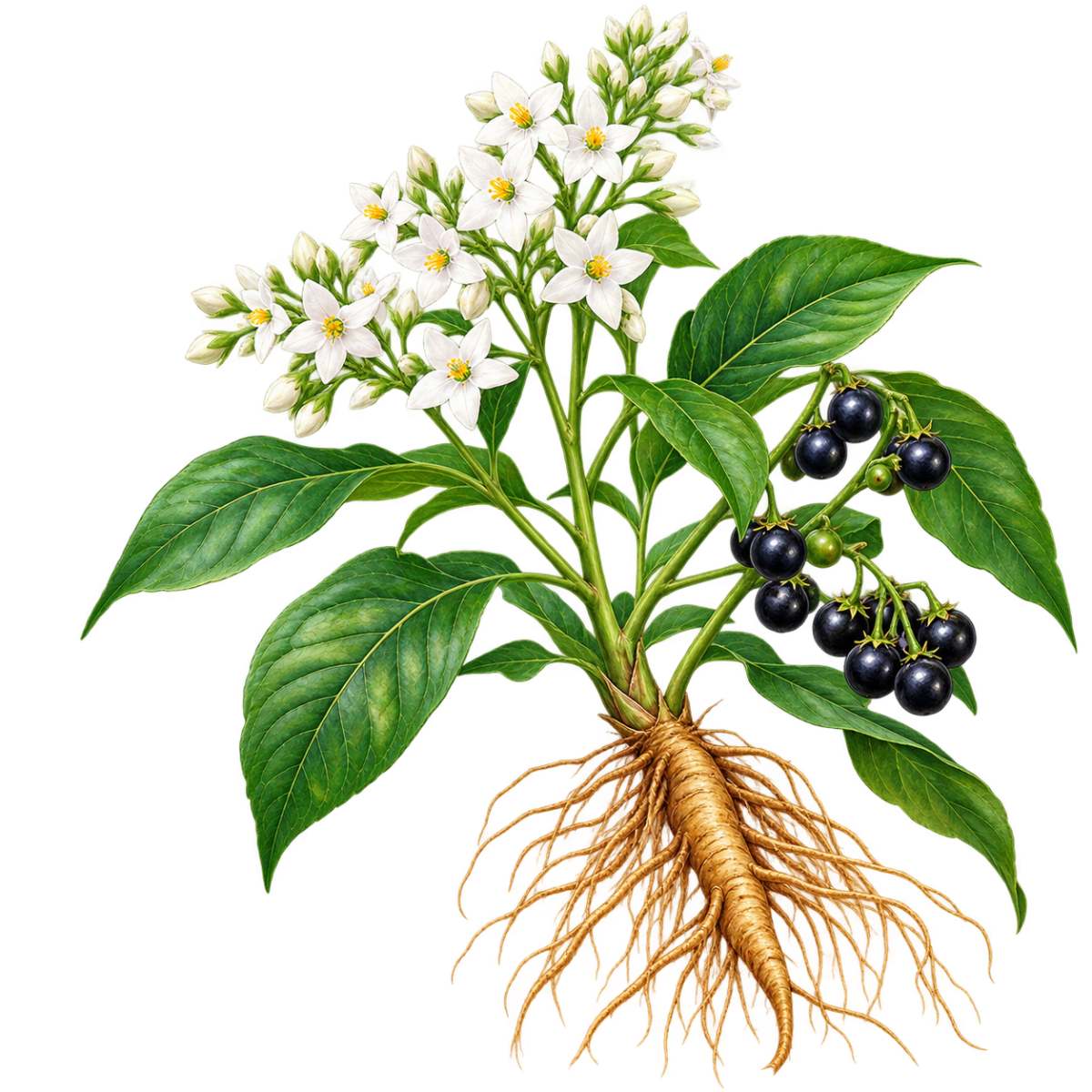
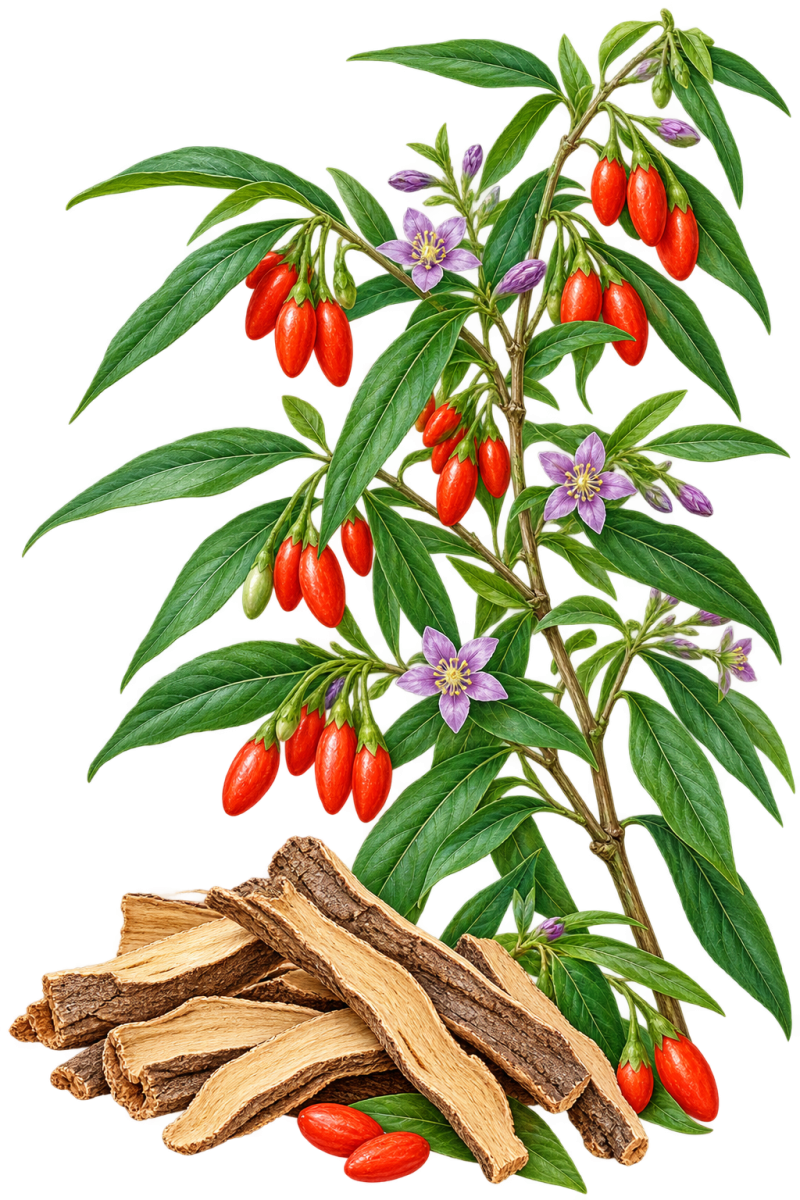
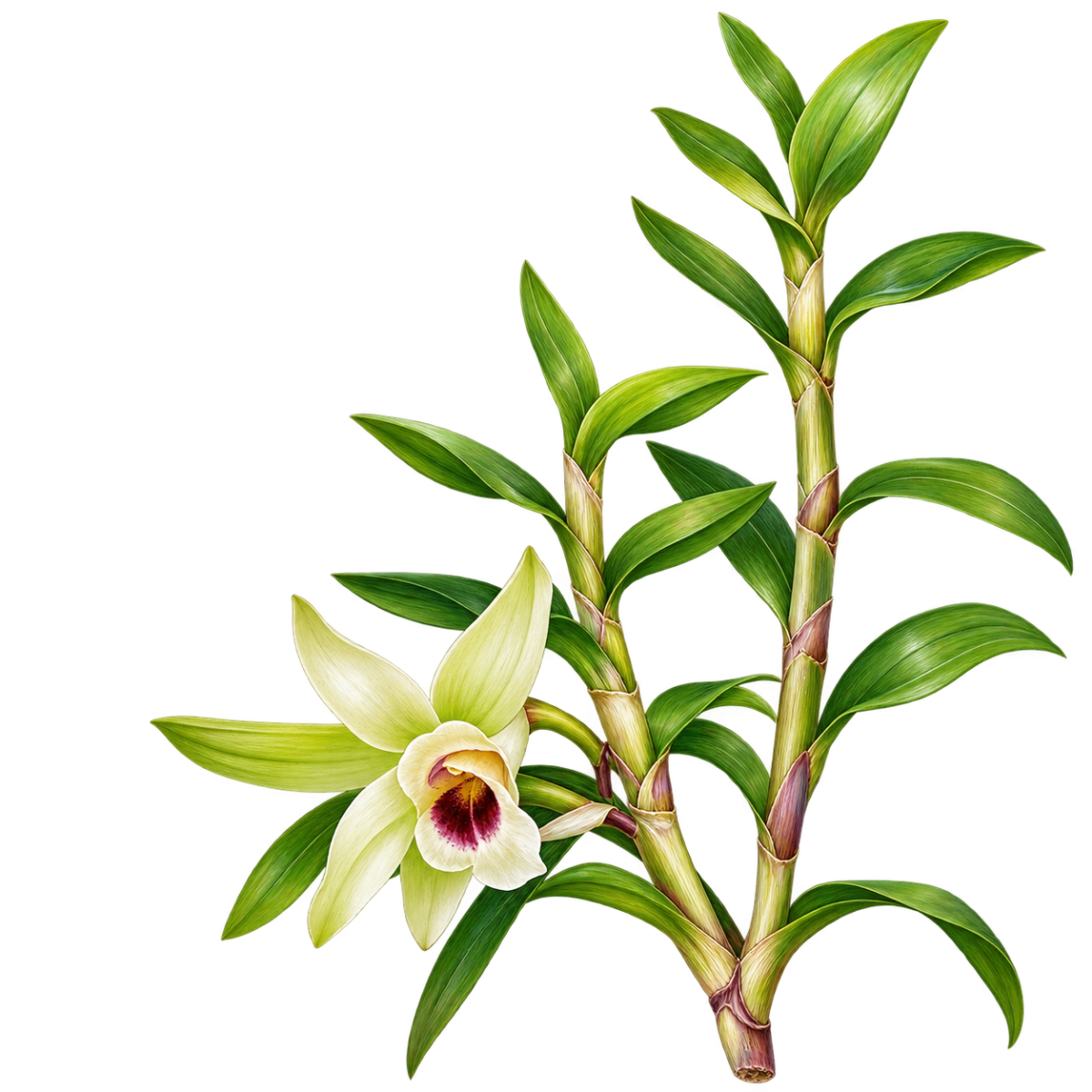
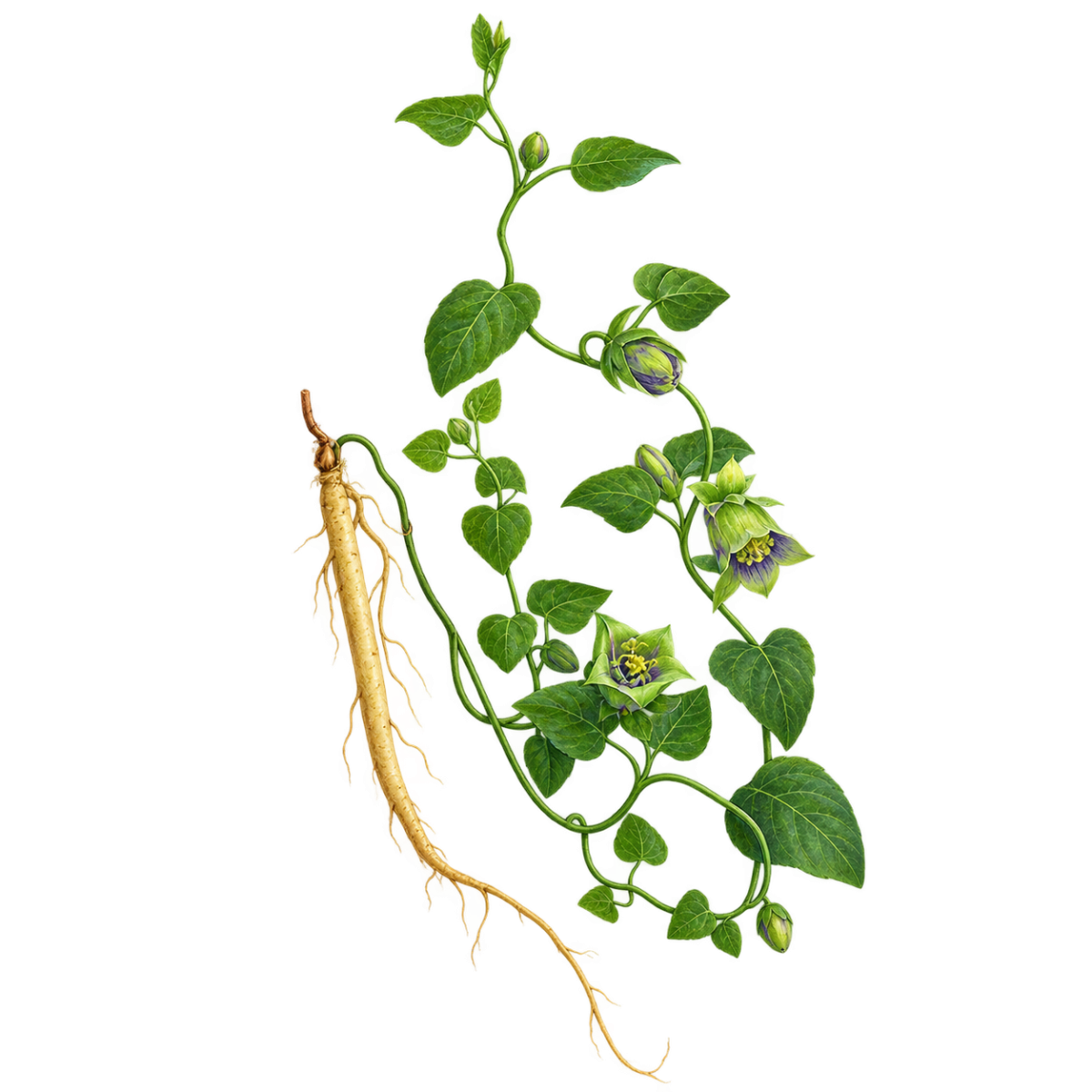
Tribulus terrestris (Tribuli Fructus) is a widely used medicinal herb in Traditional Medicine, known for its ability to promote Qi circulation, invigorate blood, pacify the Liver, dispel Wind, and support male and female reproductive health. Rich in biologically active compounds such as protodioscin, steroidal saponins, flavonoids, alkaloids, essential fatty acids and minerals, Tribulus terrestris is traditionally used to treat Liver Qi stagnation, visual disturbances, menstrual irregularities, fatigue, pain, and skin disorders. Modern research highlights its remarkable effects on enhancing natural testosterone production, improving sperm count and motility, supporting libido, reducing inflammation, increasing diuresis, protecting kidney function, and preventing stone formation. The herb also assists in regulating blood glucose, lowering triglycerides, improving cardiovascular circulation, and enhancing muscle strength and vitality. In East Asian traditional medicine, Tribulus is employed to relieve lumbar pain, headaches, breast distention, postpartum lactation issues, urticaria, sore throat due to stagnation, and a range of disorders involving Qi and Blood imbalance. With its bitter–slightly pungent property and affinity for the Liver and Lung meridians, Tribulus terrestris is considered a versatile therapeutic agent used in formulas for liver–kidney nourishment, blood activation, reproductive support, and overall wellness enhancement. Understanding its medicinal properties, chemical constituents, recommended dosage, and safe usage allows for effective application of this valuable herb in daily health maintenance.
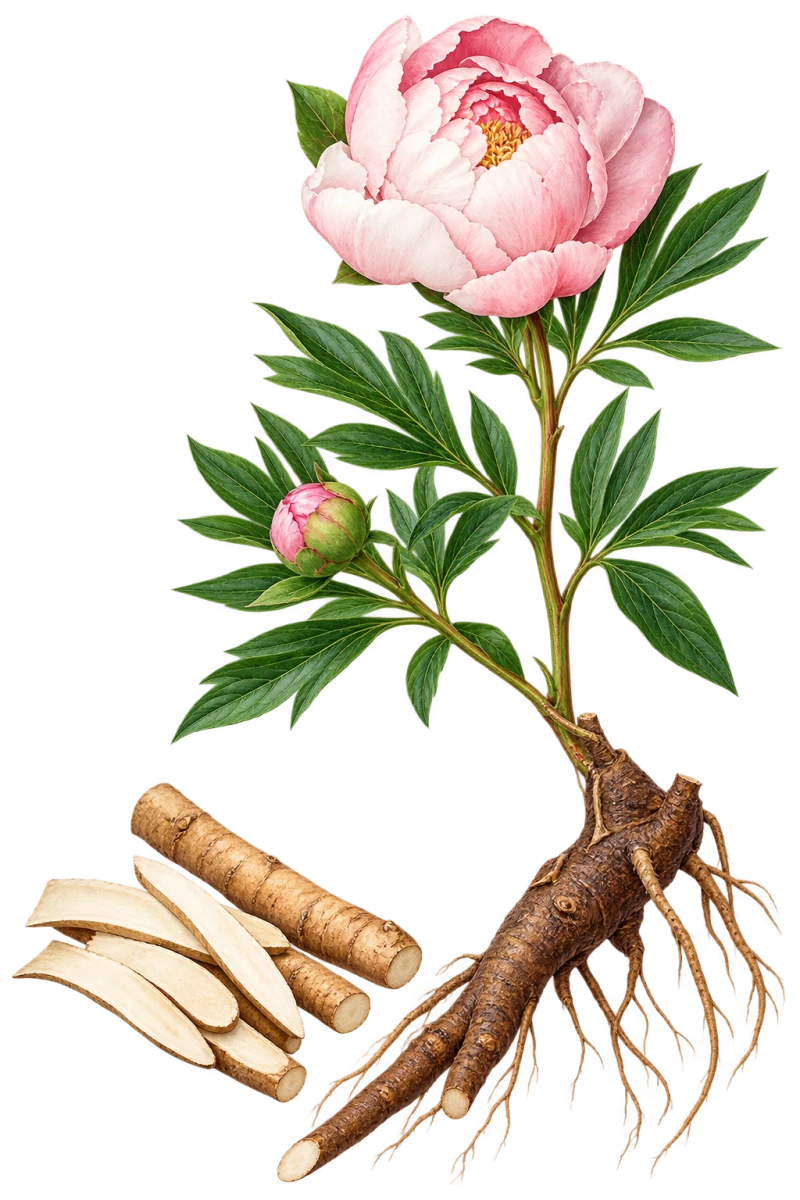
White Peony Root (Bai Shao) is a key TCM herb that nourishes the blood, preserves yin, soothes the Liver, relieves pain, and regulates menstruation. Rich in glycosides like paeoniflorin, it offers anti-inflammatory, hepatoprotective, calming, and circulatory benefits.
Bu Gu Zhi (Cullen corylifolium (L.) Medik., syn. Psoralea corylifolia L.), commonly known as Babchi or Bakuchi seed, is a traditional Chinese medicinal herb renowned for its Kidney-Yang tonifying, Spleen-warming, and essence-preserving effects. The dried seeds, with a bitter-acrid taste and warm nature, enter the Kidney, Spleen, and Pericardium meridians. In Traditional East Asian Medicine, it is prescribed for impotence, spermatorrhea, frequent urination, chronic diarrhea, lumbar weakness, vitiligo, psoriasis, and general deficiency or aging syndromes. Modern pharmacological studies have identified key bioactive compounds—bakuchiol, psoralen, isopsoralen, isobavachalcone, and various flavonoids and terpenes—responsible for its anti-inflammatory, antioxidant, osteogenic, immunomodulatory, and skin-rejuvenating properties. Bakuchiol, in particular, is widely used in dermatology and cosmetics as a natural alternative to retinol. Clinical and laboratory evidence also supports Bu Gu Zhi’s potential in improving bone metabolism, cardiovascular function, hormone balance, and anti-tumor activity. With its dual legacy of ancient wisdom and modern validation, Bu Gu Zhi stands as a bridge between traditional Oriental medicine and contemporary integrative health science. Proper dosage and caution are advised, as the herb should be avoided in patients with Yin deficiency with heat, urinary tract inflammation, or constipation.
Hu Zhang (Giant Knotweed Rhizome, Cốt khí củ) is the dried rhizome of Reynoutria japonica (syn. Polygonum cuspidatum), a member of the Polygonaceae family. In Traditional Chinese Medicine (TCM), it is valued for its multiple actions: invigorating blood, removing stasis, clearing heat, detoxifying, draining dampness, promoting urination, resolving phlegm, and calming the mind. It is traditionally prescribed for arthralgia, rheumatism, traumatic injuries, hepatitis, jaundice, cough with phlegm due to Lung heat, pharyngitis, skin infections, burns, hemorrhoids, dysentery, and urinary tract inflammation. Modern pharmacological studies reveal that Hu Zhang contains potent bioactive compounds such as resveratrol, polydatin, emodin, quercetin, physcion, and chrysophanol. These contribute to its anti-inflammatory, antioxidant, hepatoprotective, hypoglycemic, hypolipidemic, antibacterial, and antiviral properties. According to the Chinese Pharmacopoeia and WHO monographs, emodin and polydatin are recognized as the official quality markers for standardization. With both ancient wisdom and modern evidence, Hu Zhang (Reynoutria japonica) is considered a promising medicinal herb for the supportive treatment of hepatitis, metabolic disorders, inflammatory joint disease, and chronic oxidative conditions. Its scientific validation continues to expand globally, making Japanese Knotweed Rhizome not only a revered TCM herb but also a subject of modern biomedical interest in the prevention and management of inflammatory and degenerative diseases.
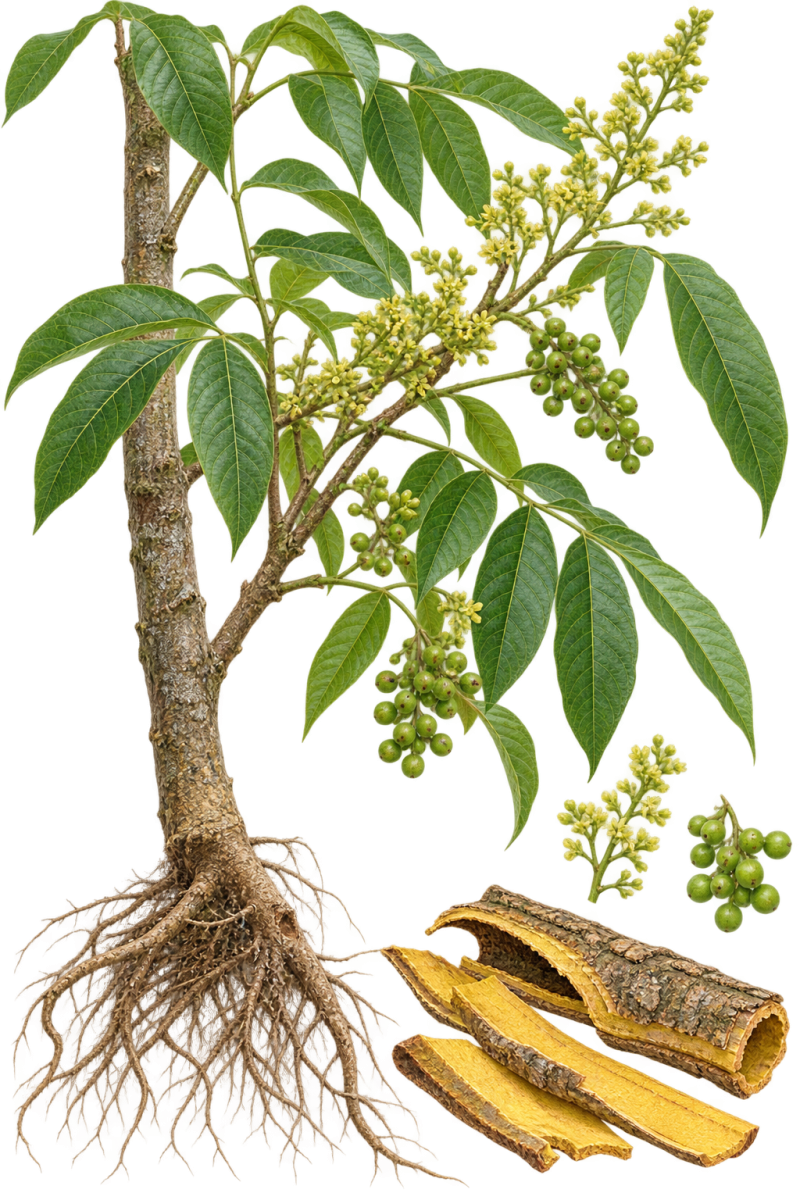
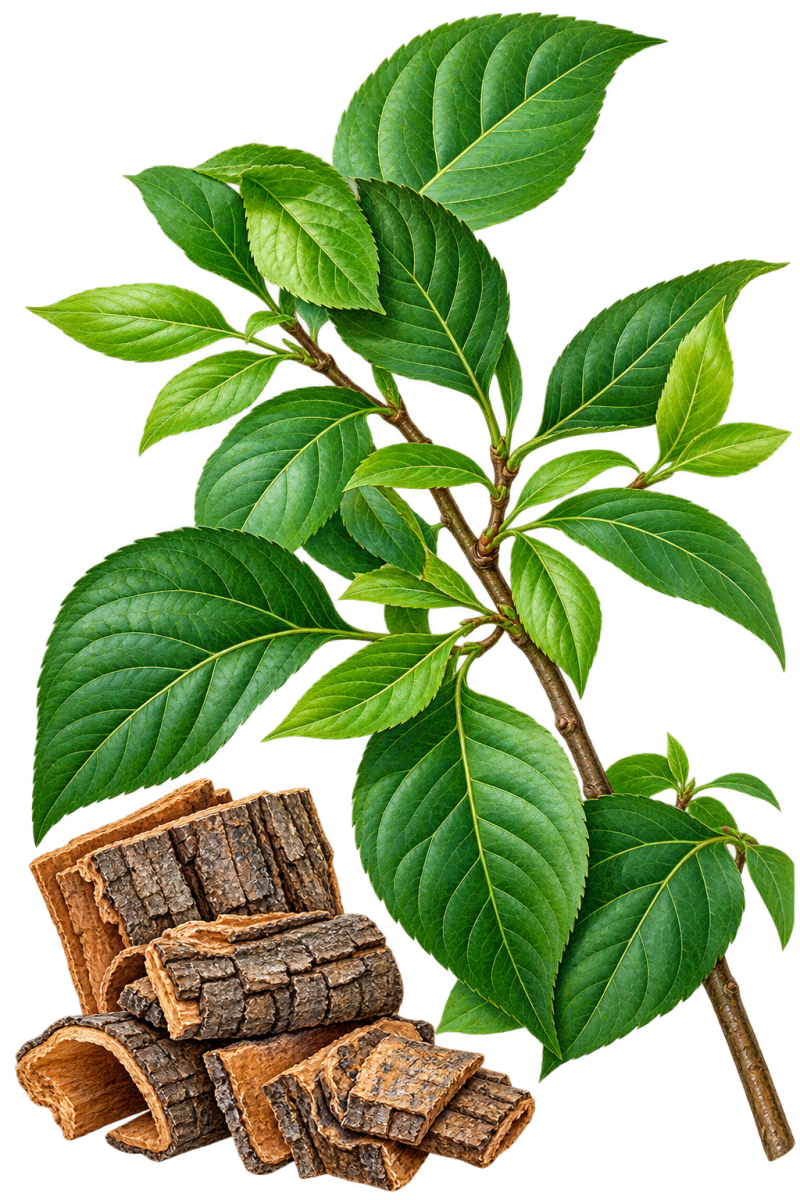
Huang Bai (Phellodendron amurense) is a bitter, cold herb used to clear heat, eliminate toxins, drain dampness, and nourish Yin. Its bioactive compounds—particularly berberine and related alkaloids—provide antimicrobial, anti-inflammatory, hypoglycemic, and hepatoprotective effects. Research also suggests benefits for lowering blood pressure, reducing fever, and preserving muscle mass in metabolic or wasting conditions.