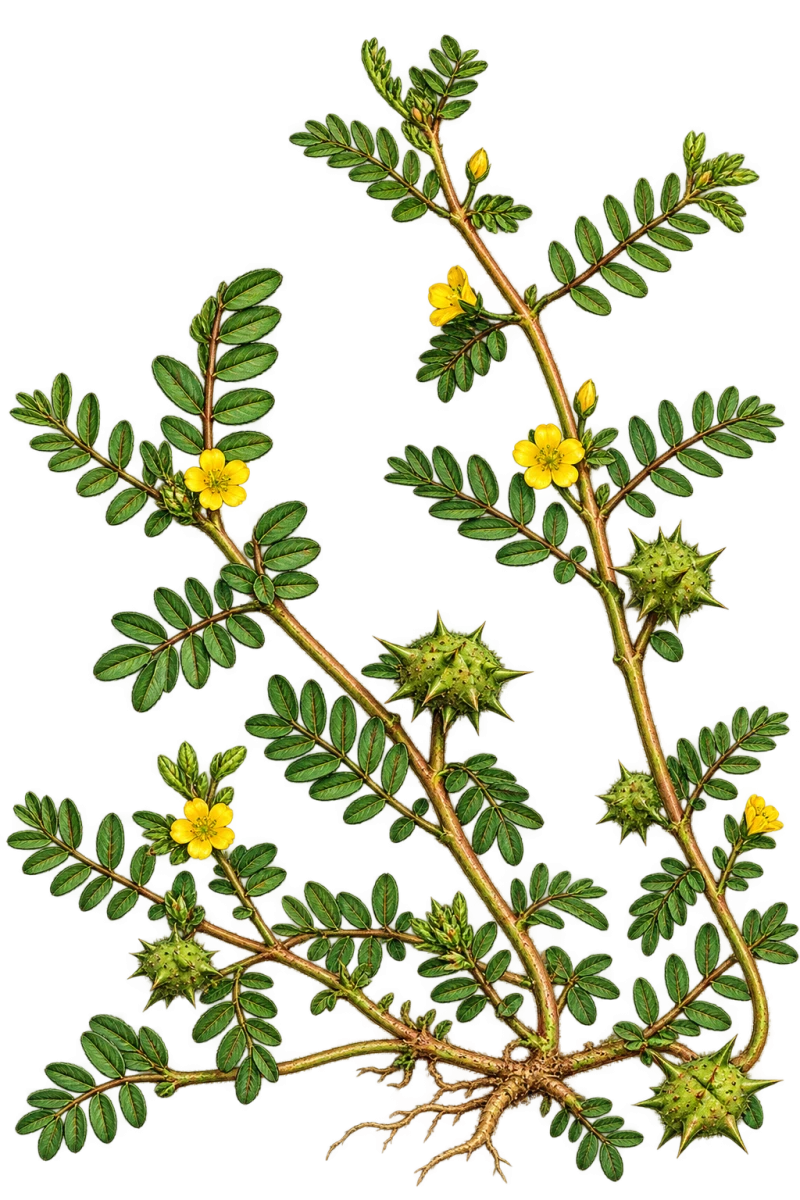
Tribulus terrestris (Tribuli Fructus) is a widely used medicinal herb in Traditional Medicine, known for its ability to promote Qi circulation, invigorate blood, pacify the Liver, dispel Wind, and support male and female reproductive health. Rich in biologically active compounds such as protodioscin, steroidal saponins, flavonoids, alkaloids, essential fatty acids and minerals, Tribulus terrestris is traditionally used to treat Liver Qi stagnation, visual disturbances, menstrual irregularities, fatigue, pain, and skin disorders. Modern research highlights its remarkable effects on enhancing natural testosterone production, improving sperm count and motility, supporting libido, reducing inflammation, increasing diuresis, protecting kidney function, and preventing stone formation. The herb also assists in regulating blood glucose, lowering triglycerides, improving cardiovascular circulation, and enhancing muscle strength and vitality. In East Asian traditional medicine, Tribulus is employed to relieve lumbar pain, headaches, breast distention, postpartum lactation issues, urticaria, sore throat due to stagnation, and a range of disorders involving Qi and Blood imbalance. With its bitter–slightly pungent property and affinity for the Liver and Lung meridians, Tribulus terrestris is considered a versatile therapeutic agent used in formulas for liver–kidney nourishment, blood activation, reproductive support, and overall wellness enhancement. Understanding its medicinal properties, chemical constituents, recommended dosage, and safe usage allows for effective application of this valuable herb in daily health maintenance.
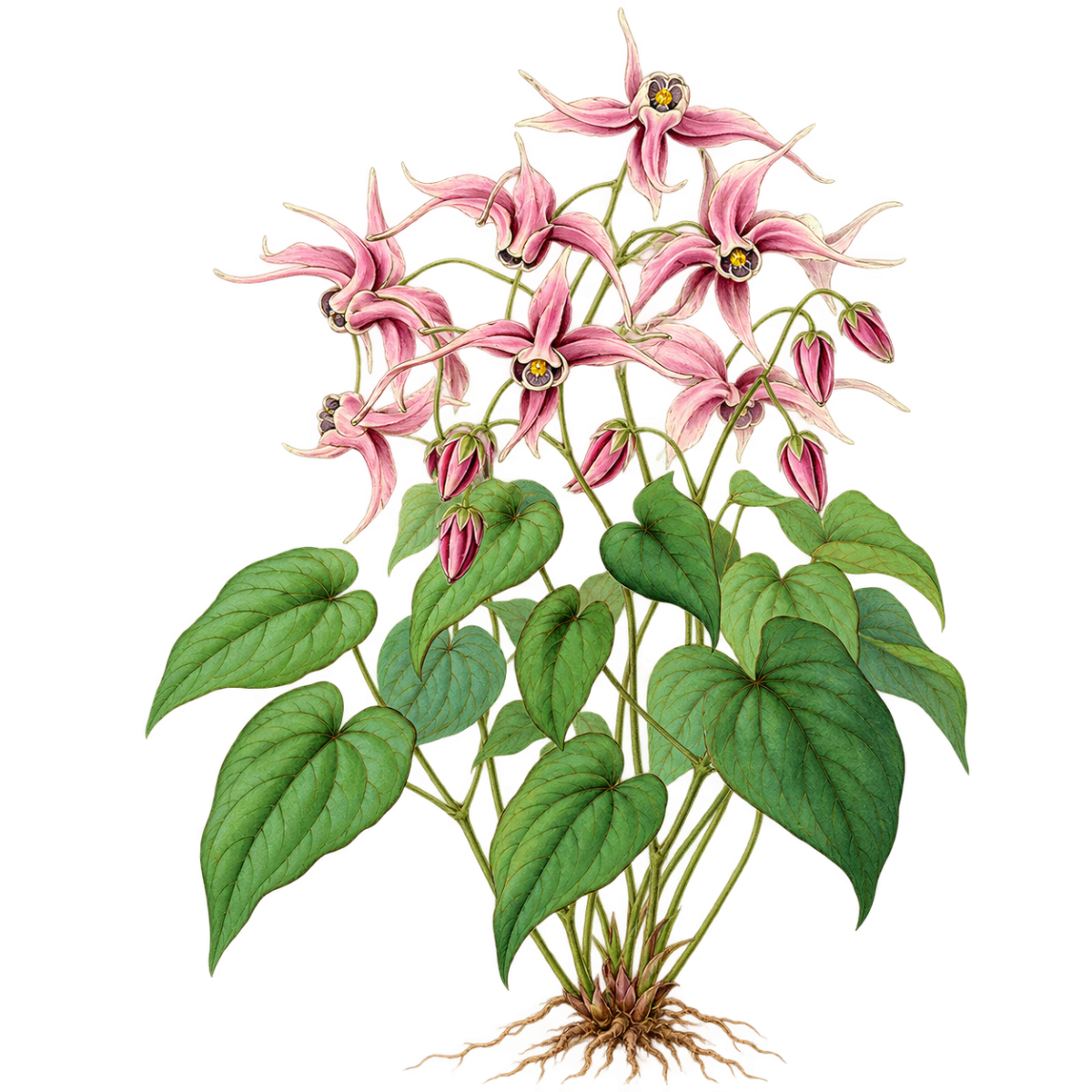
YIN YANG HUO (Epimedium Leaf, Epimedii Folium) is a well-known herb in Traditional Medicine, commonly associated with the functional profile of “warming the Kidney and supporting yang, strengthening tendons and bones, dispelling wind and eliminating dampness.” In materia medica terms, Yin Yang Huo is described as pungent and sweet in taste, warm in nature, and entering the Liver and Kidney channels—often considered when building constitutional support for vitality, musculoskeletal resilience, and long-term wellness. In traditional practice, it is frequently combined within classical-style formulas to support stamina, address low back and knee weakness, promote tendon-and-bone strength, and ease discomfort patterns linked to wind–damp influences. For musculoskeletal care, Epimedium is also widely discussed as part of a holistic approach for individuals concerned about bone health, especially when paired with appropriate movement, nutrition, and synergistic herbs. In modern herbal product development, Epimedium (Epimedii Folium) is commonly found in standardized extracts designed for men’s wellness, performance support, and bone-and-joint maintenance. When choosing a product, prioritize transparent sourcing, quality testing, clear labeling (Epimedii Folium/Epimedium leaf), usage instructions, and safety warnings to ensure responsible use.