Bo He (Menthae Haplocalycis Herba), commonly known as Field Mint, is a classical herb in Traditional Chinese Medicine known for its pungent, cooling nature and its actions on the Lung, Liver, and Gallbladder meridians. Widely used in Wind-Heat exterior syndromes, it helps clear Heat from the head and face, relieve headaches, soothe sore throat, open the nasal passages, promote sweating, and support natural fever reduction. Beyond respiratory benefits, Bo He also improves digestion by relaxing smooth muscles, reducing gastrointestinal spasms, relieving bloating, nausea, and supporting bile secretion. Modern studies highlight its antibacterial, antiviral, and antifungal properties. The herb also soothes Liver Qi stagnation, reduces stress, brightens the eyes, enhances mental clarity, and boosts alertness. Rich in menthol, its essential oil provides cooling analgesia, reduces neuropathic and muscular pain, and improves scalp microcirculation, supporting hair growth. Despite its many benefits, Bo He is contraindicated for individuals with Qi Deficiency, Yang Deficiency Cold (Xu Han), spontaneous sweating, hyperactive Liver Yang, and should not be used topically for infants due to the risk of respiratory suppression. This article presents a complete overview of Bo He's therapeutic actions, properties, chemical constituents, dosage, and safety considerations based on both TCM principles and modern research.
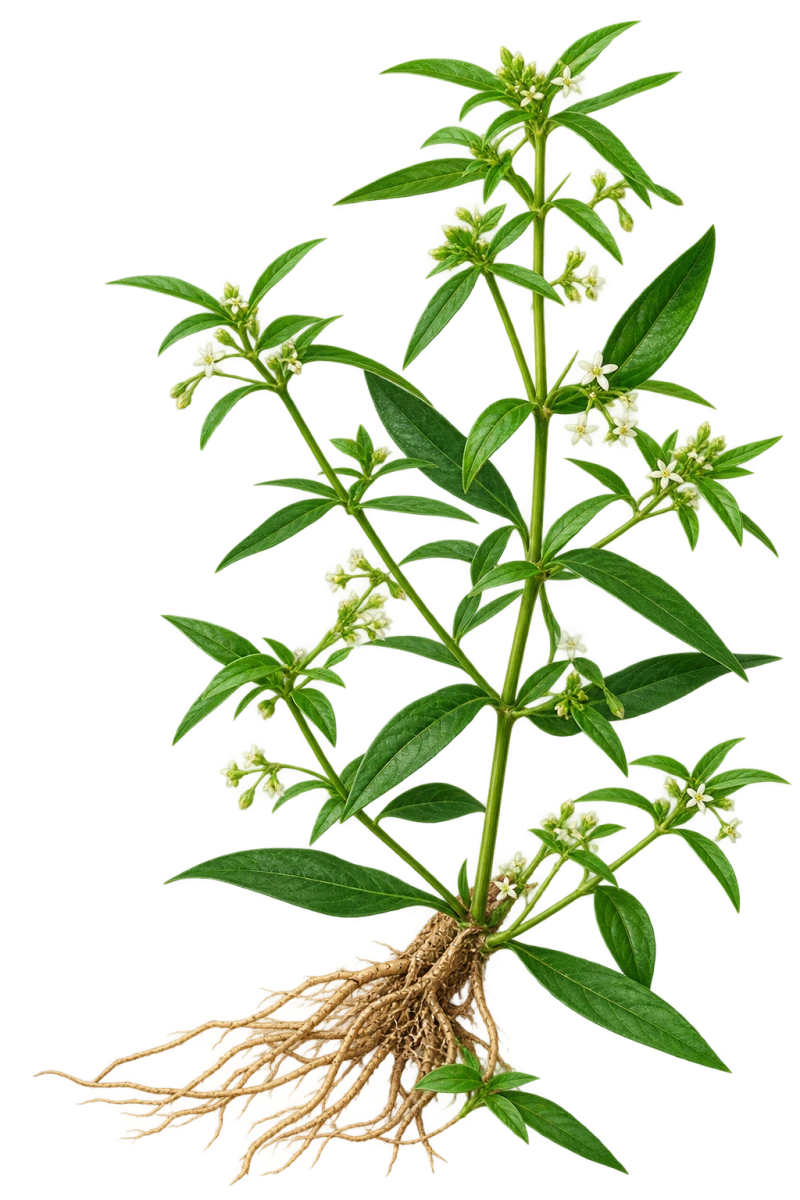
Bai Hua She She Cao (Hedyotis diffusa) is a widely used herbal medicine in Traditional Chinese Medicine, valued for its strong heat-clearing, detoxifying, damp-draining, and nodule-dispelling properties. It is commonly prescribed for inflammatory conditions, including lung-heat cough, pneumonia, sore throat, tonsillitis, and various hepatobiliary disorders such as hepatitis, jaundice, hepatosplenomegaly, and early-stage cirrhosis. The herb also promotes diuresis, reduces urinary tract inflammation, alleviates hydrocele, and supports the treatment of hemorrhoids, dysentery, enteritis, and digestive problems caused by damp-heat. Modern studies have demonstrated notable antibacterial, antiviral, antioxidant, hepatoprotective, and renoprotective activities, as well as inhibitory effects on abnormal cell proliferation—making it a valuable adjunctive therapy in the early management of cancers such as gastric, colorectal, hepatic, and pulmonary tumors. Externally, the herb is applied to treat abscesses, skin ulcers, scabies, and acne. Its rich chemical composition—including iridoid glycosides, flavonoids, anthraquinones, phenolic acids, triterpenoids, and immunomodulatory polysaccharides—contributes to its diverse therapeutic benefits. When used at appropriate dosages and under professional guidance, Bai Hua She She Cao provides broad-spectrum support for detoxification, immune regulation, and systemic health, making it an essential herb in both traditional prescriptions and modern functional applications.
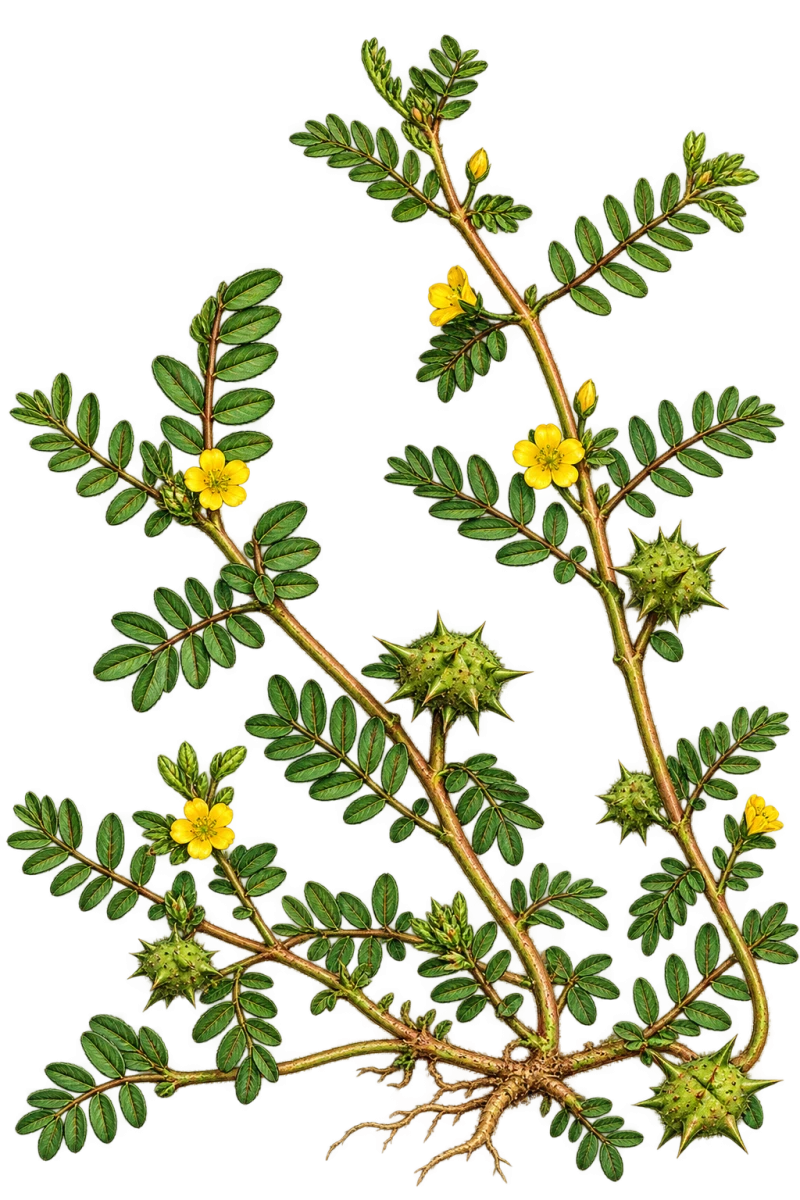
Tribulus terrestris (Tribuli Fructus) is a widely used medicinal herb in Traditional Medicine, known for its ability to promote Qi circulation, invigorate blood, pacify the Liver, dispel Wind, and support male and female reproductive health. Rich in biologically active compounds such as protodioscin, steroidal saponins, flavonoids, alkaloids, essential fatty acids and minerals, Tribulus terrestris is traditionally used to treat Liver Qi stagnation, visual disturbances, menstrual irregularities, fatigue, pain, and skin disorders. Modern research highlights its remarkable effects on enhancing natural testosterone production, improving sperm count and motility, supporting libido, reducing inflammation, increasing diuresis, protecting kidney function, and preventing stone formation. The herb also assists in regulating blood glucose, lowering triglycerides, improving cardiovascular circulation, and enhancing muscle strength and vitality. In East Asian traditional medicine, Tribulus is employed to relieve lumbar pain, headaches, breast distention, postpartum lactation issues, urticaria, sore throat due to stagnation, and a range of disorders involving Qi and Blood imbalance. With its bitter–slightly pungent property and affinity for the Liver and Lung meridians, Tribulus terrestris is considered a versatile therapeutic agent used in formulas for liver–kidney nourishment, blood activation, reproductive support, and overall wellness enhancement. Understanding its medicinal properties, chemical constituents, recommended dosage, and safe usage allows for effective application of this valuable herb in daily health maintenance.
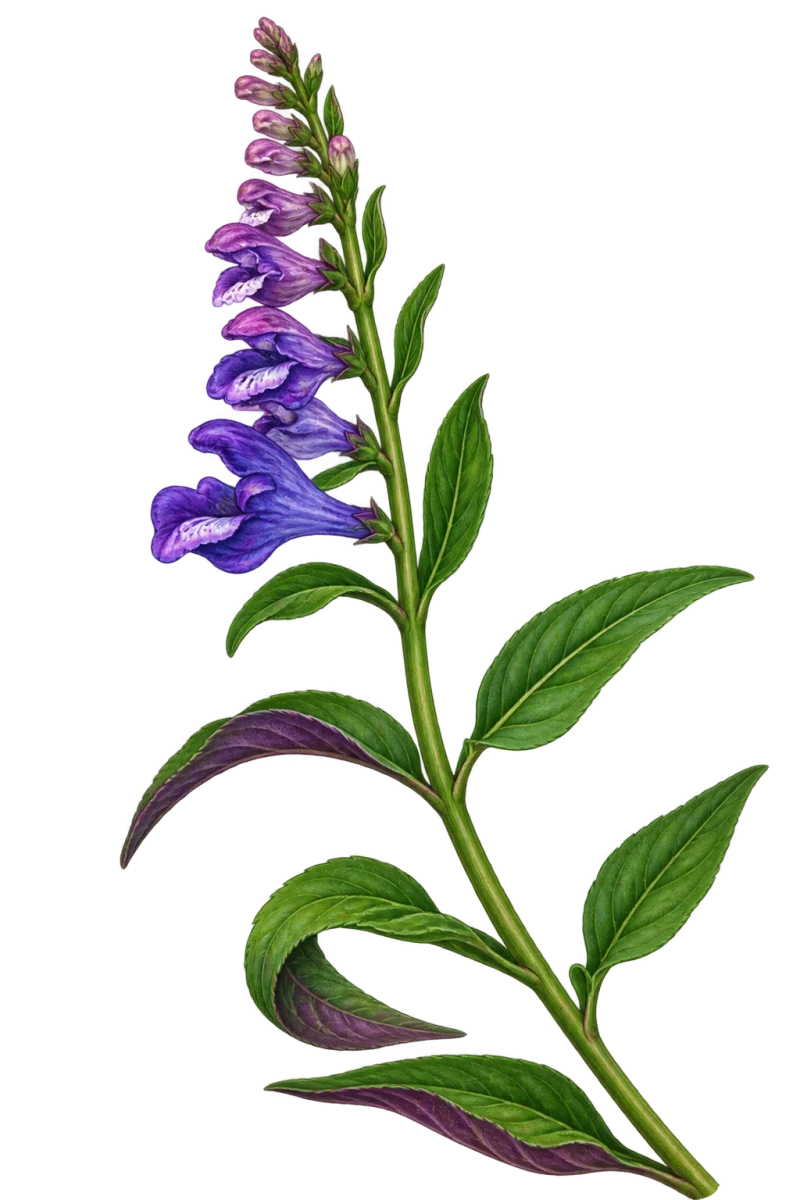
Scutellariae Barbatae Herba (Scutellaria barbata D. Don), commonly known as Barbat Skullcap, is a highly valued medicinal herb in Traditional Chinese Medicine, widely used for clearing heat, detoxifying fire-toxicity, reducing inflammation, and supporting anticancer therapy. Belonging to the Lamiaceae family, this slightly bitter and cooling herb enters the Liver, Lung, and Kidney meridians, making it effective for managing infections, toxic heat syndromes, edema, and immune-related conditions. Modern pharmacological studies highlight its rich profile of flavonoids and diterpenoids—including scutellarin, baicalein, wogonin, and scutebarbatine A–D—known for their antioxidant, anti-inflammatory, hepatoprotective, and antitumor properties. Clinically, Scutellaria barbata is applied in the management of hepatitis, cirrhosis with ascites, appendicitis, intestinal abscess, pulmonary abscess, cellulitis, boils, edema, and various conditions of the respiratory and urinary systems associated with damp-heat and toxic stagnation. Fresh herb may also be used externally for infected wounds, painful swellings, and insect bites. With its broad spectrum of therapeutic actions and evidence-supported bioactive compounds, Barbat Skullcap stands as an essential herb in natural healthcare, offering powerful support for chronic disease prevention and integrative oncology within the framework of Traditional Chinese Medicine.
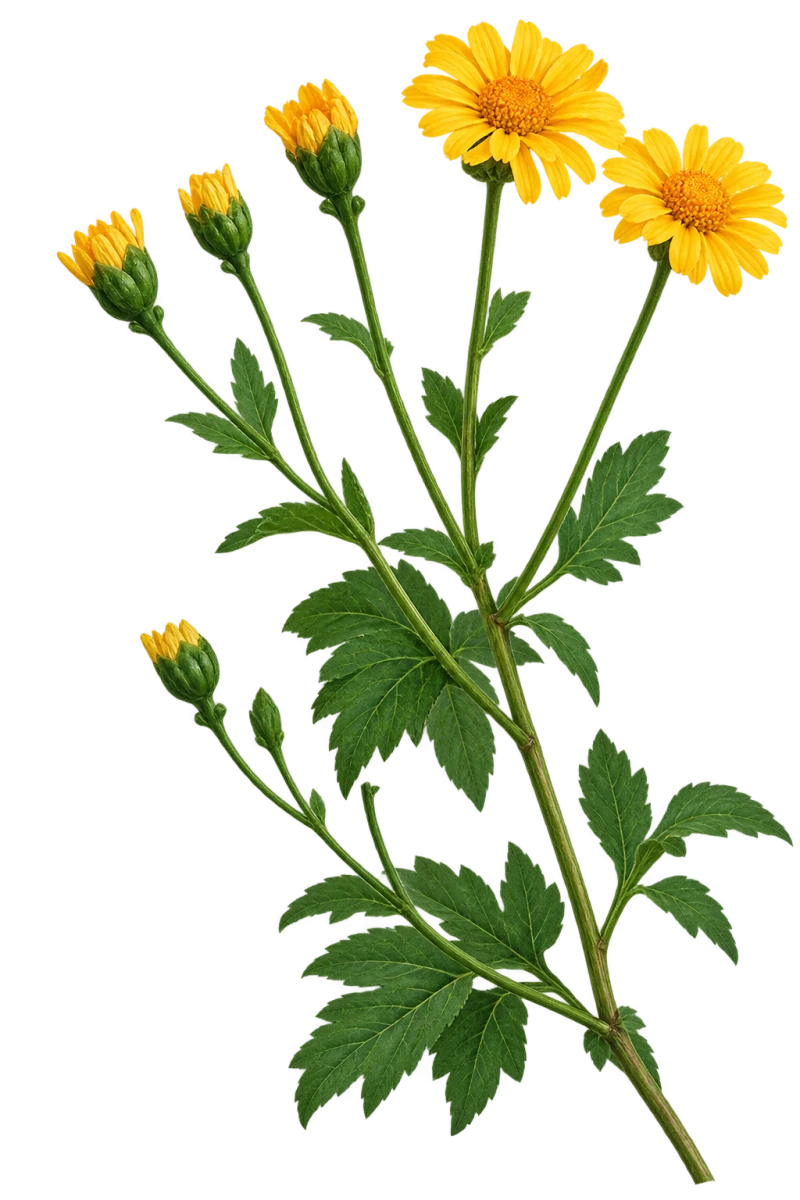
Ye Ju Hua (Wild Chrysanthemum Flower – Chrysanthemum indicum L.) is a traditional Chinese medicinal herb valued for its heat-clearing, detoxifying, anti-inflammatory, and liver-soothing properties. Bitter in taste and cooling in nature, it is commonly used to treat disorders caused by Wind-Heat, helping to cool the Liver, brighten the eyes, regulate blood pressure, and reduce inflammation. Modern pharmacological studies have identified bioactive compounds such as flavonoids, phenolic acids, sesquiterpene lactones, and essential oils that exhibit antioxidant, antimicrobial, antiviral, and hepatoprotective effects. Ye Ju Hua also supports digestive health by modulating gut microbiota, alleviating swelling, promoting wound healing, and improving skin conditions. Traditionally, it is prescribed for boils, carbuncles, pharyngitis, dermatitis, hepatitis, and hypertension, while helping to purify the body, calm the mind, and relieve irritability. As a cooling and detoxifying herb, Wild Chrysanthemum Flower plays a vital role in classical formulas for clearing Heat and toxins from the body. It is particularly beneficial for individuals with excess internal heat, inflammation, or toxin accumulation. Regular use in appropriate amounts may help strengthen immunity, protect the liver, promote skin health, and delay cellular aging, making it both a therapeutic and preventive herb in Traditional Chinese Medicine.
Licorice Root (甘草, Gān Cǎo) – Glycyrrhizae Radix et Rhizoma – refers to the root and rhizome of Glycyrrhiza uralensis, G. glabra, or G. inflata from the Fabaceae family. In Traditional Chinese Medicine, Licorice is honored as the “National Elder”, the harmonizing herb that balances hot and cold properties of other medicinals. Sweet in taste and neutral in nature, it enters the Spleen, Stomach, Heart, Liver, and Lung meridians, promoting Qi replenishment, detoxification, cough relief, and internal balance. Modern pharmacological studies reveal that compounds such as glycyrrhizin, glabridin, and liquiritin possess anti-inflammatory, antimicrobial, hepatoprotective, immunoregulatory, and antioxidant activities. Licorice Root is widely used in formulas for treating coughs, sore throat, gastritis, fatigue, endocrine imbalance, and skin disorders. However, excessive or prolonged use may cause hypertension and hypokalemia due to mineralocorticoid-like effects. As both a medicine and a harmonizing agent, Gān Cǎo remains an indispensable herb bridging the wisdom of traditional healing and modern therapeutic science.
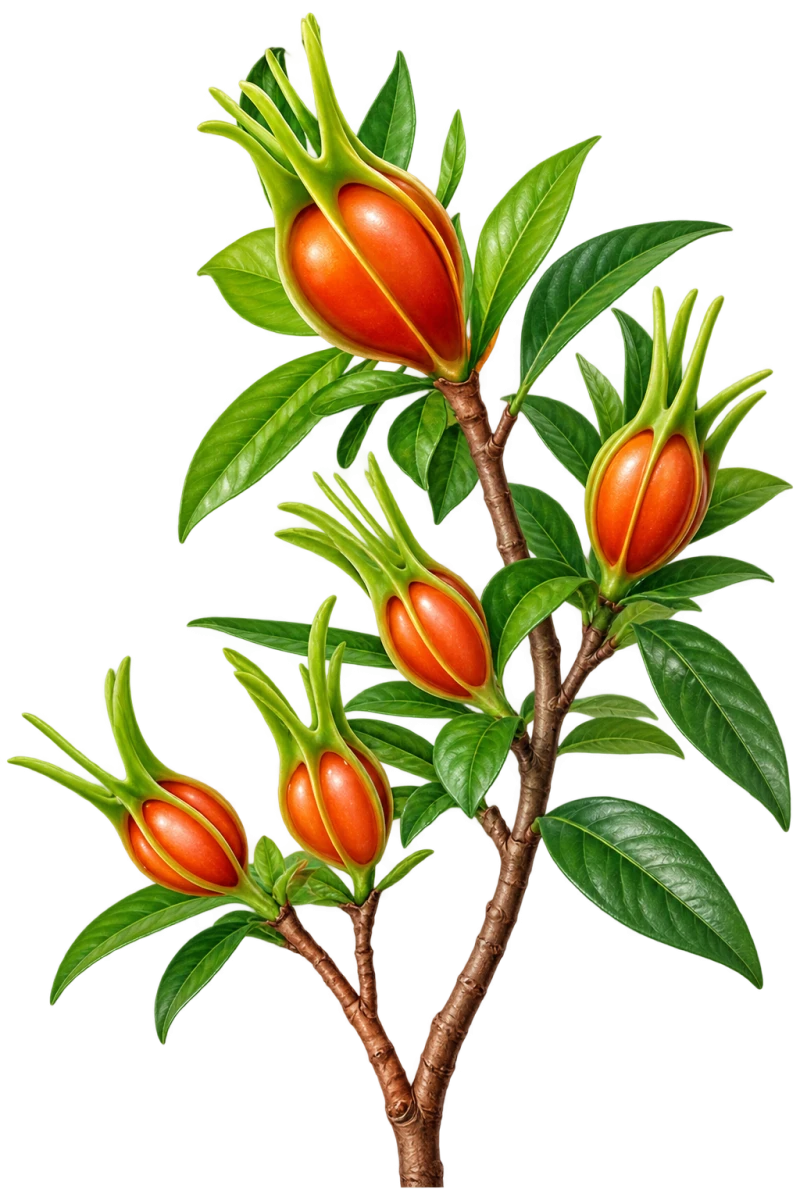
Gardeniae Fructus (Zhi Zi – Cape Jasmine Fruit) is a classical Traditional Chinese Medicine (TCM) herb renowned for its bitter-cold nature and powerful actions to clear heat, drain fire, eliminate irritability, promote urination, cool the blood, and calm the mind. Described in the Shennong Bencao Jing and Compendium of Materia Medica, Zhi Zi is praised as a superior remedy that “purges internal fire and soothes the Heart.” Modern pharmacological studies confirm that its bioactive compounds — geniposide, crocin, and genipin — possess anti-inflammatory, antipyretic, hepatoprotective, choleretic, antioxidant, and antitumor potentials. Clinically, it is used to treat febrile diseases, insomnia due to heat, jaundice, hepatitis, urinary tract infections, hemoptysis, skin inflammation, boils, and bleeding disorders caused by excess heat. The method of preparation determines its therapeutic direction: raw fruit clears heat, lightly stir-fried fruit drains fire, and charred fruit cools blood and stops bleeding. With its harmonizing nature that dispels pathogenic fire while protecting vital energy, Gardenia fruit exemplifies the wisdom of traditional Chinese medicine — balancing the body, calming the mind, and restoring internal peace.
Hu Zhang (Giant Knotweed Rhizome, Cốt khí củ) is the dried rhizome of Reynoutria japonica (syn. Polygonum cuspidatum), a member of the Polygonaceae family. In Traditional Chinese Medicine (TCM), it is valued for its multiple actions: invigorating blood, removing stasis, clearing heat, detoxifying, draining dampness, promoting urination, resolving phlegm, and calming the mind. It is traditionally prescribed for arthralgia, rheumatism, traumatic injuries, hepatitis, jaundice, cough with phlegm due to Lung heat, pharyngitis, skin infections, burns, hemorrhoids, dysentery, and urinary tract inflammation. Modern pharmacological studies reveal that Hu Zhang contains potent bioactive compounds such as resveratrol, polydatin, emodin, quercetin, physcion, and chrysophanol. These contribute to its anti-inflammatory, antioxidant, hepatoprotective, hypoglycemic, hypolipidemic, antibacterial, and antiviral properties. According to the Chinese Pharmacopoeia and WHO monographs, emodin and polydatin are recognized as the official quality markers for standardization. With both ancient wisdom and modern evidence, Hu Zhang (Reynoutria japonica) is considered a promising medicinal herb for the supportive treatment of hepatitis, metabolic disorders, inflammatory joint disease, and chronic oxidative conditions. Its scientific validation continues to expand globally, making Japanese Knotweed Rhizome not only a revered TCM herb but also a subject of modern biomedical interest in the prevention and management of inflammatory and degenerative diseases.
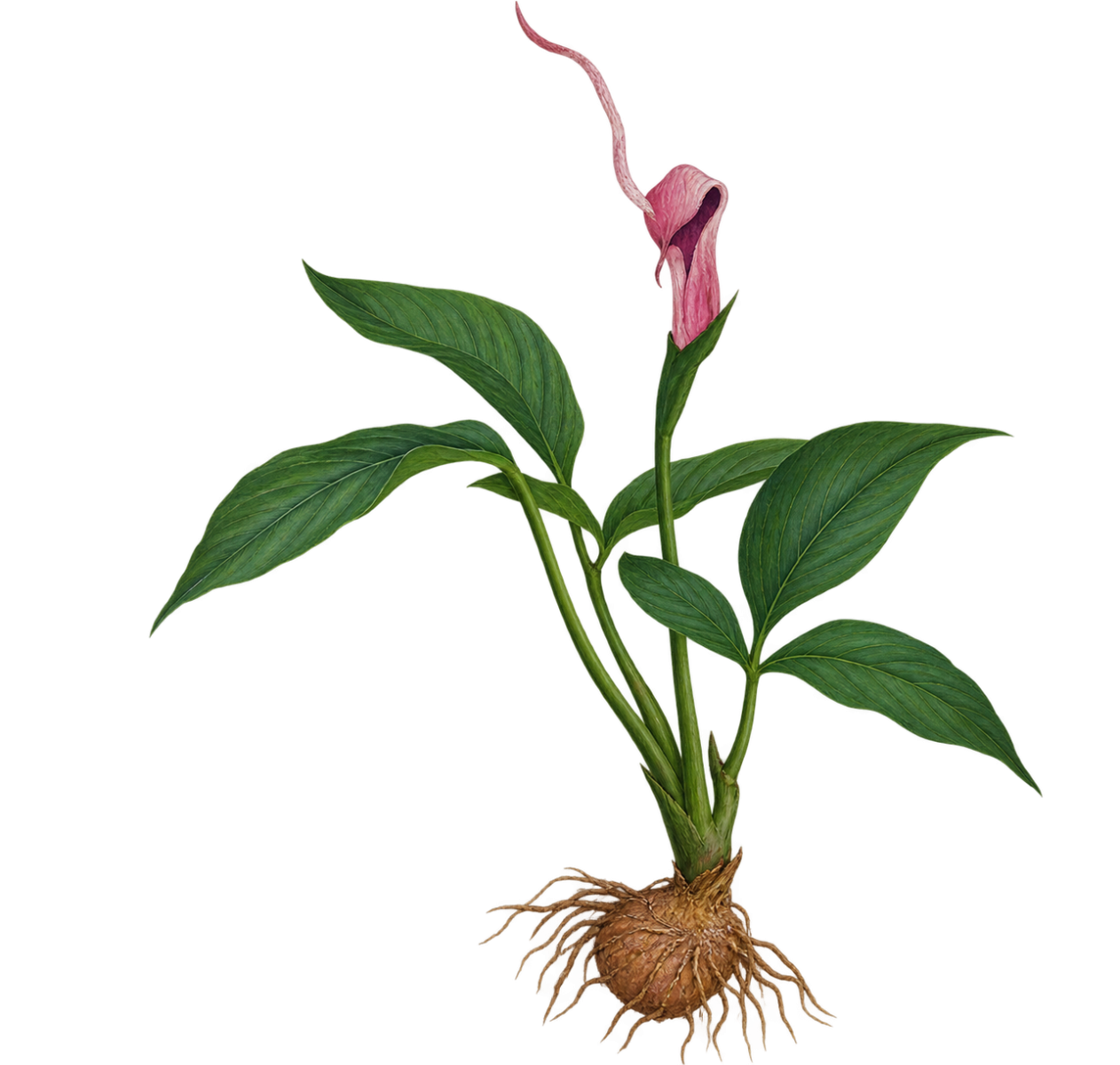
Pinellia Tuber is a traditional medicinal herb used to resolve phlegm, redirect rebellious qi downward, stop vomiting, and disperse nodules. It is commonly prescribed for treating excessive phlegm cough, nausea, chest fullness, and dizziness caused by phlegm retention, while also helping reduce inflammation and swelling.
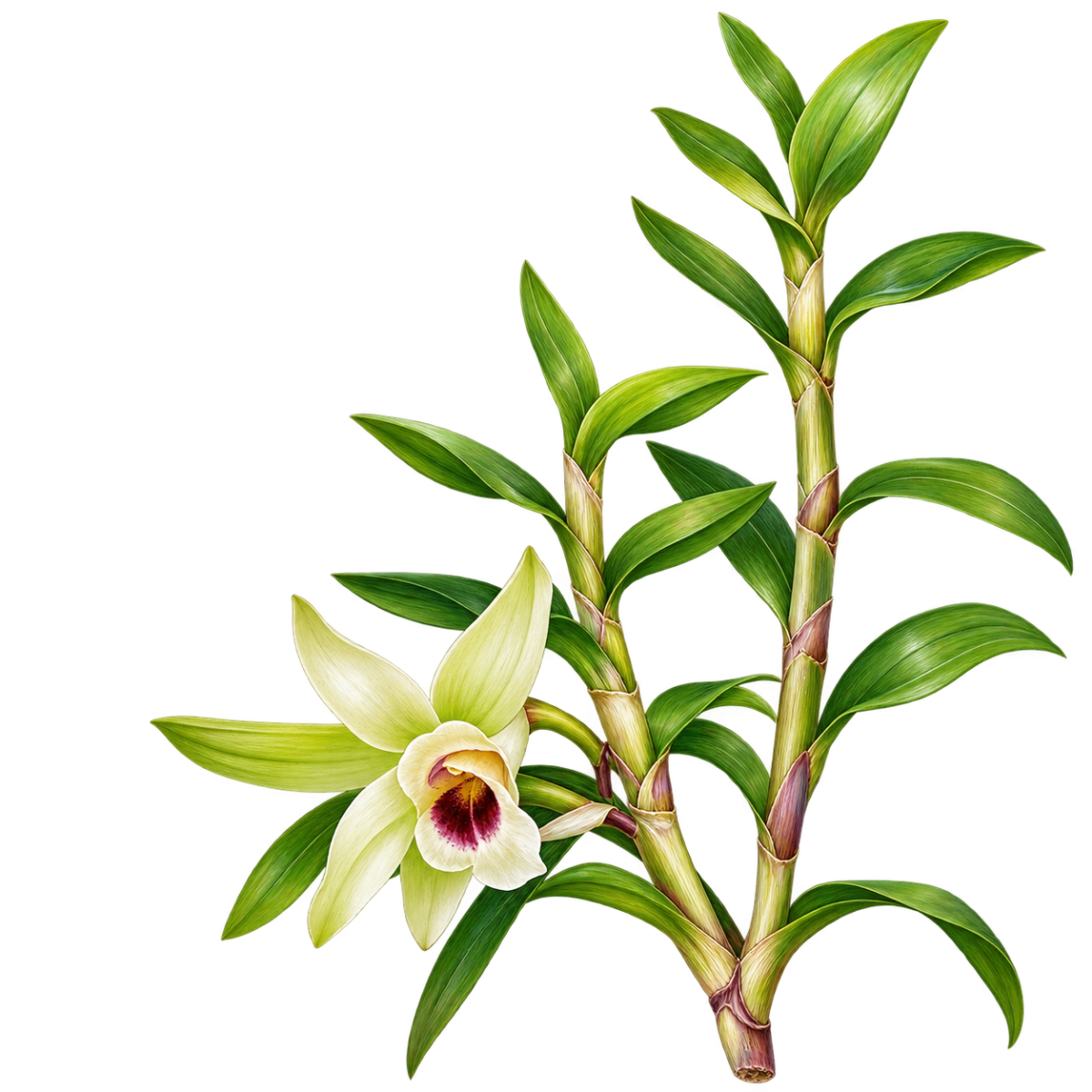
Dendrobium Stem (Dendrobium nobile Lindl., Dendrobii Caulis) is one of the most valued tonic herbs in Traditional Chinese Medicine (TCM), renowned as “Golden Stem Dendrobium” – a superior Yin-nourishing and life-prolonging herb. With its sweet flavor and slightly cold nature, it enters the Lung and Kidney meridians, replenishing Yin fluids, clearing internal heat, tonifying the Stomach, moistening the Lungs, brightening the eyes, strengthening tendons, and enhancing overall vitality. Traditionally, it is used to treat Yin deficiency syndromes such as dry mouth, thirst, low-grade fever, night sweating, internal heat in the bones, post-illness fatigue, impotence, cystitis, blurred vision, dizziness, periodontal inflammation, and dry skin. Chemically, Dendrobium nobile contains valuable bioactive compounds including dendrobine (its main sesquiterpene alkaloid), nobiline, polysaccharides, bibenzyls, phenanthrenes, flavonoids, vitamins, and essential minerals. These substances contribute to its antioxidant, immune-regulating, Yin-restoring, and tissue-rejuvenating effects. The herb is usually prepared by decoction, gentle steaming, or extracted into tonic formulas, with a typical daily dose of 6–15 g dried material. Revered for centuries as a “longevity herb,” Dendrobium Stem nourishes the body, revitalizes energy, enhances skin hydration, and promotes graceful aging — just as ancient physicians said: “Regular use of Shi Hu brings youth to the face and life as enduring as the pine.”
Hoang Lien is a valued herb in Traditional Medicine, well known for its intensely bitter taste, strongly cold nature, and its traditional functions of clearing heat, eliminating dampness, resolving toxicity, and draining fire. In traditional herbal practice, Hoang Lien is commonly used in patterns related to damp-heat, excessive Heart fire, heat toxins, dysentery, diarrhea associated with intestinal inflammation, internal heat, Stomach and Spleen heat, bitter taste in the mouth, epigastric fullness, nausea, vomiting, and certain damp-heat jaundice conditions. In addition, this herb is also recognized for supporting concerns involving the eyes, skin, oral cavity, sore throat, ulcerative lesions, urticaria, eczema, fungal skin conditions, and exudative skin problems. One of the most notable compounds in Hoang Lien is berberine, together with several other alkaloids, making this herb highly relevant in searches related to heat-clearing herbs, digestive support, detoxifying traditional remedies, and classical herbal applications. However, because Hoang Lien is strongly cold in nature, it should be used with appropriate dosage, suitable body constitution, and caution in cases of Spleen-Stomach deficiency cold, yin deficiency, pregnancy, newborns, or people taking concurrent medications. If you are researching Hoang Lien benefits, traditional uses of Hoang Lien, and important precautions before use, this is an herb that should be understood carefully and applied with proper professional guidance.
Sophora Flower (Huai Hua, Sophorae Flos) is a well-known medicinal herb in Traditional Medicine, valued for its slightly bitter taste, aromatic nature, and cooling properties. Traditionally associated with the Liver, Gallbladder, and Large Intestine meridians, Sophora Flower has long been used in herbal practice for clearing heat, cooling the blood, supporting hemostasis, and helping restore balance in heat-related conditions. In traditional use, it is often referenced in formulas for hemorrhoids, blood in the stool, nosebleeds, hypertension, red or irritated eyes, headache, dizziness, and symptoms linked to excess internal heat. It is also noted in herbal literature for its supportive role in digestive health, circulation, and antioxidant activity. Beyond its traditional uses, Sophora Flower remains a highly searched herb among readers interested in Traditional Chinese Medicine, natural herbal support, heat-clearing herbs, and botanical wellness solutions. It is commonly prepared as a decoction or infusion under proper guidance, making it a practical choice for those exploring time-honored herbal traditions. For consumers, practitioners, and wellness-focused readers looking for authentic information on Sophora Flower benefits, uses, and traditional indications, this herb stands out as a valuable botanical with enduring relevance. Choosing quality raw material, storing it properly, and using it according to appropriate dosage are essential for preserving its traditional therapeutic value.