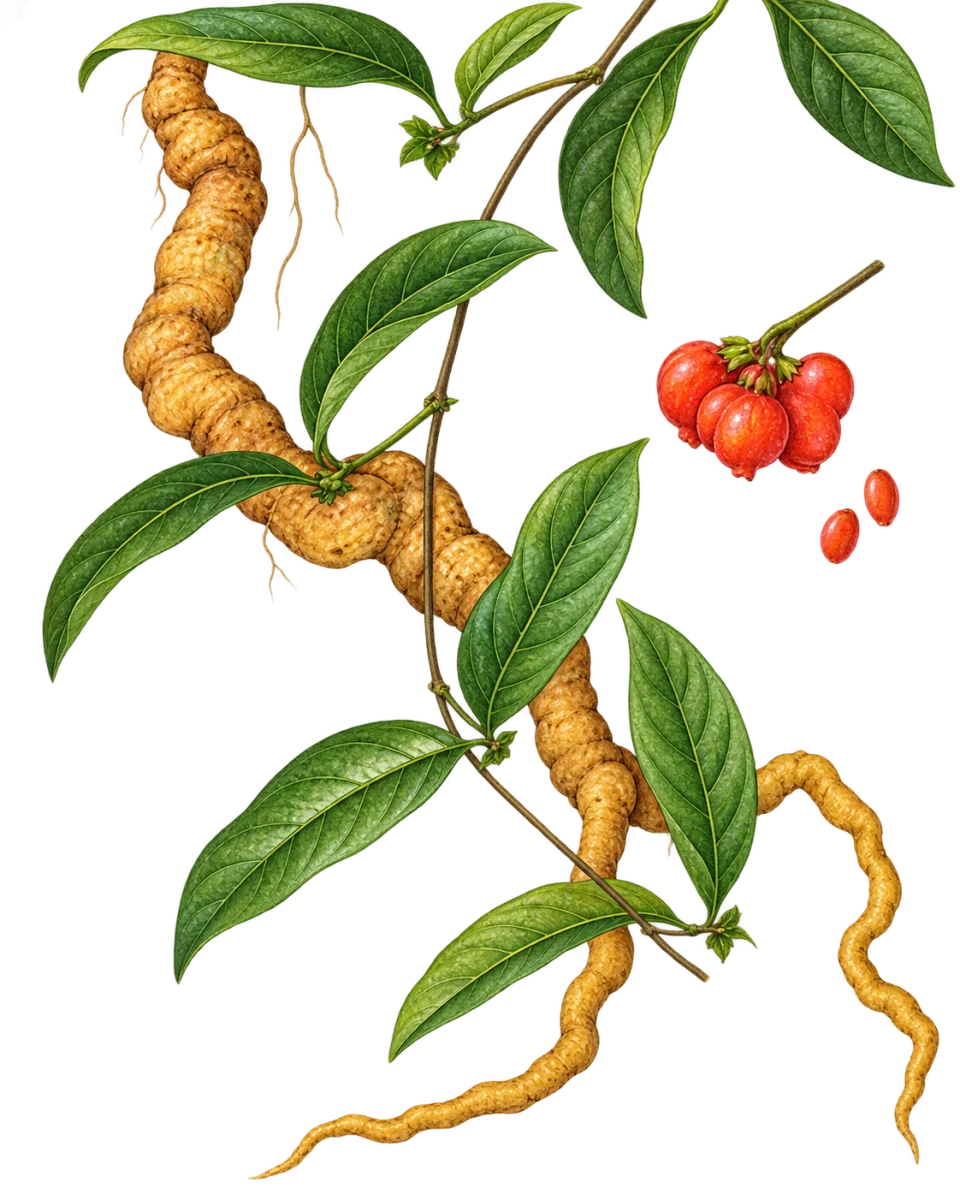
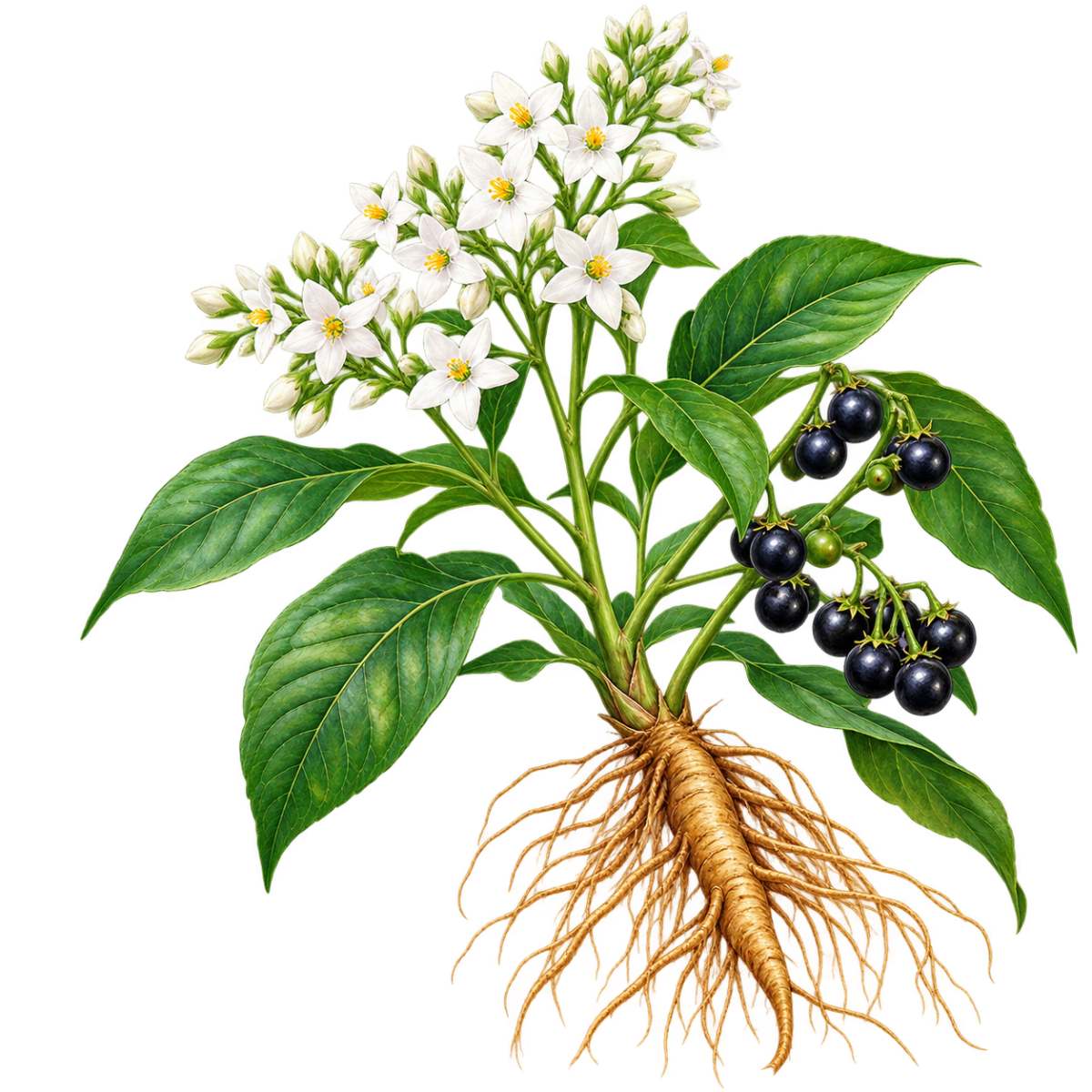
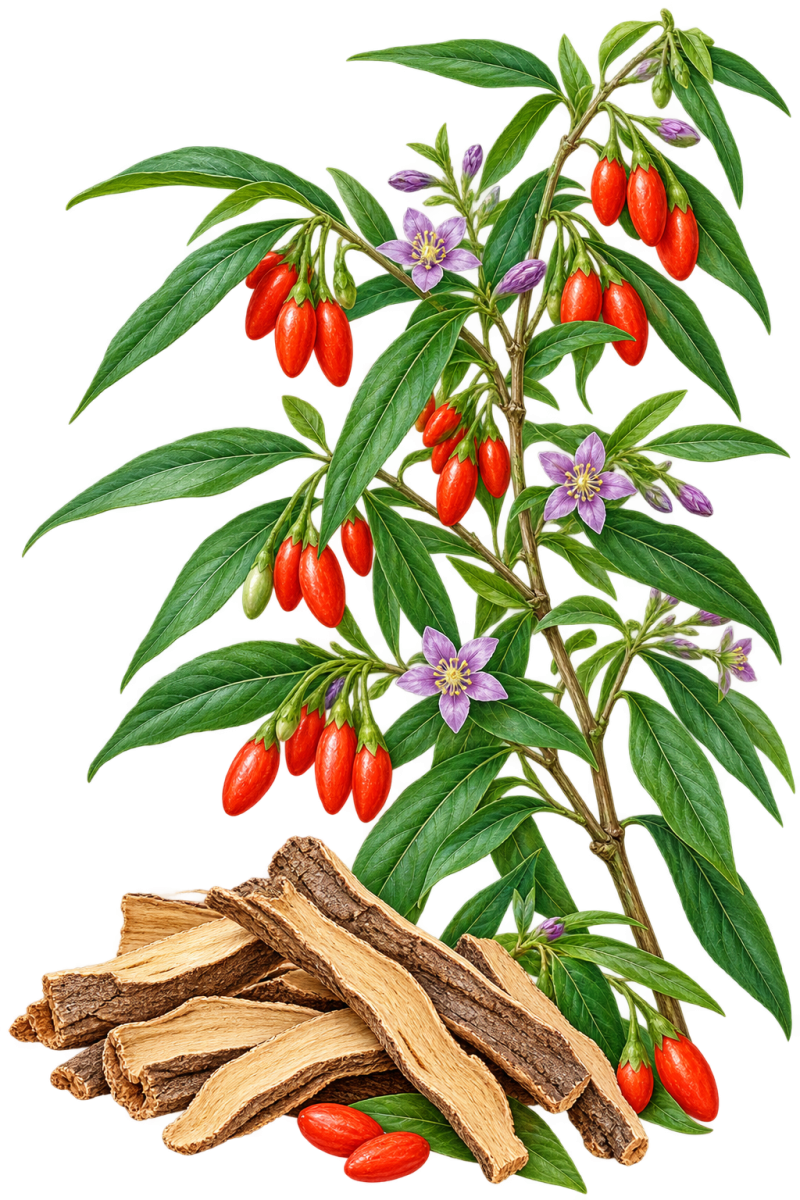
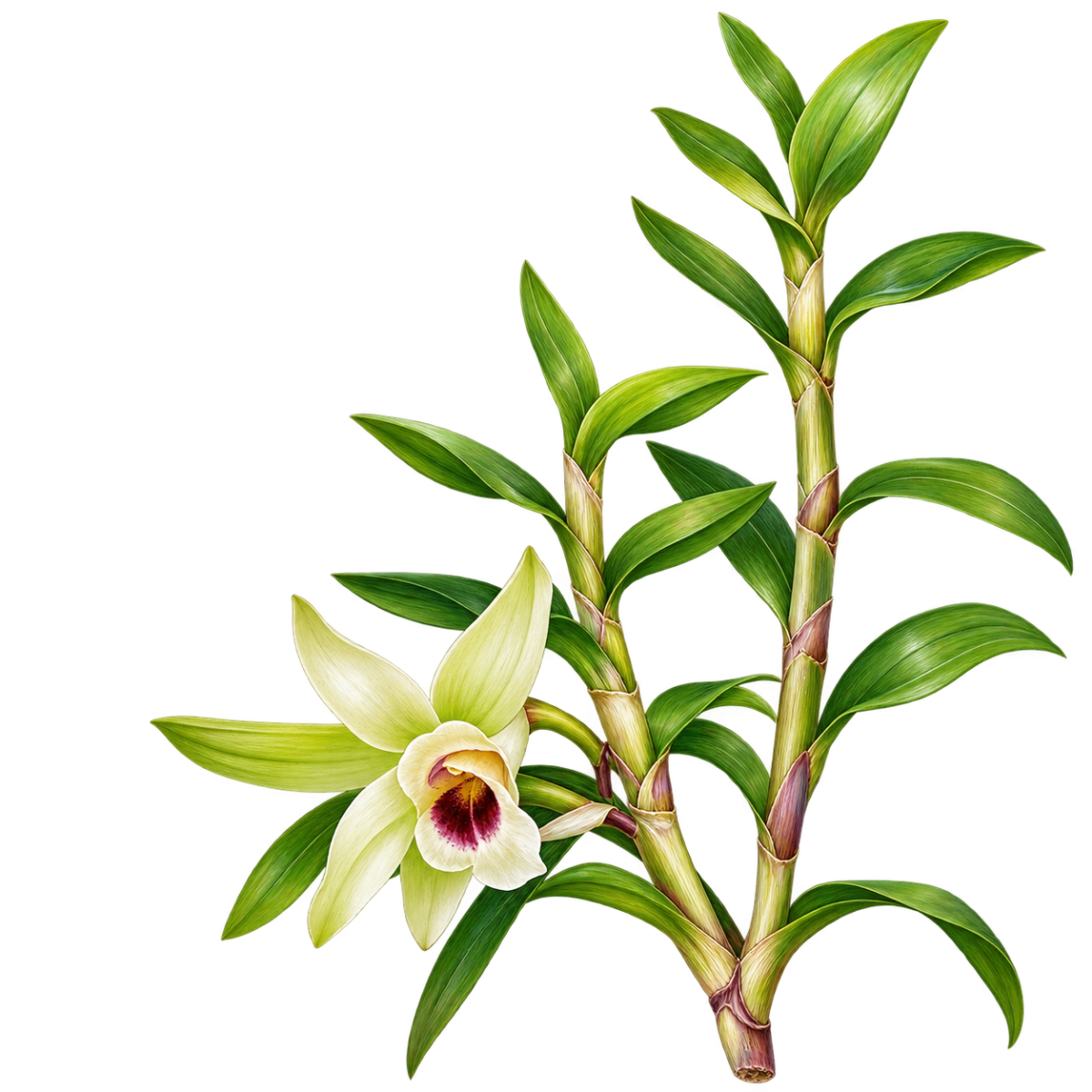
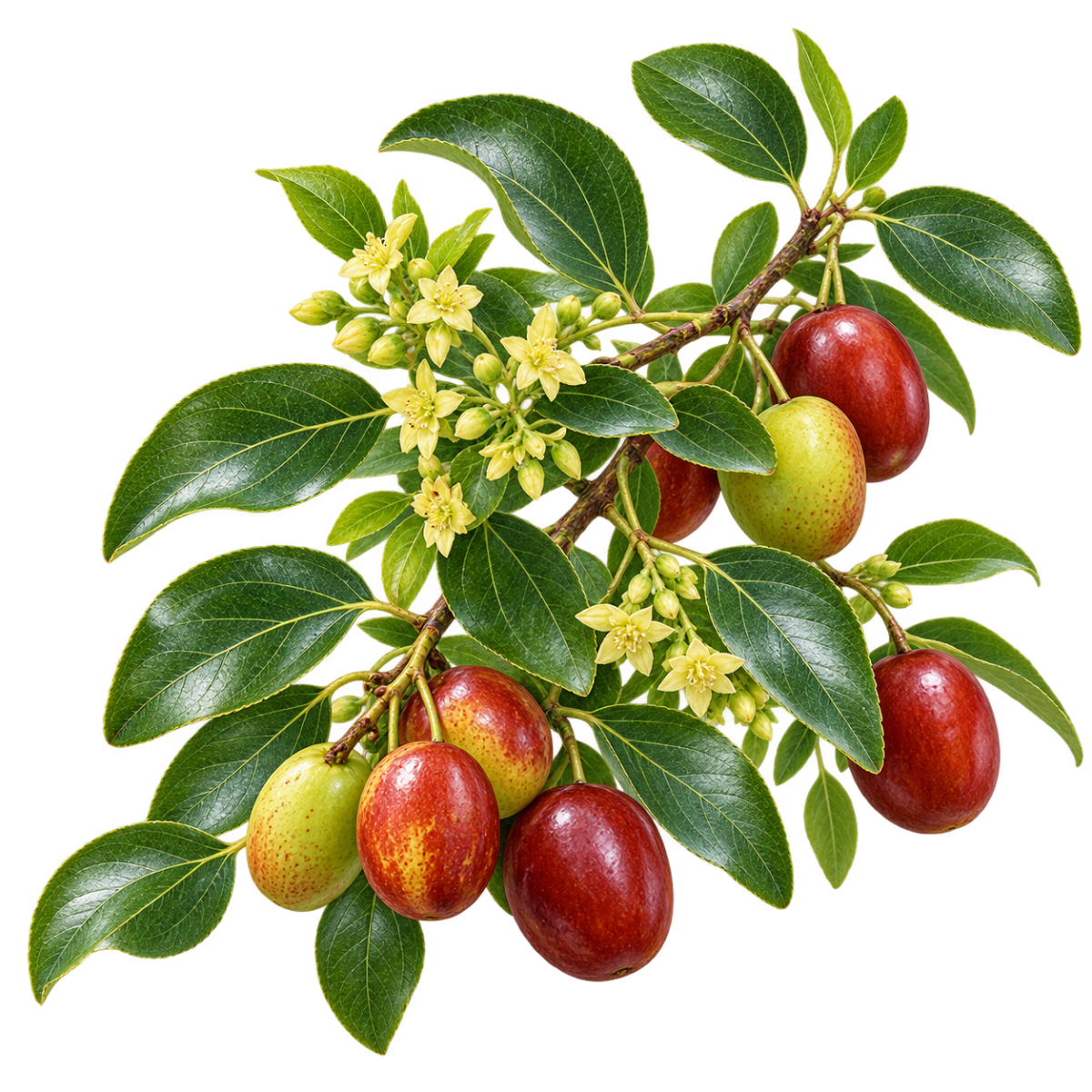
Morinda officinalis (Ba Ji Tian) is a renowned Kidney-Yang tonic used in Traditional Chinese Medicine to strengthen the sinews and bones, enhance vitality, regulate hormones, and improve reproductive health in both men and women. It also supports circulation, reduces inflammation, boosts immunity, increases endurance, and promotes restorative sleep. Entering the Liver and Kidney meridians, this herb is traditionally applied for lower-back weakness, erectile dysfunction, cold-womb infertility, wind-damp numbness, and chronic fatigue.
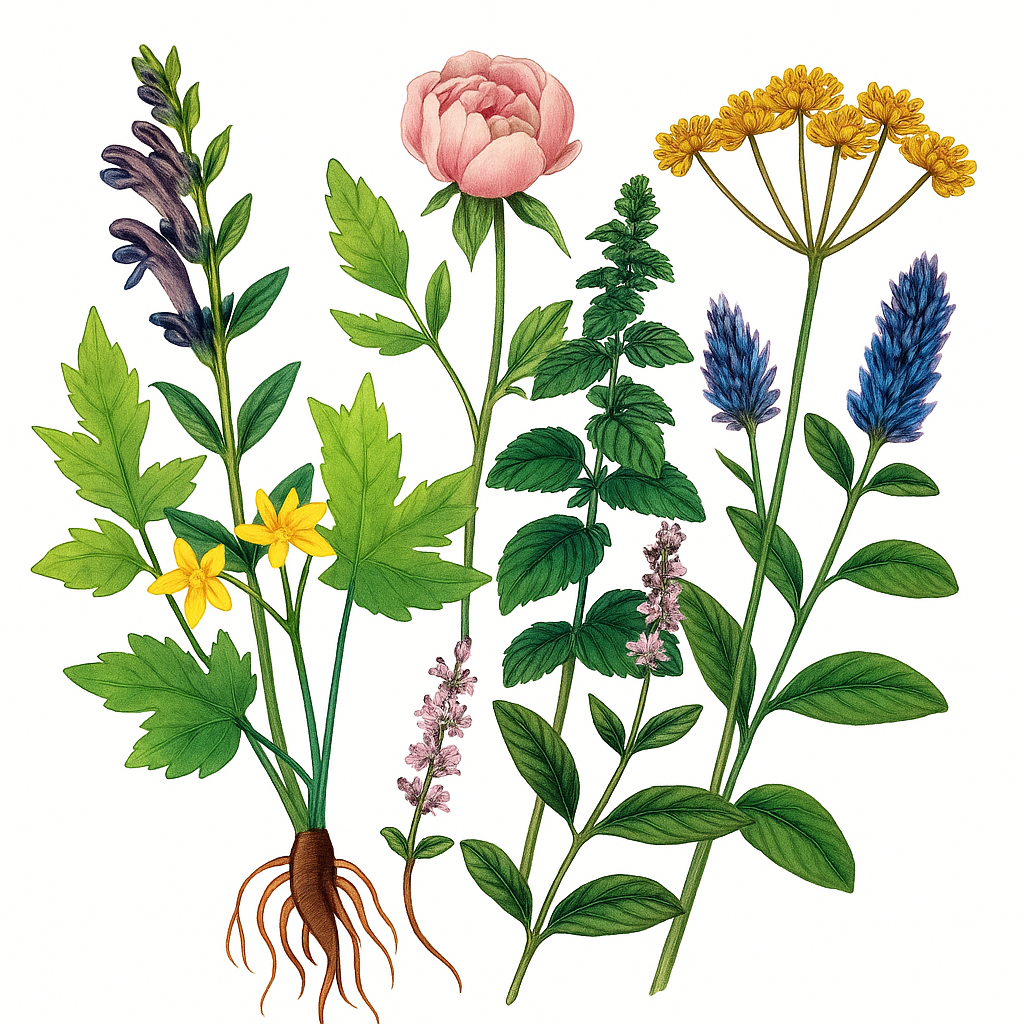
Bo He (Menthae Haplocalycis Herba), commonly known as Field Mint, is a classical herb in Traditional Chinese Medicine known for its pungent, cooling nature and its actions on the Lung, Liver, and Gallbladder meridians. Widely used in Wind-Heat exterior syndromes, it helps clear Heat from the head and face, relieve headaches, soothe sore throat, open the nasal passages, promote sweating, and support natural fever reduction. Beyond respiratory benefits, Bo He also improves digestion by relaxing smooth muscles, reducing gastrointestinal spasms, relieving bloating, nausea, and supporting bile secretion. Modern studies highlight its antibacterial, antiviral, and antifungal properties. The herb also soothes Liver Qi stagnation, reduces stress, brightens the eyes, enhances mental clarity, and boosts alertness. Rich in menthol, its essential oil provides cooling analgesia, reduces neuropathic and muscular pain, and improves scalp microcirculation, supporting hair growth. Despite its many benefits, Bo He is contraindicated for individuals with Qi Deficiency, Yang Deficiency Cold (Xu Han), spontaneous sweating, hyperactive Liver Yang, and should not be used topically for infants due to the risk of respiratory suppression. This article presents a complete overview of Bo He's therapeutic actions, properties, chemical constituents, dosage, and safety considerations based on both TCM principles and modern research.
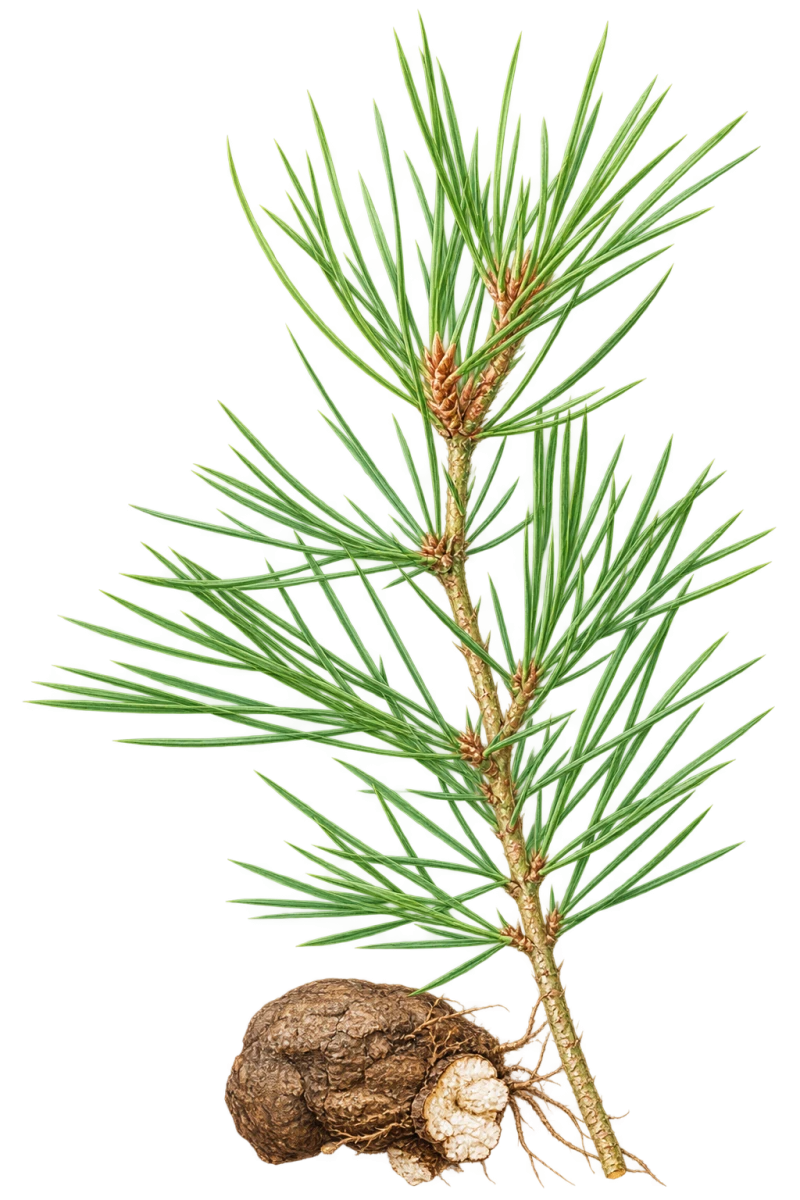
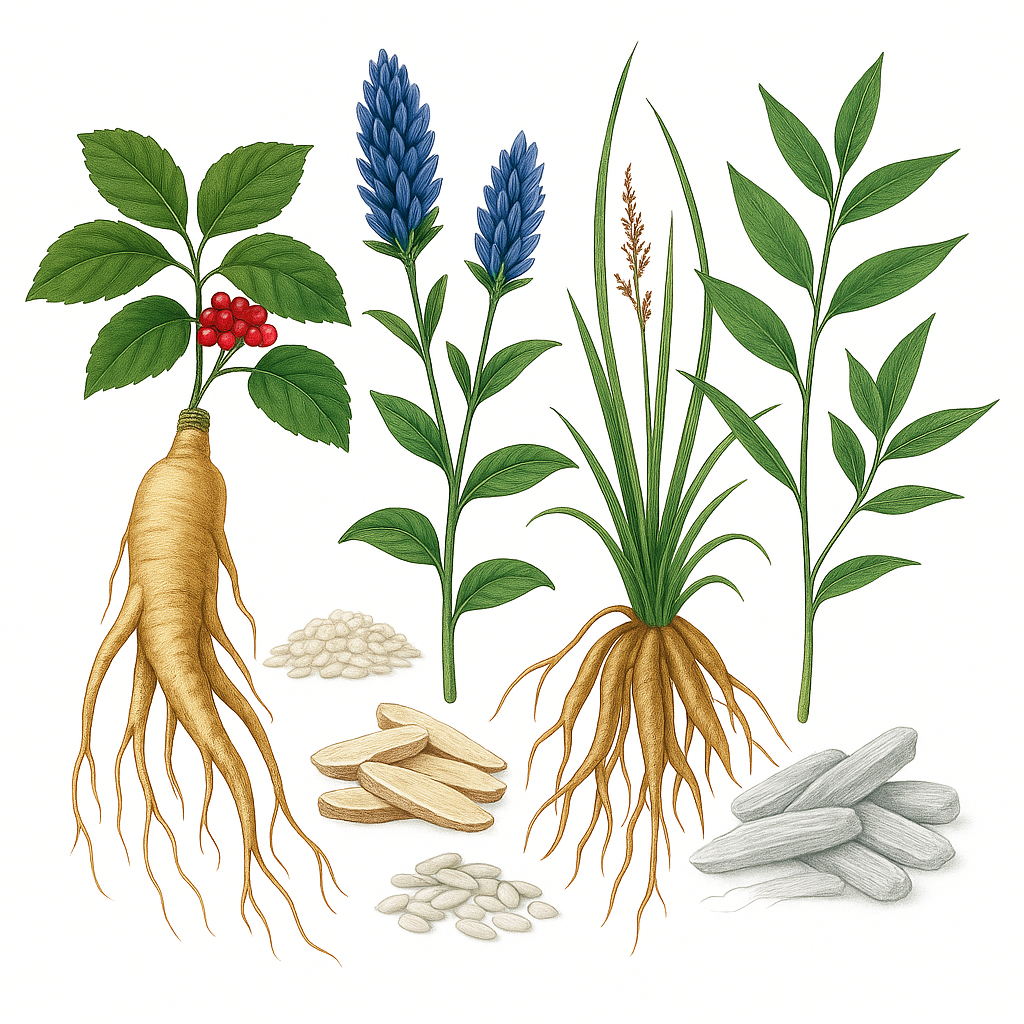
Poria cocos (Fu Ling, Indian Bread) is a renowned Traditional Chinese Medicine (TCM) herb valued for its diuretic, spleen-tonifying, and tranquilizing properties. Belonging to the Polyporaceae family, Poria cocos is the dried sclerotium of a fungus that parasitizes pine roots. Sweet and neutral in nature, it enters the Heart, Spleen, Lung, and Kidney meridians, helping to regulate Qi and Blood, harmonize Yin and Yang, and restore vitality. Modern pharmacological research shows that Poria contains polysaccharides, triterpenoids, and sterols with proven effects on enhancing immunity, lowering blood sugar, protecting the liver, improving memory, and inhibiting tumor growth. In skincare, it promotes a brighter, smoother complexion, reduces hyperpigmentation, delays aging, and supports longevity. Historically favored by Empress Dowager Cixi and poet Su Dongpo, Fu Ling is regarded as an elixir for health, beauty, and longevity. As a holistic remedy, Poria cocos purifies the body, nourishes the spirit, strengthens internal organs, and promotes harmony between mind and body — making it an essential herb in modern wellness and traditional Asian healing.
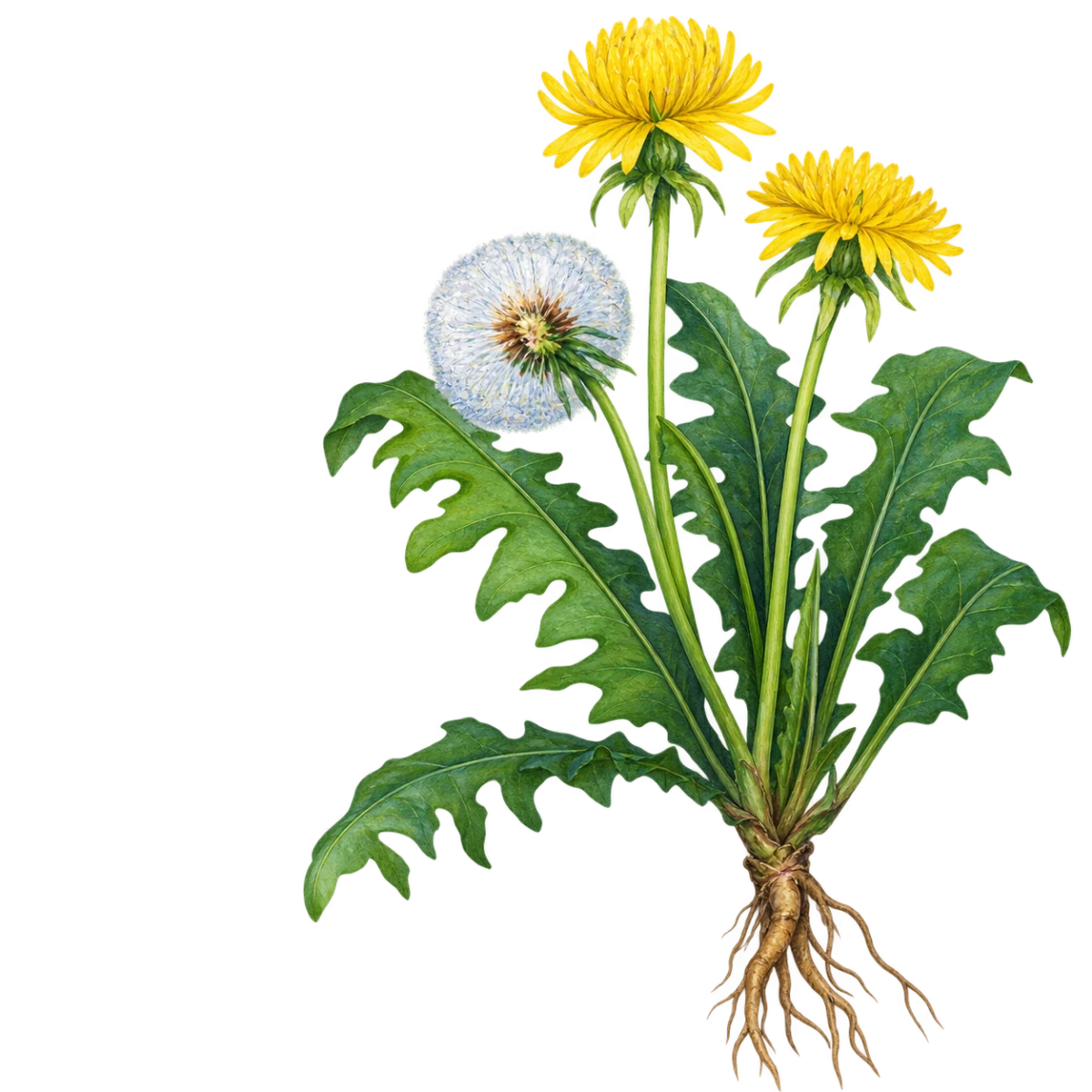
Dandelion (Pu Gong Ying – Taraxacum mongolicum) is a precious traditional Chinese medicinal herb renowned for its actions in clearing heat and toxins, resolving inflammation and abscesses, promoting urination, and protecting the liver. With a sweet–bitter taste and cold nature, it enters the Liver and Stomach meridians, known as a principal herb for treating “heat toxins and suppurative swellings.” Rich in active compounds such as taraxasterol, luteolin, inulin, and β-sitosterol, together with vitamins A, C, and E, Dandelion exhibits strong antioxidant, anti-inflammatory, immunomodulatory, lipid- and glucose-regulating properties. Clinically, it is widely applied to manage mastitis, blocked lactation, boils, abscesses, hepatitis, gallstones, urinary tract infection, mild hypertension, pharyngitis, bronchitis, eczema, and dermatitis, as well as to support cancer therapy, diabetes, and obesity management. Beyond its medicinal value, Herba Taraxaci is also consumed as a nutritious food and herbal tea, promoting detoxification, liver protection, and gentle sedation for better sleep. Combining classical Eastern medical wisdom with modern pharmacological evidence, Dandelion today stands as a comprehensive natural remedy and functional food that supports holistic wellness and chronic disease prevention in modern lifestyles.
Licorice Root (甘草, Gān Cǎo) – Glycyrrhizae Radix et Rhizoma – refers to the root and rhizome of Glycyrrhiza uralensis, G. glabra, or G. inflata from the Fabaceae family. In Traditional Chinese Medicine, Licorice is honored as the “National Elder”, the harmonizing herb that balances hot and cold properties of other medicinals. Sweet in taste and neutral in nature, it enters the Spleen, Stomach, Heart, Liver, and Lung meridians, promoting Qi replenishment, detoxification, cough relief, and internal balance. Modern pharmacological studies reveal that compounds such as glycyrrhizin, glabridin, and liquiritin possess anti-inflammatory, antimicrobial, hepatoprotective, immunoregulatory, and antioxidant activities. Licorice Root is widely used in formulas for treating coughs, sore throat, gastritis, fatigue, endocrine imbalance, and skin disorders. However, excessive or prolonged use may cause hypertension and hypokalemia due to mineralocorticoid-like effects. As both a medicine and a harmonizing agent, Gān Cǎo remains an indispensable herb bridging the wisdom of traditional healing and modern therapeutic science.
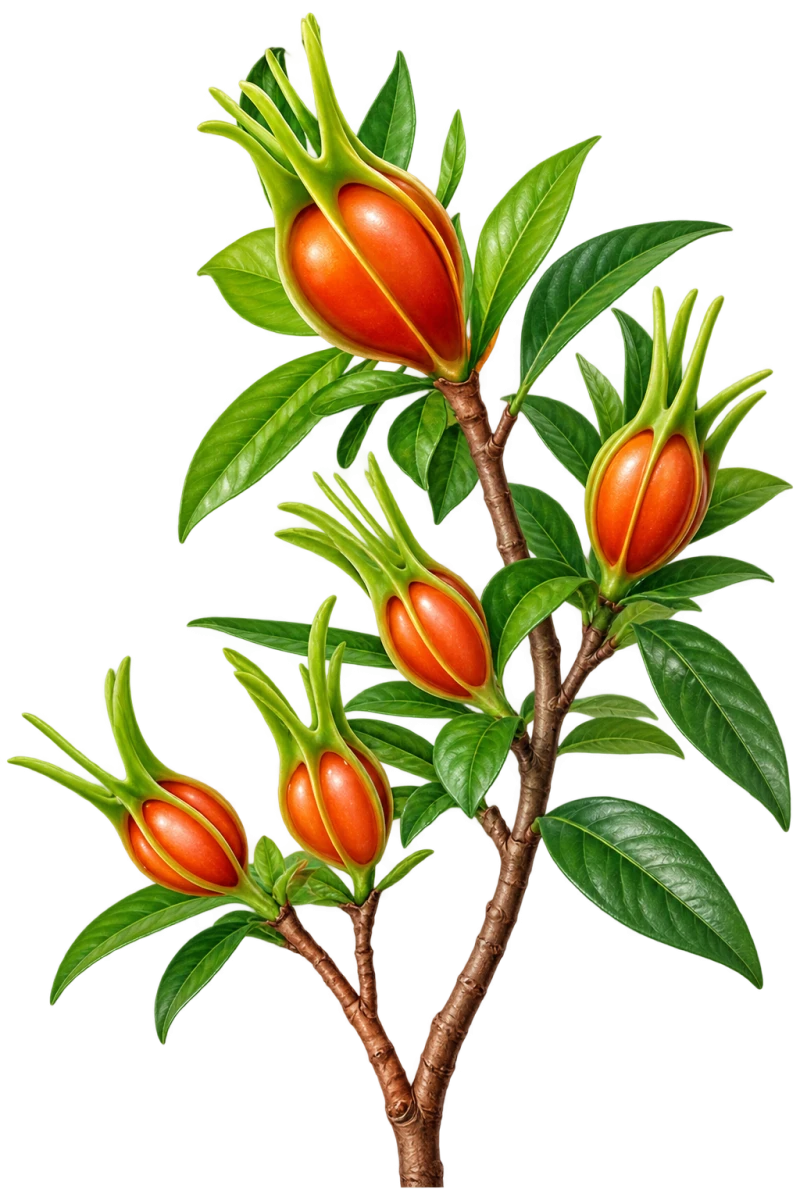
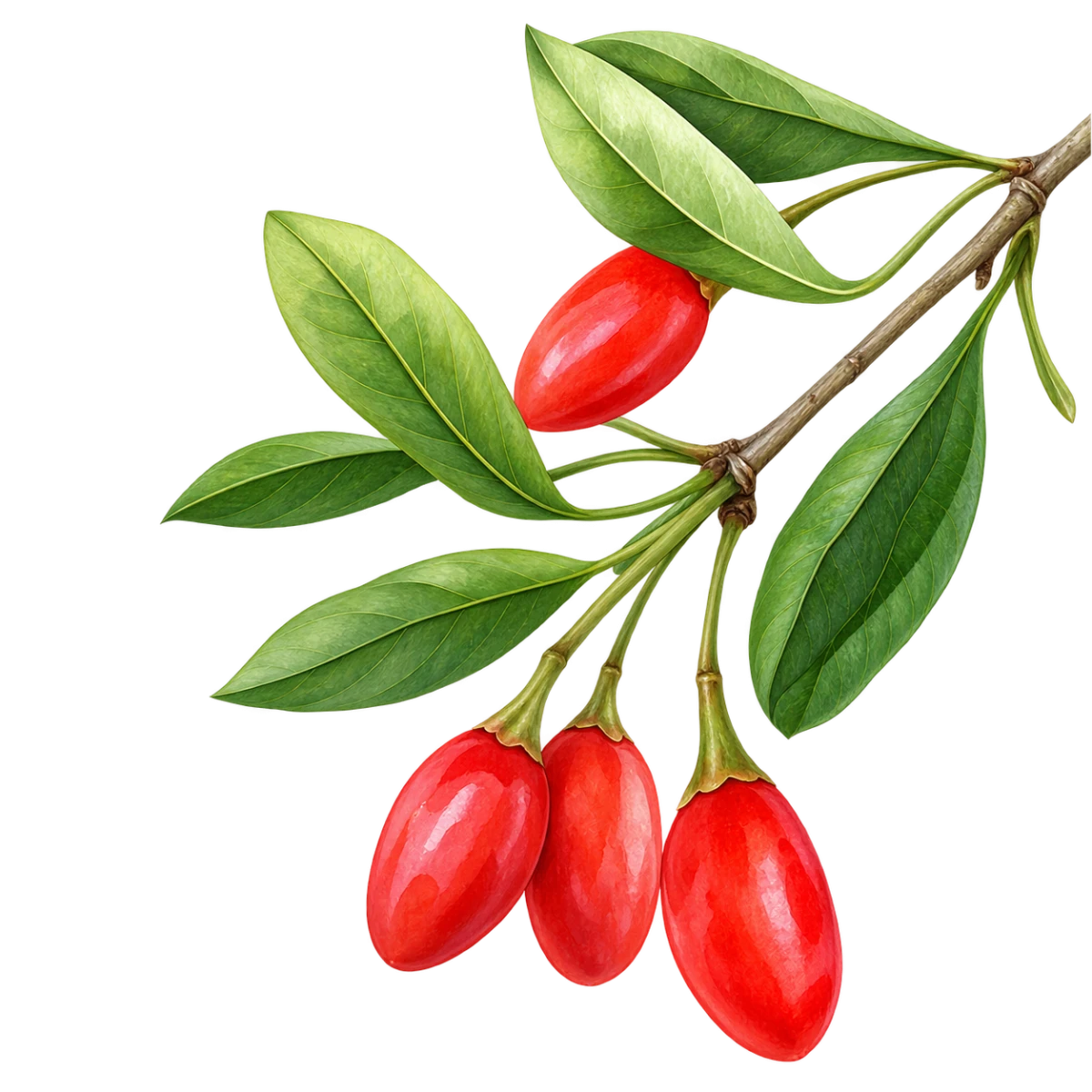
Gardeniae Fructus (Zhi Zi – Cape Jasmine Fruit) is a classical Traditional Chinese Medicine (TCM) herb renowned for its bitter-cold nature and powerful actions to clear heat, drain fire, eliminate irritability, promote urination, cool the blood, and calm the mind. Described in the Shennong Bencao Jing and Compendium of Materia Medica, Zhi Zi is praised as a superior remedy that “purges internal fire and soothes the Heart.” Modern pharmacological studies confirm that its bioactive compounds — geniposide, crocin, and genipin — possess anti-inflammatory, antipyretic, hepatoprotective, choleretic, antioxidant, and antitumor potentials. Clinically, it is used to treat febrile diseases, insomnia due to heat, jaundice, hepatitis, urinary tract infections, hemoptysis, skin inflammation, boils, and bleeding disorders caused by excess heat. The method of preparation determines its therapeutic direction: raw fruit clears heat, lightly stir-fried fruit drains fire, and charred fruit cools blood and stops bleeding. With its harmonizing nature that dispels pathogenic fire while protecting vital energy, Gardenia fruit exemplifies the wisdom of traditional Chinese medicine — balancing the body, calming the mind, and restoring internal peace.
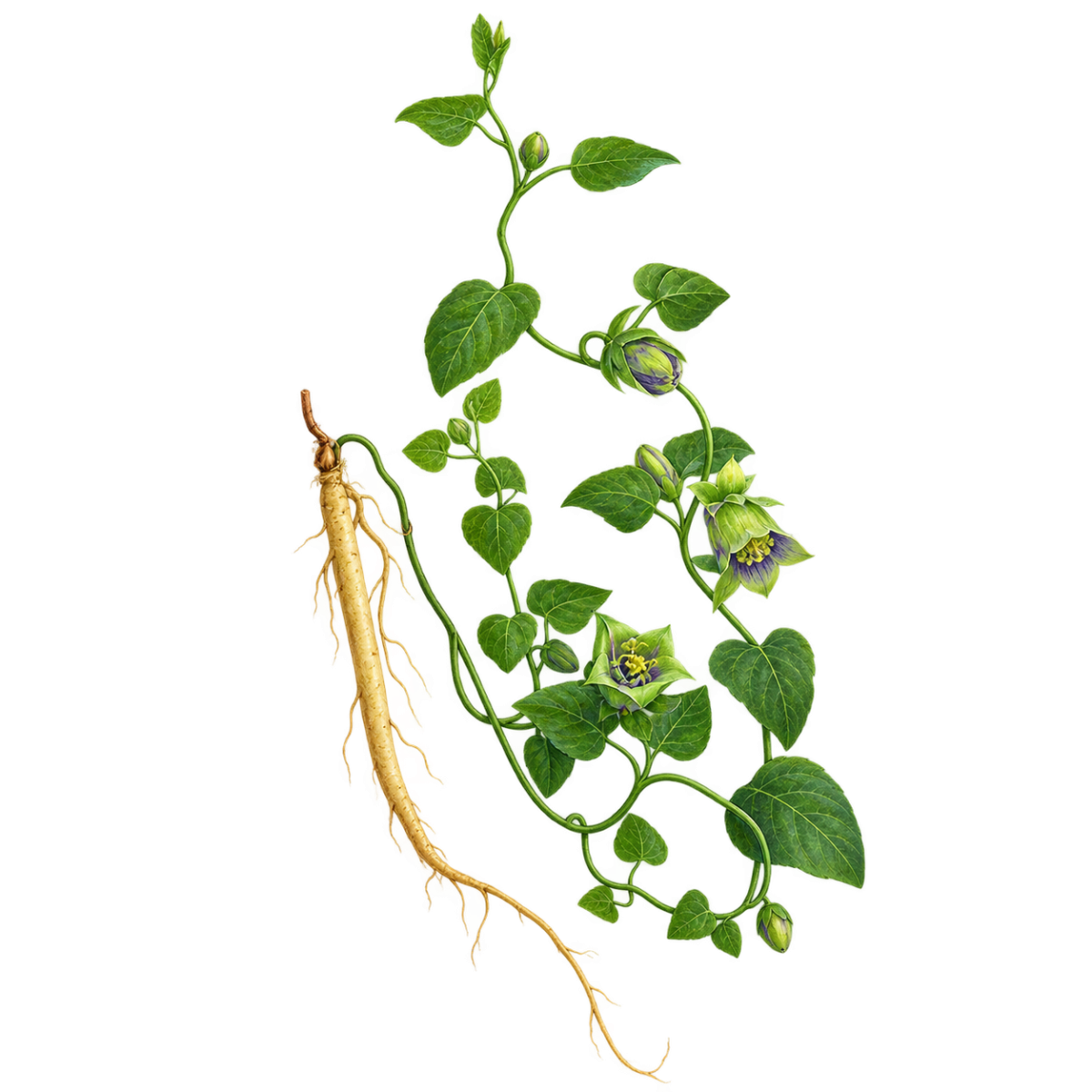
Codonopsis pilosula (Dang Shen), commonly known as Tangshen or Poor Man’s Ginseng, is one of the most valued tonic herbs in Traditional Chinese Medicine (TCM). Belonging to the Campanulaceae (Bellflower) family, this sweet and neutral herb primarily nourishes the Lung and Spleen meridians. It is traditionally used to tonify Qi, strengthen the Spleen, generate body fluids, and nourish the Blood—making it a key remedy for fatigue, poor appetite, general weakness, chronic cough, and digestive insufficiency. The root of Codonopsis pilosula contains a diverse range of bioactive compounds, including sugars (Sucrose, Glucose, Fructose, Inulin), alkaloids, glycosides such as Scutellarein glucoside and Syringin, as well as saponins (Tangshen side I) and choline. Modern pharmacological studies have demonstrated its efficacy in enhancing immunity, improving cardiac contractility, regulating blood pressure, relieving fatigue, protecting the gastric mucosa, and exerting anti-inflammatory and antibacterial effects. It also supports hematopoiesis, improves mental clarity, and enhances physical endurance. Owing to its gentle tonic nature, Dang Shen is widely regarded as a safer and more affordable alternative to Panax ginseng in clinical and home herbal formulations. This article provides an in-depth exploration of the botanical characteristics, chemical composition, therapeutic properties, dosage guidelines, contraindications, and modern pharmacological findings surrounding Codonopsis pilosula, offering a bridge between classical TCM wisdom and contemporary scientific research.
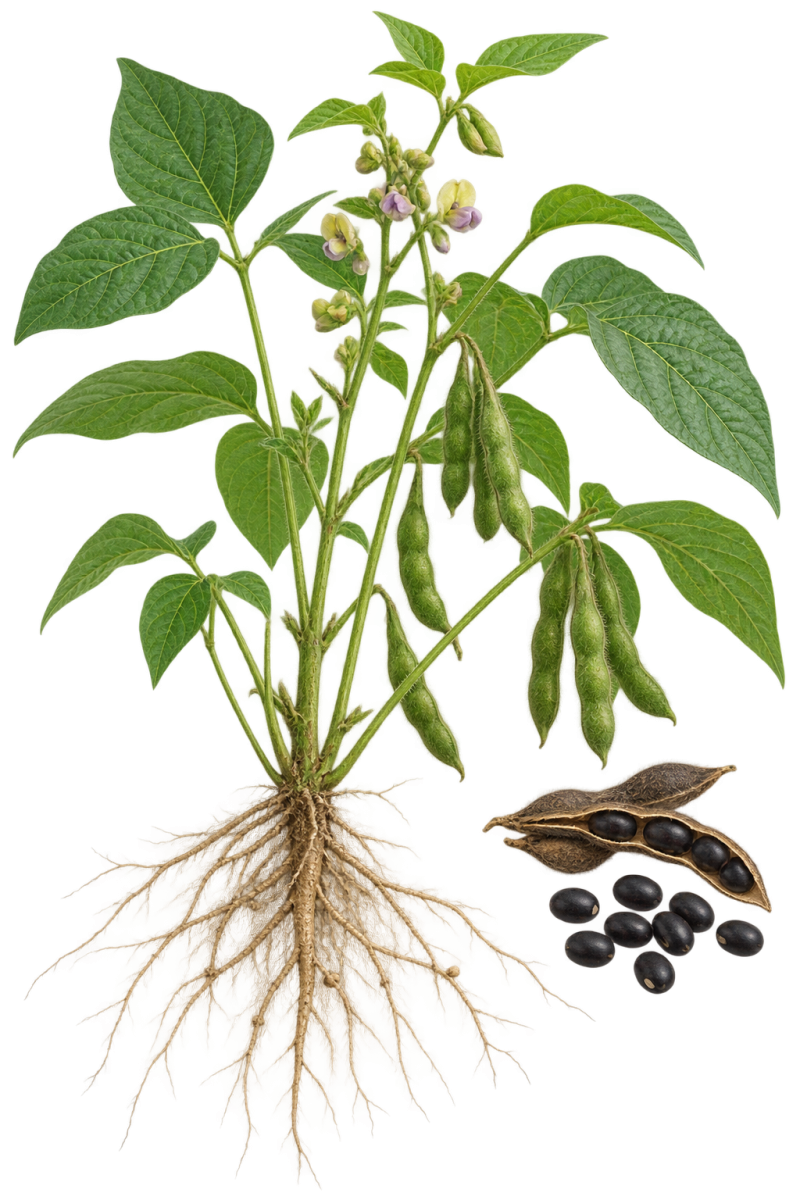
Black Bean (Hei Dou – 黑豆) is a revered medicinal herb in Traditional Chinese Medicine (TCM), belonging to the Fabaceae family. Sweet in flavor and neutral in nature, it enters the Kidney and Liver meridians, nourishing the blood, detoxifying the body, promoting urination, and darkening the hair. Among its varieties, the green-kernel black bean is considered the most medicinally valuable, slightly cold in nature, helping to clear heat, nourish Yin, eliminate dampness, and replenish Kidney essence. According to the Compendium of Materia Medica (Ben Cao Gang Mu), black beans “eliminate toxins, tonify the Liver and Kidneys, and invigorate blood circulation.” In folk medicine, they are often cooked with Polygonum multiflorum (He Shou Wu) to nourish blood and darken the hair, or simmered with salt to enhance vitality and slow aging. Roasted black bean tea is also valued for detoxifying the liver, balancing blood pressure, and improving metabolism. Modern pharmacological studies show that black bean seed coats are rich in anthocyanidins and flavonoids, potent antioxidants that protect the liver, cardiovascular system, and skin. However, individuals with Yang deficiency or cold constitution, or those taking Qi-tonifying herbs such as Panax ginseng or Codonopsis pilosula, should avoid simultaneous use, as black beans may reduce their efficacy. Simple yet profound, the black bean stands as both a nourishing food and a pure herbal tonic, honored in TCM for centuries as a gentle ally in health and longevity.
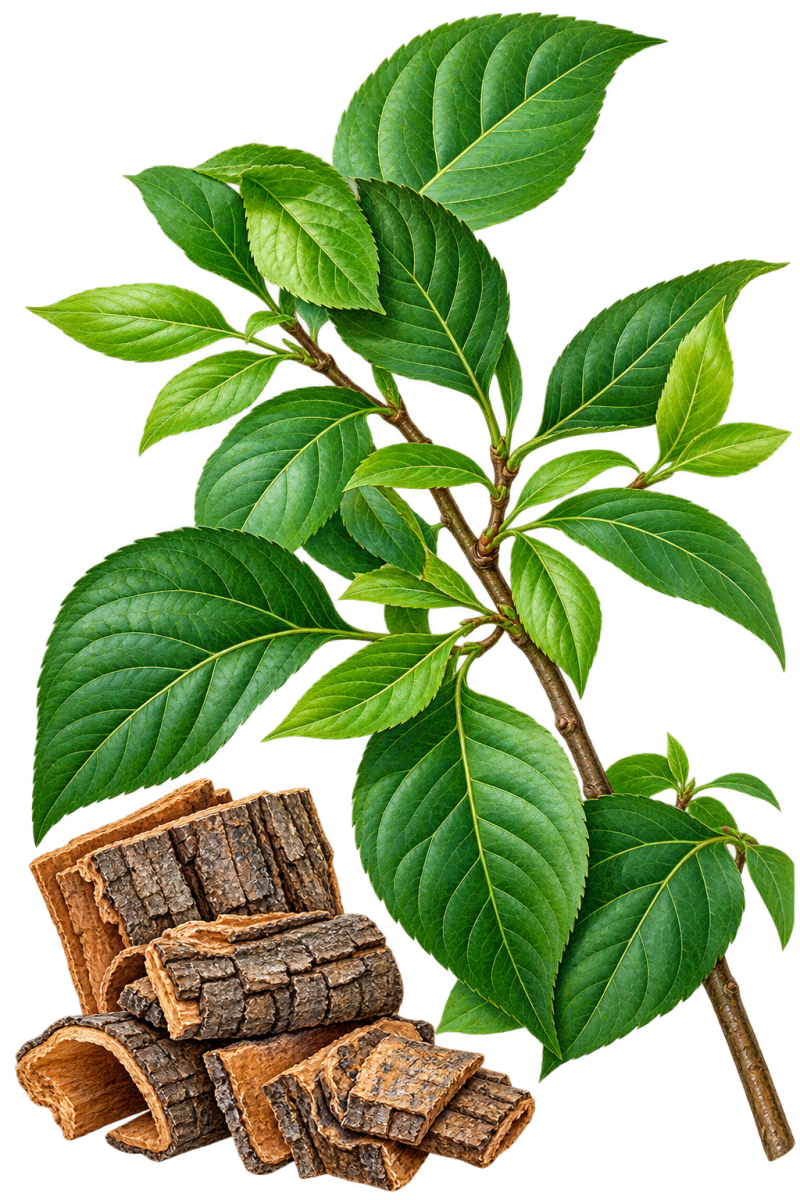
Du Zhong (Eucommia Bark) is one of the most important traditional Chinese medicinal herbs, well-known for its powerful ability to tonify the Liver and Kidneys, strengthen bones and tendons, and support pregnancy. The bark of Eucommia ulmoides is rich in bioactive compounds such as alkaloids, triterpenoids, saponins, flavonoids, vitamins, and essential minerals, giving it a wide range of therapeutic benefits. Du Zhong is commonly used in formulas that treat lower back pain, weak knees, joint degeneration, osteoporosis, as well as nocturnal emission, impotence, and frequent urination caused by Kidney deficiency. In gynecology and obstetrics, Du Zhong is highly valued for its ability to stabilize pregnancy, prevent miscarriage, and strengthen the overall condition of pregnant women. The herb also helps lower blood pressure, reduce cholesterol, and promote vasodilation, making it beneficial for cardiovascular health. Thanks to its anti-inflammatory and strong antioxidant effects, Du Zhong enhances immune function, protects nerve cells, regulates blood sugar, and supports lipid metabolism—making it suitable for individuals at risk of diabetes or metabolic disorders. Modern research further shows that Eucommia leaves offer similar medicinal effects to the bark, providing a more convenient alternative. Du Zhong can be used in various forms such as decoction, medicinal wine, powder, or herbal extract, making it versatile for different wellness needs. Although generally safe, it should be used with caution in individuals with yin deficiency heat or latex allergies. With its wide-ranging therapeutic properties, Du Zhong has become a highly valued herb for supporting bone health, reproductive health, cardiovascular function, and immunity.
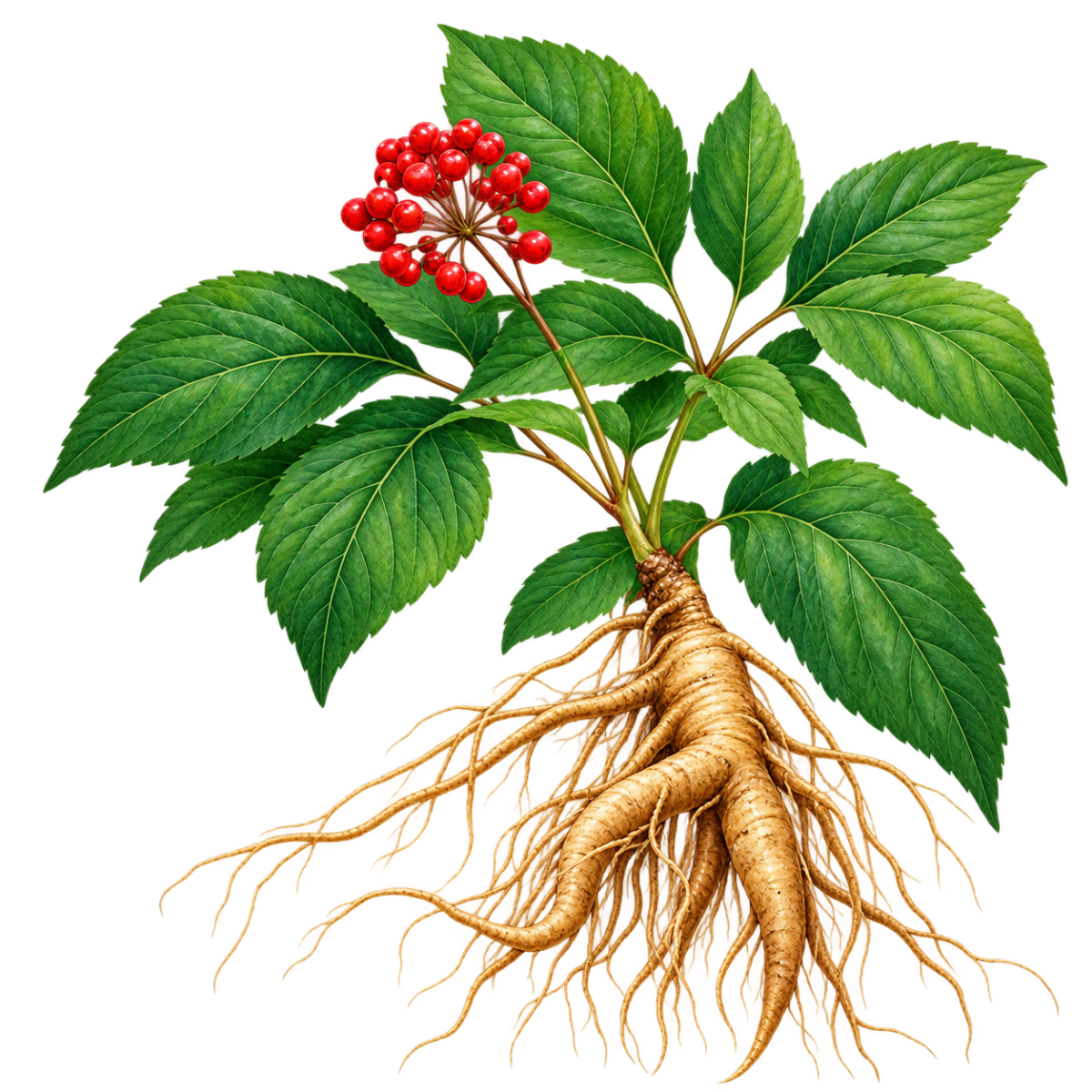
Ren Shen (Asian Ginseng) is a premium traditional herbal tonic made from carefully selected ginseng roots, processed and dried to preserve their natural active compounds. It is commonly used in decoctions, herbal teas, medicinal wines or honey infusions to help nourish qi and blood, support immune function, ease fatigue and weakness, and support cardiovascular, cognitive, sleep and hormonal health. Suitable for people under heavy workload, recovering after illness or looking for long-term daily wellness support with natural herbs.
Xiang Fu (Cyperi Rhizoma, Nutgrass Rhizome) is one of the most essential herbs in Traditional Chinese Medicine for regulating Qi, especially Liver Qi constraint, a core pathological mechanism behind many modern disorders such as menstrual irregularities, dysmenorrhea, functional digestive discomfort, stress-related headaches, and emotional tension. In classical TCM theory, Xiang Fu belongs to the category of Qi-regulating herbs, entering the Liver and San Jiao channels. Its primary function is to restore the free flow of Qi, harmonizing the Liver–Spleen–Stomach axis and alleviating pain, distension, and functional disharmony caused by Qi stagnation. Clinically, Xiang Fu is best known for gynecological applications, including irregular menstruation, premenstrual syndrome, breast distension, and abdominal pain associated with constrained Liver Qi. It is also widely used for epigastric fullness, poor appetite, nausea, and stress-induced digestive disorders, where emotional factors impair normal Qi movement. Appropriate candidates for Xiang Fu are individuals presenting signs of Liver Qi stagnation: emotional irritability, chest or hypochondriac tightness, cyclic pain, stress-related insomnia, and tension-type headaches (especially vertex headaches). Important cautions: Xiang Fu should be used carefully or avoided in cases of Qi deficiency without stagnation, Yin deficiency with Blood Heat, excessive uterine bleeding due to deficiency, and during pregnancy, unless prescribed by a qualified TCM practitioner. For optimal results, Xiang Fu should be selected and combined based on pattern differentiation, not used symptomatically without a clear TCM diagnosis