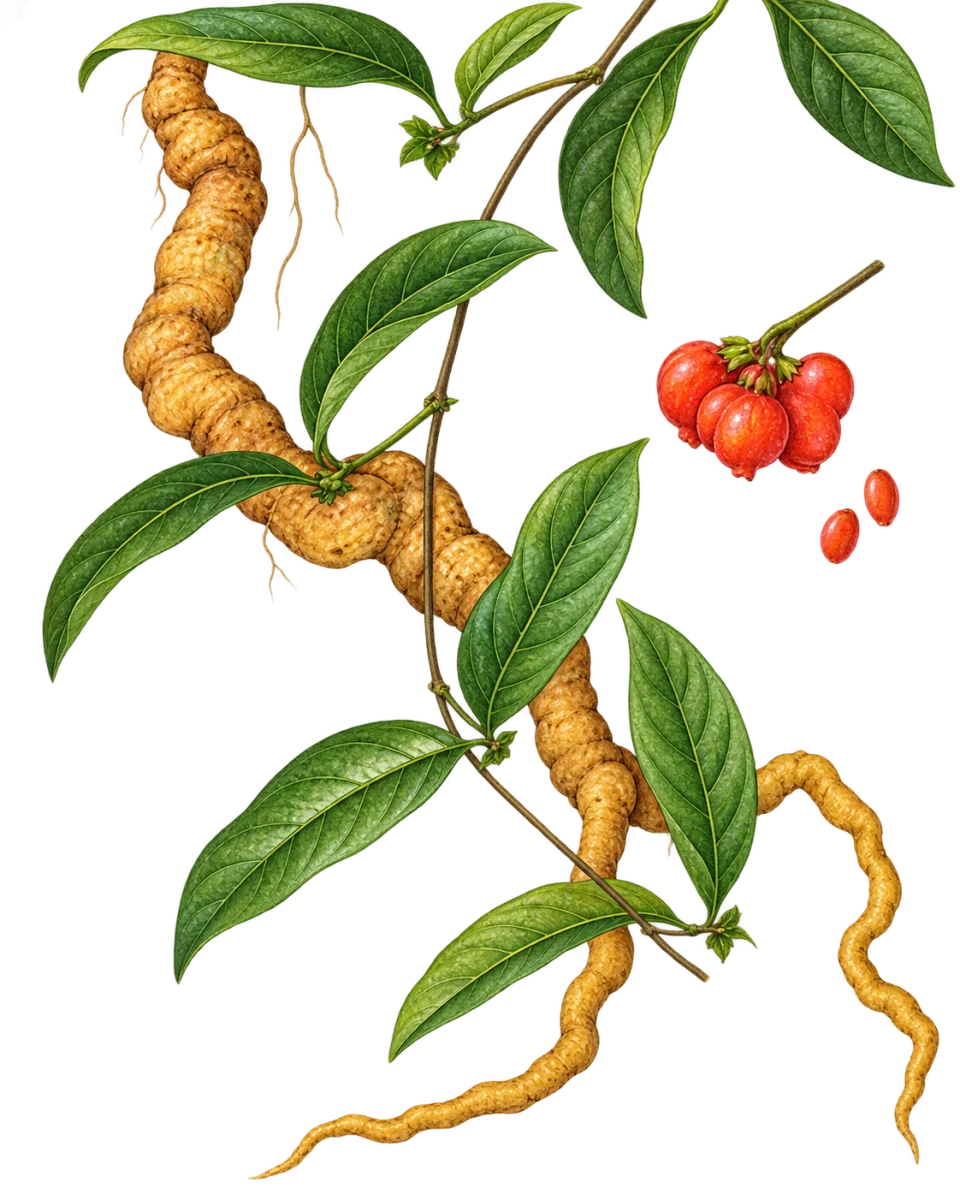
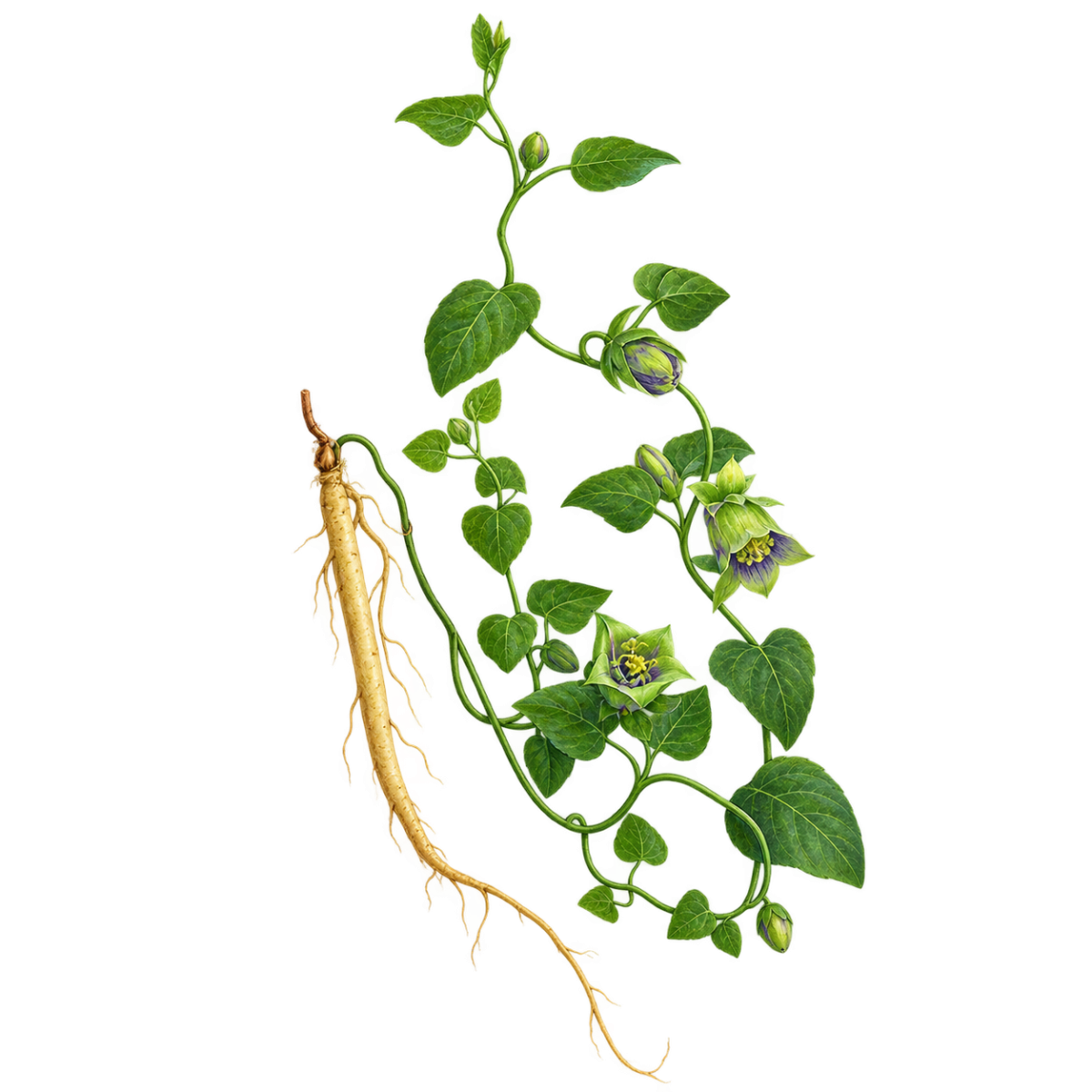
Morinda officinalis (Ba Ji Tian) is a renowned Kidney-Yang tonic used in Traditional Chinese Medicine to strengthen the sinews and bones, enhance vitality, regulate hormones, and improve reproductive health in both men and women. It also supports circulation, reduces inflammation, boosts immunity, increases endurance, and promotes restorative sleep. Entering the Liver and Kidney meridians, this herb is traditionally applied for lower-back weakness, erectile dysfunction, cold-womb infertility, wind-damp numbness, and chronic fatigue.
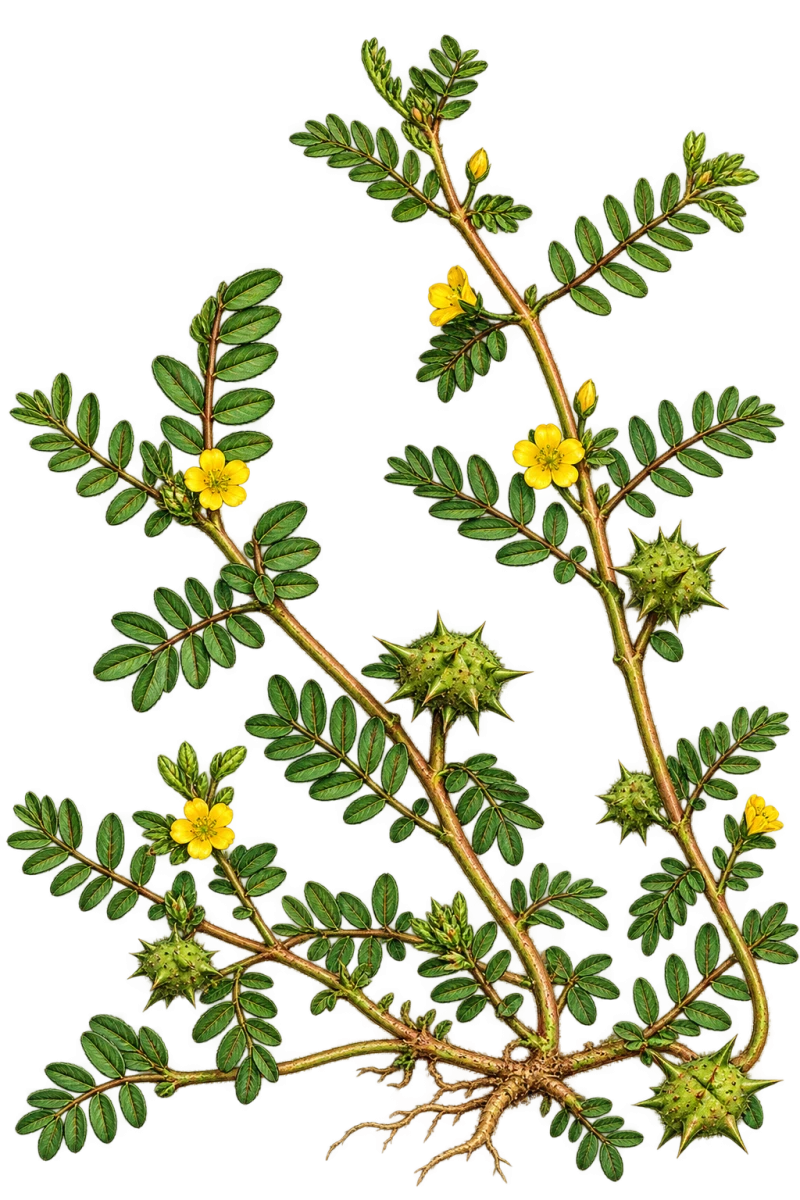
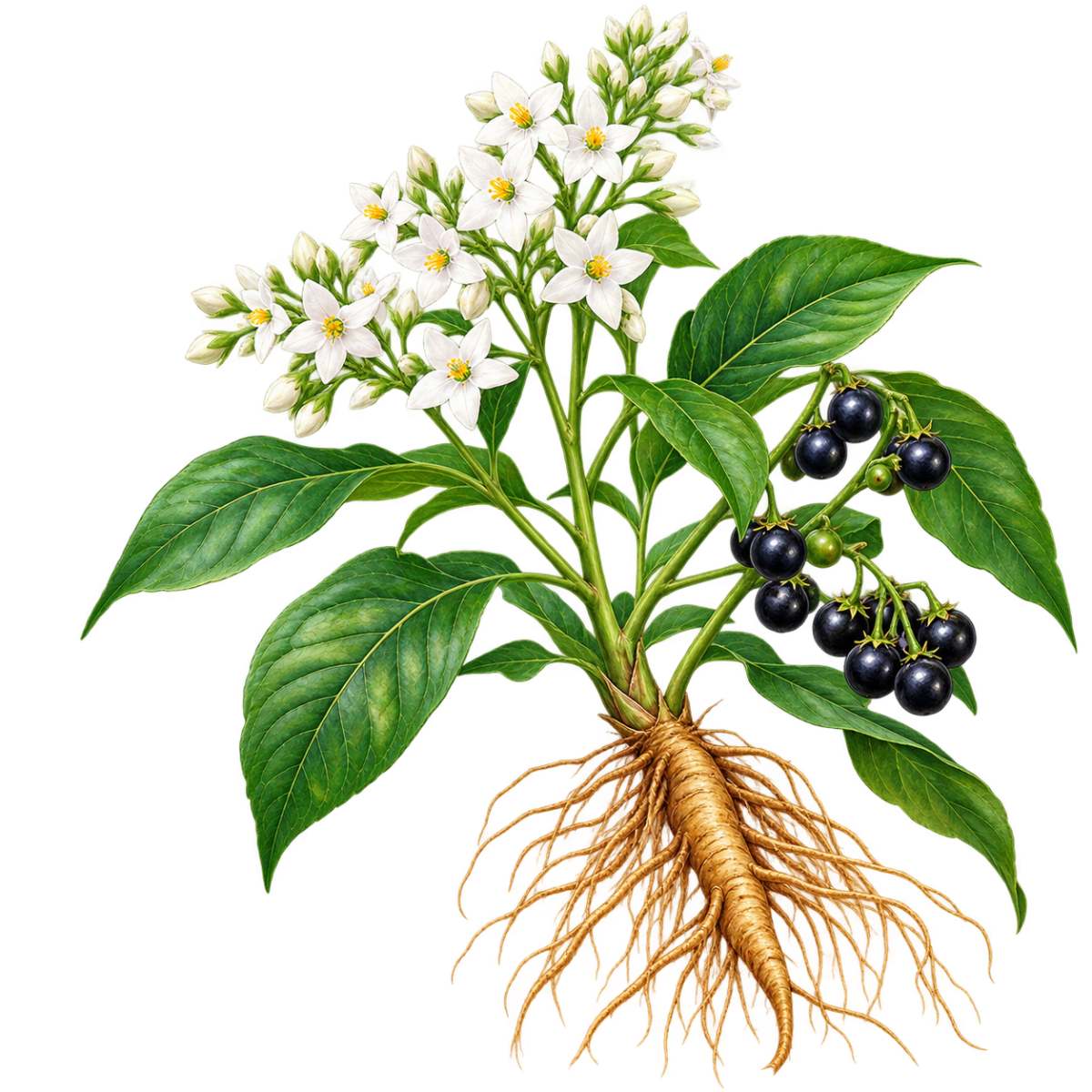
Tribulus terrestris (Tribuli Fructus) is a widely used medicinal herb in Traditional Medicine, known for its ability to promote Qi circulation, invigorate blood, pacify the Liver, dispel Wind, and support male and female reproductive health. Rich in biologically active compounds such as protodioscin, steroidal saponins, flavonoids, alkaloids, essential fatty acids and minerals, Tribulus terrestris is traditionally used to treat Liver Qi stagnation, visual disturbances, menstrual irregularities, fatigue, pain, and skin disorders. Modern research highlights its remarkable effects on enhancing natural testosterone production, improving sperm count and motility, supporting libido, reducing inflammation, increasing diuresis, protecting kidney function, and preventing stone formation. The herb also assists in regulating blood glucose, lowering triglycerides, improving cardiovascular circulation, and enhancing muscle strength and vitality. In East Asian traditional medicine, Tribulus is employed to relieve lumbar pain, headaches, breast distention, postpartum lactation issues, urticaria, sore throat due to stagnation, and a range of disorders involving Qi and Blood imbalance. With its bitter–slightly pungent property and affinity for the Liver and Lung meridians, Tribulus terrestris is considered a versatile therapeutic agent used in formulas for liver–kidney nourishment, blood activation, reproductive support, and overall wellness enhancement. Understanding its medicinal properties, chemical constituents, recommended dosage, and safe usage allows for effective application of this valuable herb in daily health maintenance.
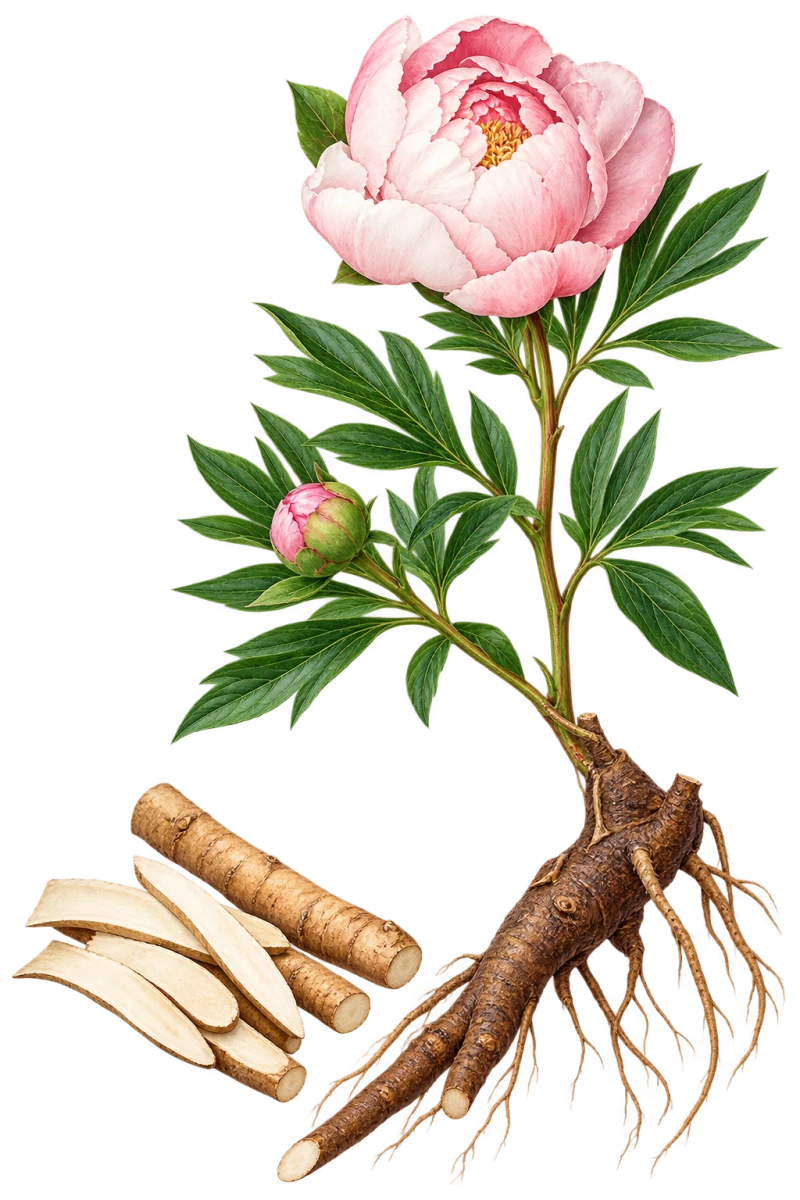
White Peony Root (Bai Shao) is a key TCM herb that nourishes the blood, preserves yin, soothes the Liver, relieves pain, and regulates menstruation. Rich in glycosides like paeoniflorin, it offers anti-inflammatory, hepatoprotective, calming, and circulatory benefits.
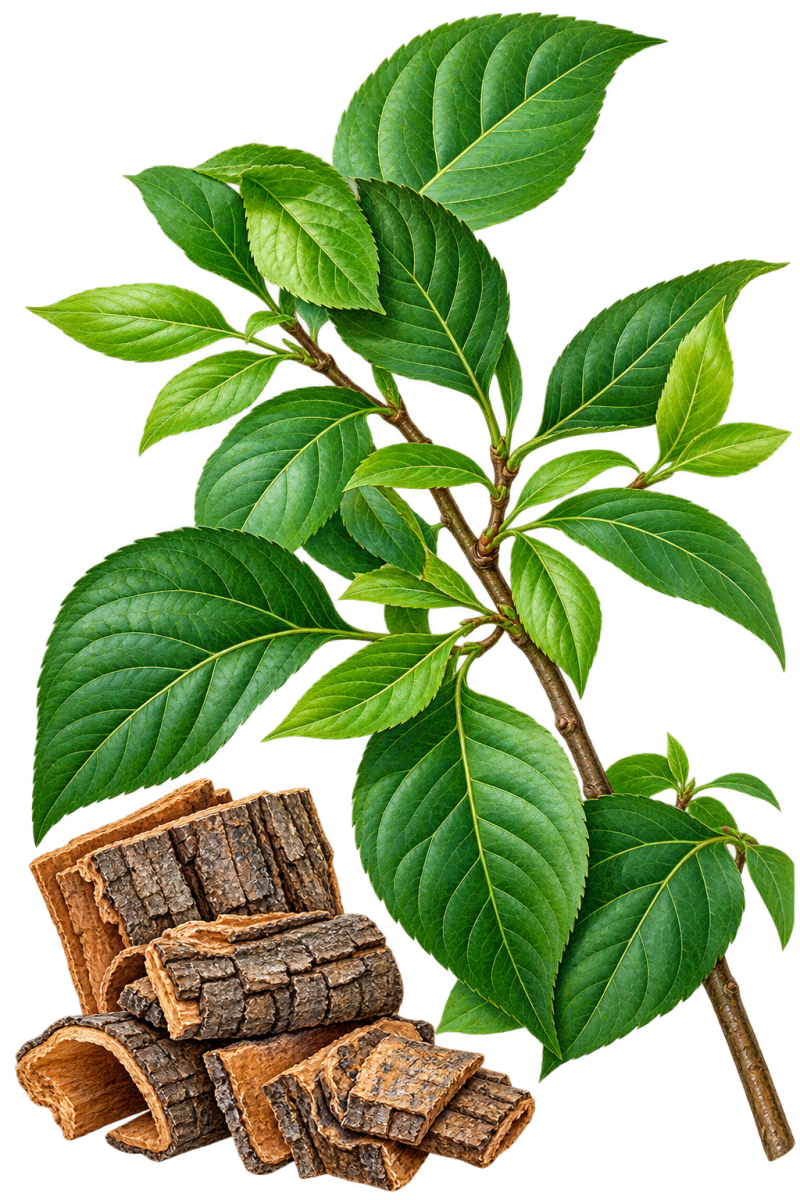
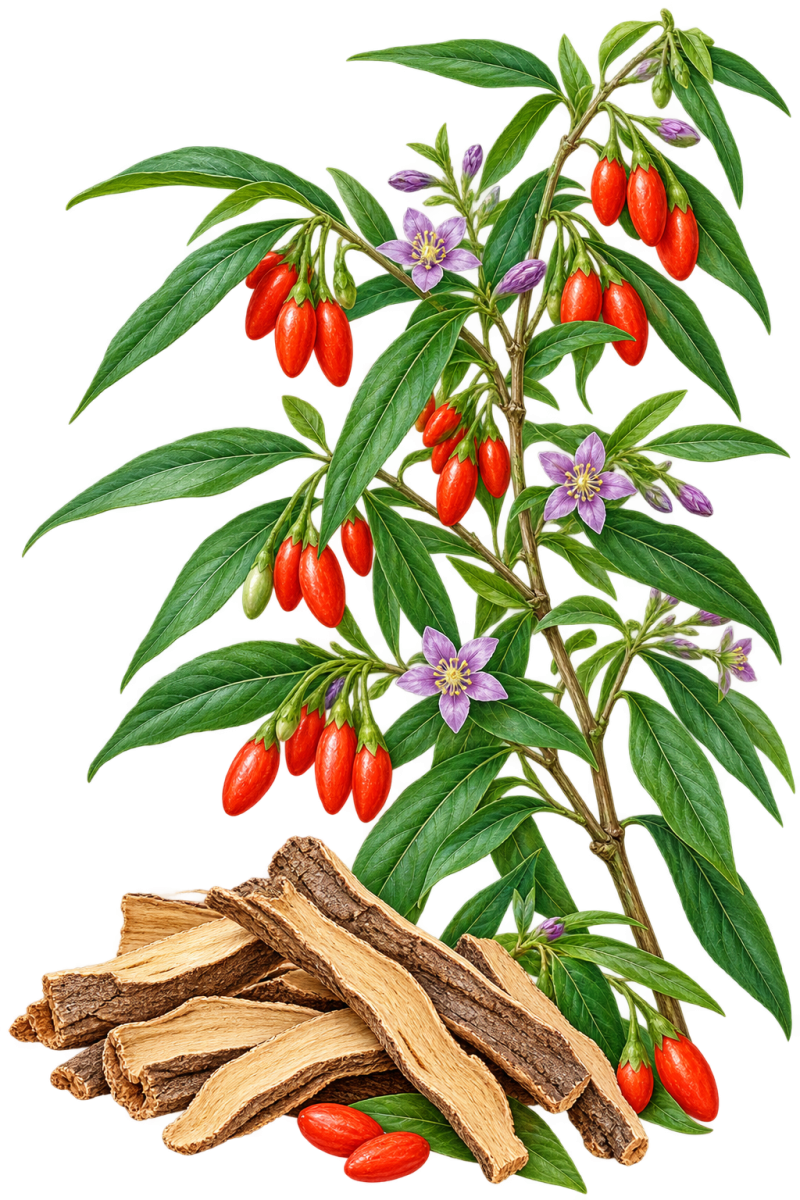
Du Zhong (Eucommia Bark) is one of the most important traditional Chinese medicinal herbs, well-known for its powerful ability to tonify the Liver and Kidneys, strengthen bones and tendons, and support pregnancy. The bark of Eucommia ulmoides is rich in bioactive compounds such as alkaloids, triterpenoids, saponins, flavonoids, vitamins, and essential minerals, giving it a wide range of therapeutic benefits. Du Zhong is commonly used in formulas that treat lower back pain, weak knees, joint degeneration, osteoporosis, as well as nocturnal emission, impotence, and frequent urination caused by Kidney deficiency. In gynecology and obstetrics, Du Zhong is highly valued for its ability to stabilize pregnancy, prevent miscarriage, and strengthen the overall condition of pregnant women. The herb also helps lower blood pressure, reduce cholesterol, and promote vasodilation, making it beneficial for cardiovascular health. Thanks to its anti-inflammatory and strong antioxidant effects, Du Zhong enhances immune function, protects nerve cells, regulates blood sugar, and supports lipid metabolism—making it suitable for individuals at risk of diabetes or metabolic disorders. Modern research further shows that Eucommia leaves offer similar medicinal effects to the bark, providing a more convenient alternative. Du Zhong can be used in various forms such as decoction, medicinal wine, powder, or herbal extract, making it versatile for different wellness needs. Although generally safe, it should be used with caution in individuals with yin deficiency heat or latex allergies. With its wide-ranging therapeutic properties, Du Zhong has become a highly valued herb for supporting bone health, reproductive health, cardiovascular function, and immunity.
Xiang Fu (Cyperi Rhizoma, Nutgrass Rhizome) is one of the most essential herbs in Traditional Chinese Medicine for regulating Qi, especially Liver Qi constraint, a core pathological mechanism behind many modern disorders such as menstrual irregularities, dysmenorrhea, functional digestive discomfort, stress-related headaches, and emotional tension. In classical TCM theory, Xiang Fu belongs to the category of Qi-regulating herbs, entering the Liver and San Jiao channels. Its primary function is to restore the free flow of Qi, harmonizing the Liver–Spleen–Stomach axis and alleviating pain, distension, and functional disharmony caused by Qi stagnation. Clinically, Xiang Fu is best known for gynecological applications, including irregular menstruation, premenstrual syndrome, breast distension, and abdominal pain associated with constrained Liver Qi. It is also widely used for epigastric fullness, poor appetite, nausea, and stress-induced digestive disorders, where emotional factors impair normal Qi movement. Appropriate candidates for Xiang Fu are individuals presenting signs of Liver Qi stagnation: emotional irritability, chest or hypochondriac tightness, cyclic pain, stress-related insomnia, and tension-type headaches (especially vertex headaches). Important cautions: Xiang Fu should be used carefully or avoided in cases of Qi deficiency without stagnation, Yin deficiency with Blood Heat, excessive uterine bleeding due to deficiency, and during pregnancy, unless prescribed by a qualified TCM practitioner. For optimal results, Xiang Fu should be selected and combined based on pattern differentiation, not used symptomatically without a clear TCM diagnosis
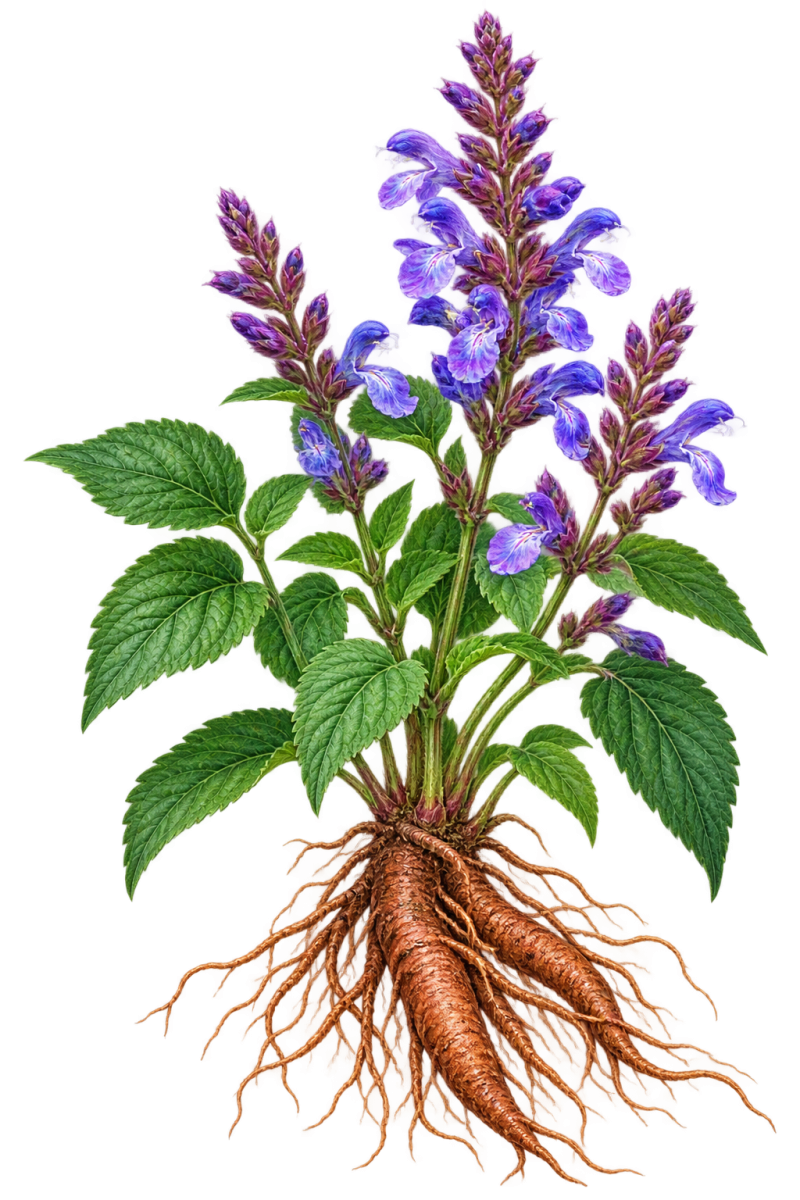
Dan Shen (Salvia miltiorrhiza Bunge), commonly known as Danshen root, is a well-known medicinal herb in Traditional Chinese Medicine (TCM), widely used for its ability to invigorate Blood, dispel Blood stasis, and regulate circulation. Classified as bitter in taste and slightly cold in nature, Dan Shen primarily enters the Heart, Pericardium, and Liver meridians, where it plays a central role in maintaining cardiovascular and systemic balance. In traditional practice, Dan Shen is valued for promoting smooth blood flow, improving microcirculation, and supporting heart and brain health. It has long been used in formulas addressing chest pain, angina-like discomfort, menstrual irregularities, abdominal pain due to Blood stasis, and traumatic injuries with bruising or swelling. By activating Blood without excessive consumption of vital substances, Dan Shen helps generate new Blood while nourishing existing Blood, making it a key herb in many classical and modern prescriptions. Modern scientific research has identified a rich profile of bioactive compounds in Dan Shen, including tanshinones, salvianolic acids, flavonoids, and phenolic acids, which contribute to its antioxidant, anti-inflammatory, endothelial-protective, and anti-fibrotic properties. These findings support its traditional use in conditions related to impaired circulation, metabolic imbalance, and chronic organ stress involving the heart, liver, kidneys, and brain. Dan Shen is also recognized for its role in supporting liver function, regulating lipid and glucose metabolism, and enhancing the body’s natural self-repair mechanisms through improved blood flow and tissue perfusion. When used appropriately according to pattern differentiation, it offers a balanced approach to long-term health maintenance and recovery. Due to its strong blood-activating nature, Dan Shen should be used with professional guidance in specific populations, particularly during pregnancy or when combined with anticoagulant therapies.
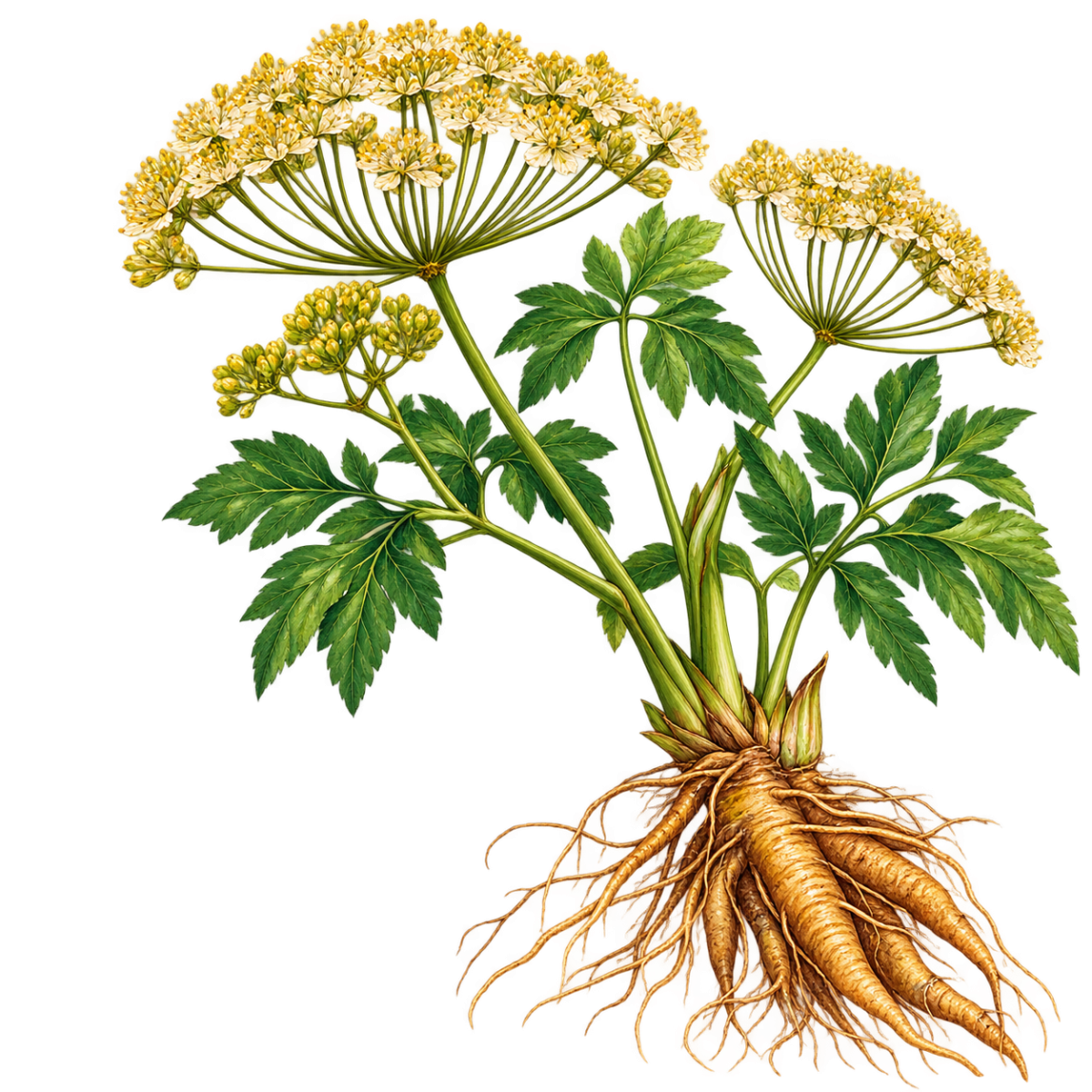
Dang Gui (Angelica sinensis), widely known as Chinese Angelica Root, is one of the most important medicinal herbs in Traditional Chinese Medicine (TCM), renowned for its exceptional ability to nourish and regulate Blood while promoting healthy circulation. With over a thousand years of clinical application, Dang Gui remains a cornerstone ingredient in classical and modern TCM formulations. From a TCM perspective, Dang Gui is sweet and pungent in flavor, warm in nature, and enters the Heart, Liver, and Spleen meridians. It is traditionally used to tonify and harmonize Blood, regulate menstruation, relieve pain, and support overall vitality. Modern pharmacological research supports these functions, identifying key bioactive compounds such as ligustilide, phthalides, ferulic acid, and polysaccharides, which contribute to improved blood circulation, neuroprotection, anti-platelet aggregation, antioxidant activity, and immune modulation. Dang Gui is especially valued in women’s health, where it supports menstrual regulation, alleviates dysmenorrhea, and addresses Blood deficiency when used appropriately. Beyond gynecological applications, it also plays a role in cardiovascular support, post-stroke recovery, digestive balance, skin health, and general physical weakness. With a strong scientific foundation, long-standing clinical credibility, and broad therapeutic scope, Dang Gui represents a premium herbal ingredient for TCM-based products and integrative health solutions, meeting both traditional principles and modern quality standards when sourced and formulated responsibly.
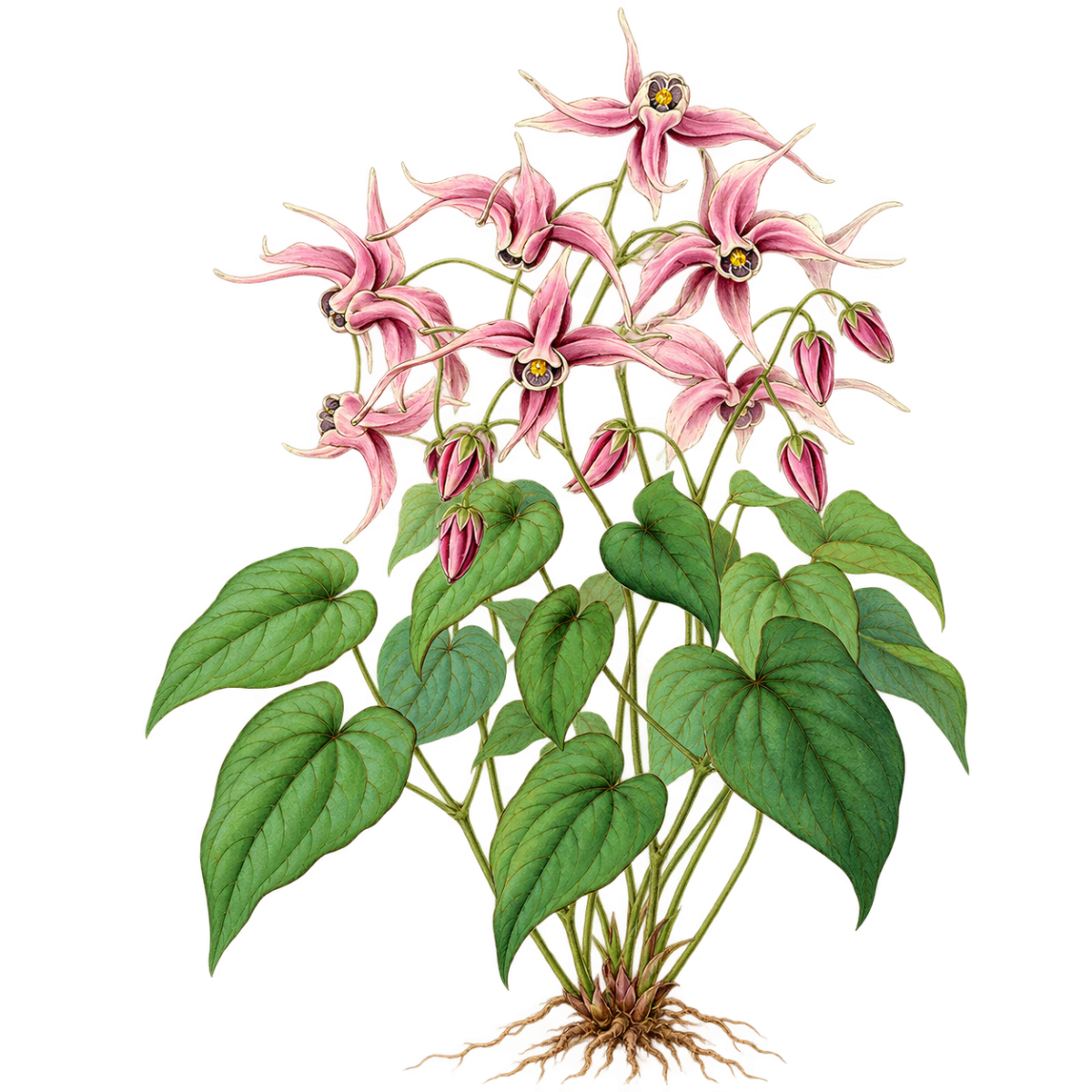
YIN YANG HUO (Epimedium Leaf, Epimedii Folium) is a well-known herb in Traditional Medicine, commonly associated with the functional profile of “warming the Kidney and supporting yang, strengthening tendons and bones, dispelling wind and eliminating dampness.” In materia medica terms, Yin Yang Huo is described as pungent and sweet in taste, warm in nature, and entering the Liver and Kidney channels—often considered when building constitutional support for vitality, musculoskeletal resilience, and long-term wellness. In traditional practice, it is frequently combined within classical-style formulas to support stamina, address low back and knee weakness, promote tendon-and-bone strength, and ease discomfort patterns linked to wind–damp influences. For musculoskeletal care, Epimedium is also widely discussed as part of a holistic approach for individuals concerned about bone health, especially when paired with appropriate movement, nutrition, and synergistic herbs. In modern herbal product development, Epimedium (Epimedii Folium) is commonly found in standardized extracts designed for men’s wellness, performance support, and bone-and-joint maintenance. When choosing a product, prioritize transparent sourcing, quality testing, clear labeling (Epimedii Folium/Epimedium leaf), usage instructions, and safety warnings to ensure responsible use.