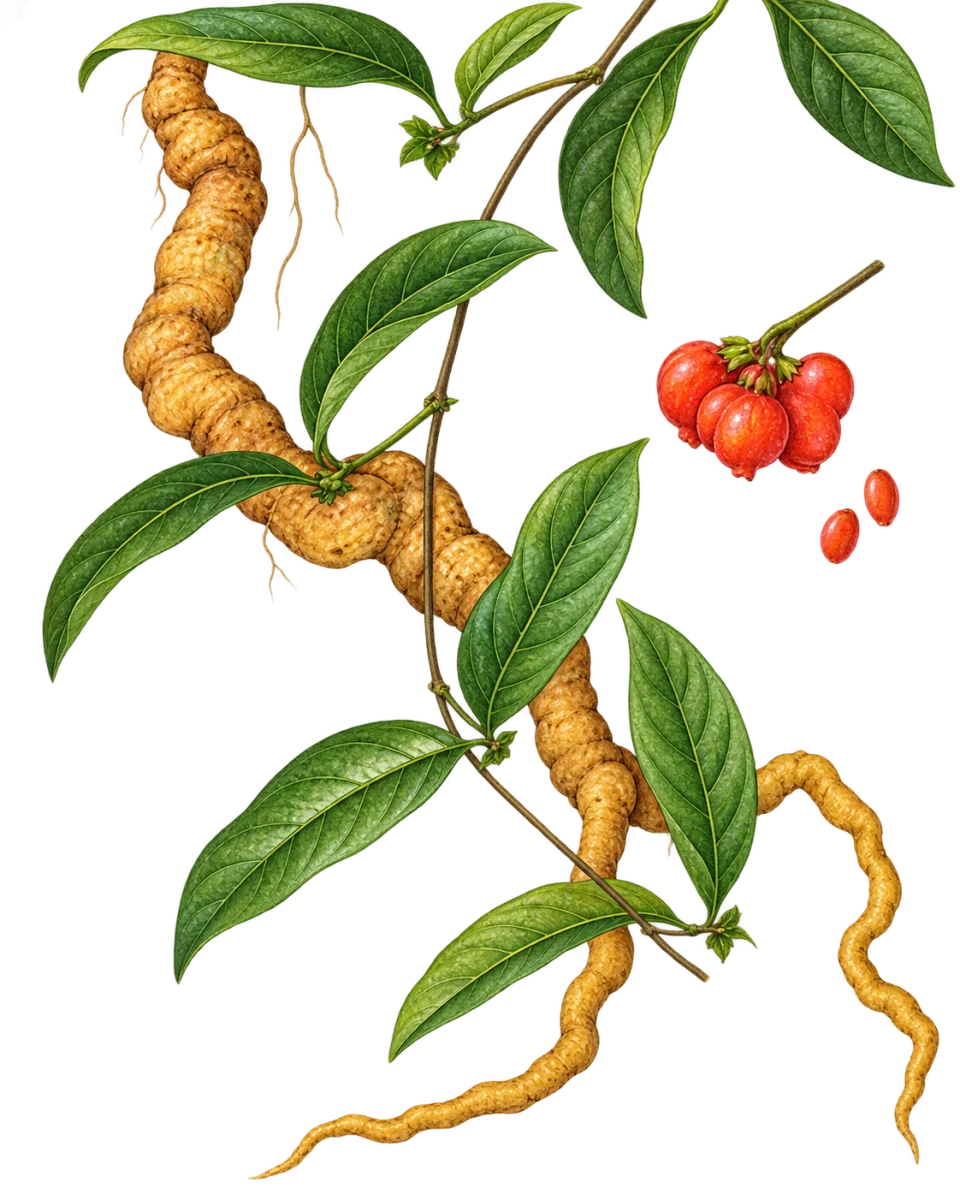
Morinda officinalis (Ba Ji Tian) is a renowned Kidney-Yang tonic used in Traditional Chinese Medicine to strengthen the sinews and bones, enhance vitality, regulate hormones, and improve reproductive health in both men and women. It also supports circulation, reduces inflammation, boosts immunity, increases endurance, and promotes restorative sleep. Entering the Liver and Kidney meridians, this herb is traditionally applied for lower-back weakness, erectile dysfunction, cold-womb infertility, wind-damp numbness, and chronic fatigue.
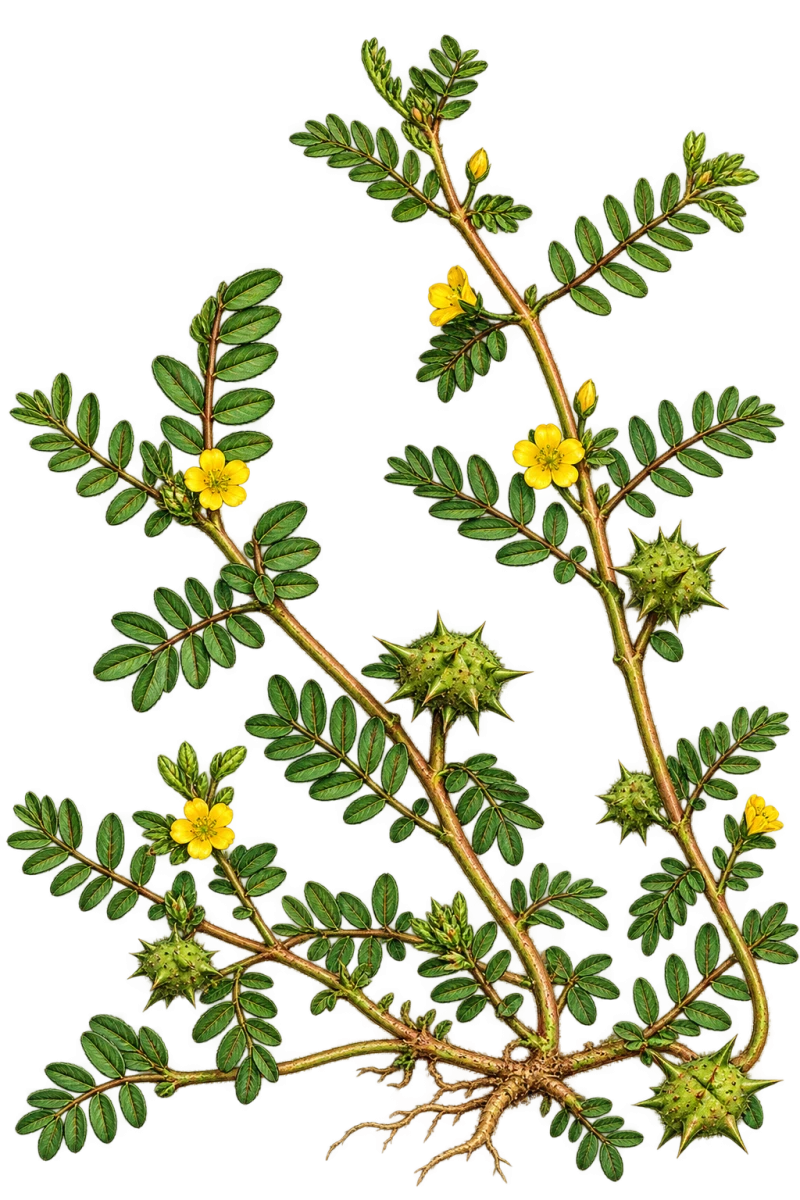
Tribulus terrestris (Tribuli Fructus) is a widely used medicinal herb in Traditional Medicine, known for its ability to promote Qi circulation, invigorate blood, pacify the Liver, dispel Wind, and support male and female reproductive health. Rich in biologically active compounds such as protodioscin, steroidal saponins, flavonoids, alkaloids, essential fatty acids and minerals, Tribulus terrestris is traditionally used to treat Liver Qi stagnation, visual disturbances, menstrual irregularities, fatigue, pain, and skin disorders. Modern research highlights its remarkable effects on enhancing natural testosterone production, improving sperm count and motility, supporting libido, reducing inflammation, increasing diuresis, protecting kidney function, and preventing stone formation. The herb also assists in regulating blood glucose, lowering triglycerides, improving cardiovascular circulation, and enhancing muscle strength and vitality. In East Asian traditional medicine, Tribulus is employed to relieve lumbar pain, headaches, breast distention, postpartum lactation issues, urticaria, sore throat due to stagnation, and a range of disorders involving Qi and Blood imbalance. With its bitter–slightly pungent property and affinity for the Liver and Lung meridians, Tribulus terrestris is considered a versatile therapeutic agent used in formulas for liver–kidney nourishment, blood activation, reproductive support, and overall wellness enhancement. Understanding its medicinal properties, chemical constituents, recommended dosage, and safe usage allows for effective application of this valuable herb in daily health maintenance.
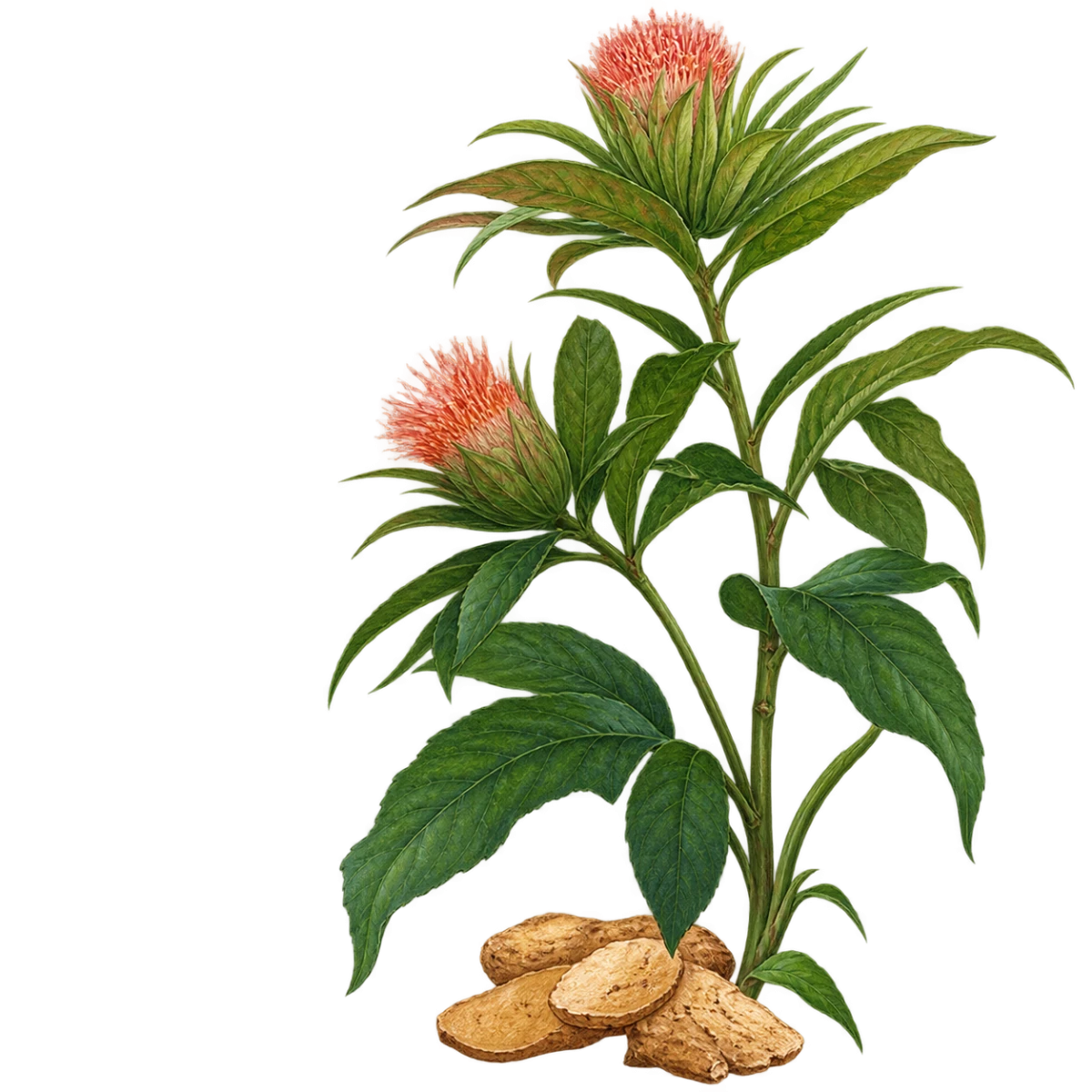
Bai Zhu (Atractylodes macrocephala Koidz.) is a classical herb in Traditional Chinese Medicine renowned for its actions in tonifying the Spleen, drying dampness, replenishing Qi, calming the mind, reducing inflammation, and enhancing immunity. The rhizome of this Asteraceae plant is used to strengthen digestion, alleviate fatigue, reduce edema, support liver health, relieve joint pain, and combat nervous exhaustion. Rich in active compounds such as Atractylenolides I–III and aromatic sesquiterpenes, Bai Zhu demonstrates antioxidant, anti-aging, hepatoprotective, and antitumor properties. Known as the “great tonic for the Spleen,” Bai Zhu not only improves gastrointestinal function but also boosts resilience, restores vitality, and is especially beneficial for individuals experiencing weak digestion, low energy, or convalescence after illness.
Bu Gu Zhi (Cullen corylifolium (L.) Medik., syn. Psoralea corylifolia L.), commonly known as Babchi or Bakuchi seed, is a traditional Chinese medicinal herb renowned for its Kidney-Yang tonifying, Spleen-warming, and essence-preserving effects. The dried seeds, with a bitter-acrid taste and warm nature, enter the Kidney, Spleen, and Pericardium meridians. In Traditional East Asian Medicine, it is prescribed for impotence, spermatorrhea, frequent urination, chronic diarrhea, lumbar weakness, vitiligo, psoriasis, and general deficiency or aging syndromes. Modern pharmacological studies have identified key bioactive compounds—bakuchiol, psoralen, isopsoralen, isobavachalcone, and various flavonoids and terpenes—responsible for its anti-inflammatory, antioxidant, osteogenic, immunomodulatory, and skin-rejuvenating properties. Bakuchiol, in particular, is widely used in dermatology and cosmetics as a natural alternative to retinol. Clinical and laboratory evidence also supports Bu Gu Zhi’s potential in improving bone metabolism, cardiovascular function, hormone balance, and anti-tumor activity. With its dual legacy of ancient wisdom and modern validation, Bu Gu Zhi stands as a bridge between traditional Oriental medicine and contemporary integrative health science. Proper dosage and caution are advised, as the herb should be avoided in patients with Yin deficiency with heat, urinary tract inflammation, or constipation.
Licorice Root (甘草, Gān Cǎo) – Glycyrrhizae Radix et Rhizoma – refers to the root and rhizome of Glycyrrhiza uralensis, G. glabra, or G. inflata from the Fabaceae family. In Traditional Chinese Medicine, Licorice is honored as the “National Elder”, the harmonizing herb that balances hot and cold properties of other medicinals. Sweet in taste and neutral in nature, it enters the Spleen, Stomach, Heart, Liver, and Lung meridians, promoting Qi replenishment, detoxification, cough relief, and internal balance. Modern pharmacological studies reveal that compounds such as glycyrrhizin, glabridin, and liquiritin possess anti-inflammatory, antimicrobial, hepatoprotective, immunoregulatory, and antioxidant activities. Licorice Root is widely used in formulas for treating coughs, sore throat, gastritis, fatigue, endocrine imbalance, and skin disorders. However, excessive or prolonged use may cause hypertension and hypokalemia due to mineralocorticoid-like effects. As both a medicine and a harmonizing agent, Gān Cǎo remains an indispensable herb bridging the wisdom of traditional healing and modern therapeutic science.
Gou Qi Zi (Goji Berry) – a classic TCM tonic that nourishes Liver and Kidney, enriches Blood, enhances immunity, and delays aging with abundant bioactive compounds.
Da Zao (Chinese Date, Ziziphus jujuba) – a traditional herb that tonifies Qi, strengthens the Spleen, nourishes Blood, and calms the mind. Known for liver protection, muscle enhancement, harmonizing Qi and Blood, treating insomnia, fatigue, ulcers, cough, and digestive disorders. Learn its therapeutic uses, chemical composition, and safe applications
Codonopsis pilosula (Dang Shen), commonly known as Tangshen or Poor Man’s Ginseng, is one of the most valued tonic herbs in Traditional Chinese Medicine (TCM). Belonging to the Campanulaceae (Bellflower) family, this sweet and neutral herb primarily nourishes the Lung and Spleen meridians. It is traditionally used to tonify Qi, strengthen the Spleen, generate body fluids, and nourish the Blood—making it a key remedy for fatigue, poor appetite, general weakness, chronic cough, and digestive insufficiency. The root of Codonopsis pilosula contains a diverse range of bioactive compounds, including sugars (Sucrose, Glucose, Fructose, Inulin), alkaloids, glycosides such as Scutellarein glucoside and Syringin, as well as saponins (Tangshen side I) and choline. Modern pharmacological studies have demonstrated its efficacy in enhancing immunity, improving cardiac contractility, regulating blood pressure, relieving fatigue, protecting the gastric mucosa, and exerting anti-inflammatory and antibacterial effects. It also supports hematopoiesis, improves mental clarity, and enhances physical endurance. Owing to its gentle tonic nature, Dang Shen is widely regarded as a safer and more affordable alternative to Panax ginseng in clinical and home herbal formulations. This article provides an in-depth exploration of the botanical characteristics, chemical composition, therapeutic properties, dosage guidelines, contraindications, and modern pharmacological findings surrounding Codonopsis pilosula, offering a bridge between classical TCM wisdom and contemporary scientific research.
Dendrobium Stem (Dendrobium nobile Lindl., Dendrobii Caulis) is one of the most valued tonic herbs in Traditional Chinese Medicine (TCM), renowned as “Golden Stem Dendrobium” – a superior Yin-nourishing and life-prolonging herb. With its sweet flavor and slightly cold nature, it enters the Lung and Kidney meridians, replenishing Yin fluids, clearing internal heat, tonifying the Stomach, moistening the Lungs, brightening the eyes, strengthening tendons, and enhancing overall vitality. Traditionally, it is used to treat Yin deficiency syndromes such as dry mouth, thirst, low-grade fever, night sweating, internal heat in the bones, post-illness fatigue, impotence, cystitis, blurred vision, dizziness, periodontal inflammation, and dry skin. Chemically, Dendrobium nobile contains valuable bioactive compounds including dendrobine (its main sesquiterpene alkaloid), nobiline, polysaccharides, bibenzyls, phenanthrenes, flavonoids, vitamins, and essential minerals. These substances contribute to its antioxidant, immune-regulating, Yin-restoring, and tissue-rejuvenating effects. The herb is usually prepared by decoction, gentle steaming, or extracted into tonic formulas, with a typical daily dose of 6–15 g dried material. Revered for centuries as a “longevity herb,” Dendrobium Stem nourishes the body, revitalizes energy, enhances skin hydration, and promotes graceful aging — just as ancient physicians said: “Regular use of Shi Hu brings youth to the face and life as enduring as the pine.”
Imperatae Rhizoma, commonly known as Lalang Grass Rhizome or Cogon Grass Root (Imperata cylindrica), is a traditional herbal remedy highly valued in Asian medicine for its cooling, detoxifying, and diuretic effects. In Traditional Chinese Medicine, it is renowned for its ability to clear heat, cool the blood, stop bleeding, and promote urination, making it particularly effective for urinary heat syndromes such as painful urination, urinary tract infections, hematuria, and edema. Its strong hemostatic and blood-cooling properties also support conditions like nosebleeds, hematemesis, hemoptysis, and excessive menstrual bleeding caused by heat in the blood. With a naturally sweet flavor and cold nature, Imperatae Rhizoma helps ease nausea, reduce gastric heat, and relieve vomiting, especially when triggered by alcohol or stomach fire. It is traditionally used to relieve thirst, lower fever, cool the stomach, and drain damp-heat from the liver and gallbladder, making it beneficial for jaundice, swelling, or heat-related disorders. Modern studies reveal that the rhizome contains valuable compounds such as triterpenoids, flavonoids, saponins, vitamins, and essential minerals, providing anti-inflammatory, antioxidant, antimicrobial, and kidney-protective benefits. These findings support its longstanding use for detoxification, urinary health, and liver support. With its combined traditional wisdom and scientifically supported bioactivity, Imperatae Rhizoma remains a versatile and reliable herbal medicine for individuals seeking natural heat-clearing, detoxifying, and diuretic therapies to enhance overall well-being.
Nu Zhen Zi (Ligustri Lucidi Fructus), known as Glossy Privet Fruit, is a classic Yin-tonifying herb in Traditional Chinese Medicine, renowned for nourishing the Liver and Kidney, strengthening bones and tendons, brightening the eyes, and supporting overall anti-aging. Derived from the ripe dried fruit of Ligustrum lucidum, this herb has been widely used for centuries in formulas that replenish Essence (Jing), improve lumbar and knee weakness, reduce tinnitus, relieve dizziness, and address premature graying or hair loss caused by Liver–Kidney Yin deficiency. Modern research highlights the herb’s rich content of oleanolic acid, flavonoids, triterpenoids, saponins, and potent antioxidants, offering strong evidence for its hepatoprotective, hypoglycemic, and lipid-lowering effects. Nu Zhen Zi has been shown to enhance immune function, increase leukocyte counts after chemotherapy, reduce neuroinflammation, and protect neural tissues—making it a promising ingredient for supporting neurological health, memory, and cognitive resilience. Additionally, it exhibits potential benefits in vitiligo treatment by promoting melanocyte proliferation and migration. With its bitter-sweet and cooling properties, entering the Liver and Kidney meridians, Nu Zhen Zi is suitable for individuals with Yin deficiency, internal heat, menopausal symptoms, dry eyes, fatigue, and chronic weakness of the lower back and knees. This herb is an ideal choice for modern wellness formulations aimed at nourishing Kidney Yin, protecting the liver, improving vision, restoring vitality, and enhancing overall longevity in a holistic TCM approach.
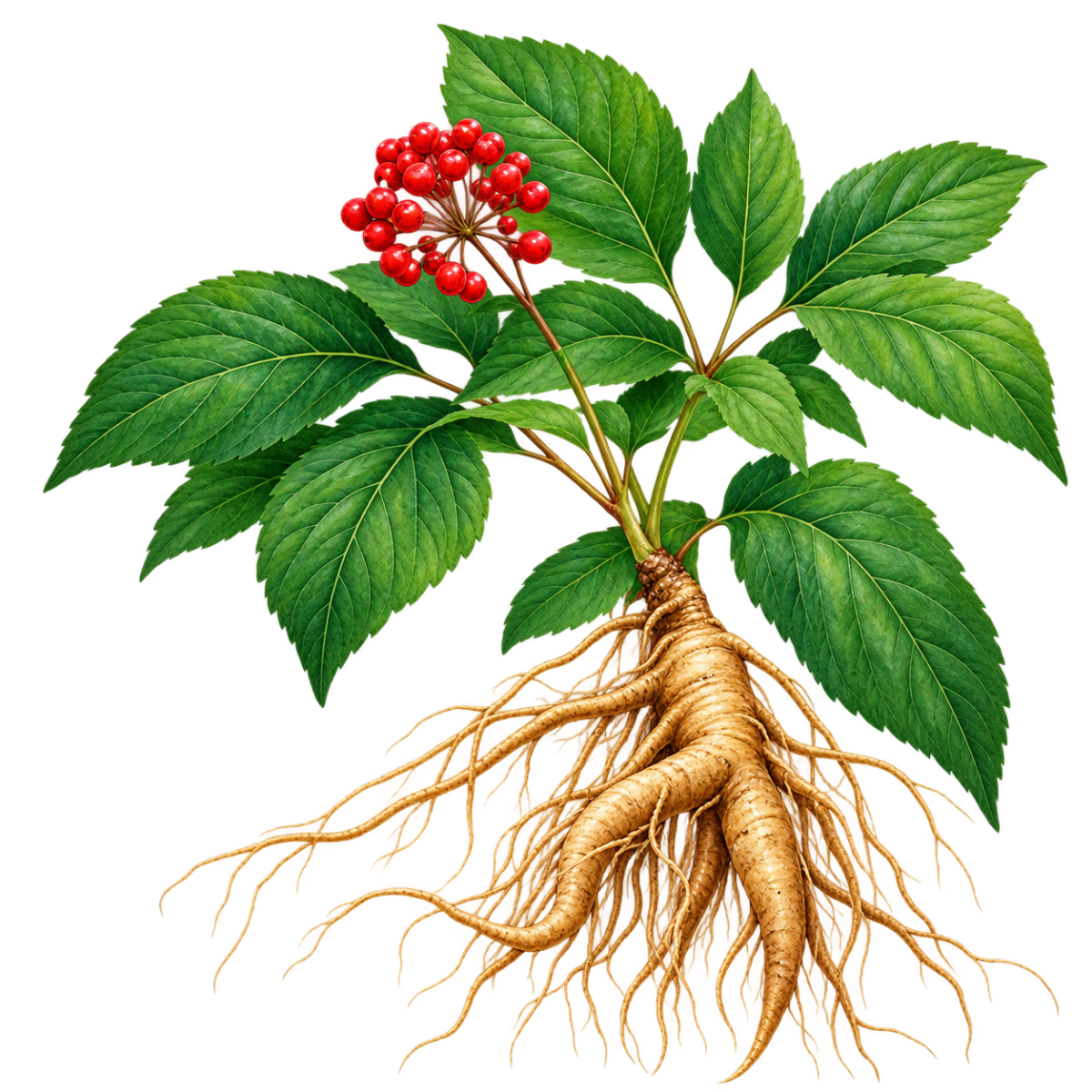
Ren Shen (Asian Ginseng) is a premium traditional herbal tonic made from carefully selected ginseng roots, processed and dried to preserve their natural active compounds. It is commonly used in decoctions, herbal teas, medicinal wines or honey infusions to help nourish qi and blood, support immune function, ease fatigue and weakness, and support cardiovascular, cognitive, sleep and hormonal health. Suitable for people under heavy workload, recovering after illness or looking for long-term daily wellness support with natural herbs.
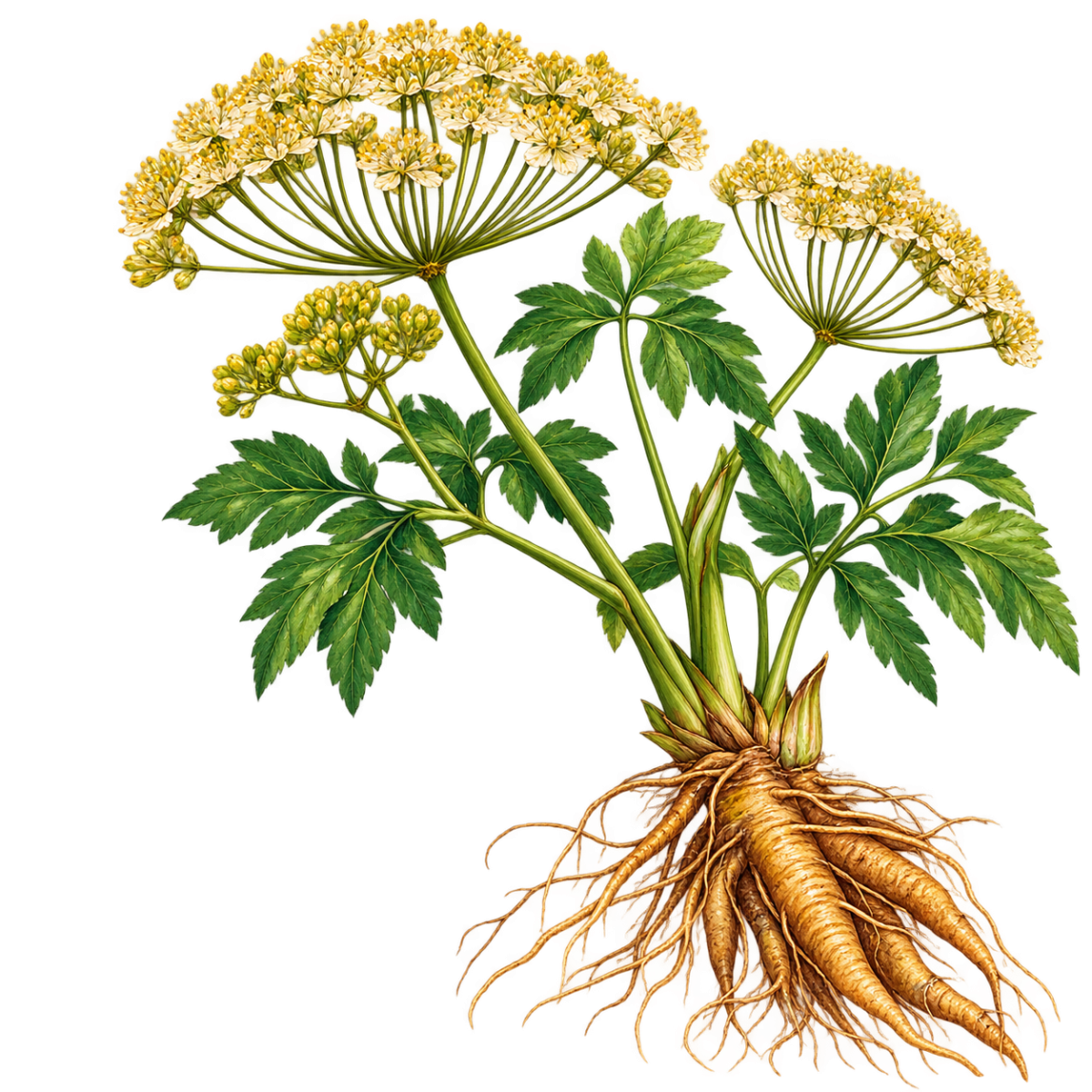
Dang Gui (Angelica sinensis), widely known as Chinese Angelica Root, is one of the most important medicinal herbs in Traditional Chinese Medicine (TCM), renowned for its exceptional ability to nourish and regulate Blood while promoting healthy circulation. With over a thousand years of clinical application, Dang Gui remains a cornerstone ingredient in classical and modern TCM formulations. From a TCM perspective, Dang Gui is sweet and pungent in flavor, warm in nature, and enters the Heart, Liver, and Spleen meridians. It is traditionally used to tonify and harmonize Blood, regulate menstruation, relieve pain, and support overall vitality. Modern pharmacological research supports these functions, identifying key bioactive compounds such as ligustilide, phthalides, ferulic acid, and polysaccharides, which contribute to improved blood circulation, neuroprotection, anti-platelet aggregation, antioxidant activity, and immune modulation. Dang Gui is especially valued in women’s health, where it supports menstrual regulation, alleviates dysmenorrhea, and addresses Blood deficiency when used appropriately. Beyond gynecological applications, it also plays a role in cardiovascular support, post-stroke recovery, digestive balance, skin health, and general physical weakness. With a strong scientific foundation, long-standing clinical credibility, and broad therapeutic scope, Dang Gui represents a premium herbal ingredient for TCM-based products and integrative health solutions, meeting both traditional principles and modern quality standards when sourced and formulated responsibly.
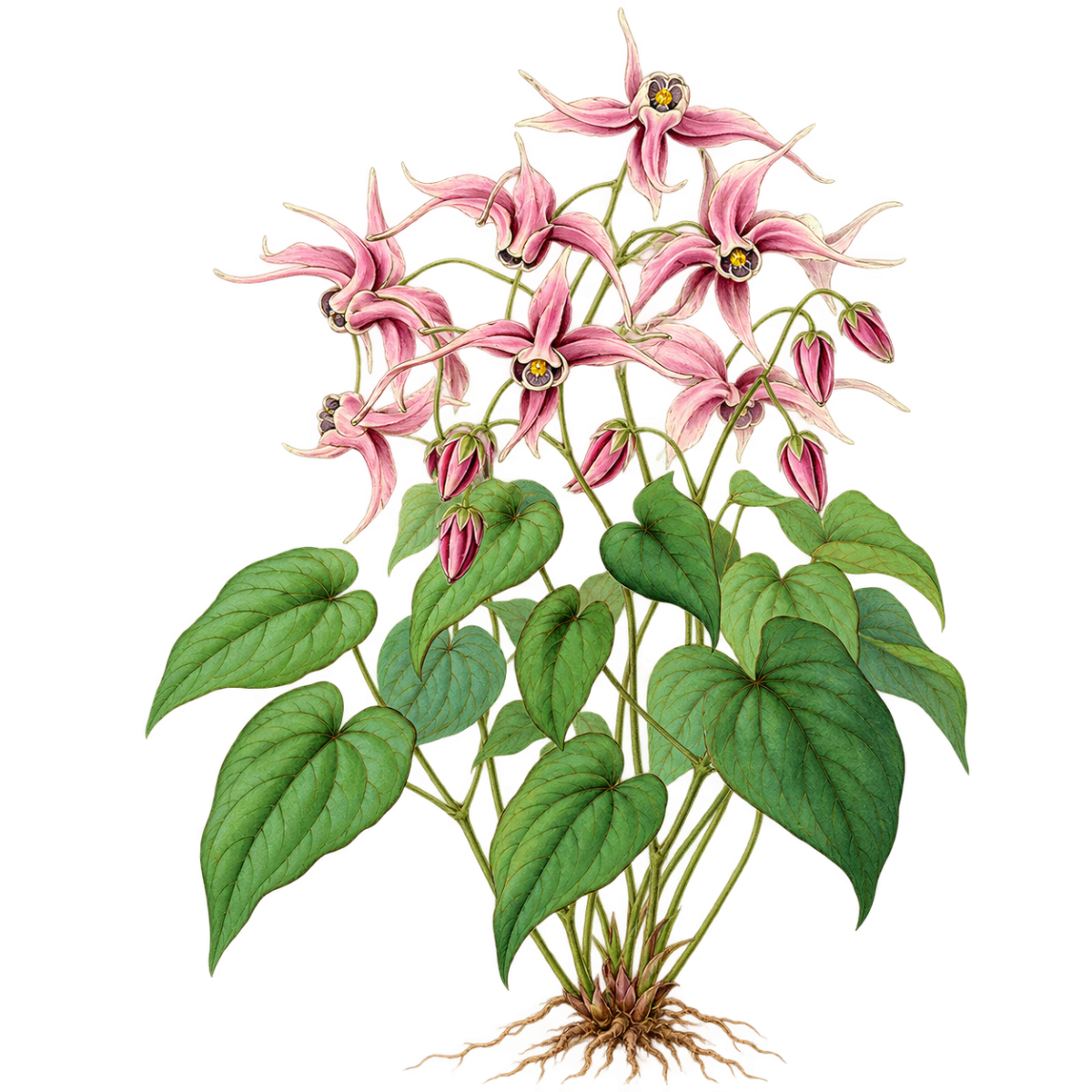
YIN YANG HUO (Epimedium Leaf, Epimedii Folium) is a well-known herb in Traditional Medicine, commonly associated with the functional profile of “warming the Kidney and supporting yang, strengthening tendons and bones, dispelling wind and eliminating dampness.” In materia medica terms, Yin Yang Huo is described as pungent and sweet in taste, warm in nature, and entering the Liver and Kidney channels—often considered when building constitutional support for vitality, musculoskeletal resilience, and long-term wellness. In traditional practice, it is frequently combined within classical-style formulas to support stamina, address low back and knee weakness, promote tendon-and-bone strength, and ease discomfort patterns linked to wind–damp influences. For musculoskeletal care, Epimedium is also widely discussed as part of a holistic approach for individuals concerned about bone health, especially when paired with appropriate movement, nutrition, and synergistic herbs. In modern herbal product development, Epimedium (Epimedii Folium) is commonly found in standardized extracts designed for men’s wellness, performance support, and bone-and-joint maintenance. When choosing a product, prioritize transparent sourcing, quality testing, clear labeling (Epimedii Folium/Epimedium leaf), usage instructions, and safety warnings to ensure responsible use.